
Polyrhachis abnormis
- Sci. Name
- Polyrhachis abnormis
- Subgenus
- Myrmothrinax
- Tribe
- Camponotini
- Subfamily
- Formicinae
- Author
- Donisthorpe, 1948
- Distribution
- Found in 1 countries
Introduction
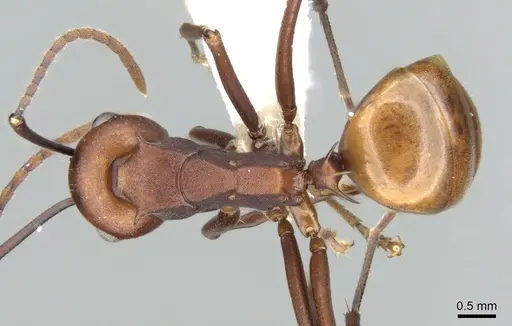
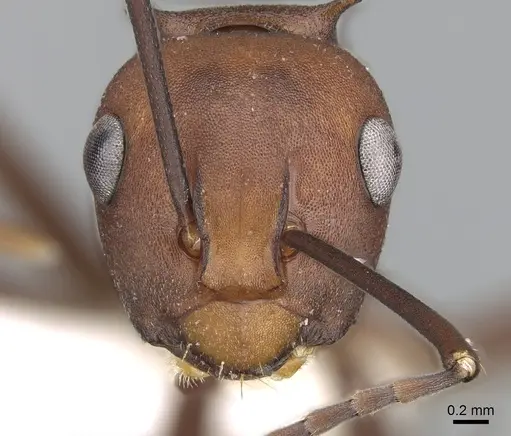
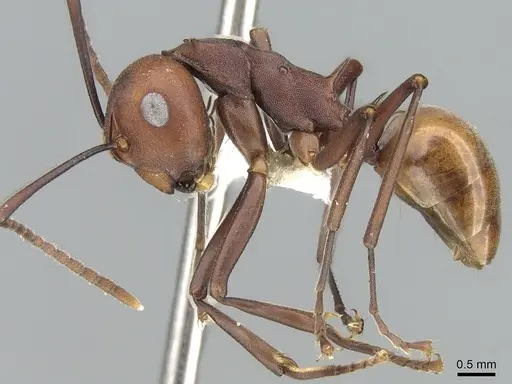
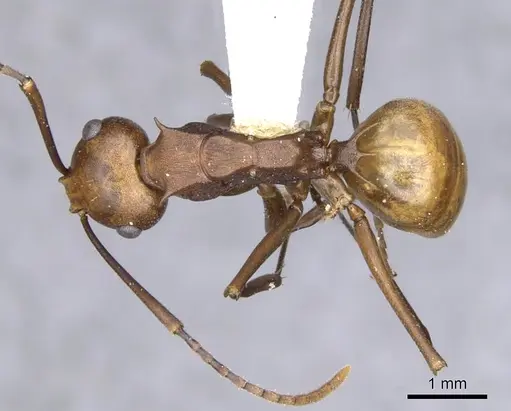
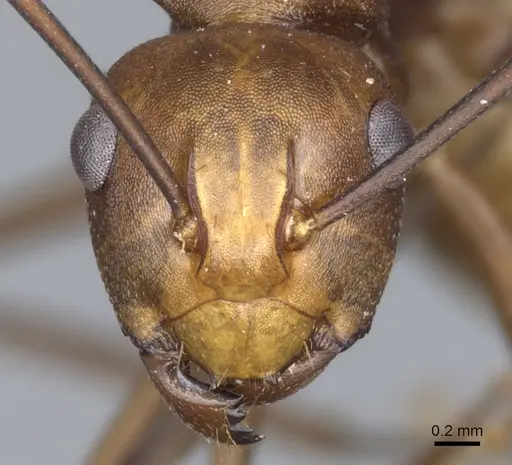
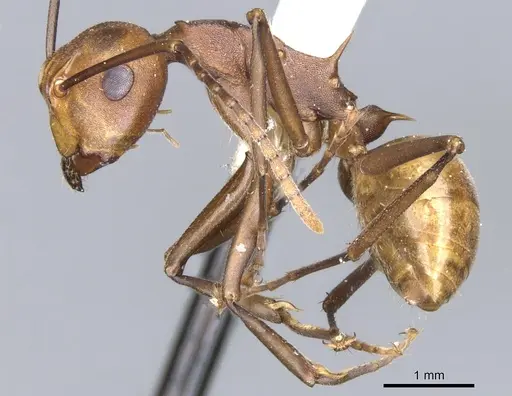
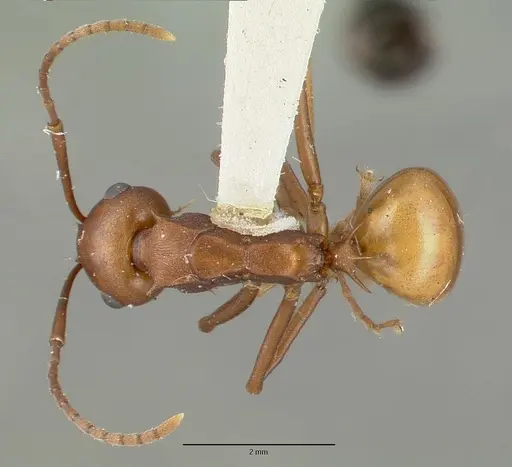
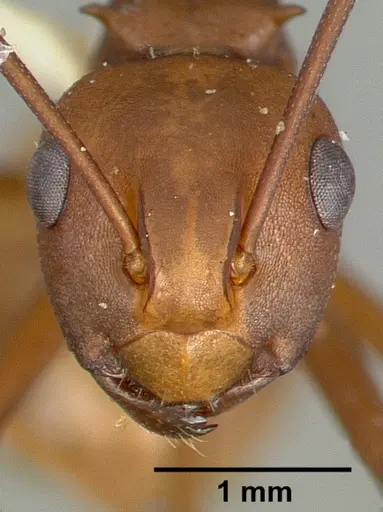
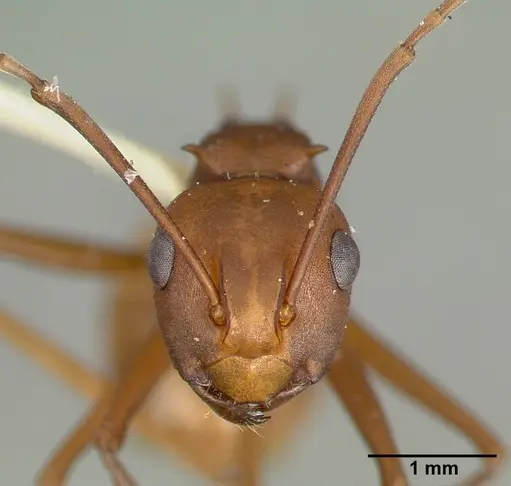
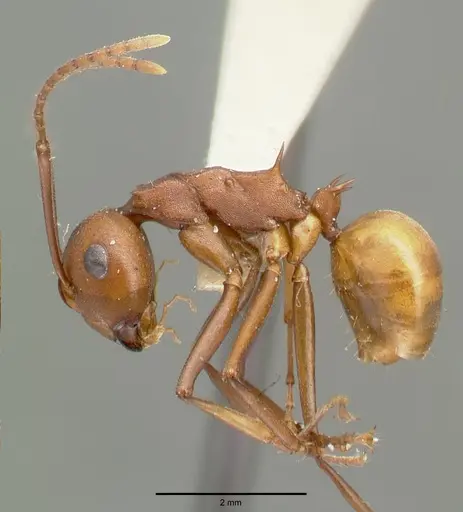
Polyrhachis abnormis is a small ant native to New Guinea, belonging to the subgenus Myrmothrinax. Workers have slender, straight propodeal spines about as long as the propodeal dorsal face . They live in trees and shrubs, building nests by weaving leaves together with larval silk . The species was first described in 1948. Its identification has been debated - some researchers see it as nearly identical to Polyrhachis deceptor, but a recent study tentatively keeps it as a valid member of the aequalis species-group .
Quick Summary
- Difficulty: Medium
- Origin & Habitat: Endemic to New Guinea (Australasian region), where it lives in forest canopies, building silk-woven nests among vegetation [2][3][1].
- Colony Type: Unconfirmed, colony structure has not been studied for this species.
- Size & Growth:
- Queen: Size data unavailable.
- Worker: Size data unavailable.
- Colony: Unknown.
- Growth: Unknown, specific growth data for this species is not available.
- Development: Unknown, no specific data exists for Polyrhachis abnormis. (Development time is not documented. Expect warm, stable tropical conditions to be required.)
- Antkeeping:
- Temperature: Keep warm year-round, around 24-28°C (inferred from tropical origin). Use a heating cable on one side of the nest to create a gradient. Room temperature may be too cool.
- Humidity: Keep the substrate moderately moist but not waterlogged. Arboreal ants need good airflow to prevent mold, provide ventilation while keeping humidity high enough to support silk-weaving.
- Diapause: No, as a tropical species from New Guinea, it does not need a winter dormancy period. Keep temperatures stable year-round.
- Nesting: Provide an arboreal setup with vertical space. A naturalistic terrarium with branches, leaves, and weaving materials (cotton fibers, fabric strips, artificial leaves) works well. They need structures to weave silk between. Y-tong nests can work if combined with vertical elements [2].
- Behavior: Polyrhachis abnormis is generally calm and not aggressive. As arboreal ants, they are excellent climbers and explore three-dimensional spaces actively. Their small size means you need good escape barriers. They weave silk from their larvae to build nests, workers carry larvae to specific spots and coax them to spin silk, binding leaves and other materials together [3].
- Common Issues: tropical temperature requirements mean colonies can be stressed if kept too cool, monitor closely., arboreal nesting needs vertical space and structures, horizontal-only enclosures cause stress., silk-weaving behavior requires appropriate materials (leaves, twigs, fabric strips), missing these may prevent nest construction., high humidity with poor ventilation leads to mold, balance moisture with airflow., wild-caught colonies may carry parasites or diseases, quarantine new colonies.
Nest Preferences and Housing
Polyrhachis abnormis nests in trees and shrubs, weaving leaves together with larval silk [2][3]. In captivity, you need to provide a setup that matches this lifestyle. A naturalistic terrarium with live or artificial plants, branches, and a vertical layout works best. Include weaving materials like cotton, fabric strips, or artificial leaves that the ants can manipulate. Place food and water sources at elevated spots. A Y-tong formicarium can be used if you add vertical elements and plenty of weaving material. The goal is to give them space and resources to express their natural nesting behavior.
Feeding and Diet
Like most Polyrhachis, this species is probably omnivorous. In captivity, provide a constant sugar source (sugar water or honey) and offer small protein insects like fruit flies or small crickets 2-3 times a week. Remove uneaten prey after 24 hours to prevent mold. Because they are arboreal foragers, place food at elevated locations within the enclosure.
Temperature and Seasonal Care
Being tropical, Polyrhachis abnormis needs warm conditions all year. Keep the temperature around 24-28°C (inferred from its New Guinea origin). It does not need a diapause period. Cool temperatures can slow or stop brood development and stress the colony. Use a heating cable on one side of the nest to create a warm zone and a gradient. Monitor with a thermometer to ensure stability. [1]
Unique Silk-Weaving Behavior
One of the most interesting aspects of keeping this ant is watching them build nests with larval silk. Workers hold larvae in their mandibles and move them to where silk is needed, coaxing them to spin threads that bind leaves and other materials together [3]. This behavior is ancestral in the genus Polyrhachis [3]. In captivity, you can encourage it by providing flexible materials like cotton, thin fabric strips, or artificial leaves. You'll often see workers actively moving larvae around to weave new chambers.
Behavior and Temperament
Polyrhachis abnormis is calm and not particularly aggressive. As arboreal ants, they are good climbers and will explore vertical space actively. They are not known for defensive behavior like stinging, like other Formicinae, they lack a functional sting. Instead, they bite and spray formic acid from the tip of their gaster. Use standard escape prevention (Fluon on rims, fine mesh). They are diurnal and most active during daylight.
Frequently Asked Questions
What is Polyrhachis abnormis?
A small ant native to New Guinea that builds silk-woven nests in trees. It belongs to the subgenus Myrmothrinax and has slender, straight propodeal spines [1].
How do I house Polyrhachis abnormis ants?
Provide an arboreal setup with vertical space, branches, and weaving materials like fabric strips or artificial leaves. A naturalistic terrarium works well [2].
What temperature do Polyrhachis abnormis ants need?
Around 24-28°C year-round. They are tropical and need warmth, cool temperatures stress the colony [1].
Do Polyrhachis abnormis ants need hibernation?
No. As a tropical species, they need stable warm conditions year-round. No diapause required.
What do Polyrhachis abnormis ants eat?
They are omnivorous. Provide sugar water or honey as a constant energy source, and small insects like fruit flies or crickets for protein.
How long does it take for Polyrhachis abnormis to develop from egg to worker?
The development time is unknown because it hasn't been studied. Expect it to take several weeks at warm temperatures, but no specific data exists.
Are Polyrhachis abnormis ants aggressive?
No, they are generally calm and not aggressive. They lack a functional sting and typically rely on formic acid spray if threatened.
Can I keep multiple queens of Polyrhachis abnormis together?
It is unknown whether this species is monogyne or polygyne. Without specific research, it's safest to house a single queen per colony.
Why do Polyrhachis abnormis ants use silk?
To build nests. Workers use larval silk to bind leaves and other materials into protective chambers, an ancestral behavior in the genus [3].
Where is Polyrhachis abnormis found in the wild?
It's endemic to New Guinea, living in forest canopies where it builds silk-woven nests [1][4].
Are Polyrhachis abnormis ants difficult to keep?
Rated medium difficulty. The main challenges are providing appropriate arboreal housing with weaving materials and maintaining warm tropical temperatures year-round.
Do Polyrhachis abnormis ants escape easily?
They are small ants that can fit through tiny gaps. Use good barriers like Fluon on test tube rims and fine mesh on enclosures.
Report an Issue
The current care sheet is based fully on literature. See inconsistencies, or something that's incorrect? Please , it will be resolved after review from an admin. Contributing to the blogs tab also helps providing information, to make us be able to further improve the caresheets. Thank you for your support!
References

This caresheet is licensed under CC BY-SA 4.0 .
Community Blogs
Literature
Loading distribution map...Loading products...