
Western Amazon Ant
Polyergus mexicanus
- Sci. Name
- Polyergus mexicanus
- Tribe
- Formicini
- Subfamily
- Formicinae
- Author
- Forel, 1899
- Common Name
- Western Amazon Ant
- Distribution
- Found in 2 countries
Introduction
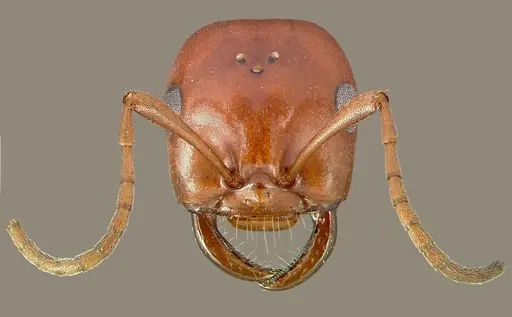
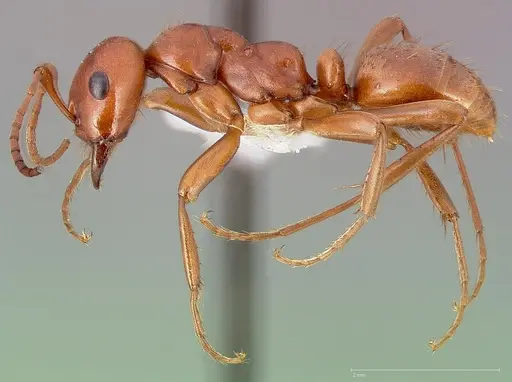
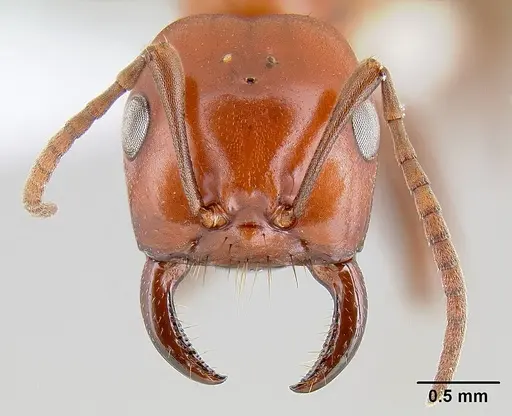
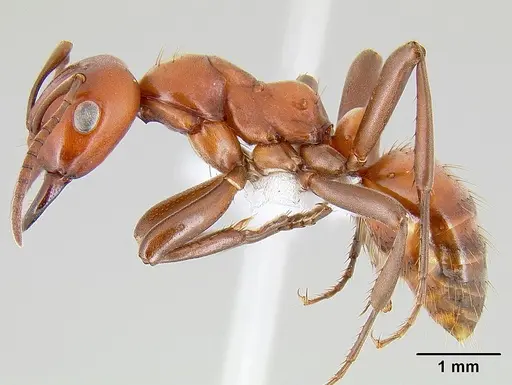
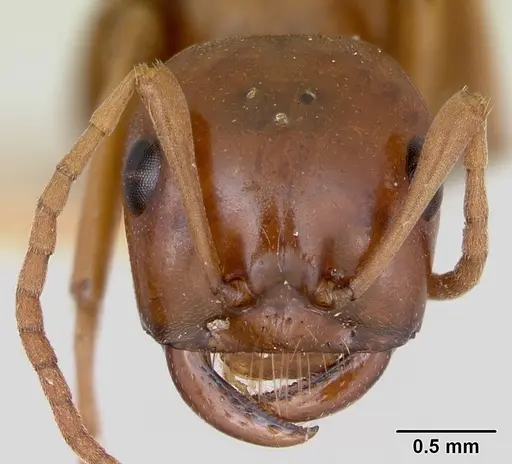
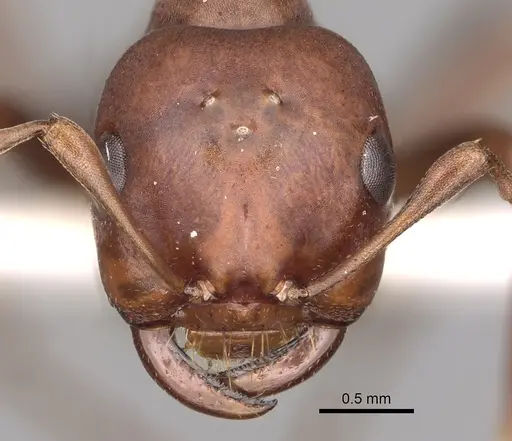
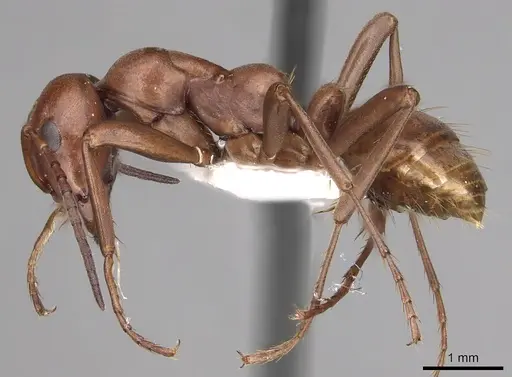
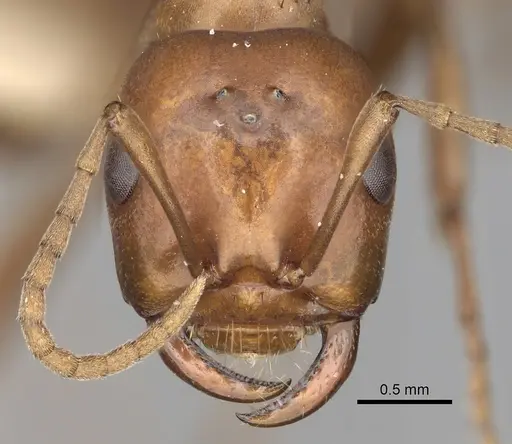
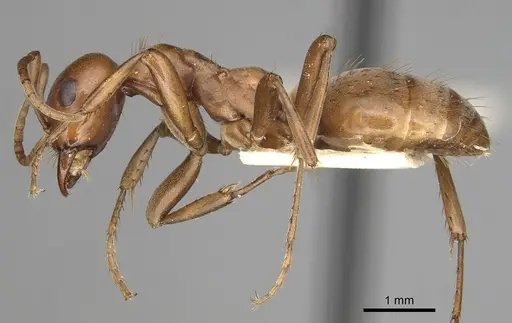
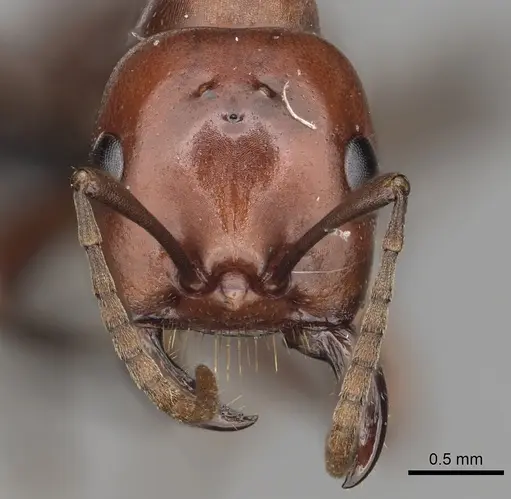
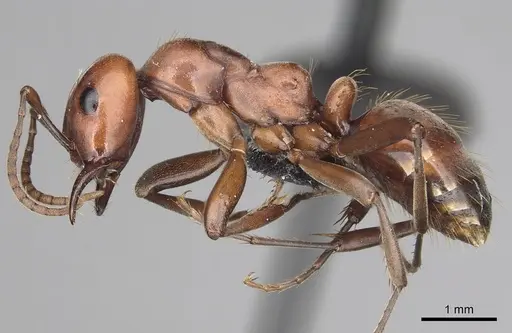
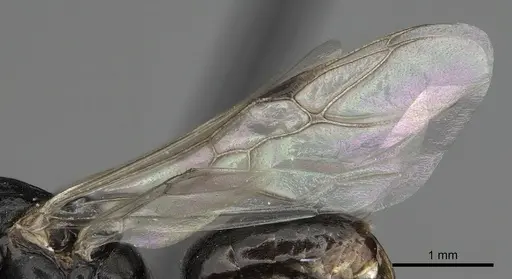
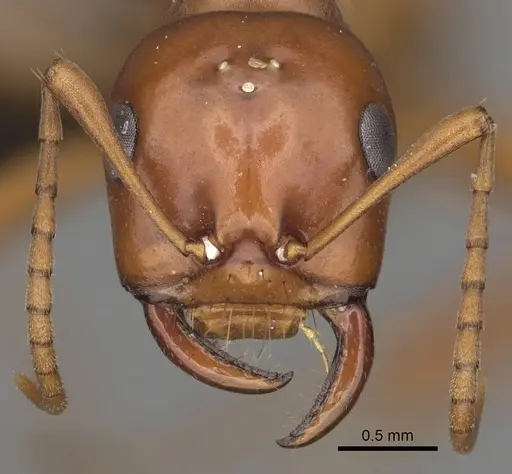
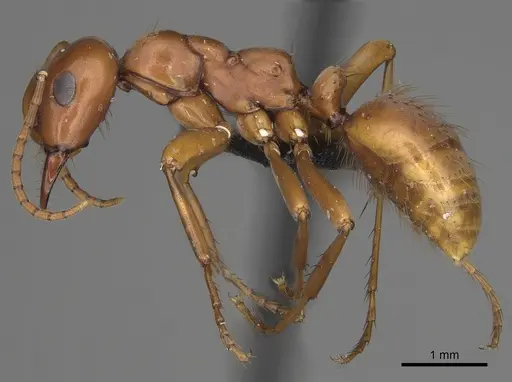
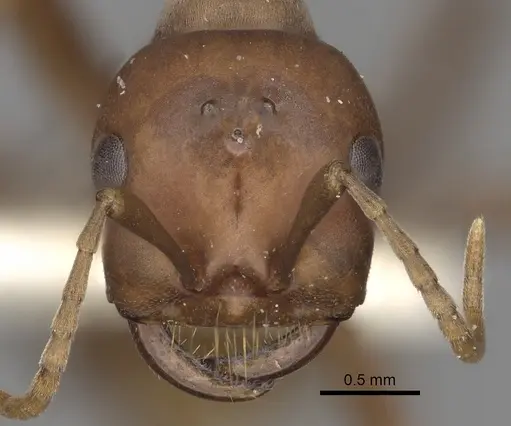
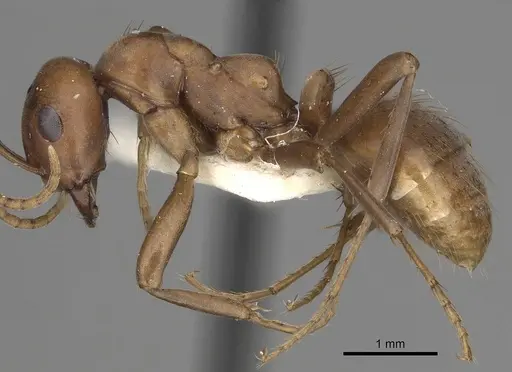
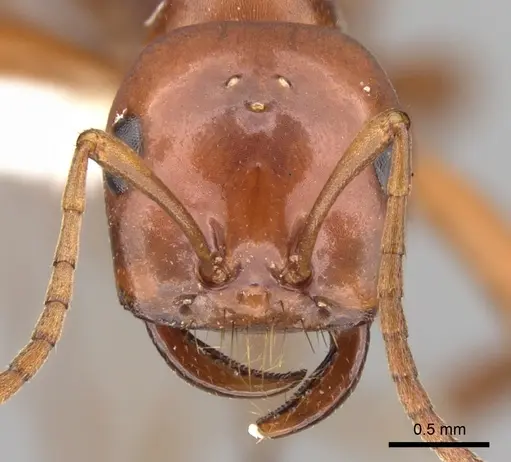
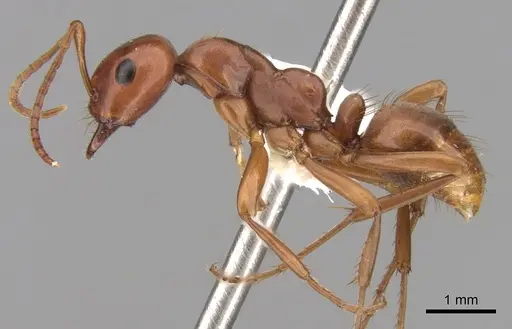
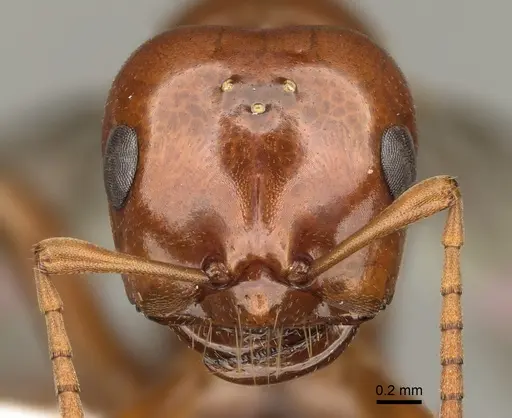
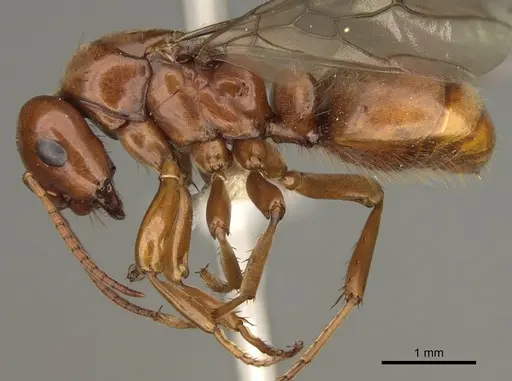
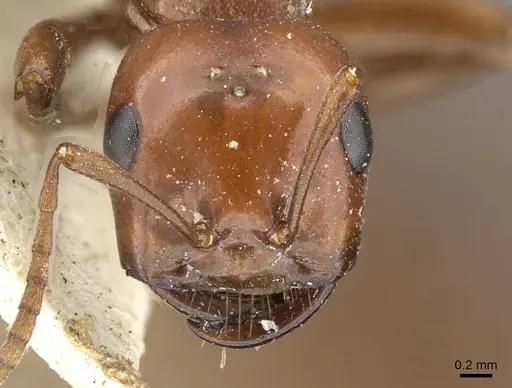
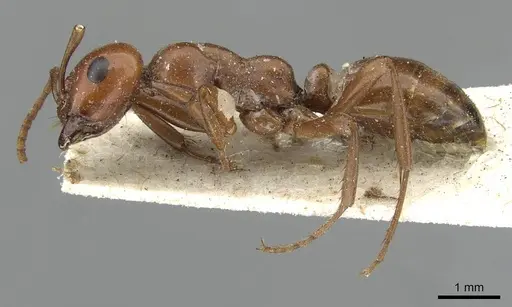
Polyergus mexicanus is a medium-sized ant with workers measuring 5.01-7.36 mm in total length . They are mostly red with darker infuscation on the abdomen. This species is widely distributed in western North America, from British Columbia to Mexico, and east to the Mississippi Valley . Polyergus mexicanus is an obligate slave-making ant, meaning it cannot survive without parasitizing a host Formica colony to raise its young .
Quick Summary
- Difficulty: Expert
- Origin & Habitat: Western North America from British Columbia to Mexico, east to Mississippi Valley. Found in oak woodlands, pine forests, grassland-woodland edges, and prairie groves, often in mesic areas [1][3].
- Colony Type: Obligate dulotic ant, requires a host Formica colony to survive. The queen invades a host colony, kills or displaces the host queen, and uses host workers to raise her brood [1].
- Size & Growth:
- Queen: Size data unavailable, no total length measurements for queens in research context.
- Worker: 5.01-7.36 mm [1]
- Colony: Colony size data unavailable, estimates vary based on host colony health.
- Growth: Slow initially, faster once host integration is successful [1].
- Development: Unknown, no specific data available. (Development occurs within the host colony context.)
- Antkeeping:
- Temperature: Keep at 20-24°C, as they occur across varied elevations [1].
- Humidity: Keep nest substrate consistently moist but not waterlogged, based on their woodland habitat [3].
- Diapause: Yes, requires winter diapause of 3-4 months at 5-10°C, as a temperate species [1].
- Nesting: Requires a dual setup with both the slave-maker colony and a host Formica colony, such as Formica subsericea or Formica argentea [1].
- Behavior: Workers are aggressive raiders using specialized mandibles for combat. They are not aggressive toward humans. Escape risk is moderate due to medium size [2][1].
- Common Issues: lack of host colony leads to colony death., difficulty finding and maintaining suitable host species., raiding behavior can decimate host colonies if not managed., failure to provide winter diapause weakens the colony., slow establishment phase due to dependency on host workers.
The Slave-Making Lifestyle
Polyergus mexicanus is an obligate dulotic species, it cannot survive without a host colony. The queen enters a host Formica colony, kills or displaces the host queen, and uses the host workers to raise her offspring. The resulting workers are primarily Polyergus, but they rely entirely on host workers for all non-raid activities [2][1].
Housing Requirements - The Dual Colony System
To keep Polyergus mexicanus, you must maintain two colonies: the slave-maker colony and a host Formica colony. The host species is typically Formica subsericea, Formica argentea, or other species in the Formica fusca and neogagates groups [1]. Set up both colonies in separate enclosures connected by a forager tube, allowing natural raids, or manually transfer host pupae to the Polyergus nest.
Feeding and Nutrition
In the wild, enslaved host workers do all the foraging. In captivity, feed the host colony with sugar water, protein sources like mealworms, and occasional fruits. The enslaved workers consume and share food with the colony [3].
Temperature and Seasonal Care
Keep both colonies at moderate temperatures around 20-24°C. During winter, both colonies require a diapause period of 3-4 months at 5-10°C [1].
Raiding Behavior
Polyergus workers organize coordinated attacks on nearby Formica colonies, using specialized mandibles to fight host defenders. Successful raids result in captured host pupae, which emerge as enslaved workers [2][1].
Legal and Ethical Considerations
Polyergus mexicanus is native to western North America. If you live within this range, check local regulations before collecting colonies. Do not release this species outside its native range [1].
Frequently Asked Questions
Can I keep Polyergus mexicanus in a test tube?
Not effectively. This species requires a host colony to survive. You need a dual setup with both the slave-maker and a host Formica colony [1].
How do I keep Polyergus mexicanus alive?
You must keep two species: Polyergus mexicanus and a host Formica colony. Connect the colonies for natural raids or manually transfer host pupae [1].
What do Polyergus mexicanus eat?
Feed the host colony with sugar water, protein, and fruits. The enslaved workers distribute food [3].
How long until first workers?
Unknown, no specific data available. Development depends on host integration [1].
Are Polyergus mexicanus good for beginners?
No, this is an expert-level species due to the need to maintain two colonies [1].
Do Polyergus mexicanus need hibernation?
Yes, they require a winter diapause of 3-4 months at 5-10°C [1].
Can I keep multiple queens together?
Not typically, Polyergus colonies are founded by a single queen invading a host colony. Multiple queens would compete [1].
Why are my Polyergus mexicanus dying?
Most likely due to lack of host workers. Ensure both colonies are fed, humidity is maintained, and diapause is provided [1].
How big do colonies get?
Colony size data unavailable, it depends on host colony health [1].
Report an Issue
The current care sheet is based fully on literature. See inconsistencies, or something that's incorrect? Please , it will be resolved after review from an admin. Contributing to the blogs tab also helps providing information, to make us be able to further improve the caresheets. Thank you for your support!
References

This caresheet is licensed under CC BY-SA 4.0 .
Community Blogs
CASENT0005397
View on AntWeb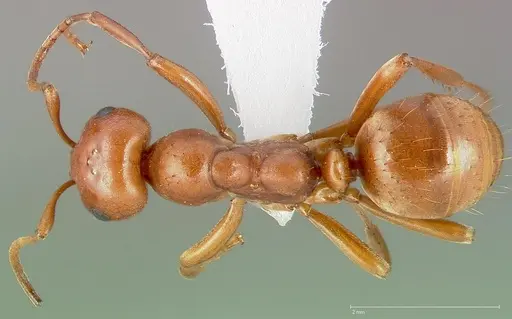
CASENT0106048
View on AntWeb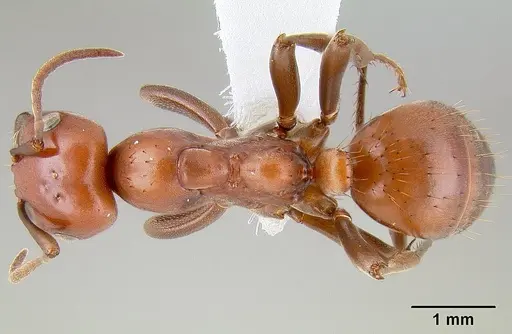
CASENT0172897
View on AntWeb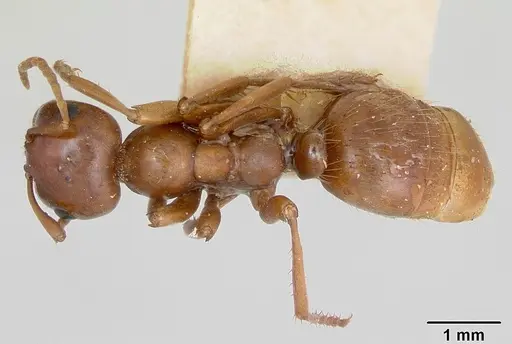
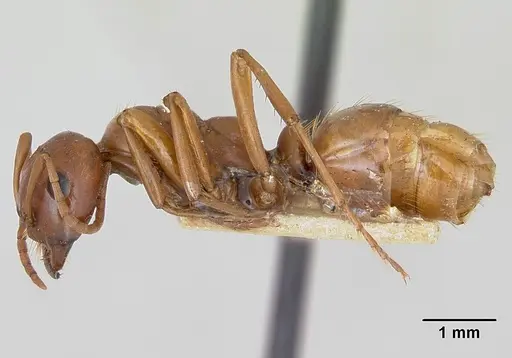
CASENT0179560
View on AntWeb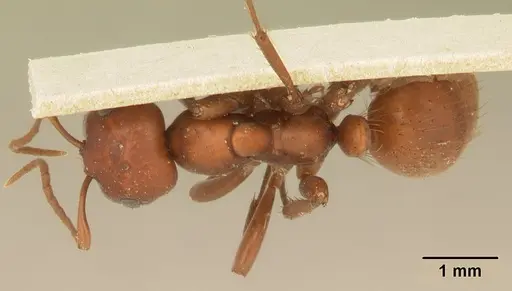
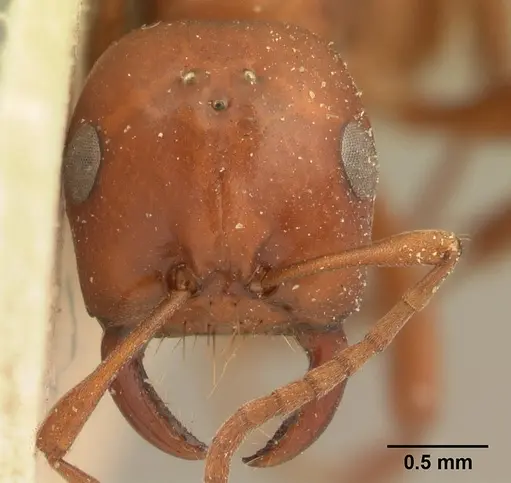
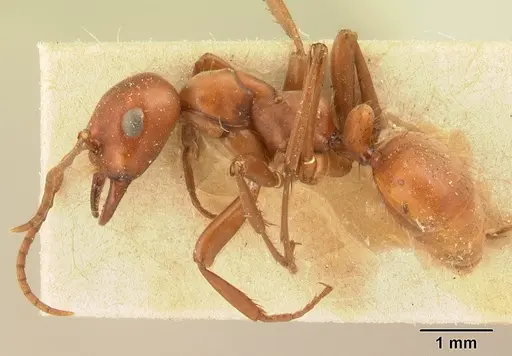
CASENT0281069
View on AntWeb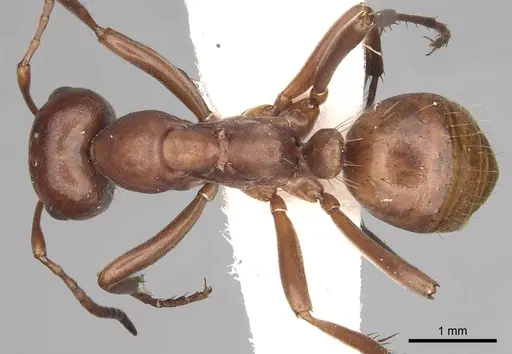
CASENT0281070
View on AntWeb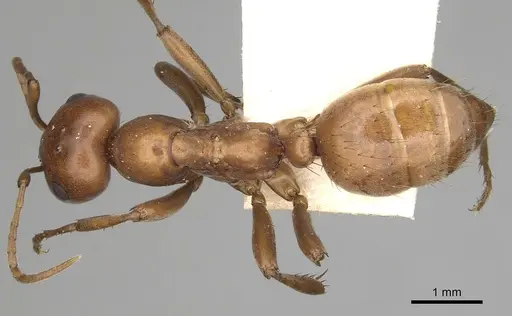
CASENT0281071
View on AntWeb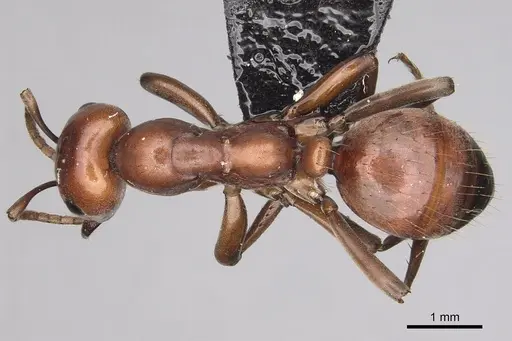
CASENT0281072
View on AntWeb
CASENT0281073
View on AntWeb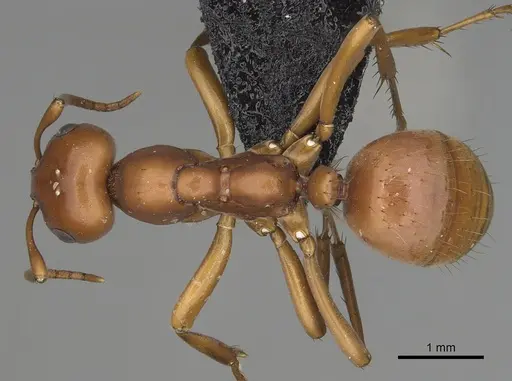
CASENT0281074
View on AntWeb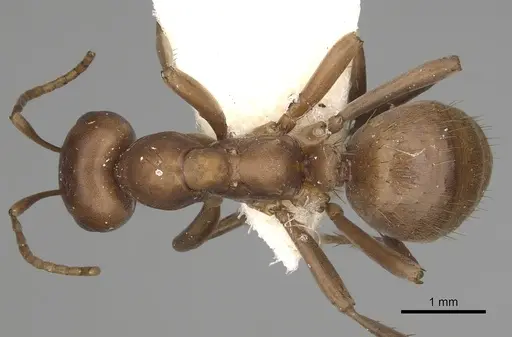
CASENT0281342
View on AntWeb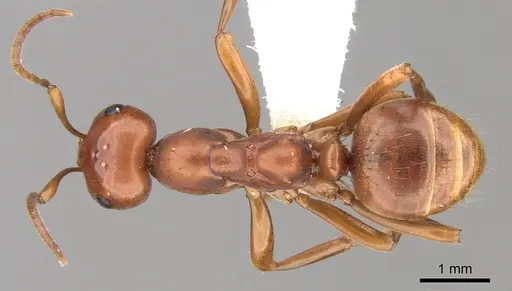
CASENT0863112
View on AntWeb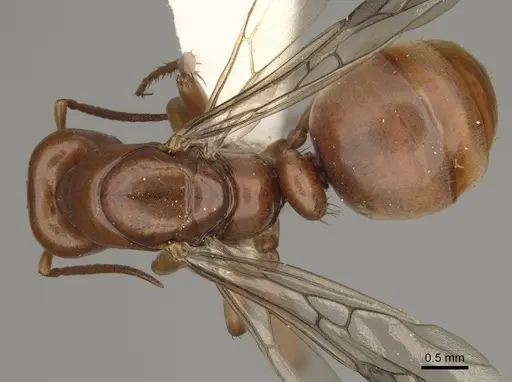
CASENT0911121
View on AntWeb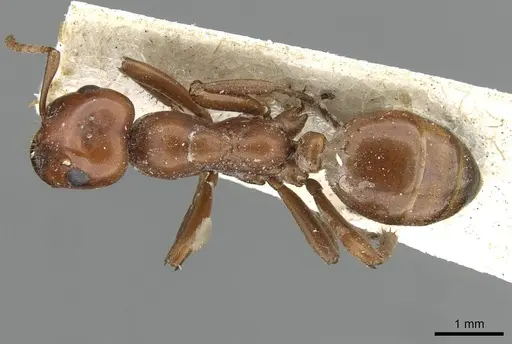
Literature
Loading distribution map...Loading products...