
Pogonomyrmex vermiculatus
- Sci. Name
- Pogonomyrmex vermiculatus
- Tribe
- Pogonomyrmecini
- Subfamily
- Myrmicinae
- Author
- Emery, 1906
- Distribution
- Found in 2 countries
Introduction
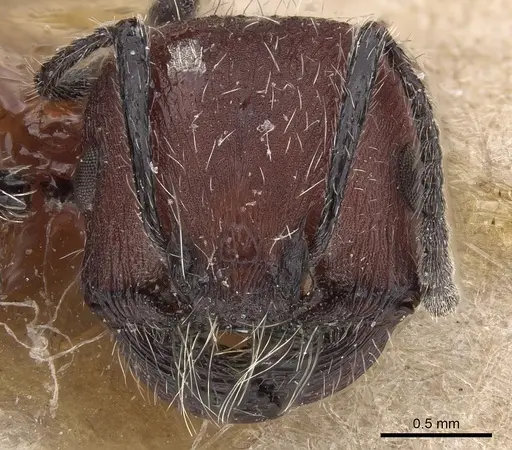
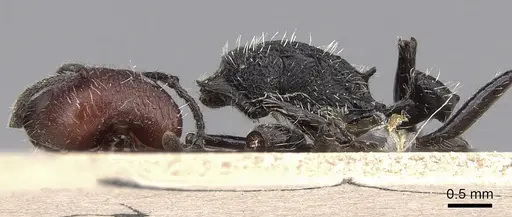
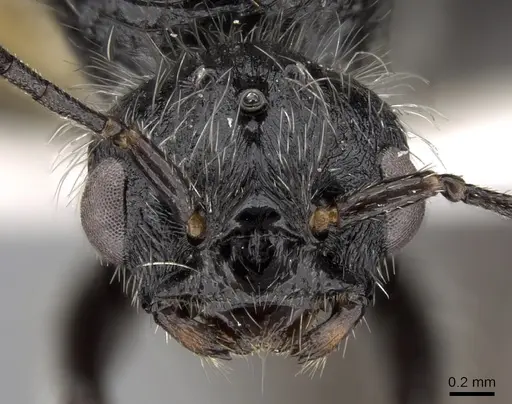
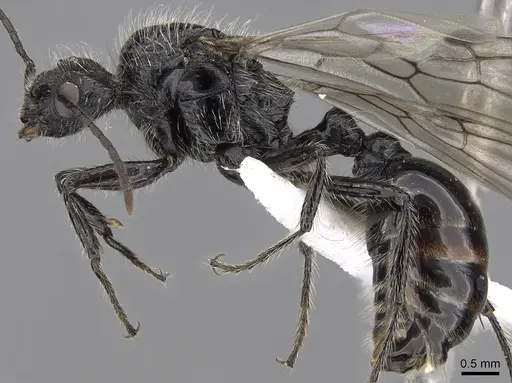
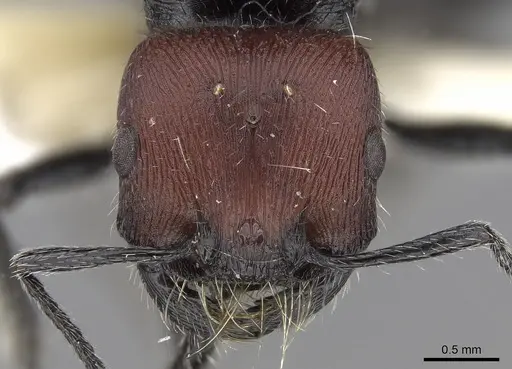
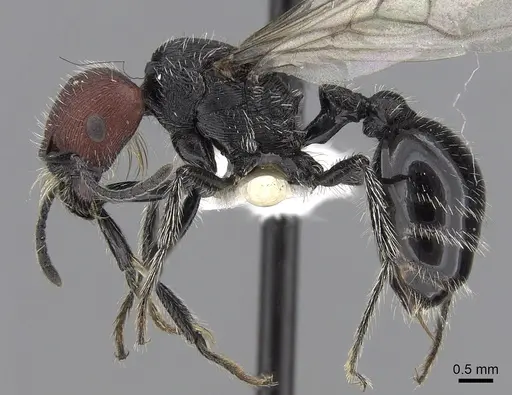
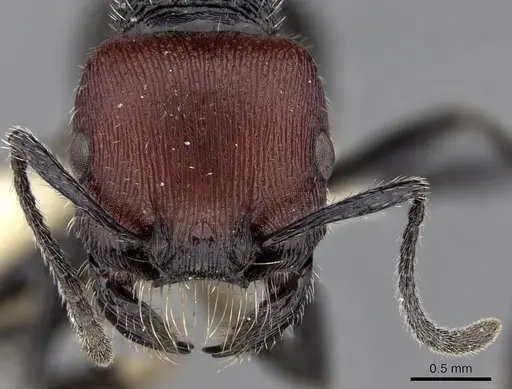
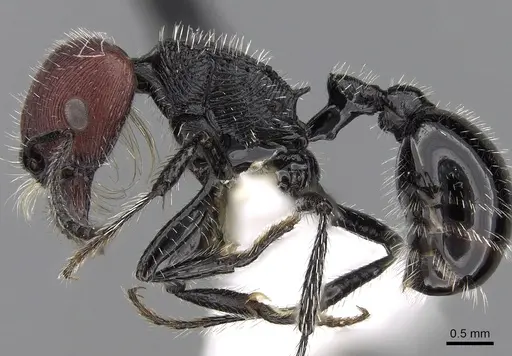
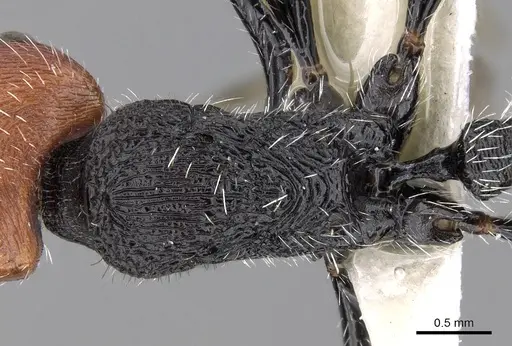
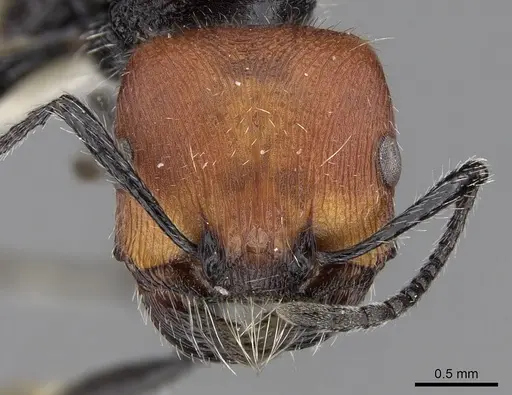
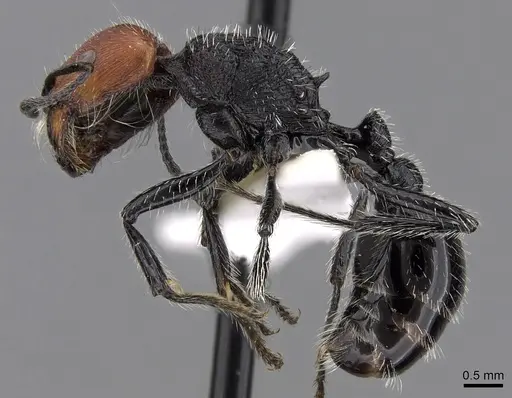
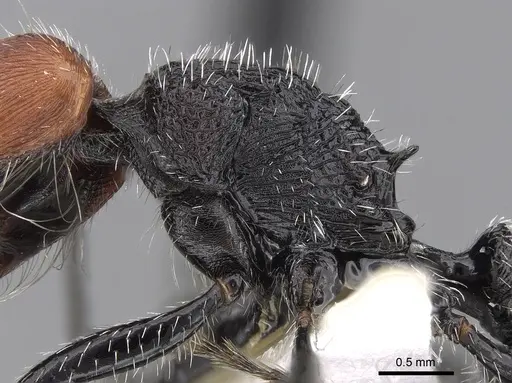
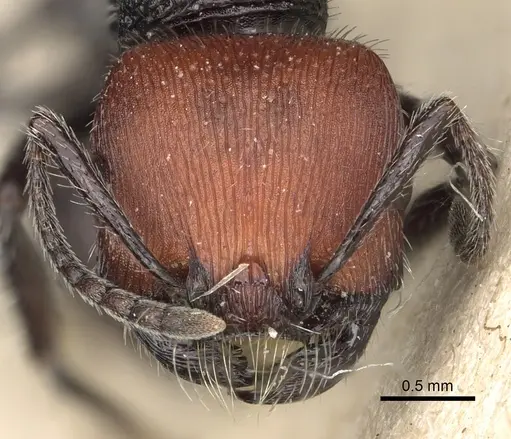
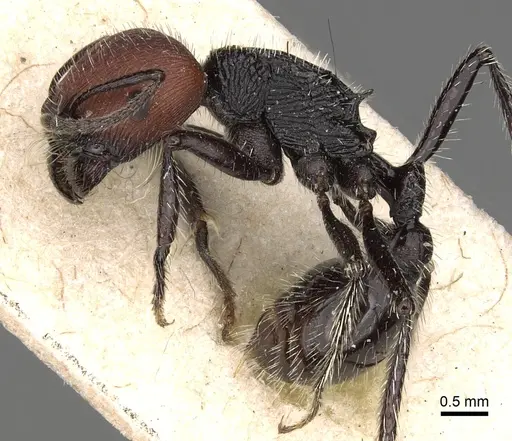
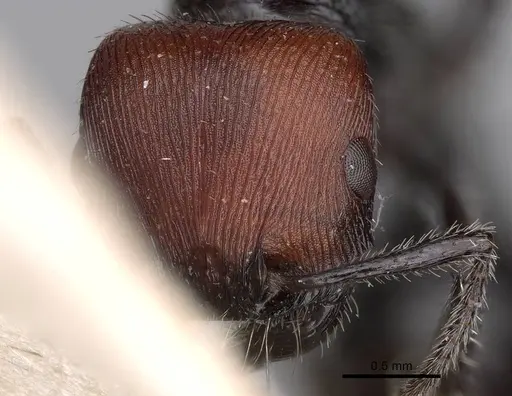
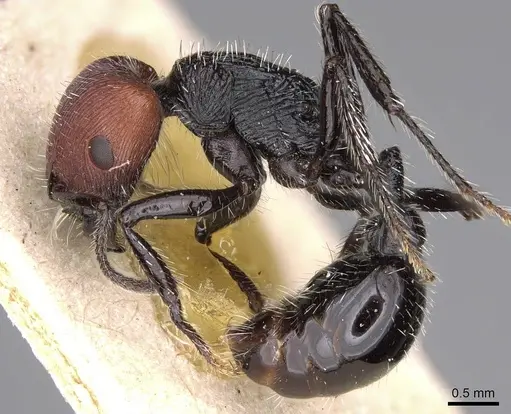
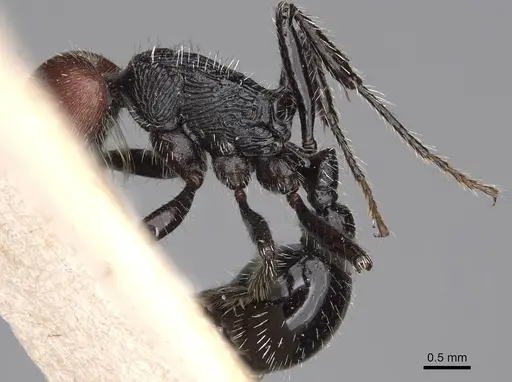
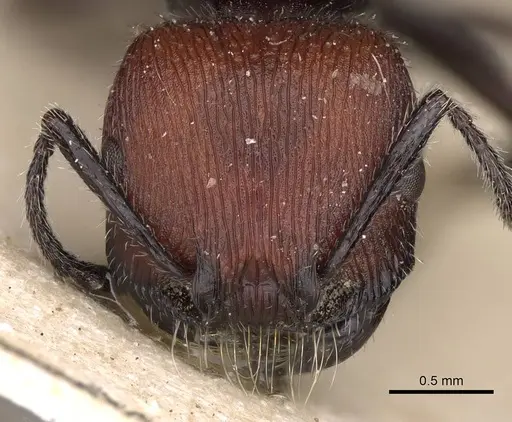
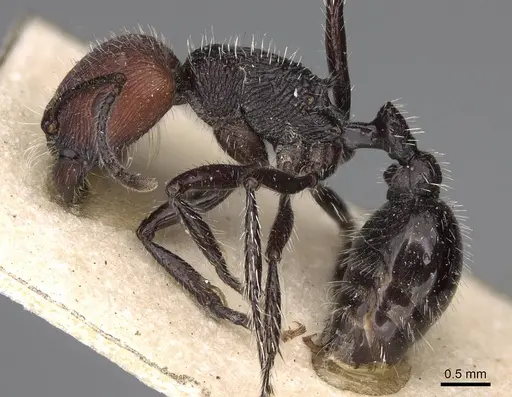
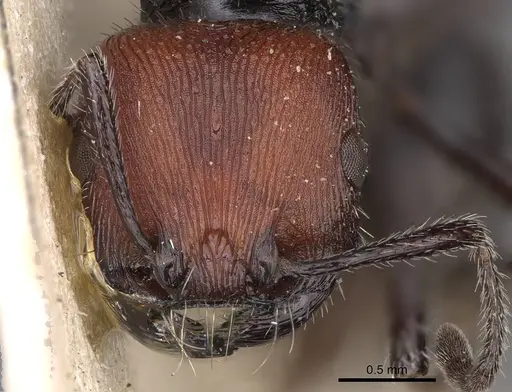
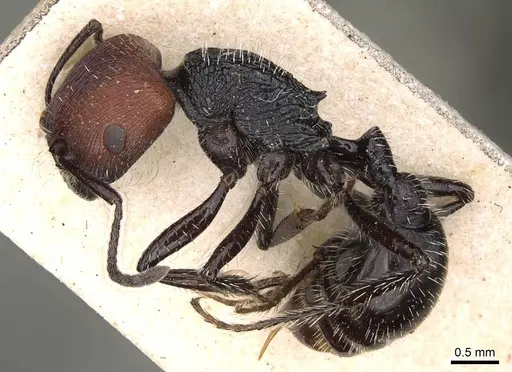
Pogonomyrmex vermiculatus is a medium-sized seed-harvester ant native to southern South America, found in Chile from Antofagasta to Magallanes and in Argentina . It inhabits Patagonian steppe and Southern Andean steppe ecoregions, nesting in bare, compacted soils . Workers have a reddish-brick coloration with dark reddish-black heads and black gasters, and possess a psamóforo, a brush of long hairs around the mandibles for soil and seed handling . This species is notable for solitary foraging behavior, unlike North American relatives that form trails . It is the second most common native ant in Chile after Solenopsis gayi and primarily consumes seeds but also eats pollen, flower parts, and other items .
Quick Summary
- Difficulty: Medium
- Origin & Habitat: Native to Chile (Antofagasta to Magallanes) and Argentina, inhabiting Patagonian steppe and Southern Andean steppe ecoregions [1][2]. Colonies nest in bare, compacted soils with accumulated seed remains near entrances [3].
- Colony Type: Based on Pogonomyrmex genus patterns, likely monogyne (single-queen) colonies [1].
- Size & Growth:
- Queen: ~8-15 mm, inferred from Pogonomyrmex genus
- Worker: ~5-12 mm, inferred from Pogonomyrmex genus
- Colony: Unknown, no direct data available
- Growth: Moderate, inferred from related species patterns
- Development: 6-10 weeks, estimated from Pogonomyrmex genus patterns in temperate climates (Development time may vary with temperature, specific data for this species unavailable)
- Antkeeping:
- Temperature: Keep warm and stable, roughly low-to-mid 20s°C, with a gradient for workers to choose [3].
- Humidity: Low to moderate, allow substrate to dry between waterings to match semi-arid native habitats [3][1].
- Diapause: Yes, workers reduce activity in winter (June-August in southern hemisphere), keep cool (10-15°C) during this period [3].
- Nesting: Use dry, compacted nest setups like Y-tong or plaster nests with sandy soil mix, avoid moist or lush environments [3].
- Behavior: Peaceful but defensive when threatened, workers forage solitarily and do not form trails [4][2]. They possess a functional stinger and will use it if provoked. Escape risk is moderate for medium-sized ants, standard barriers are sufficient.
- Common Issues: colonies may decline if kept too humid, their native habitat is semi-arid., winter dormancy is required, expect reduced activity in cooler months., solitary foraging means food discovery is slower than trail-forming species., seed storage can lead to mold if humidity is too high in food areas., wild-caught colonies may carry parasites affecting captive survival.
Nest Preferences and Housing
Pogonomyrmex vermiculatus nests in bare, compacted soils in nature [3]. In captivity, use dry to moderately moist substrates in Y-tong or plaster nests. Provide a sandy or sandy-loam mix for natural digging, as they have a psamóforo for soil movement [2]. Keep nesting areas relatively dry, avoid constant moisture. Escape prevention is straightforward for medium-sized ants with standard barriers.
Feeding and Diet
This species primarily eats seeds, with studies showing 86.1% of diet as Erodium cicutarium seeds [3]. They also consume pollen, flower parts, leaves, and arthropod fragments [2]. In captivity, offer grass seeds, millet, and flax as primary food, supplemented with protein like fruit flies or mealworms. They can recognize and avoid fungus-infested seeds, so keep food dry [2]. Solitary foraging means food discovery is slower, place food in the foraging area and be patient.
Temperature and Seasonal Care
Native to temperate regions, keep nest area at 20-26°C with a gradient [1]. They require a winter rest period with reduced activity in cooler months [3]. During diapause, reduce temperature to 10-15°C and limit feeding to simulate natural cycles.
Foraging Behavior
Workers forage solitarily, not in trails, unlike North American relatives [4][2]. While they produce trail pheromones in labs, they do not use them in nature. This means slower food collection, be patient with feeding.
Defense and Temperament
Pogonomyrmex ants have a functional stinger and will defend their nest if threatened. They are not aggressive foragers but focus on seed collection. Handle with care to avoid provoking stings. [2]
Colony Development
Founding behavior is unconfirmed from research. Growth is moderate, with egg-to-worker development estimated at 6-10 weeks based on genus patterns. Colony size is unknown, but related species can reach several thousand workers over years.
Frequently Asked Questions
Can I keep Pogonomyrmex vermiculatus in a test tube?
Yes, test tubes work for founding colonies. Use a setup with a water reservoir and dry area, kept at 20-26°C. Move to a larger formicarium once the colony grows, providing space for seed storage.
How long until first workers appear?
Expect 6-10 weeks from egg to first worker at optimal temperature, estimated from Pogonomyrmex genus patterns [1].
What do they eat?
They are seed-harvesters, offer grass seeds, millet, and flax as primary food, with protein supplements like insects [3][2].
Do they sting?
Yes, they have a functional stinger and will use it if threatened. Handle carefully to avoid provocation [2].
Do they need hibernation?
Yes, they require a winter rest period with reduced activity and cooler temperatures (10-15°C) [3].
Are they good for beginners?
They are intermediate due to lower humidity needs, winter rest, and solitary foraging. Not ideal for complete beginners but manageable with experience.
How big do colonies get?
Colony size is unknown from direct data, but related species can reach several thousand workers over years.
Why don't they form foraging trails?
This is species-specific behavior, they forage solitarily despite producing trail pheromones in labs [4][2].
Can I keep multiple queens together?
No, this species is likely monogyne based on genus patterns. Multiple queens would fight.
What humidity level do they need?
Low to moderate, keep substrate dry between waterings to match their semi-arid native habitats [3][1].
When should I move them to a formicarium?
Move once the colony has 20-30 workers and the test tube is crowded, using a dry nest setup with foraging area.
Where are they native to?
Chile and Argentina, in Patagonian and Southern Andean steppe ecoregions [1][2].
Report an Issue
The current care sheet is based fully on literature. See inconsistencies, or something that's incorrect? Please , it will be resolved after review from an admin. Contributing to the blogs tab also helps providing information, to make us be able to further improve the caresheets. Thank you for your support!
References

This caresheet is licensed under CC BY-SA 4.0 .
Community Blogs
CASENT0280978
View on AntWeb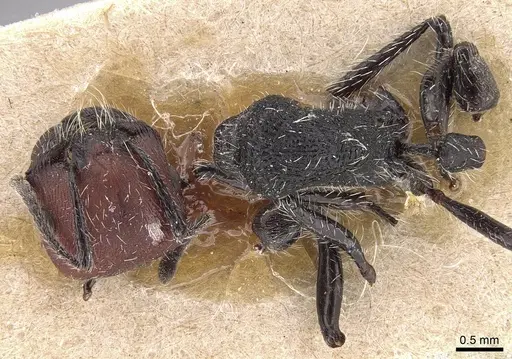
CASENT0280981
View on AntWeb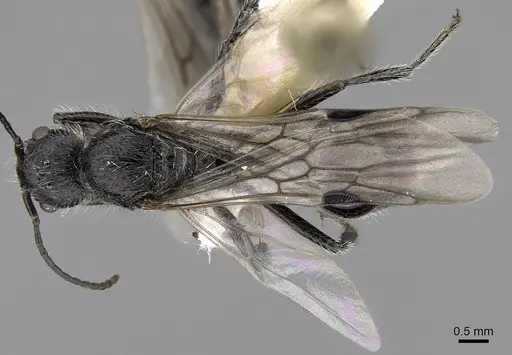
CASENT0280982
View on AntWeb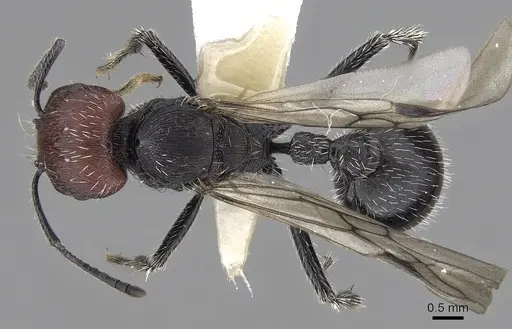
CASENT0280983
View on AntWeb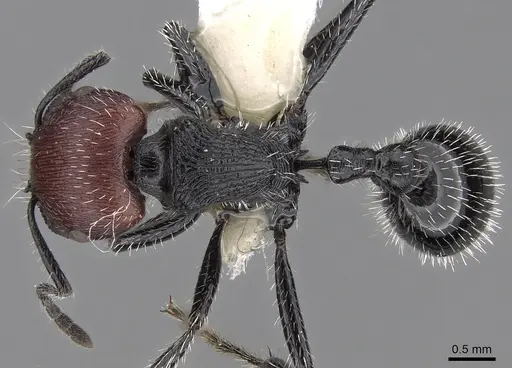
CASENT0280984
View on AntWeb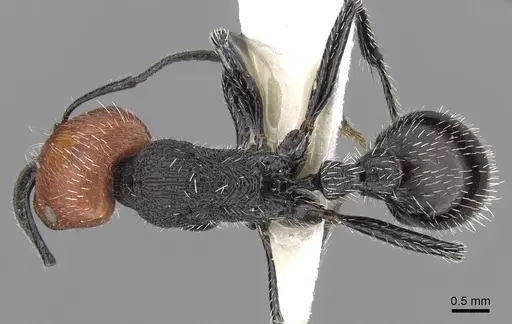
CASENT0281102
View on AntWeb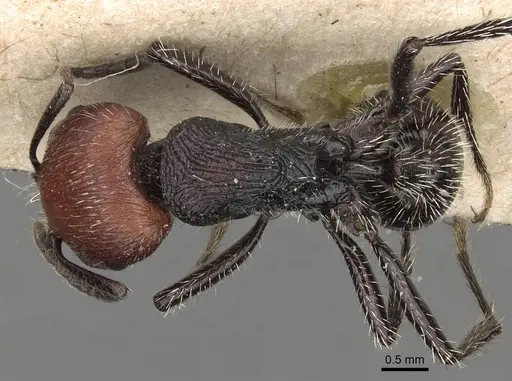
CASENT0907120
View on AntWeb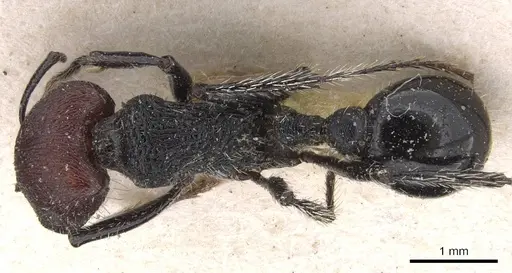
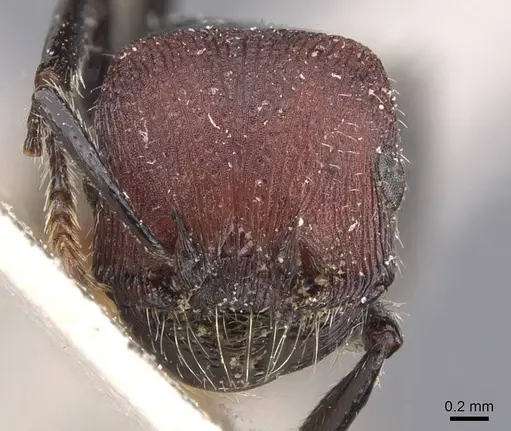
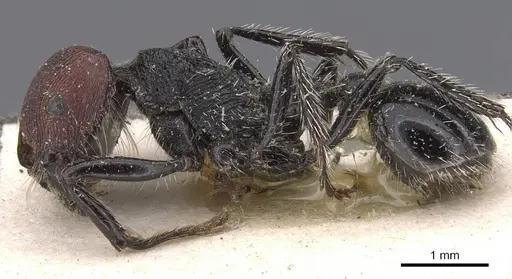
CASENT0907672
View on AntWeb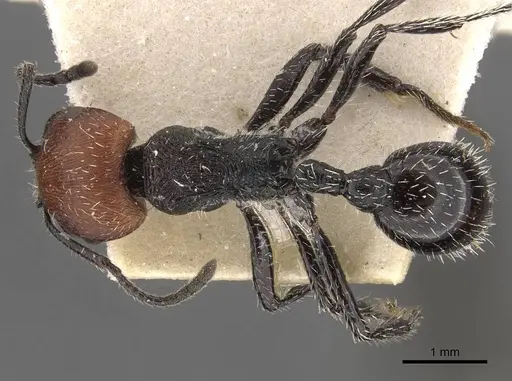
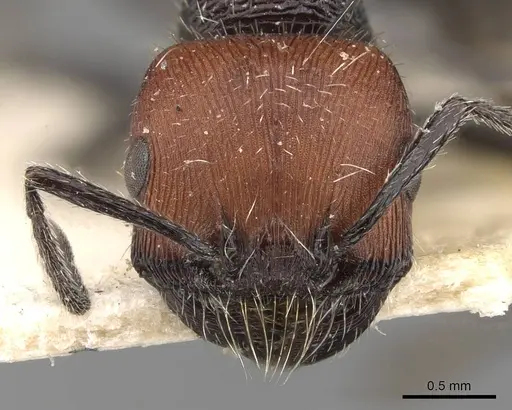
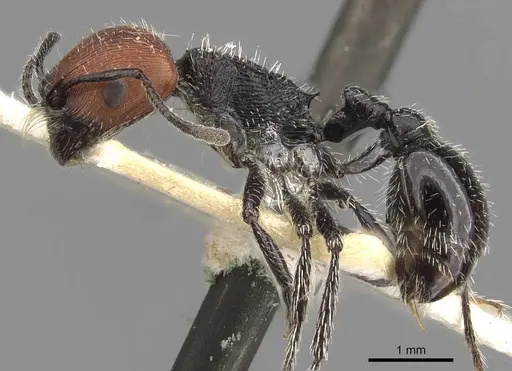
CASENT0913104
View on AntWeb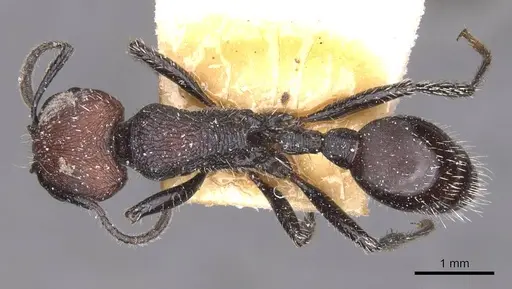
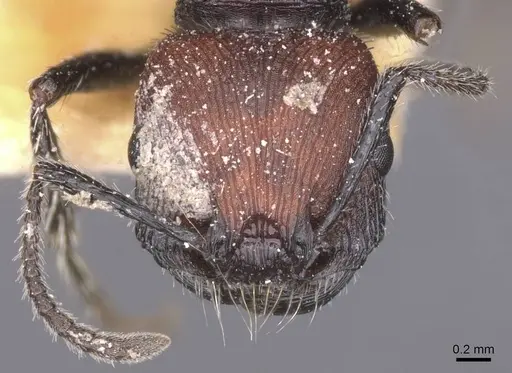
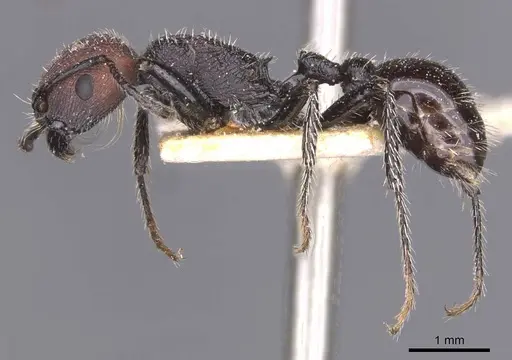
CASENT0914208
View on AntWeb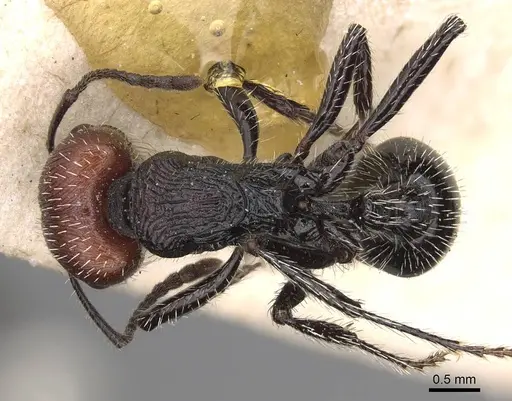
CASENT0914209
View on AntWeb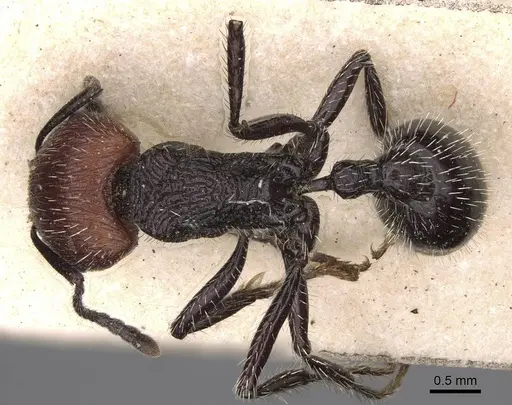
CASENT0914210
View on AntWeb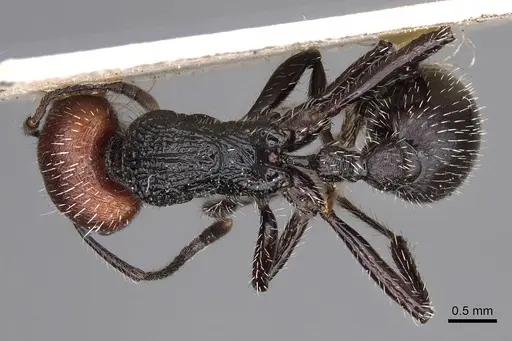
Literature
Loading distribution map...Loading products...