
Pogonomyrmex uruguayensis
- Sci. Name
- Pogonomyrmex uruguayensis
- Tribe
- Pogonomyrmecini
- Subfamily
- Myrmicinae
- Author
- Mayr, 1887
- Distribution
- Found in 2 countries
Introduction
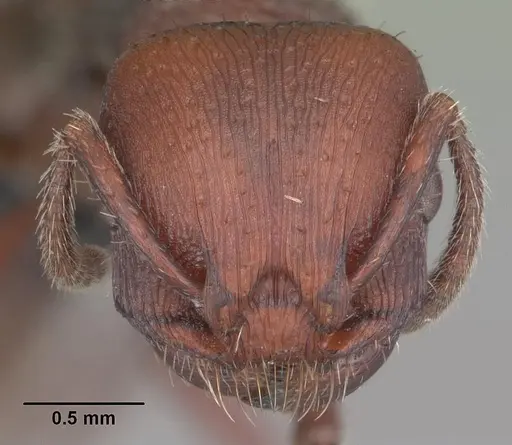
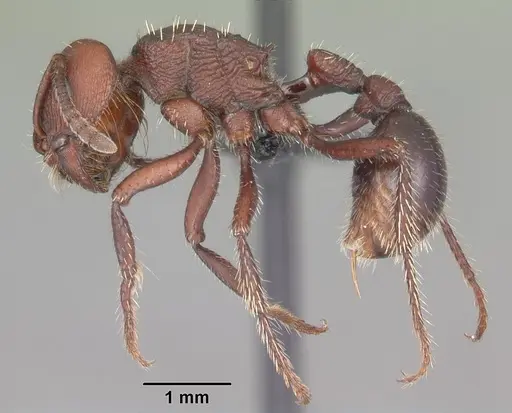
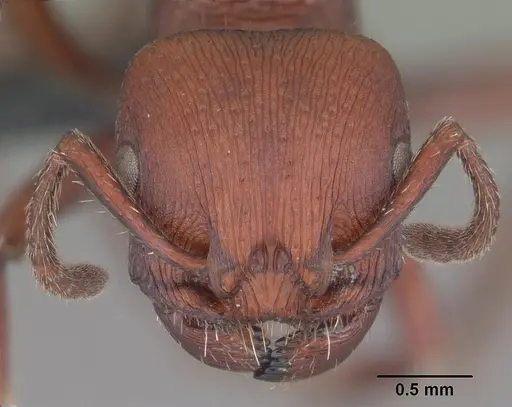
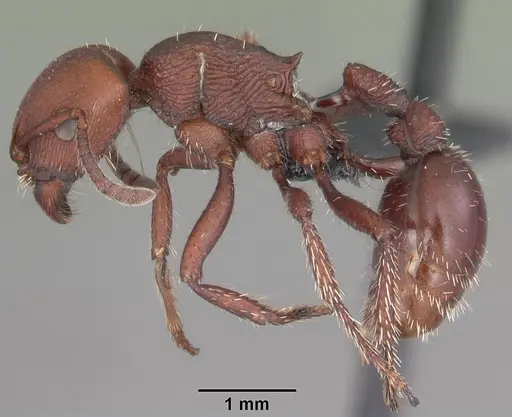
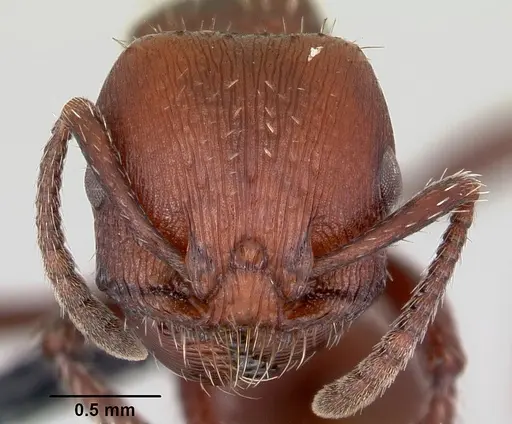
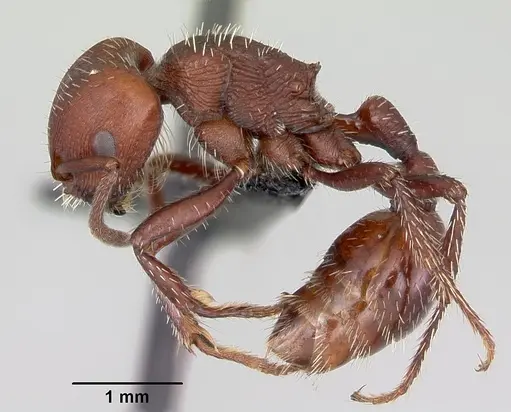
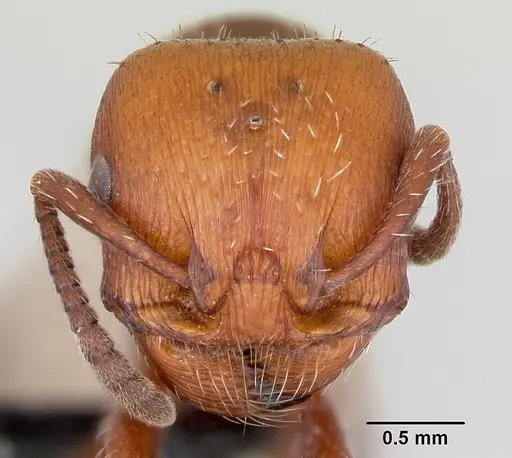
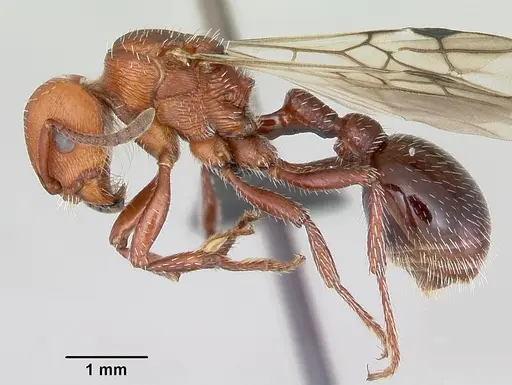
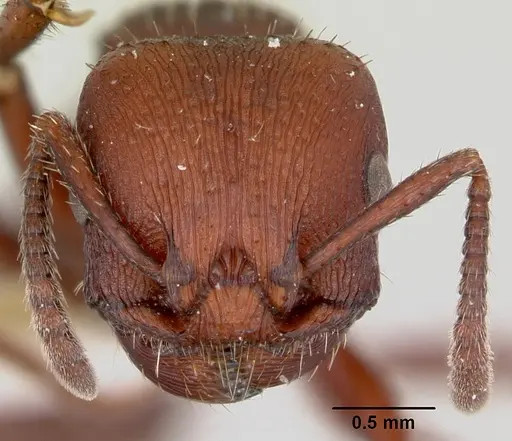
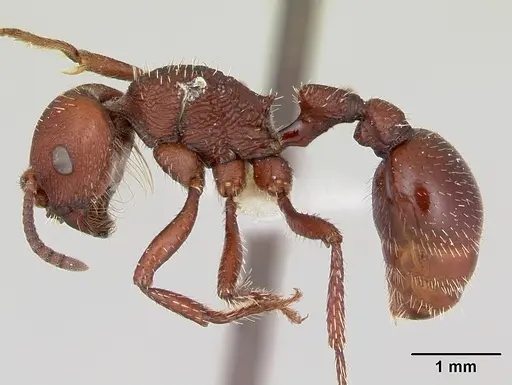
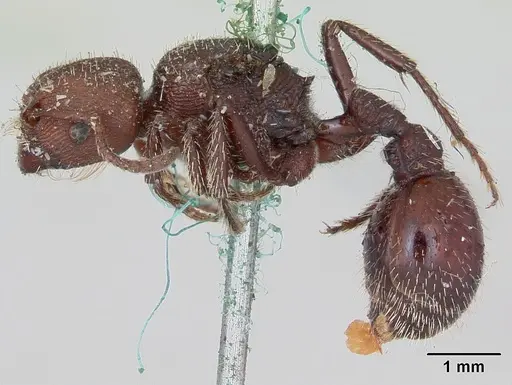
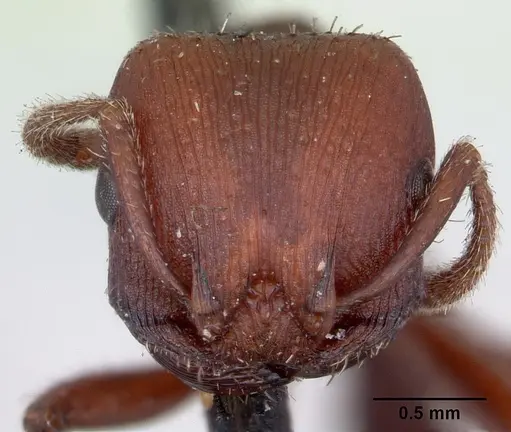
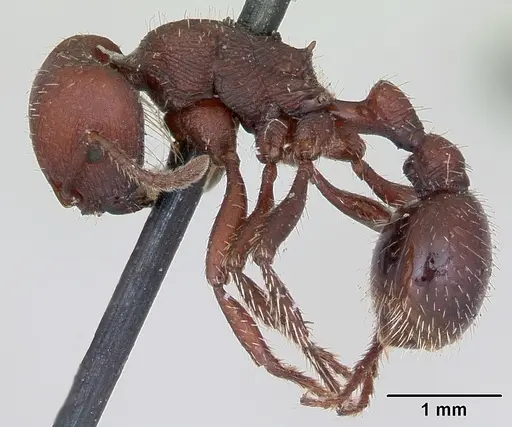
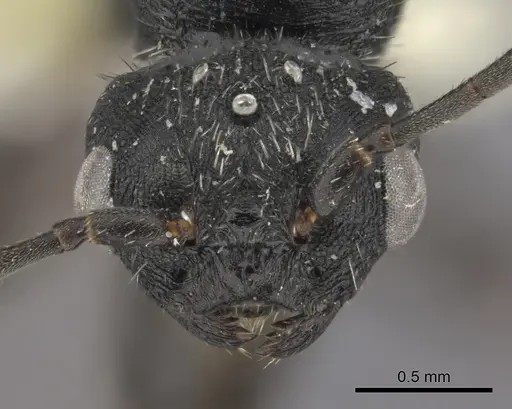
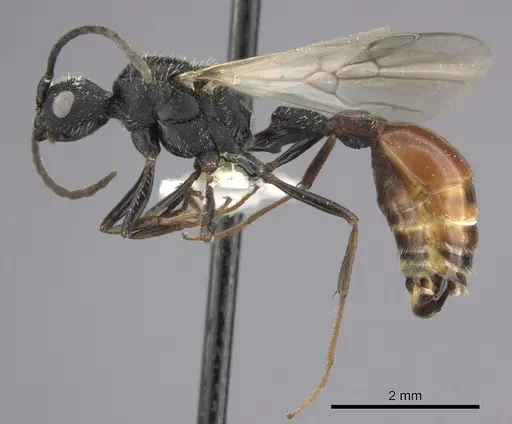
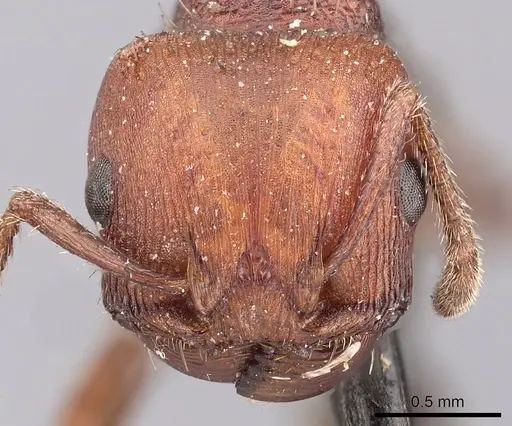
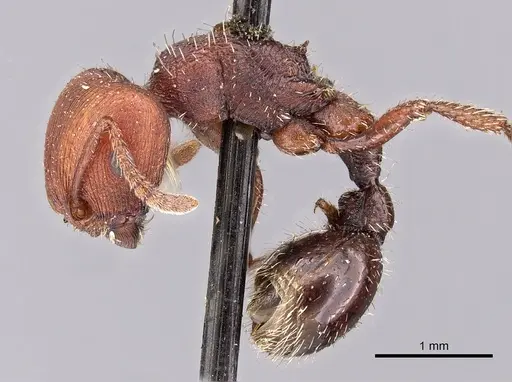
Pogonomyrmex uruguayensis is a seed-harvester ant native to southern South America, found in Argentina, Paraguay, and Uruguay . It belongs to the bispinosus species group and has well-developed propodeal spines and a psammophore for carrying sand and seeds. The body is concolorous tannish-brown to reddish-brown . A notable behavior is that dealate queens have been observed foraging outside the nest, which is unusual for Pogonomyrmex species . Colonies are small, typically containing 300-500 workers, with some reaching up to 1000 workers .
Quick Summary
- Difficulty: Medium
- Origin & Habitat: Native to Argentina, Paraguay, and Uruguay. Inhabits elevations from 50-845m across Dry Chaco, Humid Chaco, Uruguayan Savanna, northern Espinal, and northern Humid Pampas ecoregions [1].
- Colony Type: Unconfirmed, likely monogyne based on Pogonomyrmex patterns, but dealate queens forage outside the nest [1].
- Size & Growth:
- Queen: size data unavailable
- Worker: size data unavailable
- Colony: Up to 1000 workers [1]
- Growth: Moderate
- Development: Unknown, no direct development data available. Based on related Pogonomyrmex species, expect 8-12 weeks at optimal temperature. (Development timeline inferred from genus-level patterns)
- Antkeeping:
- Temperature: Keep nest area at 24-28°C with a gradient, as this species is a Hot Climate Specialist [2].
- Humidity: Provide a humidity gradient, mostly dry nest chamber with one small moist area, as they inhabit dry regions [1].
- Diapause: Unknown, given southern distribution, a mild winter cool-down may be beneficial, but no specific data [1].
- Nesting: Natural nests are cryptic or under small tumulus mounds up to 10cm in diameter, with occasional seed chaff middens [1]. In captivity, use Y-tong or plaster nests with sand substrate.
- Behavior: Solitary foragers that harvest seeds, workers are moderately defensive but stings are mild due to small size. Dealate queens may forage outside the nest [1].
- Common Issues: small colony size means slower population growth., unusual queen foraging behavior may confuse keepers., seed-harvesting requires providing appropriate seeds alongside protein., warm climate requirements may need heating in cooler climates., small worker size requires fine mesh barriers to prevent escapes.
Nest Preferences
In the wild, Pogonomyrmex uruguayensis nests in cryptic underground colonies or under small dirt mounds called tumuli that can reach 10cm in diameter. Some nests have a small external midden of seed chaff where they discard husks from processed seeds [1]. For captive care, these ants do well in Y-tong or plaster nests with sand-based substrate, allowing for substrate manipulation during seed-harvesting behavior.
Feeding and Diet
Pogonomyrmex uruguayensis is a seed-harvester that collects seeds from grasses and other plants as their primary food source. In captivity, offer small seeds like millet or grass seeds, along with protein from insects such as fruit flies or mealworms [1]. Remove uneaten seeds periodically to prevent mold.
Temperature and Care
This species is classified as a Hot Climate Specialist, preferring warm conditions [2]. Keep the nest area at 24-28°C with a temperature gradient using a heating cable or mat on one side. Avoid prolonged temperatures below 20°C.
Behavior and Temperament
Workers are solitary foragers that harvest seeds individually or in loose scattered columns [1]. They are moderately defensive and will sting if threatened, but the sting is mild due to their small size. Dealate queens have been observed foraging outside the nest, which is unusual for Pogonomyrmex [1].
Colony Growth and Development
Colonies remain relatively small, with most containing approximately 300-500 workers and some reaching up to 1000 workers [1]. Growth rate is moderate, and sexual production occurs from late November to December, with mating flights likely in December-January [1].
Frequently Asked Questions
How long does it take for Pogonomyrmex uruguayensis to produce first workers?
Exact development time is unconfirmed. Based on related Pogonomyrmex species, expect 8-12 weeks from egg to first worker at optimal temperature (24-28°C).
What do Pogonomyrmex uruguayensis eat?
They are seed-harvesters, their primary food is seeds from grasses and other plants. Offer small seeds like millet or grass seeds, along with protein from insects such as fruit flies or mealworms [1].
Can I keep multiple Pogonomyrmex uruguayensis queens together?
This species is likely monogyne, so multiple queens may fight. Combining unrelated queens is not recommended [1].
What temperature do Pogonomyrmex uruguayensis need?
As Hot Climate Specialists, they prefer warm conditions. Keep the nest at 24-28°C with a temperature gradient [2].
How big do Pogonomyrmex uruguayensis colonies get?
Colonies are relatively small, typically up to 1000 workers [1].
Are Pogonomyrmex uruguayensis good for beginners?
They are rated as Medium difficulty due to specific temperature requirements and slower growth, but manageable for hobbyists with some experience.
Why is my queen foraging outside the nest?
This is normal for this species, dealate queens have been observed foraging outside the nest in the wild [1]. These queens are likely unmated and may help with colony tasks.
Do Pogonomyrmex uruguayensis need hibernation?
Overwintering requirements are not well-documented. Given their southern distribution, a brief winter rest at 15-18°C may be beneficial if the colony shows reduced activity [1].
What size formicarium should I use for Pogonomyrmex uruguayensis?
Start with a test tube setup for the founding queen. Once the colony reaches 50+ workers, move to a small Y-tong or plaster nest with sand substrate.
Report an Issue
The current care sheet is based fully on literature. See inconsistencies, or something that's incorrect? Please , it will be resolved after review from an admin. Contributing to the blogs tab also helps providing information, to make us be able to further improve the caresheets. Thank you for your support!
References

This caresheet is licensed under CC BY-SA 4.0 .
Community Blogs
CASENT0103053
View on AntWeb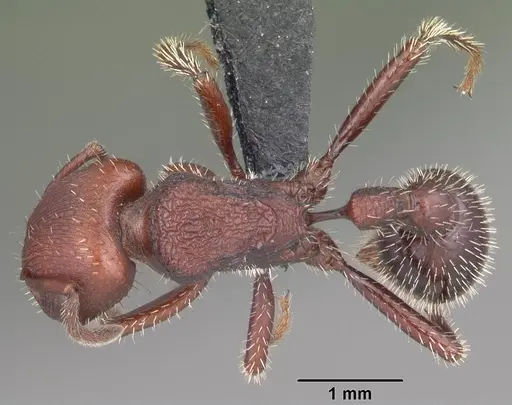
CASENT0103054
View on AntWeb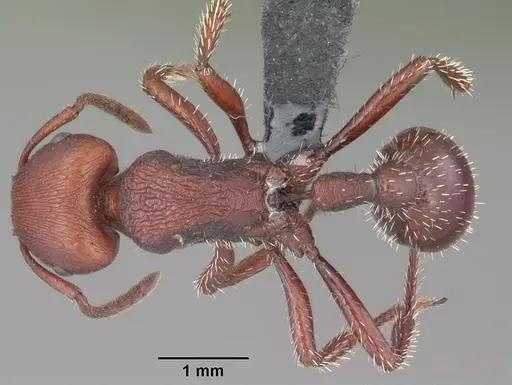
CASENT0172635
View on AntWeb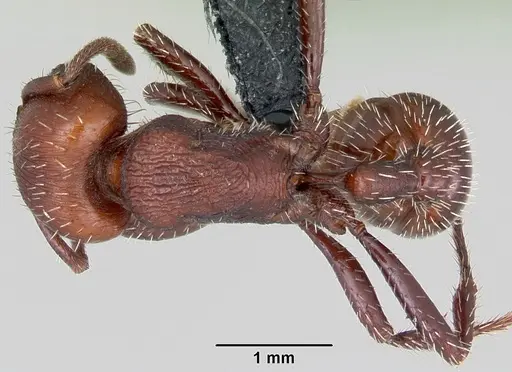
CASENT0172689
View on AntWeb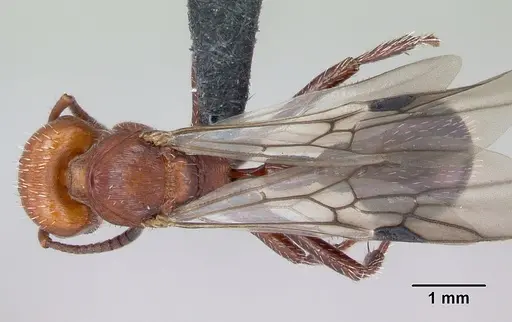
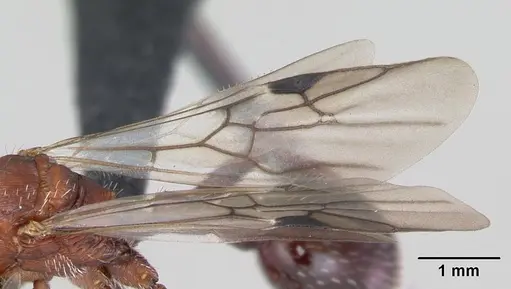
CASENT0173113
View on AntWeb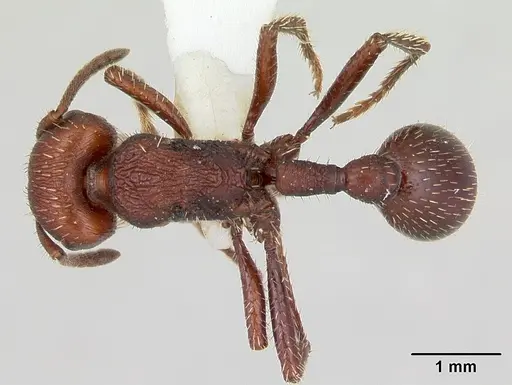
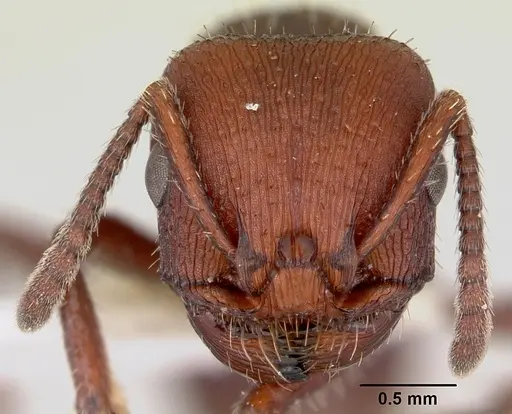
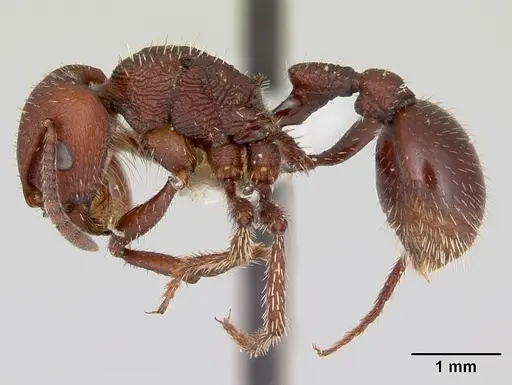
CASENT0173114
View on AntWeb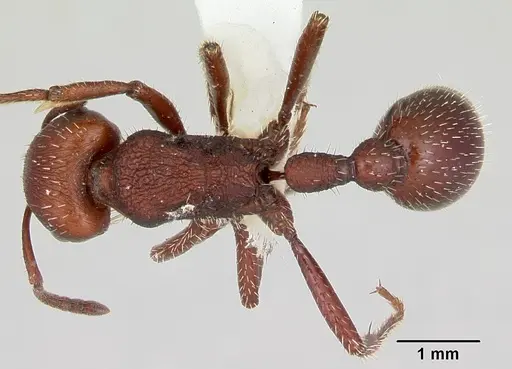
CASENT0173115
View on AntWeb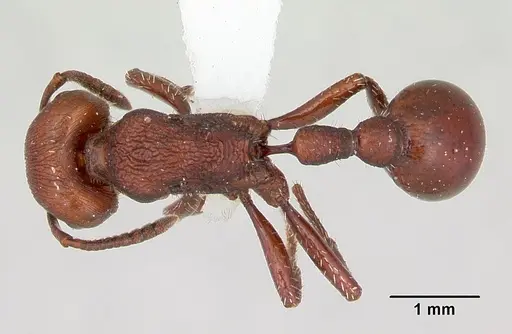
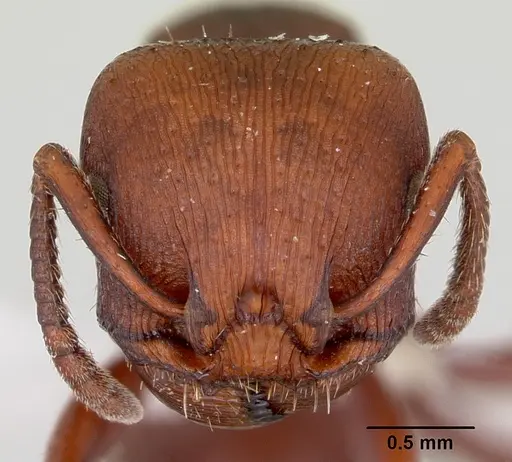
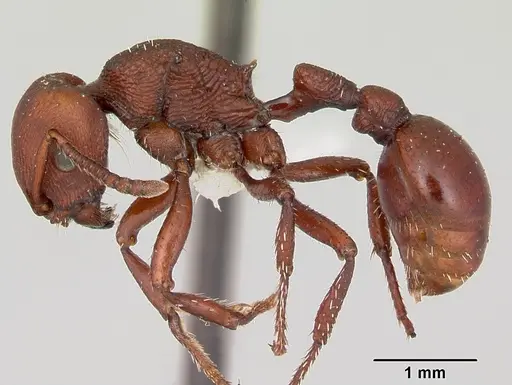
CASENT0173121
View on AntWeb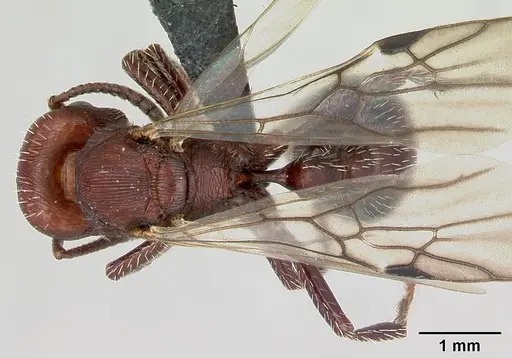
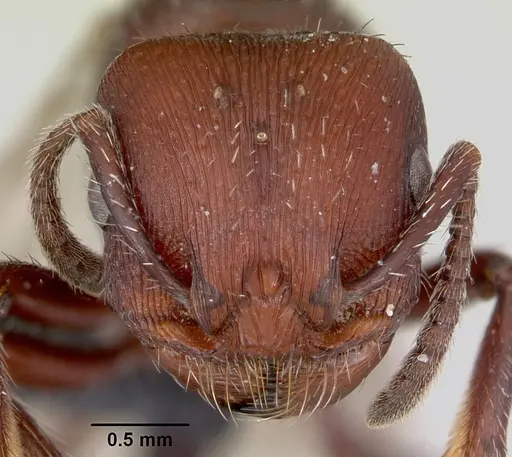
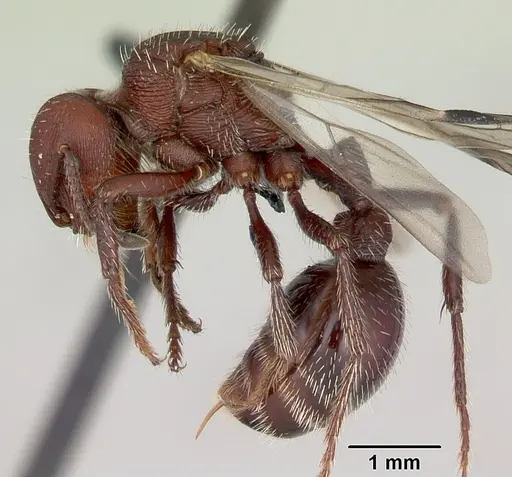
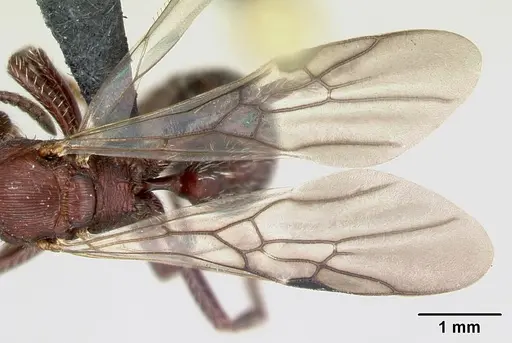
CASENT0173370
View on AntWeb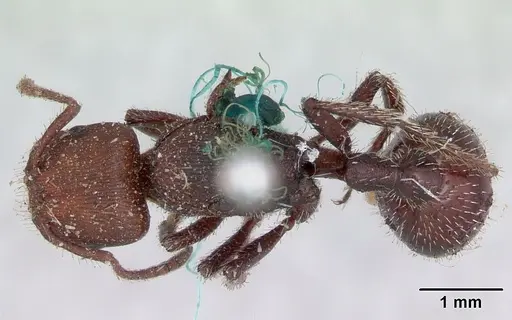
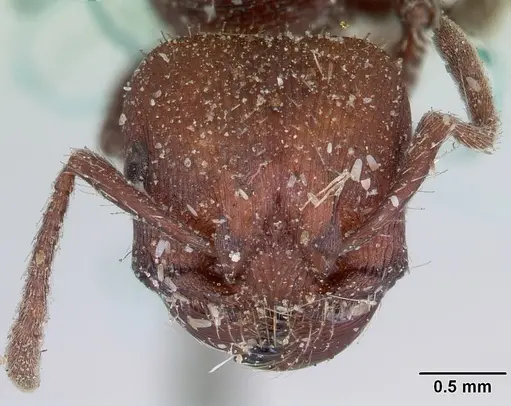
CASENT0173373
View on AntWeb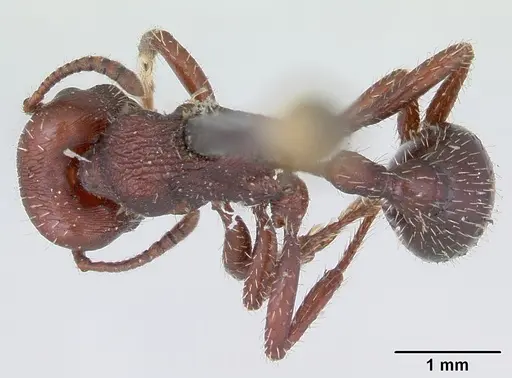
CASENT0235274
View on AntWeb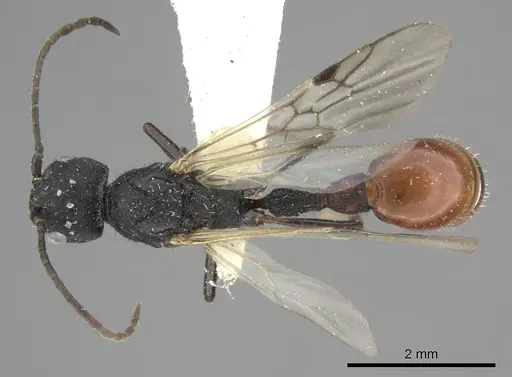
CASENT0900384
View on AntWeb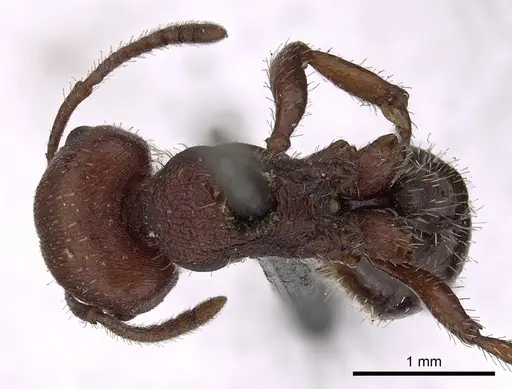
CASENT0914810
View on AntWeb
Literature
Loading distribution map...Loading products...