
Pogonomyrmex tinogasta
- Sci. Name
- Pogonomyrmex tinogasta
- Tribe
- Pogonomyrmecini
- Subfamily
- Myrmicinae
- Author
- Johnson, 2015
- Distribution
- Found in 1 countries
Introduction
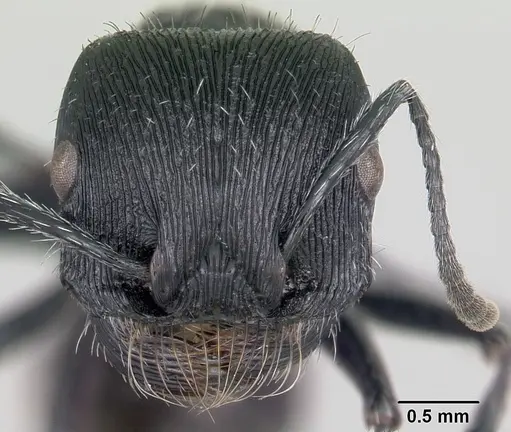
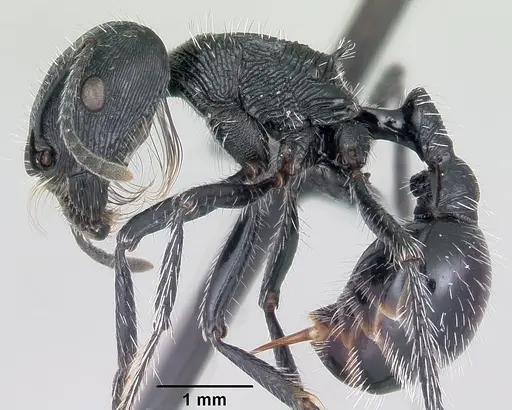
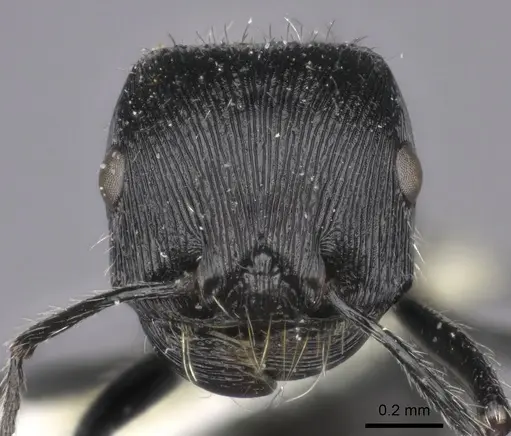
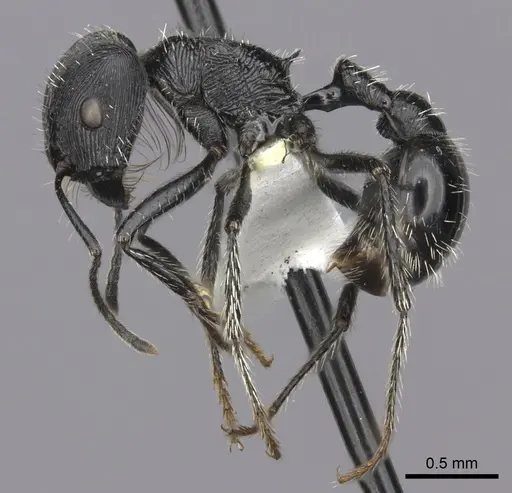
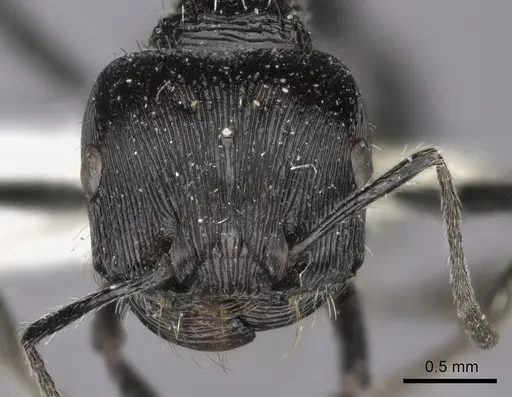
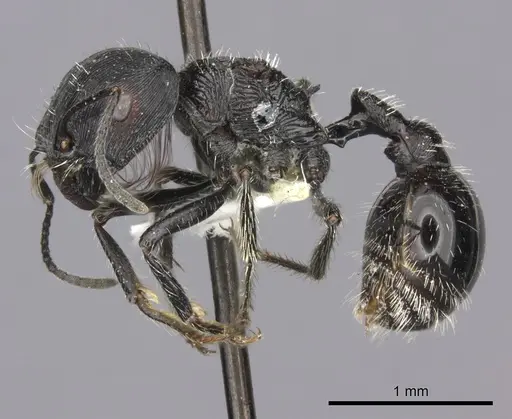
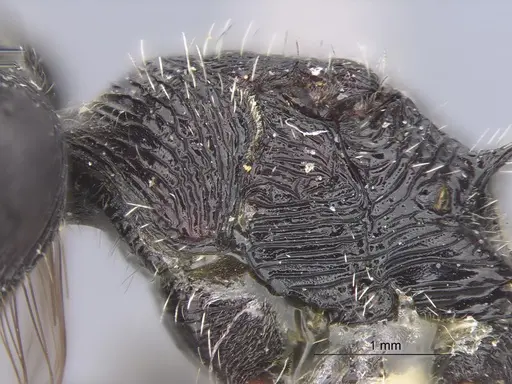
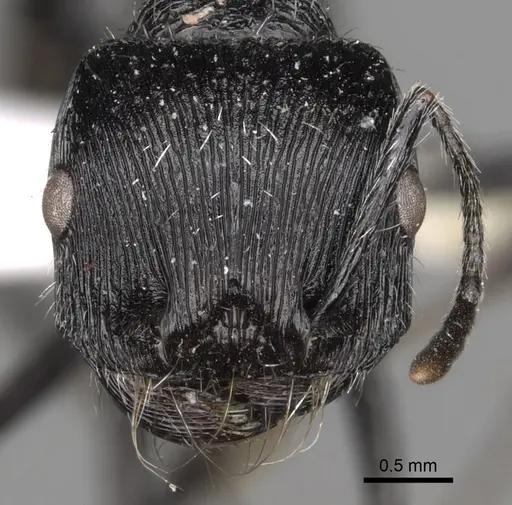
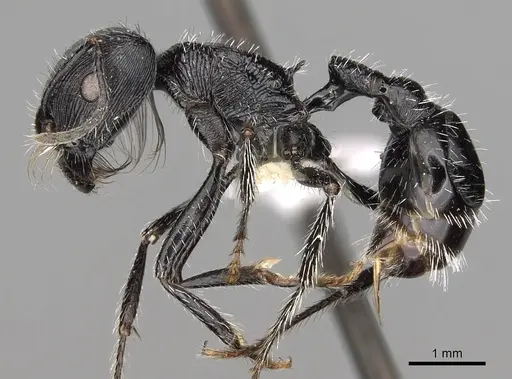
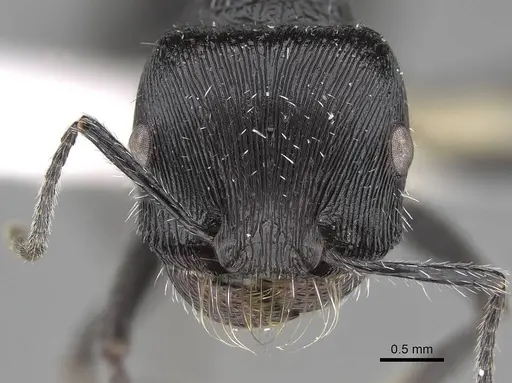
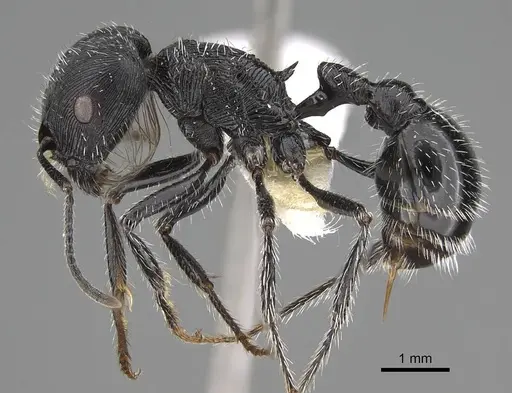
Pogonomyrmex tinogasta is a seed-harvesting ant native to the High Monte Desert of Argentina. Workers are black with a dark reddish band around the eyes , and queens are brachypterous with short, non-functional wings . This species belongs to the laticeps group and was described in 2015 . Size data for this species is limited, but based on the genus, workers are approximately 2-3 mm and queens are approximately 3-4 mm. A unique behavior of this species is that queens have been observed foraging outside the nest, which is rare for ants . This suggests queens may sometimes skip mating and help with tasks like foraging .
Quick Summary
- Difficulty: Medium
- Origin & Habitat: Central High Monte Desert in Catamarca Province, Argentina, at elevations of 1100-1330 m in sandy soils and sand dunes with rocky substrate [1].
- Colony Type: Single-queen colonies with brachypterous queens that sometimes forage outside the nest [1].
- Size & Growth:
- Queen: Approximately 3-4 mm, inferred from Pogonomyrmex genus
- Worker: Approximately 2-3 mm, inferred from Pogonomyrmex genus
- Colony: Up to 500 workers [1]
- Growth: Moderate, based on genus patterns
- Development: Estimated 8-12 weeks at optimal temperature (Direct development data unavailable, estimates based on related Pogonomyrmex species.)
- Antkeeping:
- Temperature: Keep at 24-28°C, based on the warm desert habitat [1].
- Humidity: Keep nest substrate dry, as this species is adapted to arid conditions [1].
- Diapause: Unknown, no specific data on diapause for this species.
- Nesting: Use dry, sandy substrate in nests such as Y-tong or plaster formicaria [1].
- Behavior: Workers forage solitarily for seeds and have a painful sting [1]. Queens may forage outside the nest [2][1]. Escape risk is moderate due to worker size, use standard barriers.
- Common Issues: desert species is sensitive to excess moisture, keep substrate dry to prevent mold and fungal growth., sting is painful, handle carefully and use appropriate protection., slow colony growth may frustrate beginners, these ants take time to reach full colony size., brachypterous queens may have different founding behavior, provide access to food during founding., seed-harvesting creates debris in the outworld, regular cleaning helps maintain colony health.
Housing and Nest Setup
Use a Y-tong or plaster nest with dry, sandy substrate to mimic their natural habitat [1]. Connect the nest to an outworld for foraging. Provide a water tube for drinking, but keep the substrate dry to avoid mold. Include small rocks or sand in the nest chamber to replicate sandy soils [1].
Feeding and Diet
Offer a variety of seeds such as grass seeds, millet, or bird seed mixes as their primary food [1]. Provide protein sources like fruit flies or pinhead crickets twice weekly. Remove uneaten food to prevent mold.
Temperature and Seasonal Care
Keep the nest at 24-28°C during active seasons, based on their warm desert habitat [1]. Diapause requirements are unknown, but if needed, reduce temperature gradually for winter rest. No specific data on diapause duration for this species.
Understanding Their Unique Queens
Queens are brachypterous and may forage outside the nest, which is unusual [2][1]. Founding behavior is unconfirmed, but provide access to food if queens leave the nest during colony establishment.
Behavior and Defense
Workers forage solitarily for seeds and create nest mounds with seed middens [1]. They have a painful sting, handle with care. Queens may forage alongside workers [2][1].
Frequently Asked Questions
How long does it take for Pogonomyrmex tinogasta to produce first workers?
Expect approximately 8-12 weeks from egg to first worker at optimal temperature, based on genus patterns. Growth is moderate.
Can I keep multiple Pogonomyrmex tinogasta queens together?
No, this species is monogyne (single-queen). Multiple unrelated queens will fight [1].
Do Pogonomyrmex tinogasta ants sting?
Yes, they have a painful sting similar to a bee sting [1]. Handle with care and avoid provoking them.
What do I feed Pogonomyrmex tinogasta?
Their primary diet is seeds, offer grass seeds, millet, or bird seed mixes [1]. Provide protein like insects twice weekly.
Do Pogonomyrmex tinogasta need hibernation?
Diapause requirements are unknown for this species. No specific data on winter rest is available.
How big do Pogonomyrmex tinogasta colonies get?
Colonies reach up to 500 workers at maturity [1]. Growth is gradual over 1-2 years.
Why is my queen foraging outside the nest?
This is normal for P. tinogasta! Queens are brachypterous and have been observed foraging outside the nest [2][1]. Ensure she has access to the outworld with food.
Are Pogonomyrmex tinogasta good for beginners?
They are moderate difficulty due to dry habitat needs, potential sting, and slow growth. Beginners might prefer easier species first.
When should I move Pogonomyrmex tinogasta to a formicarium?
Wait until the colony has at least 20-30 workers. Use a dry, sandy nest like Y-tong or plaster [1].
Why are my Pogonomyrmex tinogasta dying?
Common causes include excess moisture (keep substrate dry), poor nutrition (provide seeds and protein), or temperature stress (maintain 24-28°C) [1].
Report an Issue
The current care sheet is based fully on literature. See inconsistencies, or something that's incorrect? Please , it will be resolved after review from an admin. Contributing to the blogs tab also helps providing information, to make us be able to further improve the caresheets. Thank you for your support!
References

This caresheet is licensed under CC BY-SA 4.0 .
Community Blogs
CASENT0103264
View on AntWeb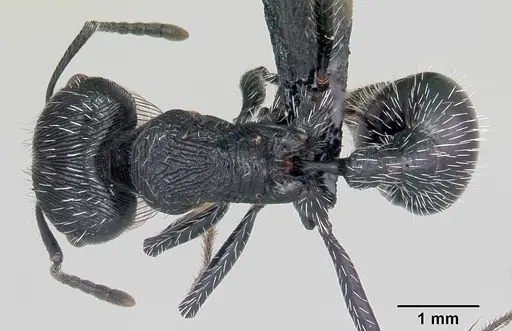
CASENT0235286
View on AntWeb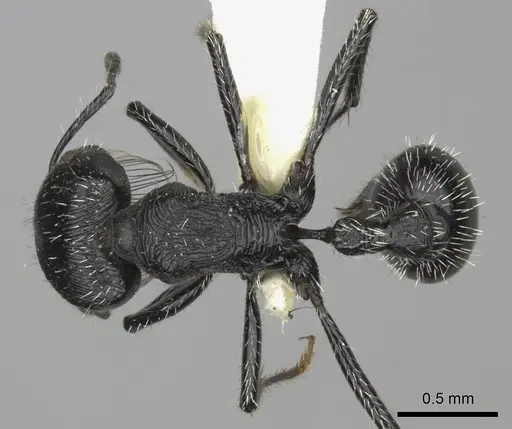
CASENT0235287
View on AntWeb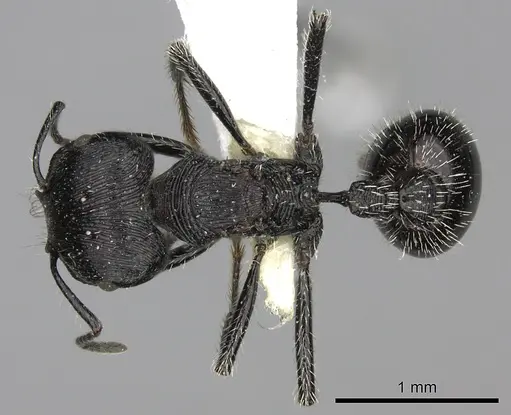
CASENT0281107
View on AntWeb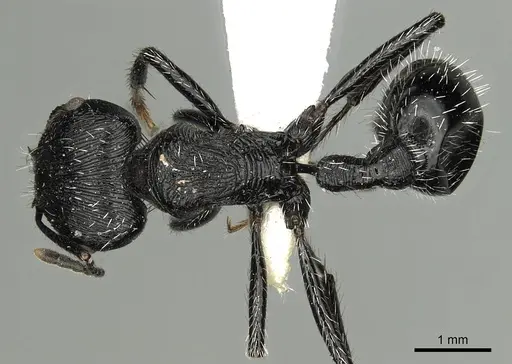
CASENT0914133
View on AntWeb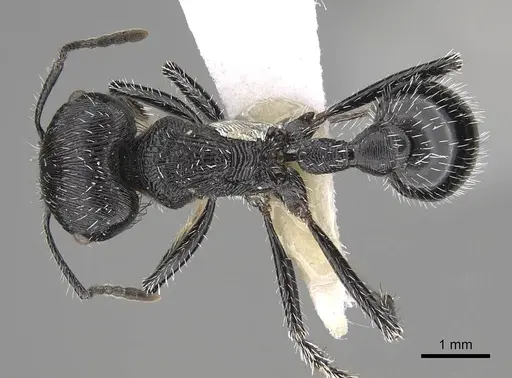
Literature
Loading distribution map...Loading products...