
Pogonomyrmex subnitidus
- Sci. Name
- Pogonomyrmex subnitidus
- Tribe
- Pogonomyrmecini
- Subfamily
- Myrmicinae
- Author
- Emery, 1895
- Distribution
- Found in 2 countries
Introduction
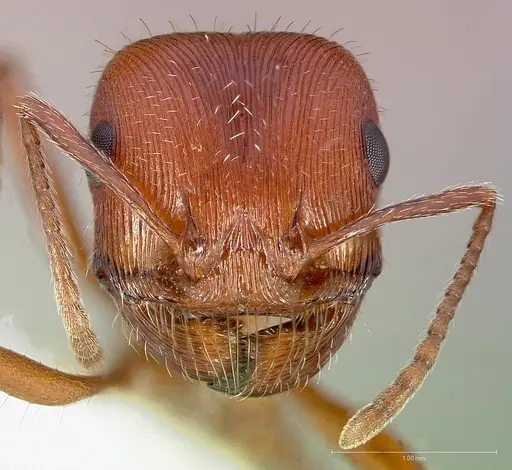
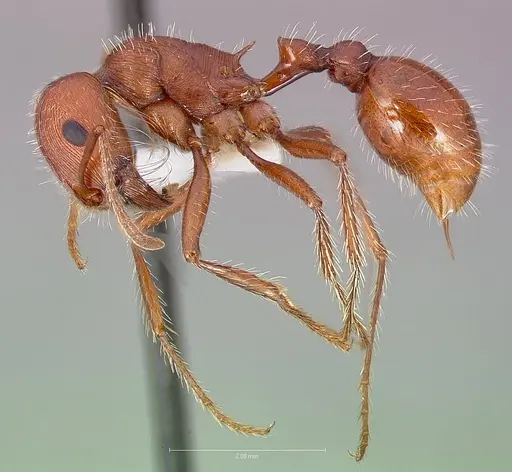
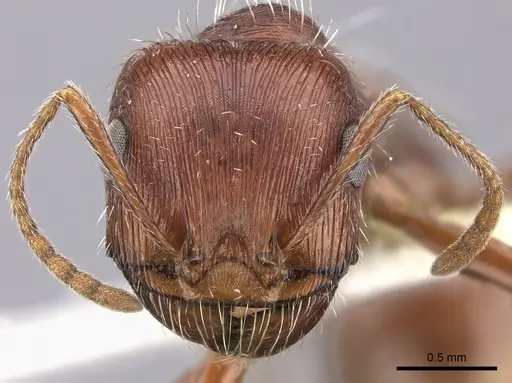
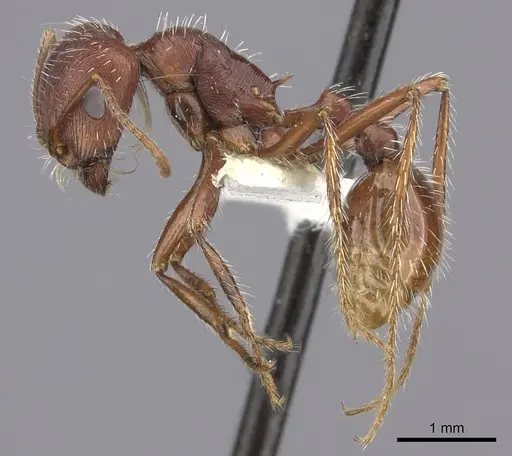
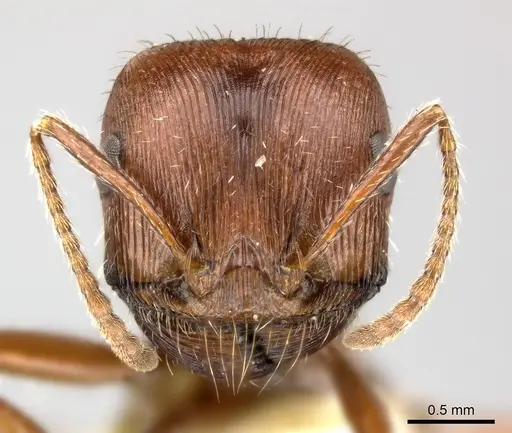
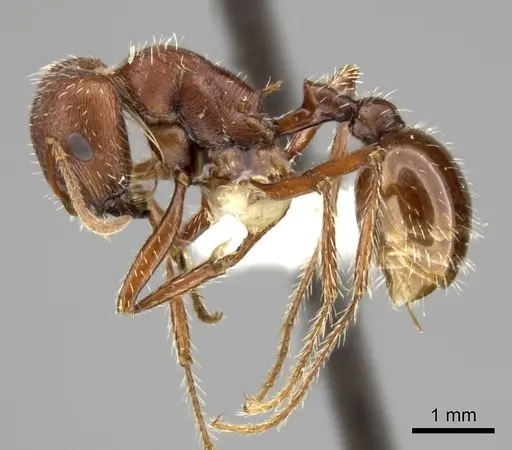
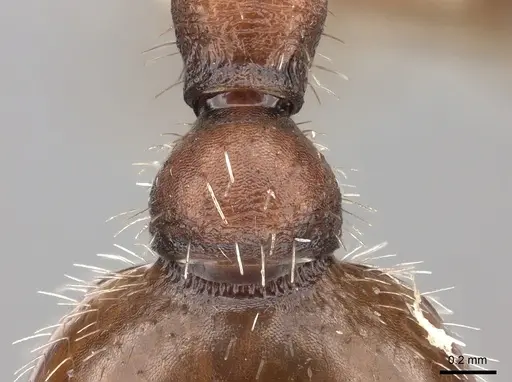
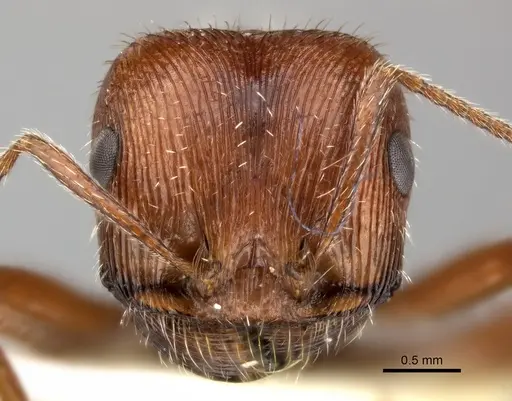
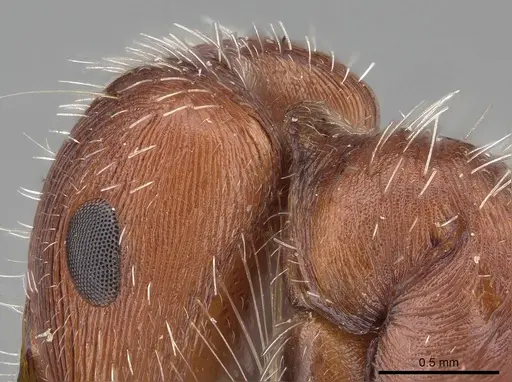
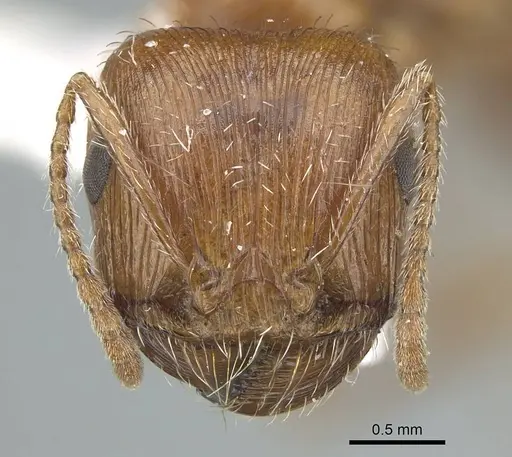
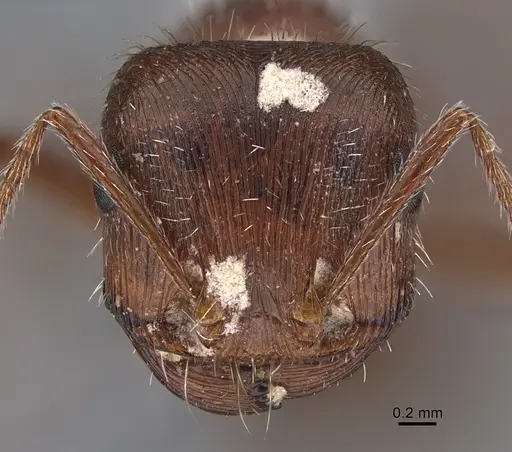
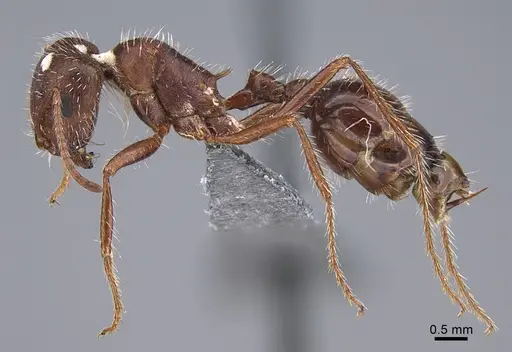
Pogonomyrmex subnitidus is a medium-sized harvester ant native to the southwestern United States and northern Baja California. Workers are light to medium ferrugineous red with shining interrugal areas between coarse body ridges . Queens are similarly colored but larger in overall size. This species constructs nests in sandy soil with semicircular or circular crater entrances, often sympatric with Pogonomyrmex californicus, making field identification challenging . Unlike many harvester ants, they forage solitarily with limited recruitment . Size data for body length is unavailable from current research.
Quick Summary
- Difficulty: Medium
- Origin & Habitat: Coastal southern California through southcentral California into western Nevada, and northern Baja California, Mexico. Found in sandy soils of chaparral, Joshua Tree woodland-creosote bush scrub ecotone, and marginally in piñon-juniper biomes at elevations of 3500-5325 feet [2][1].
- Colony Type: Monogyne, colonies maintain a single queen [5]. Colony strength approximates that of Pogonomyrmex californicus.
- Size & Growth:
- Queen: Size data unavailable, no total length measurements provided in research.
- Worker: Size data unavailable, no total length measurements provided in research.
- Colony: Moderate colony size, similar to Pogonomyrmex californicus [1].
- Growth: Moderate, inferred from typical Pogonomyrmex development patterns.
- Development: Unknown, no specific data for this species. (Development times are not documented, based on genus patterns, may vary with temperature.)
- Antkeeping:
- Temperature: Keep warm and stable, roughly low-to-mid 20s°C, based on their native habitat in warm chaparral and desert-edge areas [2]. Provide a temperature gradient using a heating cable on one side of the nest.
- Humidity: Keep nest substrate consistently moist but not waterlogged, as they nest in sandy soils that drain well [1]. Provide a water tube for drinking access.
- Diapause: Yes, based on geographic range and genus patterns, require winter diapause for 2-3 months at 10-15°C [2].
- Nesting: Use Y-tong (AAC), plaster, or soil nests that allow drainage. Avoid acrylic nests, sandy substrate mimics natural conditions.
- Behavior: Defensive and will sting when threatened, venom is potent [6]. Workers forage solitarily, so food discovery is slower. Escape risk is moderate due to size, use standard barriers. Not aggressive toward conspecifics but defend against intruders.
- Common Issues: Argentine ant predation, invasive Linepithema humile raids nests for brood, causing decline in co-occurring areas [8][9]., Overheating, excessive heat can stress colonies, monitor temperature carefully., Fungal growth, overly humid conditions can cause mold in sandy substrates., Solitary foraging means slower food discovery, don't assume starvation if activity is low., Queen vulnerability during founding, minimize disturbance in claustral phase.
Nest Preferences and Housing
Pogonomyrmex subnitidus naturally nests in sand or loose sandy soil with semicircular or circular crater entrances [1]. In captivity, use Y-tong (AAC), plaster, or soil nests that provide good drainage. A thin layer of sand or fine gravel at the chamber bottom mimics natural substrate. Avoid nests that retain high humidity to prevent fungal growth. Test tube setups work for founding colonies but may need upgrading as the colony grows.
Feeding and Diet
As seed harvesters, they primarily consume seeds [4]. Offer grass seeds, millet, flax, or commercial ant seed mixes. They also accept protein from small insects like fruit flies or mealworms. Seed storage rates are lower compared to other Pogonomyrmex species [7]. Feed every 2-3 days during active growth, with seeds always available. Remove uneaten seeds to prevent mold.
Temperature and Seasonal Care
Maintain nest temperatures in the low-to-mid 20s°C during active season, based on their warm native habitats [2]. Use a heating cable to create a gradient. During winter, provide diapause at 10-15°C for 2-3 months to mimic natural cycles. Reduce feeding during diapause but ensure water access.
Defense and Sting Risk
Workers have a potent sting, venom lethality in mice is documented [6]. They are defensive when nests are disturbed. Use caution during handling and nest maintenance. Sting pain is significant but not typically aggressive outside the nest.
Invasive Species Threat
In areas where Argentine ants (Linepithema humile) are established, P. subnitidus colonies face raids that exploit brood and cause population decline [8][9]. Keep colonies isolated from Argentine ants to prevent attacks.
Frequently Asked Questions
How long does it take for Pogonomyrmex subnitidus to produce first workers?
No specific data is available for this species. Development times may vary based on temperature and conditions.
Can I keep multiple Pogonomyrmex subnitidus queens together?
No, this species is monogyne, meaning colonies have a single queen [5]. Combining unrelated queens will result in fighting.
What do Pogonomyrmex subnitidus eat?
They are seed harvesters, seeds should form the bulk of their diet. Offer grass seeds, millet, or commercial mixes, and occasionally small insects for protein [4][7].
Are Pogonomyrmex subnitidus good for beginners?
They are rated medium difficulty due to sting risk, temperature needs, and solitary foraging behavior. Not recommended for absolute beginners.
Do Pogonomyrmex subnitidus need hibernation?
Yes, they benefit from a winter diapause period of 2-3 months at 10-15°C, based on their temperate range [2].
Why are my Pogonomyrmex subnitidus dying?
Common causes include Argentine ant proximity, excessive humidity causing fungal growth, or disturbance during founding. Ensure isolation from invasive ants and proper nesting conditions [8][9].
How big do Pogonomyrmex subnitidus colonies get?
Colony size is moderate, similar to Pogonomyrmex californicus, but specific numbers are not documented [1].
When should I move Pogonomyrmex subnitidus to a formicarium?
Keep them in a test tube or small setup during founding. Transition to a larger nest once the colony has consistent foraging activity and several workers.
Report an Issue
The current care sheet is based fully on literature. See inconsistencies, or something that's incorrect? Please , it will be resolved after review from an admin. Contributing to the blogs tab also helps providing information, to make us be able to further improve the caresheets. Thank you for your support!
References

This caresheet is licensed under CC BY-SA 4.0 .
Community Blogs
CASENT0005721
View on AntWeb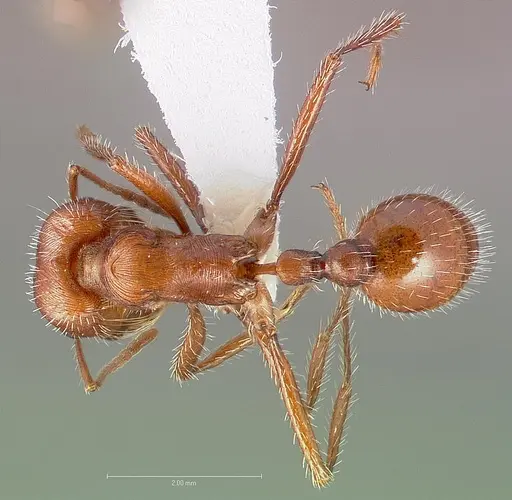
CASENT0217280
View on AntWeb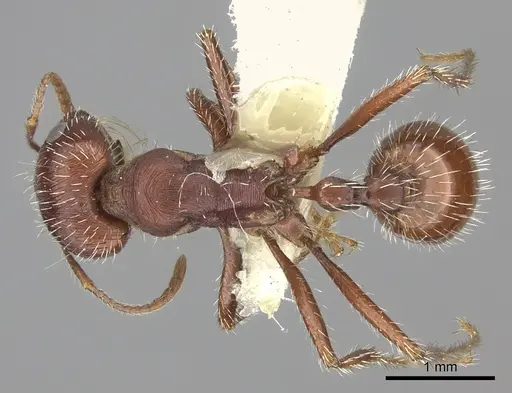
CASENT0235320
View on AntWeb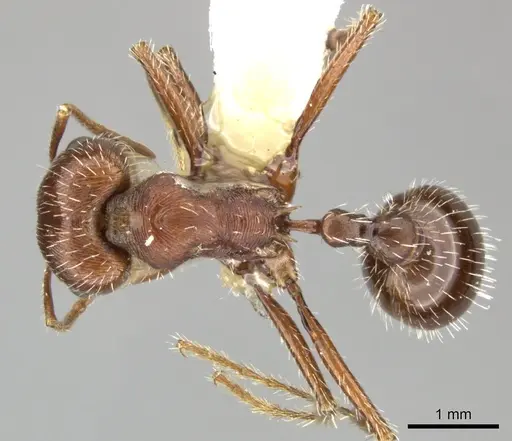
CASENT0235321
View on AntWeb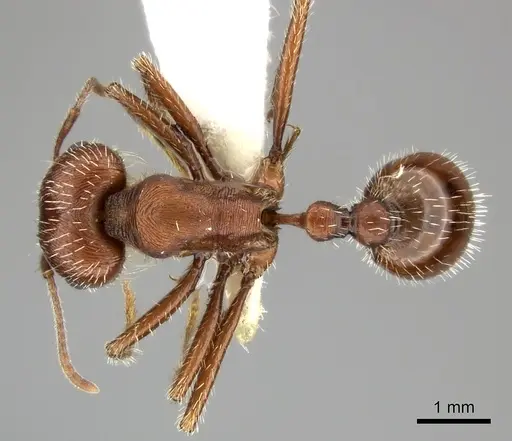
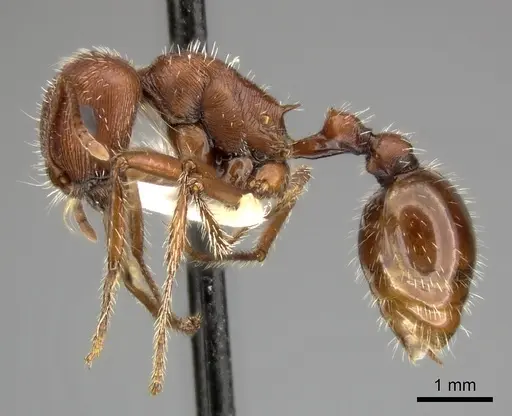
CASENT0904112
View on AntWeb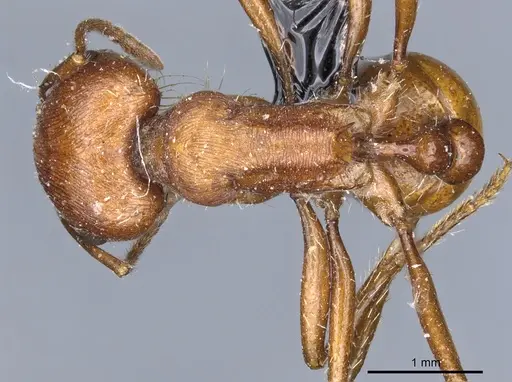
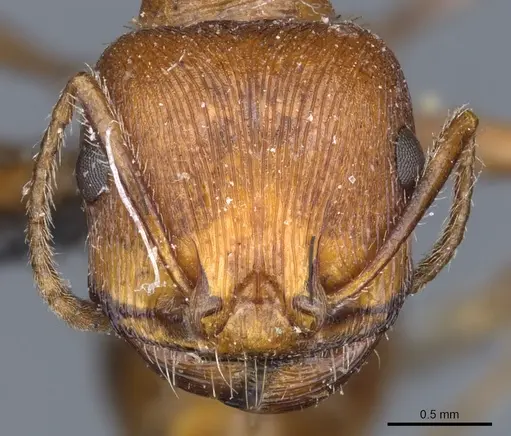
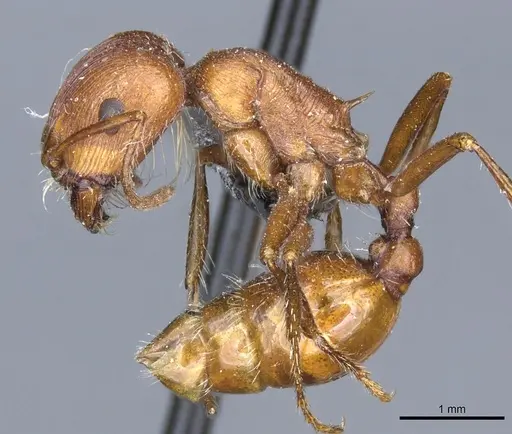
CASENT0914111
View on AntWeb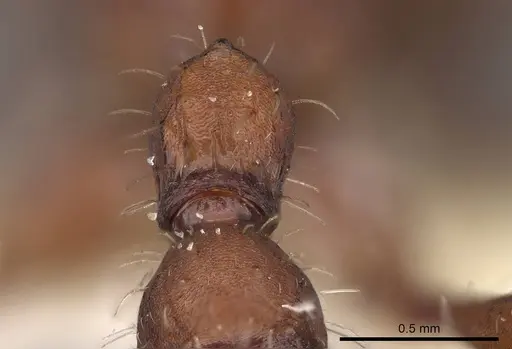
CASENT0914460
View on AntWeb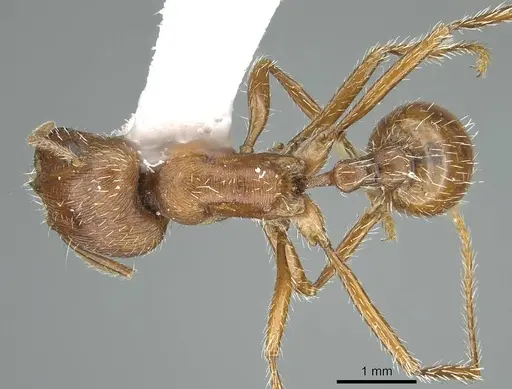
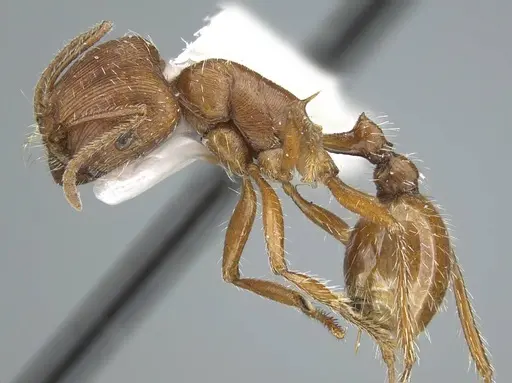
CASENT0923076
View on AntWeb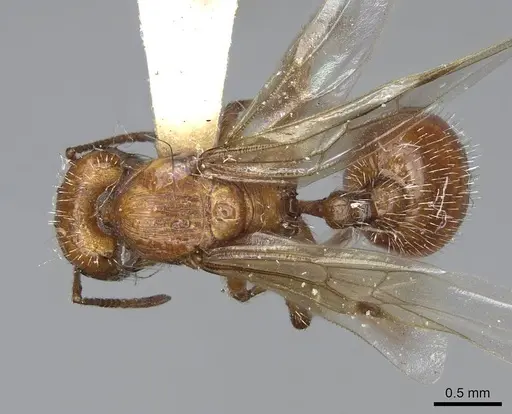
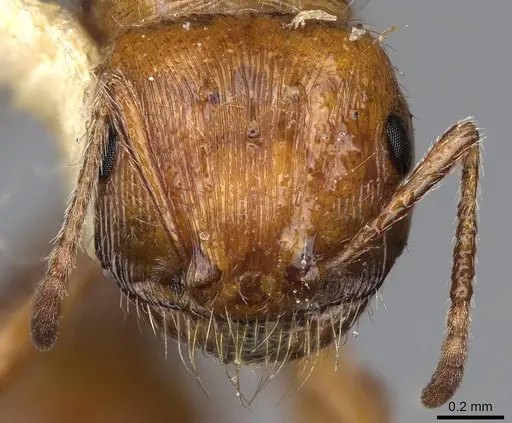
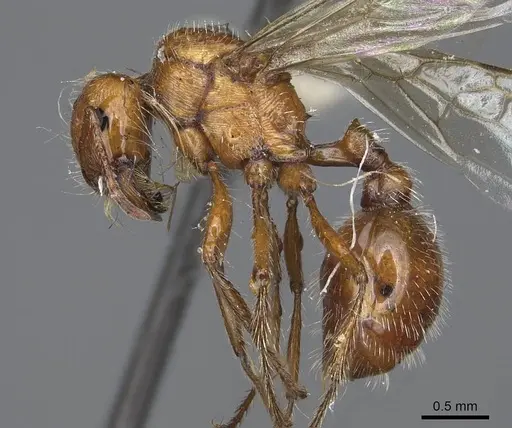
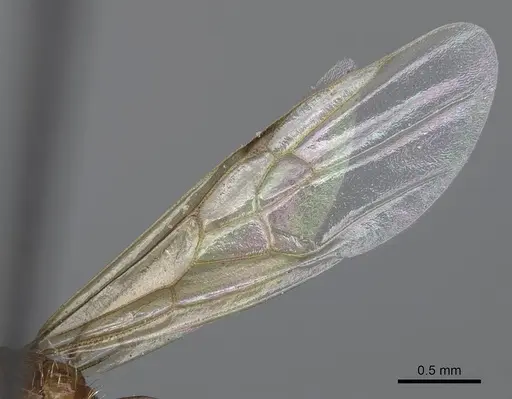
CASENT0923077
View on AntWeb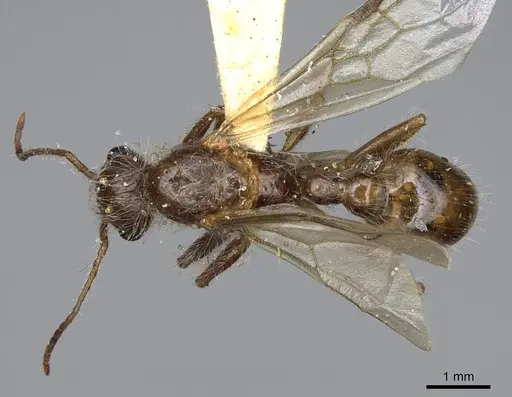
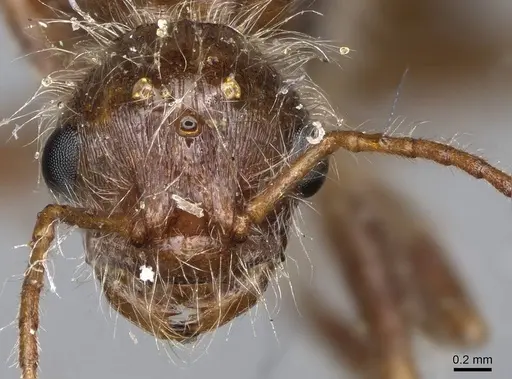
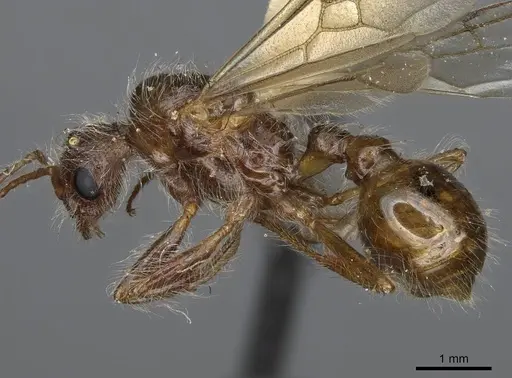
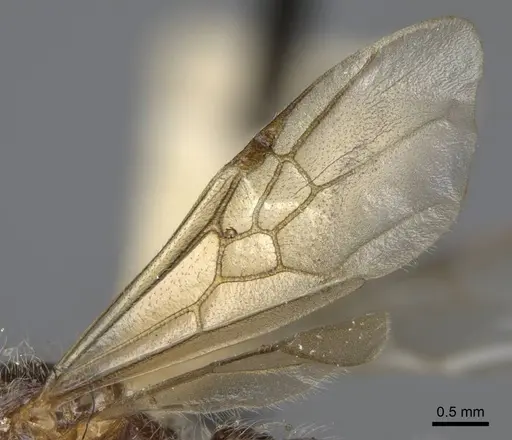
CASENT8368487
View on AntWeb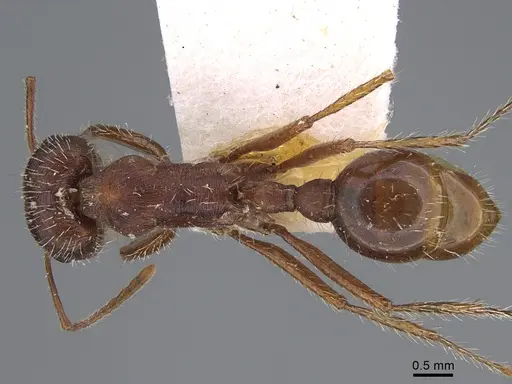
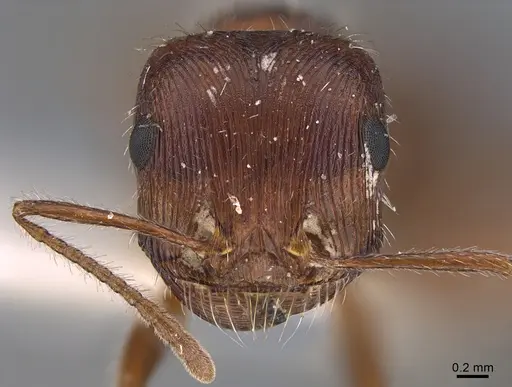
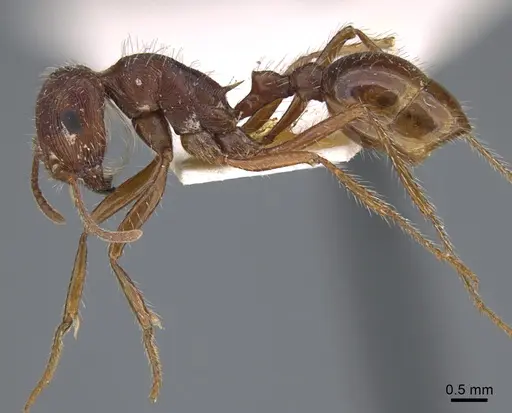
CASENT8368488
View on AntWeb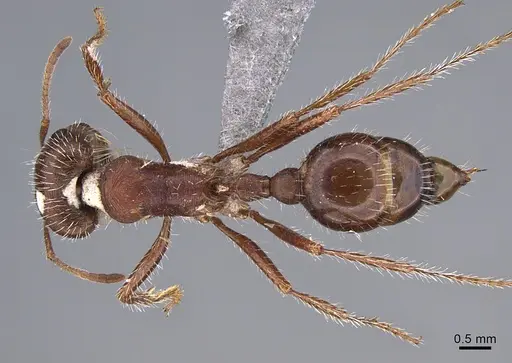
Literature
Loading distribution map...Loading products...