
Pogonomyrmex subdentatus
- Sci. Name
- Pogonomyrmex subdentatus
- Tribe
- Pogonomyrmecini
- Subfamily
- Myrmicinae
- Author
- Mayr, 1870
- Distribution
- Found in 1 countries
Introduction
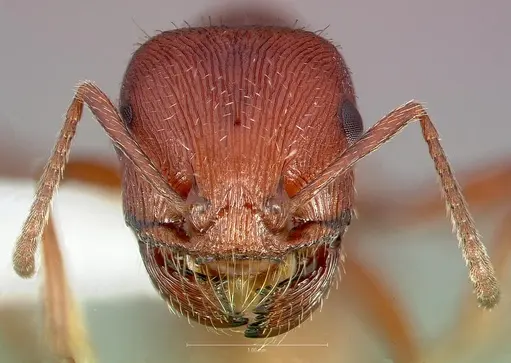
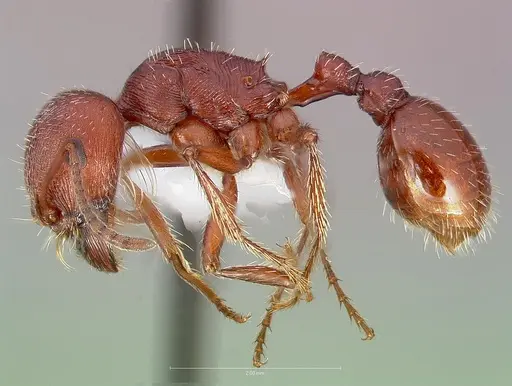
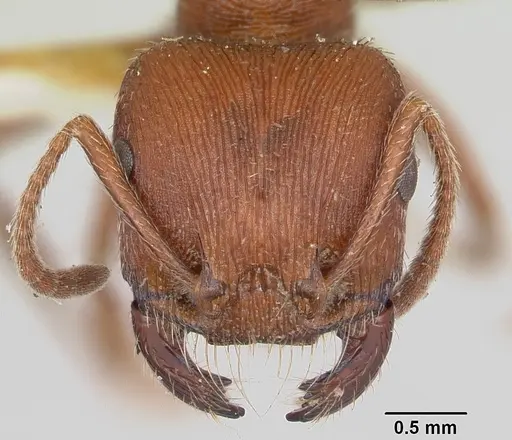
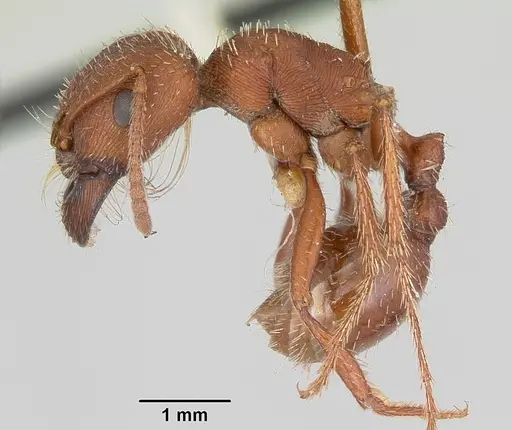
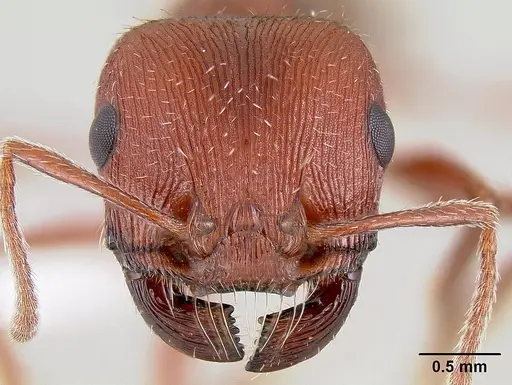
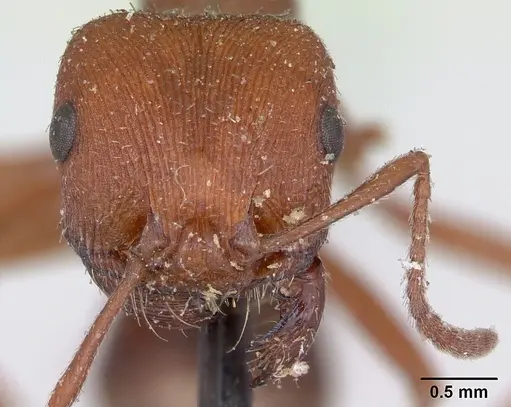
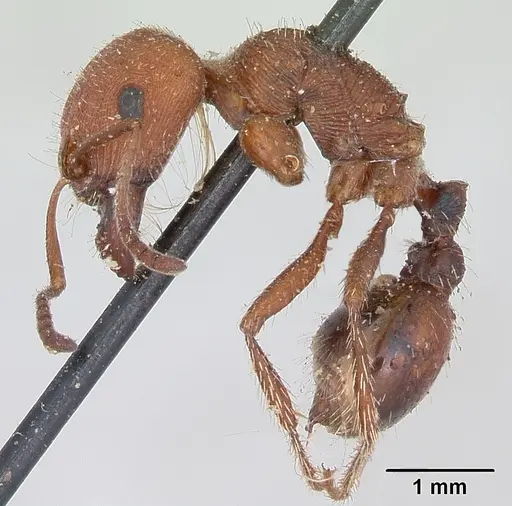
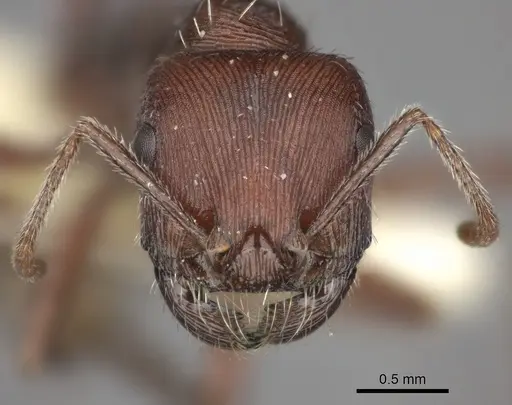
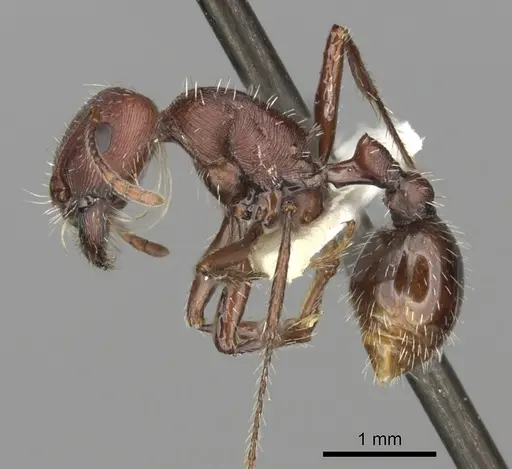
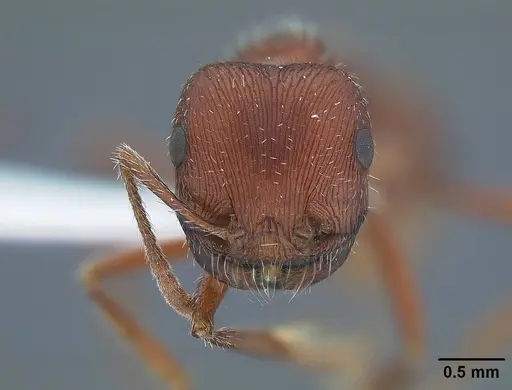
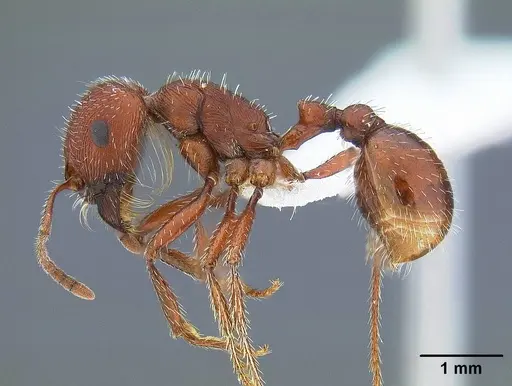
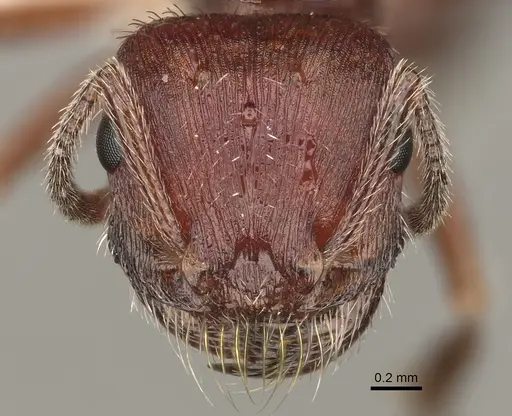
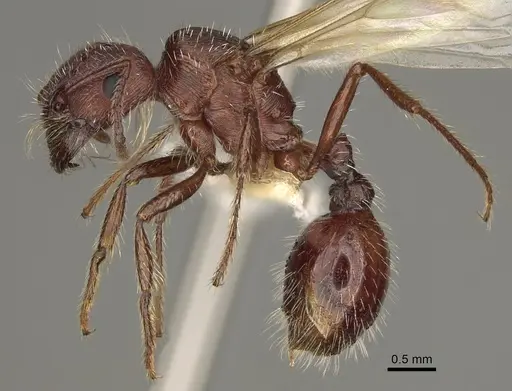
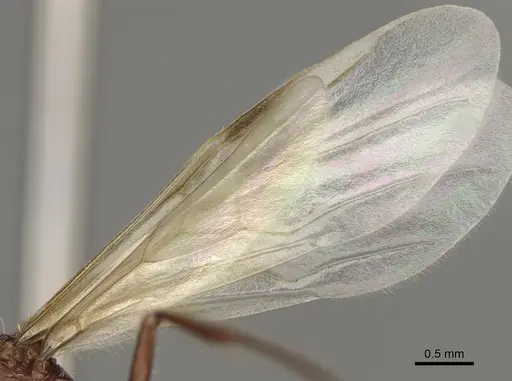
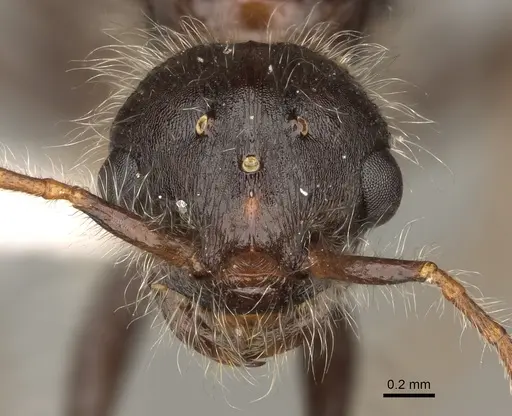
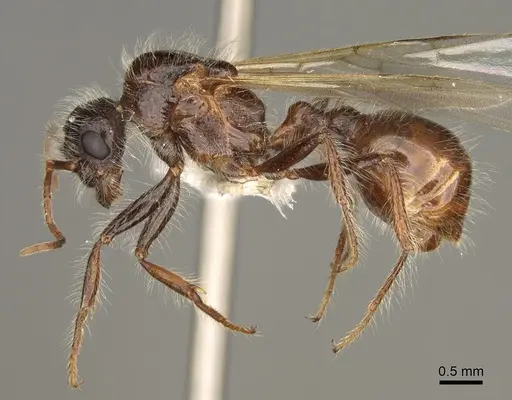
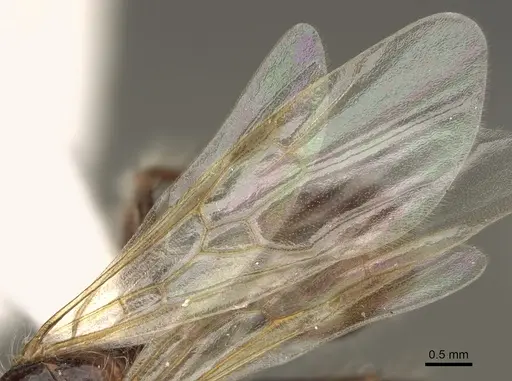
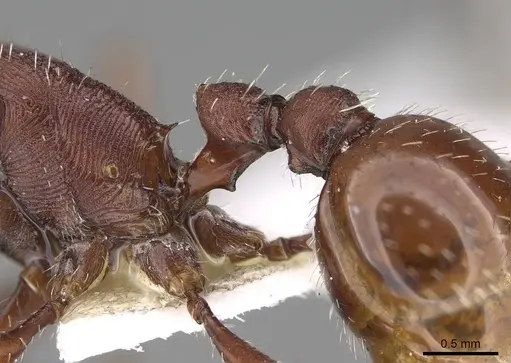
Pogonomyrmex subdentatus is a medium-sized harvester ant native to the arid regions of the western United States. Workers are about 6 mm long and rusty red to ferrugineous red . The species has a notably convex thoracic dorsum, a prominent lobe or blunt spine on the underside of the petiolar peduncle, and variable epinotal spines that range from small denticles to long sharp spines . It belongs to the Pogonomyrmecini tribe and the occidentalis species group, and is closely related to Pogonomyrmex salinus. What makes Pogonomyrmex subdentatus interesting is its docile nature. Unlike most Pogonomyrmex species that are aggressive and have painful stings, this ant retreats quickly when disturbed - researchers have never been able to get them to attack . Wild colonies contain several hundred workers and build nests marked by low, irregular beds of sand or gravel with multiple entrances .
Quick Summary
- Difficulty: Medium
- Origin & Habitat: Western United States, California, southwestern Oregon, western Nevada, Arizona, and New Mexico. Inhabits arid to semi-arid xeric environments with sandy or gravelly soils [3][4].
- Colony Type: Likely monogyne (single-queen) colonies with several hundred workers [2]. Founding behavior is unconfirmed but probably claustral based on genus patterns.
- Size & Growth:
- Queen: ~7-9 mm, inferred from genus patterns, direct measurements not available
- Worker: ~6 mm [1]
- Colony: Several hundred workers per colony [2]
- Growth: Moderate, typical for desert granivorous ants
- Development: Estimated 6-10 weeks at optimal temperature, based on related Pogonomyrmex species (Actual timeline may vary with temperature, no species-specific data available)
- Antkeeping:
- Temperature: Keep the nest area at 24-28°C with a gentle temperature gradient. This species comes from xeric habitats and prefers warm, stable conditions [3]. Use a heating cable on one side of the nest to create the gradient.
- Humidity: Low to moderate, keep the nest substrate relatively dry. These desert-adapted ants need arid conditions. Allow the outworld to dry out between waterings. Avoid excess moisture that can cause fungal growth.
- Diapause: Yes, provide a winter rest period. Reduce temperature to 10-15°C for 2-3 months during winter. This mimics the natural seasonal cycle in their temperate range [4]. Do not feed during the cold period.
- Nesting: Y-tong (AAC) or plaster nests work well. Provide sandy or gravel-like substrate in the outworld for natural foraging. Multiple chambers are beneficial for colony expansion. Keep humidity low in the nest.
- Behavior: Pogonomyrmex subdentatus is notably docile compared to other Pogonomyrmex species. Workers retreat rapidly toward cover when the nest is disturbed, and researchers have been unable to get them to attack [2]. They are solitary foragers with limited recruitment, workers search for seeds individually instead of forming large foraging groups [5][6]. This makes them less dramatic to watch during feeding. They have potent venom (LD50 in mice is 0.3 mg/kg) but rarely use it defensively [7]. Escape risk is moderate, workers are about 6 mm, so they can squeeze through small gaps if motivated.
- Common Issues: dry conditions are essential, too much humidity causes fungal problems and colony decline., solitary foraging means food discovery is slow, new food may go unnoticed until a forager happens upon it., winter diapause is required for long-term health, skipping it can weaken colonies over time., test tube setups may become cramped once colonies grow past 100+ workers., wild-caught colonies may carry parasites, quarantine before adding to existing setups.
Nest Preferences and Housing
In the wild, Pogonomyrmex subdentatus builds nests in sandy or gravelly soil, marked by low, irregular beds of sand or gravel with multiple entrances [2]. In captivity, Y-tong (AAC) or plaster nests work well. Give them multiple chambers to accommodate growth. Because they are adapted to arid conditions, keep the nest fairly dry, avoid the damp conditions suited to tropical ants. A thin layer of sand or fine gravel in the outworld allows natural foraging and seed storage behavior. The outworld should be spacious enough for seed caching. Escape prevention is important but not critical for this moderately sized species, standard barriers are usually enough.
Feeding and Diet
As granivorous ants, Pogonomyrmex subdentatus primarily collects and eats seeds [6]. Offer a variety of small seeds, millet, sesame, flax, and similar are readily accepted. They also eat protein sources like small insects (fruit flies, small crickets, mealworms). Because this species forages solitarily with limited recruitment [5], workers find food individually rather than recruiting others. That means food may sit in the outworld until a forager discovers it by chance. Put seeds in a shallow dish or dedicated feeding area and check that they are being eaten. Remove uneaten seeds periodically to prevent mold. Occasional protein supports brood development, but seeds should be the main food.
Temperature and Seasonal Care
These desert-adapted ants prefer warm conditions. Keep the nest area at 24-28°C with a gentle gradient, so workers can choose their preferred temperature by moving around [3]. A heating cable on one side of the nest (on top of the acrylic, not directly on plaster) creates this gradient. During winter, provide a diapause period by reducing temperatures to 10-15°C for 2-3 months. This mimics their natural cycle in the temperate western United States [4] and is important for long-term health. Do not feed during diapause. Resume normal feeding and warmth when temperatures rise in spring.
Behavior and Colony Dynamics
Pogonomyrmex subdentatus is remarkably docile for a Pogonomyrmex species. Workers retreat rapidly when their nest is disturbed, fleeing to cover rather than attacking [2]. This makes them safer to handle than relatives like Pogonomyrmex occidentalis or Pogonomyrmex californicus, which are known for aggressive defense and painful stings. However, they still possess potent venom, the LD50 in mice is 0.3 mg/kg, comparable to more dangerous Pogonomyrmex species [7]. The venom is simply not used readily in defense. Colonies grow to several hundred workers and maintain multiple nest entrances [2]. Workers forage individually rather than in coordinated groups, which makes feeding observations less dramatic than with mass-recruiting species [5].
Growth and Development
Colonies develop at a moderate pace typical of granivorous Pogonomyrmex. The queen founds the colony alone (likely claustral, based on genus patterns), relying on stored fat until the first workers (nanitics) emerge. Development from egg to worker probably takes 6-10 weeks at optimal temperature (24-28°C), based on patterns in related species. The first workers are typically smaller than mature ones. Growth rate depends on temperature, food quality, and colony size. Mature colonies can contain several hundred workers. Unlike some ants that live for decades, Pogonomyrmex queens typically have shorter lifespans, so colony continuity depends on successful queen reproduction.
Frequently Asked Questions
Can I keep Pogonomyrmex subdentatus in a test tube?
Test tubes work for founding colonies but you'll need to upgrade as the colony grows. Once you have 50+ workers, move them to a proper formicarium with multiple chambers. A Y-tong or plaster nest gives better space for the seed storage behavior that is natural for this species.
How long until first workers with Pogonomyrmex subdentatus?
Expect the first workers (nanitics) to emerge 6-10 weeks after the queen lays eggs, assuming temperatures around 24-28°C. This is an estimate based on related Pogonomyrmex species, the exact timeline may vary.
Are Pogonomyrmex subdentatus good for beginners?
They are medium difficulty, easier than aggressive Pogonomyrmex species but needing more specific conditions than tropical ants. They need warm, dry conditions and a winter diapause. Their docile nature makes them safer to handle, but their solitary foraging can be less exciting to watch.
What do Pogonomyrmex subdentatus eat?
They are granivorous, primarily eating seeds. Offer small seeds like millet, sesame, or flax. They also accept small insects like fruit flies or small mealworms. Seeds should be the main food, remove uneaten seeds periodically to prevent mold.
Do Pogonomyrmex subdentatus need hibernation?
Yes, they require a winter diapause. Reduce temperatures to 10-15°C for 2-3 months during winter. This mimics their natural seasonal cycle in the western United States [4] and is important for colony health. Do not feed during the cold period.
How big do Pogonomyrmex subdentatus colonies get?
Colonies reach several hundred workers at maturity [2]. That's moderate compared to some Pogonomyrmex species that can form supercolonies, but substantial for a monogyne species.
Can I keep multiple Pogonomyrmex subdentatus queens together?
No, this species is likely monogyne (single-queen colonies). Multiple unrelated queens will fight. Only start with one queen during colony founding.
When should I move Pogonomyrmex subdentatus to a formicarium?
Move from test tube to formicarium when the colony reaches 50+ workers or the test tube becomes cramped. Provide a sandy outworld area for natural foraging behavior.
Why isn't my Pogonomyrmex subdentatus colony growing?
Common causes include: temperatures too low (need 24-28°C), excessive humidity (they prefer dry conditions), insufficient seed protein, or lack of winter diapause. Check that the queen is still laying eggs and that workers are actually eating the food you provide.
Report an Issue
The current care sheet is based fully on literature. See inconsistencies, or something that's incorrect? Please , it will be resolved after review from an admin. Contributing to the blogs tab also helps providing information, to make us be able to further improve the caresheets. Thank you for your support!
References

This caresheet is licensed under CC BY-SA 4.0 .
Community Blogs
CASENT0005720
View on AntWeb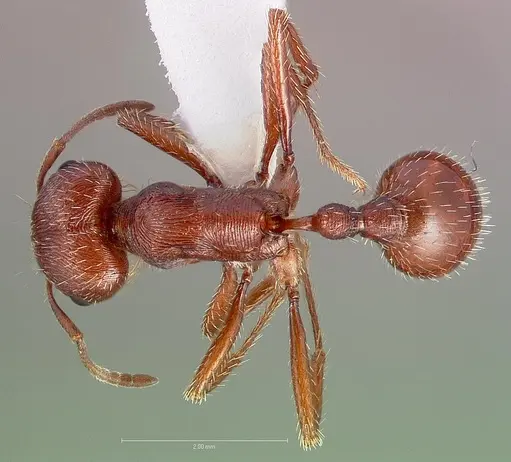
CASENT0103127
View on AntWeb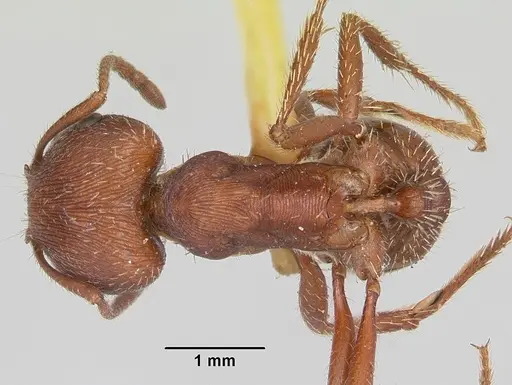
CASENT0106024
View on AntWeb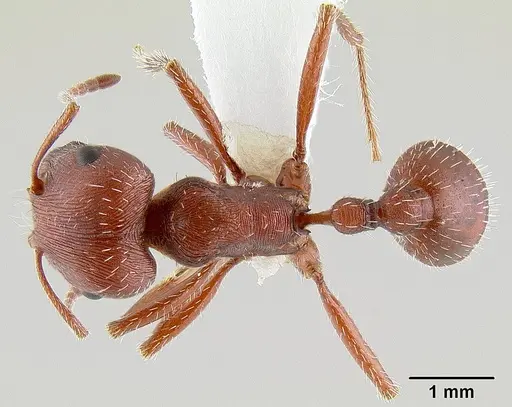
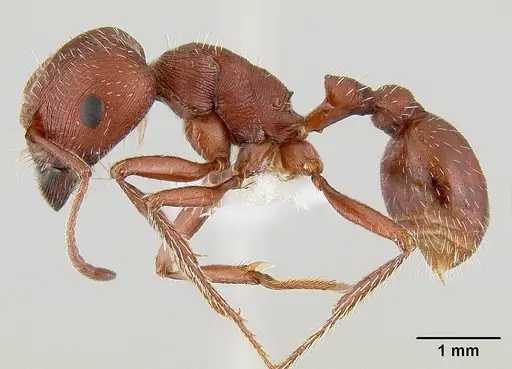
CASENT0173363
View on AntWeb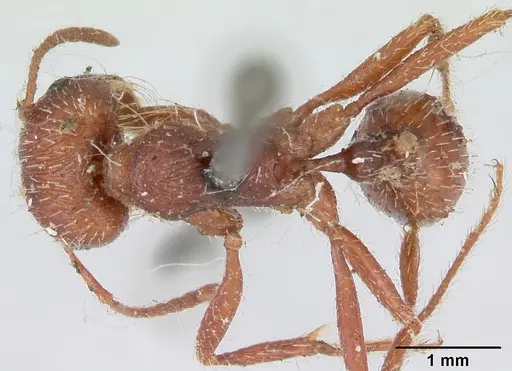
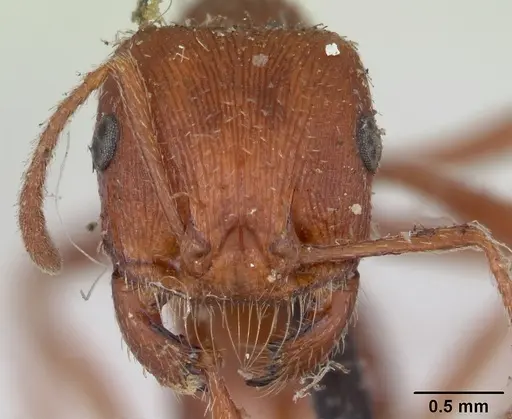
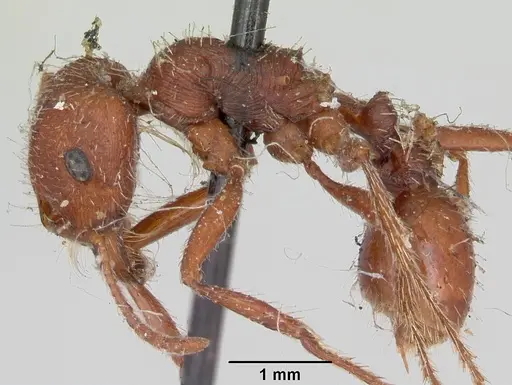
CASENT0173367
View on AntWeb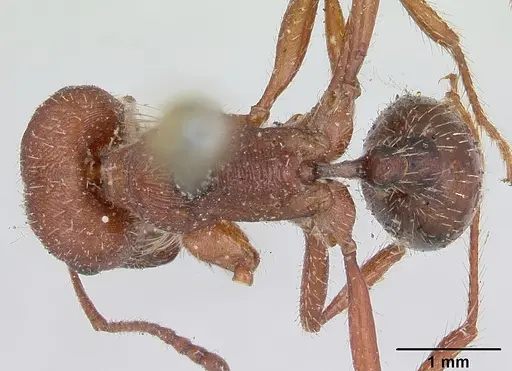
CASENT0235325
View on AntWeb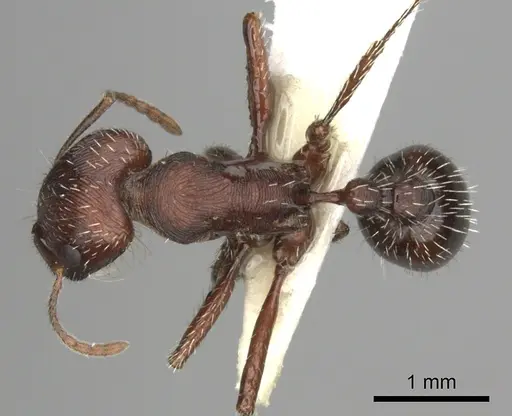
CASENT0732619
View on AntWeb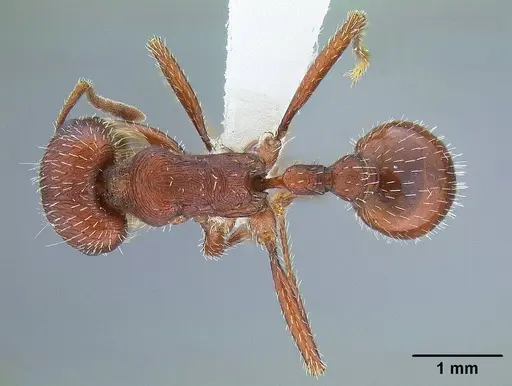
CASENT0863110
View on AntWeb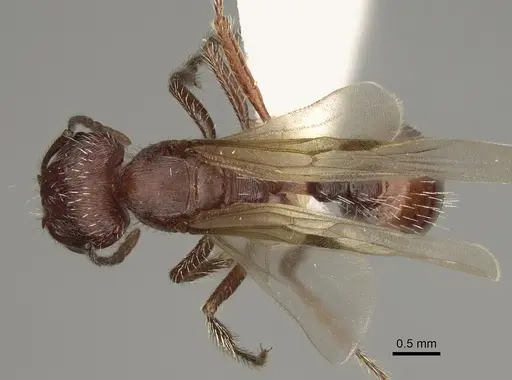
CASENT0863111
View on AntWeb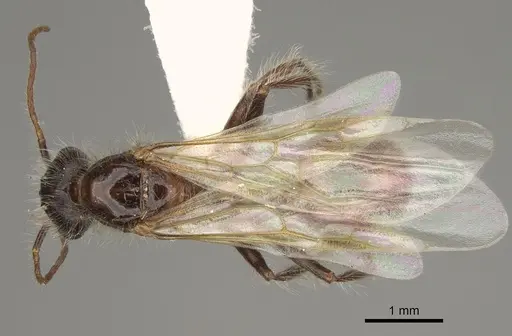
CASENT0914109
View on AntWeb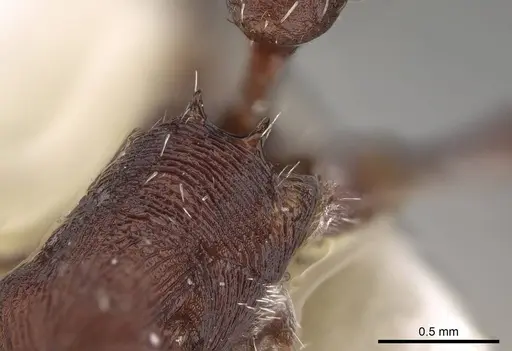
Literature
Loading distribution map...Loading products...