
Pogonomyrmex serpens
- Sci. Name
- Pogonomyrmex serpens
- Tribe
- Pogonomyrmecini
- Subfamily
- Myrmicinae
- Author
- Santschi, 1922
- Distribution
- Found in 1 countries
Introduction
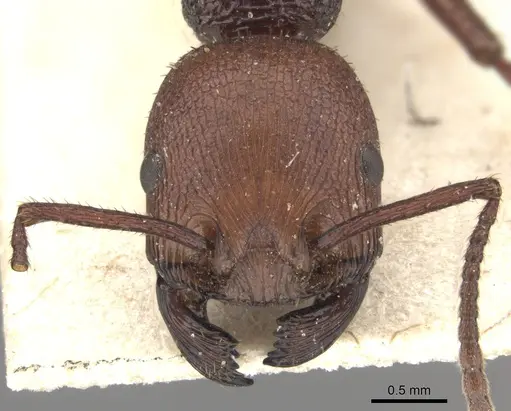
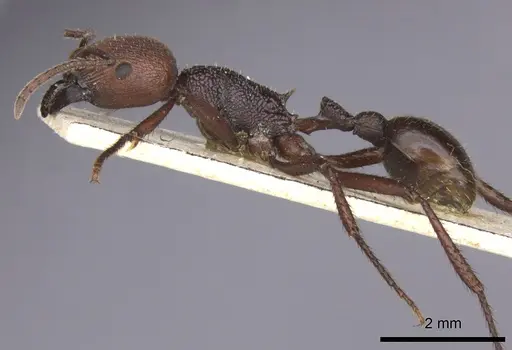
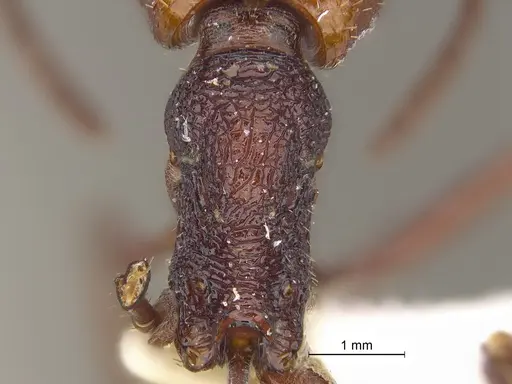
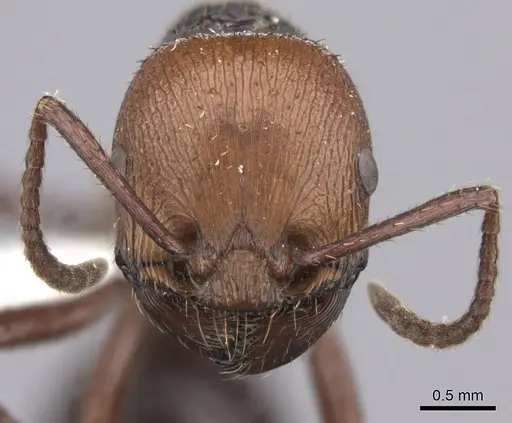
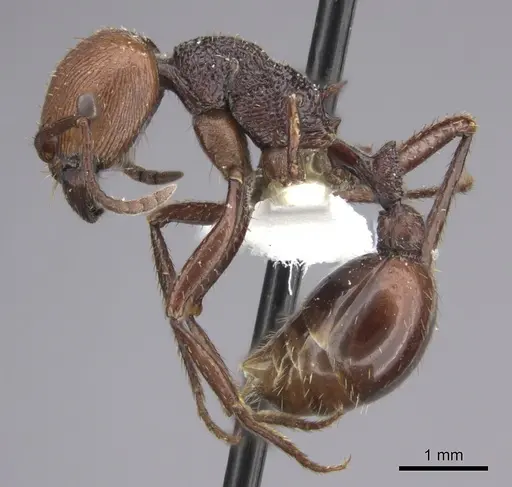
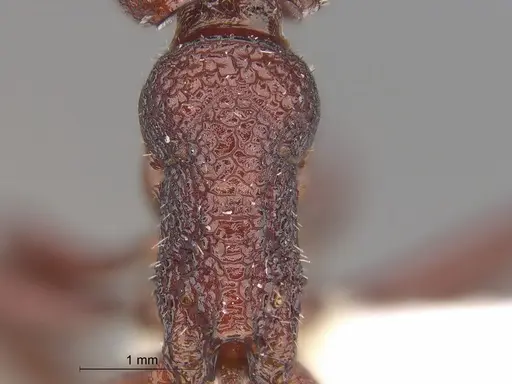
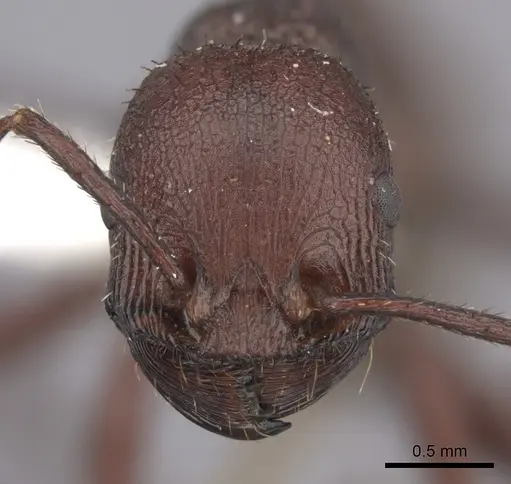
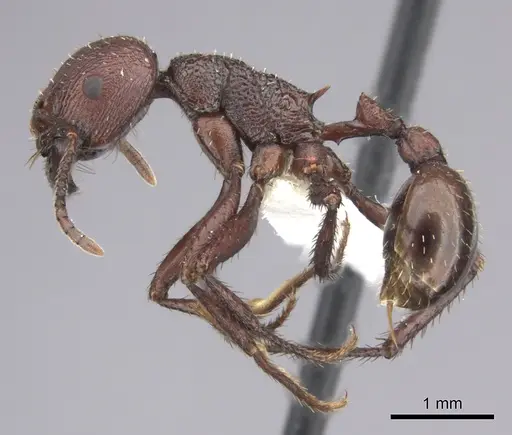
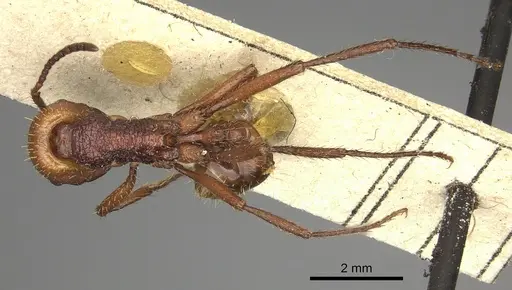
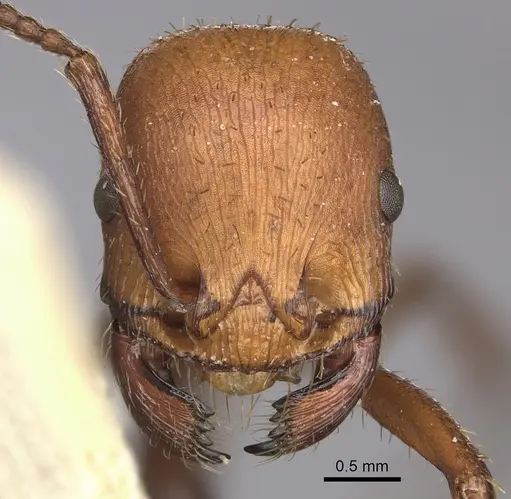
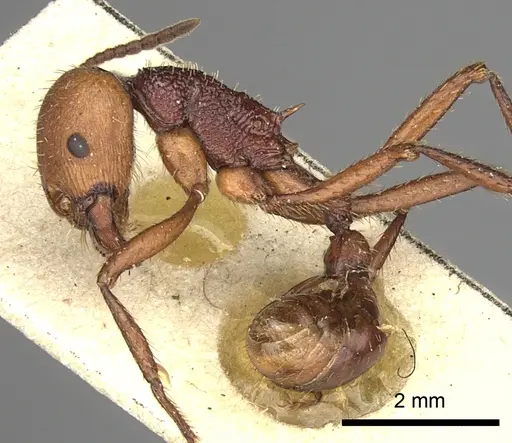
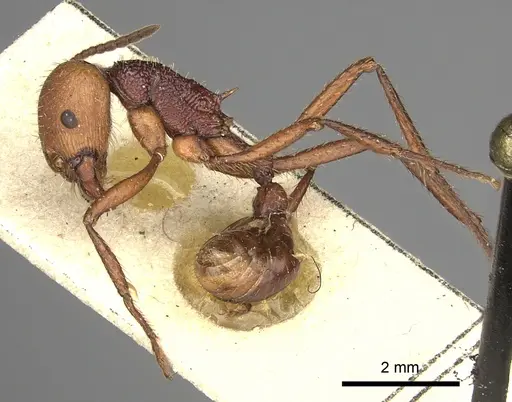
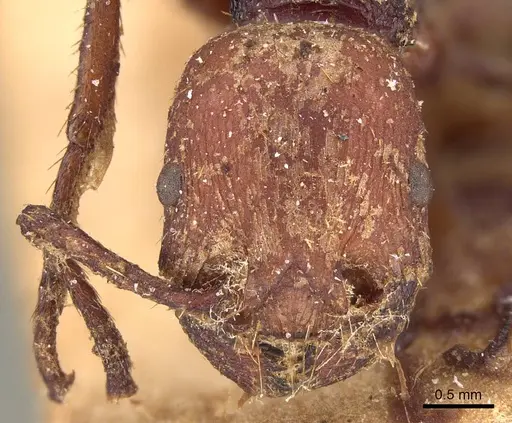
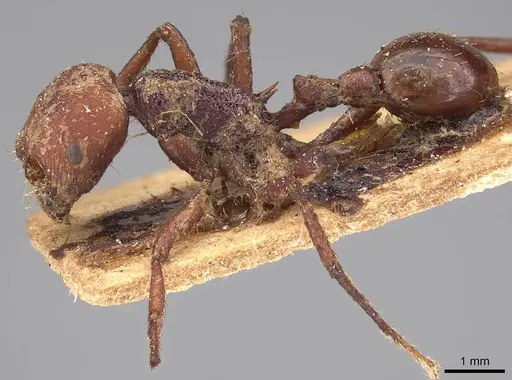
Pogonomyrmex serpens is a seed-harvester ant native to the Chaco region of South America, including Argentina, Bolivia, and Paraguay . Workers are medium-sized with a bicolored body, darker mesosoma and petiolar node, lighter head and gaster . This species belongs to the cunicularius group and has ergatoid queens, which are wingless and similar to workers but with small ocelli on the head . The ergatoid queen system means colonies do not have nuptial flights, and new queens may mate within the nest .
Quick Summary
- Difficulty: Medium
- Origin & Habitat: Lowland species from the Humid Chaco and northern Dry Chaco ecoregions of Argentina, Bolivia, and Paraguay, at elevations of 45-905m [1][2].
- Colony Type: Single-queen colonies with ergatoid (wingless) replacement queens documented [1].
- Size & Growth:
- Queen: size data unavailable
- Worker: size data unavailable
- Colony: Unknown
- Growth: Moderate, inferred from related Pogonomyrmex species [2]
- Development: Unknown, no specific data for this species (Development time is unconfirmed, based on genus patterns, it may take several weeks at optimal temperatures.)
- Antkeeping:
- Temperature: Keep nest warm, around low-to-mid 20s°C, with a gradient to allow self-regulation [2].
- Humidity: Provide a humidity gradient, mostly dry nest chamber with one small moist area, matching their semi-arid habitat [2].
- Diapause: Unknown, no specific data on diapause requirements.
- Nesting: In nature, they nest in soil. Use naturalistic setups with compact substrate or Y-tong/plaster nests [2].
- Behavior: Workers are defensive with a functional sting, so handle with caution [2]. They forage for seeds and insects, and are moderately aggressive when defending the nest [2]. Escape prevention should be good due to medium size, but use standard barriers.
- Common Issues: inadequate temperature control can slow colony development, escape risk due to small size, ensure barriers are effective, seed storage space needed in outworld for food hoarding
Nest Preferences and Housing
You should house Pogonomyrmex serpens in a naturalistic setup with compact soil or a Y-tong/plaster nest, as they are ground-nesting species [2]. Provide a deep outworld for seed storage, since they harvest and carry seeds back to the nest [1]. Ensure the nest material allows for a humidity gradient, with mostly dry conditions matching their semi-arid habitat [2].
Feeding and Diet
Feed Pogonomyrmex serpens a diet of seeds, such as grass seeds or millet, which they naturally harvest [2]. They also collect insects to provision the nest, so supplement with small insects like fruit flies or pinhead crickets [3]. Offer sugar water or honey for energy. Feed seeds continuously and insects 2-3 times per week.
Temperature and Heating
Keep the nest warm, around low-to-mid 20s°C, with a heating cable on one side to create a gradient [2]. Avoid prolonged temperatures below 20°C. Monitor colony activity, if workers are sluggish, the nest may be too cool.
Behavior and Temperament
Pogonomyrmex serpens workers have a functional sting and can be defensive when protecting the nest [2]. They forage for seeds and insects, and use tandem-running for recruitment [1]. The ergatoid queens are wingless and resemble workers, with small ocelli on the head, making identification challenging [1].
Colony Structure and Ergatoid Queens
Pogonomyrmex serpens has ergatoid queens that are wingless and similar in appearance to workers, with the key difference being small ocelli on the head [1]. This means colonies may not have obvious queens, but inspection for ocelli can identify them. Ergatoid queens likely serve as replacement reproductives, and nuptial flights do not occur [1].
Growth and Development
Development timelines are unknown for this species. Based on genus patterns, colony growth is moderate, but no specific data is available [2]. Males have not been collected, suggesting reproduction through ergatoid queens [1].
Frequently Asked Questions
How long does it take for Pogonomyrmex serpens to produce first workers?
Unknown, no specific data for this species. Based on related Pogonomyrmex, it may take several weeks at optimal temperatures [2].
What do Pogonomyrmex serpens ants eat?
They are seed-harvester ants that primarily collect and process seeds. They also actively hunt and collect insects [3]. Offer seeds continuously and supplement with small insects 2-3 times weekly [2].
Do Pogonomyrmex serpens ants sting?
Yes, they have a functional sting and can deliver a painful sting. Use caution when working with colonies [2].
How big do Pogonomyrmex serpens colonies get?
Colony size is unknown for this species [1].
What makes Pogonomyrmex serpens different from other Pogonomyrmex?
They have ergatoid (wingless) queens that resemble workers, unlike most ant species with winged queens. They also have distinctive bicolored bodies [1].
Can I keep multiple Pogonomyrmex serpens queens together?
Colony social structure is unconfirmed, but based on ergatoid system, it is likely monogyne. Combining unrelated queens is not recommended [1].
Do Pogonomyrmex serpens need hibernation?
Diapause requirements are unknown for this species [2].
Are Pogonomyrmex serpens good for beginners?
They are rated medium difficulty. While stinger care is required, their seed-based diet is straightforward. The main challenge is the limited biological data available [2].
What temperature do Pogonomyrmex serpens need?
Keep the nest warm, around low-to-mid 20s°C, with a gradient [2].
How do I identify the queen in Pogonomyrmex serpens?
Look for a worker-sized ant with three small ocelli on the top of the head. Ergatoid queens are nearly identical to workers otherwise [1].
When should I move Pogonomyrmex serpens to a formicarium?
Move them when the colony becomes cramped in the test tube setup. Ensure the formicarium has space for seed storage [2].
Report an Issue
The current care sheet is based fully on literature. See inconsistencies, or something that's incorrect? Please , it will be resolved after review from an admin. Contributing to the blogs tab also helps providing information, to make us be able to further improve the caresheets. Thank you for your support!
References

This caresheet is licensed under CC BY-SA 4.0 .
Community Blogs
CASENT0235269
View on AntWeb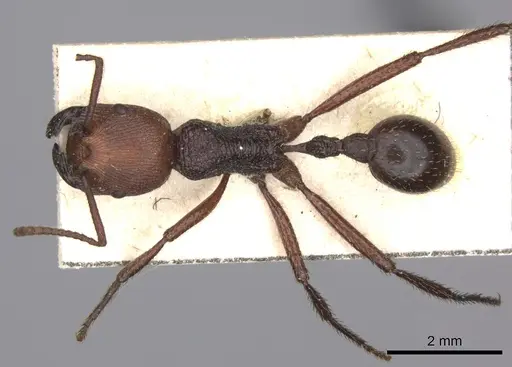
CASENT0235270
View on AntWeb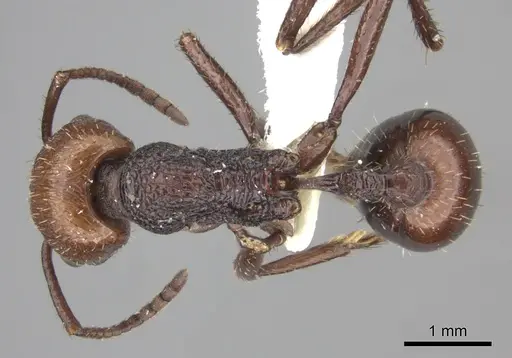
CASENT0235271
View on AntWeb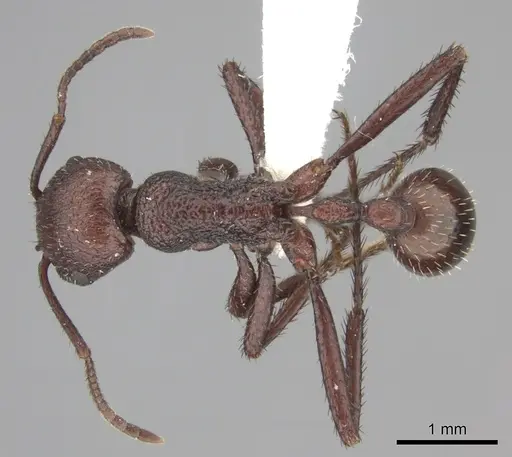
CASENT0249054
View on AntWeb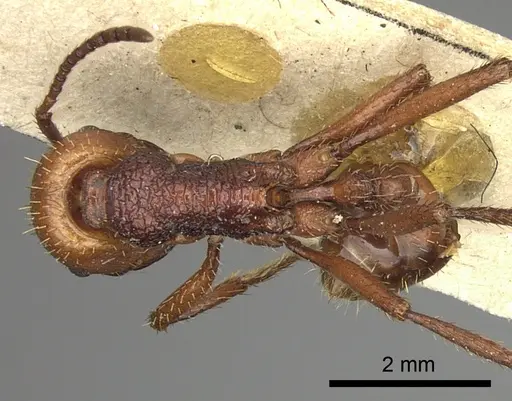
CASENT0914376
View on AntWeb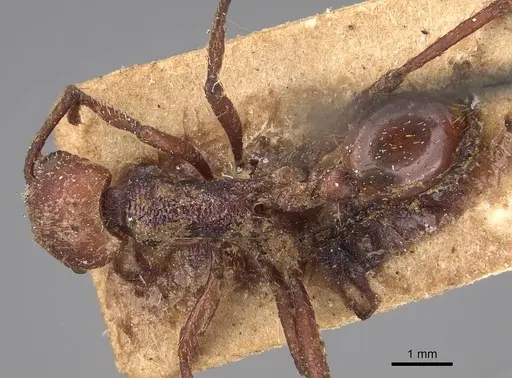
Literature
Loading distribution map...Loading products...