
Pima Harvester Ant
Pogonomyrmex pima
- Sci. Name
- Pogonomyrmex pima
- Tribe
- Pogonomyrmecini
- Subfamily
- Myrmicinae
- Author
- Wheeler, 1909
- Common Name
- Pima Harvester Ant
- Distribution
- Found in 2 countries
Introduction
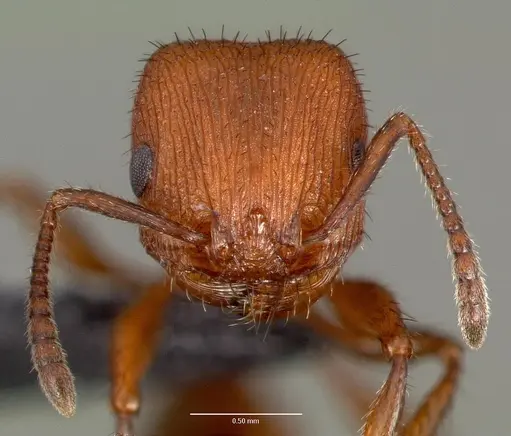
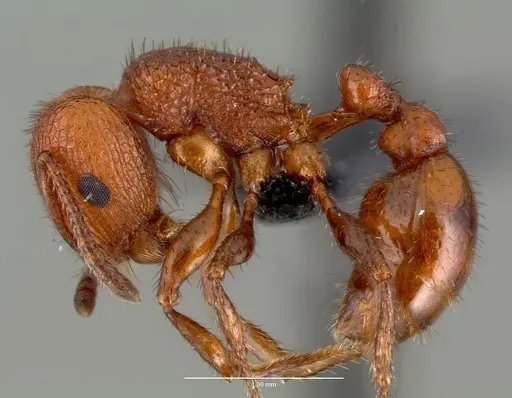
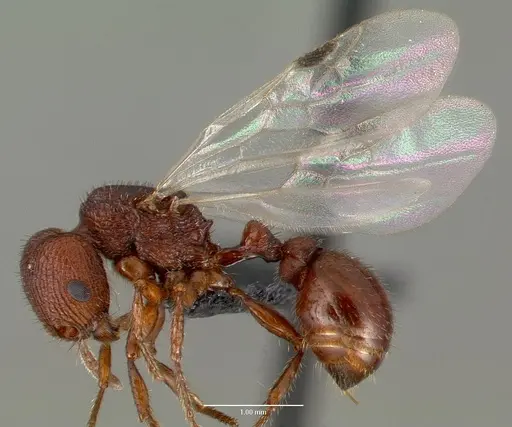
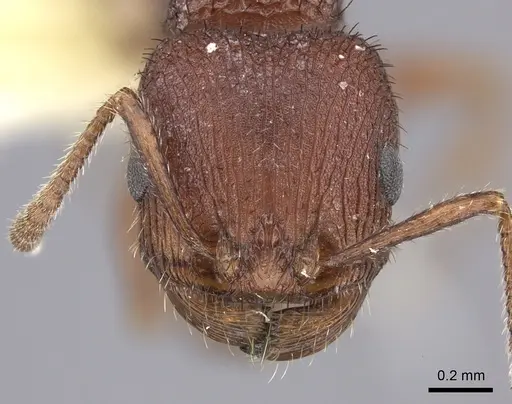
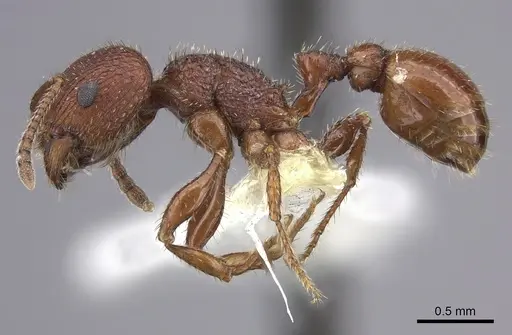
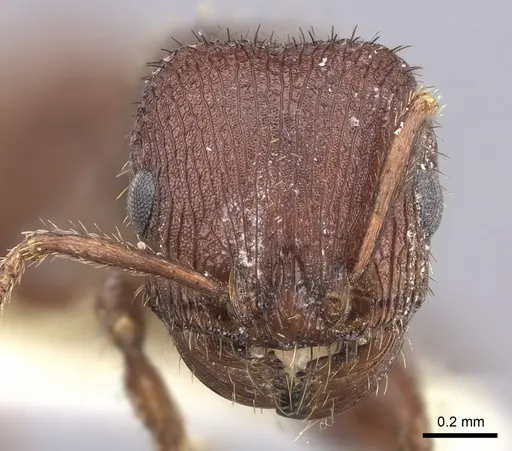
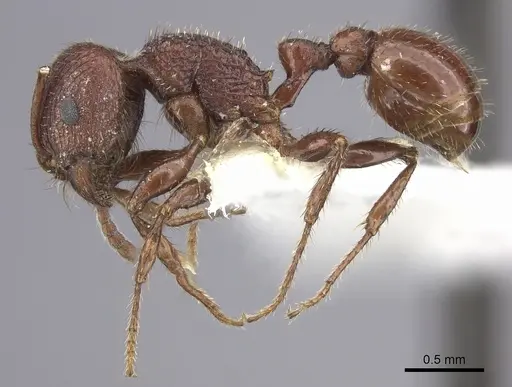
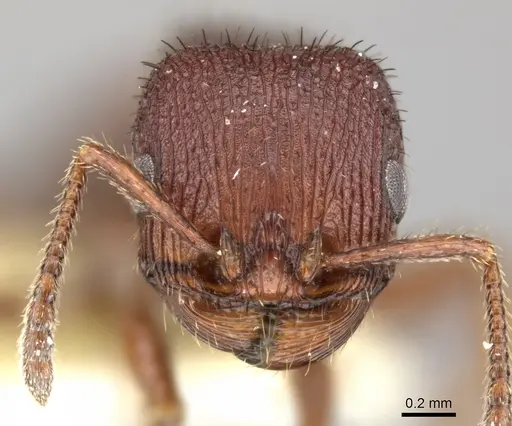
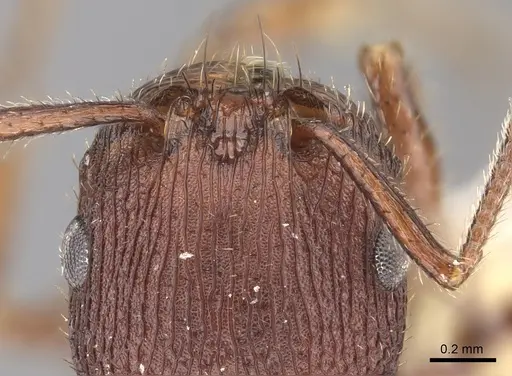
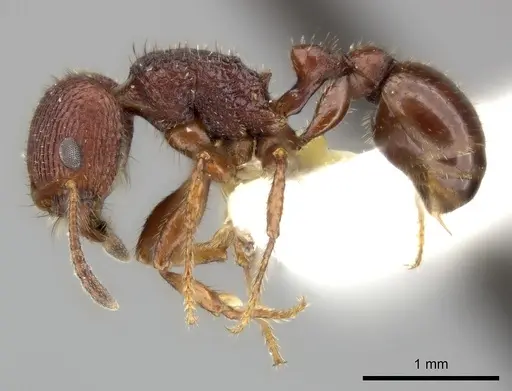
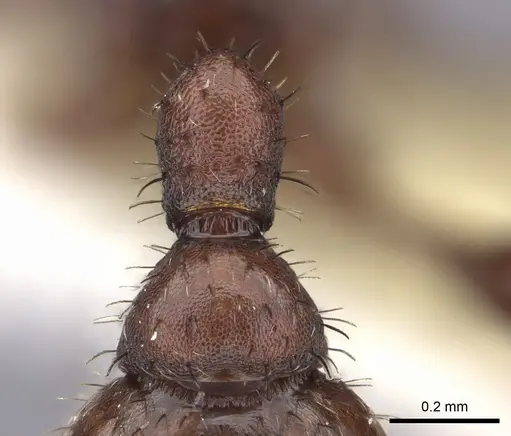
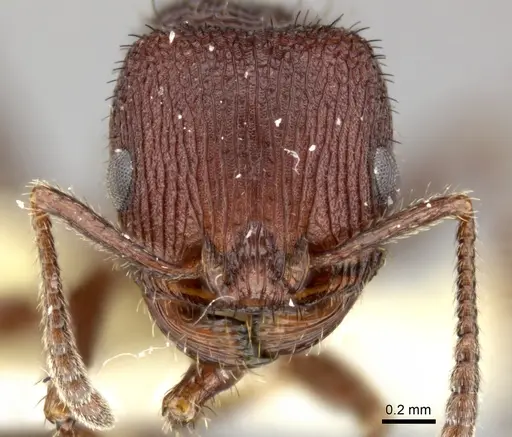
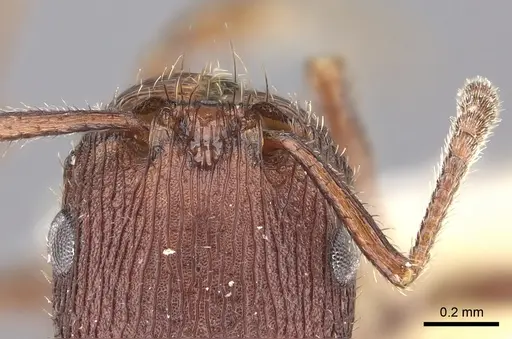
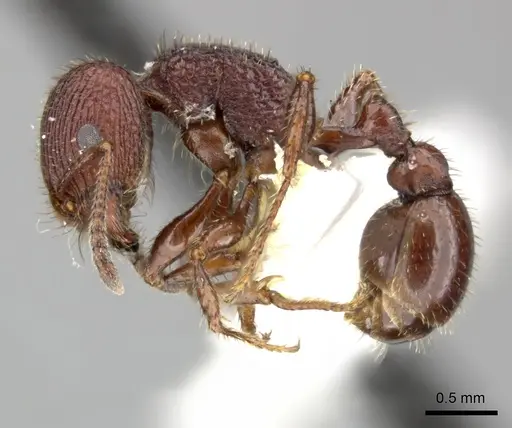
Pogonomyrmex pima is a small seed-harvester ant native to the desert Southwest, found in southern Arizona and Sonora, Mexico . Workers are about 4.5 mm long and have a deep ferrugineous red color . These ants are extremely docile and rarely sting, foraging slowly and steadily . They build nests under stones or in open ground, sometimes with small crater mounds. This species has a unique queen system with two types: winged (alate) queens and wingless (ergatoid) queens, both fully reproductive . Most colonies have multiple queens, with 79% of nests containing an average of 8 queens . Queen type varies by location: wetter areas produce more wingless queens, drier areas more winged queens .
Quick Summary
- Difficulty: Medium
- Origin & Habitat: Desert habitats in southern Arizona (USA) and Sonora (Mexico), from sea level to 2,400 feet elevation [1][2]. Nests are typically under stones or in open ground with small crater mounds [4].
- Colony Type: Polygynous colonies with multiple queens, averaging 8 per nest. Produces two queen types: winged (alate) and wingless (ergatoid), both fully reproductive. Wingless queens can forage, colonies with wingless queens produce only males [5].
- Size & Growth:
- Antkeeping:
- Temperature: Keep warm, roughly 24-28°C, but exact requirements are unknown. Provide a temperature gradient [4].
- Humidity: Keep nest substrate dry to slightly moist, as they are desert ants [4].
- Diapause: Unknown, no species-specific data on diapause. Based on geographic range, winter rest may be beneficial, but unconfirmed.
- Nesting: Y-tong nests work well for this species. Provide dry conditions with access to water [4].
- Behavior: Extremely docile, workers rarely sting and can be handled gently [4]. They forage singly at a slow, steady pace, collecting seeds and dead insects [3][7]. Escape risk is moderate due to their size, use standard prevention measures.
- Common Issues: colonies may fail if kept too wet, they are desert ants adapted to dry conditions, multiple queens can cause competition during colony integration if not managed carefully, slow growth compared to tropical species may frustrate beginners, seed-harvester diet requires appropriate food, seeds are primary, winter diapause may be needed for colony health, but no confirmed data
Housing and Nest Setup
Pogonomyrmex pima does well in Y-tong nests or naturalistic setups with a sand/soil mix. As desert ants, they prefer drier conditions, keep the nest substrate barely moist, not wet. Provide a water tube or cotton ball with fresh water at all times. A foraging area is essential for seed collection, use a shallow dish or container. Standard escape prevention with fluon on rims is recommended [4].
Feeding and Diet
As seed-harvester ants, their diet should be primarily seeds, millet, sesame, flax, and other small seeds are readily accepted. They also consume dead insects for protein[7]. Offer a constant supply of small seeds and weekly protein sources like dead insects. Remove uneaten seeds to prevent mold [7].
Temperature and Seasonal Care
Keep colonies at warm temperatures, roughly 24-28°C, but exact requirements are unknown. Provide a temperature gradient so ants can choose their preferred zone. During winter, a rest period may be beneficial, but no species-specific diapause data is available [4].
Colony Structure and Multi-Queen Dynamics
This species is polygynous, most wild colonies contain multiple queens (average 8 per nest) [5]. Colonies produce either winged or wingless queens, not both in the same colony. Wingless queens are fully reproductive and can forage outside the nest [5]. When keeping this species, colonies with multiple queens generally coexist peacefully.
Behavior and Temperament
Pogonomyrmex pima is one of the most docile Pogonomyrmex species, workers rarely sting and can be gently handled [4]. They forage slowly and steadily, singly rather than in groups [3]. This calm temperament makes them easier to work with than many other harvester ants.
Frequently Asked Questions
Can I keep Pogonomyrmex pima in a test tube?
Yes, test tubes work for founding colonies. Keep the test tube in a warm, dry area and provide seeds once workers emerge. However, transfer to a proper nest as the colony grows [4].
How long until Pogonomyrmex pima has first workers?
First workers typically appear within 6-10 weeks after queen lays eggs, depending on temperature. Warmer temperatures speed development [4].
Do Pogonomyrmex pima ants sting?
Yes, they have functional stingers as Myrmicinae ants. However, they are extremely docile and rarely sting [4].
Can I keep multiple queens together in one colony?
Yes, this species is naturally polygynous, wild colonies typically have multiple queens [5]. Queens can coexist peacefully.
What do Pogonomyrmex pima eat?
They are seed-harvester ants, their primary food is small seeds. They also eat dead insects for protein [7]. Offer seeds and occasional protein.
How big do Pogonomyrmex pima colonies get?
Colonies reach up to 326 workers in the wild [5]. In captivity, well-fed colonies can reach similar sizes over time.
Do Pogonomyrmex pima need hibernation?
No species-specific data on hibernation is available. Based on geographic range, a winter rest may be beneficial, but it is unconfirmed.
Are Pogonomyrmex pima good for beginners?
They are moderately difficult, easier than aggressive Pogonomyrmex species but require attention to their seed-based diet and dry conditions. Their docile nature makes them pleasant to observe [4].
Why are some Pogonomyrmex pima queens wingless?
This species produces two types of queens: winged (alate) and wingless (ergatoid), both fully reproductive [5]. The proportion depends on location, wetter areas produce more wingless queens [6].
When do Pogonomyrmex pima have nuptial flights?
In the wild, mating flights are triggered by summer rainfall [6]. In captivity, you can simulate this by slightly increasing humidity and temperature during summer months.
Report an Issue
The current care sheet is based fully on literature. See inconsistencies, or something that's incorrect? Please , it will be resolved after review from an admin. Contributing to the blogs tab also helps providing information, to make us be able to further improve the caresheets. Thank you for your support!
References

This caresheet is licensed under CC BY-SA 4.0 .
Community Blogs
CASENT0006291
View on AntWeb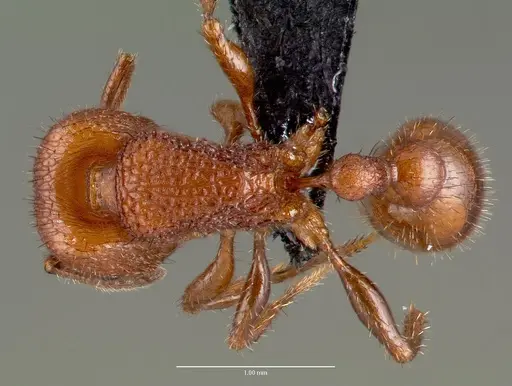
CASENT0006300
View on AntWeb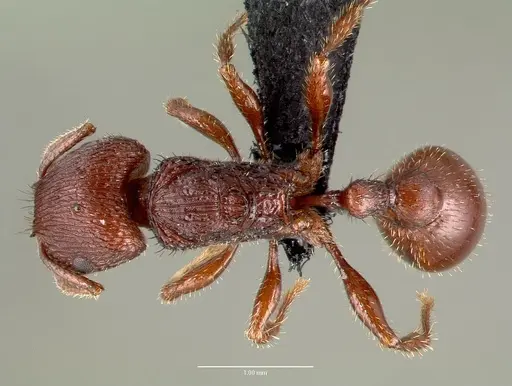
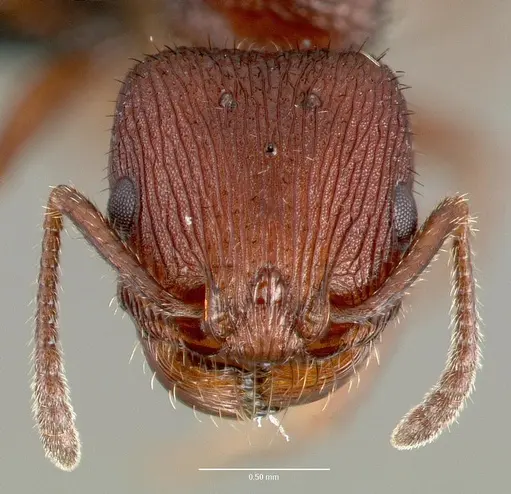
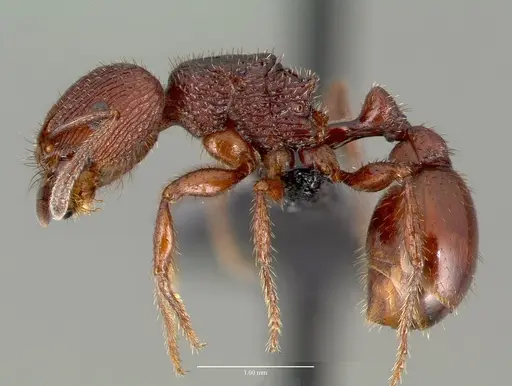
CASENT0006304
View on AntWeb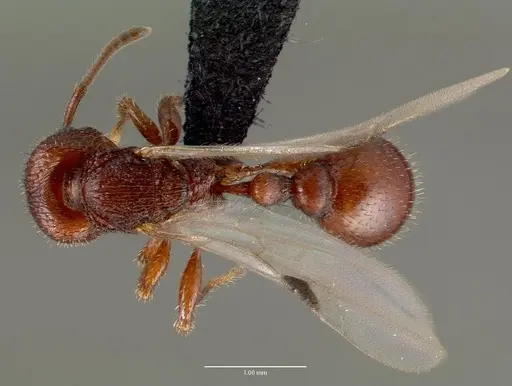
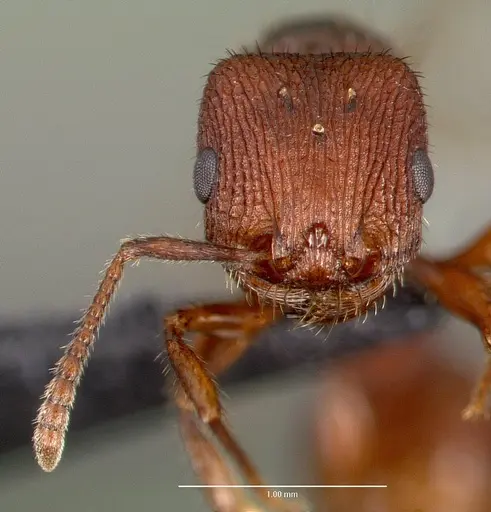
CASENT0217269
View on AntWeb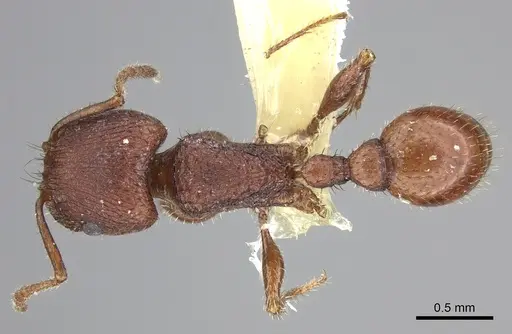
CASENT0217279
View on AntWeb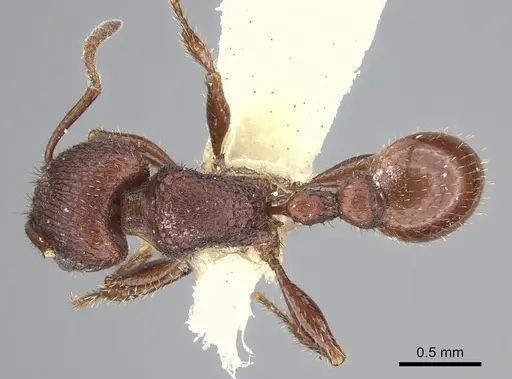
CASENT0235318
View on AntWeb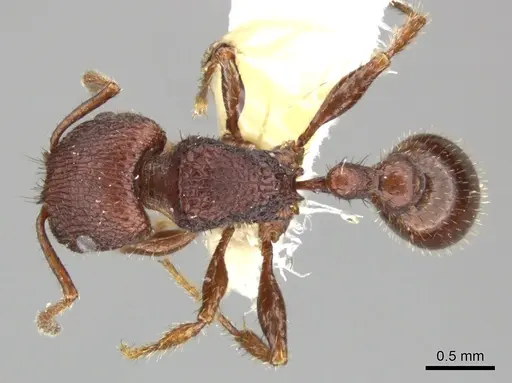
CASENT0235319
View on AntWeb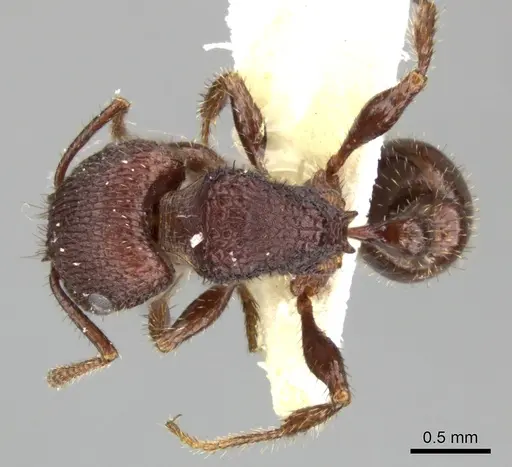
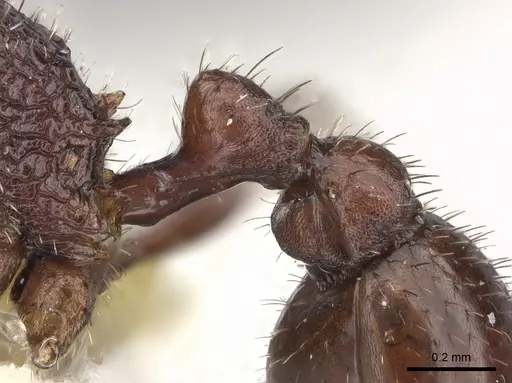
CASENT0914105
View on AntWeb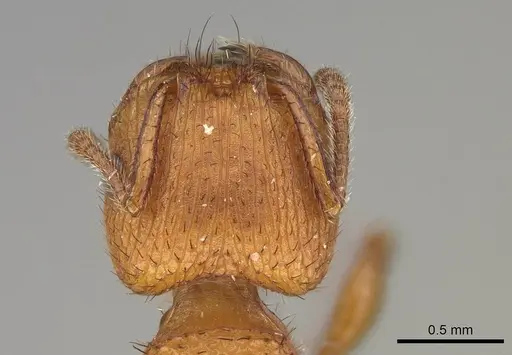
Literature
Loading distribution map...Loading products...