
Pogonomyrmex pencosensis
- Sci. Name
- Pogonomyrmex pencosensis
- Tribe
- Pogonomyrmecini
- Subfamily
- Myrmicinae
- Author
- Forel, 1914
- Distribution
- Found in 3 countries
Introduction
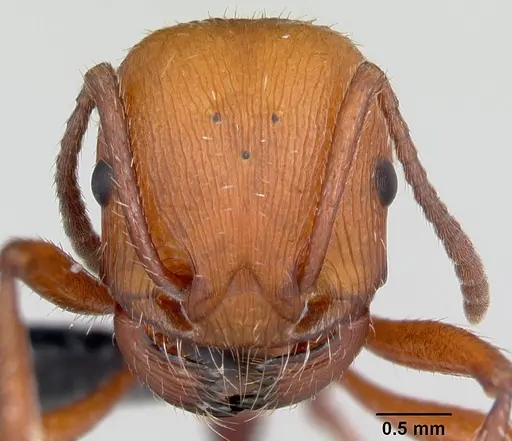
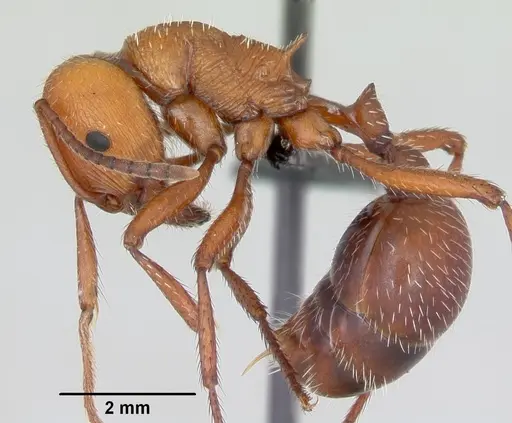
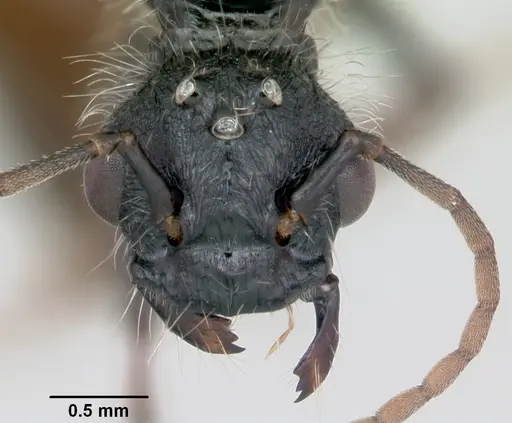
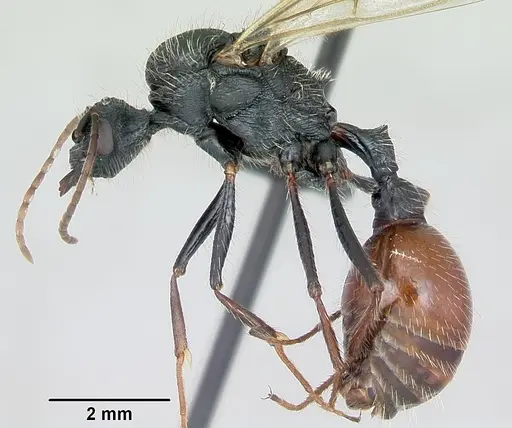
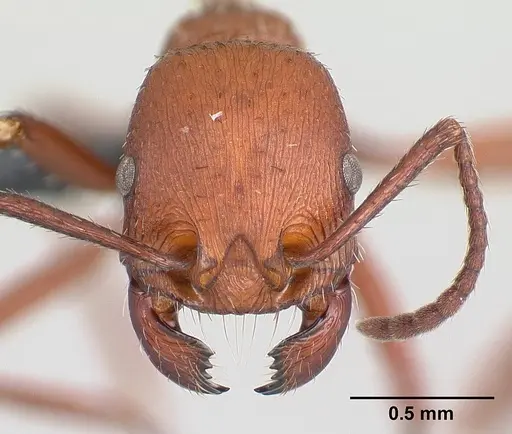
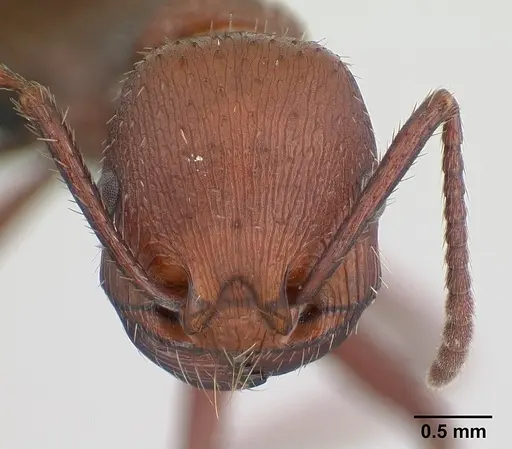
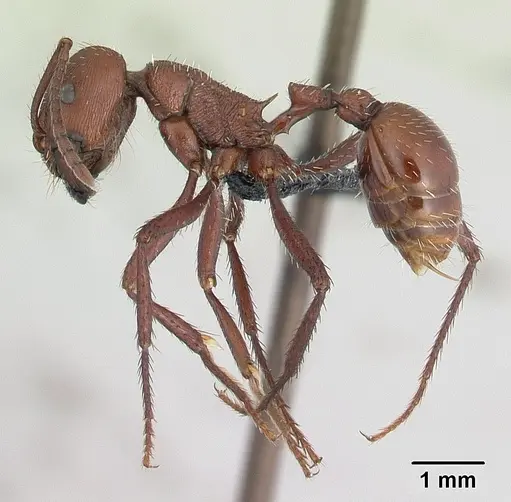
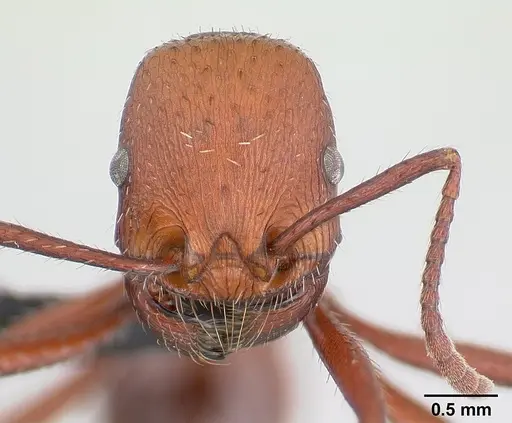
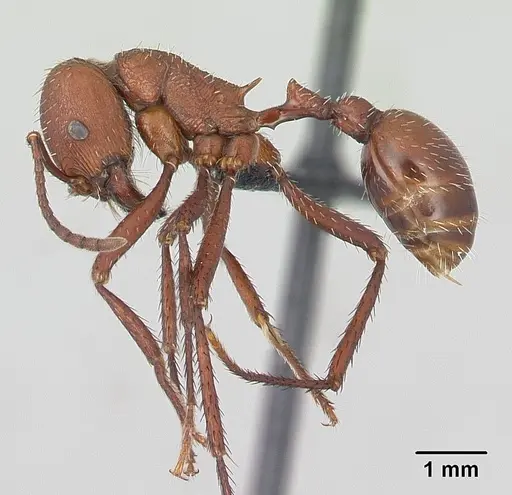
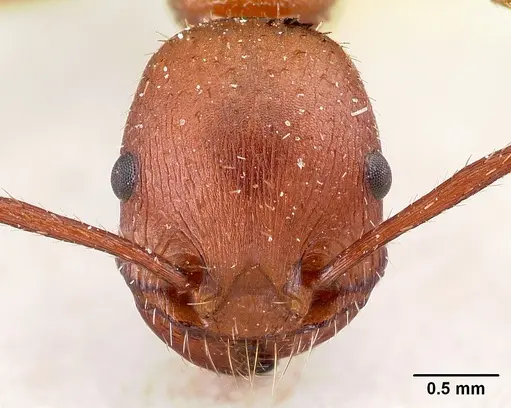
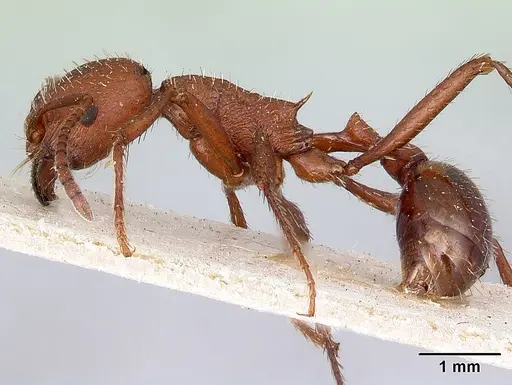
Pogonomyrmex pencosensis is a medium-large harvester ant native to central Argentina, inhabiting the Dry Chaco, Humid Chaco, and Monte Desert regions at elevations from 140-1590 m . Workers are 9.0-9.5 mm long with a reddish-tan body and darker bands on the gaster . This species is notable for its ergatoid queens, wingless queens that look nearly identical to workers, with only slight size differences and small ocelli distinguishing them . Colonies contain multiple ergatoid queens, with some nests having over 100 queens and up to 1014 total members .
Quick Summary
- Difficulty: Medium
- Origin & Habitat: Central Argentina, Dry Chaco, Humid Chaco, and Monte Desert ecoregions at elevations 140-1590 m [1]. This is a warm, arid to semi-arid region.
- Colony Type: Polygynous colonies with multiple ergatoid (wingless) queens. Queens are morphologically similar to workers, with ocelli and slightly larger size [3][2]. Colonies are haplometrotic (single queen founding) but contain many queens that can coexist [3].
- Size & Growth:
- Queen: Size data unavailable, queens are ergatoid and slightly larger than workers [3]
- Worker: 9.0-9.5 mm [2]
- Colony: Up to 1014 workers [2]
- Growth: Moderate
- Development: Unknown, no direct studies. Based on related Pogonomyrmex species, expect 6-10 weeks at optimal temperature (Semi-claustral founding means queens forage during colony establishment, which may affect development timeline.)
- Antkeeping:
- Temperature: Keep warm at 24-30°C. This species is thermophilic and forages at high temperatures in the wild [2]. Provide a thermal gradient using a heating cable on one side of the nest.
- Humidity: Keep nest substrate relatively dry with a small water reservoir, as they come from arid regions [1]. Avoid damp conditions to prevent mold.
- Diapause: No, native to warm regions without harsh winters. They may reduce activity in cooler months but do not require true hibernation [1].
- Nesting: Deep nests in the wild (50-70 cm depth with 10-30 chambers) [2]. In captivity, provide a deep formicarium with vertical space, using Y-tong, plaster, or soil nests. Ensure adequate depth for chambered architecture.
- Behavior: These ants are diurnal, thermophilic, and forage individually rather than in groups. Workers are scavengers, collecting dead insects, seeds, and plant material [2]. They are not highly aggressive but will defend the nest. They have a painful sting, so handle with care. Escape risk is moderate due to their size (9 mm), but they are not agile climbers.
- Common Issues: queen founding failure, semi-claustral queens must forage during founding, making them vulnerable in captivity, deep nesting requirements, shallow nests stress colonies and limit growth, temperature management, they need warm areas, cold rooms cause sluggishness and poor brood development, sting risk, these ants have painful stings, avoid direct handling and use escape prevention, colony aggression during founding, multiple ergatoid queens may fight if introduced together, start with one foundress
Housing and Nest Setup
Pogonomyrmex pencosensis requires deep nesting space. In the wild, nests reach 50-70 cm deep with 10-30 chambers [2]. For captivity, use a deep formicarium with at least 15-20 cm of vertical space, or connect multiple setups. Plaster or Y-tong nests work well for chambered architecture. Provide a water reservoir for humidity control, but keep the nest relatively dry to match their arid habitat [1]. The outworld should be spacious with a deep substrate for foraging. Use escape prevention suitable for 9 mm ants, as they are not strong climbers.
Feeding and Diet
This species is primarily a scavenger. In the wild, their diet consists of about 62% insects (mostly dead ants),22% seeds, and 12% plant material [2]. They are key seed dispersers for plants like Jatropha excisa, carrying seeds with elaiosomes back to the nest. In captivity, offer protein sources like dead insects or mealworms 2-3 times weekly. Seeds from various plants are readily accepted. They occasionally take sugar water or honey. Workers have been observed using tools, such as small stones to absorb tuna oil, then carrying them to the nest [2].
Temperature and Heating
Pogonomyrmex pencosensis is thermophilic, foraging during hot parts of the day when soil temperatures reach up to 60°C [2]. Keep nest temperatures between 24-30°C. Use a heating cable on one side of the nest to create a thermal gradient, allowing ants to regulate their temperature. Monitor colony activity and add heating if workers seem sluggish, but always provide an unheated area to avoid excessive heat.
Colony Structure and Ergatoid Queens
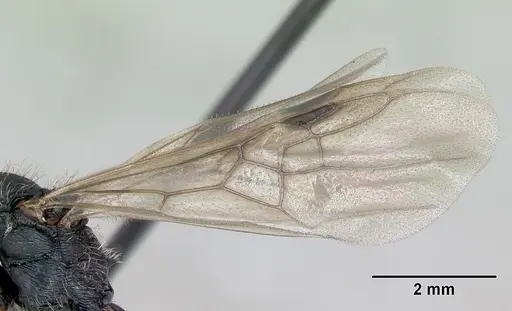
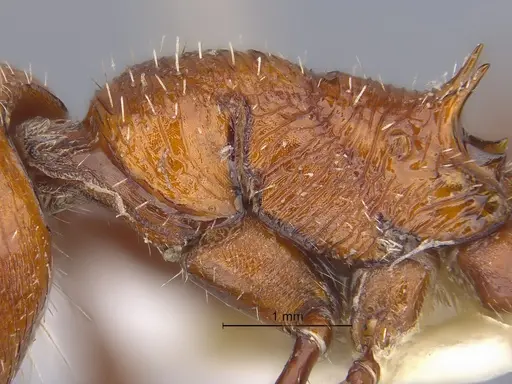
This species has ergatoid queens that look almost identical to workers, with only slight size differences and small ocelli [3]. Queens lack wings and have fused mesosomal segments. Colonies are highly polygynous, with multiple queens per nest [2][4]. Each queen can found a colony independently through semi-claustral founding, where she forages for food rather than relying solely on stored reserves [3].
Behavior and Foraging
These ants are strictly diurnal, with activity starting around 9:00-9:30 AM and continuing until sunset [2]. They have a midday hiatus from about 12:30-1:00 PM, then resume intense afternoon foraging. Workers forage individually, traveling over 25 m from the nest. At food sources, they are subordinate and often use a 'stealing' tactic to avoid confrontations with more aggressive species [2].
Seasonal Care and Activity Patterns
In captivity, expect reduced activity during winter months, but no true hibernation is needed [1]. Sexual brood is produced from late December through early February in the wild [1]. Colonies may relocate regularly in the wild, moving 1-14.7 m [2], so provide expandable housing options.
Frequently Asked Questions
How long does it take for Pogonomyrmex pencosensis to produce first workers?
The exact egg-to-worker timeline is unknown. Based on related Pogonomyrmex species, expect 6-10 weeks at optimal temperature (around 26-28°C). Semi-claustral founding may affect this timeline.
Can I keep multiple Pogonomyrmex pencosensis queens together?
Yes, this species is naturally polygynous with multiple ergatoid queens per colony [2][4]. However, if combining unrelated foundresses, introduce them carefully to avoid aggression.
What do Pogonomyrmex pencosensis eat?
They are scavengers, offer dead insects, small seeds, and occasional protein like mealworms. Their diet is about 62% insects,22% seeds, and 12% plant material [2].
Are Pogonomyrmex pencosensis good for beginners?
This is a medium-difficulty species. While basic care is straightforward, semi-claustral founding and deep nesting requirements add complexity. Their sting also requires careful handling.
When should I move Pogonomyrmex pencosensis to a formicarium?
Start foundress queens in a test tube setup. Once the colony reaches 20-30 workers and forages actively, move them to a formicarium with adequate vertical space from the start.
Do Pogonomyrmex pencosensis need hibernation?
No, they are from warm Argentine regions without harsh winters. They may reduce activity in cooler months but do not require diapause [1].
Why are my Pogonomyrmex pencosensis dying?
Common causes include damp conditions (they prefer dry nests), insufficient nesting depth, cold temperatures (keep at 24-30°C), or starvation. They need regular protein despite being scavengers. Also check for escapes.
How big do Pogonomyrmex pencosensis colonies get?
Colonies can reach up to 1014 workers in the wild, with total members averaging around 728 [2]. In captivity, expect moderate growth over 1-2 years.
Report an Issue
The current care sheet is based fully on literature. See inconsistencies, or something that's incorrect? Please , it will be resolved after review from an admin. Contributing to the blogs tab also helps providing information, to make us be able to further improve the caresheets. Thank you for your support!
References

This caresheet is licensed under CC BY-SA 4.0 .
Community Blogs
CASENT0172682
View on AntWeb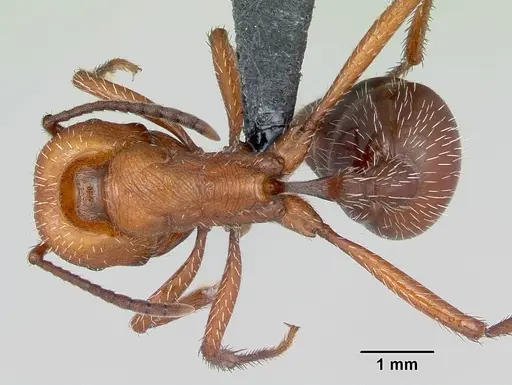
CASENT0172683
View on AntWeb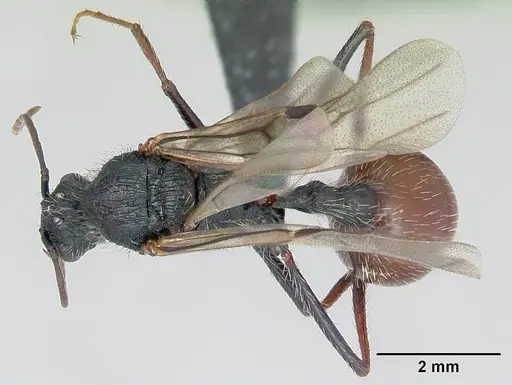
CASENT0178878
View on AntWeb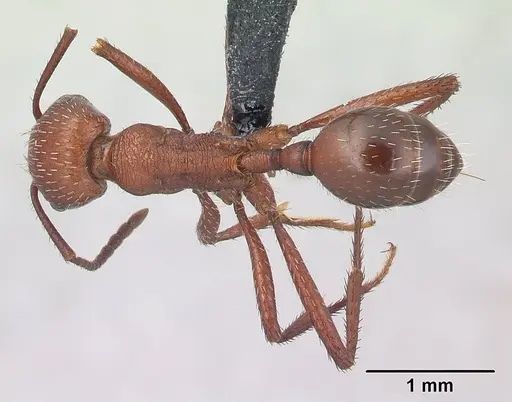

CASENT0178879
View on AntWeb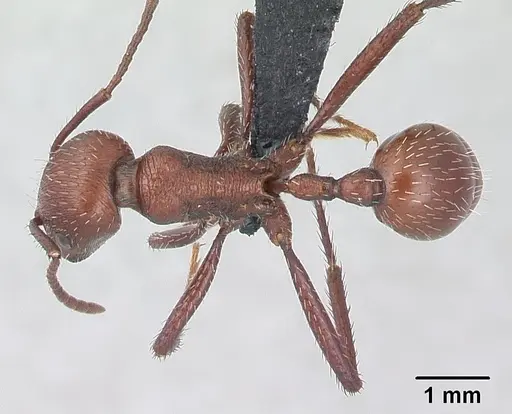
CASENT0178880
View on AntWeb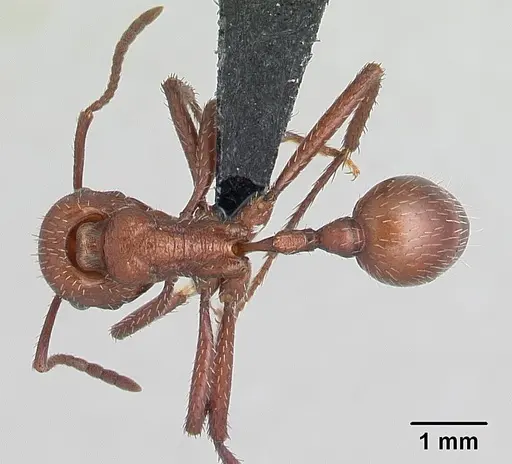
CASENT0217253
View on AntWeb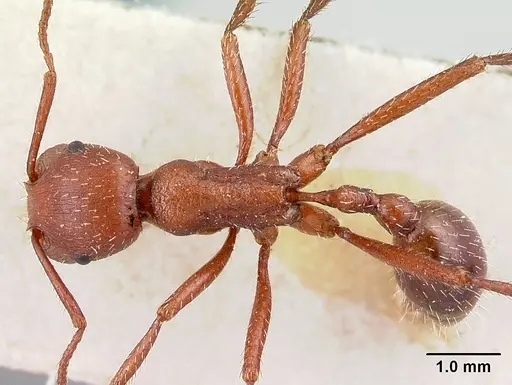
CASENT0869790
View on AntWeb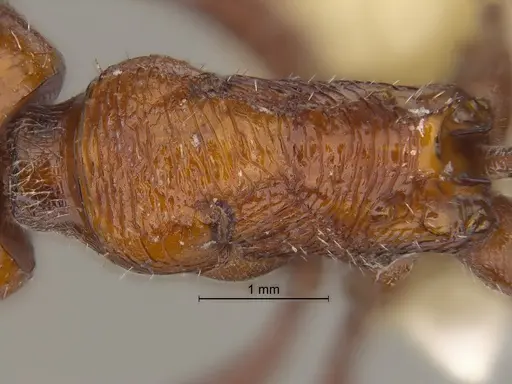
Literature
Loading distribution map...Loading products...