Pogonomyrmex occidentalis shows a June to November activity window. Peak activity occurs in July, with queen sightings distributed across 6 months. This extended season suggests multiple flight events or varying conditions across its range.
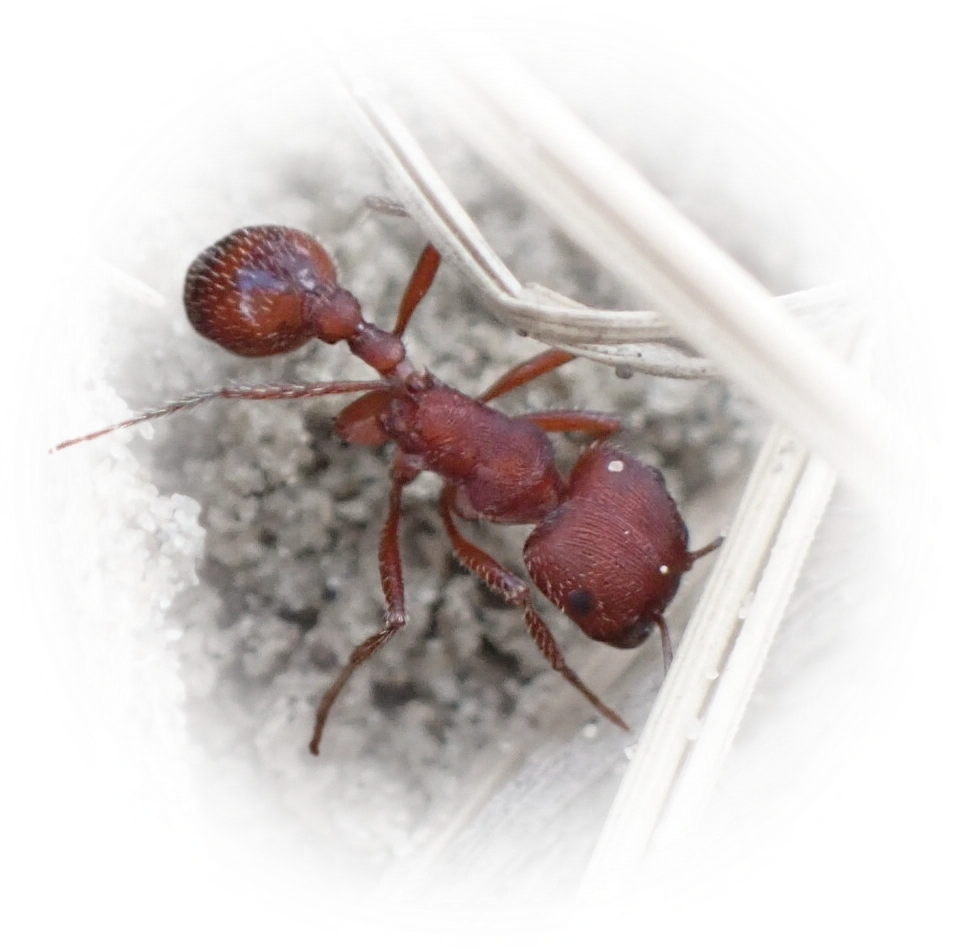
Western Harvester Ant
Pogonomyrmex occidentalis
- Sci. Name
- Pogonomyrmex occidentalis
- Tribe
- Pogonomyrmecini
- Subfamily
- Myrmicinae
- Author
- Cresson, 1865
- Common Name
- Western Harvester Ant
- Distribution
- Found in 2 countries
- Queen Activity
- From June to November
- Peak Time
- 11:00
AI Identifiable
try →
Introduction
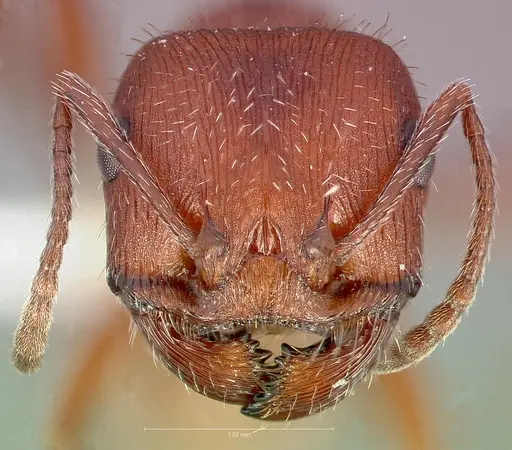
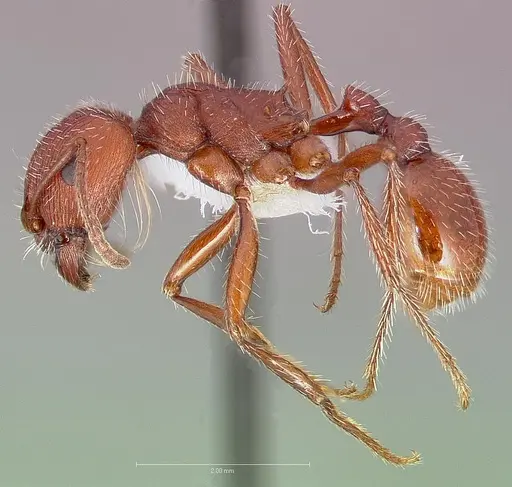
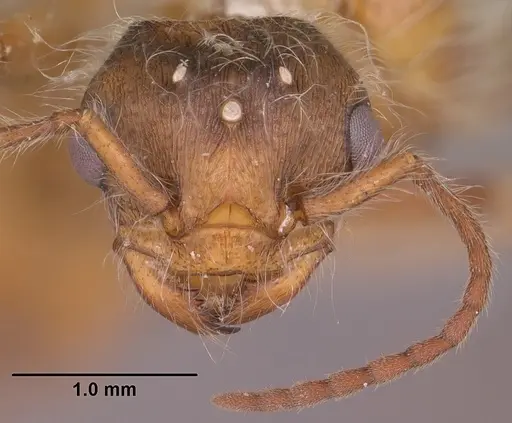
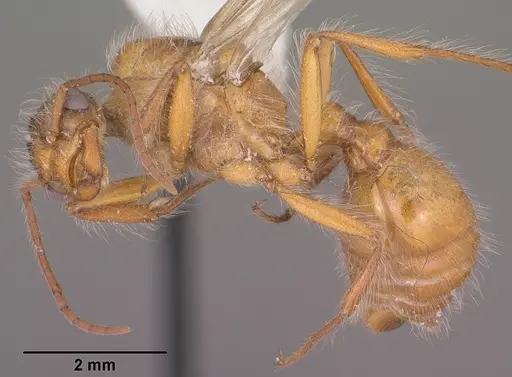
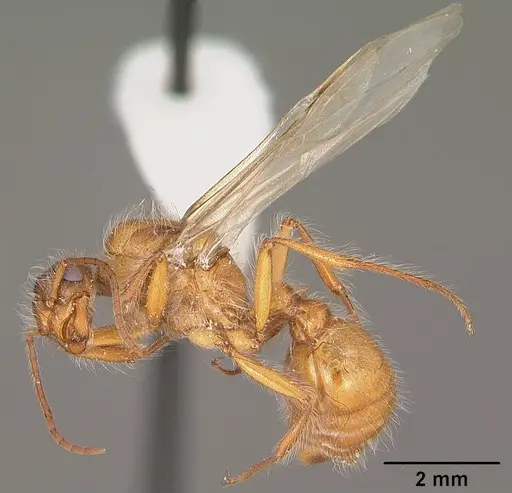
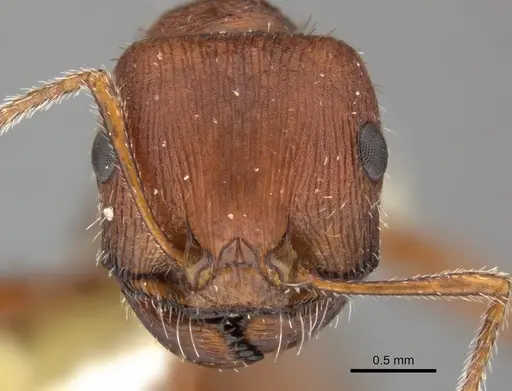
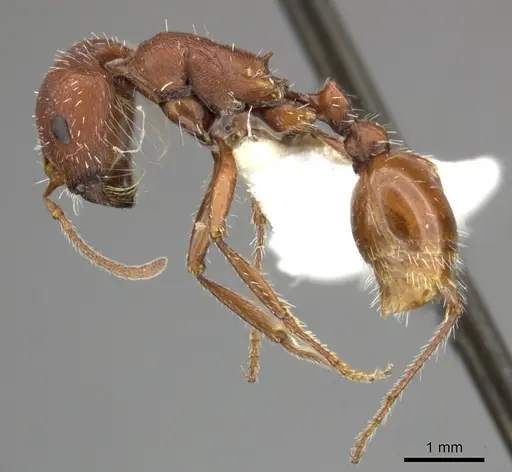
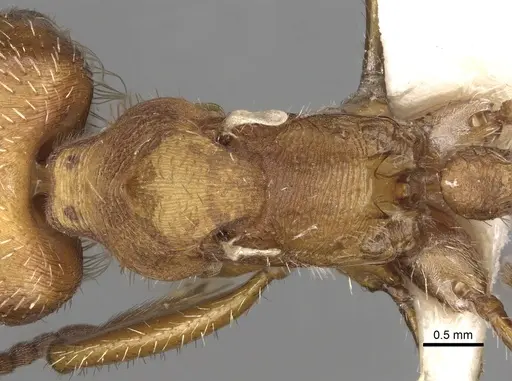
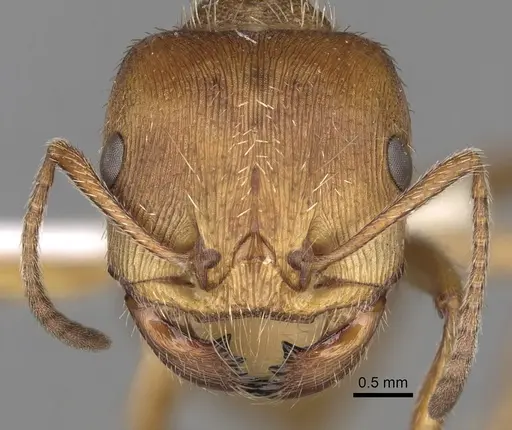
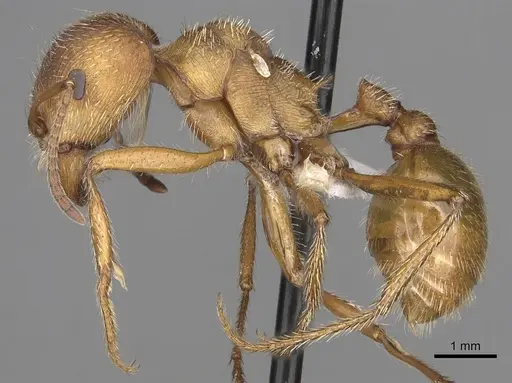
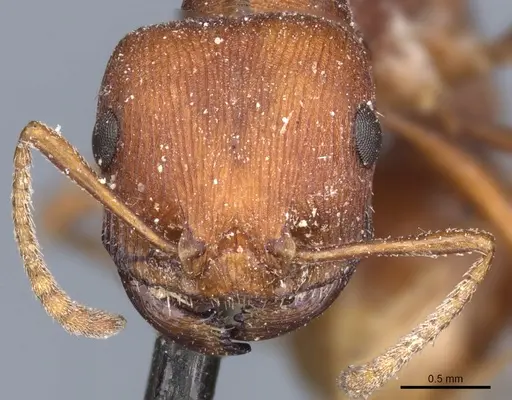
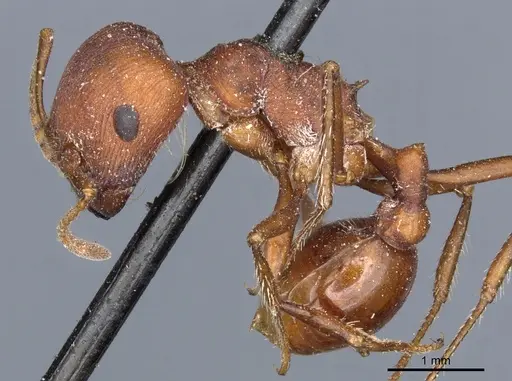
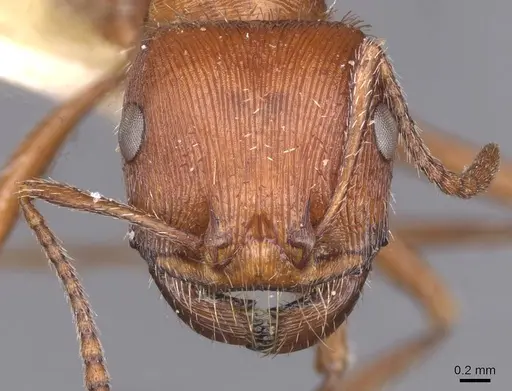
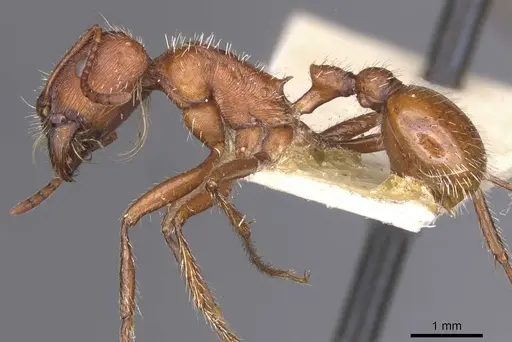
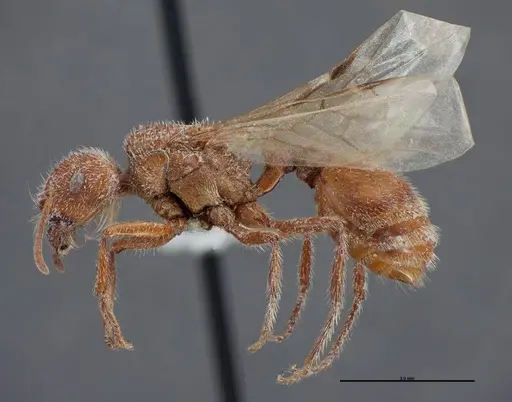
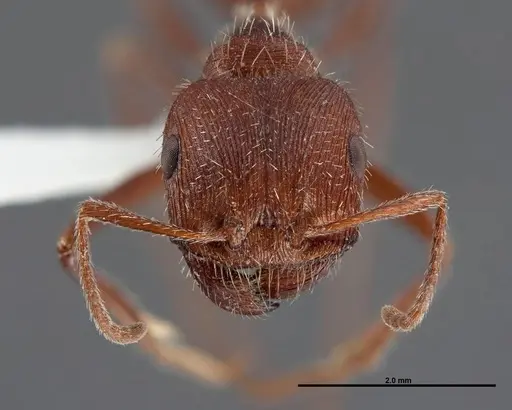
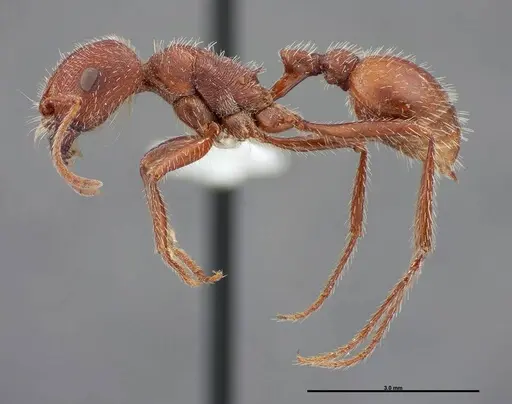
The Western Harvester Ant (Pogonomyrmex occidentalis) is a large, conspicuous seed-harvesting ant native to the arid western regions of North America. Workers measure about 7 mm in total length with a distinctive reddish-brown to dark coloration and a psammophore (a brush of hairs on the face used for carrying sand and seeds). These ants build impressive mound nests topped with carefully arranged pebbles, surrounded by circular cleared areas up to 10 feet in diameter where they harvest seeds. Colonies are monogynous (single queen) but queens mate with multiple males (polyandry), producing colonies with high genetic diversity that can live 40+ years and contain up to 10,000-12,000 workers . What makes this species particularly interesting is its sophisticated foraging behavior. Colonies send out foragers in two distinct daily shifts, morning and evening, timing their activity around temperature constraints. Earlier-starting colonies with greater genetic diversity collect more food and are more successful at monopolizing food resources. They also aestivate during the hottest summer hours when soil surface temperatures exceed 118°F (48°C), retreating to cooler underground chambers .
Quick Summary
- Difficulty: Medium
- Origin & Habitat: Western North America, from British Columbia and Washington east to North Dakota, south to Arizona and Oklahoma. Inhabits arid grasslands, desert scrub, and sagebrush communities in the Great Plains and Great Basin ecoregions. Prefers sandy soils in open areas with abundant seed-producing vegetation [4][7][6].
- Colony Type: Monogynous (single queen per colony) with polyandrous mating (queen mates with 6-10 males on average). Colonies are founded by single queens that continue to forage during the founding period (facultatively semi-claustral). Replacement queens are not produced, colonies depend on their founding queen who may live 30-40 years [2][8][9][10].
- Size & Growth:
- Queen: ~11 mm [11]
- Worker: ~7 mm [1]
- Colony: Up to 10,000-12,000 workers in mature colonies [3][12]
- Growth: Moderate
- Development: 5-6 weeks for first brood when eggs laid in spring, later broods develop faster (~30 days) [8] (First workers (nanitics) emerge approximately 4-5 weeks after colony founding. Colonies reach reproductive maturity at around 3 years of age [13].)
- Antkeeping:
- Temperature: Keep nest area at 24-28°C. Foraging activity begins around 24-29°C and stops when soil temperatures reach ~47°C. Provide a temperature gradient so ants can thermoregulate. Room temperature (20-24°C) is acceptable, but warmer temperatures (26-28°C) will increase activity and growth [6][14].
- Humidity: Low to moderate. These are desert ants adapted to dry conditions. Keep nest substrate moderately dry with some moisture available. Avoid overly damp conditions which can cause mold and kill the colony. Provide a water tube but don't mist the enclosure [6].
- Diapause: Yes. Colonies enter winter dormancy from approximately mid-October to mid-March. During this period, ants remain semi-comatose in deep chambers (around 36°F/2°C) and feed on stored seeds. Reduce temperature to 5-10°C (refrigerator or cool garage) and reduce feeding. Do not feed during true diapause [5].
- Nesting: Y-tong (acrylic) nests work well, or a naturalistic setup with deep soil (at least 6 inches) for tunneling. Provide a large outworld for foraging since these ants travel significant distances. The nest should have chambers deep enough for seed storage and brood development. Avoid moist substrates, this species prefers drier conditions [6][15].
- Behavior: Highly defensive and aggressive. Workers will readily sting intruders approaching the nest, and the venom is among the most potent known, scoring 3.0 on the Schmidt Pain Scale. The sting feels like being stabbed with a hot needle and pain can last hours with aftereffects persisting for days. These ants are not suitable for handling and escape prevention is essential, though they are large enough that standard barriers work well [15][16].
Foragers operate on a split schedule, active in morning (roughly 7:30 AM to noon) and evening (4:00-8:30 PM), avoiding midday heat. They use trunk trails and show strong site fidelity. Colonies are territorial and maintain exclusive foraging areas. They will cooperate to transport large prey items and seeds [17][18][6].
- Common Issues: sting severity: this species has an extremely painful sting that can cause anaphylactic reactions in sensitive individuals. keep at arm's length and never provoke the nest., seed storage behavior: they hoard large quantities of seeds, ensure seeds are dry to prevent mold in the nest. remove uneaten seeds regularly., aestivation confusion: in hot conditions, ants may become inactive mid-day, this is normal, not a health issue. don't over-cool or over-feed., long development time: first workers take 5-6 weeks, colonies grow slowly for the first 2-3 years. beginners may lose patience or over-feed during this vulnerable period., winter dormancy: failing to provide proper hibernation can kill the colony. they need 4-5 months at cool temperatures (5-10°C) with minimal disturbance.
Queen Ant Activity Analysis 124 observations
Queen Activity by Hour 124 observations
Pogonomyrmex occidentalis queen activity peaks around 11:00 during the late morning to early afternoon. Activity is spread across a 11-hour window (10:00–20:00). A secondary activity peak occurs around 18:00. Times may be influenced by human observation patterns.
Housing and Nest Setup
Pogonomyrmex occidentalis requires more space than typical ant species due to their foraging behavior and seed-hoarding habits. A Y-tong (acrylic) nest with a large outworld works well, or you can create a naturalistic setup with 6+ inches of sandy soil for tunneling. The nest material should be relatively dry, these are desert ants adapted to arid conditions. Avoid peat moss or overly moisture-retaining substrates.
The outworld should be spacious enough for the ants to establish foraging trails. Provide a shallow water tube with cotton as a hydration source. For the nest, create a temperature gradient by placing a heating cable on one side (never directly on the nest material to avoid excessive drying). Room temperature is acceptable, but colonies are more active at 26-28°C [6][15].
Feeding and Diet
As their name suggests, Western Harvester Ants are granivores, seeds make up the bulk of their diet. Offer a variety of small seeds including grass seeds, dandelion seeds, chia, flax, and commercial game bird seed mixes. They will also accept small insects like fruit flies, pinhead crickets, and mealworms as protein supplements. Unlike many ants, they show preferences for seeds with higher protein content [20][6].
Remove uneaten seeds regularly to prevent mold. Seeds should be completely dry before offering. The ants will husk seeds, discarding the husks on the nest surface or in dedicated trash chambers. They also store seeds in specialized chambers deep in the nest for winter consumption [6][11].
Temperature and Seasonal Care
These ants are adapted to extreme temperature conditions. Foraging activity begins when ground temperature reaches about 24-29°C and stops when soil surface approaches 47°C. During summer, they aestivate midday when temperatures exceed 118°F (48°C), retreating to cooler underground chambers [5][6].
In captivity, maintain nest temperatures between 24-28°C. A temperature gradient allows ants to self-regulate. During winter (October-March), colonies require a true diapause period at cool temperatures (5-10°C). This can be achieved in a refrigerator, unheated garage, or basement. Reduce feeding during diapause, the colony will consume stored seeds. Do not disturb the colony during this period [5].
Defense and Sting Management
Pogonomyrmex occidentalis has one of the most painful stings in the ant world, rated 3.0 on the Schmidt Pain Scale. The venom is potent enough to kill rats in laboratory settings (12 stings). The sting feels like being stabbed with a hot needle, with intense pain lasting up to 4 hours and aftereffects persisting for days. Anyone with insect venom allergies should avoid this species entirely [15][16].
When working with this species, use long tools and avoid breathing on or disturbing the nest. Close the outworld lid before any maintenance. If stung, wash the area immediately and monitor for allergic reactions. The ants are large enough that standard fluon barriers on smooth surfaces will contain them, but ensure all connections are secure [15].
Colony Development and Longevity
Western Harvester Ant colonies develop slowly but live exceptionally long. The first workers emerge 5-6 weeks after the queen begins laying eggs. Colonies reach reproductive maturity (capable of producing alates) at approximately 3 years of age, and established colonies can live 40+ years [13][8].
Mature colonies may contain 10,000-12,000 workers and maintain extensive underground tunnel systems reaching 6-10 feet deep. The queen mates with an average of 6-10 males, giving colonies high genetic diversity. This genetic diversity directly benefits colonies, more genetically diverse colonies begin foraging earlier, forage longer, and collect more food than less diverse colonies [9][10][21].
Foraging Behavior
Pogonomyrmex occidentalis exhibits sophisticated temporal foraging patterns. Workers forage in two distinct daily periods: morning (roughly 7:30 AM to noon) and evening (around 4:00-8:30 PM), avoiding the hottest midday hours. Colonies vary in their exact timing, with earlier-starting colonies collecting 17% more food per day [17][18].
This timing difference stems from genetic diversity within colonies. Workers from different patrilines (father lineages) have different temperature tolerances, allowing the colony as a whole to exploit a broader thermal range. Queens that mate with more males produce colonies with greater genetic diversity and thus better foraging performance [21][18].
Foragers use established trunk trails and show strong site fidelity. They will cooperate to transport large seeds or prey items, with multiple workers often working together [17][6].
Frequently Asked Questions
How long does it take for first workers to emerge?
First workers (nanitics) typically emerge 5-6 weeks after the queen begins laying eggs, assuming spring temperatures. Later broods develop faster (~30 days). Colonies grow slowly for the first 2-3 years before reaching reproductive maturity [8].
Do Western Harvester Ants need hibernation?
Yes, they require a winter dormancy period from approximately mid-October to mid-March. During this time, colonies become semi-comatose and remain in deep chambers, feeding on stored seeds. Keep them at 5-10°C in a refrigerator or cool location. Reduce all disturbance and stop feeding during true diapause [5].
What do Pogonomyrmex occidentalis eat?
They are primarily granivores, seeds make up 80%+ of their diet. Offer various small seeds (grass, dandelion, game bird mix). They also accept small insects for protein. Remove uneaten seeds to prevent mold. They will store seeds in specialized chambers for winter consumption [6][11].
How big do colonies get?
Mature colonies can reach 10,000-12,000 workers. Colonies can live 40+ years, making them among the longest-lived ant species. They reach reproductive maturity (producing alates) at approximately 3 years of age [3][12][13].
Can I keep multiple queens together?
No. Pogonomyrmex occidentalis is strictly monogynous, colonies have only one queen. Multiple unrelated queens will fight. Only one queen should be housed per enclosure. The species does not form pleometrotic (multi-queen) founding associations [2][8].
What temperature should I keep them at?
Keep the nest area at 24-28°C. A temperature gradient is ideal so ants can regulate their own temperature. Foraging stops when temperatures exceed ~47°C. Room temperature (20-24°C) is acceptable but will result in slower activity and growth [6][14].
Are Western Harvester Ants good for beginners?
No. While fascinating, they are not recommended for beginners due to their painful sting, specific temperature requirements, need for winter dormancy, slow growth rate, and long lifespan. They require more expertise to keep successfully. Consider starting with easier species first [15][5].
When do nuptial flights occur?
Mating flights occur in summer, typically late June to early August, triggered by rainfall. Males and females gather at hilltop mating swarms (leks). After mating, queens fly to the desert floor to found new colonies. In captivity, you would need to simulate summer conditions with warm temperatures and possibly rainfall to trigger reproduction [22][23].
Why did my ants stop moving mid-day?
This is normal aestivation behavior. When soil surface temperatures exceed ~118°F (48°C), ants retreat to cooler underground chambers and become inactive. This typically happens during hot summer afternoons. Activity resumes when temperatures drop in evening. Don't mistake this for death, do not disturb the nest [5].
How do I set up a hibernation setup?
From mid-October to mid-March, move the colony to a cool location at 5-10°C. A refrigerator (not freezer) works well, or an unheated garage/basement in temperate climates. Ensure the nest has some moisture (water tube) and do not feed during this period. The ants will remain semi-comatose and consume stored seeds. Minimize disturbance [5].
Why are my colony's foragers inactive in the morning?
Colony personality affects foraging timing. Some colonies naturally start later than others, this is influenced by genetic diversity within the colony. Earlier-starting colonies have higher genetic diversity (more patrilines). This is normal variation, not necessarily a problem. Ensure temperatures are warm enough (above 24°C) for activity [17][21].
When do Pogonomyrmex occidentalis queens forage?
Queen activity of Pogonomyrmex occidentalis typically occurs From June to November. Times may be influenced by human observation patterns.
What time of day are Pogonomyrmex occidentalis queens most active?
Queen activity of Pogonomyrmex occidentalis peaks around 11:00 during the late morning to early afternoon, with most activity between 10:00 and 20:00. Times may be influenced by human observation patterns.
Report an Issue
The current care sheet is based fully on literature. See inconsistencies, or something that's incorrect? Please , it will be resolved after review from an admin. Contributing to the blogs tab also helps providing information, to make us be able to further improve the caresheets. Thank you for your support!
References

This caresheet is licensed under CC BY-SA 4.0 .
Community Blogs
CASENT0005718
View on AntWeb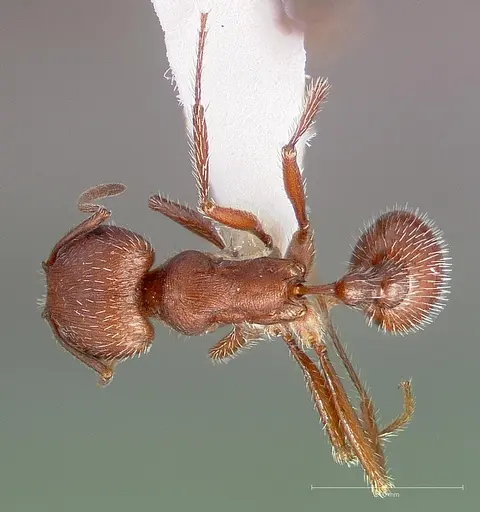
CASENT0104465
View on AntWeb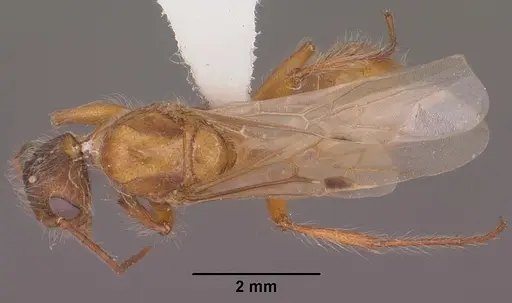
CASENT0235310
View on AntWeb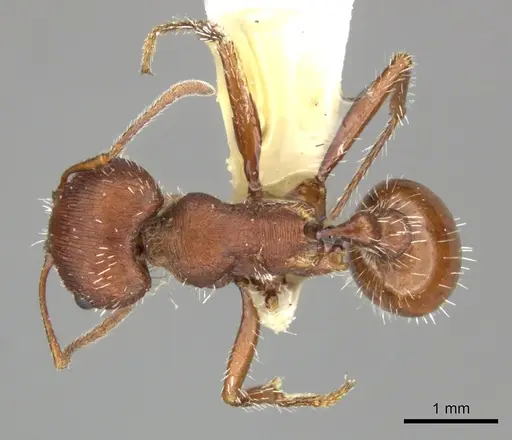
CASENT0281116
View on AntWeb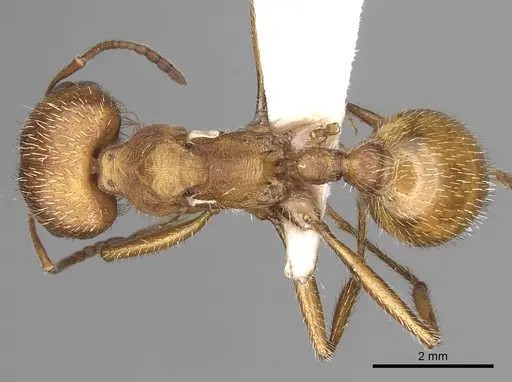
CASENT0904111
View on AntWeb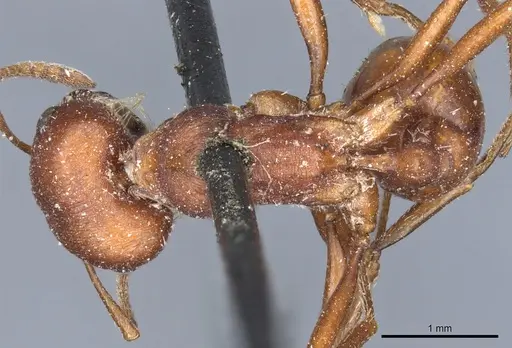
CASENT0913099
View on AntWeb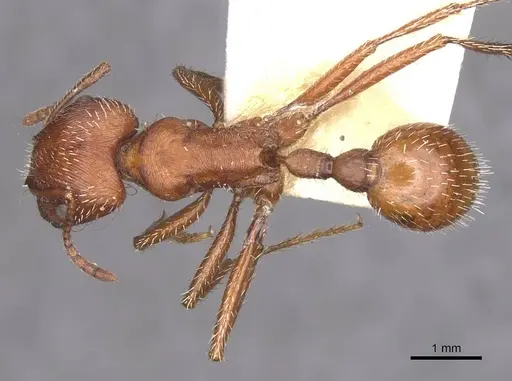
CASENT0914459
View on AntWeb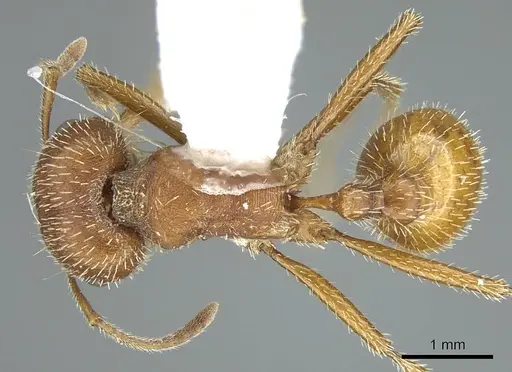
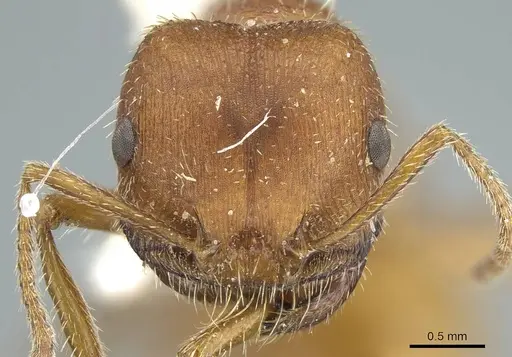
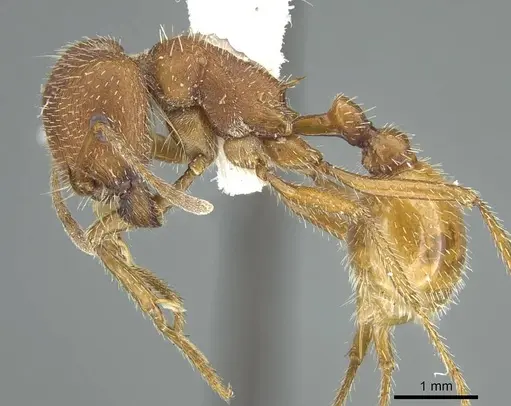
FMNHINS0000083023
View on AntWeb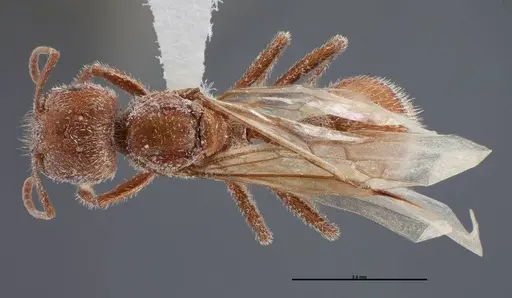
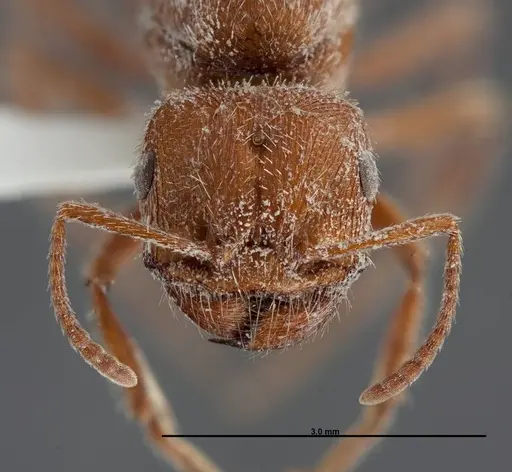
FMNHINS0000083025
View on AntWeb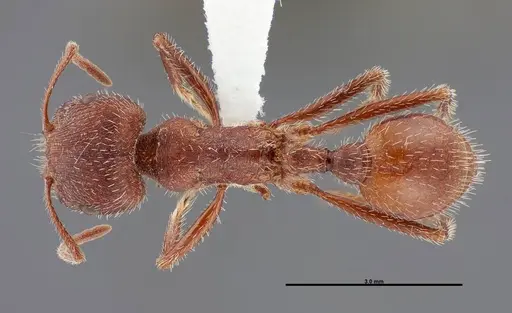
Literature
Loading distribution map...Loading products...