
Pogonomyrmex naegelii
- Sci. Name
- Pogonomyrmex naegelii
- Tribe
- Pogonomyrmecini
- Subfamily
- Myrmicinae
- Author
- Emery, 1878
- Distribution
- Found in 7 countries
Introduction
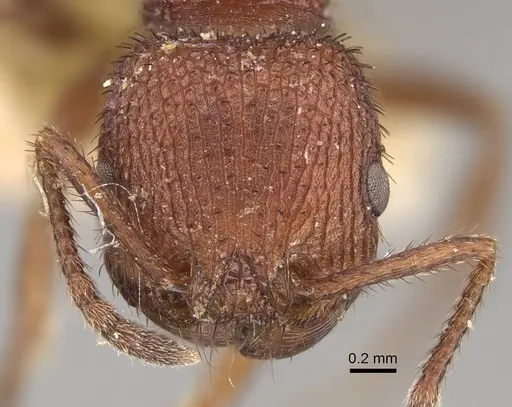
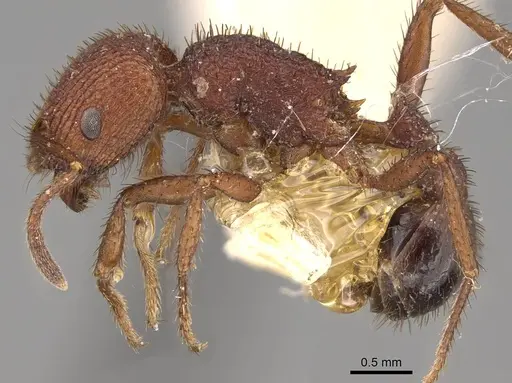
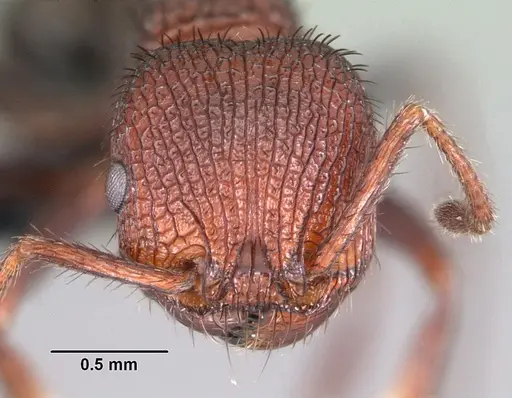
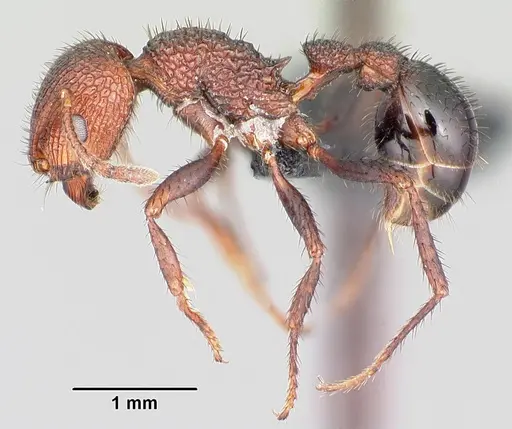
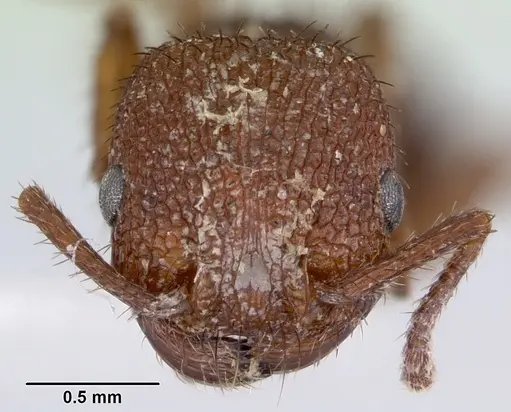
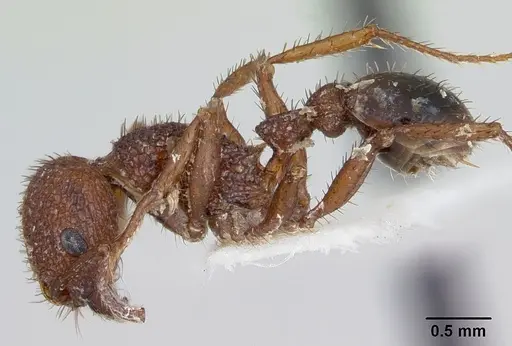
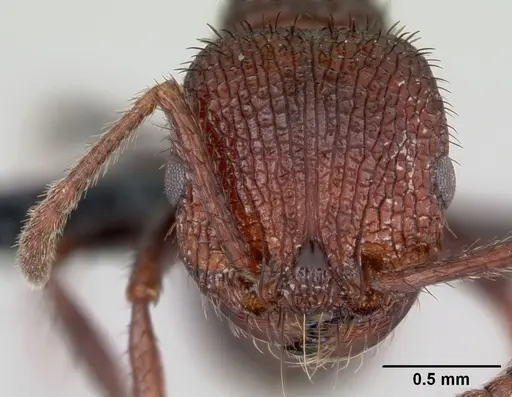
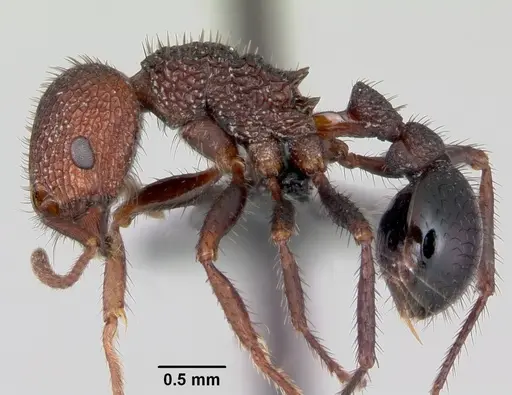
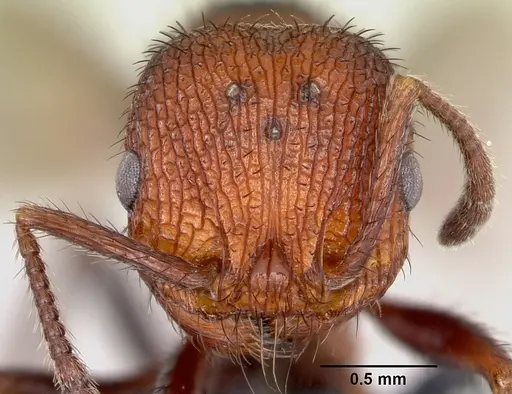
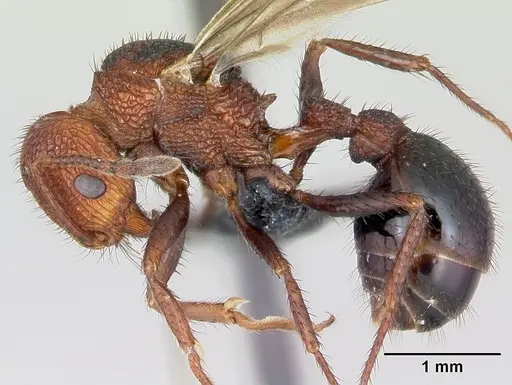
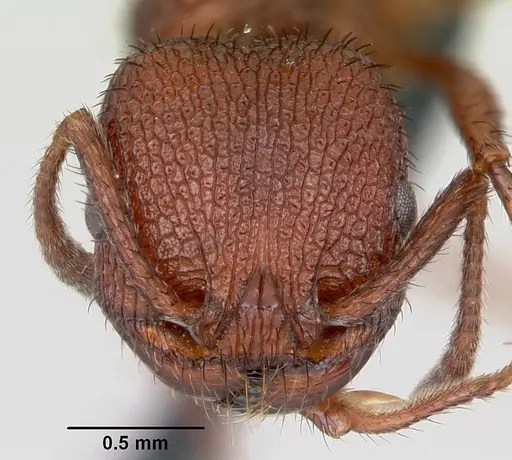
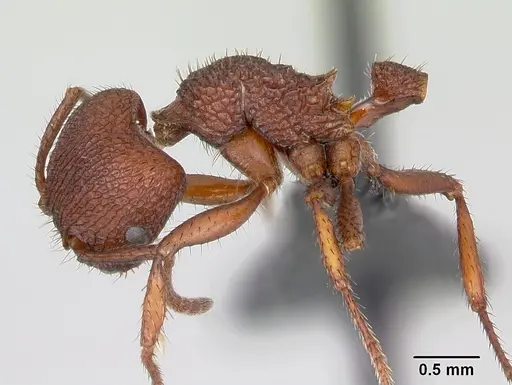
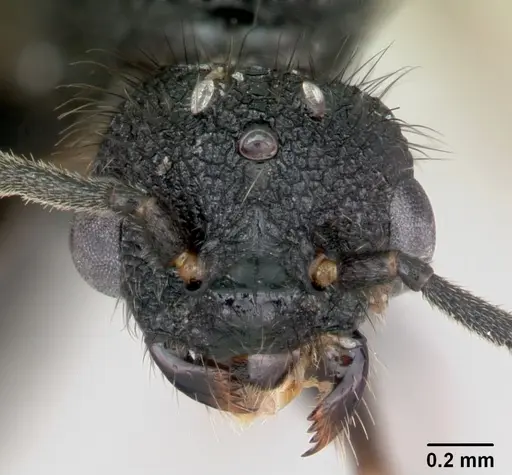
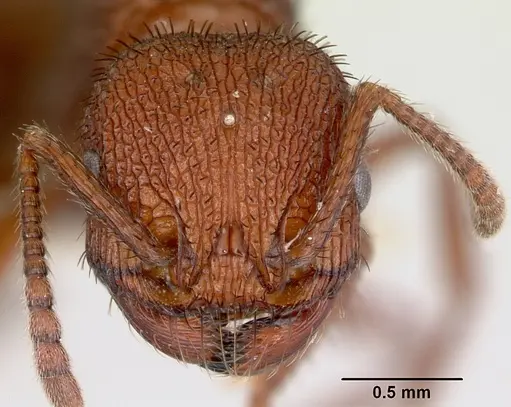
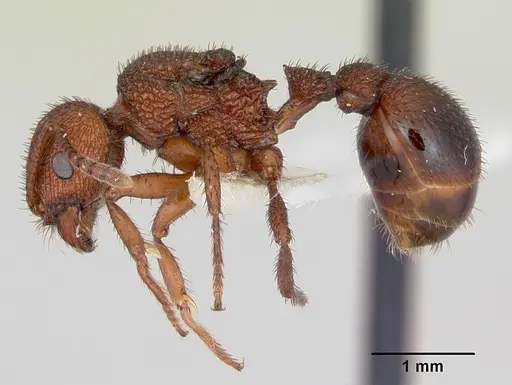
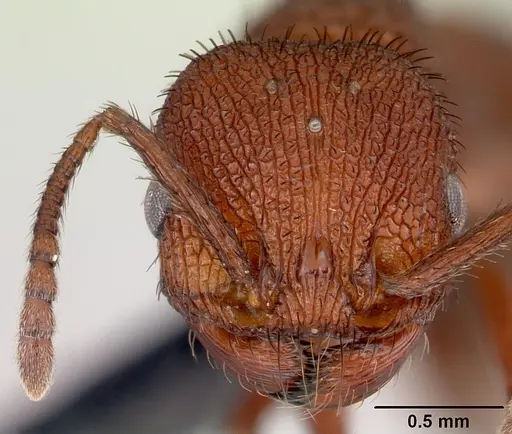
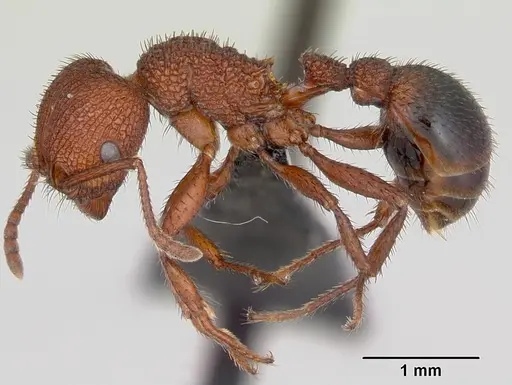
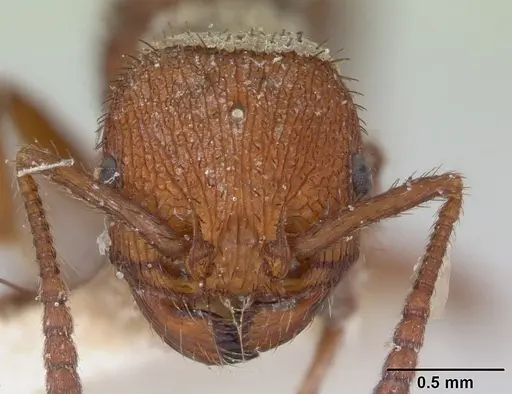
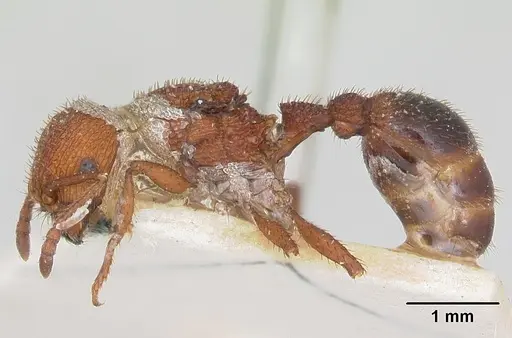
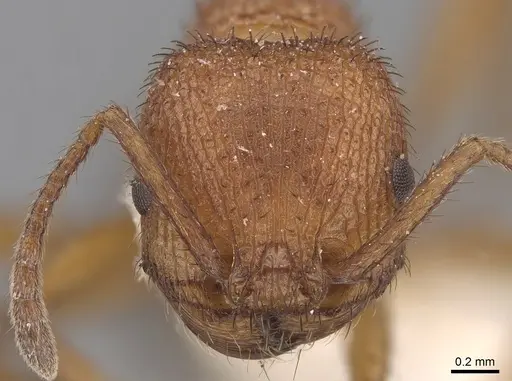
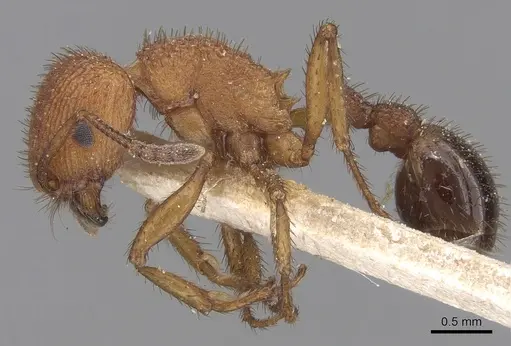
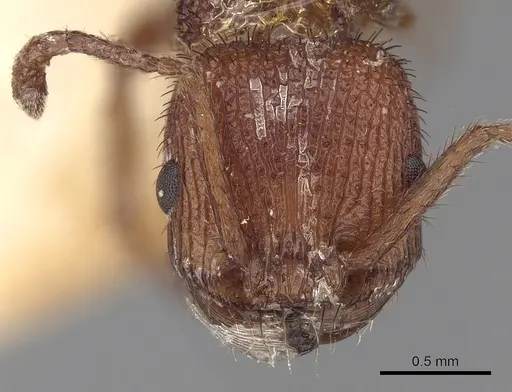
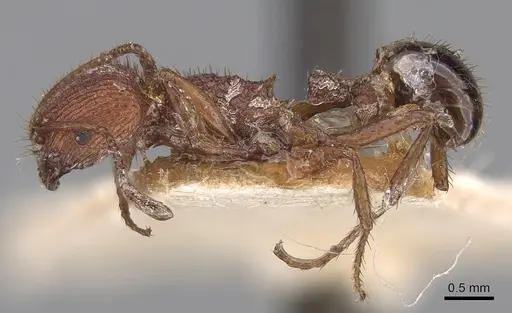
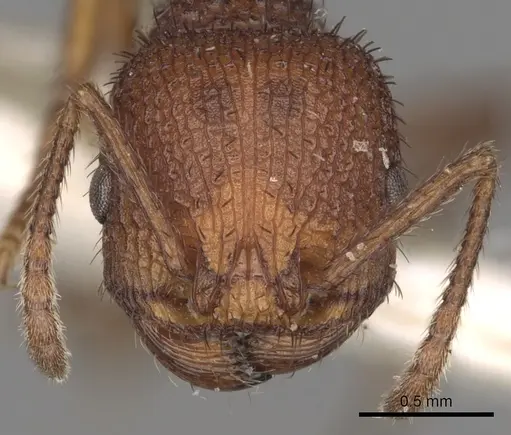
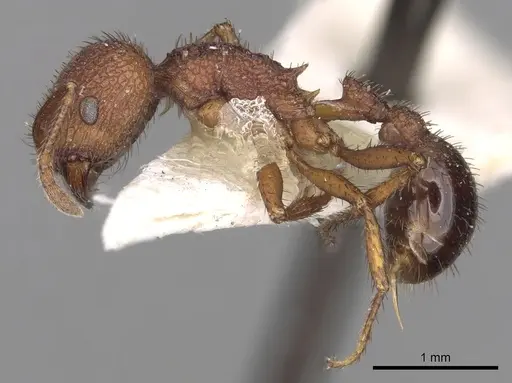
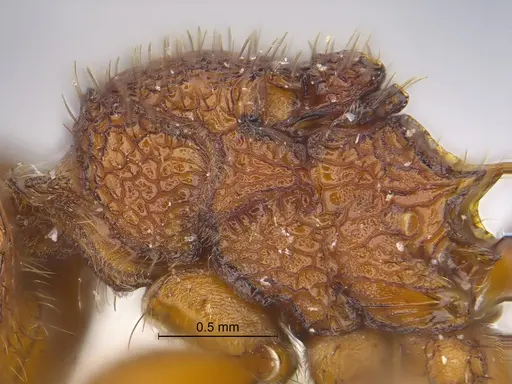
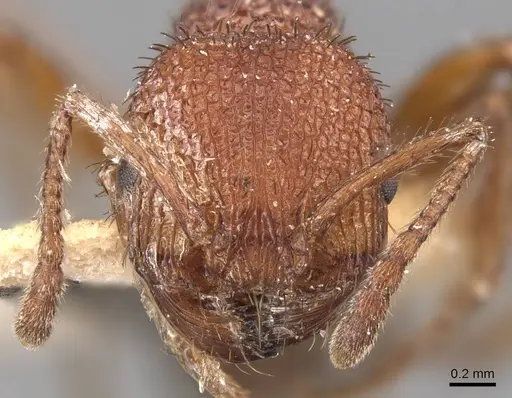
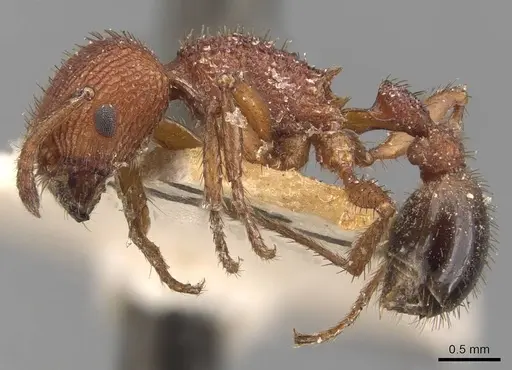
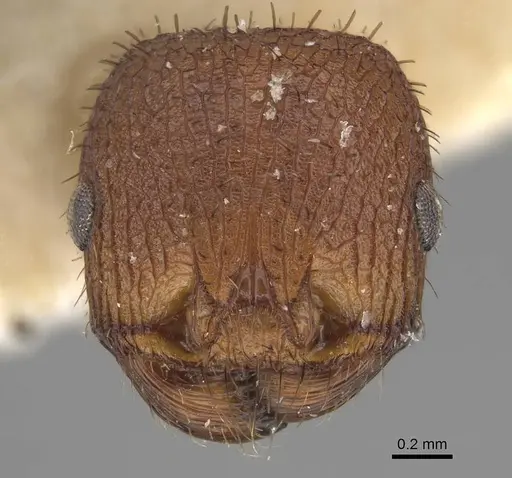
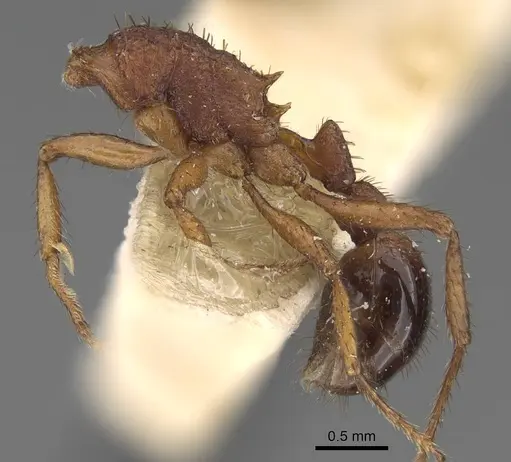
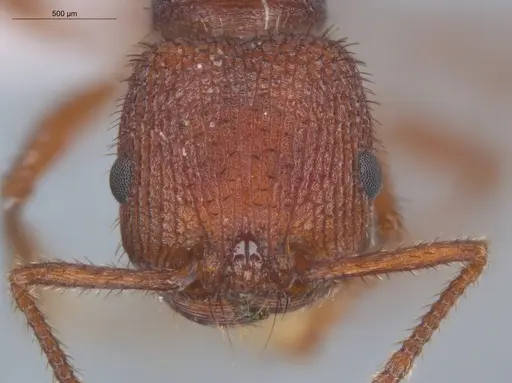
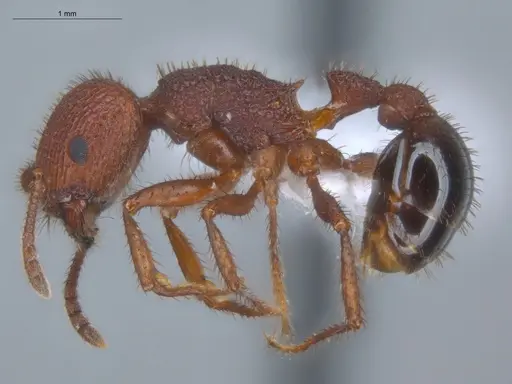
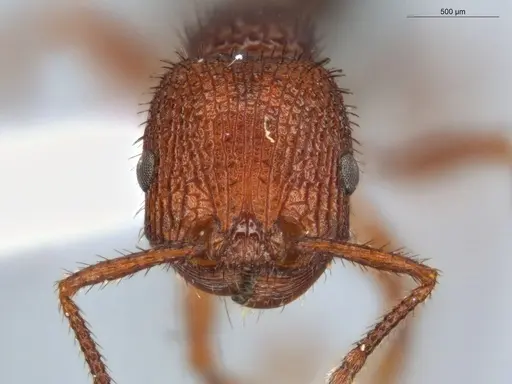
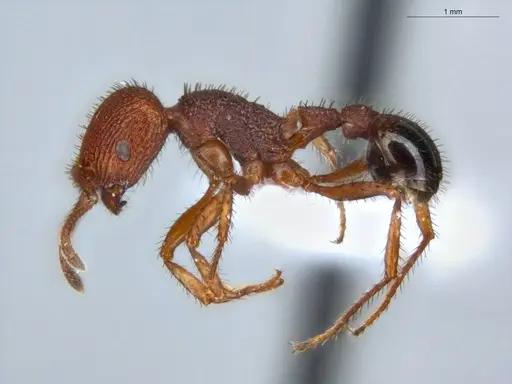
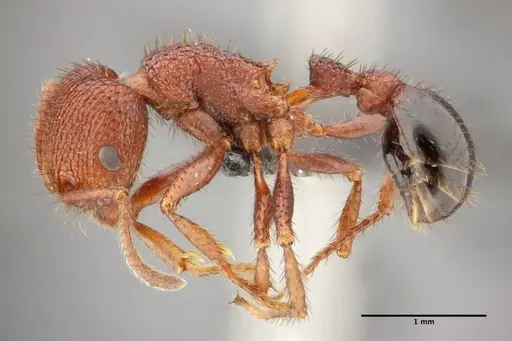
Pogonomyrmex naegelii is a seed-harvester ant native to South America, where it is the most widespread Pogonomyrmex species. Workers are monomorphic with a robust, reddish-brown body and strong mandibles for seed processing. This species is found across a vast range from Venezuela to Argentina, inhabiting savannas, grasslands, and open forest edges at elevations from 0-1115m, and is absent from deserts, rainforests, and high-elevation areas . Unlike many ants, P. naegelii is a solitary forager - workers leave the nest individually to search for food rather than using recruitment trails . The species shows dietary flexibility, shifting from a seed-heavy diet in the dry season to more arthropod prey during the wet season .
Quick Summary
- Difficulty: Medium
- Origin & Habitat: South America, Argentina, Bolivia, Brazil, Colombia, Ecuador, Guyana, Paraguay, Peru, Uruguay, Venezuela. Inhabits savanna (cerrado), grasslands, and open forest edges from 0-1115m elevation [1][2].
- Colony Type: Monogyne (single queen colonies). Studies show one queen per nest, though multiple dealate (wingless) queens have been found in some nests, it's unclear if these are reproductive. Has both winged (alate) and wingless (ergatoid) queen forms [3][4].
- Size & Growth:
- Queen: Size data unavailable, no total length measurements provided in research.
- Worker: Size data unavailable, no total length measurements provided in research.
- Colony: Up to 580 workers based on wild colony data [3].
- Growth: Unknown, no data on colony growth rate.
- Development: Unknown, no species-specific data on development time. (Development time not studied for this species.)
- Antkeeping:
- Temperature: Keep warm and stable, roughly low-to-mid 20s°C, based on activity patterns that correlate with temperature [3].
- Humidity: Keep substrate consistently moist but not waterlogged, based on nest depth in wild (3-70cm) [3].
- Diapause: Unknown, no data on hibernation or diapause for this species.
- Nesting: Soil-nesting species with chambers 3-70cm deep [3]. Use naturalistic setup with soil substrate or Y-tong/plaster nest with multiple chambers.
- Behavior: Generally docile but will defend the nest if threatened. Workers are solitary foragers, they do not use recruitment trails, instead searching individually for seeds and prey up to 15m from the nest [3]. They close nest entrances at dusk with debris. They are diurnal foragers with peak activity shifting seasonally [3]. Escape risk is moderate due to small size, use standard antkeeping barriers.
- Common Issues: colonies are small (under 600 workers) so growth is slow and colonies may appear inactive, solitary foraging means they don't recruit strongly to food, you may not see many workers even when well-fed, they need a deep soil setup to feel secure, shallow nests may cause stress, seed storage behavior means they need a consistent seed supply once established, humidity fluctuations can cause problems, keep substrate stable
Housing and Nest Setup
Pogonomyrmex naegeliii is a soil-nesting species that requires a naturalistic setup with deep substrate to thrive. In the wild, their nests consist of 5-7 interconnected oval chambers located 3-70cm beneath the soil surface, with upper chambers containing stored seeds and the deepest chamber housing the queen and brood [3]. For captive care, use a formicarium with at least 10-15cm of soil substrate, or a Y-tong nest with multiple chambers. The nest entrance should be 0.5-1.5cm in diameter, they close these with debris at night in the wild [3]. Provide an outworld for foraging where you can offer seeds and protein foods. A test tube setup can work for founding colonies, but transfer to a soil setup once the colony reaches 20+ workers.
Feeding and Diet
As a seed-harvester ant, P. naegelii has a generalist diet that shifts seasonally. In captivity, offer a mix of seeds (grass seeds, millet, flax, canary seed) and protein sources. They prefer small grass seeds in the wild but will accept various seeds [3]. During warmer months, supplement with protein sources like small insects (fruit flies, small crickets, mealworms). They also scavenge dead arthropods, offer occasional dead insects. The key is seasonal variation: emphasize seeds in cooler months and provide more protein during active summer periods. They store seeds in underground granaries, provide a dedicated area in the nest for seed storage. Unlike some ants, they don't have elaiosome-bearing seeds preference [3].
Temperature and Seasonal Care
Keep your colony at warm, stable temperatures around low-to-mid 20s°C for optimal activity. P. naegelii is temperature-dependent, workers are most active during the warmest parts of the day, with peak foraging shifting from 1100-1400 hours in the dry/cold season to 1300-1600 hours in the warm/wet season [3]. Colony activity correlates positively with temperature and negatively with humidity. They are more active after rain because workers can dig more easily and find dead arthropods. No hibernation data exists, so maintain warm conditions year-round with slight seasonal adjustments based on activity.
Foraging Behavior
This species forages solitarily, workers leave the nest individually and search for food in all directions without recruiting nestmates [3]. They forage exclusively on the ground surface, not on vegetation. Workers travel up to 15m from the nest in the wild, though over 80% of foraging activity occurs within 2m of the nest entrance [3]. This means your colony may seem less active than species with recruitment behavior, don't mistake low visible activity for poor health. They are primarily diurnal. Provide an outworld with a flat foraging area where you can observe them collecting seeds and prey.
Colony Structure and Growth
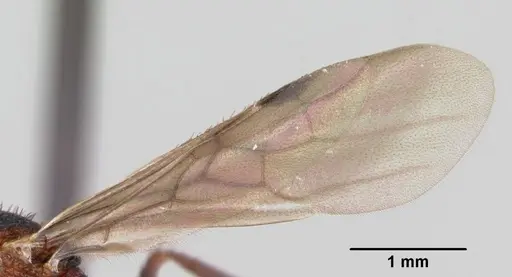
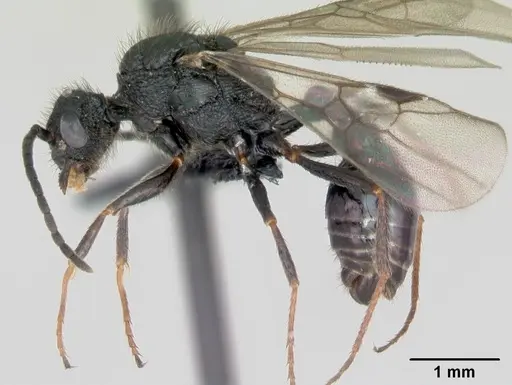
Pogonomyrmex naegeliii colonies are relatively small compared to many ants, with wild colonies containing up to 580 workers [3]. Each nest has a single queen (monogyne), though researchers have found multiple dealate (wingless) queens in some nests, it's unclear if these are additional reproductives or non-reproductive individuals [3]. The species has two queen forms: alate (winged) queens that can mate and found new colonies, and ergatoid (wingless) queens that may serve as replacement reproductives if the primary queen dies [4]. Workers are monomorphic, all the same size. Expect slow, steady growth over months rather than rapid expansion.
Frequently Asked Questions
How long does it take for Pogonomyrmex naegelii to produce first workers?
Unknown, no species-specific data on development time. Based on related Pogonomyrmex species, it may take several weeks, but this is not confirmed for P. naegelii.
Can I keep multiple Pogonomyrmex naegelii queens together?
No. This species is monogyne, colonies have a single queen. Multiple dealate queens have been found in some wild nests, but these appear to be either non-reproductive or rare cases, and combining unrelated queens is not recommended [3].
What do Pogonomyrmex naegelii ants eat?
They are seed-harvesters with a flexible diet. Offer grass seeds, millet, and small seeds as a staple. Supplement with small insects (fruit flies, small crickets, mealworms) especially during warm months. They shift toward more protein in summer and seeds in winter [3].
How big do Pogonomyrmex naegelii colonies get?
Relatively small for a Pogonomyrmex species, wild colonies reach up to 580 workers [3]. In captivity, expect similar sizes at maturity. They grow more slowly than many common ant species.
Do Pogonomyrmex naegelii need hibernation?
Unknown, no data on hibernation or diapause for this species. As a South American species from tropical/subtropical regions, they prefer warm conditions year-round, but specific requirements are not studied.
Why are my Pogonomyrmex naegelii not foraging much?
This species forages solitarily without recruitment, so you may see fewer workers active than with other ants. Also ensure temperatures are warm (low-to-mid 20s°C), they are less active in cool conditions. Check that the nest setup provides enough depth and security [3].
What type of nest is best for Pogonomyrmex naegelii?
A naturalistic setup with deep soil substrate (at least 10-15cm) works best, replicating their natural nest architecture of multiple chambers at different depths. Y-tong or plaster nests with multiple connected chambers are also suitable. They need to close their nest entrance, so provide nesting material they can manipulate [3].
Are Pogonomyrmex naegelii good for beginners?
They are moderate difficulty, not the easiest but not advanced. Their small colony sizes and slower growth make them forgiving of mistakes, but their specific dietary needs (seeds + protein) and preference for deep soil nests require some experience. They are more challenging than species like Lasius but easier than many tropical ants.
When do Pogonomyrmex naegelii alates appear?
Sexuals (alates) have been collected in the wild from December 3-25,suggesting nuptial flights occur during the southern hemisphere summer (December-January) [3]. In captivity, expect alates to appear in late spring/summer after the colony is well-established.
Report an Issue
The current care sheet is based fully on literature. See inconsistencies, or something that's incorrect? Please , it will be resolved after review from an admin. Contributing to the blogs tab also helps providing information, to make us be able to further improve the caresheets. Thank you for your support!
References

This caresheet is licensed under CC BY-SA 4.0 .
Community Blogs
ANTWEB1008773
View on AntWeb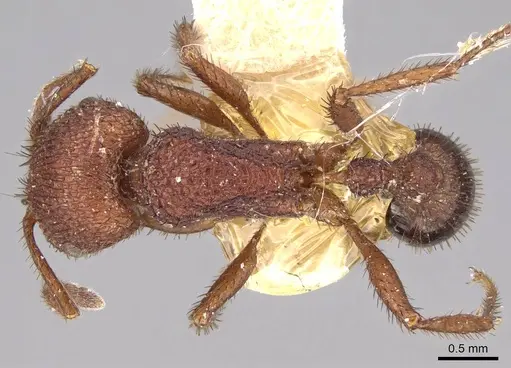
CASENT0102687
View on AntWeb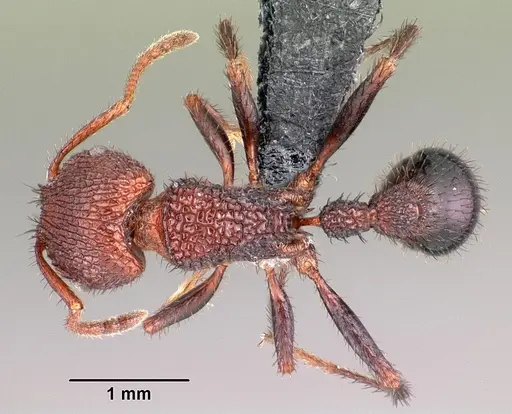
CASENT0103524
View on AntWeb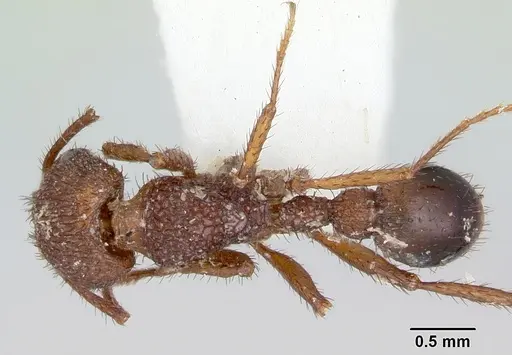
CASENT0172677
View on AntWeb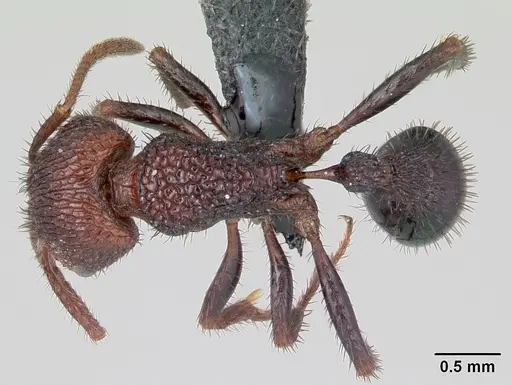
CASENT0172678
View on AntWeb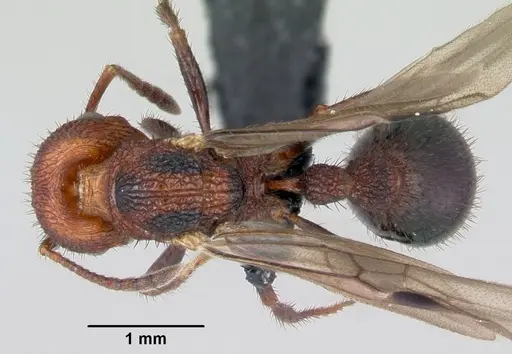
CASENT0172687
View on AntWeb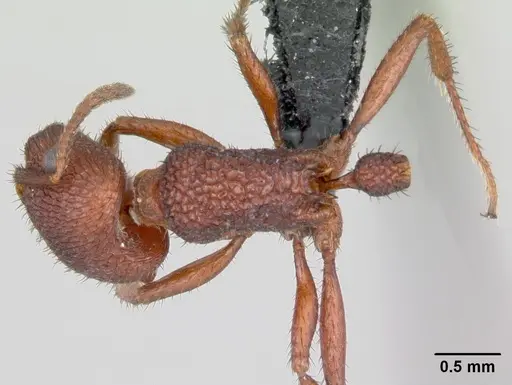
CASENT0172688
View on AntWeb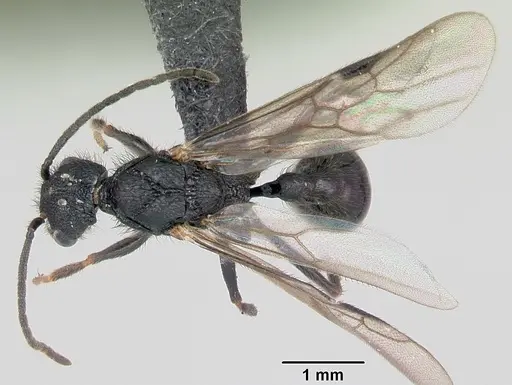
CASENT0173110
View on AntWeb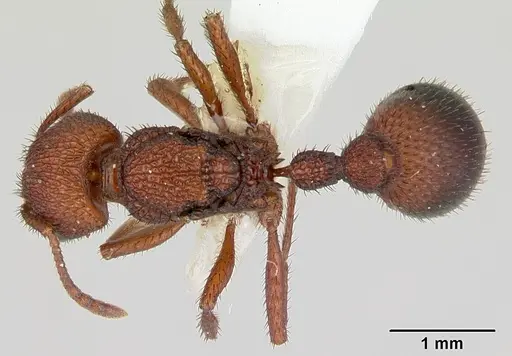
CASENT0173119
View on AntWeb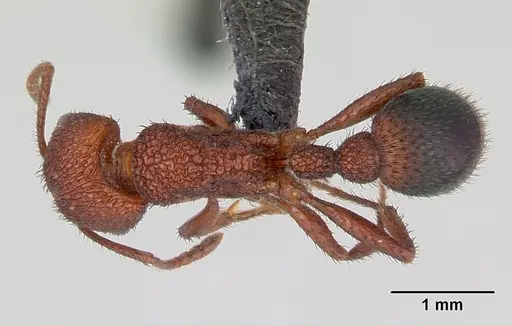
CASENT0173347
View on AntWeb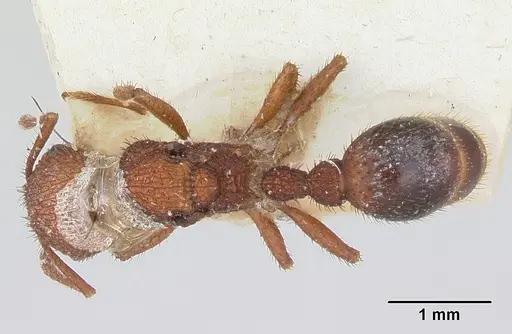
CASENT0280989
View on AntWeb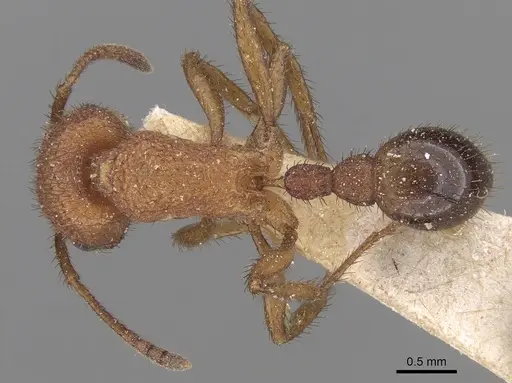
CASENT0280990
View on AntWeb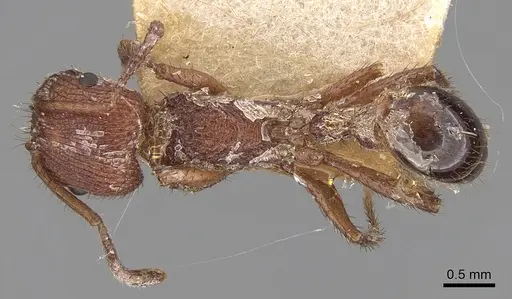
CASENT0281114
View on AntWeb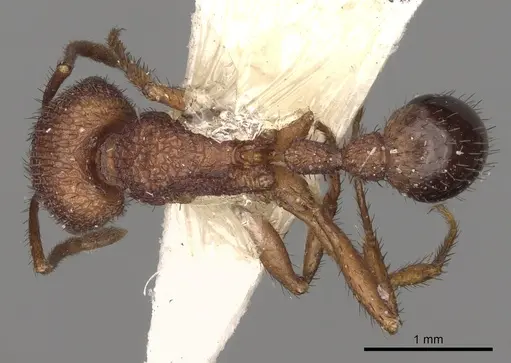
CASENT0869789
View on AntWeb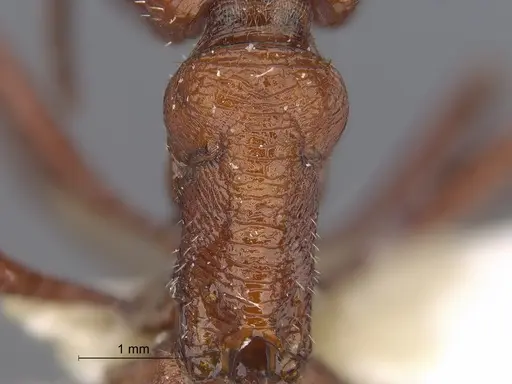
CASENT0869793
View on AntWeb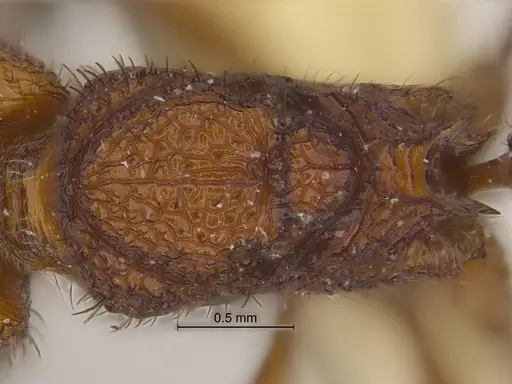
CASENT0907673
View on AntWeb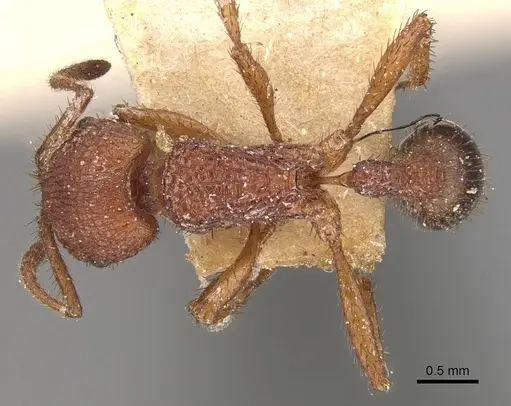
CASENT0914121
View on AntWeb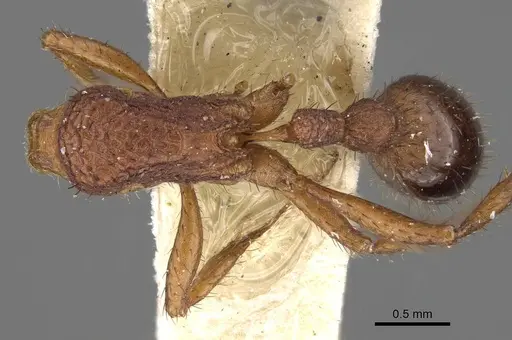
CASENT0914811
View on AntWeb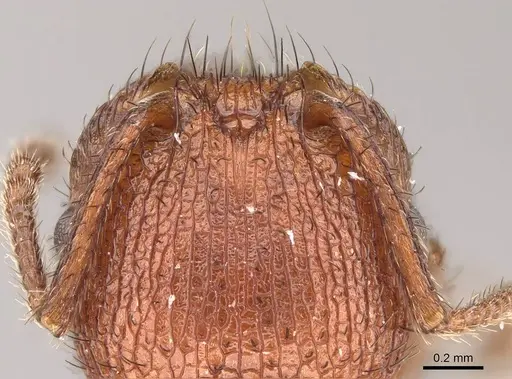
ECOFOG-OI17-0230-06
View on AntWeb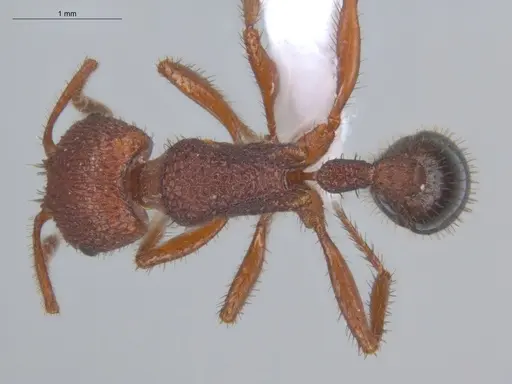
ECOFOG-SAV18-0236-02
View on AntWeb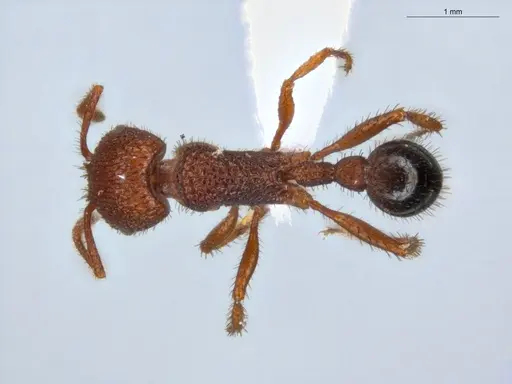
UFV-LABECOL-000281
View on AntWeb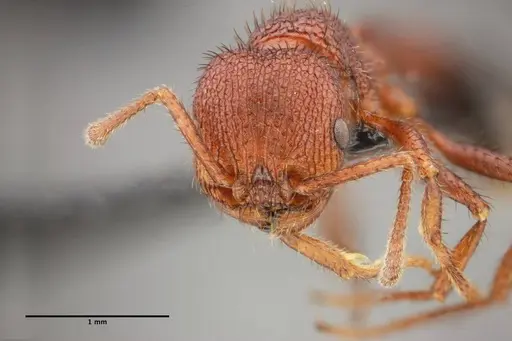
Literature
Loading distribution map...Loading products...