
Pogonomyrmex marcusi
- Sci. Name
- Pogonomyrmex marcusi
- Tribe
- Pogonomyrmecini
- Subfamily
- Myrmicinae
- Author
- Kusnezov, 1951
- Distribution
- Found in 1 countries
Introduction
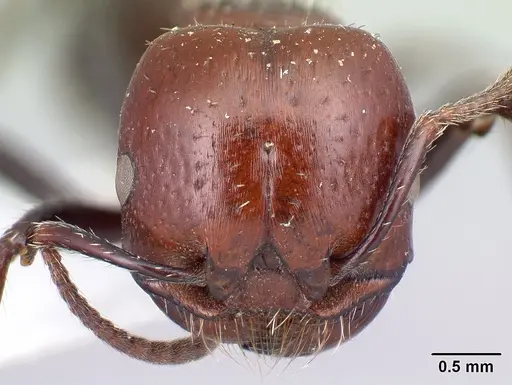
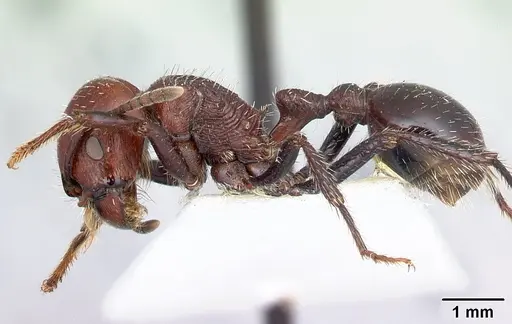
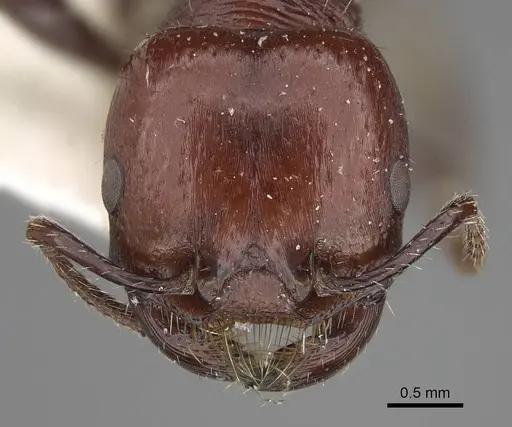
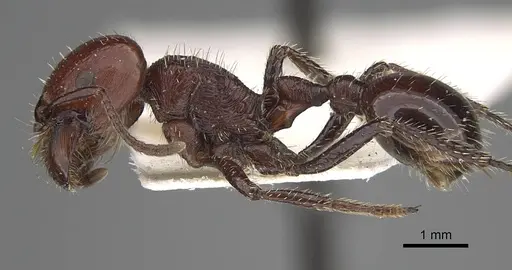
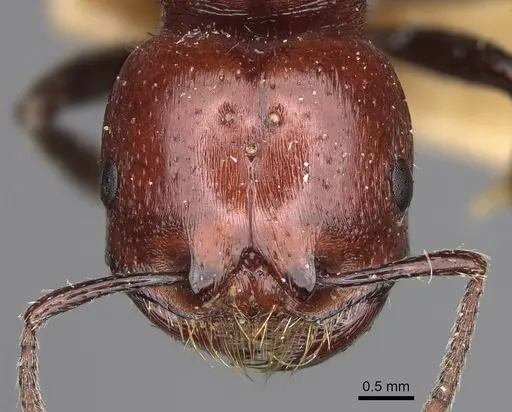
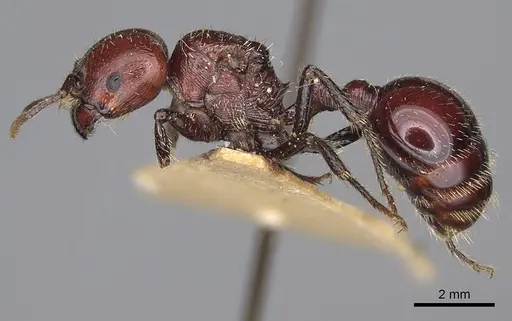
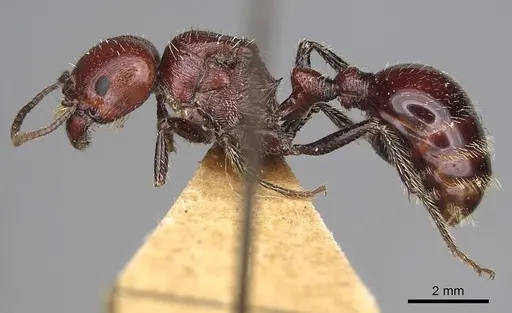
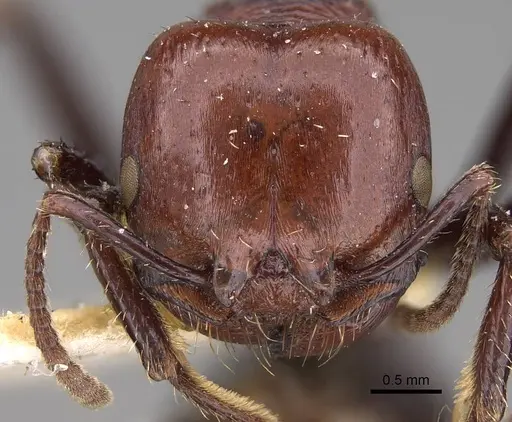
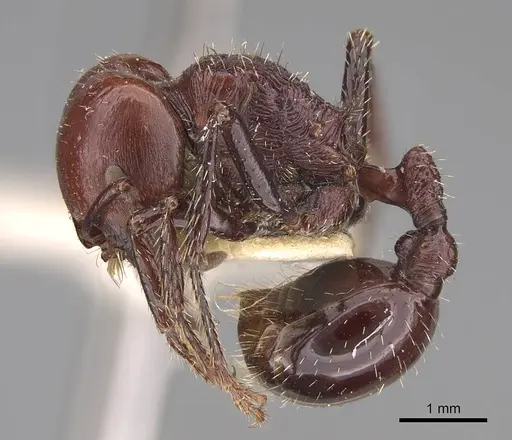
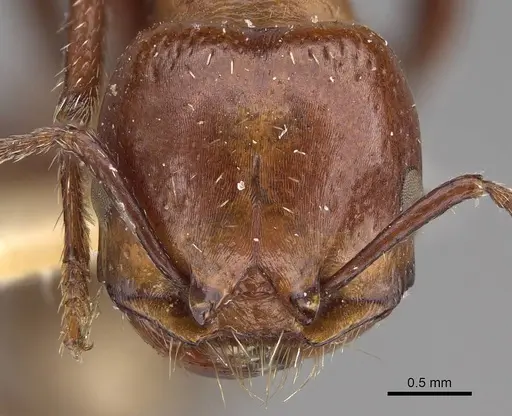
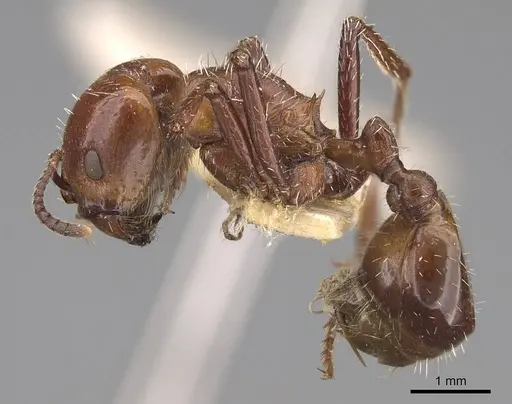
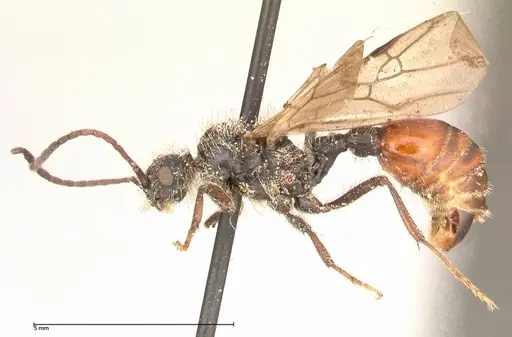
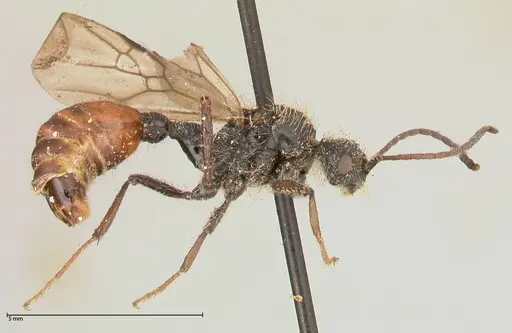
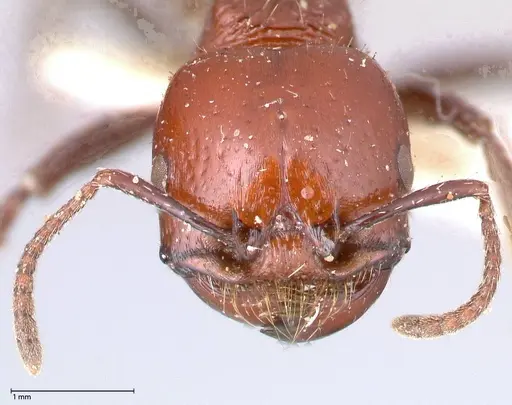
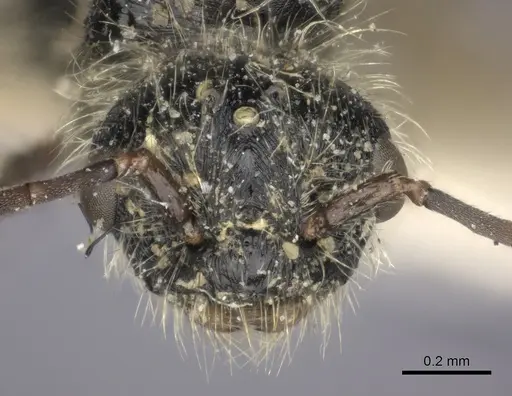
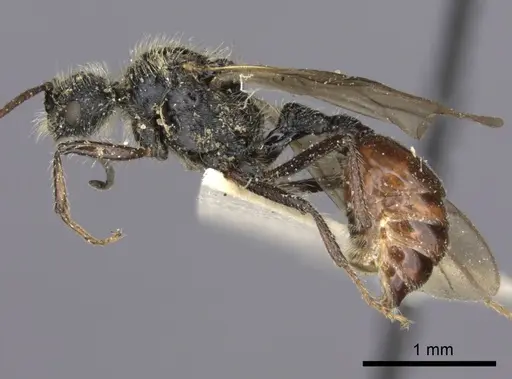
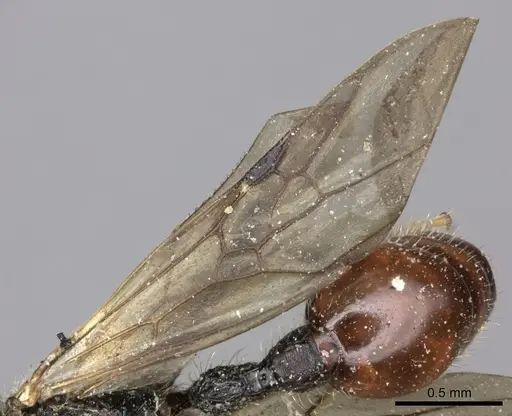
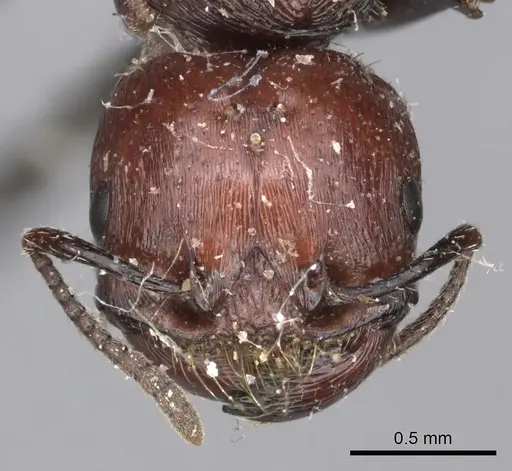
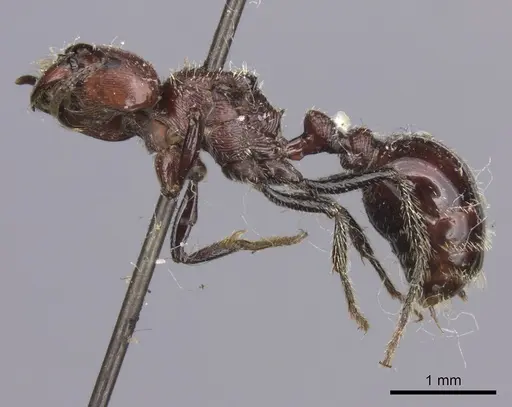
Pogonomyrmex marcusi is a medium-sized seed-harvesting ant native to high-altitude arid regions of Bolivia and Peru. Workers measure about 8mm and have reddish-orange to reddish-black coloration, with the head and first gastral segment being particularly reddish. This species belongs to the Pogonomyrmex coarctatus group and is the only one occurring at mid-to-high elevations around 2660m, while other species in the group stay below 1000m . Workers travel up to 20 meters from the nest to collect grass seeds and process them through a triple division of labor: collectors bring seeds to the atrium, others transport harvest to the surface, and specialists remove husks before storage. They communicate via stridulation using four specialized organs to attract nestmates when trapped .
Quick Summary
- Difficulty: Medium
- Origin & Habitat: High-altitude arid habitats near Cochabamba, Bolivia at approximately 2660m elevation, found in the Bolivian Montane Dry Forest ecoregion. Nests are located under medium-sized stones in sunny locations without shade [1][2].
- Colony Type: Unconfirmed with ergatogynes as replacement reproductives. Ergatogynes are workers with developed ovaries that may replace the primary queen [1].
- Size & Growth:
- Queen: 12mm [1], from dealate queen found in nest
- Worker: 8mm (rare exceptions 9mm or 7.5mm) [1]
- Colony: Up to 700 workers [2]
- Growth: Moderate
- Development: 8-12 weeks estimated based on related Pogonomyrmex species at optimal temperature (Eggs are 1.6mm x 1.1mm, large larvae measure 7mm, small larvae 1.4mm [1]. Development time is estimated as no direct study exists for this species.)
- Antkeeping:
- Temperature: Keep nest around 24-28°C with a temperature gradient. This species is adapted to high-altitude conditions with surface temperatures up to 80°C above stones and nest entrances at 31°C, allowing ants to self-regulate [1].
- Humidity: Keep nest substrate dry to moderately moist, avoiding excessive humidity. The natural habitat has dry surface soils that act as insulators while deeper layers retain some moisture [1].
- Diapause: No diapause required, these ants are active year-round despite nighttime frosts [1].
- Nesting: Use a dry, well-drained nest like Y-tong (AAC) or plaster with multiple 5-6mm diameter entrances. Provide a layer of small stones on the outworld to mimic natural stone-covered nests that absorb solar heat [1].
- Behavior: Workers are solitary foragers but form organized files when returning with seeds. They are active year-round, primarily during midday warmth. Escape risk is moderate due to their size, use standard barrier methods. They communicate via stridulation and will defend the nest with a painful sting [1].
- Common Issues: high humidity can cause mold and kill brood, they come from arid habitats, incorrect temperature can slow development or harm the colony, painful sting requires careful handling to avoid provoking the ants, slow growth compared to tropical species may require patience, overheating risk if direct heat is applied, provide gradual warmth
Nest Preferences and Setup
Pogonomyrmex marcusi naturally nests under medium-sized stones in sunny, arid locations. The stones absorb solar heat and transmit it to deeper nest chambers, which is critical for brood development. In captivity, use a Y-tong or plaster nest with multiple 5-6mm diameter entrances. Add a layer of small stones or coarse gravel on the outworld surface to simulate natural conditions. Keep the nest dry with proper drainage, as these ants are adapted to arid environments [1].
Feeding and Diet
As specialized seed-harvesters, P. marcusi primarily collects grass seeds. In the wild, they harvest seeds from species like Chloris beyrichiana and Alternanthera repens, and also collect small dicotyledon seeds. In captivity, offer a variety of grass seeds as the main food source. They may accept occasional protein like crushed insects, but seeds should form the bulk of their diet. Workers process seeds through a triple division of labor: collectors, transporters, and husk removers [1].
Temperature and Seasonal Care
This species is adapted to high-altitude conditions with extreme temperature variations. Surface temperatures can reach 80°C above stones, while nest entrances stay at 31°C. Keep the nest at 24-28°C with a gradient using a heating cable on top of the nest. They are active year-round and do not require hibernation. Avoid direct intense heat to prevent overheating [1].
Behavior and Communication
Workers are solitary foragers but form files when returning with seeds, traveling up to 20 meters from the nest. They possess four stridulation organs that produce different sounds for communication. Workers stridulate when trapped or in distress, attracting nestmates to help. This behavior may be observed in captivity as faint squeaking sounds. They have a painful sting and will defend the nest if disturbed [1].
Colony Structure and Ergatogynes
Colonies contain ergatogynes, workers with developed ovaries that may act as replacement reproductives if the primary queen dies. Common workers have rudimentary ovaries. Research does not confirm if colonies are monogyne or polygyne, but ergatogynes are present. Colony size varies, with nests observed having up to 311 workers and brood [1].
Frequently Asked Questions
How long does it take for Pogonomyrmex marcusi to produce first workers?
Based on related Pogonomyrmex species, expect 8-12 weeks from egg to first worker at optimal temperature (around 26°C). The exact timeline has not been directly studied for this species. Eggs are large (1.6mm x 1.1mm) and larvae can reach 7mm before pupation [1].
What do Pogonomyrmex marcusi eat?
They are seed-harvesters, primary food is grass seeds. Offer various grass seeds, and they may collect small dicotyledon seeds. Occasional protein like crushed insects can be provided, but seeds should be the main diet [1].
Can I keep Pogonomyrmex marcusi in a test tube?
Test tubes work for founding colonies, but these ants need dry conditions and benefit from a more elaborate setup as the colony grows. Use a Y-tong or plaster nest with multiple entrances and a stone layer for warmth [1].
Do Pogonomyrmex marcusi ants sting?
Yes, they can sting and it is painful. Handle the colony with care and avoid provoking them, especially when cleaning the outworld or moving nest components [1].
How big do Pogonomyrmex marcusi colonies get?
Mature colonies can have up to 700 workers, based on AntWiki data [2]. Research shows variability, with nests observed having 120 to 311 workers [1].
Do Pogonomyrmex marcusi need hibernation?
No, they are active year-round in their high-altitude habitat despite nighttime frosts. Maintain consistent temperatures year-round rather than hibernating them [1].
Are Pogonomyrmex marcusi good for beginners?
They are intermediate in difficulty due to specific needs like dry conditions, seed-based diet, and warmth. Their slow growth and moderate colony size make them manageable, but careful attention to temperature and humidity is required [1].
Why do my Pogonomyrmex marcusi make sounds?
They are stridulating, producing sounds through specialized organs. Workers stridulate when trapped or in distress, and other workers are attracted to help. This is normal communication behavior [1].
When do Pogonomyrmex marcusi have nuptial flights?
Based on a specimen collected on 28 January, mating flights occur during the austral summer (January-February in the southern hemisphere) [2]. If you have a mature colony, watch for winged reproductives during these months.
How do I set up a nest for Pogonomyrmex marcusi?
Use a dry nest like Y-tong or plaster with multiple 5-6mm entrances. Add small stones or coarse gravel on the outworld to mimic natural nesting under stones. Provide warmth using a heating cable on top of the nest and keep humidity low [1].
Report an Issue
The current care sheet is based fully on literature. See inconsistencies, or something that's incorrect? Please , it will be resolved after review from an admin. Contributing to the blogs tab also helps providing information, to make us be able to further improve the caresheets. Thank you for your support!
References

This caresheet is licensed under CC BY-SA 4.0 .
Community Blogs
CASENT0103519
View on AntWeb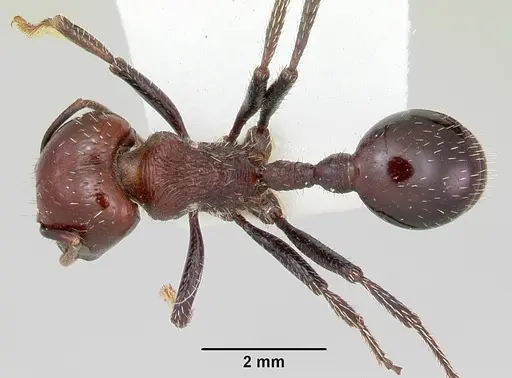
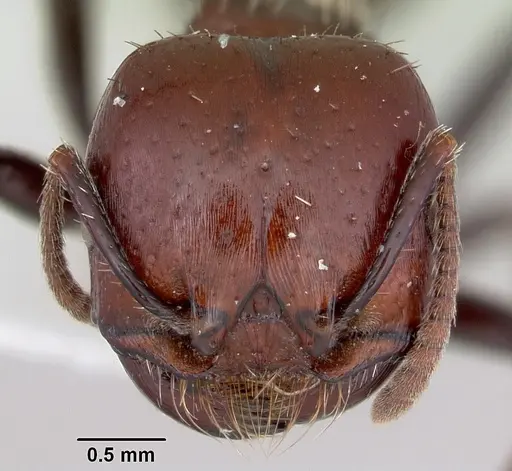
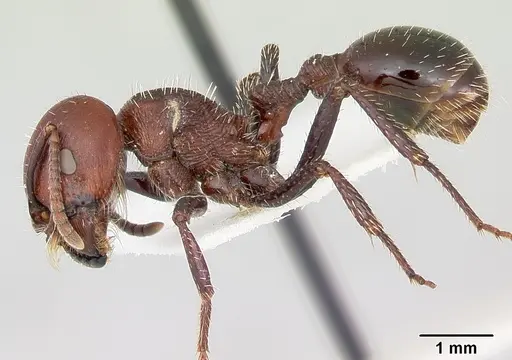
CASENT0217259
View on AntWeb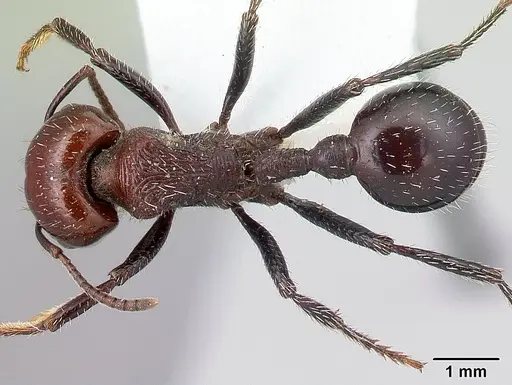
CASENT0914118
View on AntWeb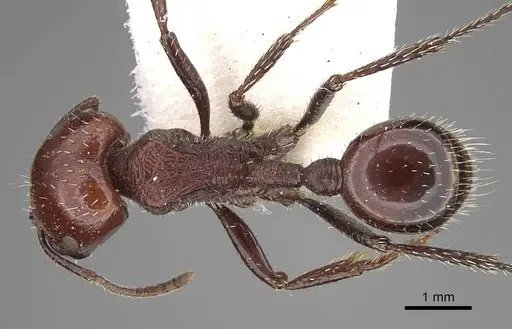
CASENT0914201
View on AntWeb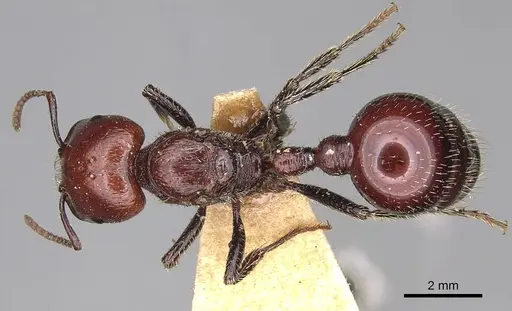
CASENT0914205
View on AntWeb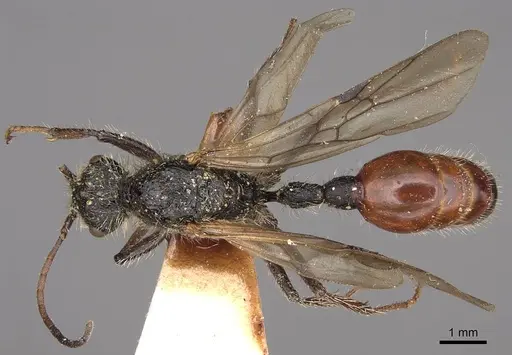
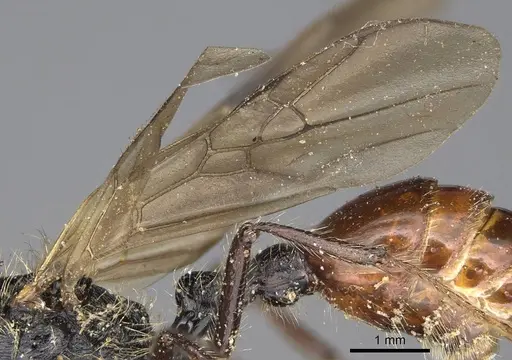
CASENT0914373
View on AntWeb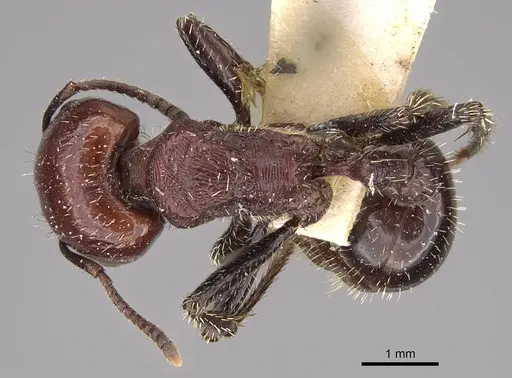
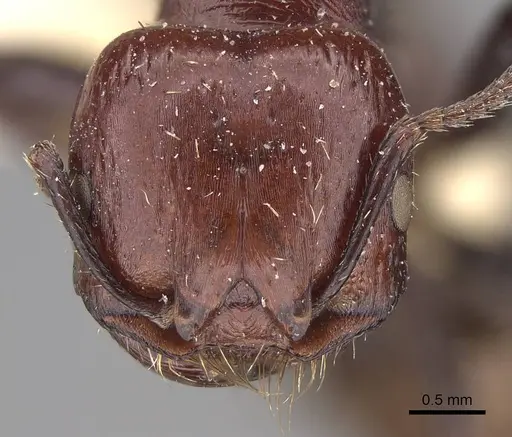
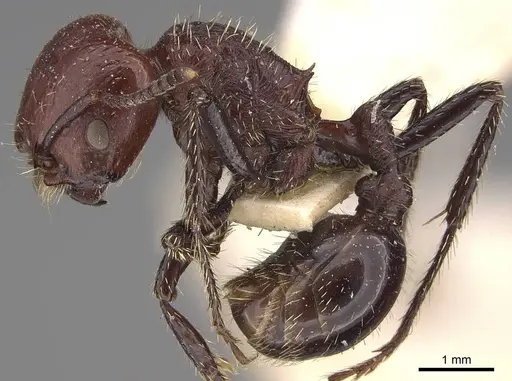
CASENT0914374
View on AntWeb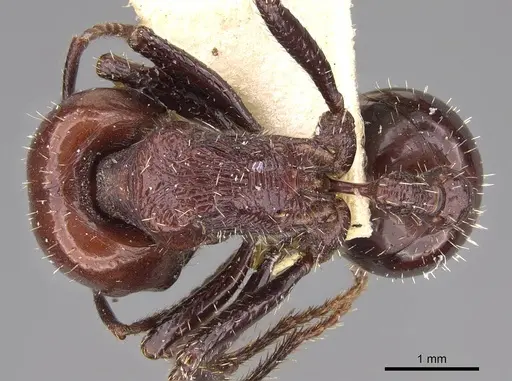
CASENT0914375
View on AntWeb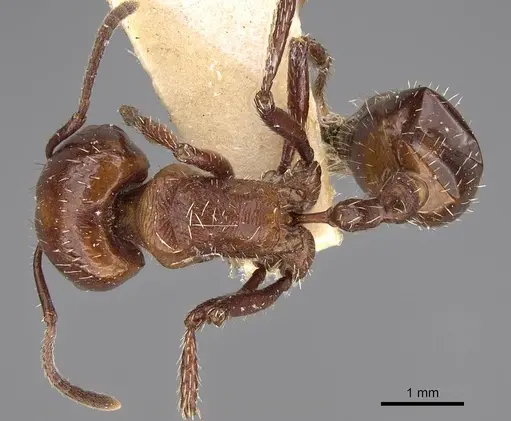
FOCOL0601
View on AntWeb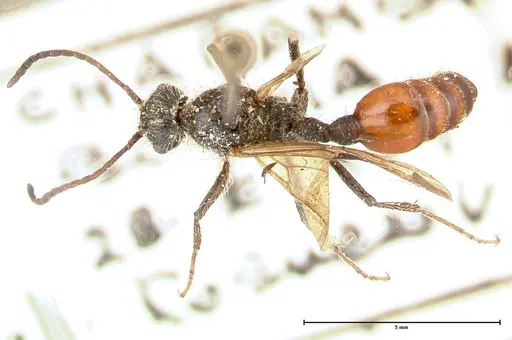
FOCOL0602-1
View on AntWeb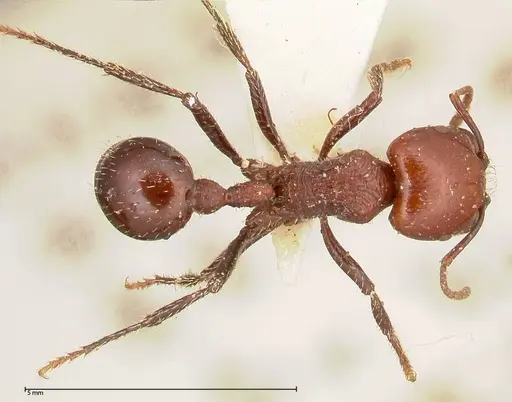
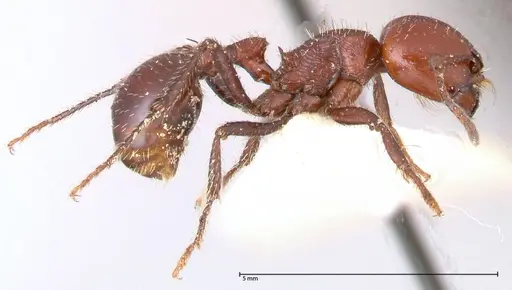
FOCOL0602-2
View on AntWeb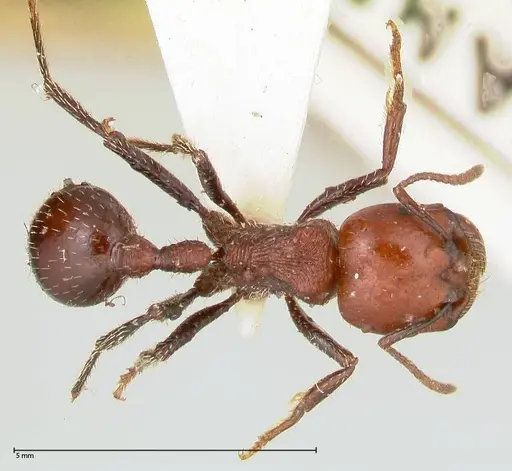
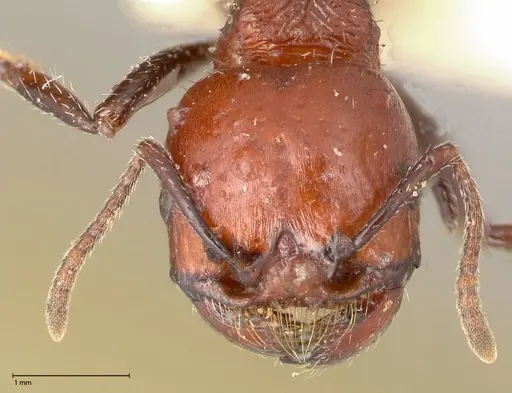
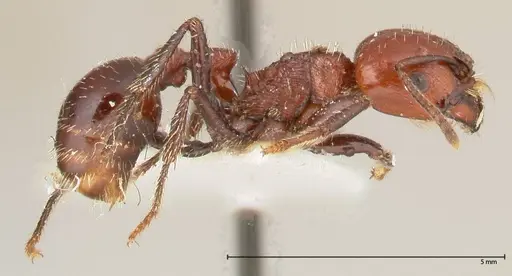
LACMENT273762
View on AntWeb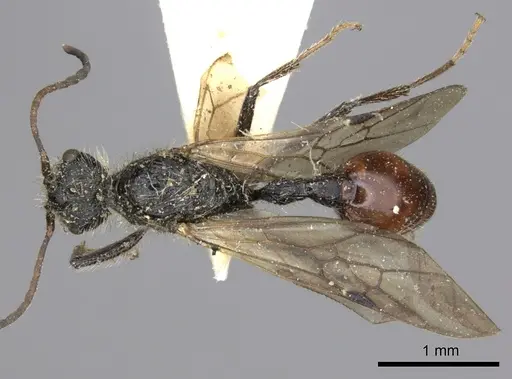
LACMENT273764
View on AntWeb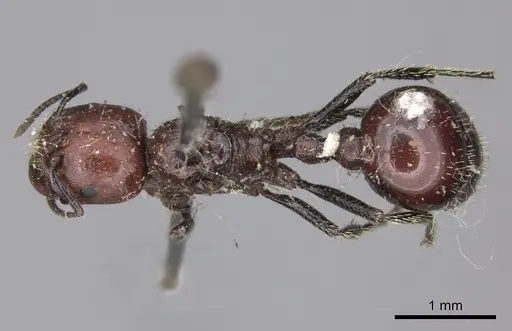
Literature
Loading distribution map...Loading products...