
Big-eyed Harvester Ant
Pogonomyrmex magnacanthus
- Sci. Name
- Pogonomyrmex magnacanthus
- Tribe
- Pogonomyrmecini
- Subfamily
- Myrmicinae
- Author
- Cole, 1968
- Common Name
- Big-eyed Harvester Ant
- Distribution
- Found in 2 countries
Introduction
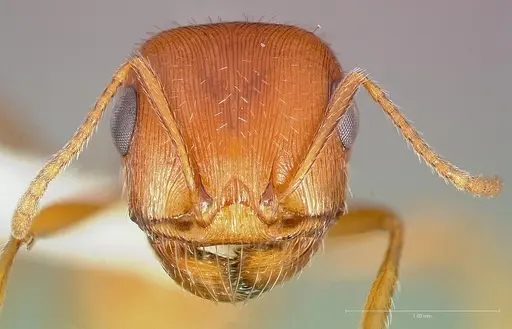
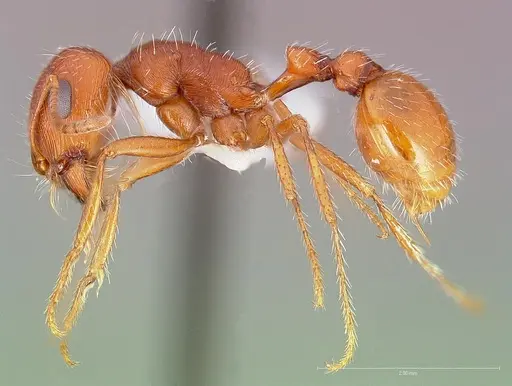
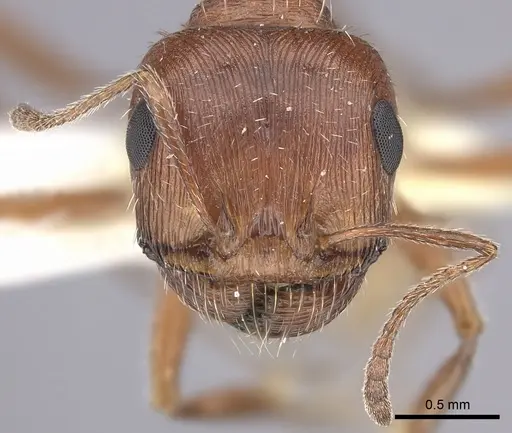
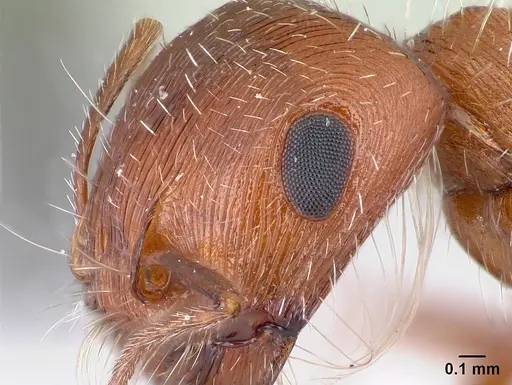
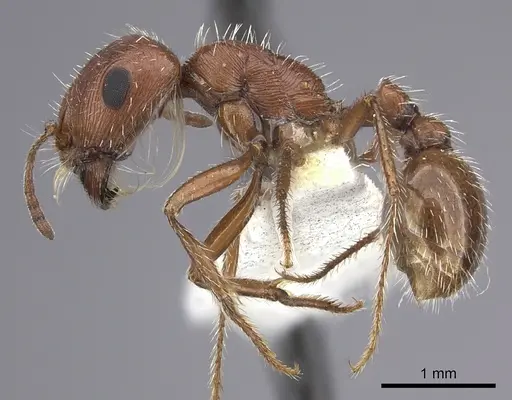
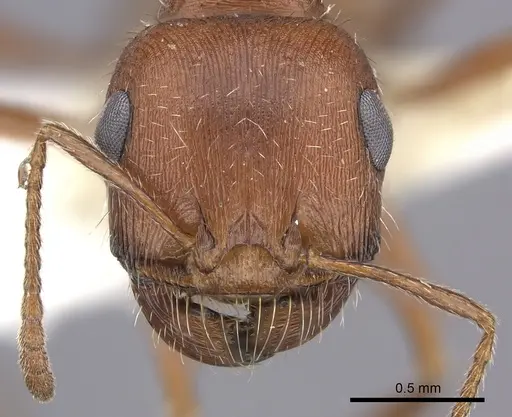
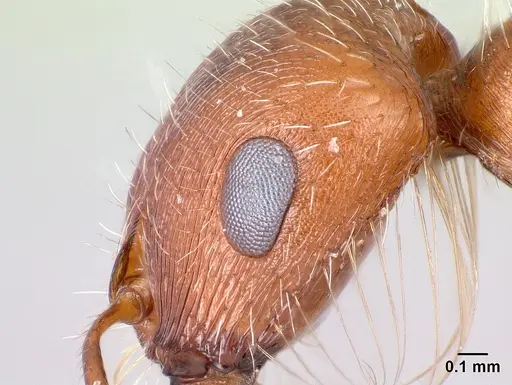
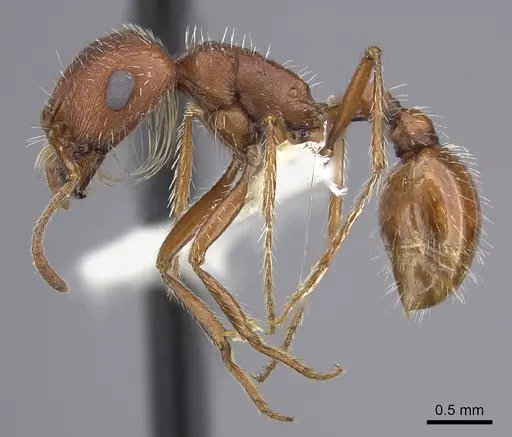
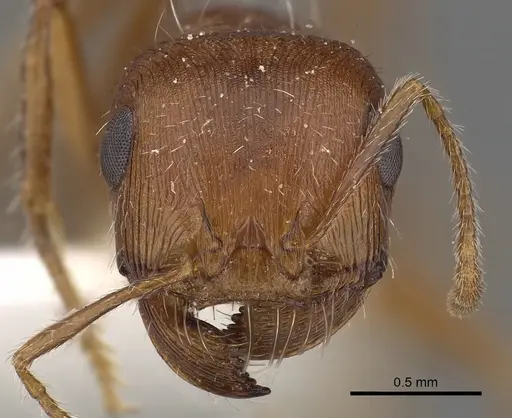
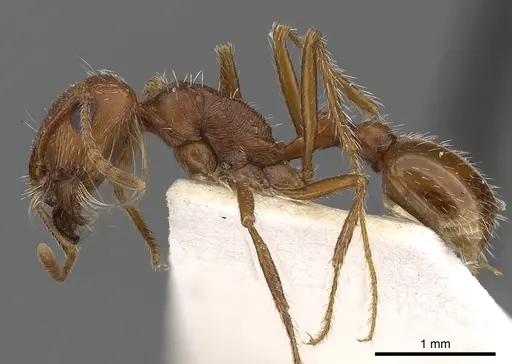
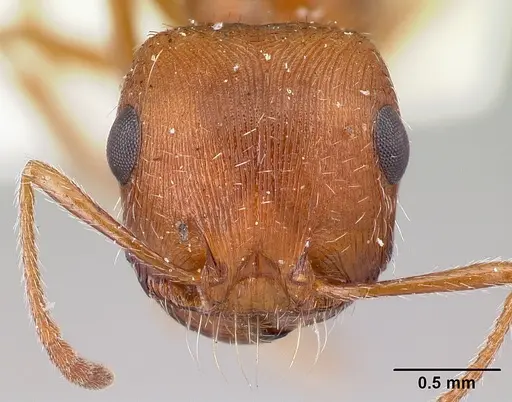
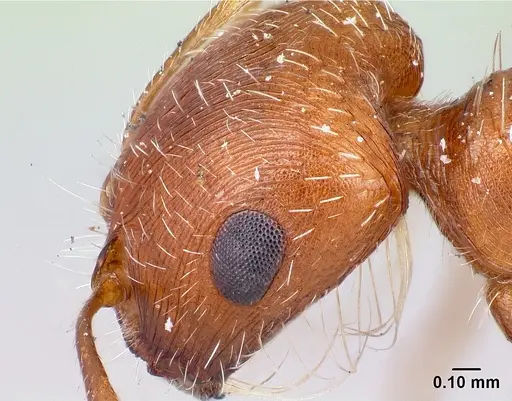
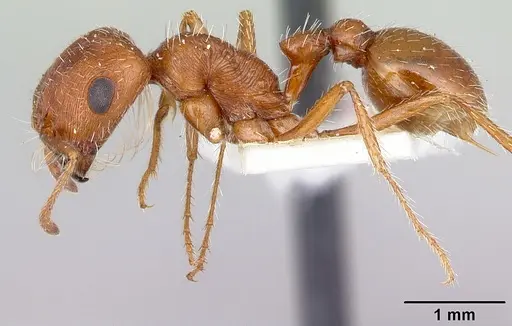
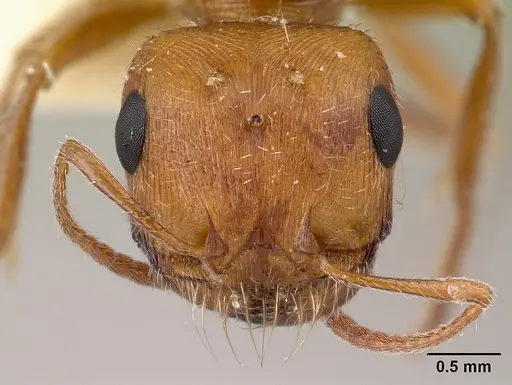
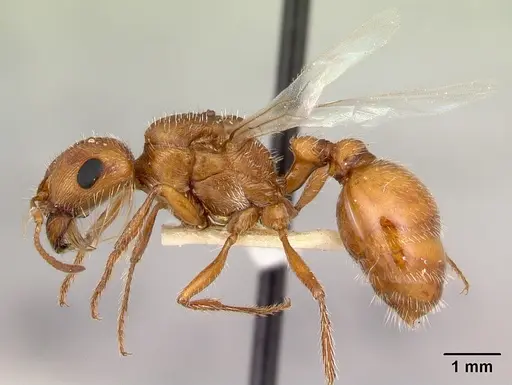
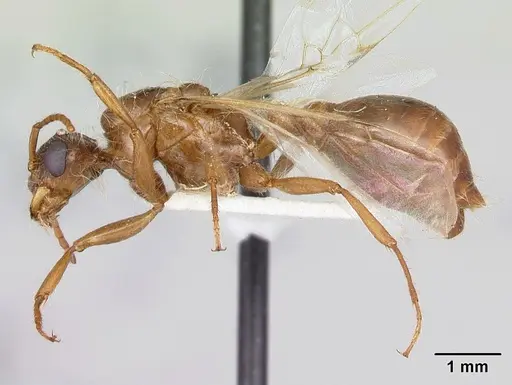
Pogonomyrmex magnacanthus is a small harvester ant known for its unusually large eyes - the species name means 'large corner of the eye' in Latin. Workers have a body length of around 5.8 mm and are ferruginous orange in color. This species is restricted to the hot Mohave and Sonoran Deserts of the American Southwest, inhabiting sand dunes and loose sandy soil . Unlike many desert Pogonomyrmex species that have rain-triggered mating flights, P. magnacanthus evolved photoperiod-triggered flights, a notable exception in the genus . Colonies are small, with up to 225 workers .
Quick Summary
- Difficulty: Medium
- Origin & Habitat: Native to the Mohave and Sonoran Deserts of the American Southwest, southern Nevada, southeastern California, southwestern Arizona, northern Baja California, and northwestern Sonora. Found in open desert habitats with loose sandy soil, particularly sand dunes and interdune areas at elevations between 5-855 m [2][3][4].
- Colony Type: Based on Pogonomyrmex patterns, likely monogyne (single-queen colonies). Colonies remain small with up to 225 workers [2][3].
- Size & Growth:
- Queen: inferred from Pogonomyrmex genus (~8-12 mm)
- Worker: ~5.8 mm [1]
- Colony: Up to 225 workers [2][3]
- Growth: Moderate
- Development: Estimated 6-10 weeks based on typical Pogonomyrmex development patterns (Development time is inferred from related species in the genus. Exact timing for this specific species has not been directly studied.)
- Antkeeping:
- Temperature: Keep warm, roughly 26-32°C, as inferred from hot desert habitat [6][5].
- Humidity: Low to moderate. These are desert ants adapted to dry conditions. Keep the nest substrate relatively dry with only occasional misting [2].
- Diapause: Yes, winter diapause recommended based on Pogonomyrmex patterns and geographic range [5].
- Nesting: Use a naturalistic setup with sandy substrate or a Y-tong nest filled with loose sand. They prefer loose soil for tunneling [2][3].
- Behavior: Workers are docile and move slowly compared to other Pogonomyrmex species. They forage solitarily during the day, harvesting seeds [3][2]. Escape risk is moderate due to small size. Their sting is painful but less potent than some relatives [7].
- Common Issues: small colony size means slower population growth, don't expect rapid expansion, desert species prone to mold in overly damp conditions, keep substrate relatively dry, winter die-off is common if diapause is not provided, they need a cold period, wild-caught colonies may have parasites, quarantine and monitor new colonies, solitary foraging means food discovery is slower, don't assume colony is starving if food sits untouched for days
Housing and Nest Setup
Pogonomyrmex magnacanthus requires a setup that mimics their natural dune habitat. These ants are adapted to loose, sandy soil and need substrate they can easily tunnel through. For founding colonies, a test tube setup works well with a small chamber of sandy substrate. As the colony grows, transition to a naturalistic setup with a deep layer of loose, sandy soil. You can also use a Y-tong nest filled with sandy substrate. Nests in the wild often have circular craters 4-6 inches in diameter [8]. Ensure the outworld has a sand-filled area for foraging. A water test tube should always be available, but avoid over-humidifying the nest area.
Feeding and Diet
As seed harvesters, their diet centers on seeds, this is what they naturally collect and store. Offer a variety of grass seeds, flower seeds, and small sunflower seeds. They also accept protein sources like small insects (fruit flies, small crickets, mealworms). Sugar water or honey can be offered occasionally but is not a primary food source. Unlike some Pogonomyrmex that aggressively recruit to food, this species forages individually, so don't be concerned if workers don't immediately swarm new food. Refresh seeds regularly as they can become moldy. [2]
Temperature and Seasonal Care
These are hot desert specialists adapted to warm conditions. Keep them warm around 26-32°C for optimal activity, as inferred from their habitat [6][5]. Room temperature is acceptable but may slow activity. Winter care requires a diapause period, reduce temperatures to 10-15°C for 2-3 months during winter, mimicking their natural cycle [5]. Do not skip the winter rest as it can lead to colony decline.
Behavior and Handling
Pogonomyrmex magnacanthus is notably docile compared to other harvester ant species. Workers move slowly and deliberately, lacking the erratic movements of species like P. californicus or P. maricopa [3]. They are not aggressive toward keepers and will typically retreat rather than attack. However, they possess a sting that can be painful [7]. Colonies are small and slow-growing, so patience is key. Workers forage individually during daylight hours, searching for seeds one at a time [2].
Colony Growth and Expectations
Unlike many Pogonomyrmex species that form large colonies, P. magnacanthus remains small, with up to 225 workers in established colonies [2][3]. This means your colony will never become massive, and growth is inherently limited. Expect slow, steady growth rather than explosive population increases. A healthy colony of 100+ workers is considered well-established. Because colonies stay small, they are manageable in terms of space requirements.
Frequently Asked Questions
How long does it take for Pogonomyrmex magnacanthus to have first workers?
Based on typical Pogonomyrmex development, expect first workers approximately 6-10 weeks after the queen lays her first eggs. This timeline is inferred from related species, as specific development data for P. magnacanthus has not been documented.
Can I keep multiple Pogonomyrmex magnacanthus queens together?
This species is likely monogyne based on Pogonomyrmex patterns, meaning colonies naturally have only one queen. Combining unrelated queens may result in fighting. Single-queen colonies are the natural and recommended setup.
What do Pogonomyrmex magnacanthus eat?
They are seed harvesters, seeds should make up the majority of their diet. Offer various small seeds (grass, flower, sunflower). They also accept small insects for protein. Sugar water or honey can be offered occasionally.
Are Pogonomyrmex magnacanthus good for beginners?
They are rated as medium difficulty. While not the easiest species, their docile nature and small colony size make them manageable. The main challenges are providing proper sandy substrate, maintaining warm temperatures, and providing a winter diapause. Experienced antkeepers will have more success.
Do Pogonomyrmex magnacanthus need hibernation?
Yes, a winter diapause is recommended based on Pogonomyrmex patterns and their geographic range. Reduce temperatures to 10-15°C for 2-3 months during winter [5]. Skipping diapause can lead to colony health issues over time.
How big do Pogonomyrmex magnacanthus colonies get?
Colonies remain small compared to other Pogonomyrmex. Maximum size is up to 225 workers [2][3]. This is one of the smaller harvester ant species, so don't expect massive colonies.
What is the best nest type for Pogonomyrmex magnacanthus?
A naturalistic setup with loose, sandy substrate works best, this matches their natural dune habitat. Y-tong nests filled with sandy material are also suitable. They need loose soil they can tunnel through [2][3].
Why are my Pogonomyrmex magnacanthus dying?
Common causes include: overly damp conditions causing mold (desert species need dry housing), lack of winter diapause, or temperature stress. Also ensure they have a proper sandy substrate for tunneling. Small colony size makes them vulnerable, a few workers dying is normal, but mass die-offs indicate a problem.
When do Pogonomyrmex magnacanthus alates appear?
Alates (reproductives) have been collected from late March through June in the wild [3]. Mating flights likely occur during late spring to early summer, triggered by photoperiod rather than rain [5].
Report an Issue
The current care sheet is based fully on literature. See inconsistencies, or something that's incorrect? Please , it will be resolved after review from an admin. Contributing to the blogs tab also helps providing information, to make us be able to further improve the caresheets. Thank you for your support!
References

This caresheet is licensed under CC BY-SA 4.0 .
Community Blogs
CASENT0005711
View on AntWeb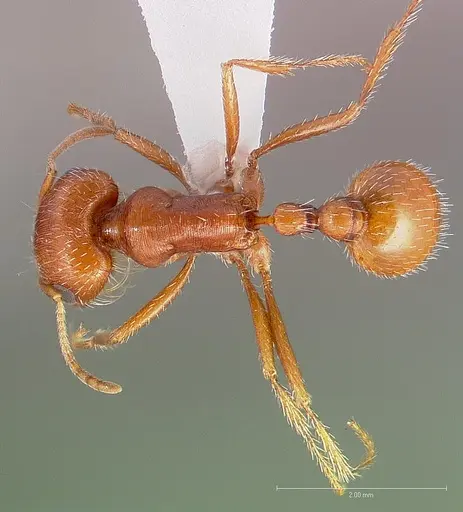
CASENT0217262
View on AntWeb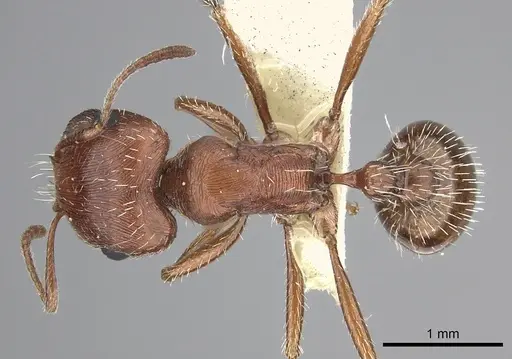
CASENT0217263
View on AntWeb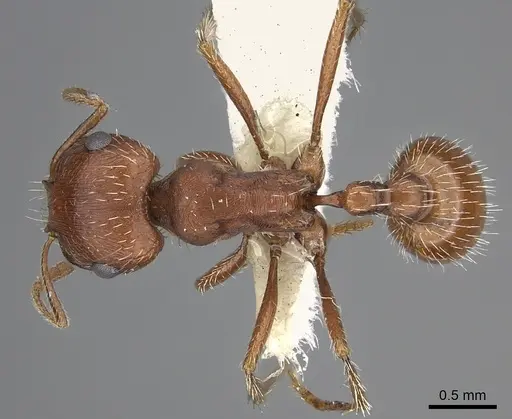
CASENT0900379
View on AntWeb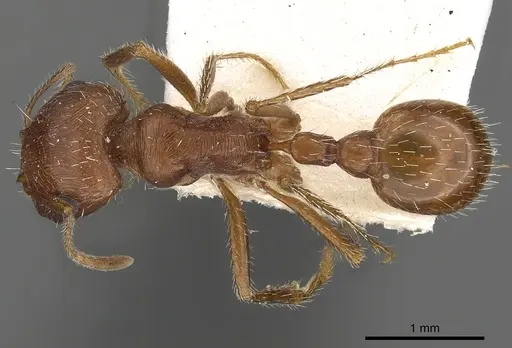
CASENT0914102
View on AntWeb
LACMENT164555
View on AntWeb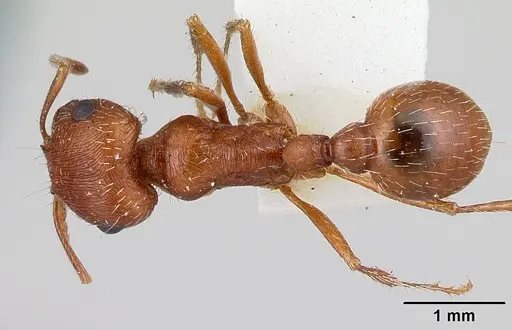
LACMENT268766
View on AntWeb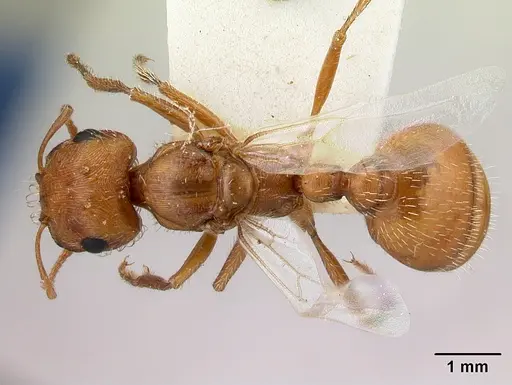
LACMENT268767
View on AntWeb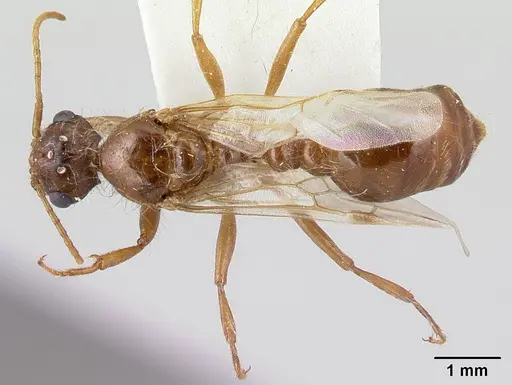
Literature
Loading distribution map...Loading products...