
Pogonomyrmex leonis
- Sci. Name
- Pogonomyrmex leonis
- Tribe
- Pogonomyrmecini
- Subfamily
- Myrmicinae
- Author
- Kusnezov, 1951
- Distribution
- Found in 0 countries
Introduction
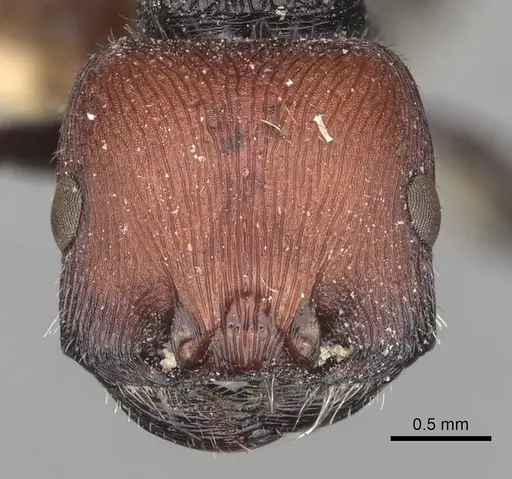
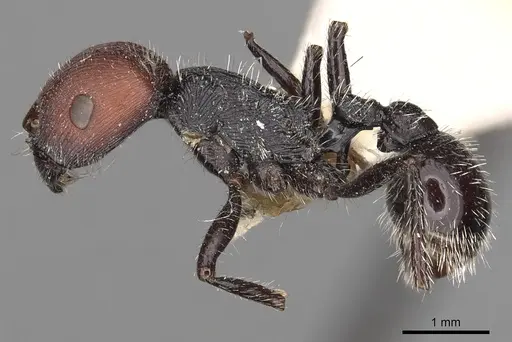
Pogonomyrmex leonis is a seed-harvester ant native to central Santa Cruz, Argentina, inhabiting the Patagonia Steppe at elevations of 300-600 meters . Workers have a ferruginous orange to orange-red head and blackish mesosoma . Size data unavailable, as total length measurements are not provided in the research. This species is known only from its type locality and was elevated to full species status in 2021 .
Quick Summary
- Difficulty: Medium
- Origin & Habitat: Central Santa Cruz, Argentina, Patagonia Steppe ecoregion at 300-600m elevation [1]
- Colony Type: Unconfirmed, research does not specify queen number or social structure.
- Size & Growth:
- Queen: Size data unavailable, no total length measurements provided.
- Worker: Size data unavailable, head measurements are not body size.
- Colony: Unknown, no data on colony size for this species.
- Growth: Unknown, no data on growth rate.
- Development: Unknown, no data on development time. (Development time likely varies with temperature, but specific requirements are unconfirmed.)
- Antkeeping:
- Temperature: Specific requirements unconfirmed. Based on Patagonia Steppe origin, inferred to prefer warm conditions around 22-28°C with a thermal gradient [2].
- Humidity: Specific requirements unconfirmed. Based on arid habitat, inferred to prefer low humidity, keep nest substrate dry [2].
- Diapause: Unknown, research does not mention diapause.
- Nesting: Preferred nest types unconfirmed. Based on genus patterns, Y-tong or plaster nests may work, but no specific data [2].
- Behavior: Temperament unconfirmed. Based on seed-harvester genus, workers are likely active foragers with a sting, but research does not specify [2]. Escape risk is moderate due to medium size, but size data is unavailable.
- Common Issues: sting injury to keeper, Pogonomyrmex ants have potent stings and should not be handled [2]., colony stress from improper temperature or humidity, specific requirements are unconfirmed., mold growth in nest due to excess moisture, they are adapted to arid conditions [2].
Housing and Nest Setup
Pogonomyrmex leonis likely does well in Y-tong or plaster nests that provide dry conditions, based on genus patterns [2]. However, specific nesting preferences are unconfirmed. Use a test tube setup for founding queens, then transition to a proper nest once the colony has workers. Ensure the nest has space for seed storage, as seed-harvester ants collect seeds [2].
Feeding and Diet
As seed-harvester ants, their primary diet consists of seeds, offer a variety of small seeds like millet or commercial ant seed mixes [2]. They may also benefit from occasional protein sources like small insects. Sugar water can be offered as an energy boost. Remove uneaten seeds regularly to prevent mold [2].
Temperature and Seasonal Care
Specific temperature requirements are unconfirmed. Based on Patagonia Steppe origin, inferred to keep nest area at 22-28°C with a thermal gradient [2]. During winter, diapause is unknown, but if required, reduce temperature based on genus patterns [2].
Handling and Safety
Pogonomyrmex ants have potent stings and should never be handled [2]. Use extreme caution when working with the colony, never disturb the nest unnecessarily. Keep the colony away from areas where accidental contact could occur.
Colony Development
The founding phase is unconfirmed. After first workers emerge, colony growth is unknown. Seed-harvester colonies may grow slowly, but specific timelines are not provided [2].
Frequently Asked Questions
How long does it take for Pogonomyrmex leonis to produce first workers?
Unknown, research does not provide data on development time. Based on genus patterns, it may take several weeks, but specific requirements are unconfirmed.
What do Pogonomyrmex leonis eat?
They are seed-harvester ants, their primary food is seeds [2]. Supplement with occasional protein sources like small insects.
Can I keep multiple Pogonomyrmex leonis queens together?
This species is likely monogyne based on genus patterns, but research does not confirm. Combining unrelated queens is not recommended and could result in fighting.
Do Pogonomyrmex leonis need hibernation?
Unknown, research does not mention diapause. Based on genus patterns, some temperate species require winter dormancy, but specific needs for this species are unconfirmed.
Is Pogonomyrmex leonis good for beginners?
No, this species is recommended for intermediate to experienced antkeepers due to specific care needs and sting risk [2].
What humidity level does Pogonomyrmex leonis need?
Specific requirements unconfirmed. Based on arid habitat, inferred to prefer low humidity, keep nest substrate dry [2].
When should I move Pogonomyrmex leonis to a formicarium?
Unknown, research does not provide data. Based on genus patterns, wait until the colony has workers, but specific timing is unconfirmed.
How big do Pogonomyrmex leonis colonies get?
Colony size is unknown for this species, no data is provided in the research.
What temperature is best for Pogonomyrmex leonis?
Specific requirements unconfirmed. Inferred to prefer warm conditions around 22-28°C with a thermal gradient [2].
Report an Issue
The current care sheet is based fully on literature. See inconsistencies, or something that's incorrect? Please , it will be resolved after review from an admin. Contributing to the blogs tab also helps providing information, to make us be able to further improve the caresheets. Thank you for your support!
References

This caresheet is licensed under CC BY-SA 4.0 .
Community Blogs
LACMENT273766
View on AntWeb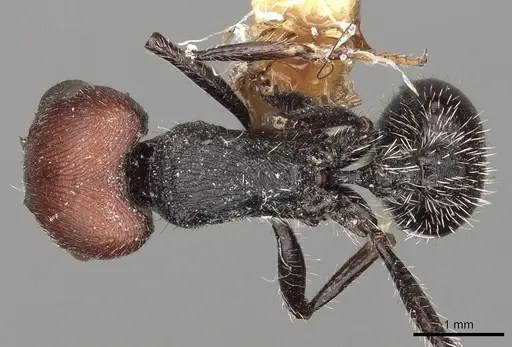
Literature
Loading distribution map...Loading products...