
Pogonomyrmex humerotumidus
- Sci. Name
- Pogonomyrmex humerotumidus
- Tribe
- Pogonomyrmecini
- Subfamily
- Myrmicinae
- Author
- Vásquez-Bolaños & Mackay, 2004
- Distribution
- Found in 1 countries
Introduction
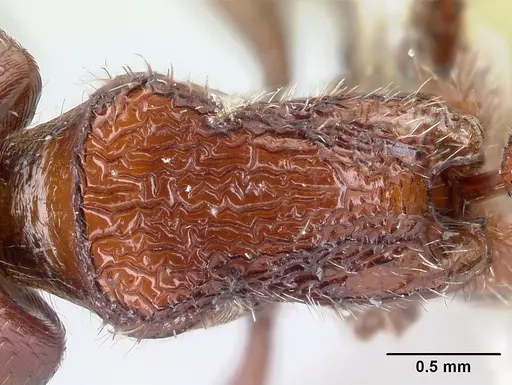
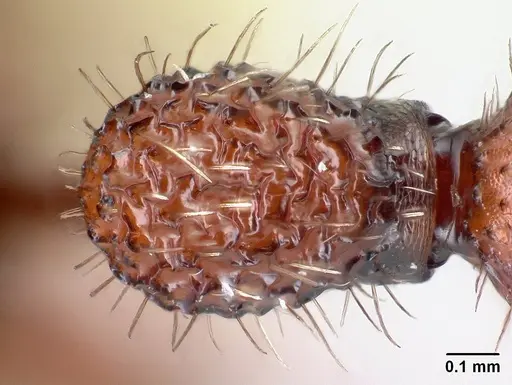
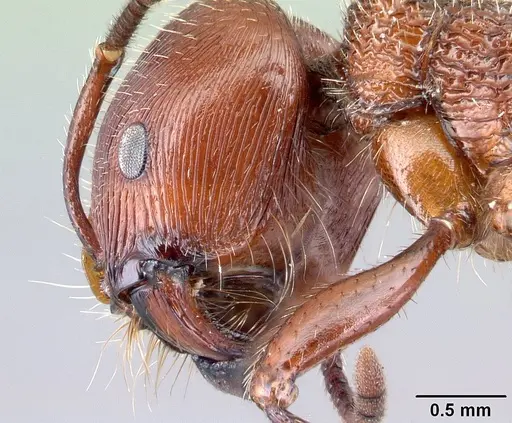
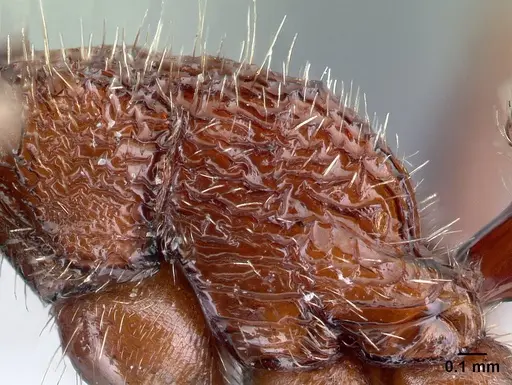
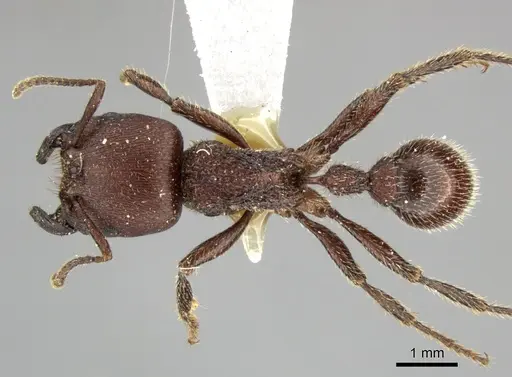
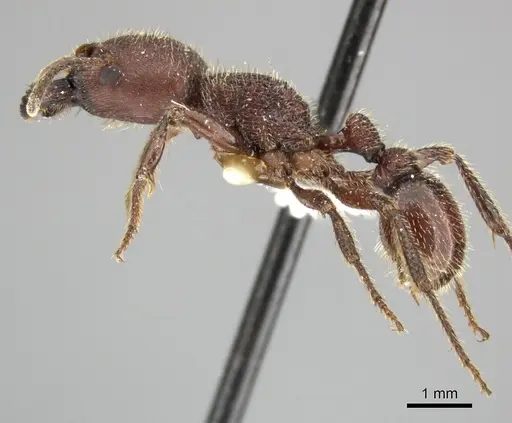
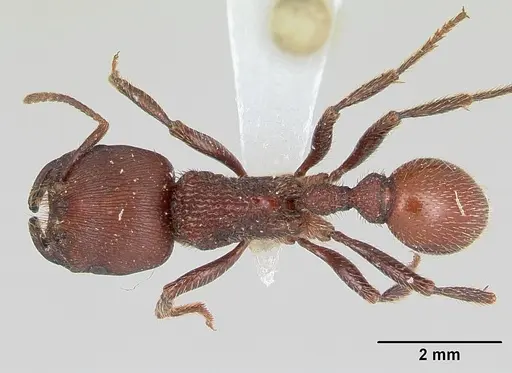
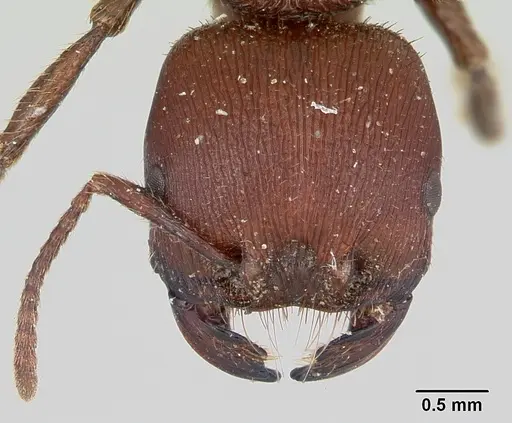
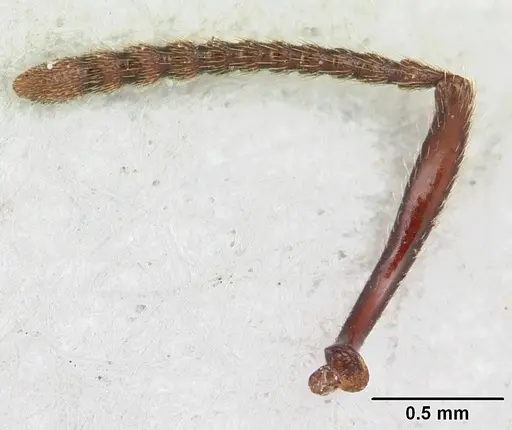
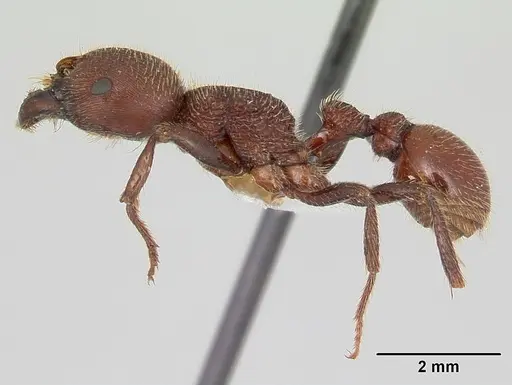
Pogonomyrmex humerotumidus is a small harvester ant endemic to western Mexico, specifically Michoacán and Jalisco states . Workers were described in 2004,and the species belongs to the guatemaltecus group . Size data is unavailable as only workers have been described . This ant is adapted to warm, dry conditions in its native habitat . As a harvester ant, it likely collects and stores seeds, a behavior characteristic of the genus Pogonomyrmex .
Quick Summary
- Difficulty: Medium
- Origin & Habitat: Native to western Mexico, specifically Michoacán and Jalisco states at elevations around 195 meters [3]. They inhabit warm, dry areas [1].
- Colony Type: Unconfirmed. No data on colony structure for this species.
- Size & Growth:
- Antkeeping:
- Temperature: Keep warm, as this species is from low-elevation Mexico [3]. Avoid temperatures below 5°C or above 35°C.
- Humidity: Keep nest relatively dry, as they are adapted to semi-arid habitats [1].
- Diapause: Unknown, no data on diapause for this species.
- Nesting: Use a dry, well-drained nest setup, such as Y-tong or plaster nests, based on their native habitat [3].
- Behavior: Pogonomyrmex humerotumidus is likely defensive and has a painful sting, as typical for the genus [2]. Escape prevention is important, but they are not particularly small.
- Common Issues: limited data makes specific care requirements uncertain, use genus-level guidance [2], sting pain potential means handling should be minimized [2], overheating risk is greater than for temperate species, avoid temperatures above 35°C, dry nesting conditions are critical, too much humidity can kill colonies [1], wild-caught colonies may have parasites that affect survival in captivity
Species Identification and Background
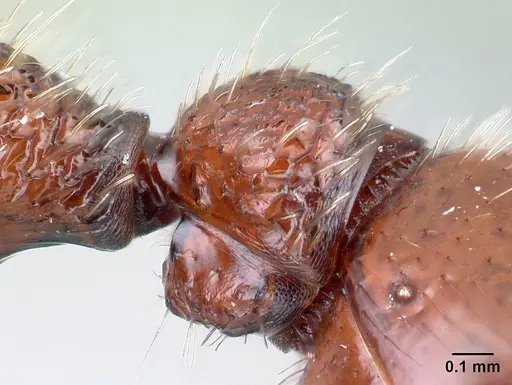
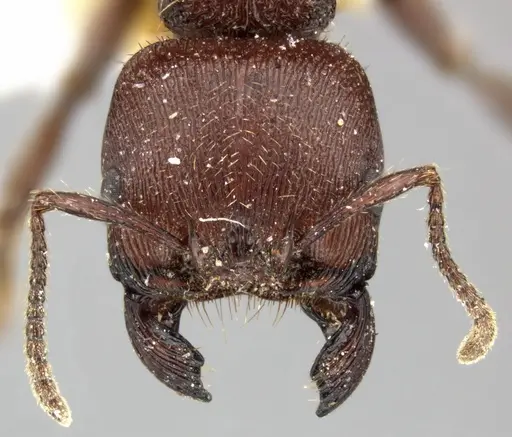
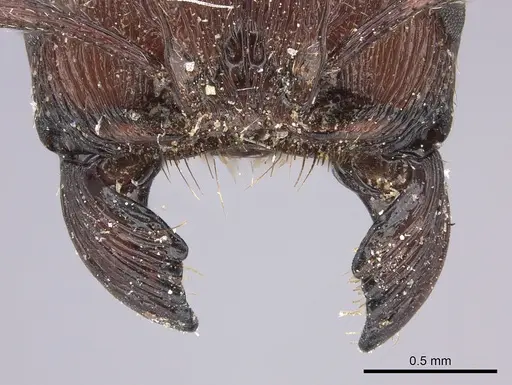
Pogonomyrmex humerotumidus was formally described in 2004 by Vásquez-Bolaños and Mackay [1]. The species name refers to the swollen humeral area [2]. This ant belongs to the guatemaltecus species group [2]. Only the worker caste has been described [1]. The species is endemic to western Mexico, with confirmed records from Michoacán and Jalisco states [1][3].
Natural History and Foraging Behavior
As a Pogonomyrmex species, P. humerotumidus is likely a seed-harvesting ant [2]. Workers forage individually and may tend aphids for honeydew [2]. The genus is known for aggressive defense and painful stings [2].
Housing and Nest Setup
Use a dry nest setup that mimics their native semi-arid habitat [1][3]. Y-tong or plaster nests work well [2]. Ensure the outworld is escape-proof [2].
Feeding and Nutrition
Pogonomyrmex humerotumidus likely feeds primarily on seeds [2]. Offer small seeds and occasional protein sources like insects [2].
Temperature and Seasonal Care
Keep at warm temperatures, based on their low-elevation habitat [3]. A temperature gradient is recommended [2]. Diapause is unknown for this species.
Handling and Safety
All Pogonomyrmex species have functional stingers and can deliver painful stings [2]. Handle with care to avoid stings.
Frequently Asked Questions
How long does it take for Pogonomyrmex humerotumidus to produce first workers?
Unknown, no species-specific data available [1].
What do Pogonomyrmex humerotumidus ants eat?
Primarily seeds, as harvester ants [2].
What temperature should I keep Pogonomyrmex humerotumidus at?
Keep them warm, as they are from low-elevation Mexico [3].
Do Pogonomyrmex humerotumidus colonies need hibernation?
Unknown, no data on diapause for this species.
How big do Pogonomyrmex humerotumidus colonies get?
Colony size has not been documented for this species [1].
Is Pogonomyrmex humerotumidus a good species for beginners?
This is a medium-difficulty species due to limited data and specific needs [2].
Can I keep multiple Pogonomyrmex humerotumidus queens together?
Colony structure is unconfirmed, so it is not recommended to house multiple queens together.
What type of nest should I use for Pogonomyrmex humerotumidus?
Use a dry, well-drained nest like Y-tong or plaster nests [2].
Where is Pogonomyrmex humerotumidus native to?
This species is endemic to western Mexico, specifically Michoacán and Jalisco states [1][3].
Report an Issue
The current care sheet is based fully on literature. See inconsistencies, or something that's incorrect? Please , it will be resolved after review from an admin. Contributing to the blogs tab also helps providing information, to make us be able to further improve the caresheets. Thank you for your support!
References

This caresheet is licensed under CC BY-SA 4.0 .
Community Blogs
Literature
Loading distribution map...Loading products...