
Pogonomyrmex guatemaltecus
- Sci. Name
- Pogonomyrmex guatemaltecus
- Tribe
- Pogonomyrmecini
- Subfamily
- Myrmicinae
- Author
- Wheeler, 1914
- Distribution
- Found in 2 countries
Introduction
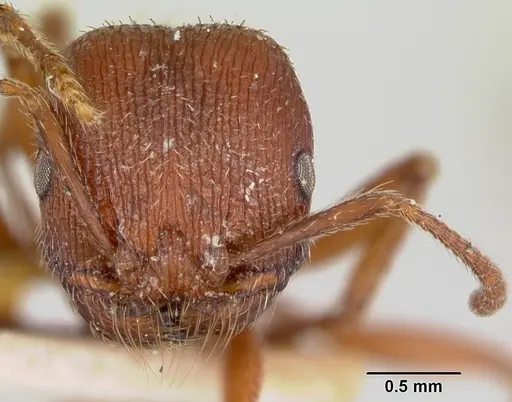
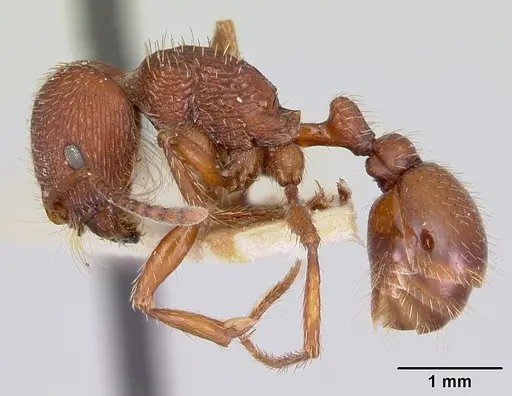
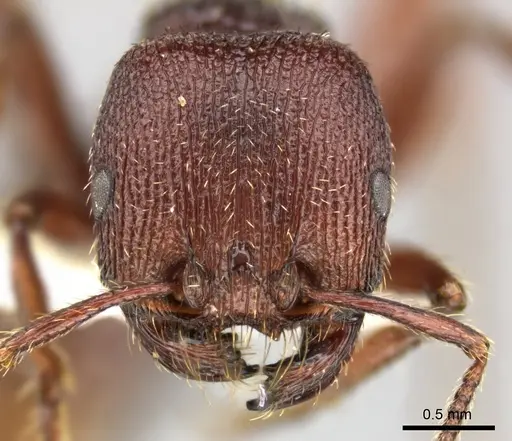
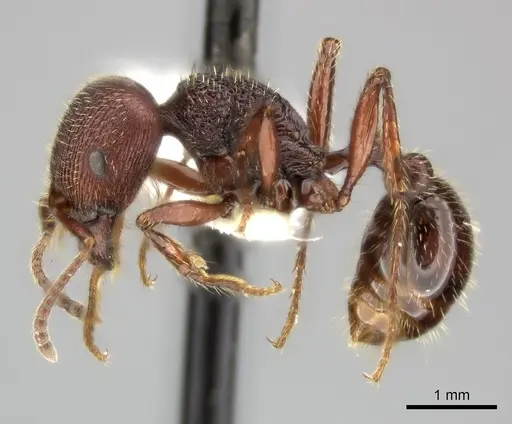
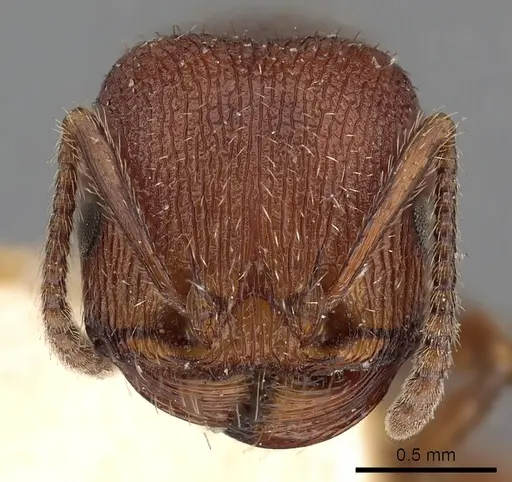
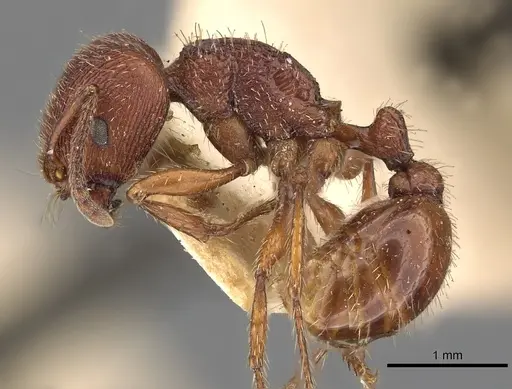
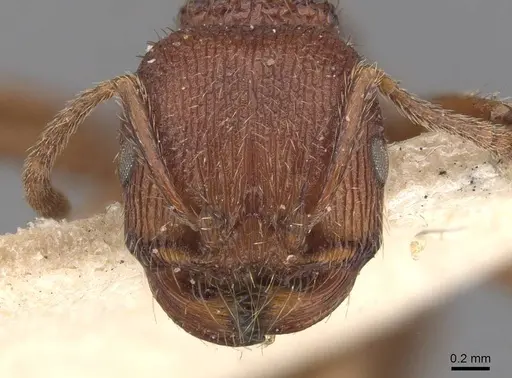
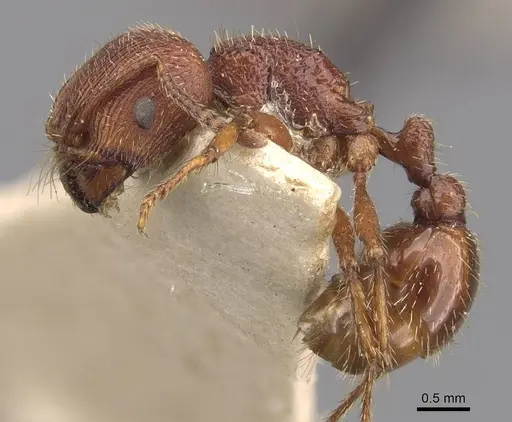
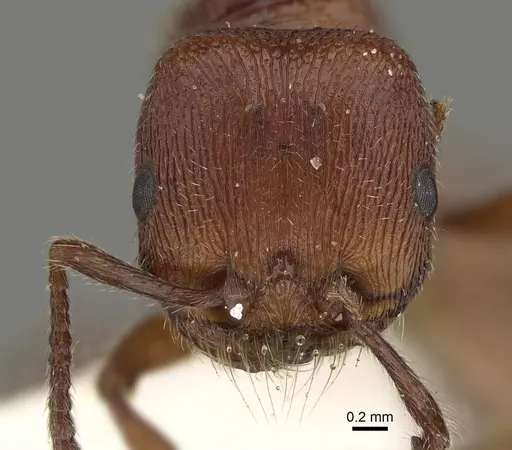
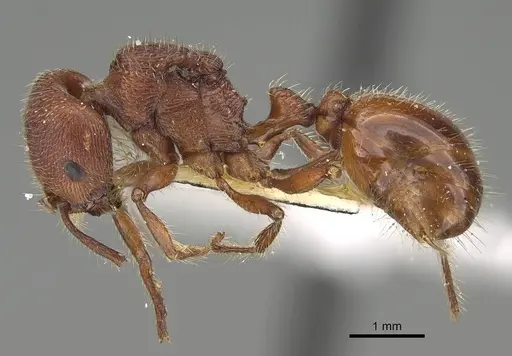
Pogonomyrmex guatemaltecus is a medium-sized harvesting ant native to Central America. You will find them in Guatemala, El Salvador, and southern Mexico (Oaxaca and Chiapas states) . They live in tropical dry forest habitats at elevations around 285 meters . The type locality is La Fragua, Zacapa, Guatemala . Size data is unavailable in primary sources, but workers are roughly 5-9mm and queens are roughly 6-10mm based on Pogonomyrmex genus patterns. This species was first described by Wheeler in 1914 . These ants are seed-storing and seed-feeding specialists . They build underground chambers very similar to North American Pogonomyrmex species . You will notice they actively collect, process, and store seeds in their nests. This behavior makes them important seed dispersers in their native ecosystem.
Quick Summary
- Difficulty: Medium
- Origin & Habitat: Guatemala, El Salvador, and southern Mexico (Oaxaca and Chiapas states). Found at elevations around 285m in tropical dry forest habitats [2][1]. Type locality is La Fragua, Zacapa, Guatemala [3].
- Colony Type: Single-queen colonies with one founding queen that establishes a permanent nest.
- Size & Growth:
- Queen: ~6-10mm, inferred from Pogonomyrmex genus (size data unavailable in primary sources)
- Worker: ~5-9mm, inferred from Pogonomyrmex genus (size data unavailable in primary sources)
- Colony: size data unavailable
- Growth: Moderate
- Development: Unknown. Development time is unconfirmed. (Development time is unconfirmed. Keep temperatures warm and stable.)
- Antkeeping:
- Temperature: Keep warm and stable, roughly low-to-mid 20s°C. Exact needs are unclear.
- Humidity: Provide a humidity gradient, mostly dry nest chamber with one small moist area.
- Diapause: Unknown. Diapause requirements are unconfirmed.
- Nesting: Y-tong (AAC), plaster, soil nests, or 3D-printed nests work well. They prefer dry, stable conditions.
- Behavior: Workers are active foragers that collect and store seeds. They defend their colony vigorously. Like other Myrmicinae, they possess a functional sting. Escape prevention is standard for medium-sized ants.
- Common Issues: mold from excessive moisture, keep nesting area dry, cold temperatures causing sluggish behavior or colony decline, stings can be painful, handle with care and use proper protection, overfeeding leading to mold in the nest, remove uneaten seeds, colonies may be slow to establish initially, patience needed
Nest Preferences and Housing
You can house Pogonomyrmex guatemaltecus in Y-tong (AAC), plaster, soil nests, or 3D-printed setups. They build underground chambers very similar to North American Pogonomyrmex species [3]. Keep the nest relatively dry. Provide a small water tube for drinking, but avoid soaking the substrate. Transfer the colony to a larger nest once you see steady worker production. Standard escape prevention works fine for this size.
Feeding and Diet
These ants store and eat seeds [3]. Offer a variety of small seeds like millet, grass seeds, or commercial bird seed mixes. They also need protein. Feed them small insects like fruit flies or pinhead crickets. You can offer sugar water occasionally, but seeds are their main food. Remove any moldy seeds promptly to keep the nest clean.
Temperature and Heating
Keep the nest area warm. Exact temperature needs are unclear, but aim for the low-to-mid 20s°C. A heating cable on one side creates a gradient you can use to adjust conditions. Avoid cold drafts. Since they come from tropical Central America, consistent warmth works best.
Behavior and Temperament
Workers are active foragers that leave the nest to search for seeds. They defend their colony vigorously. Like other Myrmicinae, they have a functional sting that can be painful. Handle established colonies with care. Wear gloves and eye protection when working with them. They are diurnal and most active during daylight.
Colony Founding
Founding behavior is unconfirmed. You should keep the founding queen undisturbed in a dark, quiet location. Do not guess about claustral or semi-claustral methods. Wait for the first workers to emerge before offering food or checking on them.
Frequently Asked Questions
How long does it take for Pogonomyrmex guatemaltecus to produce first workers?
Development time is unconfirmed. You should expect several weeks to a few months. Keep temperatures warm and stable.
Do Pogonomyrmex guatemaltecus ants sting?
Yes. Like other Myrmicinae, they possess a functional sting. Handle with caution.
What do Pogonomyrmex guatemaltecus eat?
They are seed-storing and seed-feeding ants [3]. Offer small seeds like millet or grass seeds. Provide occasional protein like small insects.
Can I keep multiple Pogonomyrmex guatemaltecus queens together?
This species likely forms single-queen colonies based on genus patterns. Combining unrelated queens will cause fighting. Keep one queen per colony.
What temperature do Pogonomyrmex guatemaltecus need?
Keep them warm, roughly low-to-mid 20s°C. Exact needs are unclear.
Are Pogonomyrmex guatemaltecus good for beginners?
Medium difficulty. Their sting and defensive behavior make them better for keepers with some experience.
How big do Pogonomyrmex guatemaltecus colonies get?
Colony size data is unavailable.
Do Pogonomyrmex guatemaltecus need hibernation?
Diapause requirements are unknown. Tropical origin suggests minimal diapause, but this is unconfirmed.
When should I move Pogonomyrmex guatemaltecus to a formicarium?
Move them once you see steady worker production and the test tube gets crowded.
Why is my Pogonomyrmex guatemaltecus colony declining?
Common causes include cold temperatures, excessive moisture causing mold, insufficient food, or nest disturbance. Check your setup.
Report an Issue
The current care sheet is based fully on literature. See inconsistencies, or something that's incorrect? Please , it will be resolved after review from an admin. Contributing to the blogs tab also helps providing information, to make us be able to further improve the caresheets. Thank you for your support!
References

This caresheet is licensed under CC BY-SA 4.0 .
Community Blogs
CASENT0103537
View on AntWeb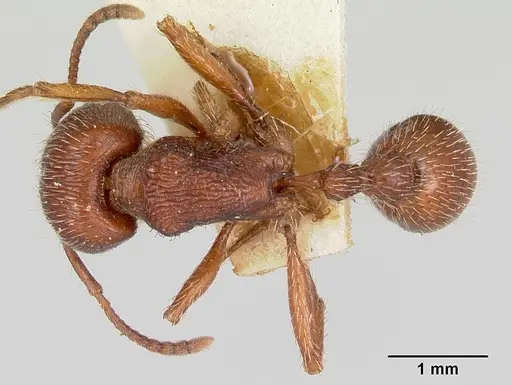
CASENT0217282
View on AntWeb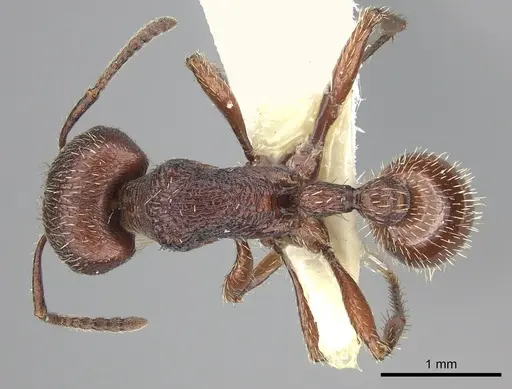
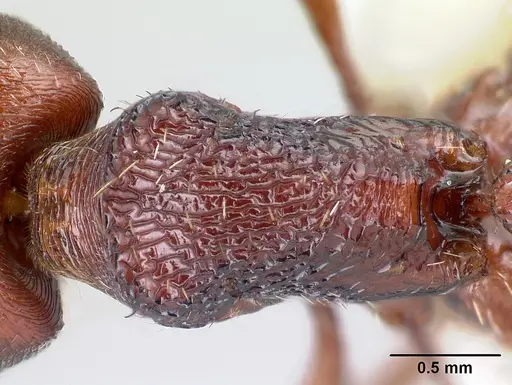
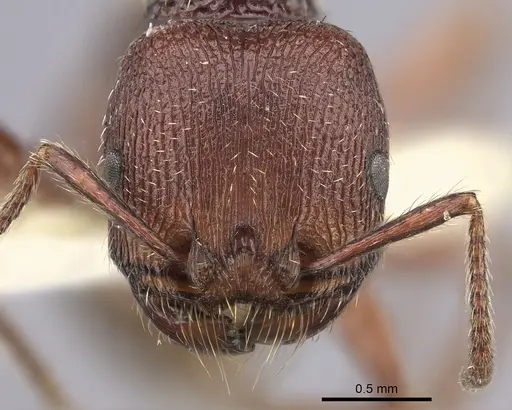
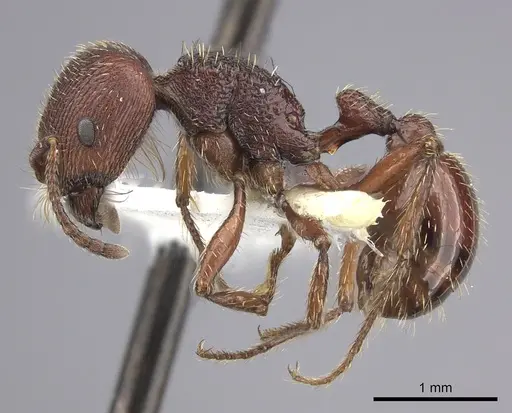
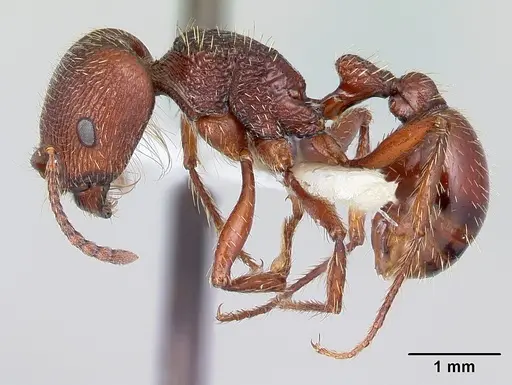
CASENT0235315
View on AntWeb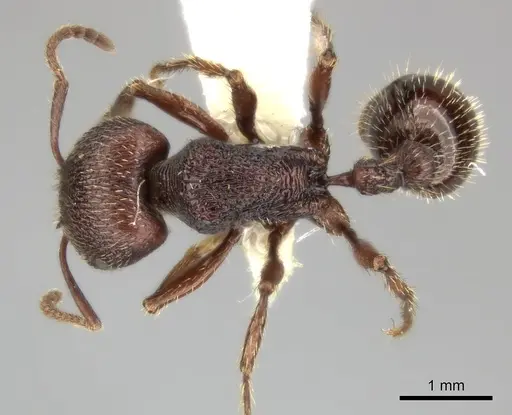
CASENT0249060
View on AntWeb
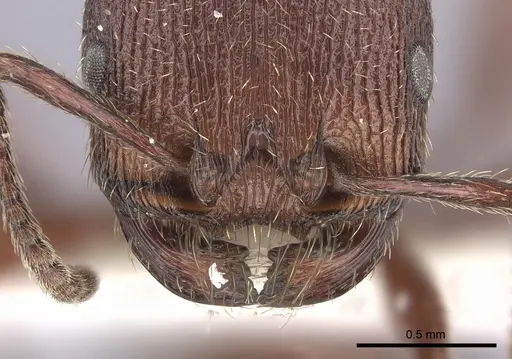
CASENT0612773
View on AntWeb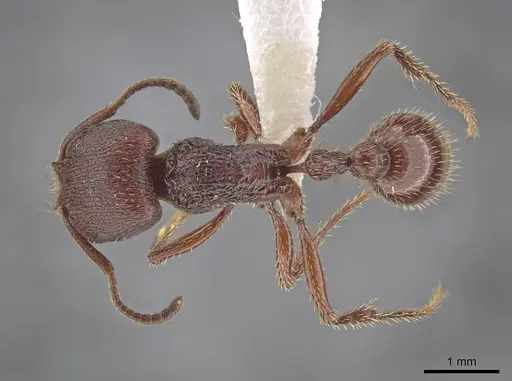
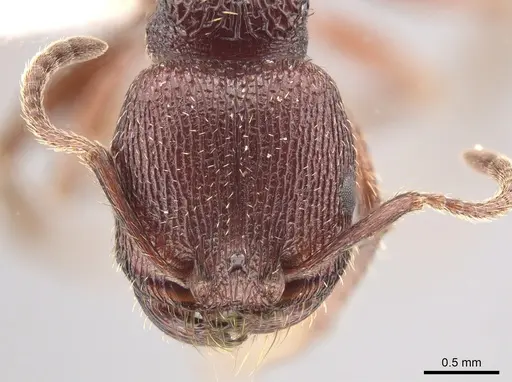
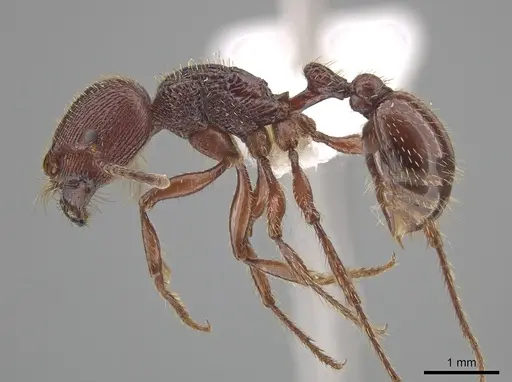
CASENT0900390
View on AntWeb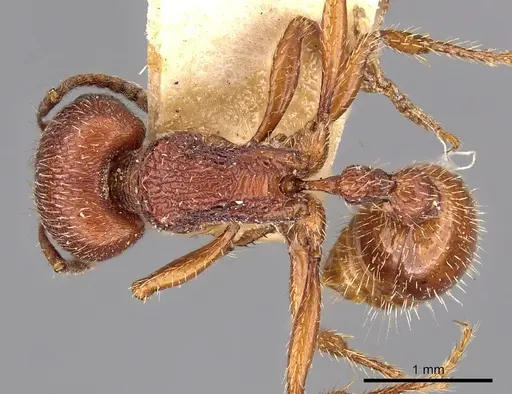
CASENT0907626
View on AntWeb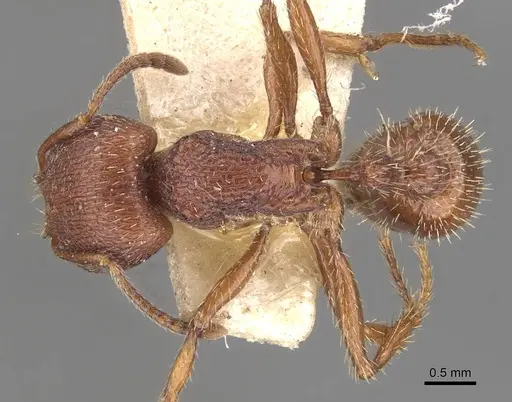
LACMENT334885
View on AntWeb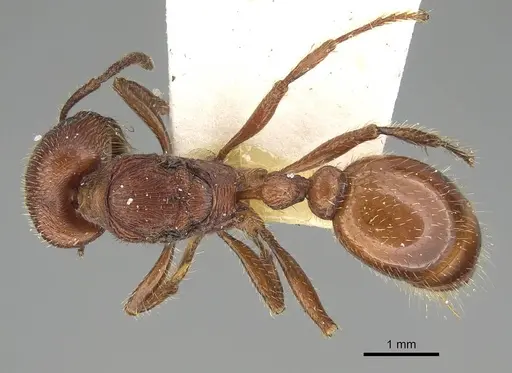
Literature
Loading distribution map...Loading products...