
Pogonomyrmex coarctatus
- Sci. Name
- Pogonomyrmex coarctatus
- Tribe
- Pogonomyrmecini
- Subfamily
- Myrmicinae
- Author
- Mayr, 1868
- Distribution
- Found in 3 countries
Introduction
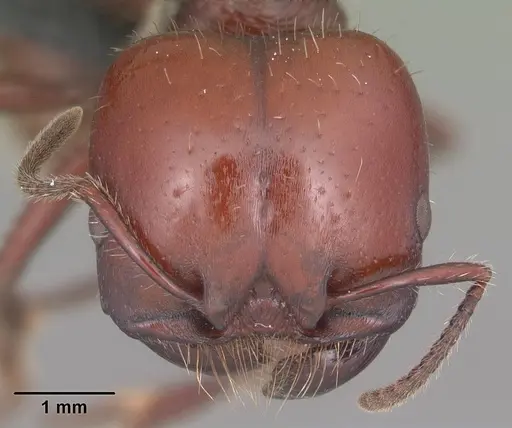
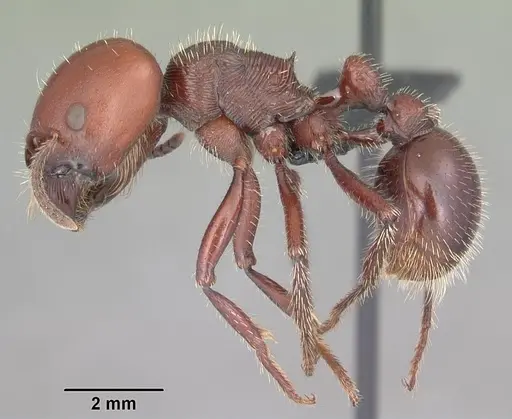
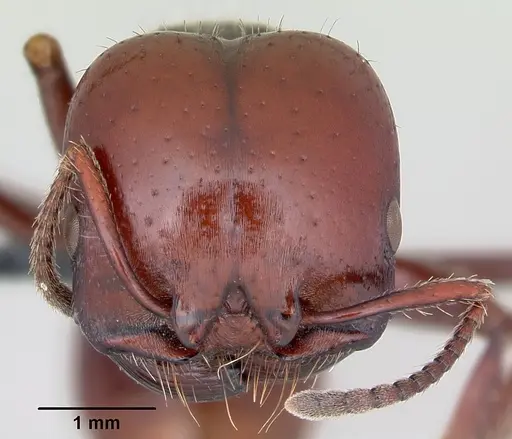
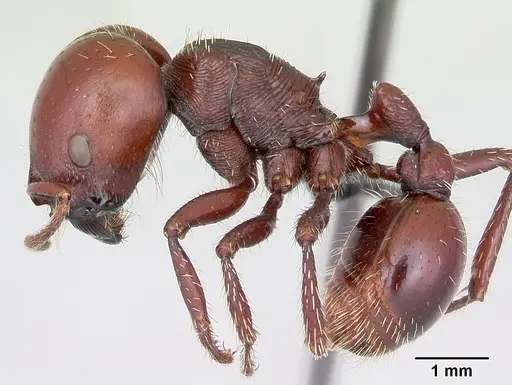
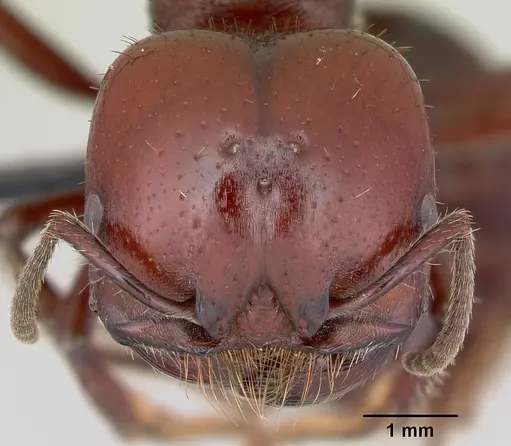
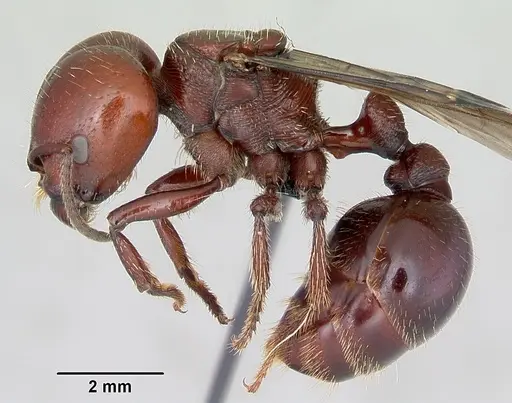
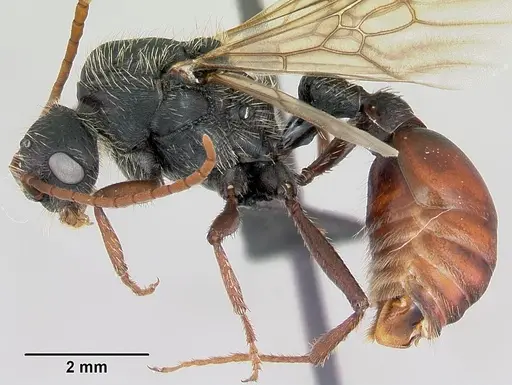
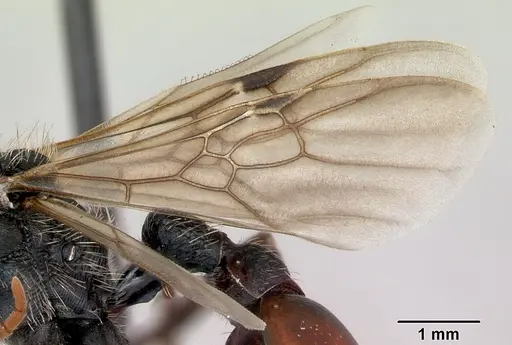
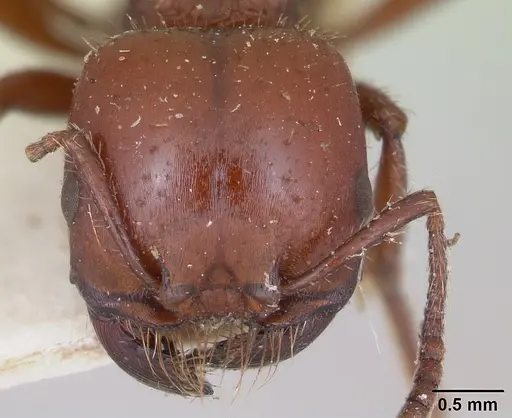
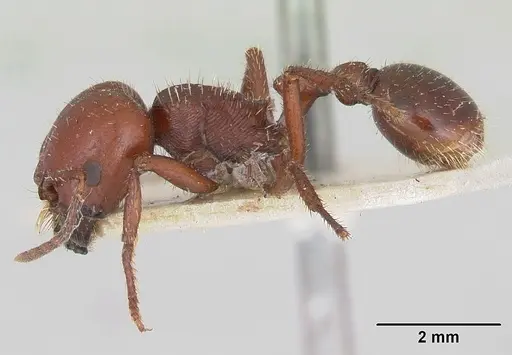
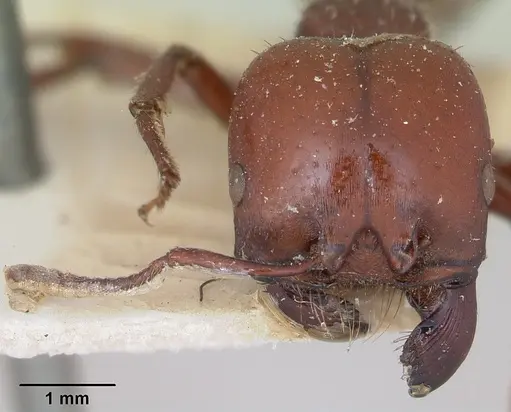
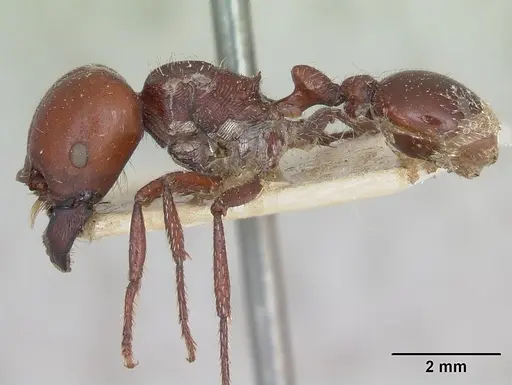
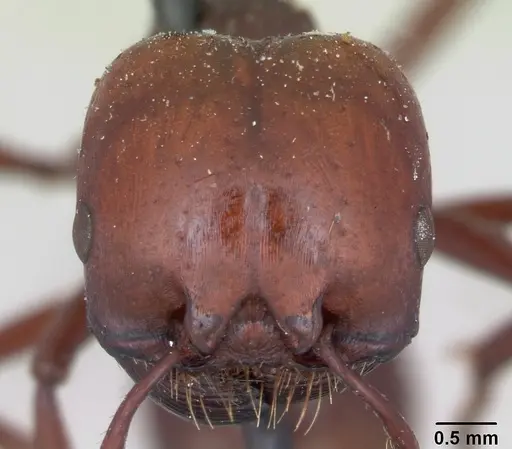
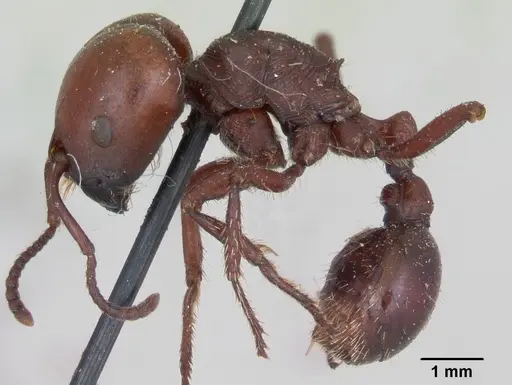
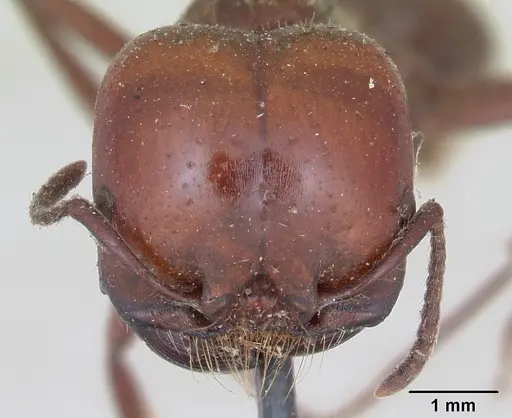
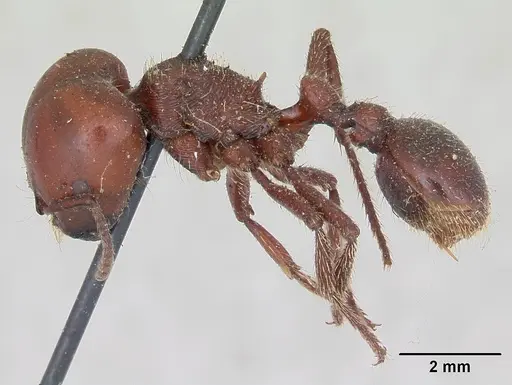
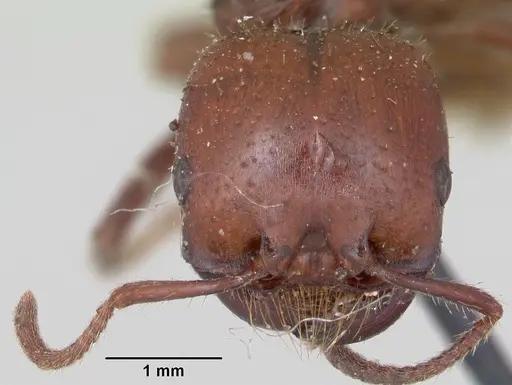
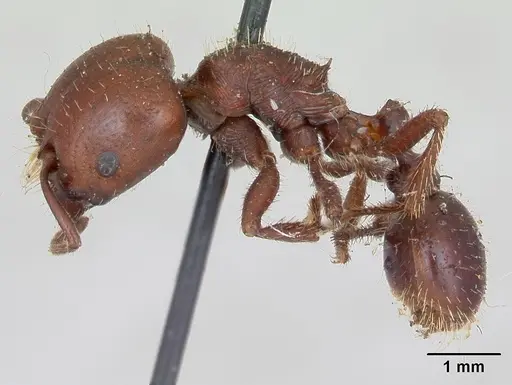
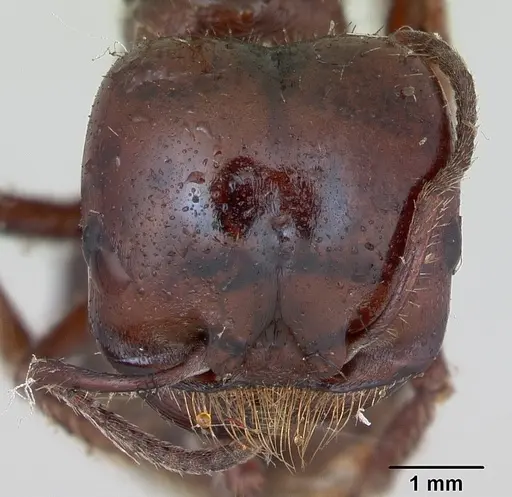
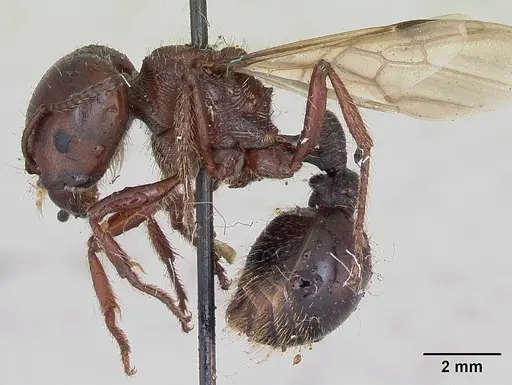
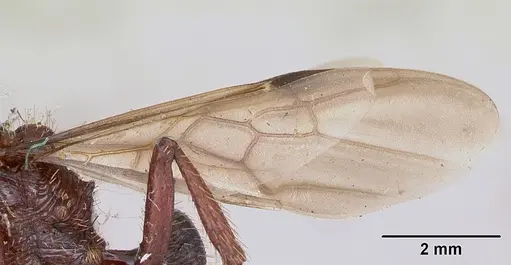
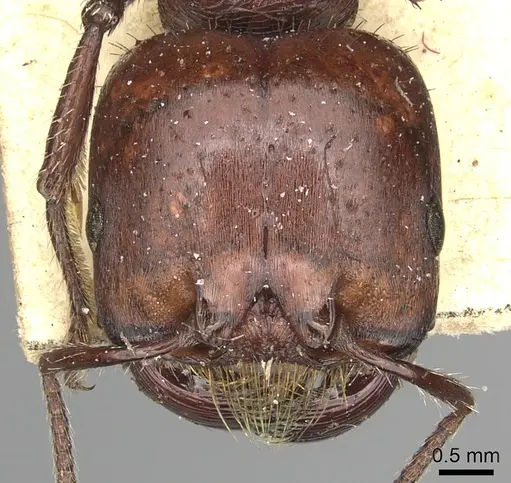
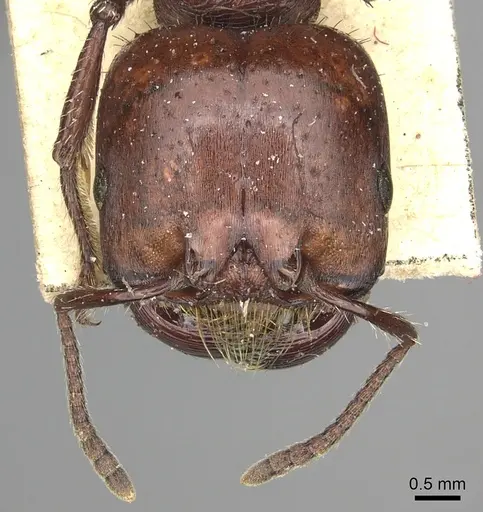
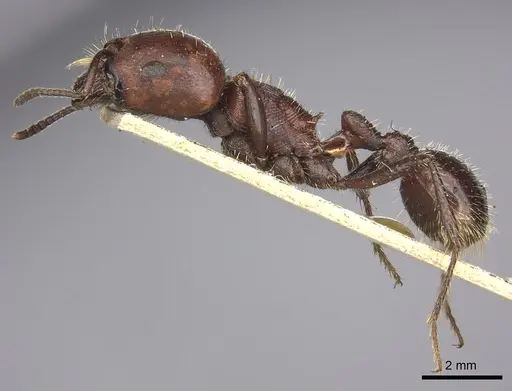
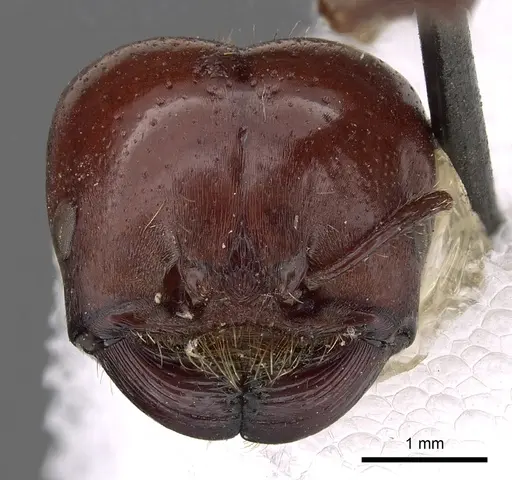
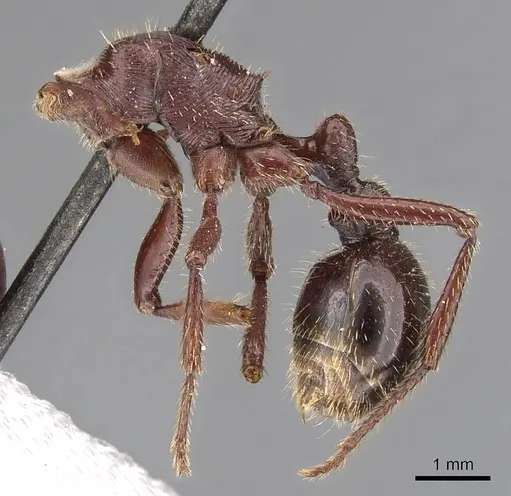
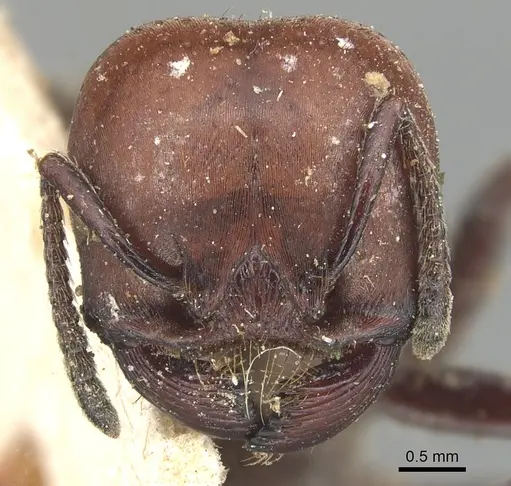
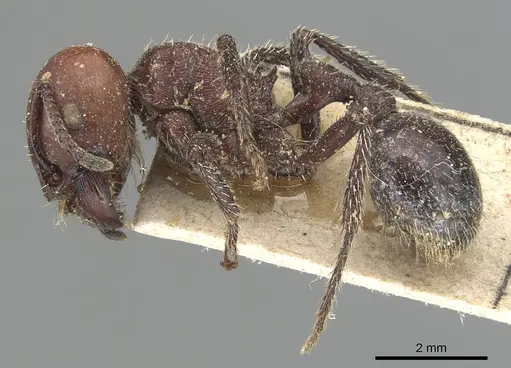
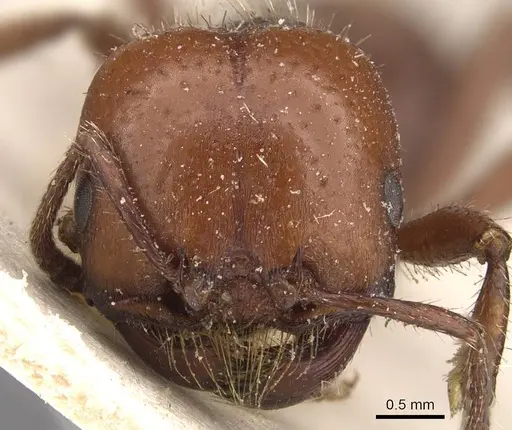
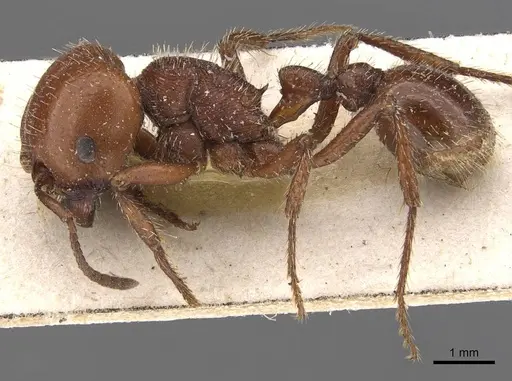
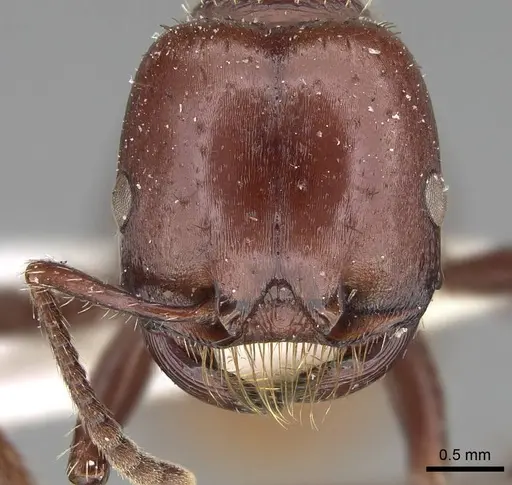
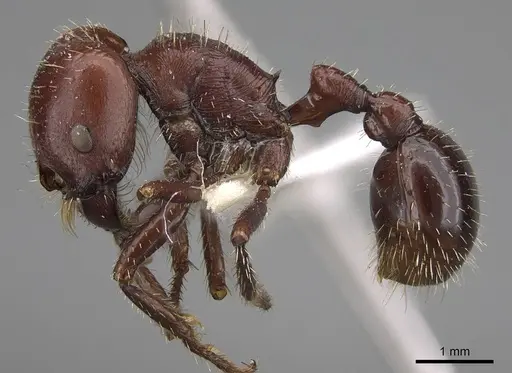
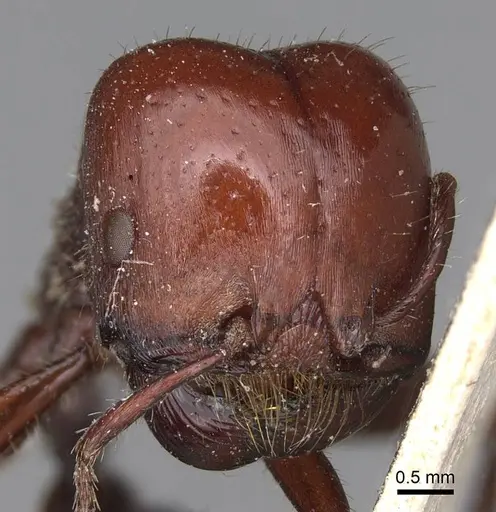
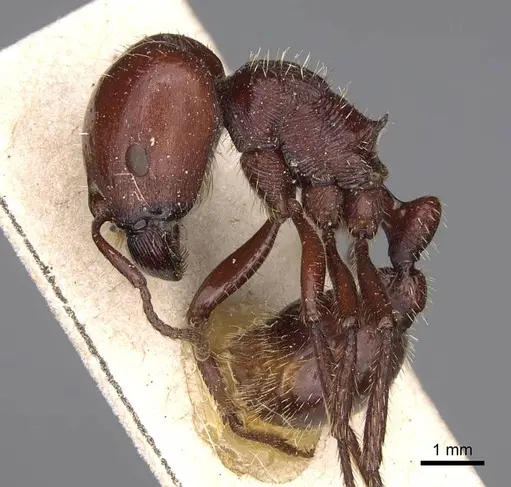
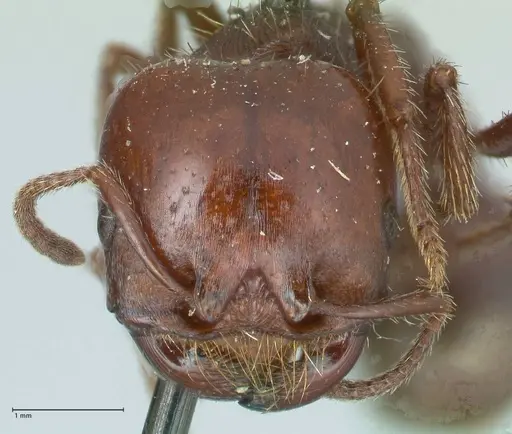
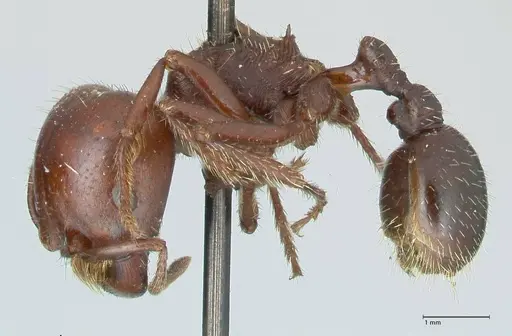
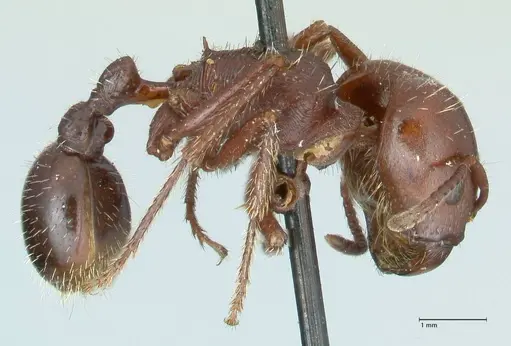
Pogonomyrmex coarctatus is a large, highly polymorphic seed-harvester ant native to Argentina and Uruguay. It is the only polymorphic Pogonomyrmex species in South America . Workers vary greatly in size from minors to supermajors, but exact body size measurements are not available in the research . Colonies can reach approximately 2000 workers . These ants are known for seed-harvesting behavior, with foragers forming loose columns and climbing vegetation to cut seeds . What makes P. coarctatus stand out is their graded polymorphism with supermajors, showing a continuous size range . They nest in small ground holes with tumuli up to 10-15cm in diameter, often in open, sunny locations .
Quick Summary
- Difficulty: Medium
- Origin & Habitat: Native to Argentina and Uruguay, found in the Humid Pampas, Espinal ecoregions, and southern portions of the Humid Chaco, Dry Chaco, and Low Monte Desert at elevations of 15-890m [1]. They prefer open, exposed, sunny sites with compacted or sandy soils [2].
- Colony Type: Single-queen colonies (monogyne). Queens are polyandrous, mating with multiple males [1].
- Size & Growth:
- Queen: Size data unavailable, no total length measurements in research.
- Worker: Highly polymorphic, but exact body size data unavailable.
- Colony: Up to 2000 workers [1].
- Growth: Moderate, inferred from genus patterns.
- Development: Unknown, no direct data on development time for this species. (Development time may vary with temperature, based on genus patterns, estimated 6-10 weeks at optimal conditions.)
- Antkeeping:
- Behavior: Temperament varies by caste, minor workers are more timid, while supermajors are aggressive and will defend the colony vigorously. All castes can bite, and Pogonomyrmex ants have potent stings [3]. They are diurnal foragers, actively hunting for seeds during warm daylight hours. Workers form loose columns when foraging and will climb vegetation to cut seeds. Escape risk is moderate, their large size makes them easier to contain, but supermajors can squeeze through small gaps. Use standard escape prevention.
- Common Issues: colonies often fail if kept too humid, they come from dry, open habitats and excess moisture causes fungal problems., supermajors can be aggressive and deliver painful stings, handle with caution during colony disturbances., slow founding phase means beginners may lose patience, queens may take months before first workers emerge., wild-caught colonies may have parasites that kill them in captivity., overfeeding seeds can lead to mold problems in the nest.
Nest Preferences and Housing
In the wild, Pogonomyrmex coarctatus nests in small holes in the ground with a characteristic tumulus (dirt mound) that can reach 10-15cm in diameter [1]. They prefer open, exposed sites with compacted or sandy soils, this is a species of sunny grasslands, not shaded forests [2]. For captive care, Y-tong (AAC) nests work well because they provide the dry conditions these ants prefer. Alternatively, you can use a naturalistic setup with a digging chamber filled with a sandy or compacted soil mixture. The key is keeping humidity low, these ants are arid climate specialists and will struggle in damp conditions. Provide a water tube for drinking but avoid creating a humid microclimate in the nest chamber itself. Given their colony size of up to 2000 workers, plan for a nest that can accommodate significant growth.
Feeding and Diet
As seed-harvester ants, their primary diet in the wild consists of seeds they collect from vegetation, workers actively climb plants to cut seeds directly from the seed heads [1]. They also likely consume insects and other small arthropods for protein. In captivity, offer a mix of seeds appropriate for their size (grass seeds, millet, sunflower seeds chopped small). For protein, offer insects like mealworms, crickets, or other small arthropods. Unlike some Pogonomyrmex species that are strictly granivorous, P. coarctatus appears to have a more varied diet. Offer protein sources 1-2 times per week, and keep seeds available constantly. Remove any uneaten seeds to prevent mold. They do not need sugar water as their primary energy source, seeds provide carbohydrates.
Temperature and Seasonal Care
Pogonomyrmex coarctatus comes from warm temperate to subtropical regions of Argentina and Uruguay, they need warm conditions for optimal activity and brood development [2]. These are arid climate specialists adapted to sunny, open habitats, so they do best with a heat source that simulates full sun. A heating cable placed on one side of the nest creates a temperature gradient they can choose from. During the active season (spring through fall), maintain warm temperatures consistently. In winter, they require a diapause period, reduce temperatures to 15-18°C for 2-3 months. This mimics their natural seasonal cycle in the Southern Hemisphere. Do not skip hibernation as it is important for colony health and triggering reproductive cycles. Mating flights in the wild occur in December (Southern Hemisphere summer), so timing your warming cycle accordingly helps encourage reproductive behavior.
Behavior and Defense
This species exhibits graded polymorphism, workers range continuously from small minors through large majors to massive supermajors, all with the same body proportions [1]. Minor workers are more timid and handle most foraging duties, while supermajors serve as defenders and may help process larger seeds. When threatened, supermajors will aggressively defend the nest. Pogonomyrmex ants are known for their potent stings, the sting pain level is significant, comparable to a wasp sting [3]. Handle colony maintenance with caution, especially when dealing with supermajors. Foragers are active during daylight hours and form loose columns when harvesting seeds. They will readily climb enclosure walls and vegetation to reach food sources. Escape prevention is important but not as critical as with tiny ants, their larger size makes them easier to contain, though supermajors can still squeeze through small gaps.
Colony Founding and Development
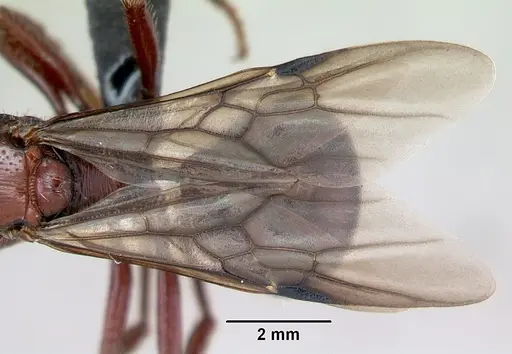
Founding behavior for Pogonomyrmex coarctatus is unconfirmed, the research does not specify whether queens are claustral or semi-claustral [1]. Mating flights occur in late December, with foundresses (newly mated queens) collected from the ground in late January [1]. Queens are polyandrous, meaning they mate with multiple males, which increases genetic diversity in the colony [1]. A single queen can live for many years, and colonies can grow to approximately 2000 workers [1]. The founding phase can be slow, expect several months before the first workers emerge. Be patient and do not disturb the queen during this critical period. Once the colony establishes, growth is moderate but steady.
Frequently Asked Questions
How long does it take for Pogonomyrmex coarctatus to go from egg to first worker?
The exact development time is unknown for this species, but based on typical Pogonomyrmex genus patterns, it may take 6-10 weeks at optimal temperature.
Can I keep multiple Pogonomyrmex coarctatus queens together?
No, this species is monogyne (single-queen colonies). Multiple queens will fight until only one remains [1].
Do Pogonomyrmex coarctatus ants sting?
Yes, they can sting and the pain is significant, comparable to a wasp sting. Supermajors are particularly aggressive defenders [3].
What do I feed Pogonomyrmex coarctatus?
They are seed-harvesters, offer various small seeds (millet, grass seeds, chopped sunflower seeds) as their primary food. For protein, offer insects like mealworms, crickets, or other small arthropods 1-2 times per week [1].
What temperature do Pogonomyrmex coarctatus need?
Keep them warm at 24-28°C, based on their arid climate specialization [2].
Do Pogonomyrmex coarctatus need hibernation?
Yes, they require a winter diapause. Reduce temperatures to 15-18°C for 2-3 months, based on mating flights in December [1].
Are Pogonomyrmex coarctatus good for beginners?
Based on their care needs, they are medium difficulty, not the easiest but not the hardest. The main challenges are their need for low humidity, potent stings, and a slow founding phase that requires patience.
How big do Pogonomyrmex coarctatus colonies get?
Colonies reach approximately 2000 workers at maturity [1].
What makes Pogonomyrmex coarctatus special compared to other Pogonomyrmex?
P. coarctatus is the only polymorphic Pogonomyrmex species in South America, it has supermajors (very large workers) unlike all other South American congeners which are monomorphic or only moderately polymorphic [1].
When do Pogonomyrmex coarctatus have nuptial flights?
Mating flights occur in late December in their native range (Southern Hemisphere). Mating has been observed during late morning on sunny, windless days [1].
Report an Issue
The current care sheet is based fully on literature. See inconsistencies, or something that's incorrect? Please , it will be resolved after review from an admin. Contributing to the blogs tab also helps providing information, to make us be able to further improve the caresheets. Thank you for your support!
References

This caresheet is licensed under CC BY-SA 4.0 .
Community Blogs
CASENT0103065
View on AntWeb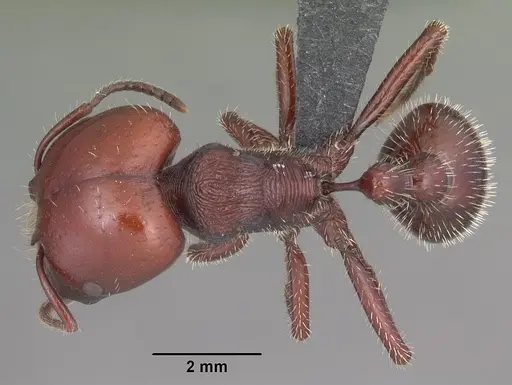
CASENT0172632
View on AntWeb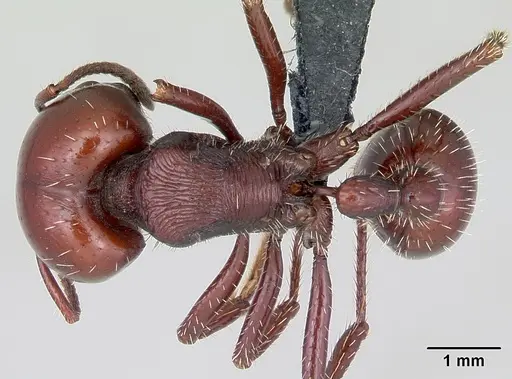
CASENT0172633
View on AntWeb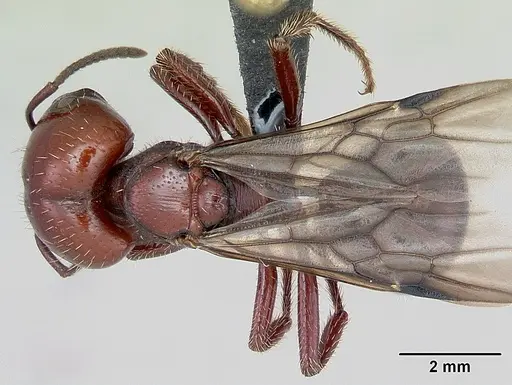
CASENT0172634
View on AntWeb
CASENT0173344
View on AntWeb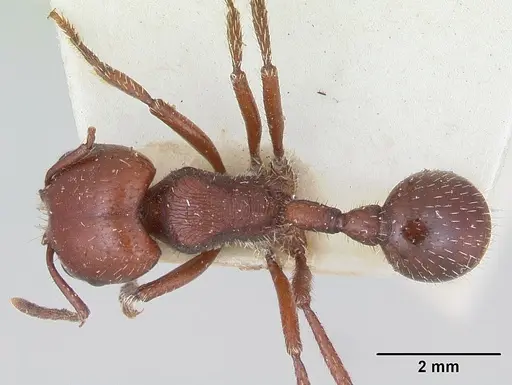
CASENT0173345
View on AntWeb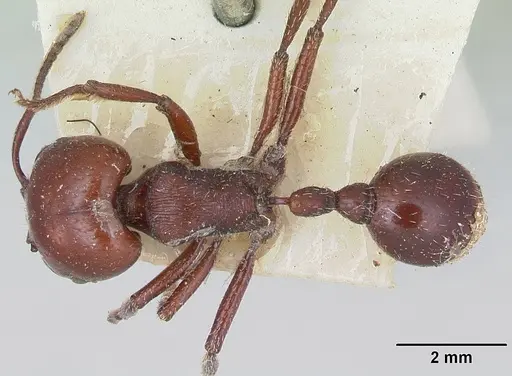
CASENT0173360
View on AntWeb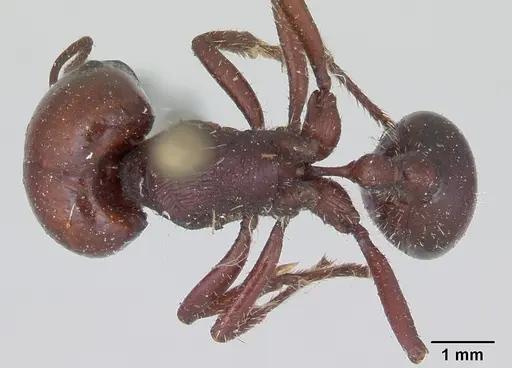
CASENT0173362
View on AntWeb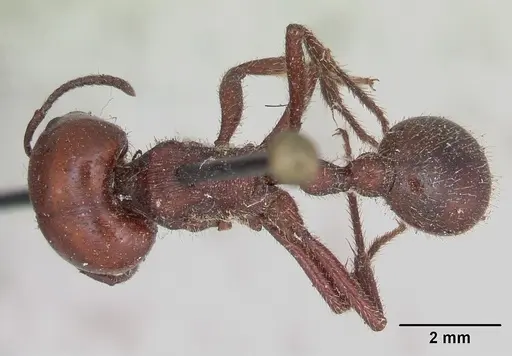
CASENT0173364
View on AntWeb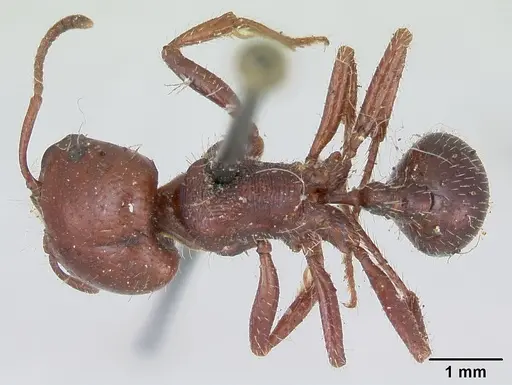
CASENT0173368
View on AntWeb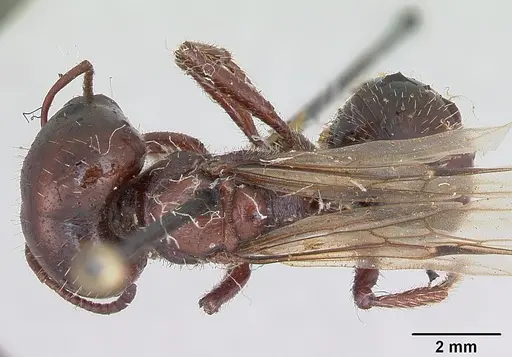
CASENT0249049
View on AntWeb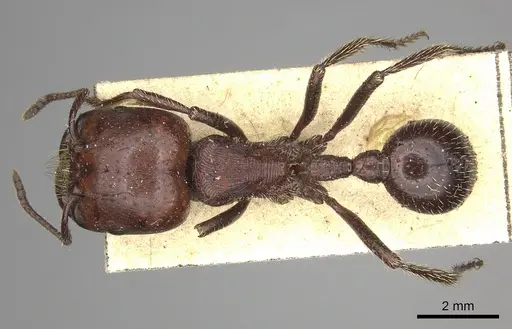
CASENT0900387
View on AntWeb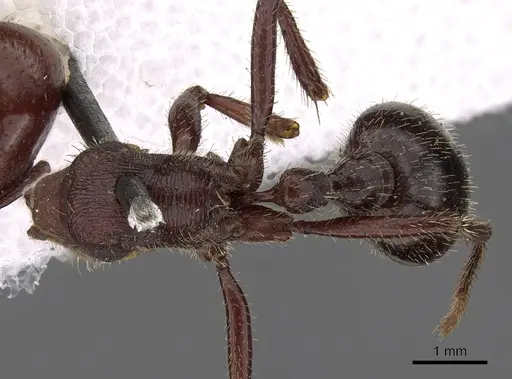
CASENT0904101
View on AntWeb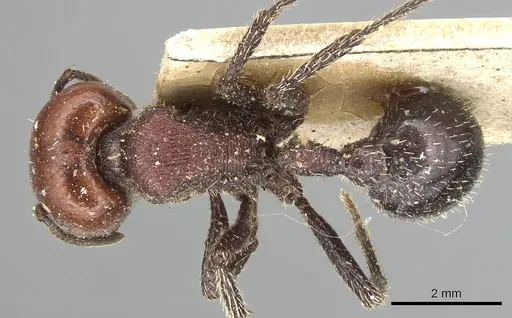
CASENT0907667
View on AntWeb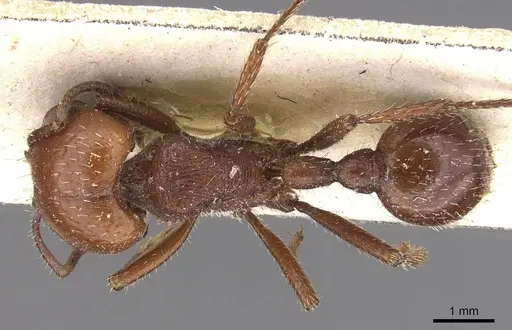
CASENT0914114
View on AntWeb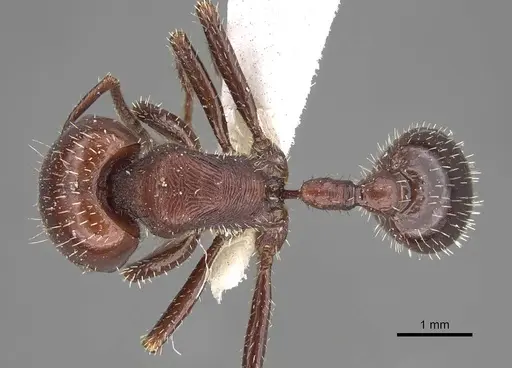
CASENT0914199
View on AntWeb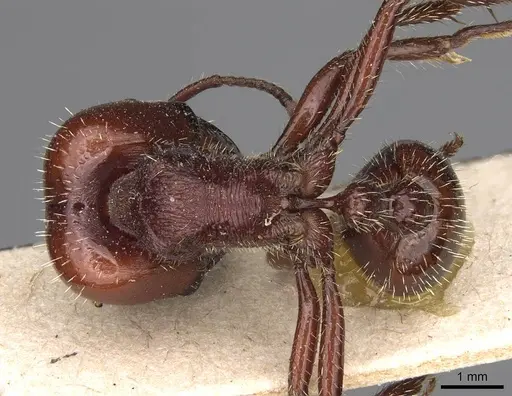
FOCOL1213
View on AntWeb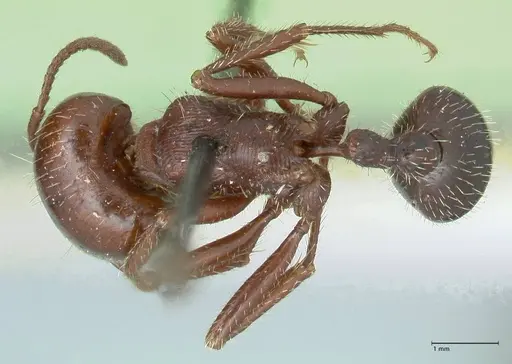
Literature
Loading distribution map...Loading products...