
Pogonomyrmex catanlilensis
- Sci. Name
- Pogonomyrmex catanlilensis
- Tribe
- Pogonomyrmecini
- Subfamily
- Myrmicinae
- Author
- Gallardo, 1931
- Distribution
- Found in 1 countries
Introduction
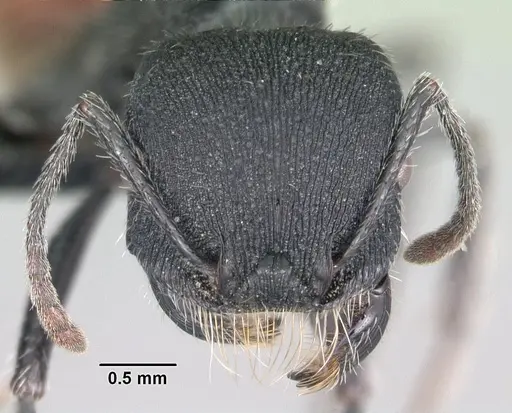
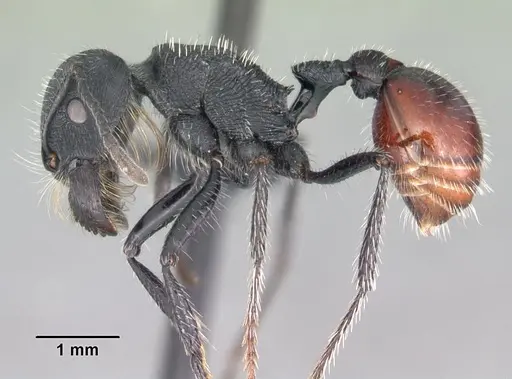
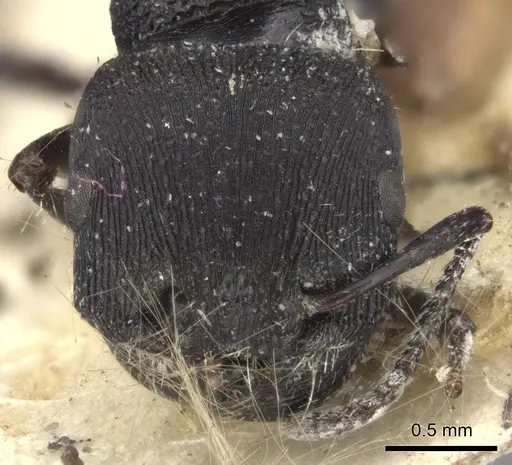
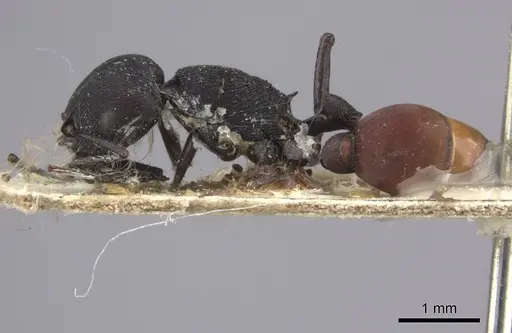
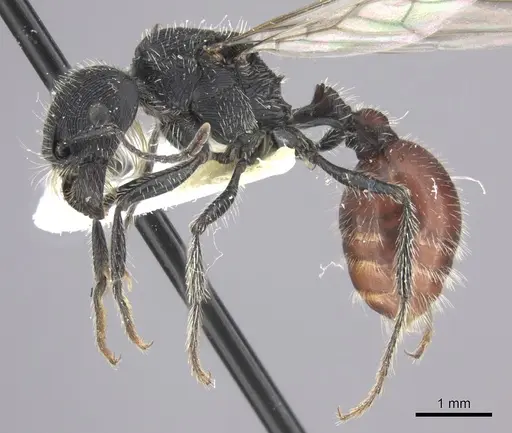
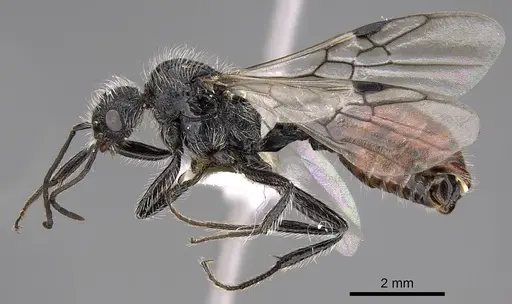
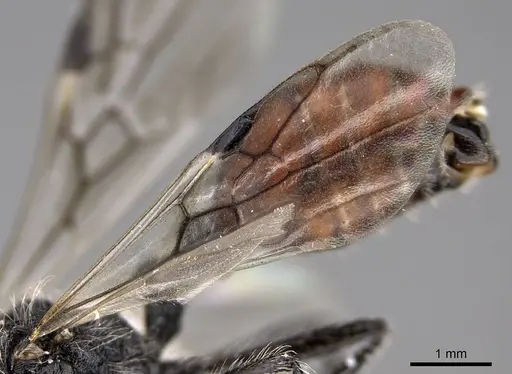
Pogonomyrmex catanlilensis is a seed-harvester ant native to Argentina, found in the Southern Andean and Patagonian steppe regions at elevations between 790 and 1520 meters . Workers and queens are medium-sized for the genus, but specific body length data is unavailable from the research . They build mound nests up to 10-15 cm in diameter, typically in clumps of Stipa grass, under shrubs, or beneath rocks . This species is part of the rastratus group and is a solitary forager that collects seeds as its primary food source . Colonies can grow to approximately 2000 workers, and like other Pogonomyrmex, they have a potent sting for defense .
Quick Summary
- Difficulty: Medium
- Origin & Habitat: Native to Argentina, specifically the Neuquén region in Southern Andean and Patagonian steppe ecoregions, at elevations of 790-1520 meters [1].
- Colony Type: Unconfirmed, research does not specify queen number or social structure.
- Size & Growth:
- Queen: size data unavailable, research provides head measurements but not total body length [1]
- Worker: size data unavailable, research provides head measurements but not total body length [1]
- Colony: Up to approximately 2000 workers [1]
- Growth: Moderate, inferred from typical seed-harvester ant patterns
- Development: Estimated 6-10 weeks based on typical Pogonomyrmex development patterns (Development time is inferred from genus-level data, as species-specific data is not available. Temperature affects speed.)
- Antkeeping:
- Temperature: Keep at 24-28°C during active season, with a thermal gradient for self-regulation
- Humidity: Low to moderate, as they inhabit dry steppe regions, keep nest substrate mostly dry with occasional moisture zones [1]
- Diapause: Yes, likely required based on temperate habitat and seasonal sexual production
- Nesting: Y-tong or plaster nests with dry substrate, mimicking their natural mound-building behavior [1]
- Behavior: Workers are solitary foragers that collect seeds and defend the nest with a potent sting [1]. Escape risk is moderate due to their active foraging nature.
- Common Issues: colonies may fail if kept too humid, these are steppe ants that prefer drier conditions [1], their potent sting makes handling risky, use caution when servicing the nest [1], slow founding phase if queen is disturbed, queens need darkness and quiet during founding, seed storage can mold if humidity is too high, winter dormancy is likely required but timing must be correct to avoid colony loss
Housing and Nest Setup
Use Y-tong or plaster nests with a dry substrate to mimic their natural steppe habitat [1]. Provide compact chambers and a granary area for seed storage, as workers collect seeds [1]. The outworld should have easy access to food and secure barriers to prevent escapes, since workers are active foragers [1].
Feeding and Diet
Offer seeds like millet, chia, and small sunflower seeds as their primary diet [1]. Provide protein from small insects twice weekly and sugar sources like honey water [1]. During founding, queens do not need protein, they rely on fat reserves.
Temperature and Seasonal Care
Maintain 24-28°C during active season with a thermal gradient. For diapause, reduce temperatures to 10-15°C for 2-3 months in winter, based on their temperate habitat. Avoid extreme heat above 30°C. [1]
Behavior and Defense
Workers forage solitarily and will sting if threatened [1]. Move slowly around the nest to minimize defensive responses. Escape risk is moderate, ensure all connections are secure [1].
Colony Development
Colonies reach up to 2000 workers [1]. Growth is moderate, with first workers emerging in 6-10 weeks. Founding takes several months as queens raise brood alone.
Frequently Asked Questions
How long does it take for Pogonomyrmex catanlilensis to produce first workers?
First workers typically emerge 6-10 weeks after eggs are laid, based on typical Pogonomyrmex development patterns.
Do Pogonomyrmex catanlilensis ants sting?
Yes, they have a potent sting and will use it if threatened [1].
What do Pogonomyrmex catanlilensis eat?
They are seed-harvester ants, so seeds form their primary diet [1]. They also need protein from insects and sugar sources [1].
Can I keep multiple Pogonomyrmex catanlilensis queens together?
This is unconfirmed, but most Pogonomyrmex species are single-queen, so combining queens may lead to fighting.
Do Pogonomyrmex catanlilensis need hibernation?
Yes, they likely require a diapause period based on their temperate habitat.
How big do Pogonomyrmex catanlilensis colonies get?
Colonies can reach up to approximately 2000 workers [1].
What humidity level do Pogonomyrmex catanlilensis need?
Keep them on the dry side, as they inhabit steppe regions [1]. Maintain low to moderate humidity with a mostly dry nest substrate.
What temperature is ideal for Pogonomyrmex catanlilensis?
Keep them at 24-28°C during active season, with a thermal gradient.
Are Pogonomyrmex catanlilensis good for beginners?
They are rated medium difficulty due to their sting and specific care needs. Beginners should start with easier species.
When do Pogonomyrmex catanlilensis have nuptial flights?
Sexuals are collected from January 25 to February 27,suggesting nuptial flights likely occur in late January through February [1].
Report an Issue
The current care sheet is based fully on literature. See inconsistencies, or something that's incorrect? Please , it will be resolved after review from an admin. Contributing to the blogs tab also helps providing information, to make us be able to further improve the caresheets. Thank you for your support!
References

This caresheet is licensed under CC BY-SA 4.0 .
Community Blogs
CASENT0102695
View on AntWeb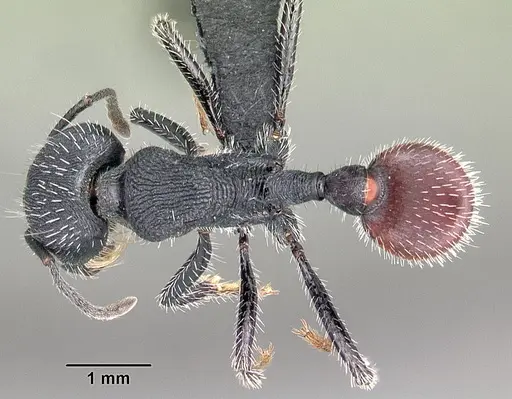
CASENT0235275
View on AntWeb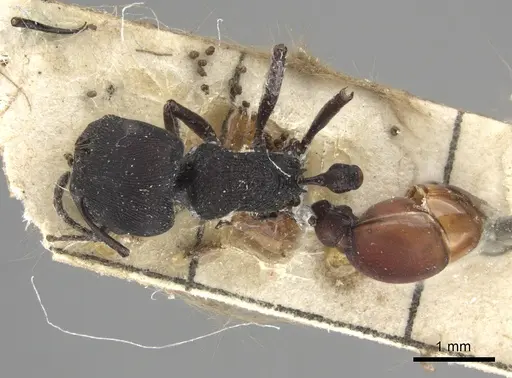
CASENT0235276
View on AntWeb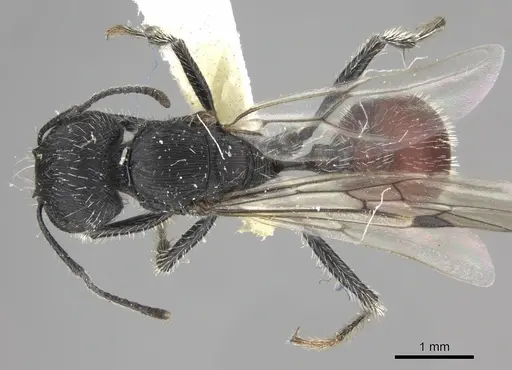
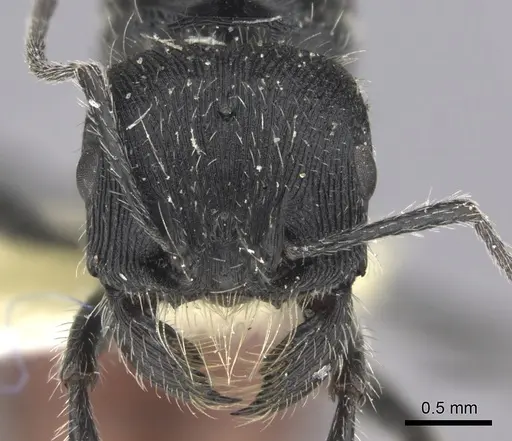
CASENT0914362
View on AntWeb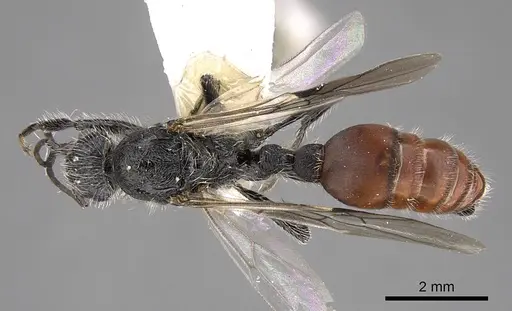
Literature
Loading distribution map...Loading products...