
Pogonomyrmex atacama
- Sci. Name
- Pogonomyrmex atacama
- Tribe
- Pogonomyrmecini
- Subfamily
- Myrmicinae
- Author
- Johnson, 2021
- Distribution
- Found in 0 countries
Introduction
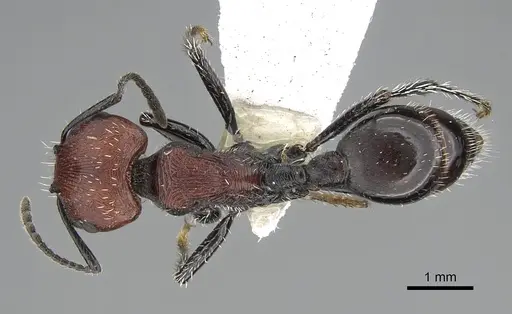
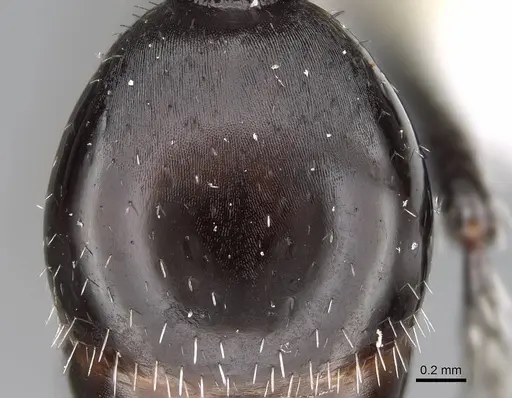
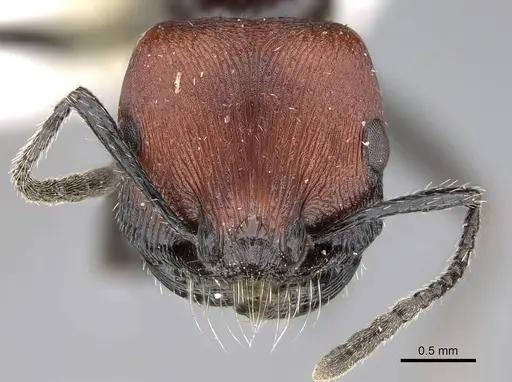
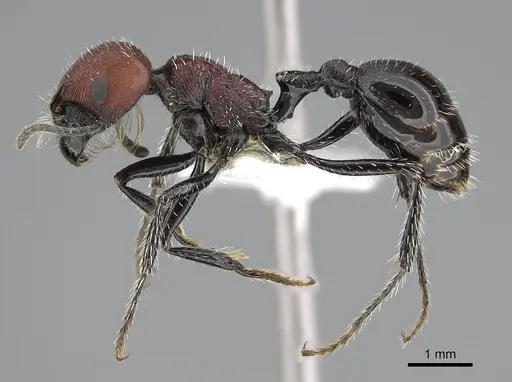
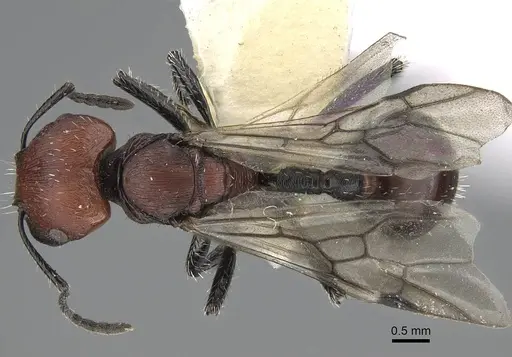
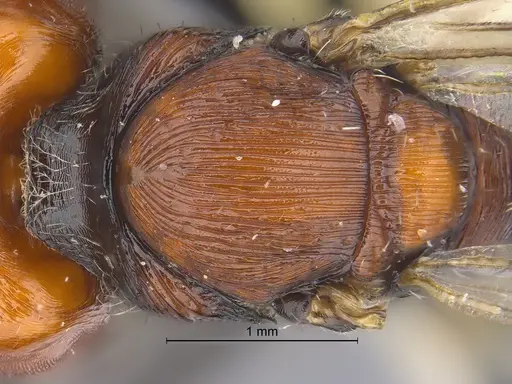
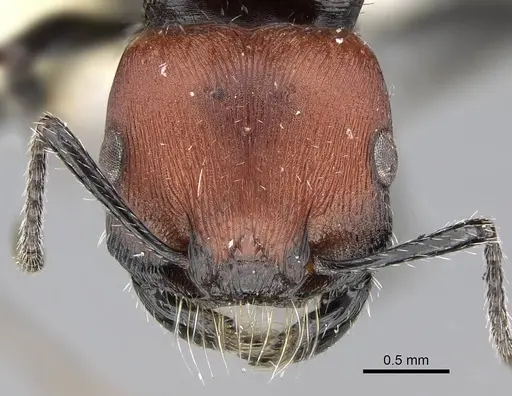
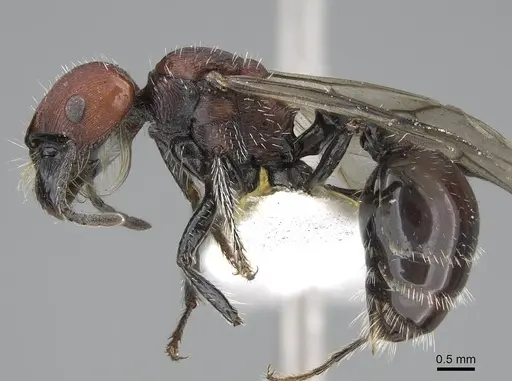
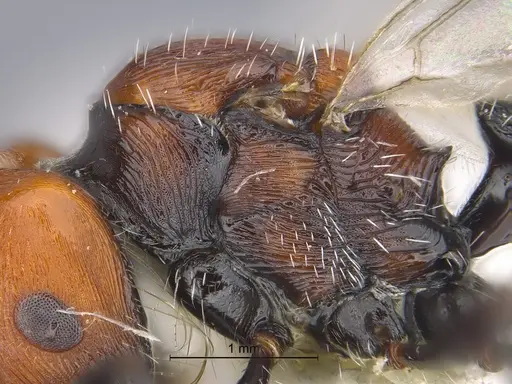
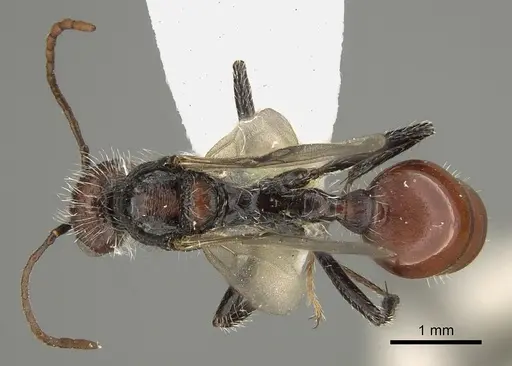
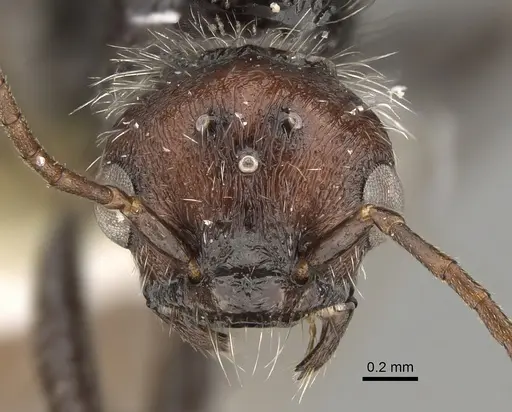
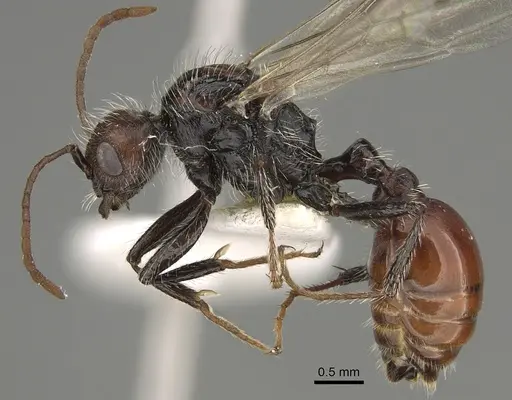
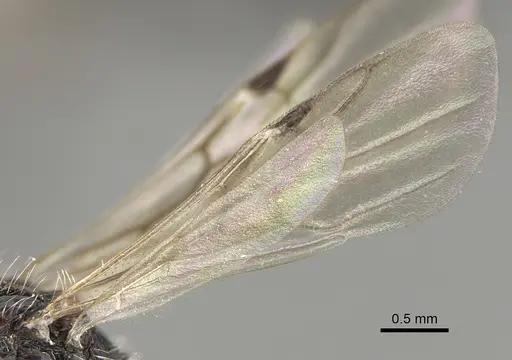
Pogonomyrmex atacama is a medium-sized seed-harvester ant native to the high-altitude deserts of northern Chile. This species inhabits the Central Andean dry puna ecoregion at elevations between 3805-4095 meters . Queens are brachypterous, meaning they have reduced non-functional wings and cannot fly . Colonies build mound nests 15-20 cm in diameter and can grow to around 1000 workers . A unique aspect is that queens mate on the ground rather than during aerial nuptial flights due to their wing-reduced condition .
Quick Summary
- Difficulty: Medium
- Origin & Habitat: Northern Chile, Antofagasta region, in the Central Andean dry puna ecoregion at 3805-4095 meters elevation [1].
- Colony Type: Unconfirmed, research does not specify queen number or social structure.
- Size & Growth:
- Queen: Size data unavailable, no total length measurements provided in research.
- Worker: Size data unavailable, no total length measurements provided in research.
- Colony: Up to 1000 workers [1].
- Growth: Moderate, inferred from typical Pogonomyrmex patterns.
- Development: Unknown, research does not provide an estimate. (Development may be slower due to cold native habitat.)
- Antkeeping:
- Temperature: Keep cool at roughly 18-22°C, based on high-altitude habitat [1].
- Humidity: Low to moderate, dry desert conditions. Keep nest substrate dry to slightly moist [1].
- Diapause: Yes, based on geographic range, provide a winter rest period at cooler temperatures [1].
- Nesting: Provide digging substrate such as sand or soil for mound-building behavior [1].
- Behavior: Workers are solitary foragers, defensive with stingers, and have moderate escape risk due to medium size [1].
- Common Issues: overheating risk due to cold-adapted nature [1]., fungal problems from too much humidity [1]., slow growth may frustrate beginners., brachypterous queens cannot fly, ground mating expected [1]., room temperature may be too warm for this high-altitude species [1].
Housing and Nest Setup
Pogonomyrmex atacama is a digging species that naturally creates mound nests in loose desert soil [1]. For captivity, use Y-tong nests with a sand or soil chamber, or plaster nests with a digging area. Provide substrate they can tunnel through. Keep the nest in a cool location away from direct sunlight and heat sources [1]. A test tube setup works for founding colonies, but transfer to a proper nest once the colony reaches 20-30 workers.
Feeding and Diet
As seed-harvester ants, their primary food is seeds [2]. Offer a variety of seeds including grass seeds, millet, and small bird seed. They also accept protein sources like small insects. Offer seeds constantly as their staple, with protein 2-3 times per week. Remove uneaten seeds periodically to prevent mold.
Temperature and Seasonal Care
Keep the nest at roughly 18-22°C, as this species comes from cold high-altitude habitats [1]. During summer, avoid overheating, use fans or air conditioning if needed. In winter, provide a diapause period at cooler temperatures to simulate their natural seasonal cycle [1].
Behavior and Defense
Workers forage solitarily rather than in trails, searching for seeds across the desert floor [1]. They are defensive and possess a functional stinger, handle with care. Escape risk is moderate, standard barrier methods like fluon work well [1].
Colony Development
Colonies can reach up to 1000 workers in the wild [1]. Growth is moderate. Queens are brachypterous and mate on the ground near the nest entrance [1]. Founding behavior is unconfirmed, research does not specify how queens start colonies.
Frequently Asked Questions
How long does it take for Pogonomyrmex atacama to produce first workers?
The research does not provide an estimate for egg-to-worker timeline. Development may be slower due to their cold-adapted nature.
What temperature do Pogonomyrmex atacama ants need?
Keep them cool at roughly 18-22°C, based on their high-altitude habitat [1].
Do Pogonomyrmex atacama ants sting?
Yes, they can sting and will defend their nest if threatened [1]. Handle carefully.
What do Pogonomyrmex atacama ants eat?
They are seed-harvesters, so seeds should be their primary food [2]. They also accept small insects for protein.
Can I keep multiple Pogonomyrmex atacama queens together?
Not recommended, as the colony type is unconfirmed. Combining unrelated queens has not been studied and could result in fighting.
Do Pogonomyrmex atacama need hibernation?
Yes, based on their geographic range, provide a winter diapause at cooler temperatures [1].
How big do Pogonomyrmex atacama colonies get?
Up to 1000 workers in mature colonies [1]. Growth is moderate.
Why can't my Pogonomyrmex atacama queen fly?
This is normal, queens are brachypterous, meaning they have reduced non-functional wings and mate on the ground [1].
Are Pogonomyrmex atacama good for beginners?
Medium difficulty. The main challenge is providing cool temperatures year-round and managing hibernation properly.
When should I move Pogonomyrmex atacama to a formicarium?
Move from test tube to a proper nest once the colony reaches 20-30 workers, ensuring the new setup has digging substrate.
Report an Issue
The current care sheet is based fully on literature. See inconsistencies, or something that's incorrect? Please , it will be resolved after review from an admin. Contributing to the blogs tab also helps providing information, to make us be able to further improve the caresheets. Thank you for your support!
References

This caresheet is licensed under CC BY-SA 4.0 .
Community Blogs
Literature
Loading distribution map...Loading products...