
Pogonomyrmex apache
- Sci. Name
- Pogonomyrmex apache
- Tribe
- Pogonomyrmecini
- Subfamily
- Myrmicinae
- Author
- Wheeler, 1902
- Distribution
- Found in 2 countries
Introduction
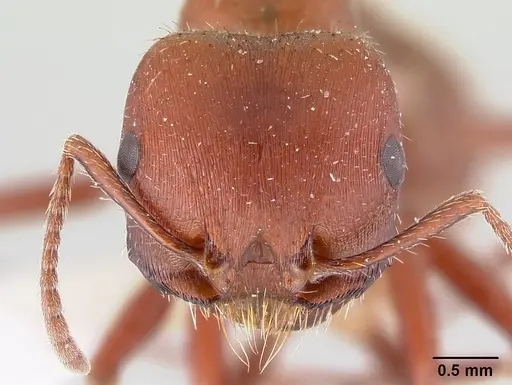
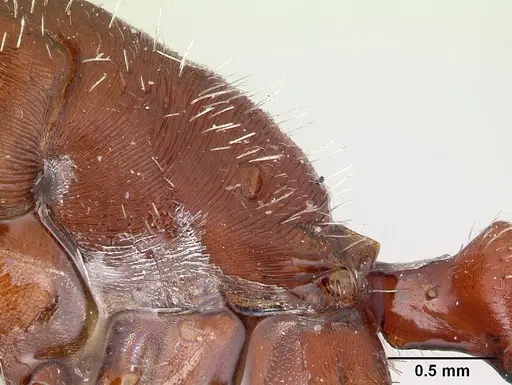
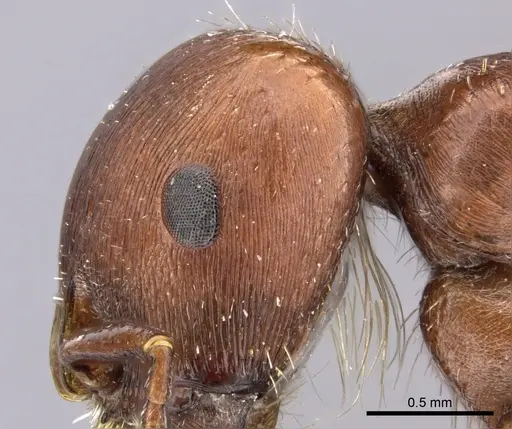
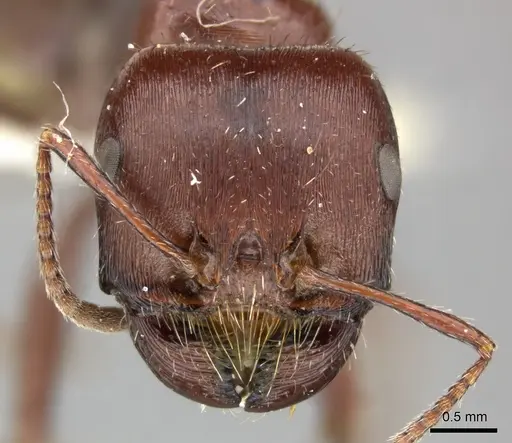
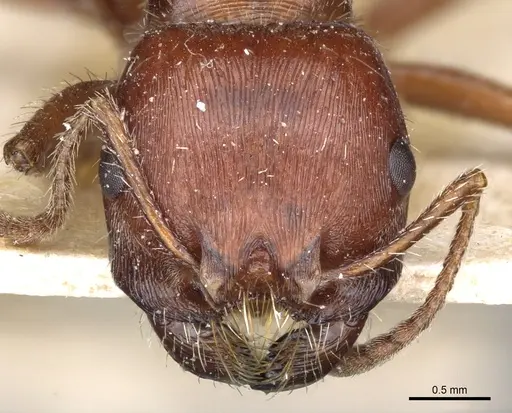
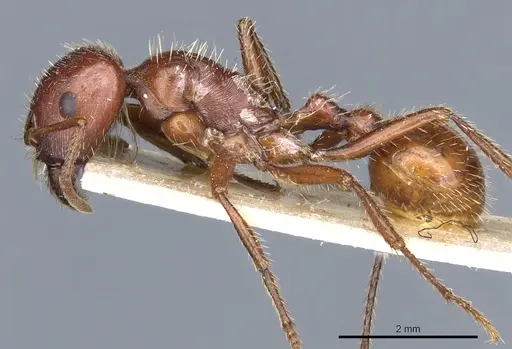
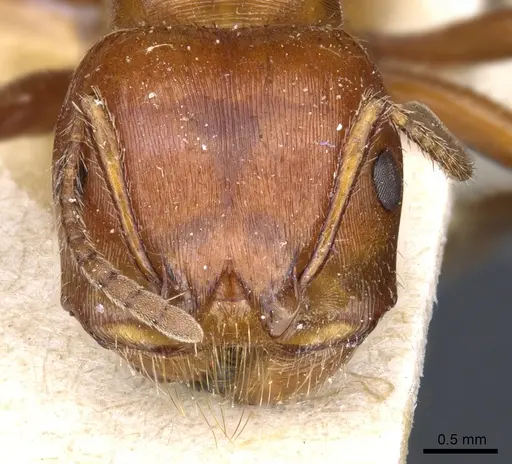
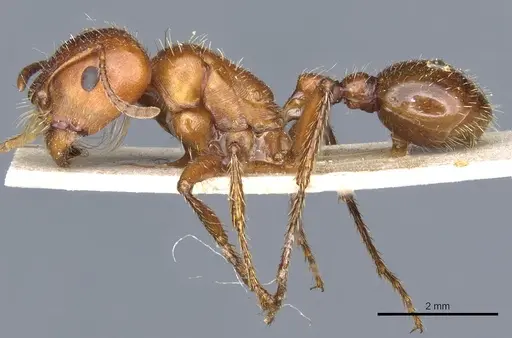
Pogonomyrmex apache is a small harvester ant native to the American Southwest and northern Mexico. Workers are reddish-brown with a distinctive short propodeal declivity, helping identification . Colonies nest in stony soils, sometimes building small crater mounds in sandy areas, and remain small with up to a few hundred workers . This species stands out for its docile temperament compared to other Pogonomyrmex, and its workers forage in an erratic, hesitating manner rather than with confident strides .
Quick Summary
- Difficulty: Medium
- Origin & Habitat: Desert regions of the American Southwest: western Texas, southwestern Colorado, southwestern New Mexico, southern Arizona, and southern Nevada, plus northern Mexico (Sonora, Chihuahua, Durango). They live in creosotebush scrub, desert grasslands, and sagebrush [1][2].
- Colony Type: Colony structure is unconfirmed from research, but colonies are small with up to a few hundred workers [1].
- Size & Growth:
- Queen: Size data unavailable, no total length measurements provided in research.
- Worker: Size data unavailable, no total length measurements provided in research.
- Colony: Up to a few hundred workers [1].
- Growth: Moderate, inferred from small colony size.
- Development: Unknown, no specific data available for this species. (Development time may vary with temperature, no research data confirmed.)
- Antkeeping:
- Temperature: Keep warm, around 24-30°C, based on desert habitat [1].
- Humidity: Low humidity, keep nest substrate dry to mimic natural conditions [1].
- Diapause: Unknown, no research data on hibernation for this species.
- Nesting: Prefer dry, stony soils, provide sandy areas for natural crater building [1][2].
- Behavior: Workers are docile and not aggressive, rarely stinging [1]. They forage solitarily with limited recruitment, searching for seeds at an erratic pace [3]. Escape risk is moderate due to small size, standard prevention measures are sufficient.
- Common Issues: slow colony growth requires patience, don't expect rapid expansion., prone to mold in humid conditions, keep nesting area dry., solitary foraging may lead to slow food discovery, scatter seeds widely., no hibernation data, monitor colony health through seasons.
Nest Preferences and Housing
Pogonomyrmex apache nests in stony soils throughout their desert range. In captivity, use a naturalistic setup with sand-clay substrate or Y-tong/plaster nests designed for desert species [1]. Keep the nesting area dry to prevent mold, and provide a small water tube for drinking. Some colonies build small crater mounds in sandy soil, so include a sandy area in the outworld [1][2].
Feeding and Diet
As seed-harvesting ants, they primarily collect and store seeds [4]. Offer a variety of small seeds like millet, sesame, and flax. They are solitary foragers, so scatter seeds throughout the outworld rather than clumping them [3]. They also accept protein sources like small insects and sugar water for energy.
Temperature and Seasonal Care
These desert ants thrive at warm temperatures between 24-30°C. Provide a temperature gradient using a heating cable on one side. Hibernation data is unknown, so monitor colony behavior through seasons. [1]
Behavior and Temperament
Workers are notably docile and not aggressive, rarely stinging [1]. They forage solitarily with limited recruitment, moving in an erratic, hesitating manner [3]. This makes them interesting to observe but means food discovery may be slower.
Colony Development
Colonies remain small, up to a few hundred workers [1]. Growth rate is moderate, and development timeline is unknown. Patience is key, as full maturity may take time.
Frequently Asked Questions
How long does it take for Pogonomyrmex apache to produce first workers?
No specific data is available for this species. Development time may vary with temperature, but expect it to take several weeks to months.
What do Pogonomyrmex apache eat?
They are seed-harvesters, offer various small seeds as their primary food. They also accept small insects and sugar water [4].
How big do Pogonomyrmex apache colonies get?
Colonies remain small, up to a few hundred workers [1].
Do Pogonomyrmex apache need hibernation?
Hibernation data is unknown for this species. Monitor colony health and adjust care based on behavior.
Are Pogonomyrmex apache good for beginners?
They are rated medium difficulty due to specific humidity needs and unknown hibernation requirements. Docile nature makes them manageable, but experience helps.
Can I keep multiple Pogonomyrmex apache queens together?
Colony type is unconfirmed, but combining unrelated queens is not recommended as it could result in fighting.
What is the best nest type for Pogonomyrmex apache?
A naturalistic setup with sandy/stony substrate or Y-tong/plaster nests works well for these desert species [1].
Why does my Pogonomyrmex apache colony seem slow to find food?
This is normal, they forage solitarily with limited recruitment [3]. Workers search independently, so scatter food widely and be patient.
Where is Pogonomyrmex apache found in the wild?
They live in the American Southwest and northern Mexico, in habitats like creosotebush scrub and desert grasslands [1][2].
Report an Issue
The current care sheet is based fully on literature. See inconsistencies, or something that's incorrect? Please , it will be resolved after review from an admin. Contributing to the blogs tab also helps providing information, to make us be able to further improve the caresheets. Thank you for your support!
References

This caresheet is licensed under CC BY-SA 4.0 .
Community Blogs
CASENT0006284
View on AntWeb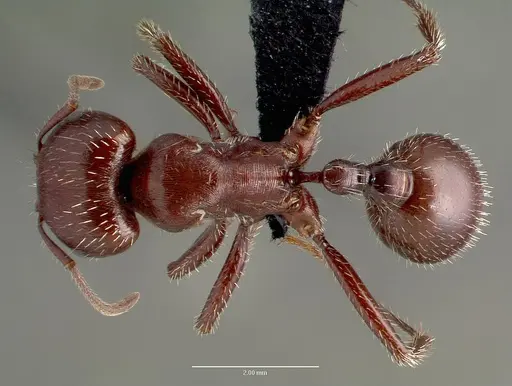
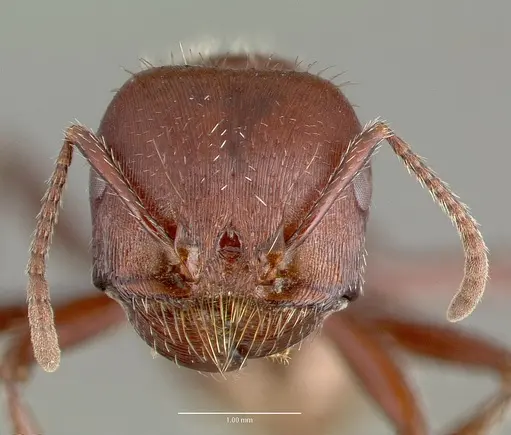
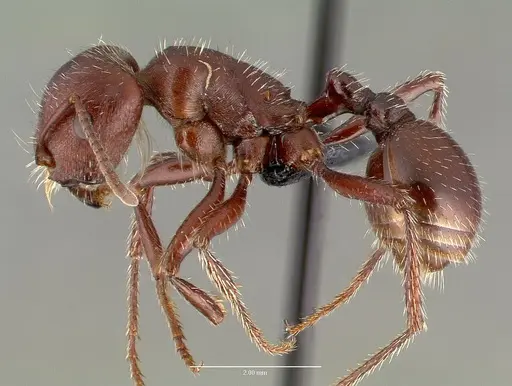
CASENT0105653
View on AntWeb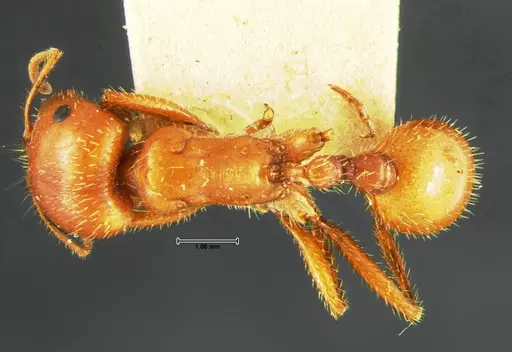
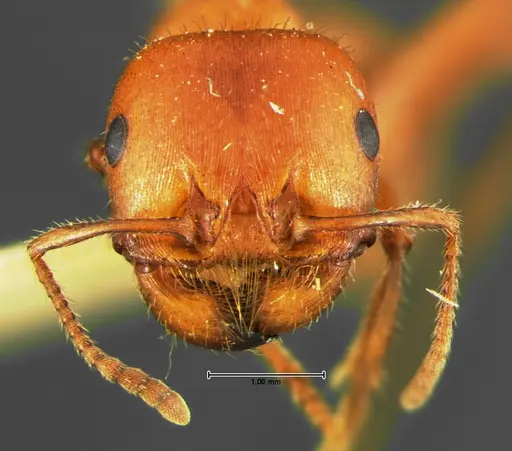
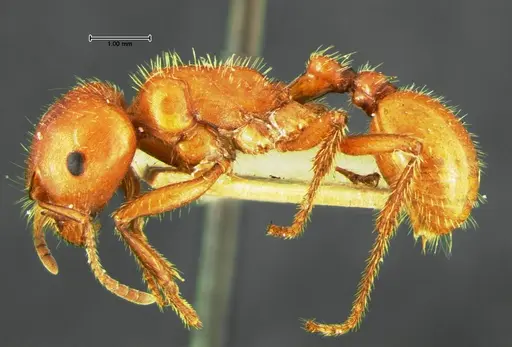
CASENT0178910
View on AntWeb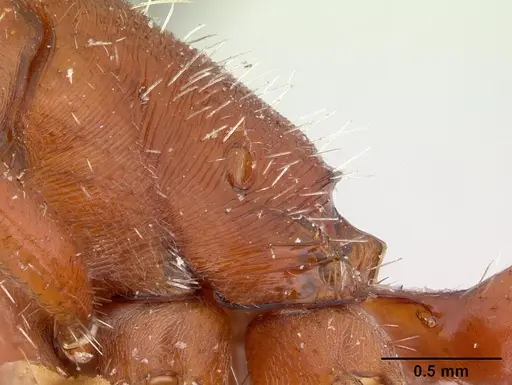
CASENT0178911
View on AntWeb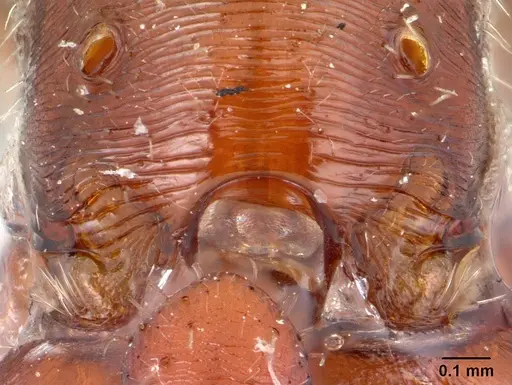
CASENT0217275
View on AntWeb
CASENT0217276
View on AntWeb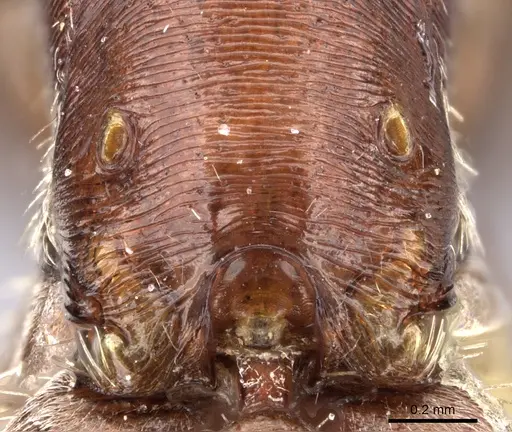
CASENT0235313
View on AntWeb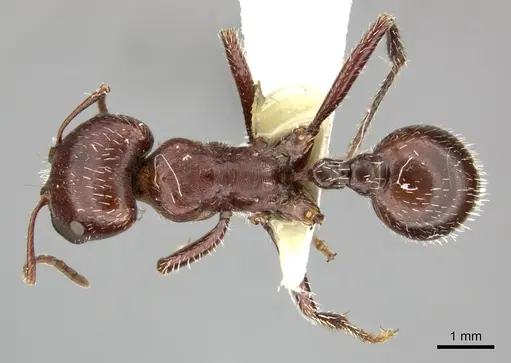
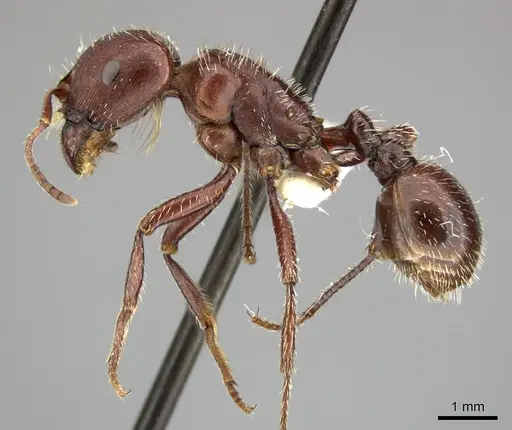
CASENT0619958
View on AntWeb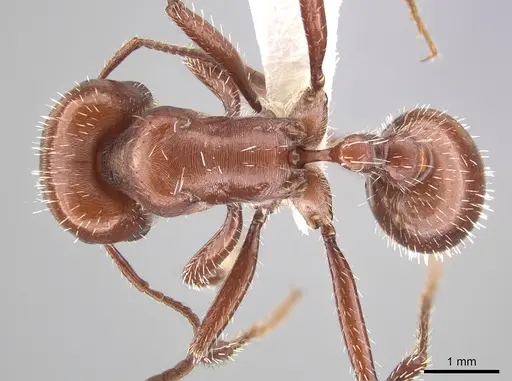
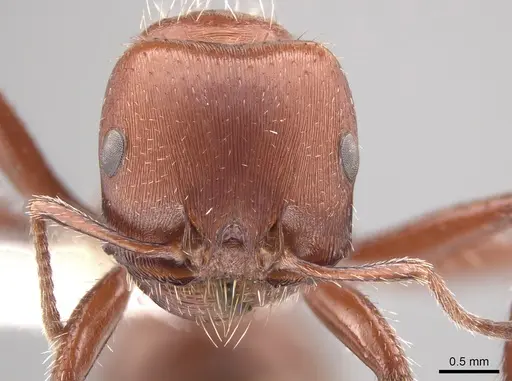
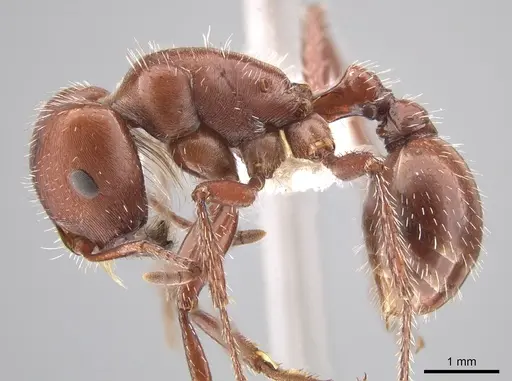
CASENT0904114
View on AntWeb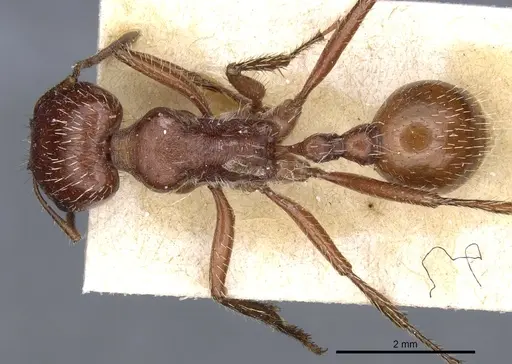
CASENT0904117
View on AntWeb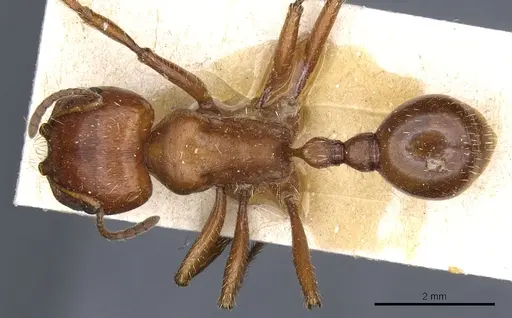
Literature
Loading distribution map...Loading products...