
Podomyrma ruficeps
- Sci. Name
- Podomyrma ruficeps
- Tribe
- Crematogastrini
- Subfamily
- Myrmicinae
- Author
- Smith, 1863
- Distribution
- Found in 1 countries
Introduction
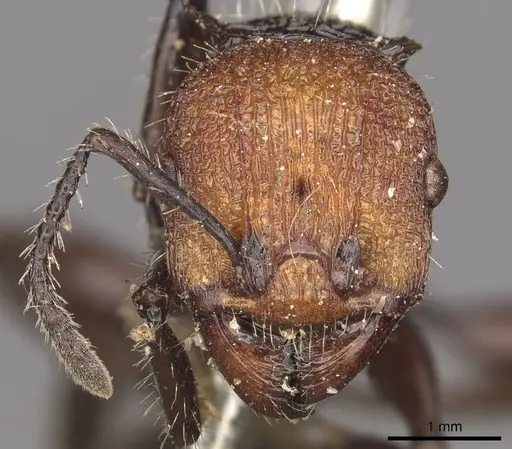
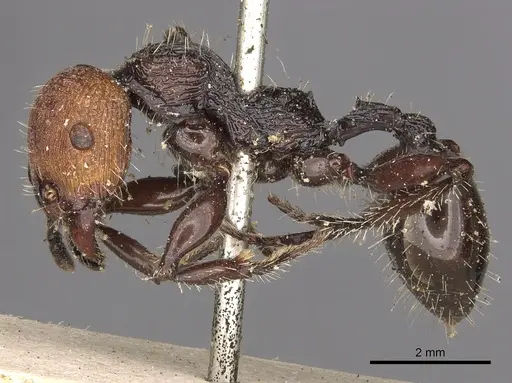
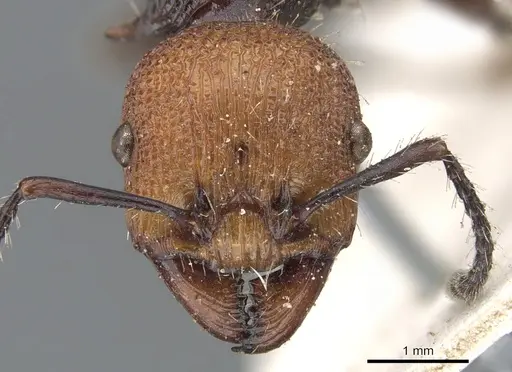
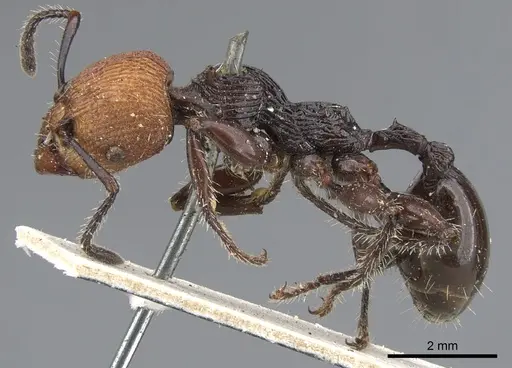
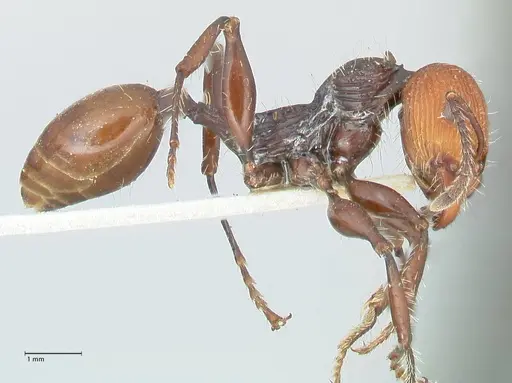
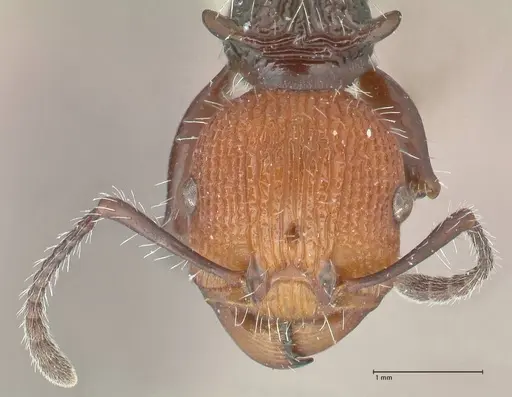
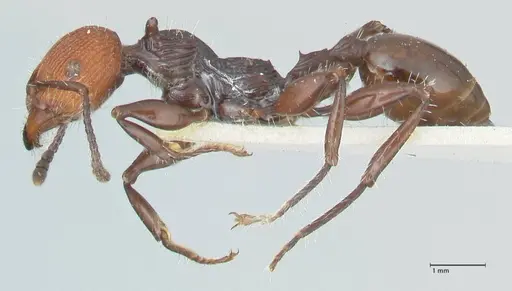
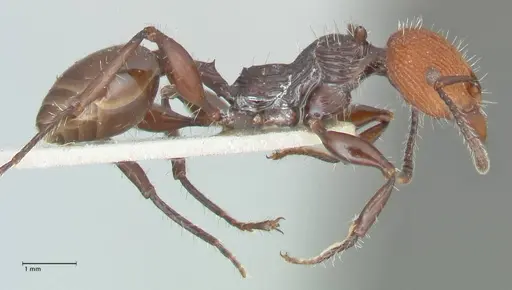
Podomyrma ruficeps was described from Mysol Island in the Moluccas, Indonesia . This species is part of the Podomyrma genus, which contains about 30 species across Australasia. Size data for P. ruficeps is not available, but related species are small. Little is known about its specific biology or behavior . Antkeepers must rely on genus-level patterns due to the scarcity of species-specific information.
Quick Summary
- Difficulty: Hard
- Origin & Habitat: Mysol Island, Moluccas, Indonesia, a tropical island environment [1]. Based on genus patterns, likely forested areas with warm, humid conditions [2].
- Colony Type: Unconfirmed, colony structure has not been documented for this species.
- Size & Growth:
- Queen: ~5-7 mm, inferred from Podomyrma genus patterns [2]
- Worker: ~3-5 mm, inferred from Podomyrma genus patterns [2]
- Colony: Up to several hundred workers, estimated from related Podomyrma species [2]
- Growth: Unknown
- Development: Estimated 6-8 weeks, inferred from typical Myrmicinae development [2] (Development is temperature-dependent, warmer conditions may speed up development.)
- Antkeeping:
- Behavior: Temperament is unconfirmed. Based on genus patterns, they are likely moderate foragers with typical ant defenses. Escape risk is high due to small size. Defense mechanism: based on subfamily Myrmicinae, they likely use a smear defense with a modified stinger.
- Common Issues: lack of documented care information makes proper husbandry difficult., specific temperature and humidity requirements are unknown, requiring careful observation., growth rate is unconfirmed, making it difficult to assess colony health., diet preferences are not documented, offer varied foods and observe acceptance., wild-caught colonies may have parasites or diseases with no documented treatment.
Distribution and Natural Habitat
Podomyrma ruficeps is known only from its type locality on Mysol Island, Indonesia [1]. The Moluccas are a tropical archipelago with rich biodiversity. Based on genus patterns, this species likely inhabits forested areas with warm, humid conditions [2]. Specific microhabitat preferences are unknown.
Taxonomy and Related Species
Podomyrma is a genus in the subfamily Myrmicinae, containing about 30 species primarily in Australasia [2]. P. ruficeps is one of the less-documented species, with limited scientific attention since its description in 1863 [1]. Related species show variation in colony size and nesting habits.
Current State of Knowledge
This caresheet reflects the limited available information for Podomyrma ruficeps. The original description provides the type locality but minimal biological details [1]. No subsequent studies have focused on this species, so care recommendations are based on genus-level patterns.
Recommended Care Approach
Given the lack of species-specific data, start with conditions typical of tropical Australasian ants: temperatures around 24-28°C, moist substrate, and humid environment [2]. Use a naturalistic setup like soil or rotting wood nests. Offer a varied diet including protein and sugar sources, and monitor colony response. Adjust conditions based on observation.
Frequently Asked Questions
How do I care for Podomyrma ruficeps ants?
Care is based on genus patterns. Start with warm (24-28°C), humid conditions with moist substrate. Use naturalistic nests and offer varied foods. Monitor and adjust as needed [2].
What do Podomyrma ruficeps ants eat?
Diet is unconfirmed, but based on genus patterns, they likely accept small insects and sugar sources. Offer a varied diet and observe acceptance [2].
How big do Podomyrma ruficeps colonies get?
Colony size is unknown, but related species reach up to several hundred workers [2].
Do Podomyrma ruficeps ants need hibernation?
Diapause is unlikely due to tropical origin, no winter rest period is needed [2].
What temperature do Podomyrma ruficeps need?
Temperature requirements are inferred from tropical origin: aim for 24-28°C [2].
How long does it take for Podomyrma ruficeps to develop from egg to worker?
Development is estimated at 6-8 weeks based on typical Myrmicinae patterns [2].
Are Podomyrma ruficeps good for beginners?
This species is not recommended for beginners due to lack of documented care information and unknown requirements.
Can I keep multiple Podomyrma ruficeps queens together?
Colony structure is unconfirmed, do not attempt combining queens without documented success.
Do Podomyrma ruficeps ants sting?
Stinging behavior is not documented, but based on subfamily Myrmicinae, they likely use a smear defense with a modified stinger.
Where is Podomyrma ruficeps found?
This species was described from Mysol Island in the Moluccas, Indonesia [1].
Report an Issue
The current care sheet is based fully on literature. See inconsistencies, or something that's incorrect? Please , it will be resolved after review from an admin. Contributing to the blogs tab also helps providing information, to make us be able to further improve the caresheets. Thank you for your support!
References

This caresheet is licensed under CC BY-SA 4.0 .
Community Blogs
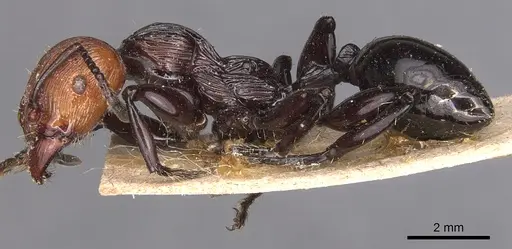
CASENT0901394
View on AntWeb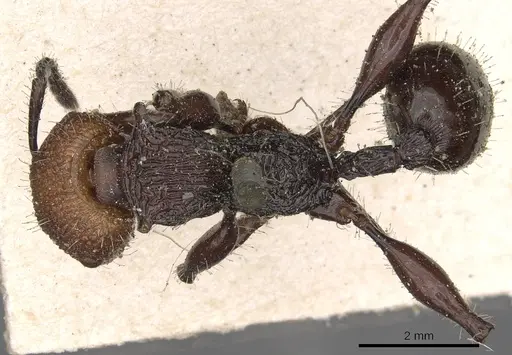
CASENT0902002
View on AntWeb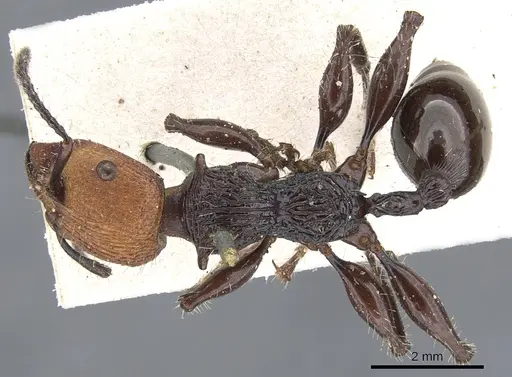
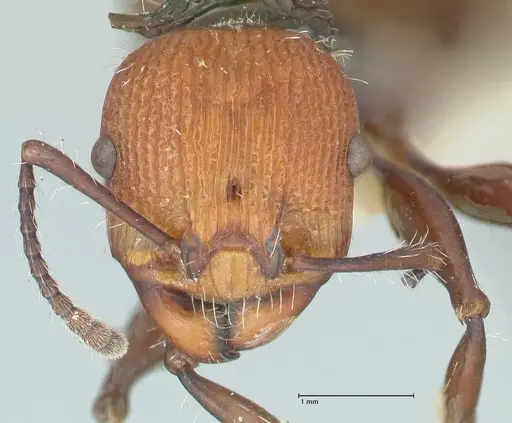
CASENT0904704
View on AntWeb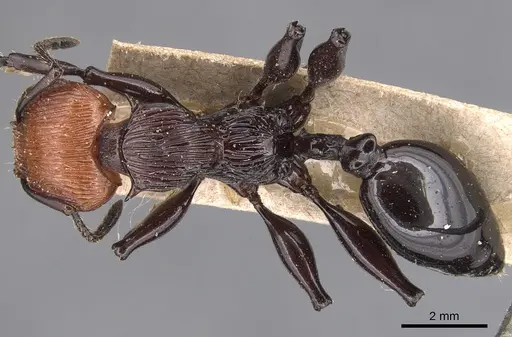
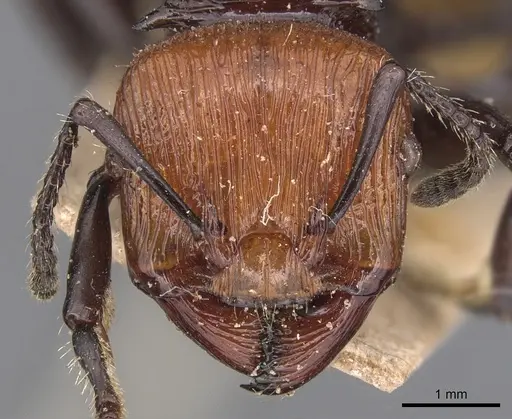
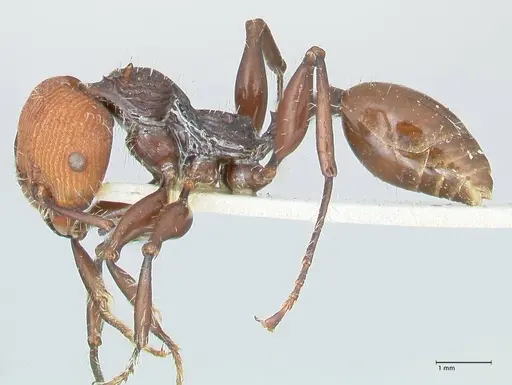
FOCOL2002
View on AntWeb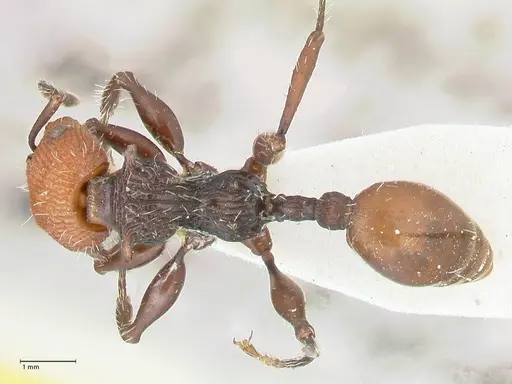
FOCOL2003
View on AntWeb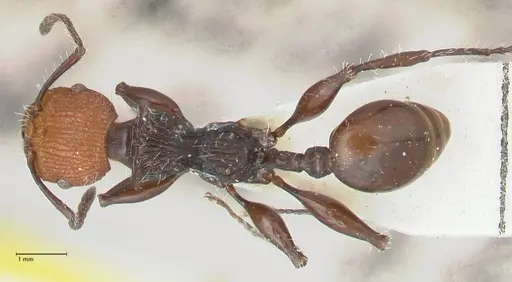
Literature
Loading distribution map...Loading products...