
Podomyrma macrophthalma
- Sci. Name
- Podomyrma macrophthalma
- Tribe
- Crematogastrini
- Subfamily
- Myrmicinae
- Author
- Viehmeyer, 1925
- Distribution
- Found in 1 countries
Introduction
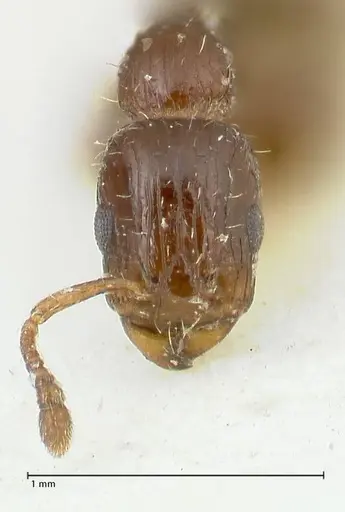
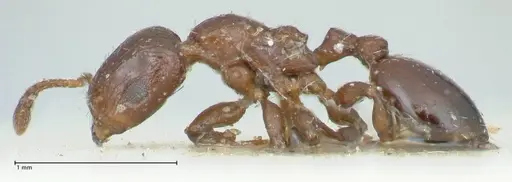
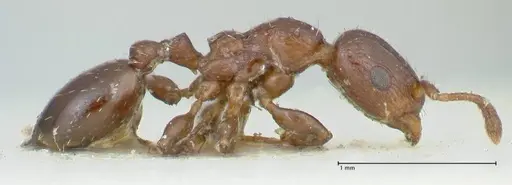
Podomyrma macrophthalma is a very small ant native to Australia, ranging from Western Australia to New South Wales. Workers closely resemble Crematogaster ants in body shape but completely lack the spines or denticles typically found on the node. The propodeal angles are also smooth and unarmed. You can occasionally spot them in suburban Perth climbing on trees or wooden fences . The species belongs to the omniparens species group, which points to generalist feeding habits .
Quick Summary
- Difficulty: Hard
- Origin & Habitat: Western Australia and New South Wales, Australia. Found in suburban areas on trees and wooden fences in the Perth region [1]. Also characterizes mature rehabilitation sites after decades of recovery [2].
- Colony Type: Unconfirmed colony structure. Likely single-queen based on typical Myrmicinae patterns, but no specific studies exist.
- Size & Growth:
- Queen: size data unavailable
- Worker: size data unavailable
- Colony: Unknown
- Growth: Unknown
- Development: Unknown (No direct studies on development timeline. Related ants typically develop in a few weeks under warm conditions.)
- Antkeeping:
- Temperature: Unclear. Based on the Mediterranean climate of Perth, keep them in the low-to-mid 20s Celsius (around 22-26°C). Start at 24°C and watch their activity.
- Humidity: Unclear. Provide a humidity gradient with a mostly dry nest and one small moist area.
- Diapause: Unknown. Many Australian ants slow down in winter but may not need true hibernation.
- Nesting: No specific data. Small Myrmicinae do well in Y-tong, plaster, soil nests, or 3D-printed setups. Avoid acrylic nests entirely.
- Behavior: Moderate activity. High escape risk due to very small size. No documented aggression, but related species can be defensive when threatened.
- Common Issues: limited documentation makes care requirements uncertain, very small size creates high escape risk without fine mesh barriers, no established feeding protocols for this species, colony development timeline unknown makes planning difficult, wild-caught colonies may carry parasites or diseases not yet documented
Identification and Appearance
Podomyrma macrophthalma workers are very small and closely resemble Crematogaster ants. The key difference is the complete lack of spines or denticles on the node. The propodeal angles are also smooth and unarmed. This makes identification straightforward once you know what to look for. The species was first described by Viehmeyer in 1925 from Australian specimens [1].
Natural Distribution and Habitat
This species lives only in Australia, specifically Western Australia and New South Wales. In the Perth area, you will find them on trees and wooden fences in suburban settings [1]. They also appear in studies tracking forest restoration, showing up in mature rehabilitated areas after decades of recovery [2]. The local Mediterranean climate features hot, dry summers and mild, wet winters, which hints at the conditions they naturally tolerate.
Housing and Nesting
Since we lack specific nesting data, we rely on general patterns for small Myrmicinae. They do well in Y-tong, plaster, soil nests, or 3D-printed setups. Keep chambers and tunnels appropriately scaled for their tiny bodies. A test tube with a water reservoir works fine for founding colonies. Always use strict escape prevention. Their small size means they can slip through gaps that larger ants cannot. Never use acrylic nests.
Feeding and Diet
As part of the omniparens species group, this ant likely eats a wide variety of foods [1]. No specific diet studies exist, so offer standard ant foods. Provide sugar sources like honey or diluted syrup for energy. For protein, offer tiny insects like fruit flies or small crickets. Remove uneaten food quickly to prevent mold.
Temperature and Seasonal Care
No direct studies exist. Based on their Perth habitat, aim for temperatures in the low-to-mid 20s Celsius (22-26°C). Start at 24°C and adjust based on colony activity. If they seem sluggish, warm it up slightly. If they avoid the heat, cool it down. Many Australian ants reduce activity in winter but do not require strict hibernation. [1]
Colony Development and Growth
We have no data on how long it takes from egg to worker for this species. Related ants typically develop in a few weeks under warm conditions, but this is just an estimate. The first workers are usually smaller than later ones. Colony growth will likely be modest. Do not overfeed or disturb the queen during founding. Once workers appear, regular feeding will support steady growth.
Frequently Asked Questions
How long does it take for Podomyrma macrophthalma to produce first workers?
Unknown. No studies document this. Related ants take a few weeks at warm temperatures. Be patient with founding colonies.
What do Podomyrma macrophthalma ants eat?
Likely generalist based on the omniparens group [1]. Offer sugar water or honey and tiny protein sources like fruit flies. Adjust based on what your colony accepts.
Can I keep Podomyrma macrophthalma in a test tube?
Yes, test tubes work well for founding colonies. Use a water reservoir and secure cotton plugs. Ensure tight seals to prevent escapes.
Do Podomyrma macrophthalma ants sting?
No documented reports exist. They are very small and unlikely to pose a threat to humans. Related species can be defensive but rarely sting keepers.
Are Podomyrma macrophthalma good for beginners?
Not recommended for beginners. Care requirements are poorly documented. Experienced keepers interested in Australian natives may attempt it.
How big do Podomyrma macrophthalma colonies get?
Unknown. No studies track maximum colony sizes. Expect modest growth given their tiny size.
What temperature should I keep Podomyrma macrophthalma at?
Aim for 22-26°C based on their Perth habitat [1]. Start at 24°C and adjust based on activity. Avoid extremes above 30°C or below 15°C.
Do Podomyrma macrophthalma need hibernation?
Unknown. Many Australian ants slow down in winter but may not need true diapause. A slight winter temperature drop is optional.
Why are my Podomyrma macrophthalma escaping?
Their tiny size creates high escape risk. Use fine mesh, tight lids, and fluon barriers. Check all connections daily.
Can I keep multiple Podomyrma macrophthalma queens together?
Unconfirmed. No data exists on whether they accept multiple queens. Do not combine unrelated queens.
Report an Issue
The current care sheet is based fully on literature. See inconsistencies, or something that's incorrect? Please , it will be resolved after review from an admin. Contributing to the blogs tab also helps providing information, to make us be able to further improve the caresheets. Thank you for your support!
References

This caresheet is licensed under CC BY-SA 4.0 .
Community Blogs
FOCOL1965
View on AntWeb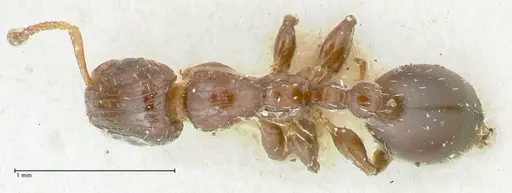
Literature
Loading distribution map...Loading products...