
Podomyrma basalis
- Sci. Name
- Podomyrma basalis
- Tribe
- Crematogastrini
- Subfamily
- Myrmicinae
- Author
- Smith, 1859
- Distribution
- Found in 4 countries
Introduction
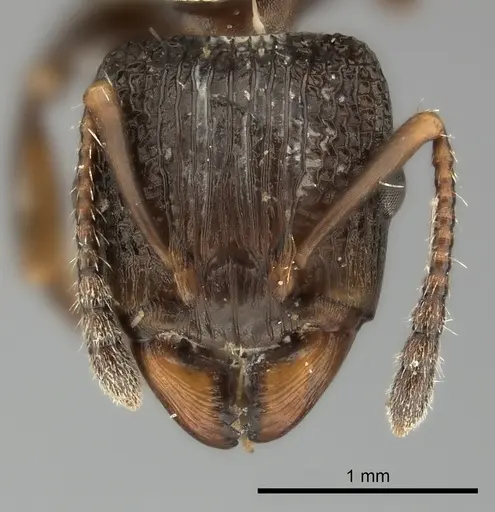
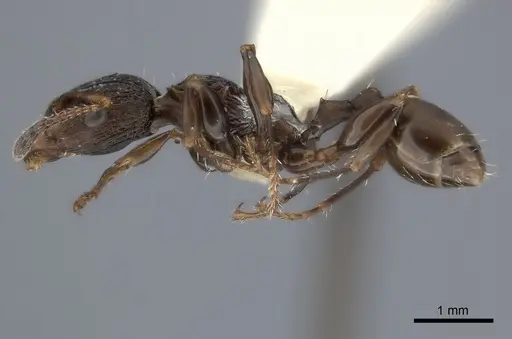
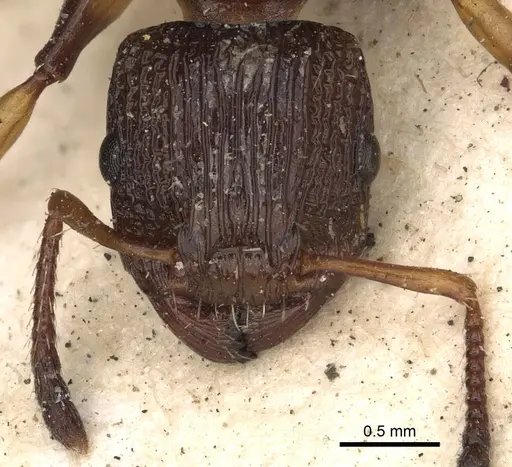
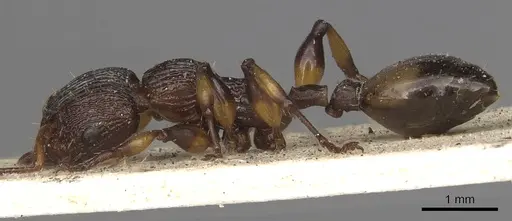
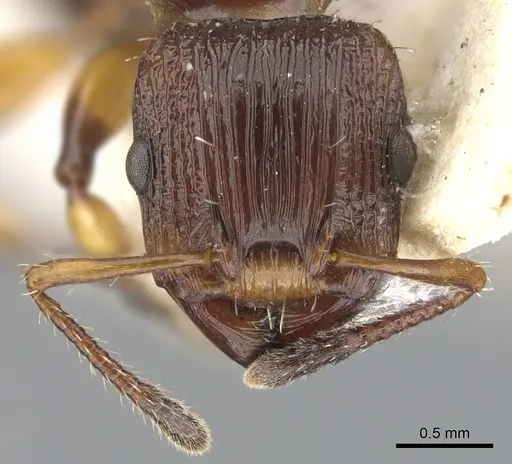
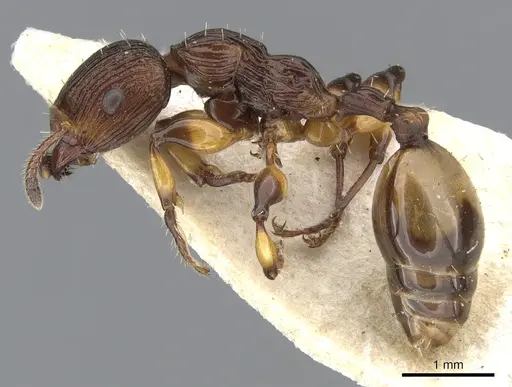
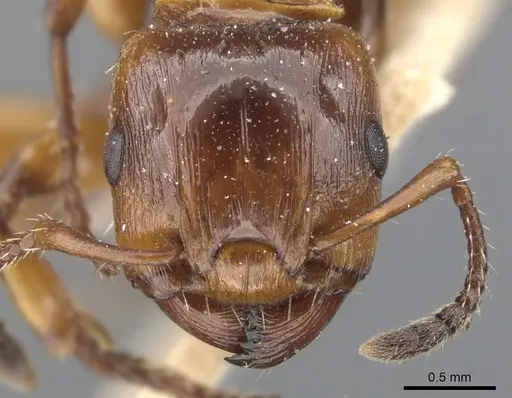
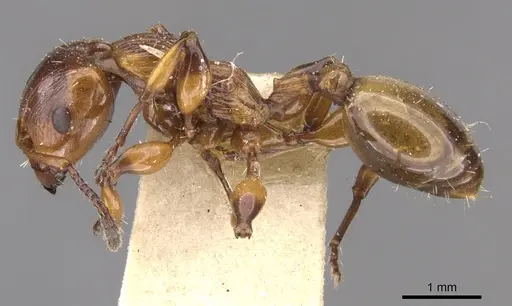
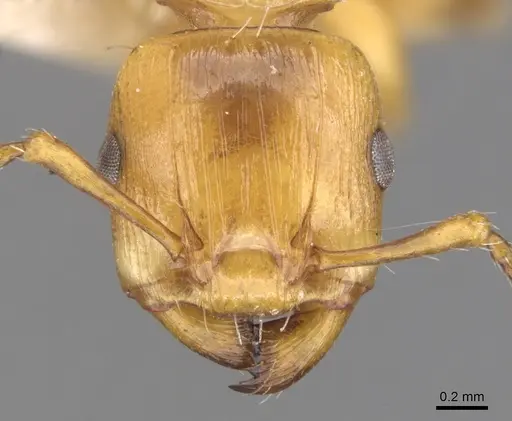
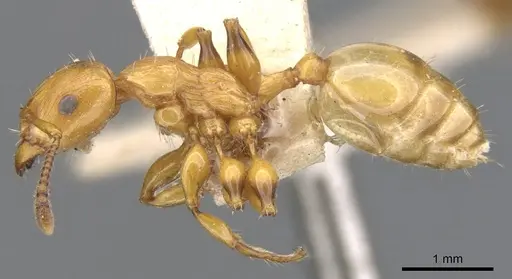
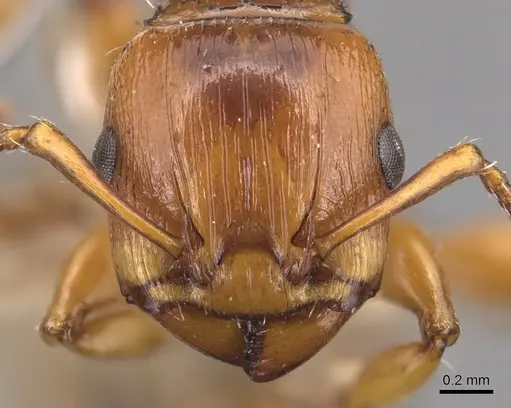
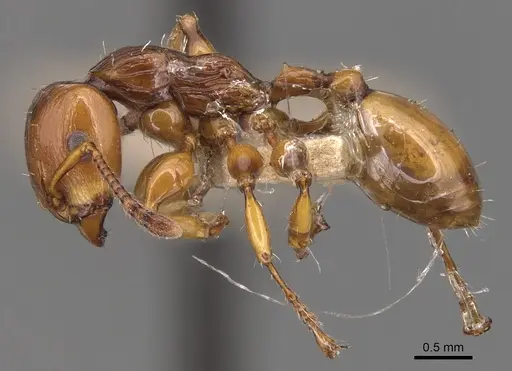
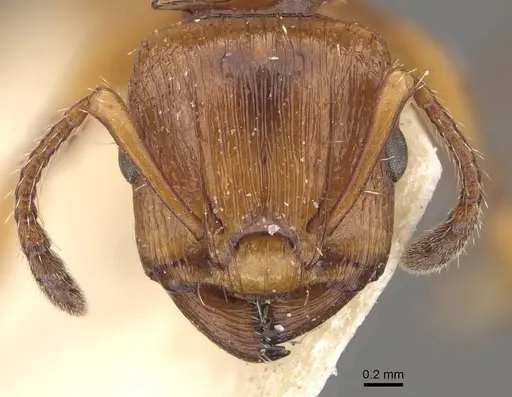
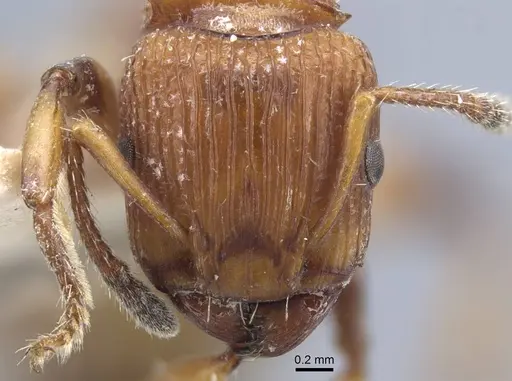
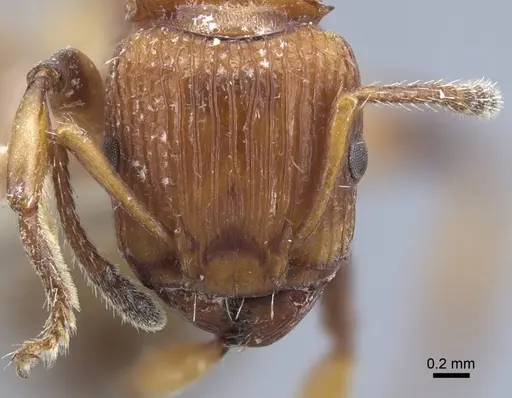
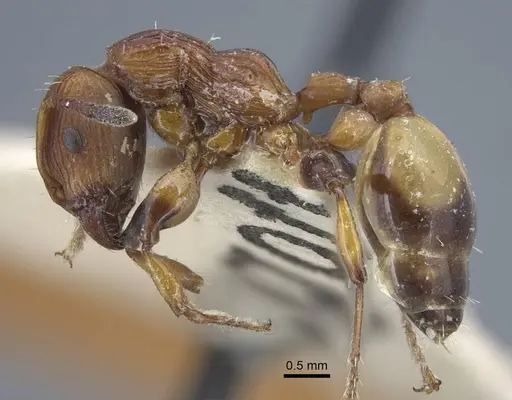
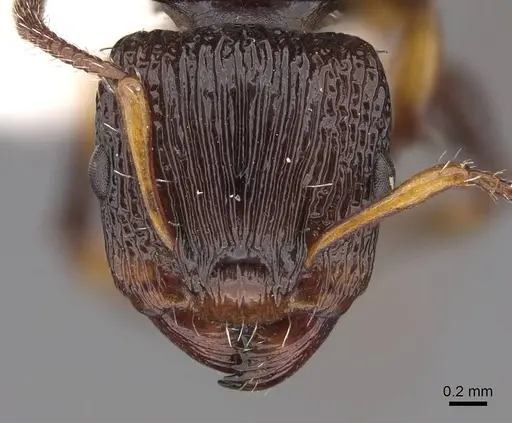
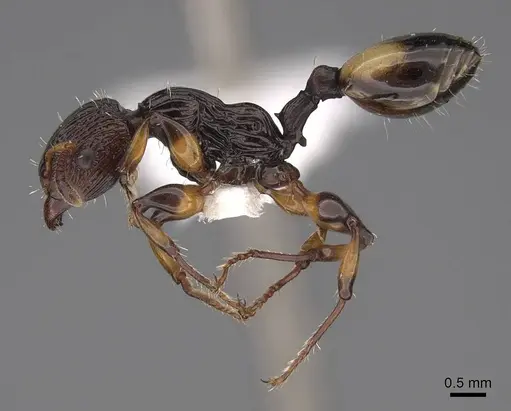
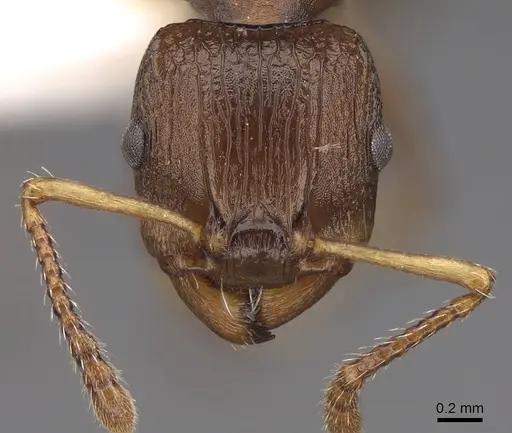
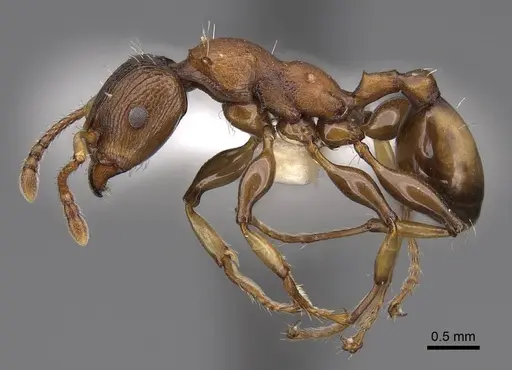
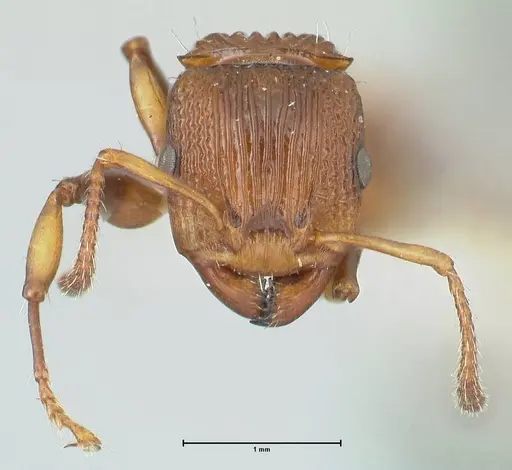
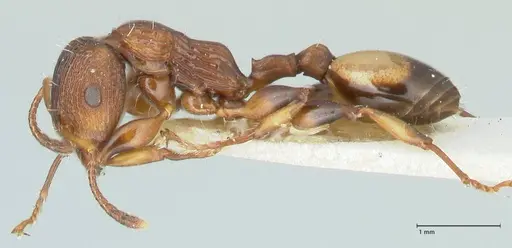
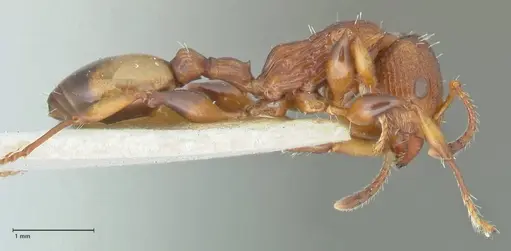
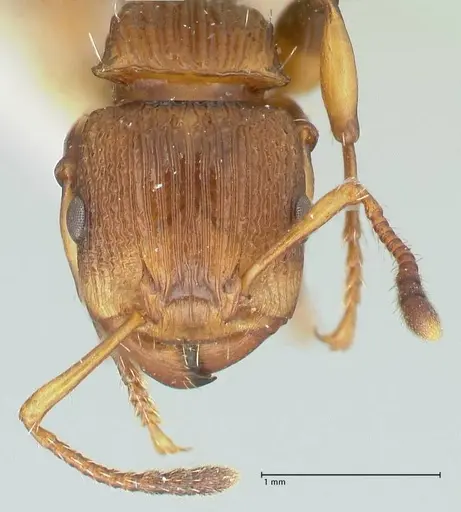
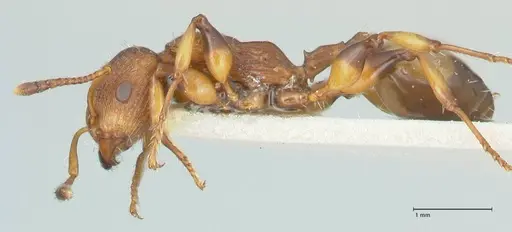
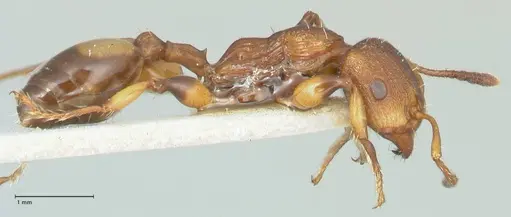
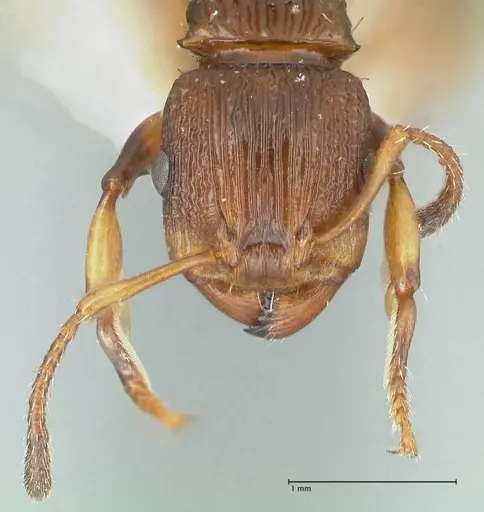
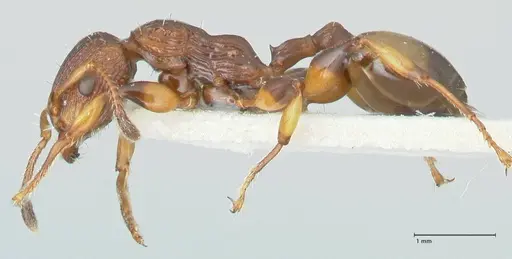
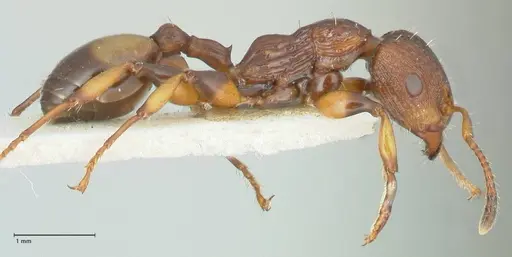
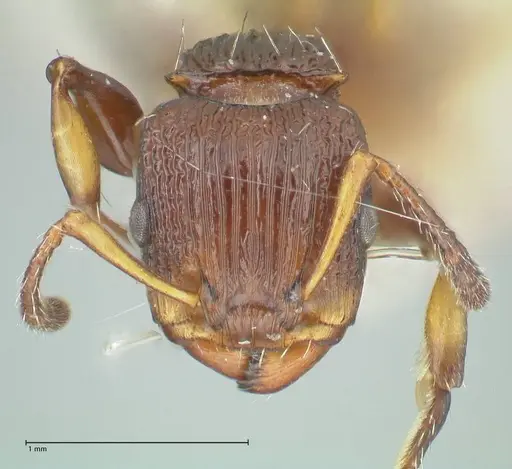
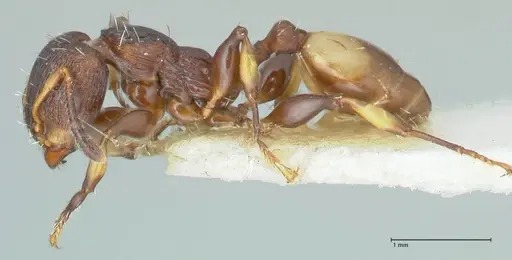
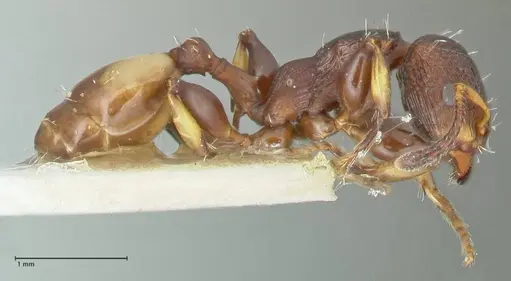
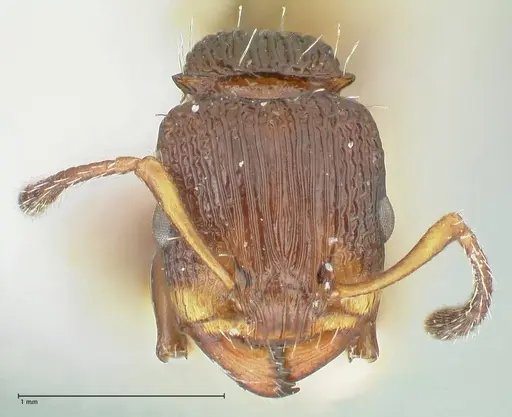
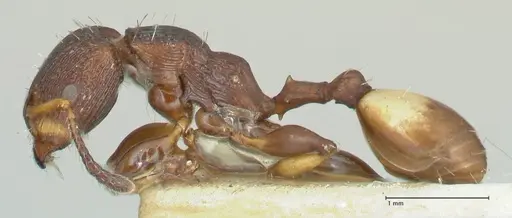
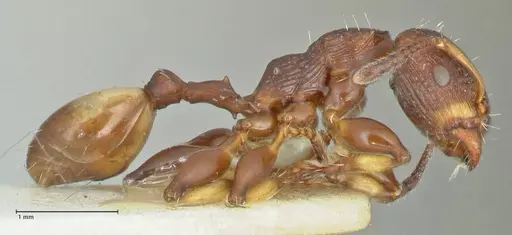
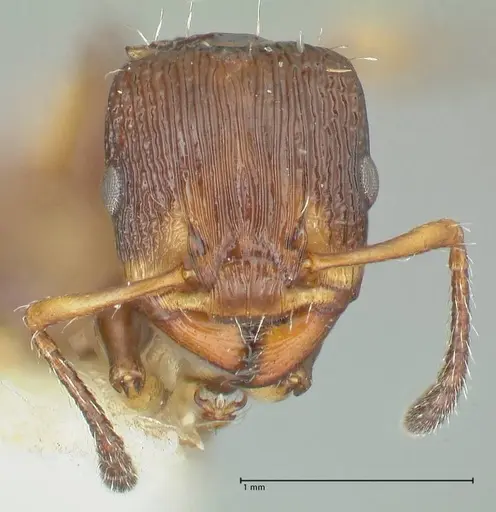
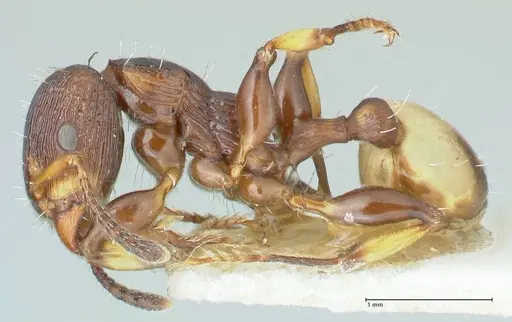
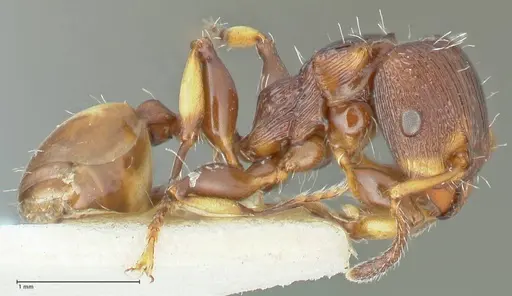
Podomyrma basalis is a small ant species in the subfamily Myrmicinae. It lives across the Australasian region, including northern Australia, New Guinea, and several Indonesian islands . Workers are compact with typical Myrmicinae features, but exact body measurements are not recorded in scientific literature . The species prefers low to mid-elevation rainforests. In Queensland, Australia, you can find them around 200 meters above sea level . Five subspecies exist, showing regional variation across its range . You will also find them on the Solomon Islands, Ambon, and islands in Australia's Northern Territory .
Quick Summary
- Difficulty: Medium
- Origin & Habitat: Northern Australia, New Guinea, and Indonesian islands (Ambon, Aru, Buru). Found in low to mid-elevation rainforests, with records around 200 meters in Queensland [3][1][2].
- Colony Type: Unconfirmed, no studies document queen number or colony structure for this species.
- Size & Growth:
- Queen: size data unavailable
- Worker: size data unavailable
- Colony: Unknown, no colony size data available
- Growth: Unknown, no development data available
- Development: Unconfirmed, estimated 6 to 10 weeks based on typical tropical Myrmicinae development at warm temperatures. (No direct studies exist. Actual times will vary with temperature and nutrition.)
- Antkeeping:
- Temperature: Likely 22 to 28°C based on tropical distribution. Start in this range and watch colony activity.
- Humidity: Keep the nest substrate consistently moist but not waterlogged. Provide a humidity gradient if possible.
- Diapause: Unknown, tropical species often show reduced activity during cooler or drier periods instead of true hibernation.
- Nesting: No specific nesting data exists. They likely nest in soil or rotting wood in rainforests. Use a test tube for founding, then move to a Y-tong (AAC) or plaster nest for established colonies.
- Behavior: Behavior is poorly documented. As Myrmicinae, they have a stinger but use a smear defense mechanism to wipe venom onto threats rather than piercing skin. They likely forage actively for protein and sugars. Standard escape prevention works fine for their size. No documented aggression exists.
- Common Issues: limited care information makes proper husbandry challenging, no documented diet preferences require keeper experimentation, colony size and growth rate are unknown, making feeding schedules difficult, founding behavior is unconfirmed, tropical humidity requirements may be hard to maintain consistently
Distribution and Natural Range
Podomyrma basalis lives across the Australasian region. You can find them in northern Australia (Queensland and Northern Territory islands), New Guinea, and Indonesian islands like Ambon, Aru, and Buru [1][2][6]. The type locality is the Aru Islands. Subspecies like Podomyrma basalis reyi come from Ambon and Buru, while Podomyrma basalis salomo and Podomyrma basalis woodfordi link to the Solomon Islands [7][3]. In Queensland, they appear in 30 to 40 percent of samples at 200 meters elevation [3]. They also live in undisturbed forest on Ambon Island, showing a clear preference for forested habitats [5].
Nest Preferences and Housing
Specific nesting preferences for Podomyrma basalis are not documented. Based on their rainforest habitat, they likely nest in soil, under stones, or inside rotting wood. Start colony founding in a clean test tube. Fill the tube with water, plug the water end with cotton, and place the queen or colony inside. Keep the tube horizontal with the cotton end slightly elevated so ants can drink. For established colonies, use a Y-tong (AAC) nest or plaster nest with chambers that match their small size. Keep the nest moderately humid and give them a dry outworld area for foraging.
Feeding and Diet
The specific diet of Podomyrma basalis has not been documented. As a Myrmicinae species, they likely eat an omnivorous diet of small insects, larvae, and sugary foods like honeydew or nectar. They probably forage actively on the ground and in low vegetation. In captivity, offer small live insects like fruit flies or pinhead crickets, protein foods like hard-boiled egg or cat food, and sugar sources like honey water. Start with small amounts and watch what the colony accepts. Remove uneaten protein within 24 to 48 hours to stop mold. Give workers constant access to sugar water once the colony grows.
Temperature and Humidity Requirements
Podomyrma basalis lives in tropical to subtropical areas across northern Australia, New Guinea, and Indonesian islands [1][2]. They likely need warm and humid conditions. Aim for temperatures between 22 and 28°C. Room temperature around 22 to 24°C usually works. If your colony slows down, attach a heating cable to one side of the nest to add warmth. Place it on top of the nest material instead of underneath to avoid drying it out. Keep the nest substrate consistently moist but not waterlogged. A water reservoir or occasional misting helps maintain moisture. Make sure the nest has good ventilation to prevent mold while keeping humidity up.
Colony Development and Growth
No specific data exists on the development timeline of Podomyrma basalis. Based on typical Myrmicinae patterns and their tropical range, egg to worker development likely takes 6 to 10 weeks at warm temperatures around 25 to 27°C. The first workers will usually be smaller than mature workers. Colony growth rate is unknown but likely moderate for a tropical species. Start with a small outworld and expand it as the colony grows. Do not overfeed because excess food mold can kill small colonies. Watch colony size and adjust feeding frequency. Since captive husbandry data is missing, keep detailed notes on your colony's development to help future keepers.
Behavior and Temperament
Specific behavioral traits for Podomyrma basalis are not well documented. As Myrmicinae, they have a stinger but use a smear defense mechanism to wipe venom onto enemies rather than piercing skin. They likely forage actively during the day or night rather than sticking to one schedule. Their small size means standard escape prevention like fluon barriers and tight lids works fine. No aggressive behaviors or stinging reports exist in the literature. They likely form moderate-sized colonies based on typical Myrmicinae patterns. Watch your colony to learn their individual temperament, since some stay calm while others move quickly.
Frequently Asked Questions
How long does it take for Podomyrma basalis to produce first workers?
The exact development time is unconfirmed. Based on typical Myrmicinae patterns and their tropical range, expect about 6 to 10 weeks from egg to first worker at warm temperatures around 25 to 27°C. Actual times will vary with your setup.
What do Podomyrma basalis ants eat?
Their specific diet is not documented. Based on related Myrmicinae species, they likely accept small insects, larvae, and sugary foods like honeydew. Offer small live insects, protein foods like hard-boiled egg, and sugar water. Start with small amounts and watch what your colony accepts.
What temperature should I keep Podomyrma basalis at?
Based on their tropical range across northern Australia, New Guinea, and Indonesia, aim for temperatures between 22 and 28°C [1][2]. Room temperature around 22 to 24°C usually works. If your colony slows down, add a heating cable to one side of the nest.
Are Podomyrma basalis ants aggressive or do they sting?
Aggressive behavior and stinging are not documented for this species. As Myrmicinae, they possess a stinger but use a smear defense mechanism to wipe venom onto threats rather than piercing skin. Standard care precautions are enough.
How big do Podomyrma basalis colonies get?
Colony size is not documented in scientific literature. Based on typical Myrmicinae patterns, colonies likely reach several hundred workers over time. Start with a small setup and expand as the colony grows.
Do Podomyrma basalis ants need hibernation or diapause?
This is unknown. As a tropical species from northern Australia, New Guinea, and Indonesia, they likely show reduced activity during cooler or drier periods instead of true hibernation. No documented diapause requirements exist. If you keep them in a temperate climate, expect slower activity in winter months.
Can I keep multiple Podomyrma basalis queens together?
This is not documented. The colony structure has not been studied for this species. Until more information exists, do not combine unrelated queens because fighting is likely.
What type of nest should I use for Podomyrma basalis?
No specific nesting data exists. Based on genus patterns and their rainforest habitat, they likely nest in soil or rotting wood. Use a test tube for colony founding. For established colonies, a Y-tong (AAC) nest or plaster nest with chambers that match their small size works well. Keep the nest moderately humid with a dry outworld area for foraging.
Is Podomyrma basalis suitable for beginners?
This species is not well documented in antkeeping literature, making it tricky for beginners. Limited information on diet, development, and care requirements means you must experiment and watch your colony closely. Start with more commonly kept species if you are new to antkeeping.
Where is Podomyrma basalis found in the wild?
They are native to the Australasian region, including northern Australia (Queensland, Northern Territory), New Guinea, and Indonesian islands (Ambon, Aru, Buru). You can also find them on the Solomon Islands. Their habitat is typically low to mid-elevation rainforest [1][2][4][5].
Report an Issue
The current care sheet is based fully on literature. See inconsistencies, or something that's incorrect? Please , it will be resolved after review from an admin. Contributing to the blogs tab also helps providing information, to make us be able to further improve the caresheets. Thank you for your support!
References

This caresheet is licensed under CC BY-SA 4.0 .
Community Blogs
CASENT0217909
View on AntWeb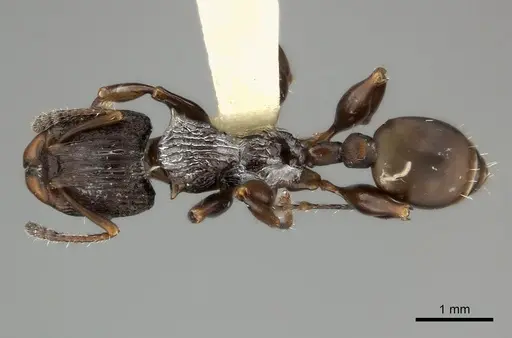
CASENT0901389
View on AntWeb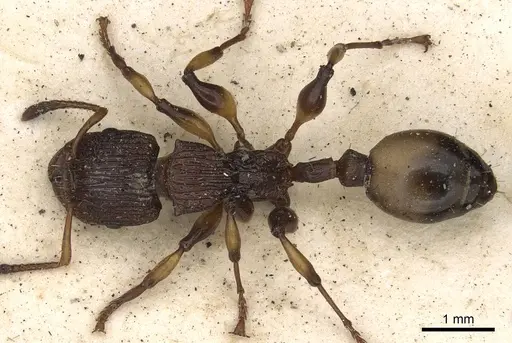
CASENT0901998
View on AntWeb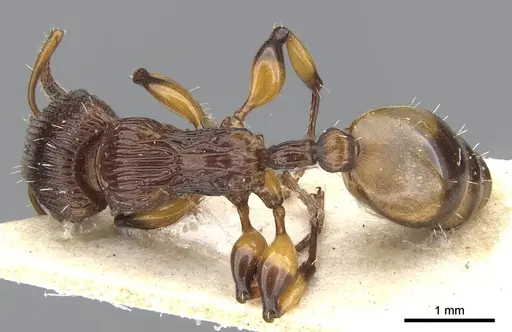
CASENT0902007
View on AntWeb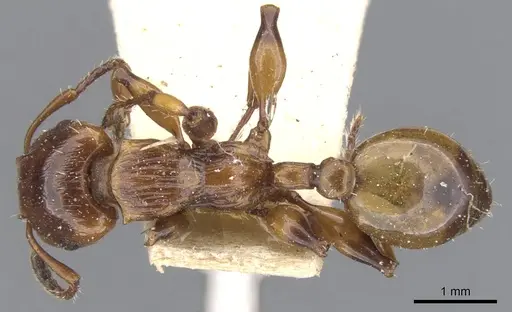
CASENT0902008
View on AntWeb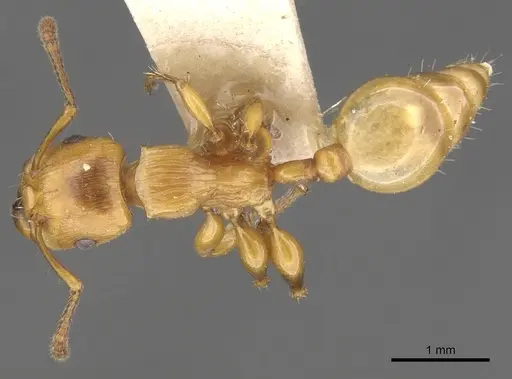
CASENT0904709
View on AntWeb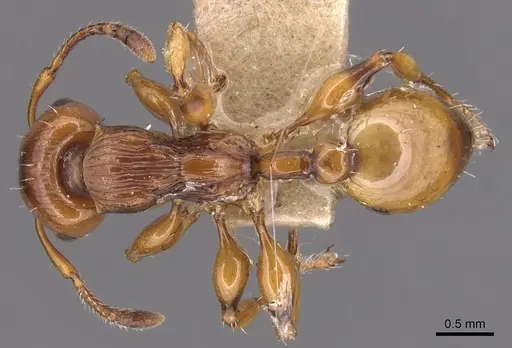
CASENT0908966
View on AntWeb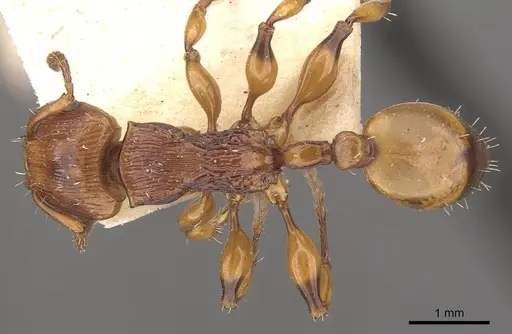
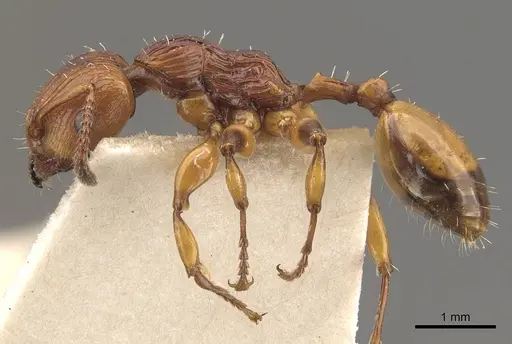
CASENT0916780
View on AntWeb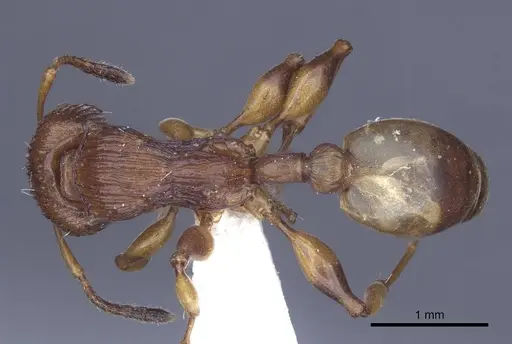
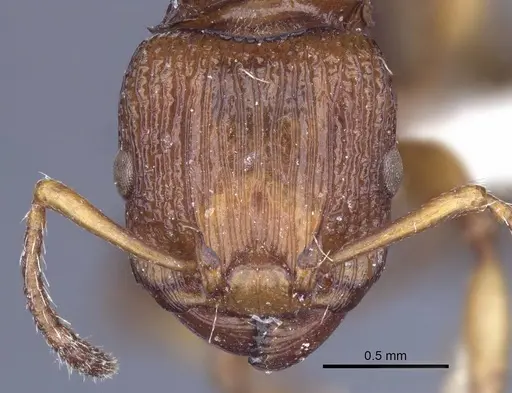
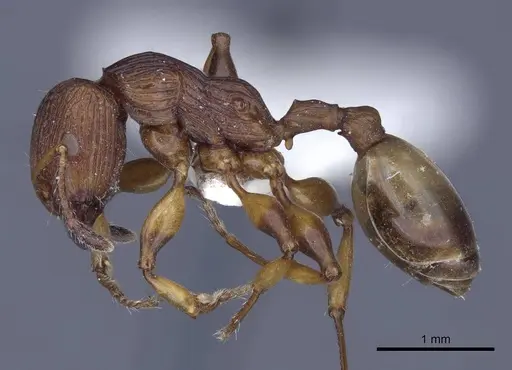
CASENT0917034
View on AntWeb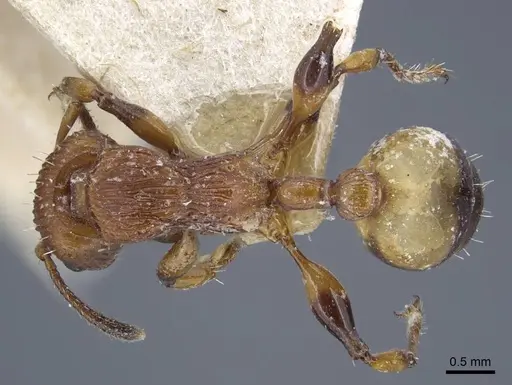
CASENT0922806
View on AntWeb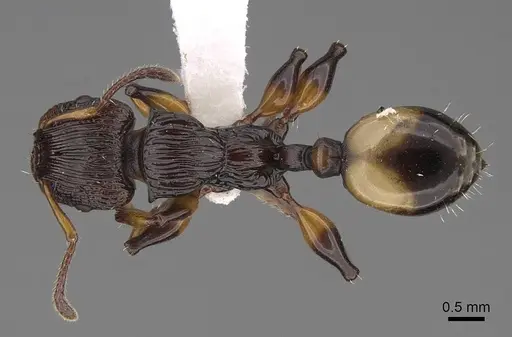
CASENT0922807
View on AntWeb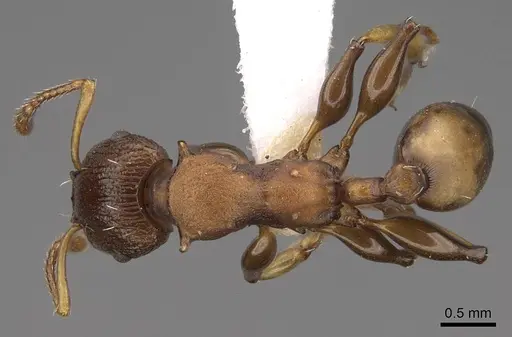
FOCOL1958
View on AntWeb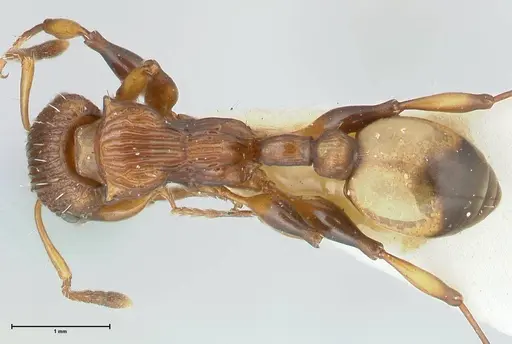
FOCOL1959
View on AntWeb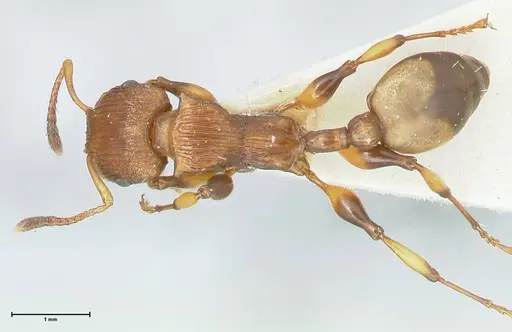
FOCOL1960
View on AntWeb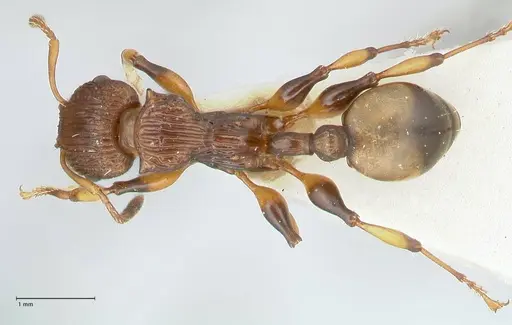
FOCOL1961
View on AntWeb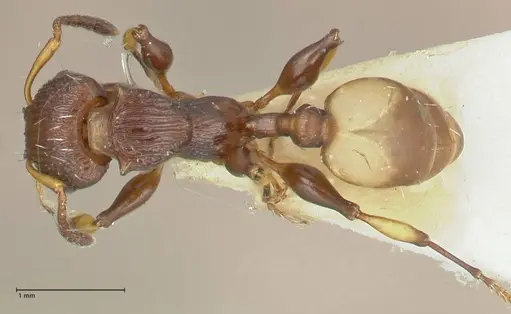
FOCOL1962
View on AntWeb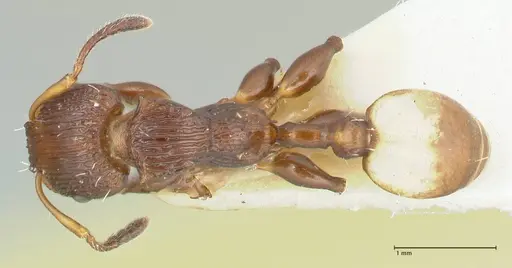
FOCOL1963
View on AntWeb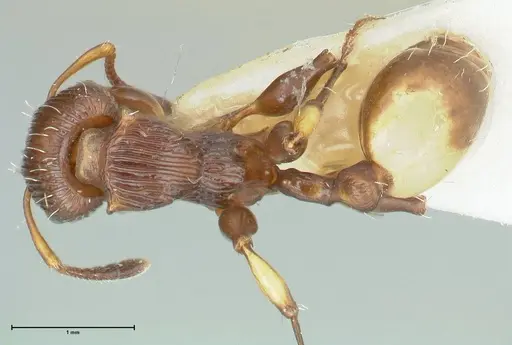
Literature
Loading distribution map...Loading products...