
Underground Millipede Muncher ant
Plectroctena subterranea
- Sci. Name
- Plectroctena subterranea
- Tribe
- Ponerini
- Subfamily
- Ponerinae
- Author
- Arnold, 1915
- Common Name
- Underground Millipede Muncher ant
- Distribution
- Found in 4 countries
Introduction
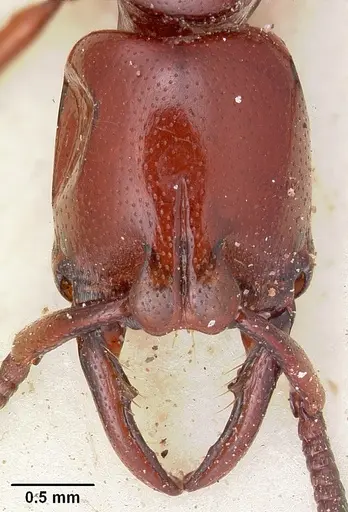
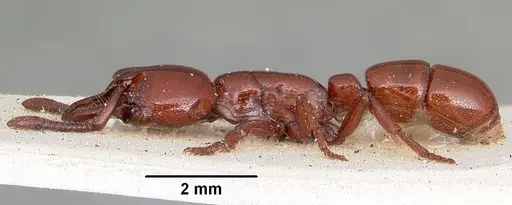
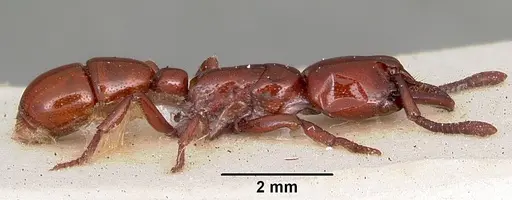
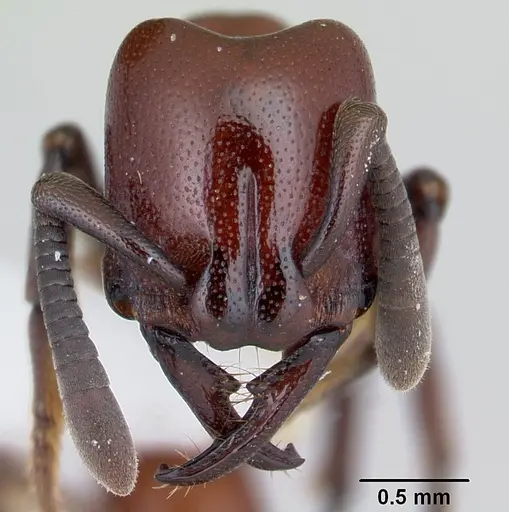
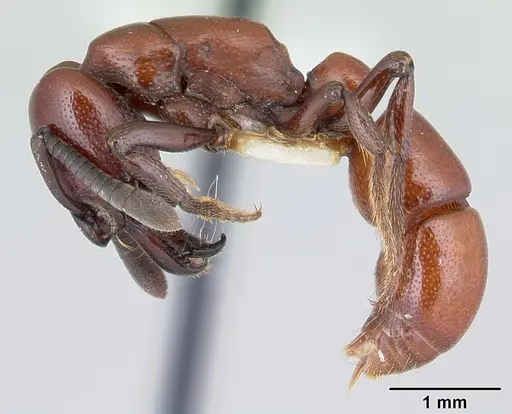
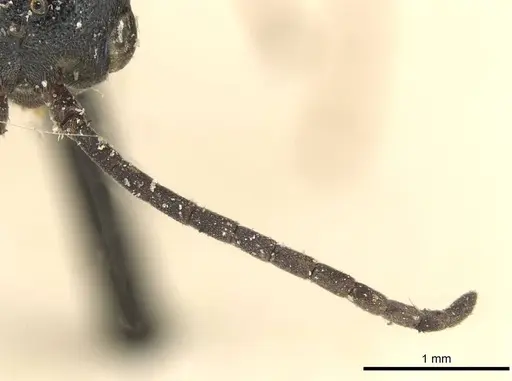
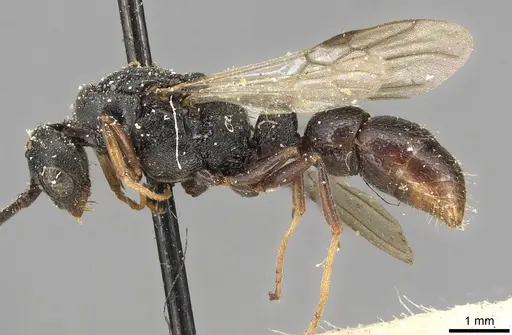
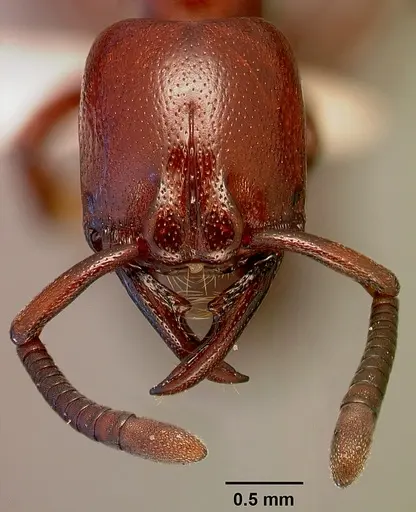
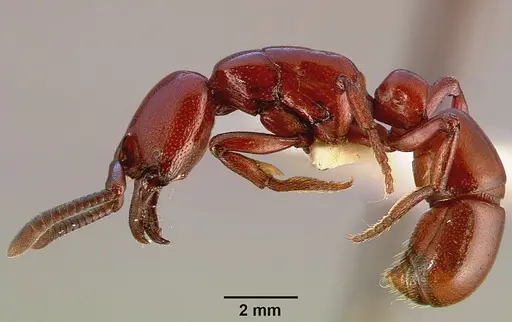
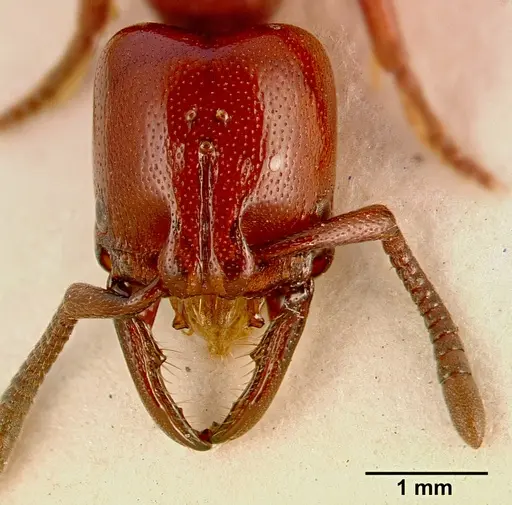
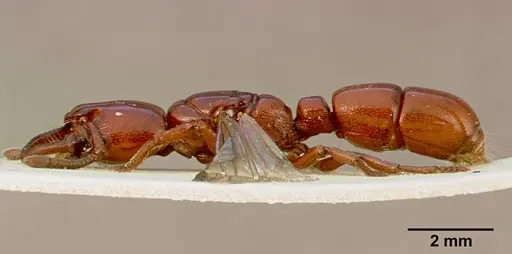
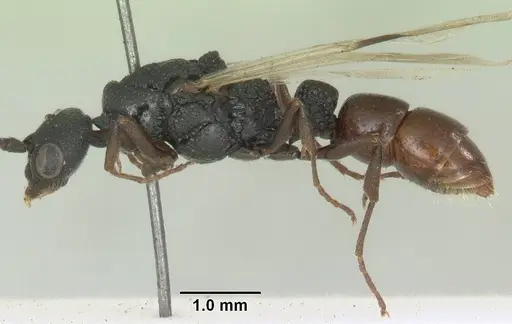
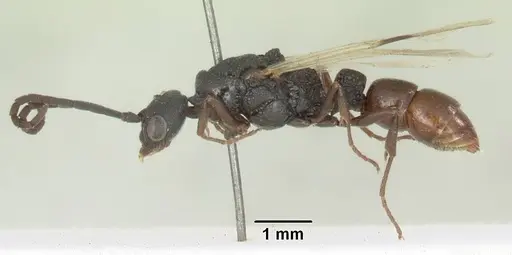
Plectroctena subterranea is a predatory ant species native to central and eastern Africa. It was first recorded in Rwanda's Akagera National Park in 2026 . Size data is unavailable, but inferred from the genus Plectroctena to be medium-sized. The species has a dark reddish-brown to black coloration. Nesting habits in the wild are unconfirmed, but related species often nest in rotting wood or under stones. This species is notable for being newly documented in Rwanda, expanding its known range in central and eastern Africa.
Quick Summary
- Difficulty: Medium
- Origin & Habitat: Central to eastern Africa, with first record in Akagera National Park, Rwanda [1].
- Colony Type: Colony structure is unconfirmed. Based on typical Plectroctena patterns, likely single-queen colonies.
- Size & Growth:
- Queen: Size data unavailable, inferred from Plectroctena genus to be ~12-15 mm.
- Worker: Size data unavailable, inferred from Plectroctena genus to be ~8-12 mm.
- Colony: Colony size unknown, but estimated to reach up to several hundred workers based on related Ponerinae species.
- Growth: Moderate
- Development: Time unknown, estimated 8-12 weeks based on related species, but specific data unavailable. (Development time may vary with temperature, no species-specific data available.)
- Antkeeping:
- Temperature: Keep warm, roughly 24-28°C, based on tropical African species. No specific data available.
- Humidity: Maintain moderate humidity, keep nest substrate moist but not waterlogged. No specific data available.
- Diapause: No, as a tropical species, they do not require diapause.
- Nesting: Use Y-tong or naturalistic nests with dark, humid chambers. Inferred from genus preferences.
- Behavior: Predatory with powerful mandibles. Moderately aggressive, will sting if threatened. Escape risk due to medium size, ensure secure nest connections. Based on Ponerinae patterns, they are active hunters and primarily nocturnal.
- Common Issues: lack of live prey can cause starvation, provide regular protein sources, temperatures below 18°C may harm the colony, maintain warmth year-round, dry conditions can stress the ants, keep humidity appropriate, wild-caught colonies may carry parasites, monitor for health issues, founding colonies require patience, first workers may take time
Housing and Nest Setup
Use Y-tong or naturalistic nests with dark, humid chambers. Based on genus preferences, provide nesting areas that mimic underground sites. Ensure the nest has secure connections to prevent escapes. A water tube or occasional misting can help maintain humidity. Since specific data is unavailable, observe the ants' behavior to adjust conditions.
Feeding and Diet
As a predatory species, they require live protein prey such as fruit flies, crickets, or mealworms. Offer protein 2-3 times per week, adjusting based on consumption. Sugar sources like honey water may be accepted occasionally but are not primary nutrition. Fresh water should always be available. No species-specific dietary data is available.
Temperature and Seasonal Care
Maintain temperatures around 24-28°C for optimal health. As a tropical species, they do not require diapause. Avoid temperatures below 18°C. Use a heating cable to create a gradient if needed, but no specific data is available for this species.
Behavior and Handling
These ants have powerful trap-jaw mandibles and a functional sting. They are moderately aggressive and will defend the nest. Handle gently to avoid provoking defensive behavior. Escape prevention is important due to their medium size. Based on Ponerinae patterns, they are active hunters and primarily nocturnal.
Frequently Asked Questions
How long does it take for Plectroctena subterranea to have first workers?
Time unknown, estimated 8-12 weeks based on related species, but specific data is unavailable. Maintain warm temperatures to support development.
What do Plectroctena subterranea ants eat?
They are predatory and need live protein prey like fruit flies or crickets. Offer sugar sources occasionally, but rely on protein as primary nutrition.
Can I keep Plectroctena subterranea in a test tube?
Test tubes may work for founding colonies, but upgrade to a larger nest as the colony grows. No specific data on this species is available.
Are Plectroctena subterranea good for beginners?
This species is rated Medium difficulty due to the need for live prey and limited care data. Beginners should have some experience before attempting.
What temperature do Plectroctena subterranea need?
Keep them warm, around 24-28°C, based on their tropical origin. Avoid cold temperatures below 18°C.
How big do Plectroctena subterranea colonies get?
Colony size is unknown, but estimated to reach up to several hundred workers based on related species.
Do Plectroctena subterranea need hibernation?
No, as a tropical species, they do not require diapause and remain active year-round with proper warmth.
Why are my Plectroctena subterranea dying?
Common causes include lack of live prey, temperatures too low, or dry conditions. Ensure proper care and monitor for parasites in wild-caught colonies.
When should I move Plectroctena subterranea to a formicarium?
Move them when the colony outgrows the test tube, but no specific size data is available. Use a nest with dark, humid chambers.
Report an Issue
The current care sheet is based fully on literature. See inconsistencies, or something that's incorrect? Please , it will be resolved after review from an admin. Contributing to the blogs tab also helps providing information, to make us be able to further improve the caresheets. Thank you for your support!
References

This caresheet is licensed under CC BY-SA 4.0 .
Community Blogs
CASENT0102946
View on AntWeb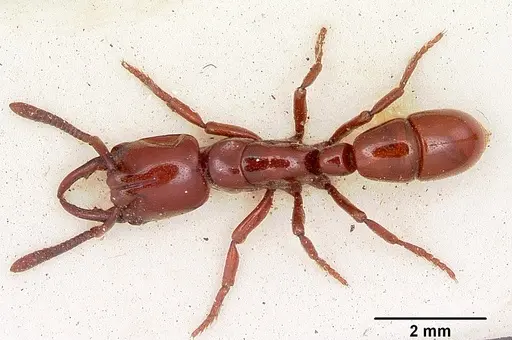
CASENT0178265
View on AntWeb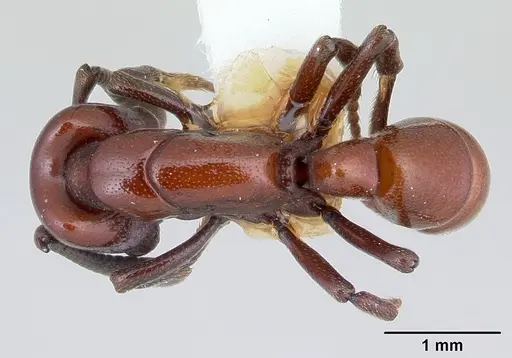
CASENT0178266
View on AntWeb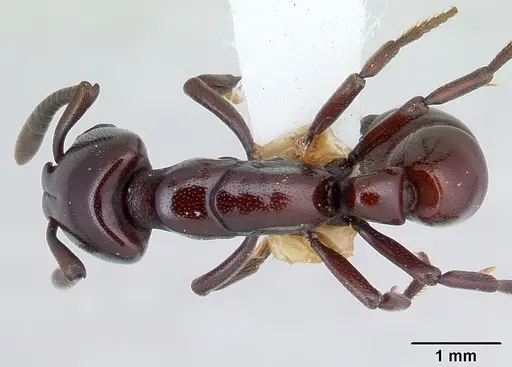
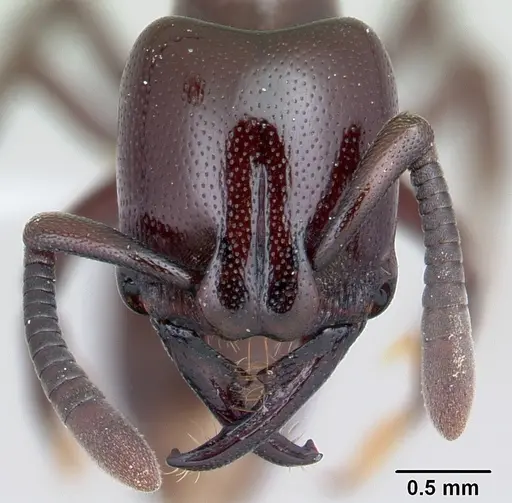
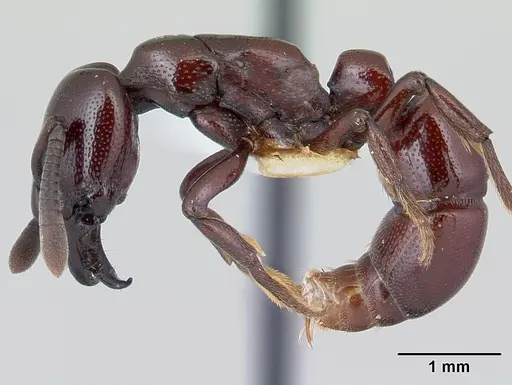
CASENT0915293
View on AntWeb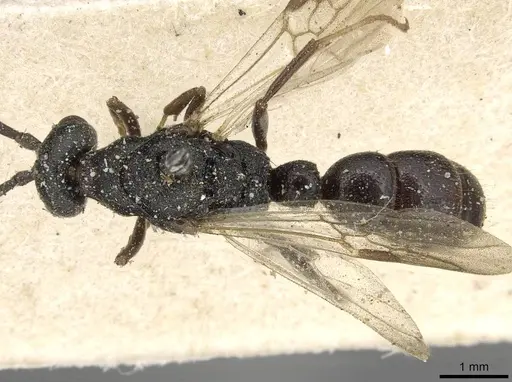
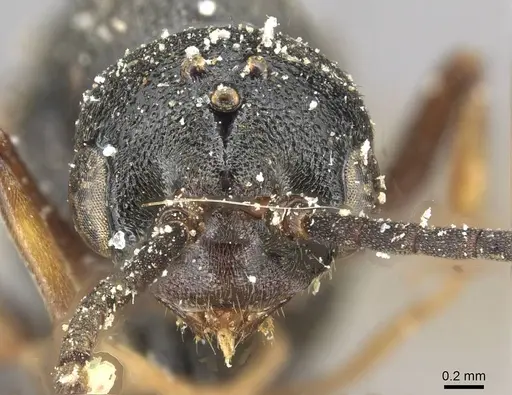
SAM-HYM-C000908
View on AntWeb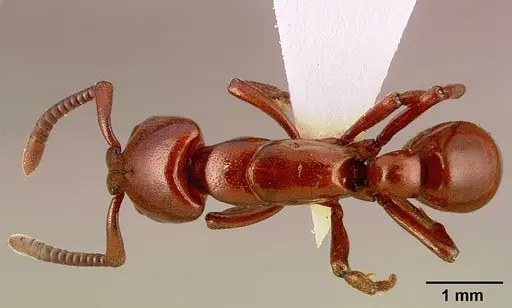
SAM-HYM-C002429
View on AntWeb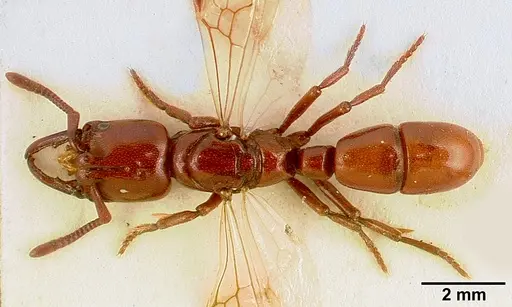
SAM-HYM-C008855A
View on AntWeb
Literature
Loading distribution map...Loading products...