
Plectroctena strigosa
- Sci. Name
- Plectroctena strigosa
- Tribe
- Ponerini
- Subfamily
- Ponerinae
- Author
- Emery, 1899
- Distribution
- Found in 2 countries
Introduction
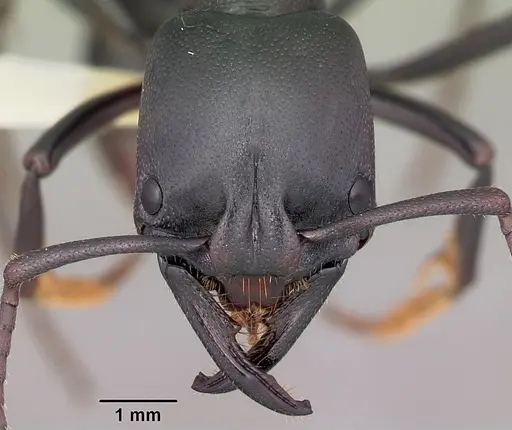
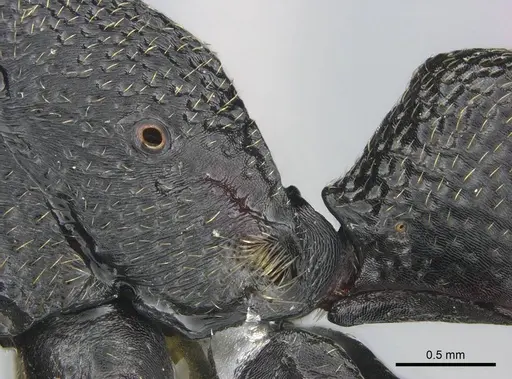
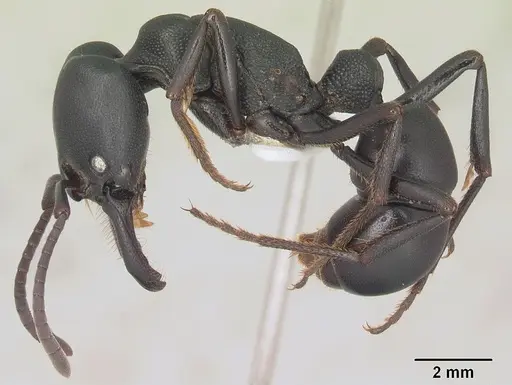
Plectroctena strigosa is a predatory ant in the subfamily Ponerinae, found in forest habitats across Kenya, South Africa, and Tanzania . Workers have mandibles with a distinctive groove on the dorsolateral face, a morphological feature used in identification . This species is part of an ancient ant lineage with primitive social structure, and they are active hunters on the forest floor.
Quick Summary
- Difficulty: Medium
- Origin & Habitat: Forest habitats in Kenya, South Africa, and Tanzania [1]
- Colony Type: Colony structure is unconfirmed. Based on typical Ponerinae patterns, likely single-queen colonies, but this has not been directly studied.
- Size & Growth:
- Queen: Size data unavailable, no total length measurements in research. Inferred from Plectroctena genus patterns as approximately 12-15 mm.
- Worker: Size data unavailable, no total length measurements in research. Inferred from Plectroctena genus patterns as approximately 8-12 mm.
- Colony: Up to several hundred workers, estimated based on typical Ponerinae colony sizes.
- Growth: Moderate, estimated based on genus patterns.
- Development: 6-10 weeks, estimated based on related Ponerinae species. (Development time is not directly studied. Estimates based on typical Ponerinae development at warm temperatures.)
- Antkeeping:
- Temperature: Keep warm, around 24-28°C, based on their tropical forest habitat [1].
- Humidity: Keep substrate consistently moist but not waterlogged, based on forest habitat [1].
- Diapause: No, being a tropical species, they do not require hibernation.
- Nesting: In nature, they likely nest in soil or rotting wood. In captivity, use Y-tong or plaster nests that retain moisture.
- Behavior: These ants are defensive and possess a sting, typical of Ponerinae. They are active hunters and can escape due to their size, so use barriers like Fluon on the outworld.
- Common Issues: sting, handle with care due to potent sting., escape prevention, use barriers on outworld to prevent escapes., humidity control, keep substrate moist to avoid colony decline., feeding, provide regular protein sources like live prey.
Appearance and Identification
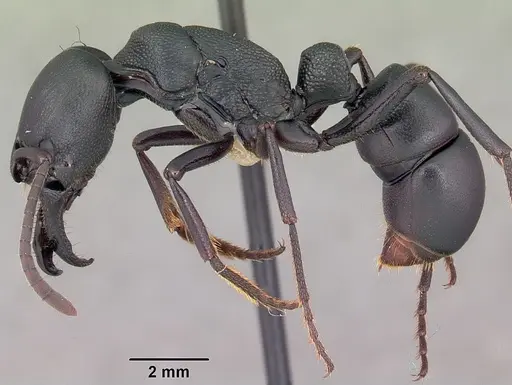
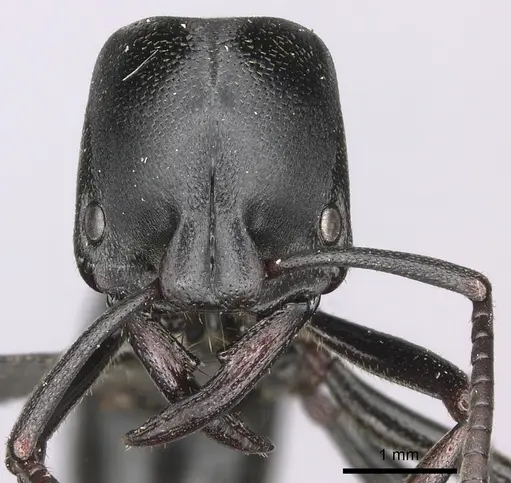
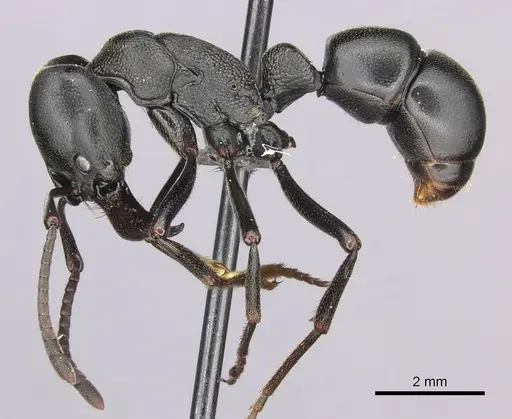
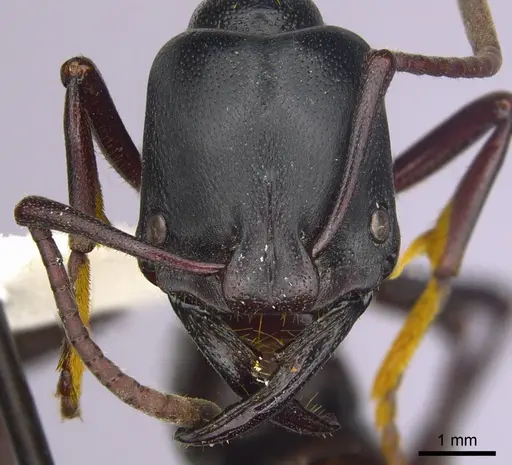
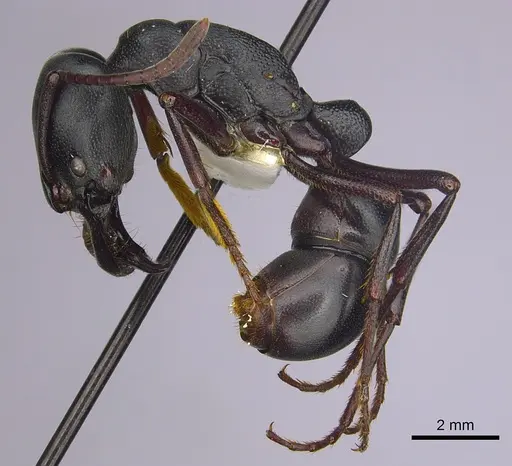
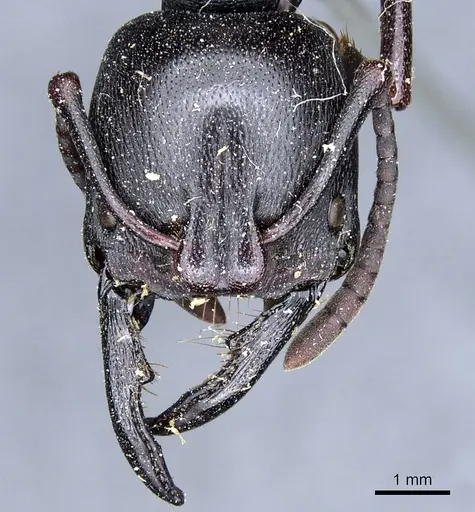
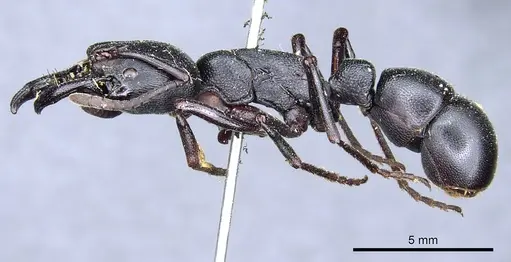
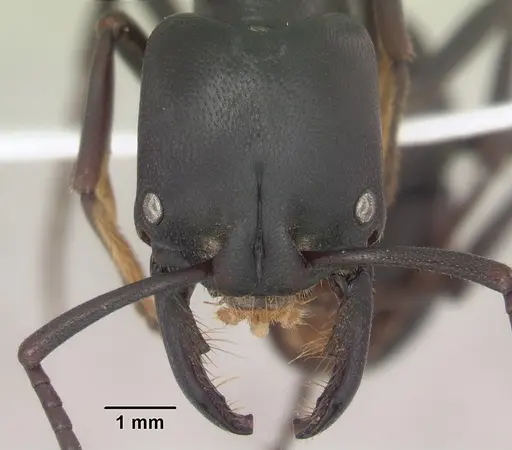
Plectroctena strigosa workers have mandibles with a distinctive groove on the dorsolateral face, a feature used in phylogenetic studies [2][3]. The genus name refers to comb-like teeth on their mandibles. Their coloration is typically dark brown to black, with a robust build typical of Ponerinae ants.
Natural History and Distribution
This species is found in forest habitats across Kenya, South Africa, and Tanzania [1]. They inhabit forest environments where they hunt small invertebrates on the forest floor. The original description was published by Emery in 1899,and it was elevated to species status by Bolton in 1974 [1].
Feeding and Diet
As predatory ants, they hunt small invertebrates. In captivity, offer live prey such as small crickets, mealworms, or fruit flies. Feed protein 2-3 times per week, removing uneaten prey after 24 hours. Sugar sources may be offered occasionally, but protein is primary.
Temperature and Heating
Keep the nest area warm, around 24-28°C, based on their tropical forest habitat. Use a heating cable or mat to create a gentle gradient. Avoid temperatures below 20°C, as this can stress the colony.
Humidity and Nest Conditions
Keep the nest substrate consistently moist but not waterlogged, based on forest habitat. Use Y-tong or plaster nests that retain moisture. Monitor for condensation to ensure proper humidity levels.
Behavior and Handling
These ants are defensive and possess a sting, typical of Ponerinae. When disturbed, they may aggressively defend or curl into a ball. Avoid direct handling and use tools or gentle methods. They are active foragers, so escape prevention is important with barriers like Fluon.
Frequently Asked Questions
How long does it take for Plectroctena strigosa to produce first workers?
The exact timeline is unconfirmed. Based on typical Ponerinae development, expect 6-10 weeks from egg to first worker at warm temperatures.
Do Plectroctena strigosa ants sting?
Yes, they have a potent sting, as typical of Ponerinae ants. Handle with care and avoid direct contact.
What do Plectroctena strigosa eat?
They are predatory and hunt small invertebrates. Feed live prey like crickets or mealworms 2-3 times per week.
Can I keep multiple queens together?
Colony structure is unconfirmed. It is not recommended to combine unrelated queens due to likely aggression.
What temperature do Plectroctena strigosa need?
Keep them warm at 24-28°C, based on their tropical habitat. Avoid temperatures below 20°C.
Do they need hibernation?
No, being a tropical species, they do not require diapause or hibernation.
Are Plectroctena strigosa good for beginners?
This species is rated Medium difficulty. They require specific conditions like warmth and protein-based diet, so some experience is helpful.
When should I move them to a formicarium?
Keep founding queens in a test tube setup until the colony is established. Move to a nest like Y-tong or plaster once growing.
How big do colonies get?
Colony size is not directly documented. Based on typical patterns, they may reach up to several hundred workers.
Why are my ants dying?
Common causes include dry conditions, low temperatures, inadequate protein, or stress. Check humidity and warmth.
Report an Issue
The current care sheet is based fully on literature. See inconsistencies, or something that's incorrect? Please , it will be resolved after review from an admin. Contributing to the blogs tab also helps providing information, to make us be able to further improve the caresheets. Thank you for your support!
References

This caresheet is licensed under CC BY-SA 4.0 .
Community Blogs
ANTWEB1008576
View on AntWeb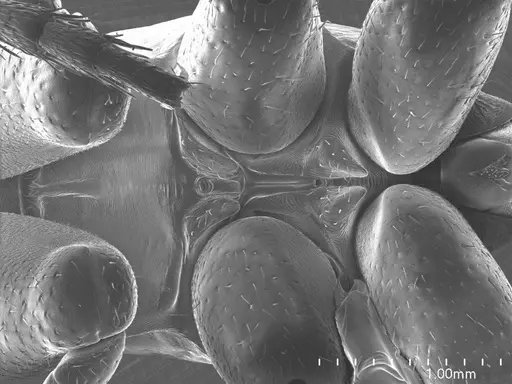
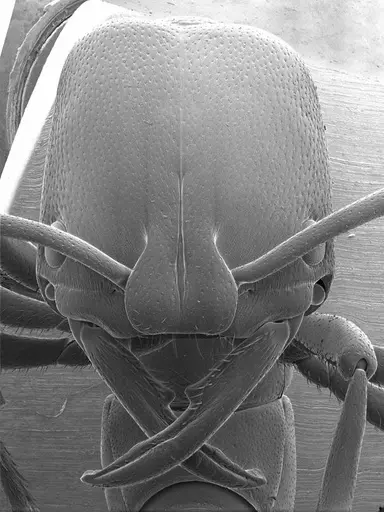
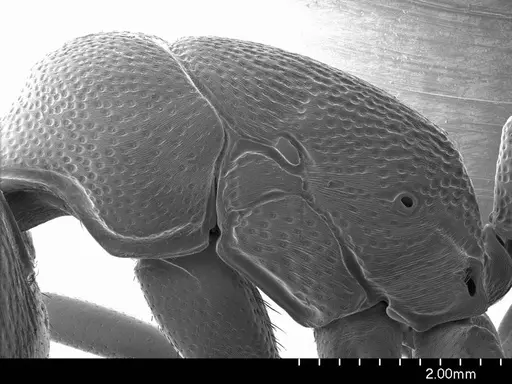
CASENT0102982
View on AntWeb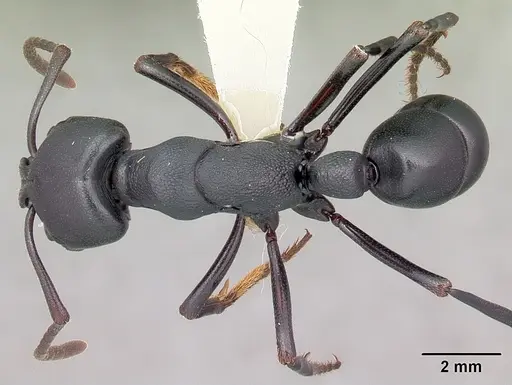
CASENT0235672
View on AntWeb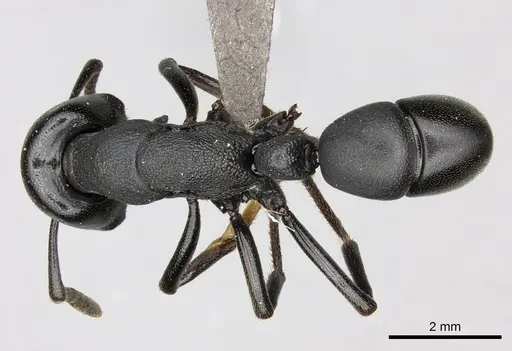
CASENT0249218
View on AntWeb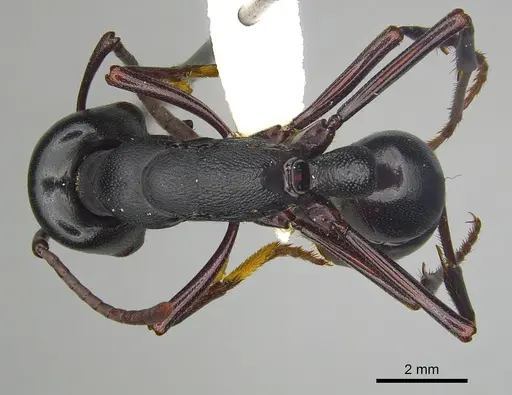
CASENT0250580
View on AntWeb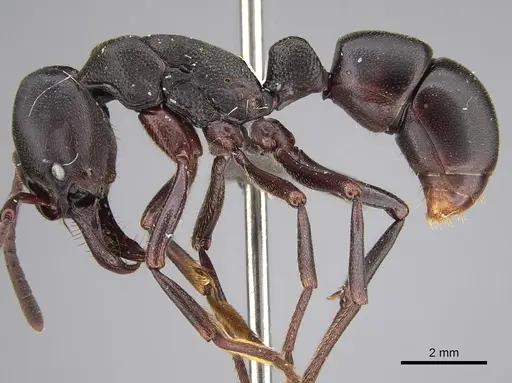
CASENT0903928
View on AntWeb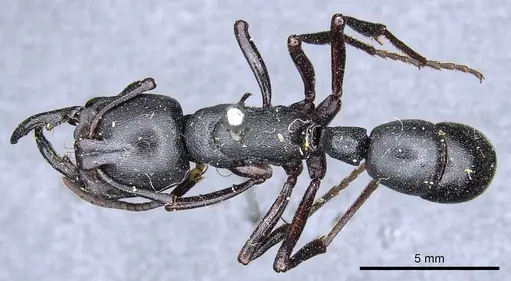
SAM-HYM-C009585A
View on AntWeb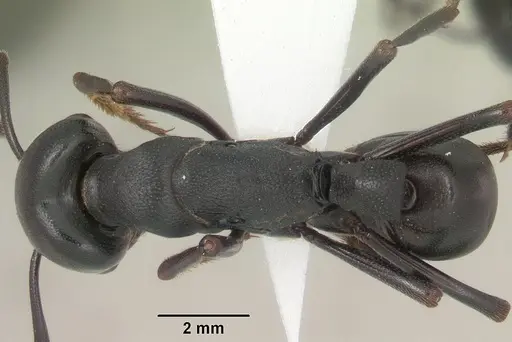
Literature
Loading distribution map...Loading products...