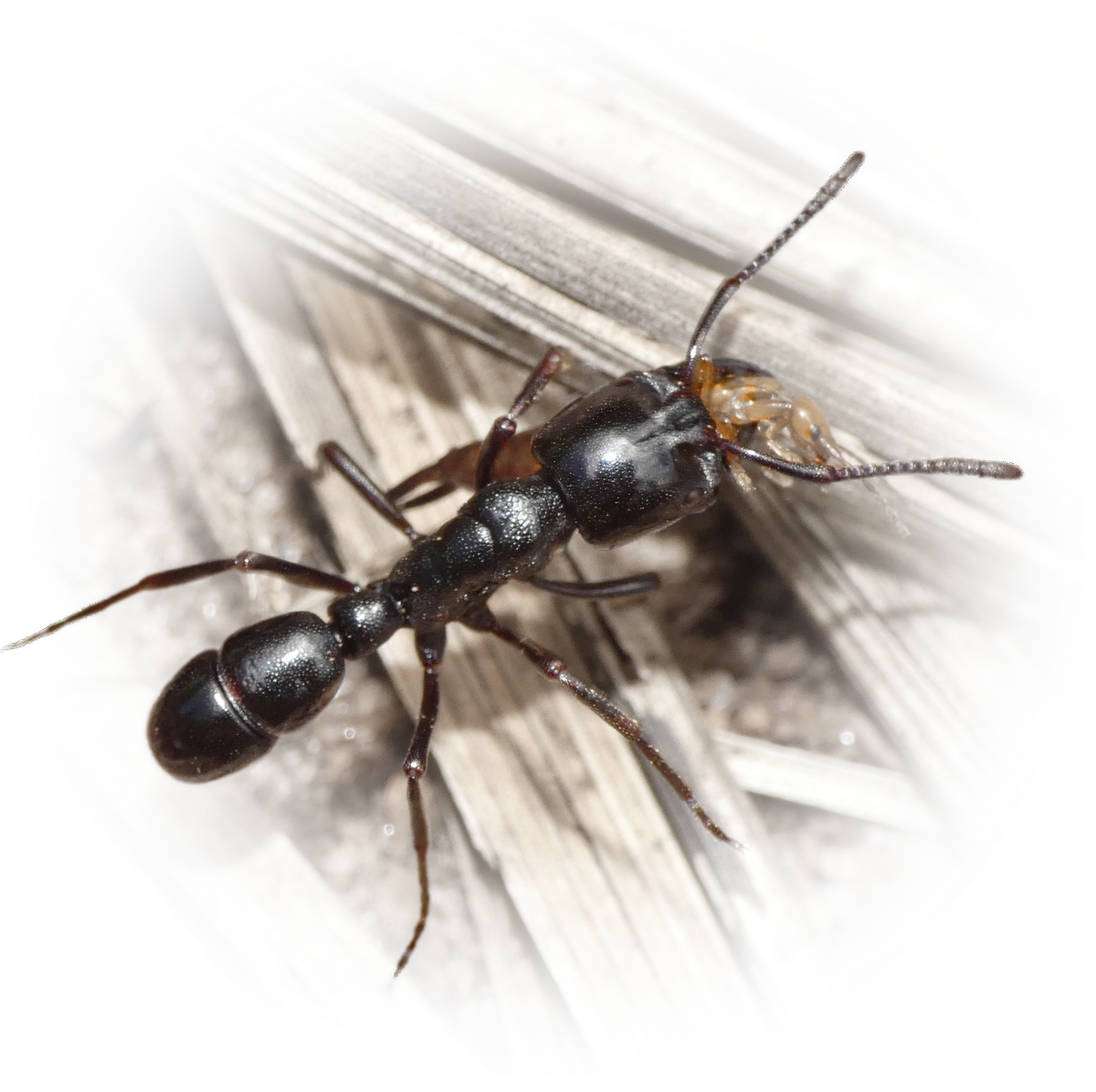
Ringbum Millipede Muncher Ant
Plectroctena mandibularis
- Sci. Name
- Plectroctena mandibularis
- Tribe
- Ponerini
- Subfamily
- Ponerinae
- Author
- Smith, 1858
- Common Name
- Ringbum Millipede Muncher Ant
- Distribution
- Found in 5 countries
Introduction
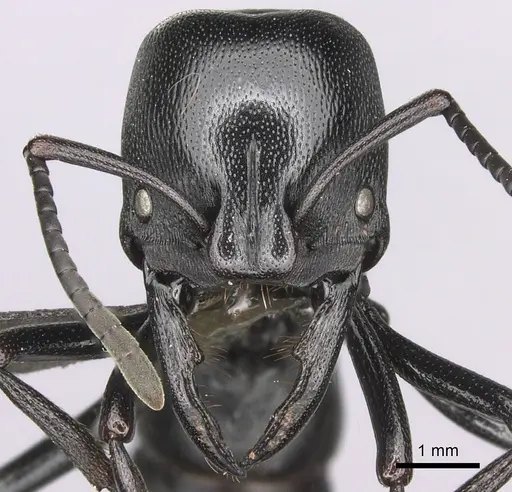
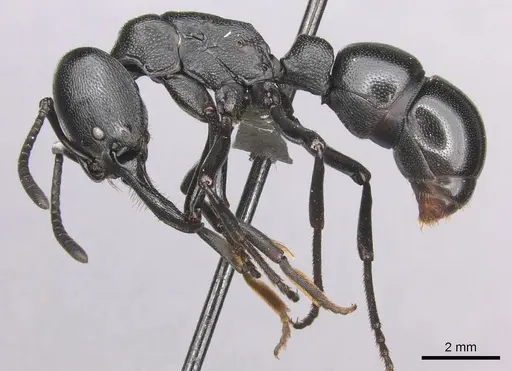
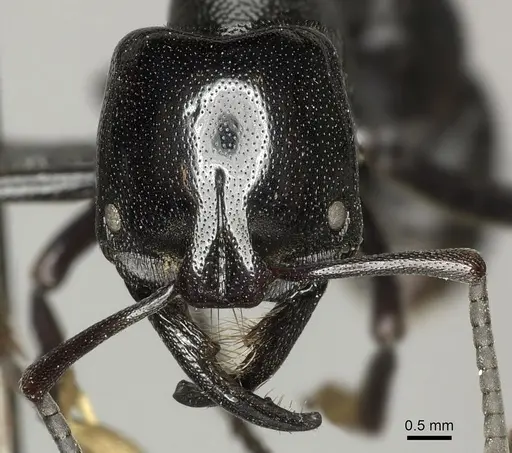
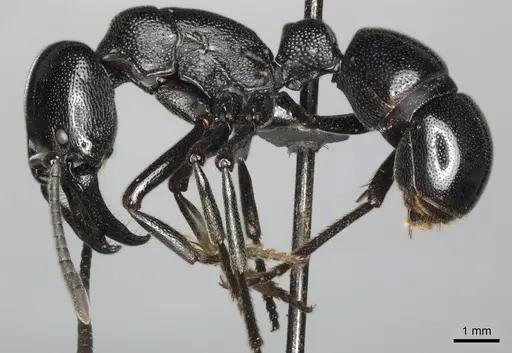
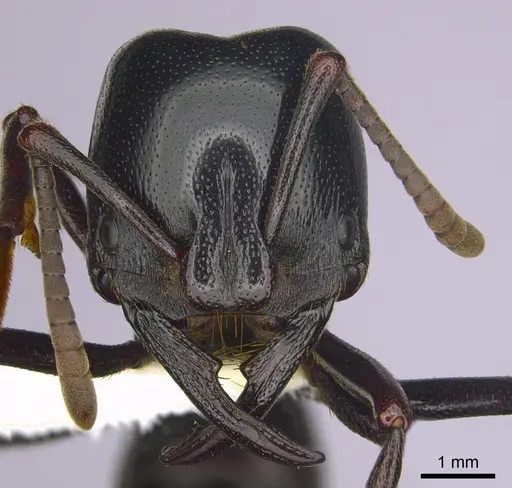
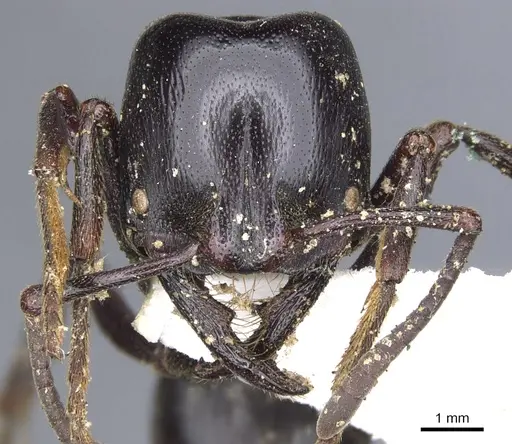
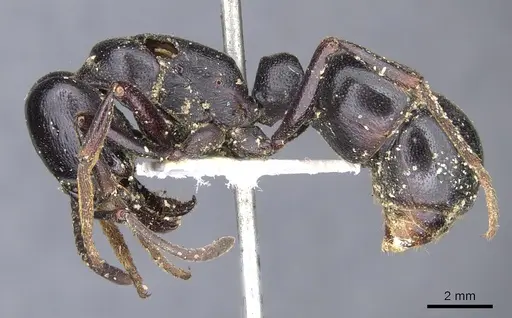
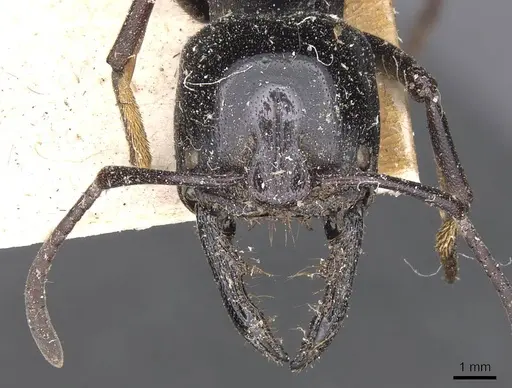
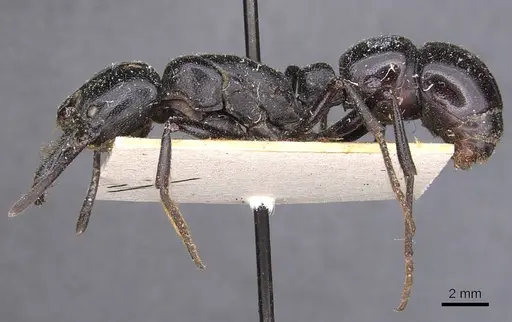
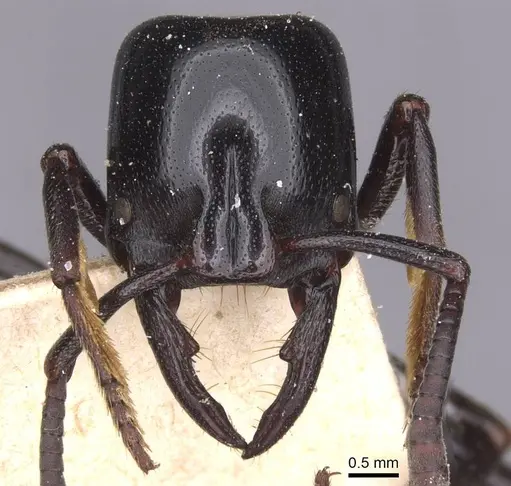
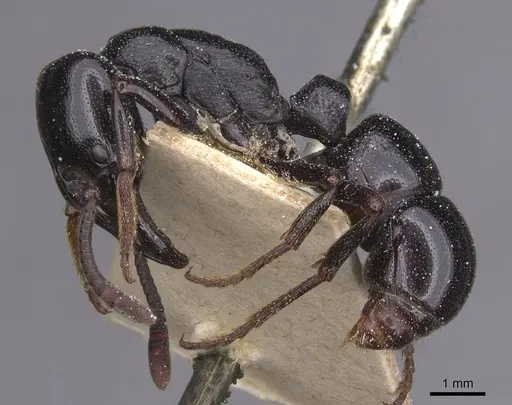
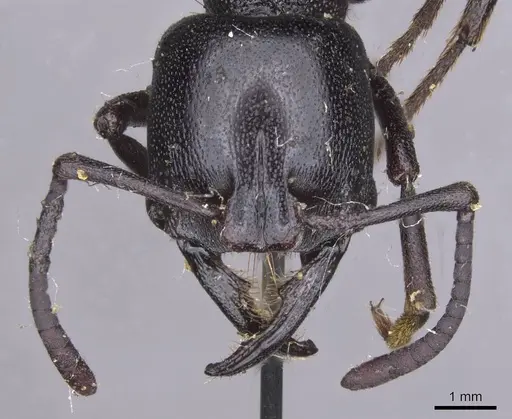
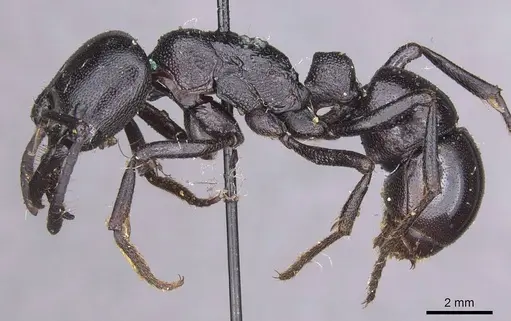
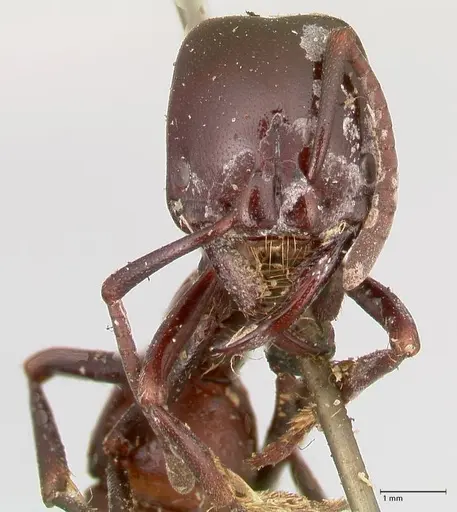
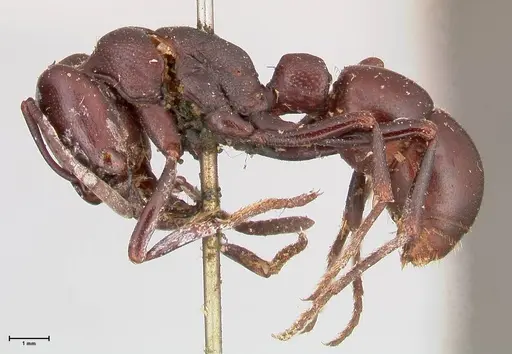
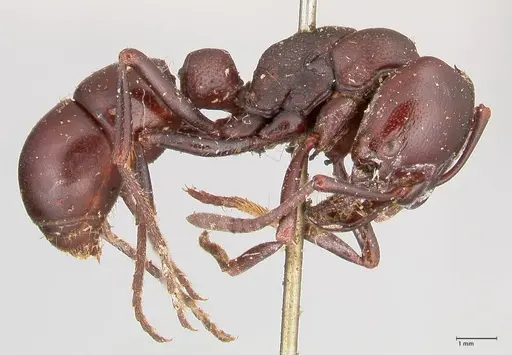
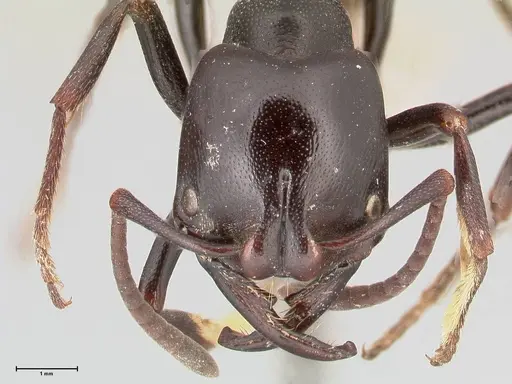
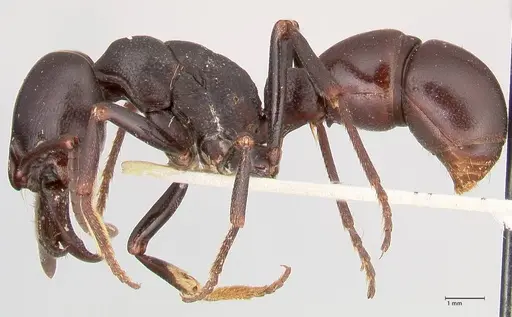
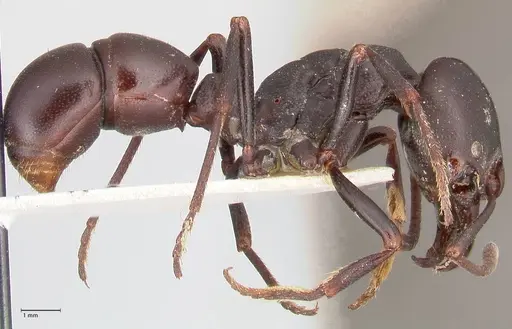
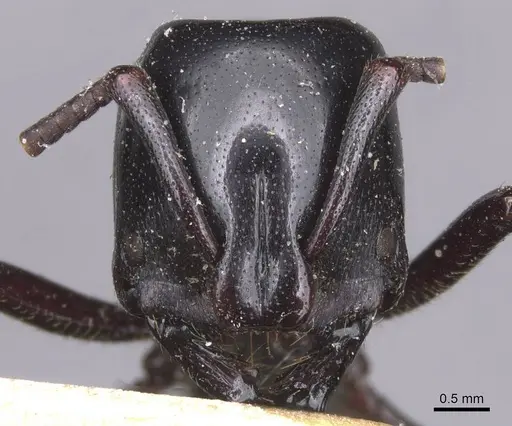
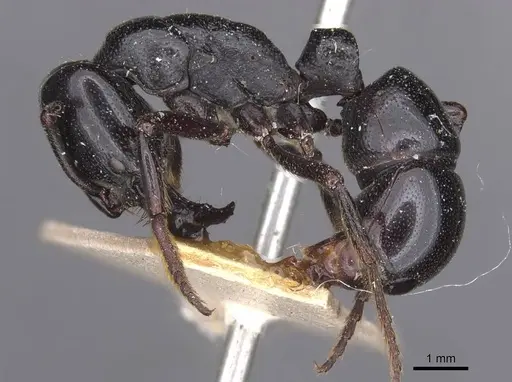
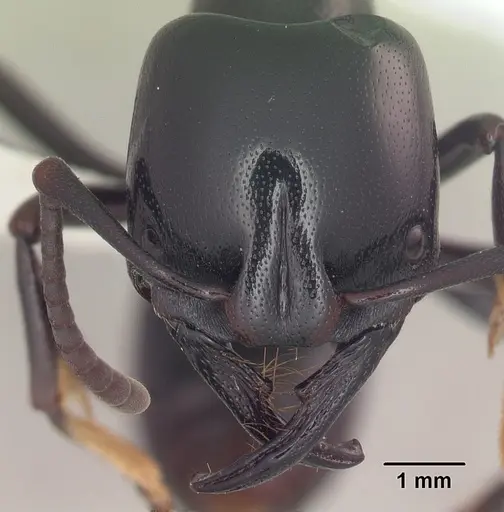
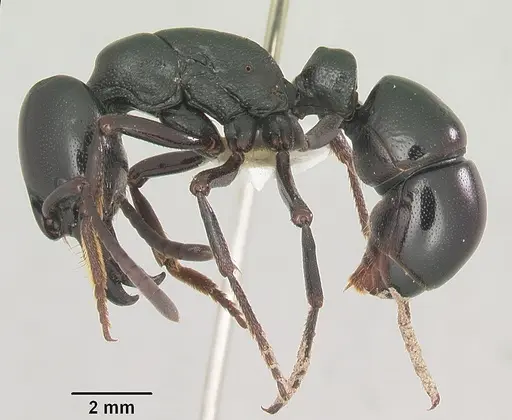
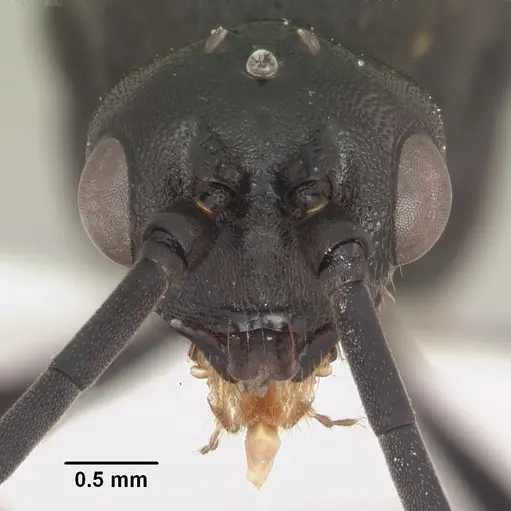
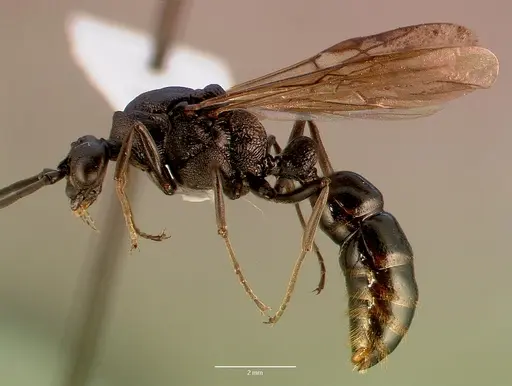
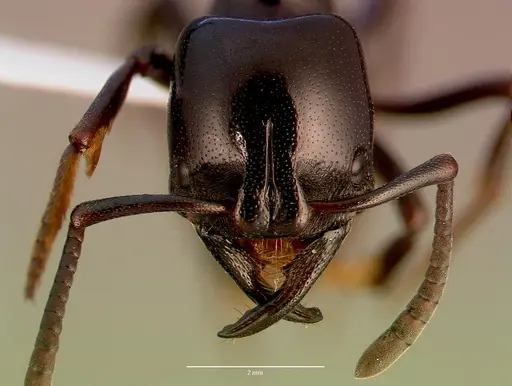
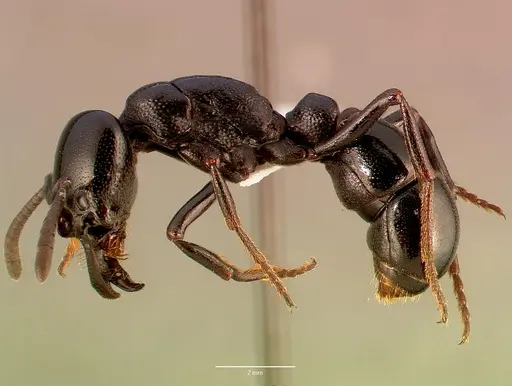
Plectroctena mandibularis is a medium-sized ponerine ant native to the Afrotropical region, found across sub-Saharan Africa from South Africa to Kenya and west to Angola and Cameroon . Workers measure approximately 10-15mm, making them a substantial predator . This species is best known for its specialized diet - it hunts and preys almost exclusively on millipedes, using coordinated foraging parties that search, capture, and retrieve prey individually . The colony structure is unusual: they have a single ergatoid queen (a wingless queen that looks almost identical to workers) and colonies max out at around 300 workers . This is a species for experienced antkeepers who can provide live millipedes or other small arthropods as a primary food source.
Quick Summary
- Difficulty: Expert
- Origin & Habitat: Afrotropical region, found across sub-Saharan Africa including South Africa, Zimbabwe, Mozambique, Kenya, Tanzania, Uganda, Rwanda, Democratic Republic of Congo, Ethiopia, Botswana, Namibia, Angola, Malawi, Zambia, and Eswatini [1]. They inhabit grassland and savanna habitats, nesting under rocks where solitary queens with eggs and larvae have been found [1][4].
- Colony Type: Colonies have a single ergatoid queen that is nearly identical to workers in size and appearance [1]. They contain up to 300 workers and reproduce through colony fission, where ergatoid queens mate away from natal nests and establish new colonies independently [1].
- Size & Growth:
- Queen: Ergatoid queen is similar in size to workers, approximately 10-15mm, inferred from worker size [2] and similarity [1].
- Worker: 10-15mm (approximately 5-7 lines) [2].
- Colony: Up to 300 workers [1].
- Growth: Moderate, inferred from small colony size and semi-claustral founding [1].
- Development: Estimated 8-12 weeks at warm temperatures based on typical Ponerinae patterns and semi-claustral founding [1]. (Development timeline is unconfirmed. Ergatoid queens hunt during founding, which may speed up development compared to fully claustral species.)
- Antkeeping:
- Temperature: Keep warm, roughly 24-28°C, based on tropical origin [1]. Provide a temperature gradient using a heating cable on one side of the nest.
- Humidity: Keep nest substrate consistently moist but not waterlogged, as they nest under rocks in nature [1].
- Diapause: No diapause required, as species is from tropical Africa [1].
- Nesting: Y-tong (AAC) nests or plaster nests work well. They prefer tight, dark chambers scaled to their size [1]. Given their small colony size, a naturalistic setup with flat stones is ideal. Avoid tall, open spaces.
- Behavior: Plectroctena mandibularis is a specialized predator with moderate aggression. Workers forage in coordinated parties of 10-15 individuals, led by a single scout that lays a chemical trail with its sting [1]. These trails are used for personal orientation and for recruiting nestmates to new nest sites, but NOT for recruiting to prey, each worker hunts and retrieves millipedes individually [1]. They are not polydomous and show aggression toward both conspecifics from other nests and heterospecific ant species [5]. They have a functional stinger and can deliver painful stings. Escape prevention is important though not as critical as for tiny ants, their moderate size makes standard barriers effective.
- Common Issues: specialized diet makes feeding difficult, they require live millipedes or small arthropods and may refuse standard ant foods., small colony size means slow growth and limited worker numbers even at maturity., semi-claustrally founding queens must hunt during founding, making early colony establishment risky., stinging ability means they can deliver painful defensive stings, handle with care., wild-caught colonies may have parasites that can decimate the colony in captivity.
Housing and Nest Preferences
Plectroctena mandibularis does well in Y-tong (AAC) nests or naturalistic setups. In the wild, they nest under rocks in grassland and savanna habitats, so they prefer dark, compact chambers with tight passages scaled to their 10-15mm worker size [1]. The nest should have a small water chamber for humidity but avoid oversaturating the substrate [1]. A test tube setup can work for founding colonies, but be prepared to move them to a more spacious formicarium once the colony reaches 30-50 workers. Because colonies max out around 300 workers, they do not need massive amounts of space, a medium-sized formicarium is sufficient for a mature colony. Ensure the outworld is escape-proof, while not tiny, they are active and can climb smooth surfaces.
Feeding and Diet - The Millipede Specialist
This is the most challenging aspect of keeping Plectroctena mandibularis. They are specialized millipede predators and the bulk of their diet should consist of small live millipedes or other small arthropods [1][3]. In captivity, you can offer: small live millipedes (the ideal but difficult to source regularly), small live crickets, fruit flies, mealworms, and other appropriately-sized live insects. They are solitary foragers, each worker hunts and retrieves prey individually rather than in groups [1]. This means you should offer multiple small prey items rather than one large one. Sugar water or honey is unlikely to be accepted given their predatory nature, they are not sugar-seekers. Feed every 2-3 days, removing any uneaten prey after 24 hours. The key challenge is establishing a reliable food source for this specialized predator.
Temperature and Seasonal Care
As a species from tropical and subtropical Africa, Plectroctena mandibularis prefers warm conditions. Keep the nest at warm temperatures, roughly 24-28°C, during the active season [1]. A heating cable placed on one side of the nest creates a temperature gradient, allowing workers to move between warmer and cooler areas as they choose. Regarding winter care, they likely do not require true hibernation given their African origin [1]. However, slight cooling to around 18-20°C during winter months may help simulate natural seasonal cycles. Do not let temperatures drop below 15°C.
Colony Structure and Reproduction
Plectroctena mandibularis has a unique colony structure that differs from most commonly kept ants. Colonies contain a single ergatoid queen, a true queen but born without wings, nearly identical in size and appearance to workers [1]. The colony reproduces through colony fission, where an ergatoid queen leaves the natal nest, mates away from the nest (unusual behavior), and establishes a new colony independently [1]. This is called semi-claustral founding, unlike claustral queens that seal themselves in and live off fat reserves, ergatoid queens must hunt for food during the founding period to feed themselves and their first brood [1]. Colonies remain relatively small, maxing out around 300 workers, so they will never become massive like some Formica or Camponotus species. This smaller colony size makes them more manageable for captive breeding.
Foraging Behavior and Defense
The foraging behavior of Plectroctena mandibularis is fascinating and unlike most ant species. Workers forage in parties of 10-15 individuals, with one scout leading the group and laying a chemical trail using its sting [1]. However, these trails serve two specific purposes: personal orientation and recruiting nestmates to new nest sites, but NOT for recruiting to prey [1]. When the foraging party breaks up, each worker searches for, captures, and retrieves millipede prey independently. They are aggressive predators with a functional stinger capable of delivering painful defensive stings. In the wild, they make two discrete foraging trips per day, one in early morning and one in late afternoon [5]. In captivity, they will be most active during these times or when their enclosure is warm. Handle with care and use appropriate escape prevention.
Frequently Asked Questions
What do Plectroctena mandibularis ants eat?
They are specialized millipede predators [1][3]. In captivity, you must provide live small millipedes, crickets, fruit flies, mealworms, or other small live arthropods. They are unlikely to accept sugar water or honey, they are predators, not sugar-seekers. This specialized diet is the biggest challenge in keeping this species.
How long does it take for Plectroctena mandibularis to produce first workers?
The exact development timeline is unconfirmed, but based on their semi-claustral founding and typical Ponerinae development, expect first workers in approximately 8-12 weeks at warm temperatures (24-28°C) [1]. The queen must hunt to feed herself and her brood, which can speed up development compared to fully claustral species.
How big do Plectroctena mandibularis colonies get?
Colonies reach a maximum of around 300 workers [1]. This is relatively small compared to many ponerine ants. The single ergatoid queen produces workers steadily but the colony size remains moderate throughout the colony's life.
Are Plectroctena mandibularis good for beginners?
No. This is an expert-level species due to several challenges: they require a specialized diet of live millipedes or small arthropods (they will not thrive on standard ant foods), they have a painful sting, and their semi-claustral founding makes early colony establishment risky [1]. They are best suited for experienced antkeepers who can provide the specialized prey they need.
What is an ergatoid queen?
An ergatoid queen is a true queen that is born without wings. In Plectroctena mandibularis, the ergatoid queen looks almost identical to workers in size and appearance, with only slight anatomical differences [1]. Unlike typical winged queens, ergatoid queens disperse on foot from their natal nest to mate and found new colonies.
Do Plectroctena mandibularis need hibernation?
No, diapause is not required as this species is from tropical Africa [1]. However, slight cooling to around 18-20°C during winter months may help simulate natural seasonal cycles. Do not expose them to temperatures below 15°C.
Can I keep multiple Plectroctena mandibularis queens together?
No. This species has single ergatoid queen colonies (monogyne) [1]. The ergatoid queen structure is designed for dispersal and independent colony founding, not for multi-queen colonies. Attempting to keep multiple unrelated queens together would likely result in aggression.
When should I move Plectroctena mandibularis to a formicarium?
You can keep founding colonies in a test tube setup. Once the colony reaches 30-50 workers and the test tube space becomes cramped, transfer to a Y-tong (AAC) or naturalistic formicarium [1]. Given their moderate final colony size (around 300 workers), a medium-sized formicarium will accommodate a mature colony.
Why do my Plectroctena mandibularis keep dying?
The most likely causes are: inadequate food (they need live prey, not dead insects or sugar), incorrect humidity (too wet or too dry), or temperature issues (too cold) [1]. They are specialized predators, if you are only offering dead insects or standard ant foods, they will starve. Ensure you can provide a regular supply of small live arthropods before acquiring this species.
Report an Issue
The current care sheet is based fully on literature. See inconsistencies, or something that's incorrect? Please , it will be resolved after review from an admin. Contributing to the blogs tab also helps providing information, to make us be able to further improve the caresheets. Thank you for your support!
References

This caresheet is licensed under CC BY-SA 4.0 .
Community Blogs
CASENT0102950
View on AntWeb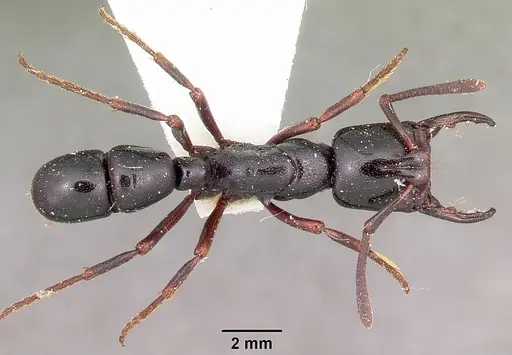
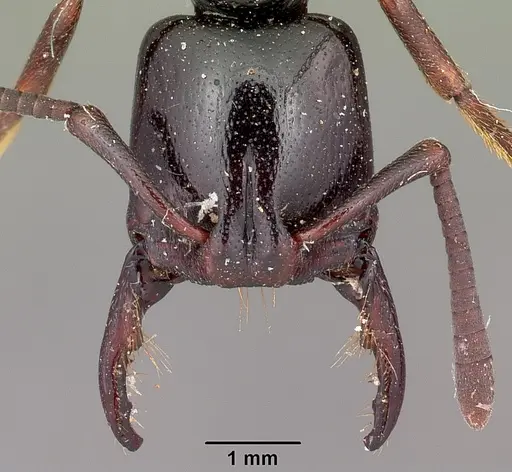
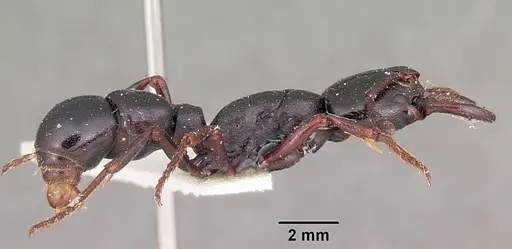
CASENT0235670
View on AntWeb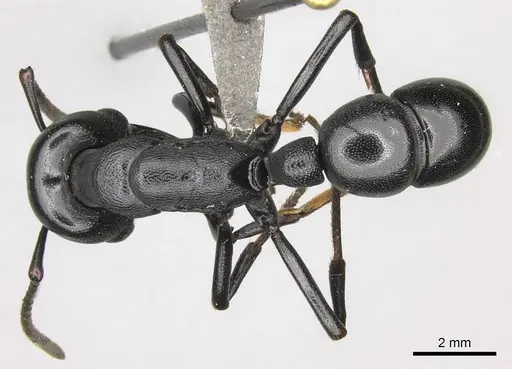
CASENT0235990
View on AntWeb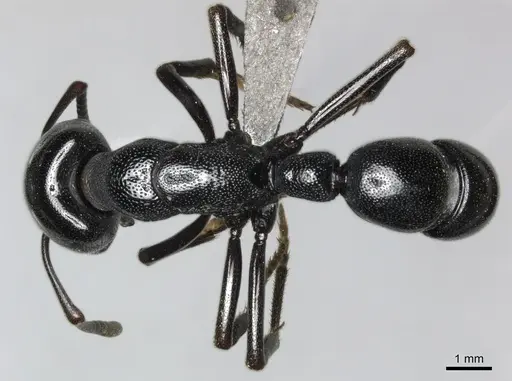
CASENT0249217
View on AntWeb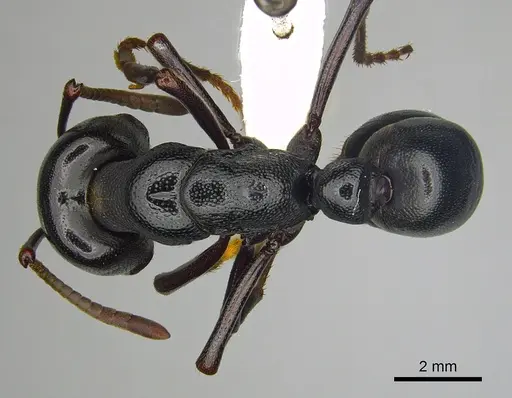
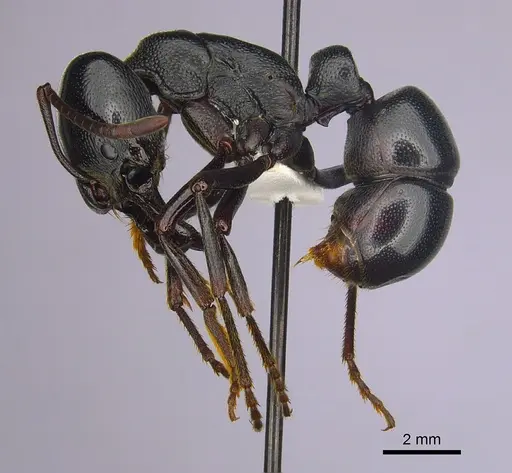
CASENT0251991
View on AntWeb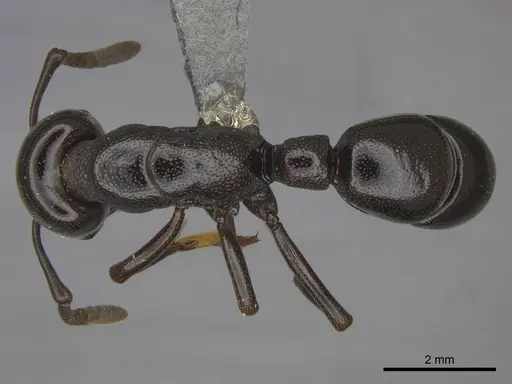
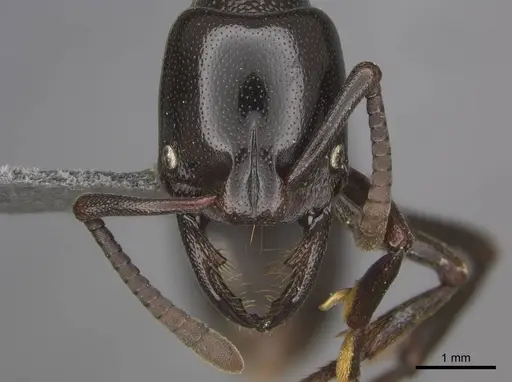
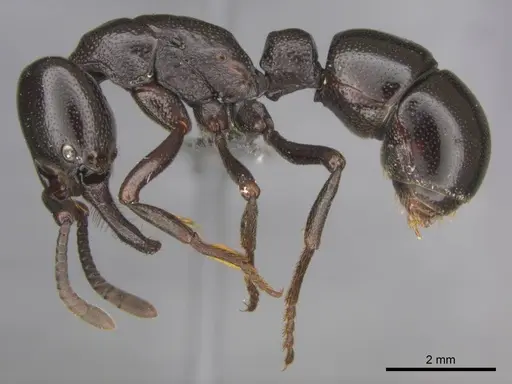
CASENT0812273
View on AntWeb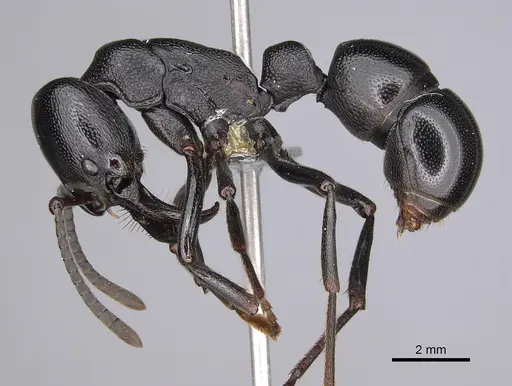
CASENT0822731
View on AntWeb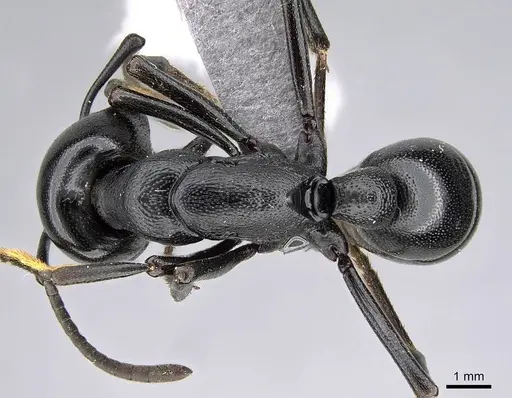
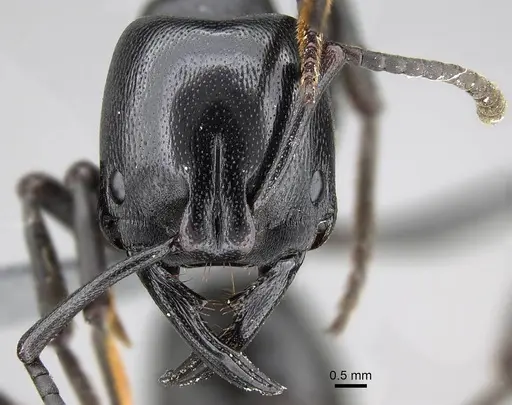
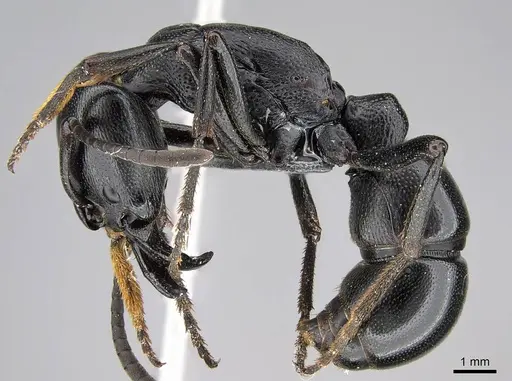
CASENT0902467
View on AntWeb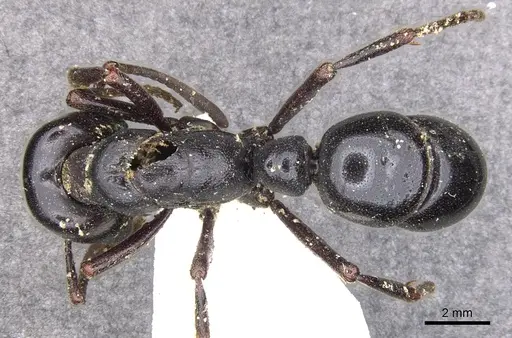
CASENT0907335
View on AntWeb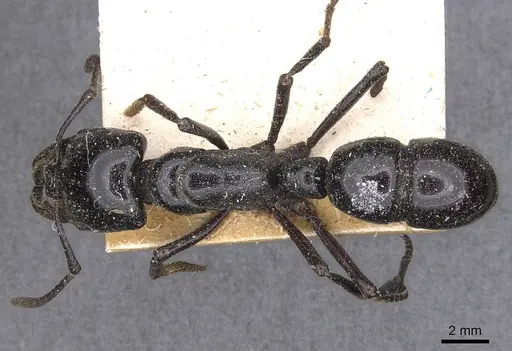
CASENT0915284
View on AntWeb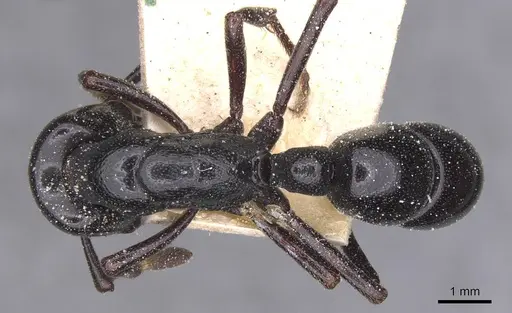
CASENT0915290
View on AntWeb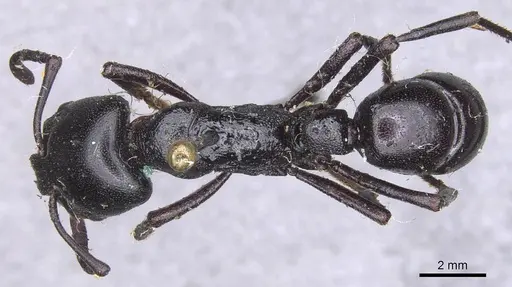
FOCOL1014
View on AntWeb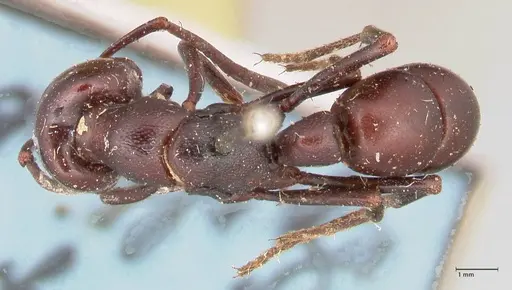
FOCOL1015
View on AntWeb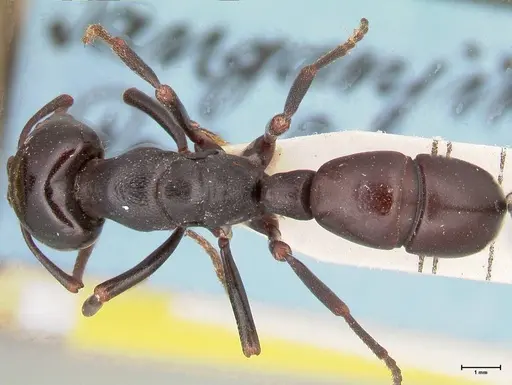
RMCAENT000017734
View on AntWeb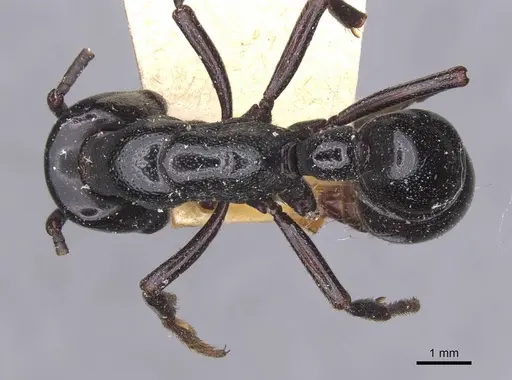
SAM-HYM-C007208A
View on AntWeb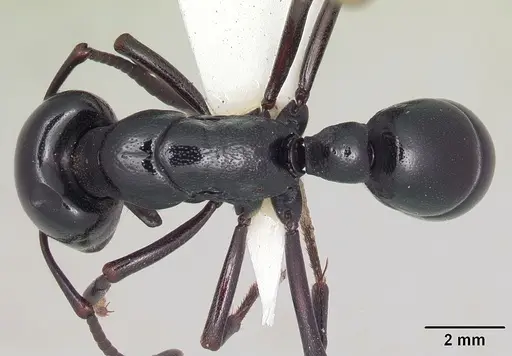
SAM-HYM-C007208B
View on AntWeb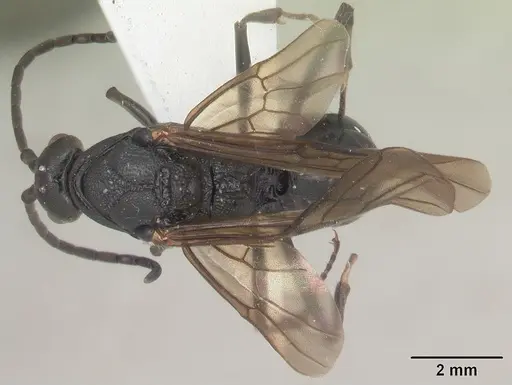
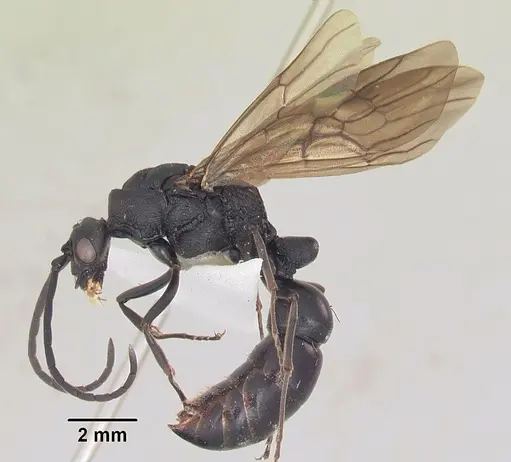
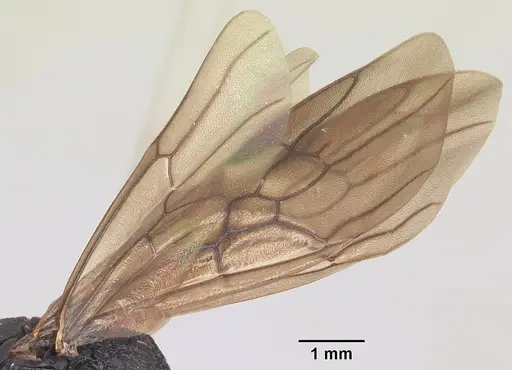
SAM-HYM-C008861A
View on AntWeb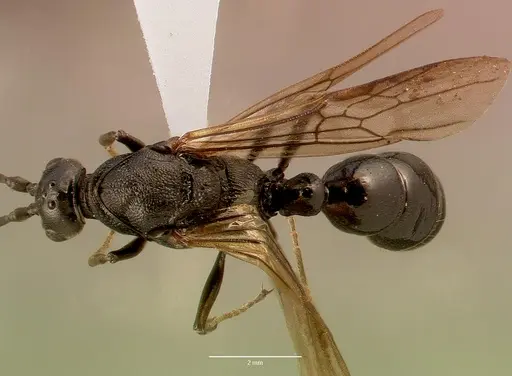
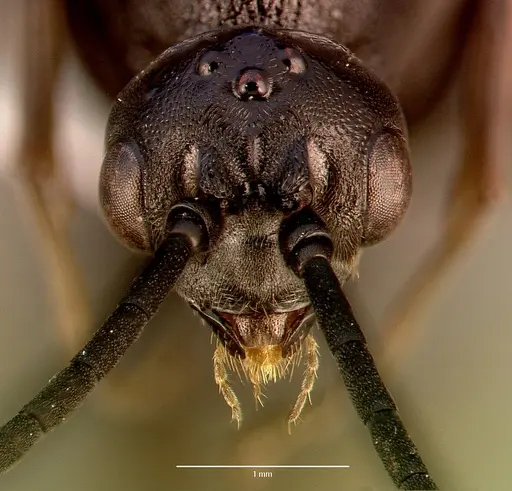
SAM-HYM-C008861B
View on AntWeb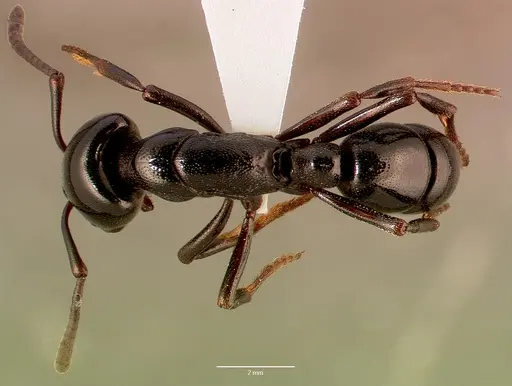
Literature
Loading distribution map...Loading products...