
Plectroctena macgeei
- Sci. Name
- Plectroctena macgeei
- Tribe
- Ponerini
- Subfamily
- Ponerinae
- Author
- Bolton, 1974
- Distribution
- Found in 0 countries
Introduction
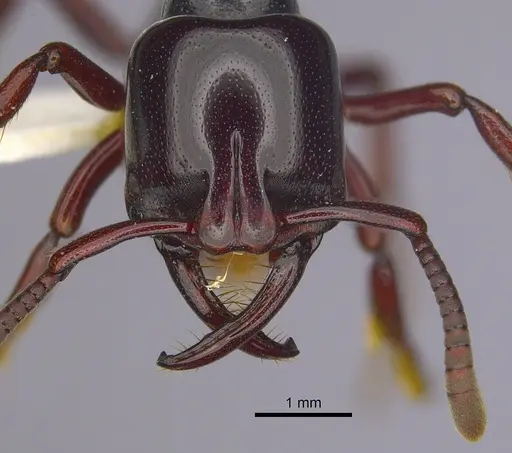
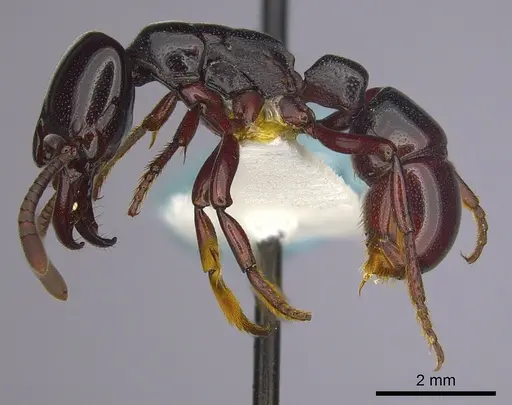
Plectroctena macgeei is a predatory ponerine ant native to West Africa, found in Ghana and Nigeria . Workers are part of the leaf litter ant fauna, foraging in the forest floor layer. The genus Plectroctena is specialized for hunting centipedes and other large prey using their mandibles. This species is known for its powerful sting and predatory hunting behavior.
Quick Summary
- Difficulty: Medium
- Origin & Habitat: West Africa (Ghana, Nigeria), found in leaf litter in forest habitats [1]
- Colony Type: Based on typical Ponerinae patterns, likely monogyne (single queen colonies).
- Size & Growth:
- Queen: Size unknown, inferred from Plectroctena genus (~10-12 mm)
- Worker: Size unknown, inferred from Plectroctena genus (~7-9 mm)
- Colony: Estimated up to several hundred workers at maturity.
- Growth: Moderate
- Development: Estimated 8-12 weeks based on typical Ponerinae development at warm temperatures. (Development time inferred from related Ponerinae species, direct measurements not available for this species.)
- Antkeeping:
- Temperature: Keep warm, around 24-28°C, as a tropical species. Use a heating gradient.
- Humidity: Keep nest substrate consistently moist but not waterlogged, as forest floor ants.
- Diapause: No, tropical species do not require hibernation.
- Nesting: Y-tong or plaster nests that hold humidity well, mimicking forest floor conditions.
- Behavior: Plectroctena are active hunters with a strong sting. They are defensive and will use their sting if threatened. Escape prevention is important due to their medium size.
- Common Issues: tropical warmth requirements mean colonies can struggle in cool rooms., predatory diet requires regular live prey, cannot survive on just sugar water., high humidity needs can lead to mold problems if ventilation is poor., slow colony growth compared to more common species can frustrate beginners.
Housing and Nest Setup
Plectroctena macgeei does well in Y-tong or plaster nests that hold humidity well. These ants need tight, humid chambers that mimic their forest floor leaf litter habitat [1]. A test tube setup can work for founding colonies, but plan to move them to a proper nest once the colony reaches a moderate size. The nest should have a moisture gradient so workers can choose their preferred humidity level.
Feeding and Diet
As predatory ponerine ants, Plectroctena macgeei needs a protein-rich diet based on live prey. They are specialized hunters that prefer larger prey items like mealworms, small crickets, and other insects. Offer prey items twice weekly, removing any uneaten portions after 24 hours. Sugar water or honey can be offered occasionally, but protein should form the bulk of their diet.
Temperature and Heating
Being a tropical West African species, Plectroctena macgeei requires warm temperatures year-round. Keep the nest area between 24-28°C for optimal brood development. Use a heating cable or small heat mat on one side of the nest to create a temperature gradient.
Humidity Requirements
These forest floor ants need high humidity to thrive. Keep the nest substrate consistently moist but not waterlogged, the substrate should feel damp to the touch. A water reservoir connected to the nest helps maintain stable humidity.
Behavior and Temperament
Plectroctena are active, predatory ants with a strong bite and sting. Workers are alert and will defend the nest aggressively if threatened. They are primarily nocturnal hunters, so you may see more activity in the evening and night hours. Escape prevention is important, they can climb smooth surfaces but are not particularly strong climbers.
Frequently Asked Questions
How long does it take for Plectroctena macgeei to produce first workers?
Expect first workers in about 8-12 weeks after the queen lays eggs, assuming optimal temperatures around 26°C. This is slower than many common ant species.
Can I keep Plectroctena macgeei in a test tube setup?
Yes, test tubes work well for founding colonies. Keep the water reservoir filled and maintain warm temperatures. Move the colony to a proper nest once they reach a moderate size or if the test tube becomes cramped.
What do Plectroctena macgeei eat?
They are predatory and need live protein prey like mealworms, small crickets, and other insects. Offer prey twice weekly. They may occasionally accept sugar water or honey, but protein should form the main diet.
Are Plectroctena macgeei good for beginners?
This species is rated as medium difficulty. They are less commonly kept than beginner-friendly species. You will need to provide live prey regularly and maintain warm, humid conditions.
Do Plectroctena macgeei need hibernation?
No, they are a tropical species from West Africa and do not require hibernation. Keep them warm year-round at 24-28°C.
How big do Plectroctena macgeei colonies get?
Based on typical Ponerinae patterns, colonies likely reach up to several hundred workers at maturity. Growth is moderate and depends on proper feeding and temperature.
Can I keep multiple Plectroctena macgeei queens together?
This is not recommended. Plectroctena are likely monogyne (single queen) colonies. Combining unrelated queens would likely result in fighting. Only keep one queen per colony.
Why are my Plectroctena macgeei dying?
Common causes include: temperatures too low, humidity too low or too high, lack of live prey, or mold from poor ventilation. Check your conditions first.
When should I move Plectroctena macgeei to a formicarium?
Move them when the test tube becomes cramped or the colony reaches a moderate size. A Y-tong or plaster nest works well. Make sure the new nest has appropriate humidity and a connection to an outworld with food.
Report an Issue
The current care sheet is based fully on literature. See inconsistencies, or something that's incorrect? Please , it will be resolved after review from an admin. Contributing to the blogs tab also helps providing information, to make us be able to further improve the caresheets. Thank you for your support!
References

This caresheet is licensed under CC BY-SA 4.0 .
Community Blogs
CASENT0102947
View on AntWeb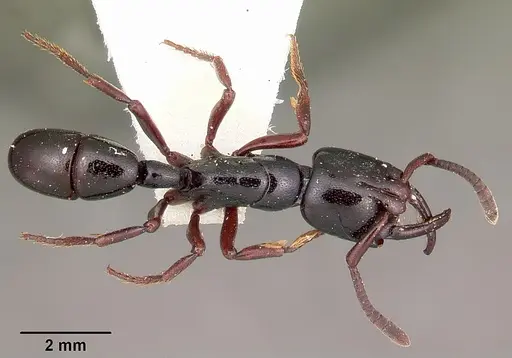
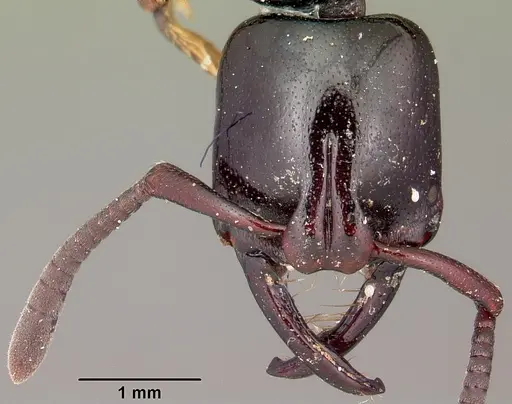
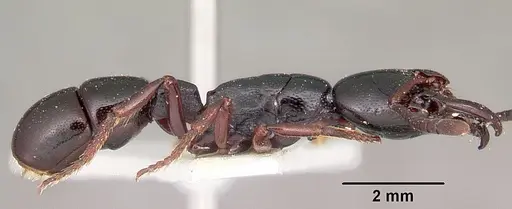
CASENT0249216
View on AntWeb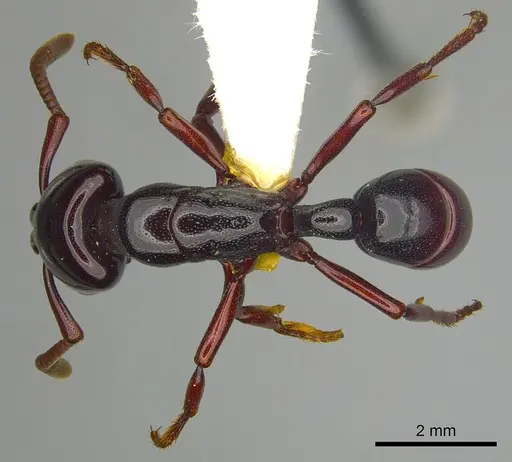
Literature
Loading distribution map...Loading products...