
Plectroctena lygaria
- Sci. Name
- Plectroctena lygaria
- Tribe
- Ponerini
- Subfamily
- Ponerinae
- Author
- Bolton <i>et al.</i>, 1979
- Distribution
- Found in 1 countries
Introduction
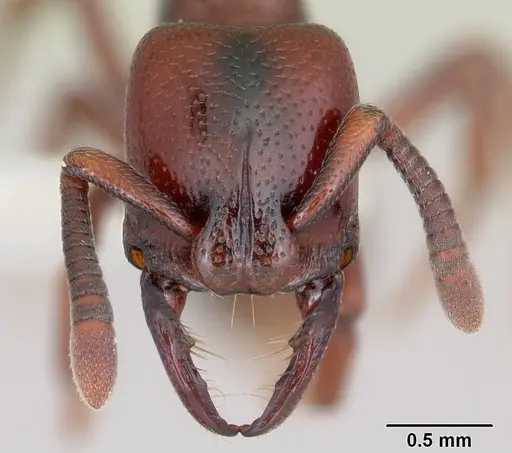
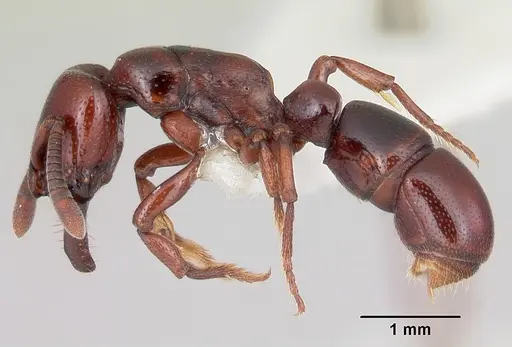
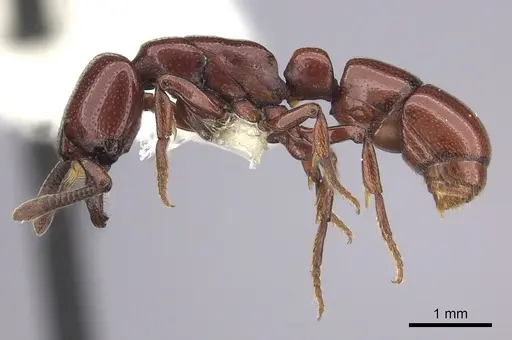
Plectroctena lygaria is a West African Ponerine ant species described from Ivory Coast. Workers are moderate-sized for the genus, with elongated mandibles typical of Plectroctena. This species is part of the Ponerinae subfamily, known for predatory habits and potent stings. The genus is specialized for hunting and storing prey, particularly myriapod eggs and millipede eggs . Little is known about specific biology, but it shares egg-predation behavior with other Plectroctena species.
Quick Summary
- Difficulty: Medium
- Origin & Habitat: Ivory Coast, West Africa, in forest-savannah mosaic environments [3].
- Colony Type: Colony structure is unconfirmed, no specific data on queen number or social structure.
- Size & Growth:
- Queen: Size data unavailable, no total length measurements in research context
- Worker: Size data unavailable, no total length measurements in research context
- Colony: Estimated up to several hundred workers, based on genus patterns
- Growth: Moderate, inferred from related Ponerinae species
- Development: Estimated 6-10 weeks at tropical temperatures, based on related species patterns (Development time is estimated, specific data for P. lygaria is unavailable)
- Antkeeping:
- Temperature: Keep warm year-round, roughly 24-28°C, inferred from tropical habitat [3]
- Humidity: Keep substrate consistently moist but not waterlogged, based on forest-edge habitat
- Diapause: No, tropical species does not require hibernation, inferred from geographic range
- Nesting: Use test tube setup for founding, once established, Y-tong or plaster nests with small outworld, standard practice for Ponerinae
- Behavior: Plectroctena lygaria is a specialized egg predator, hunting myriapod and millipede eggs [1][2]. As Ponerinae, they have a functional sting for defense. Workers forage individually or in small groups and are moderately aggressive when defending the nest.
- Common Issues: specialized diet may refuse standard foods, live prey is essential for colony growth, temperatures below 22°C can weaken or kill the colony, escape prevention needed, they can climb smooth surfaces, wild-caught colonies may carry parasites difficult to treat, founding phase may take months, patience required
Housing and Setup
For a newly caught queen, use a standard test tube setup with water and cotton plug. Place in a dark, quiet location at 24-28°C. Once the colony reaches 30-50 workers, move to a Y-tong or plaster nest with a small outworld. Use barrier methods like fluon on rims to prevent escapes. Provide a heat source if room temperature is below 24°C. [3]
Feeding and Diet
This species is a specialized egg predator, hunting myriapod eggs and storing millipede eggs [1][2]. In captivity, offer live small prey like fruit flies, small crickets, and mealworm pieces. Sugar water or honey can be offered occasionally, but protein from live prey is essential. Feed every 2-3 days, removing uneaten prey after 24 hours.
Temperature and Seasonal Care
As a tropical West African species, keep temperatures between 24-28°C year-round. No hibernation is needed. If room temperature is below this range, use a heating cable or heat mat to create a gradient. Avoid prolonged temperatures below 22°C.
Behavior and Defense
Plectroctena lygaria has a functional sting as part of the Ponerinae subfamily. Workers hunt individually or in small groups and defend the nest aggressively when disturbed. They are not typically aggressive toward humans unless threatened.
Colony Development
Founding behavior is unconfirmed, no specific data on whether queens are claustral or semi-claustral. Expect a slow founding phase, be patient and provide regular small prey. Growth rate is moderate once workers emerge.
Frequently Asked Questions
What do Plectroctena lygaria ants eat?
They are specialized egg predators, hunting myriapod and millipede eggs [1][2]. In captivity, feed live small insects like fruit flies, small crickets, and mealworm pieces.
How long does it take for Plectroctena lygaria to produce first workers?
Founding behavior is unconfirmed, but based on related species, expect several months for first workers to emerge. Patience is essential.
Do Plectroctena lygaria ants sting?
Yes, as Ponerinae ants, they have a functional sting for defense. Handle gently and avoid disturbing the nest.
What temperature do Plectroctena lygaria need?
Keep them at 24-28°C year-round, as a tropical species. Use heating if room temperature is below this range.
Can I keep multiple Plectroctena lygaria queens together?
Colony structure is unconfirmed, but Plectroctena species are typically single-queen. Combining unrelated queens may result in fighting.
Are Plectroctena lygaria good for beginners?
This species is rated Medium difficulty due to specialized diet, unconfirmed founding behavior, and tropical temperature needs. Not ideal for first-time keepers.
Do Plectroctena lygaria need hibernation?
No, as a tropical species, they do not require hibernation. Keep them warm year-round.
How big do Plectroctena lygaria colonies get?
Colony size is unconfirmed, but estimated up to several hundred workers based on genus patterns.
When should I move Plectroctena lygaria to a formicarium?
Keep them in a test tube setup until the colony reaches 30-50 workers, then transfer to a Y-tong or plaster nest with an outworld.
Why are my Plectroctena lygaria dying?
Common causes include temperatures below 22°C, too dry conditions, lack of live prey, or parasites from wild-caught colonies. Check husbandry parameters and ensure appropriate food.
Report an Issue
The current care sheet is based fully on literature. See inconsistencies, or something that's incorrect? Please , it will be resolved after review from an admin. Contributing to the blogs tab also helps providing information, to make us be able to further improve the caresheets. Thank you for your support!
References

This caresheet is licensed under CC BY-SA 4.0 .
Community Blogs
CASENT0004981
View on AntWeb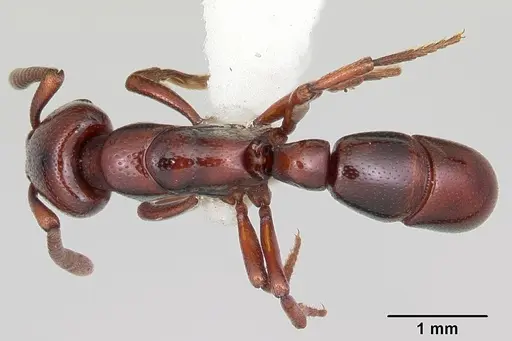
CASENT0102919
View on AntWeb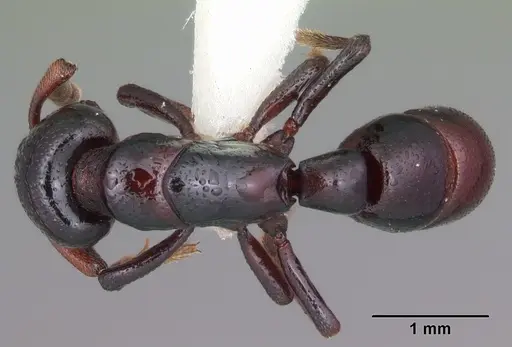
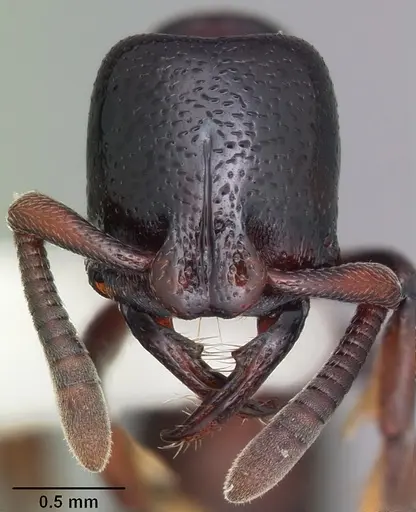
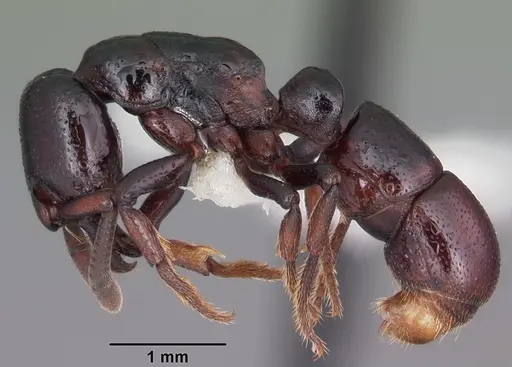
CASENT0102987
View on AntWeb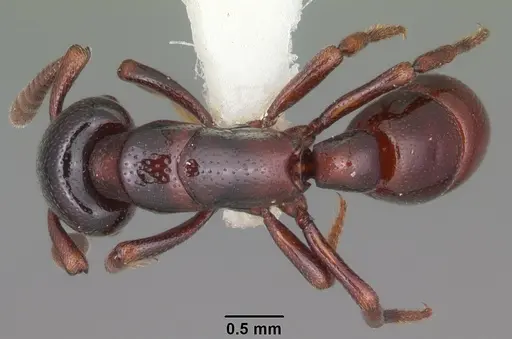
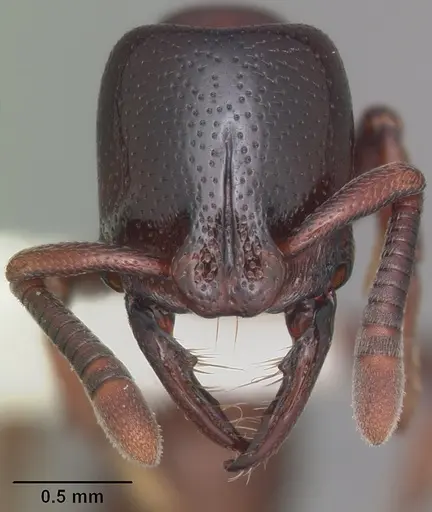
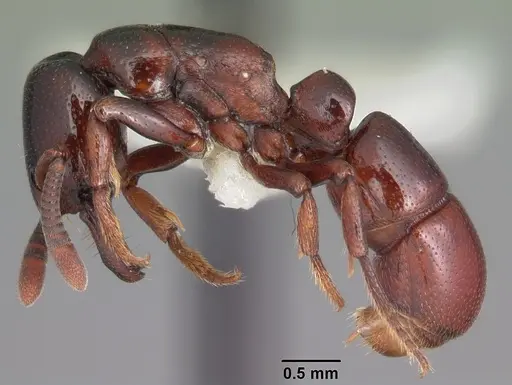
CASENT0104134
View on AntWeb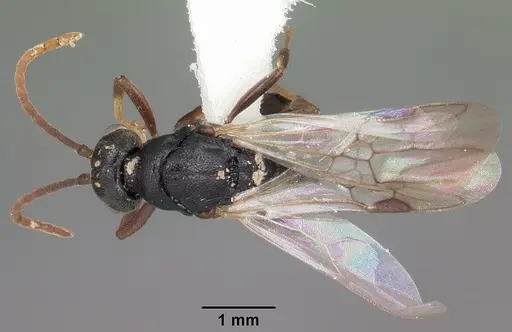
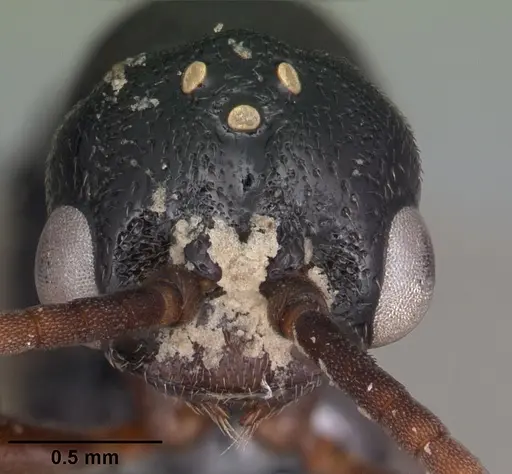
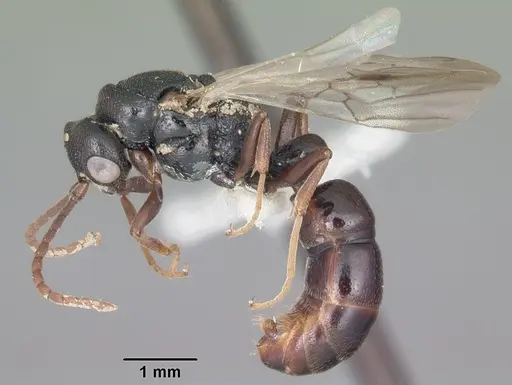
CASENT0104135
View on AntWeb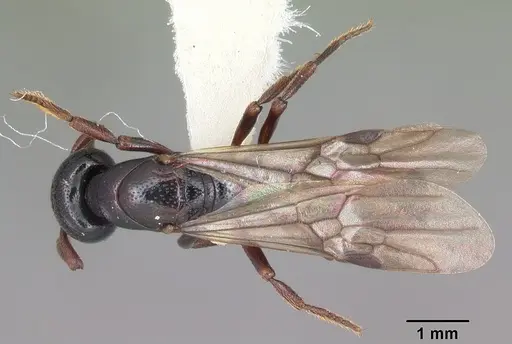
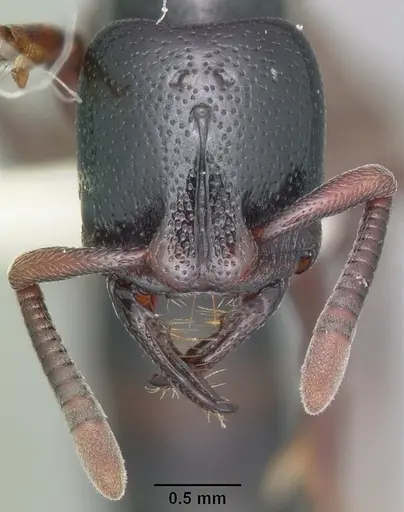
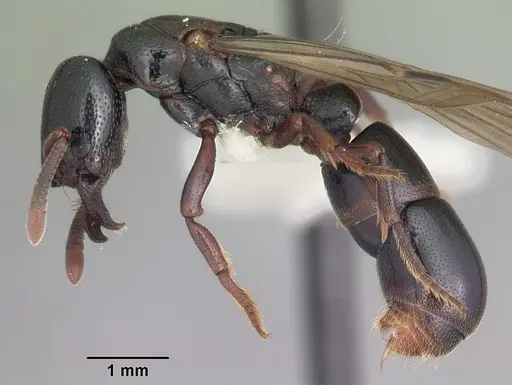
CASENT0172255
View on AntWeb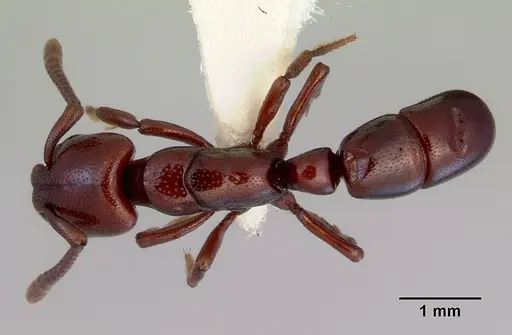
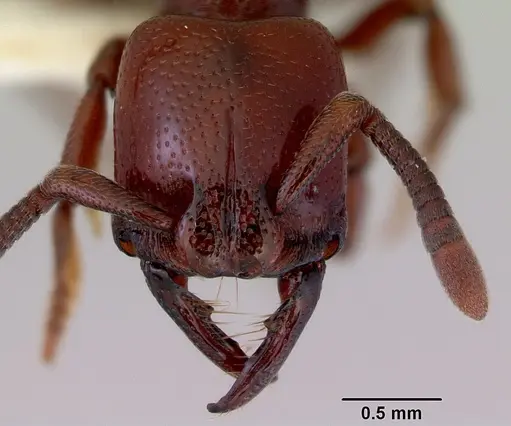
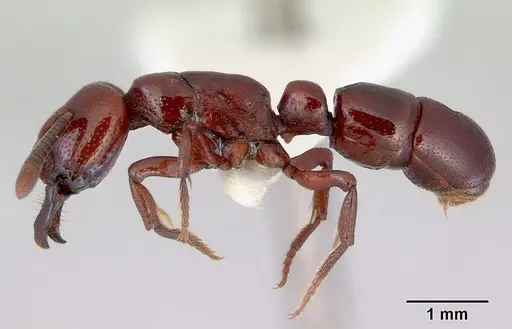
CASENT0249215
View on AntWeb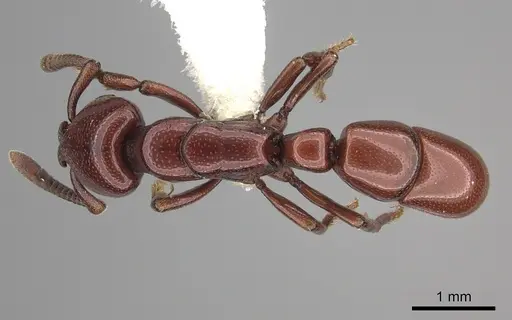
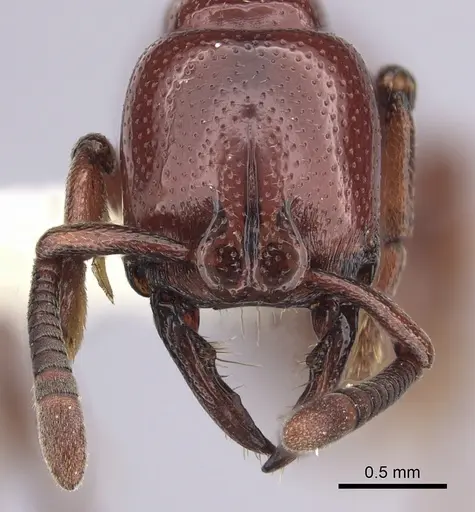
Literature
Loading distribution map...Loading products...