
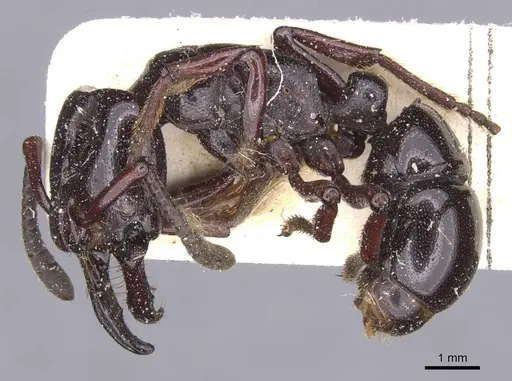
Plectroctena latinodis
- Sci. Name
- Plectroctena latinodis
- Tribe
- Ponerini
- Subfamily
- Ponerinae
- Author
- Santschi, 1924
- Distribution
- Found in 1 countries
Introduction
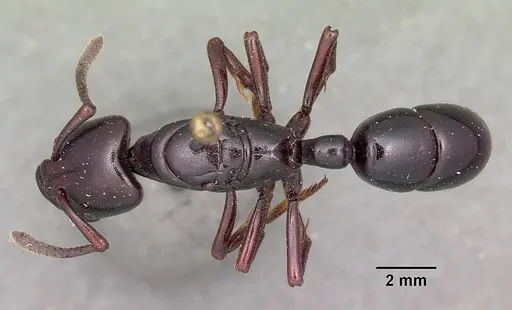
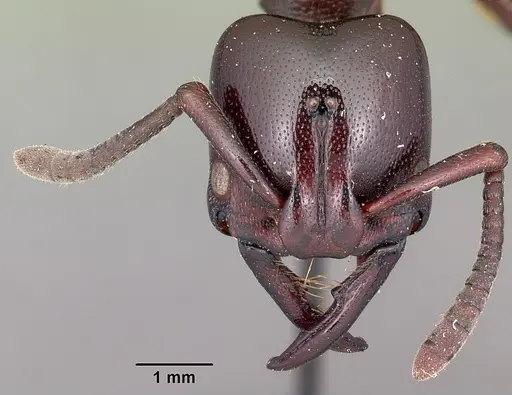
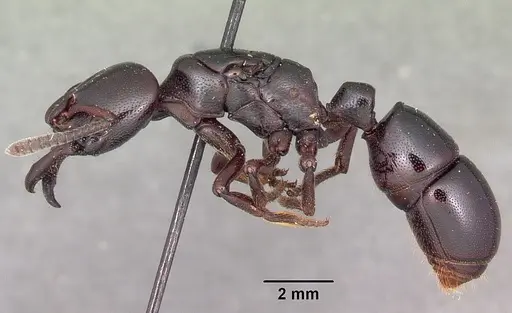
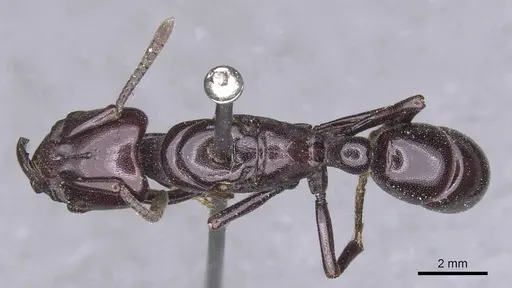
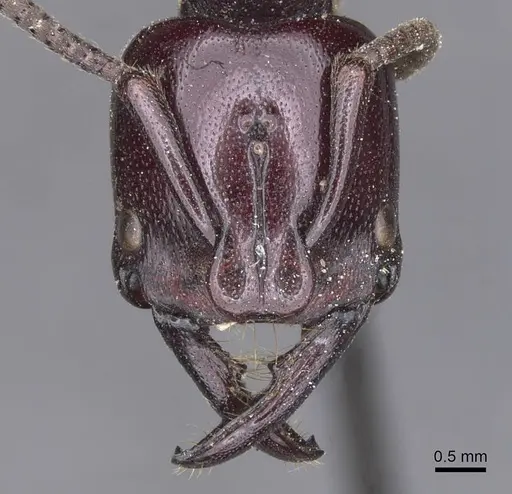
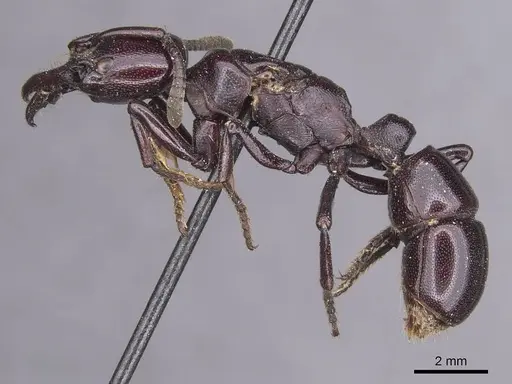
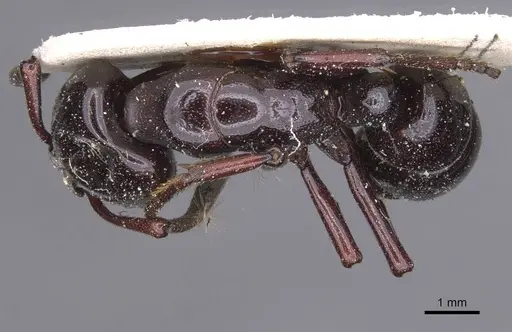
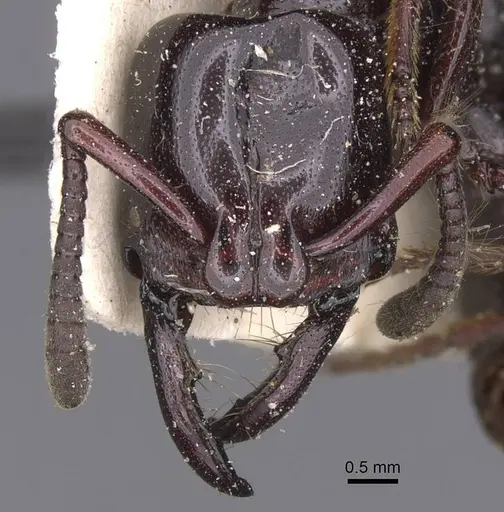
Plectroctena latinodis is a predatory ant species native to the Democratic Republic of Congo in Central Africa. These ants belong to the subfamily Ponerinae, known for their powerful mandibles and potent stings. Size data for this species is unavailable, but based on the genus Plectroctena, workers are typically robust and medium-sized. The species is found in the Kasai-Oriental region (Province KN) . In their natural habitat of tropical African forests, these ants are active predators that hunt insects and other small arthropods. One notable feature is their potent sting, which is characteristic of ponerine ants, making handling caution necessary.
Quick Summary
- Difficulty: Medium
- Origin & Habitat: Democratic Republic of Congo, Central Africa. Found in tropical forest habitats in the Kasai-Oriental region (Province KN) [1].
- Colony Type: Colony structure is unconfirmed. Based on typical Ponerinae patterns, likely monogyne (single queen).
- Size & Growth:
- Queen: Size unknown, based on genus patterns
- Worker: Size unknown, based on genus patterns
- Colony: Unknown
- Growth: Moderate, estimated based on typical Ponerinae development
- Development: Unknown, no specific data available (Development time is unconfirmed for this species.)
- Antkeeping:
- Temperature: Keep at warm conditions, roughly 24-28°C, based on tropical habitat. A gradient allows self-regulation.
- Humidity: Keep substrate consistently moist but not waterlogged, as for forest-dwelling ants.
- Diapause: No, tropical species do not require hibernation.
- Nesting: Use naturalistic setups with moist substrate or plaster nests that retain humidity. Prefer dark, enclosed spaces.
- Behavior: Based on subfamily patterns, these ants are predatory and active hunters. Workers are aggressive toward prey and have a potent sting. They are moderately defensive and can climb well, so escape prevention is important.
- Common Issues: tropical species may struggle in cool, dry environments without heating., predatory diet requires regular live prey, failure to provide protein leads to colony decline., potent sting makes handling risky, use caution when servicing nests., slow founding phase, queens may take months to raise first workers., wild-caught colonies may have parasites or disease.
Housing and Nest Setup
Plectroctena latinodis does well in naturalistic setups that mimic their forest floor habitat. Use a moist substrate mixture of soil and peat or coco fiber at least 5-10cm deep. This allows the ants to dig chambers and maintain humidity. A Y-tong or plaster nest with a water reservoir also works well, provided humidity is maintained. The nest area should be dark, these ants prefer enclosed spaces. Include a shallow water dish in the outworld. Escape prevention is important, use a barrier like fluon on the rim of the formicarium and ensure all openings are sealed. A foraging area with natural decorations encourages natural hunting behavior.
Feeding and Diet
As predatory ants, Plectroctena latinodis requires a protein-rich diet of live or killed insects. Offer small to medium insects such as fruit flies, small crickets, mealworms, and waxworms. Feed prey items roughly twice weekly, adjusting based on colony size and consumption. Remove uneaten prey after 24-48 hours to prevent mold. While not typically sugar-dependent, they may occasionally accept a drop of honey or sugar water, but this should not be a primary food source. Fresh water must always be available.
Temperature and Heating
These tropical ants need warm conditions to thrive. Maintain temperatures between 24-28°C in the nest area. A heating cable or mat placed on one side of the nest creates a temperature gradient that allows workers to self-regulate. Place the heat source on top of the nest, not underneath, to avoid drying out the substrate too quickly. Room temperature may be sufficient in well-heated homes, but monitor colony activity, if workers seem sluggish, increase temperatures slightly.
Behavior and Temperament
Plectroctena latinodis is an active, predatory ant with strong hunting instincts. Workers are robust and can deliver a painful sting if threatened. They are moderately defensive and will attack intruders that come too close to the nest. Workers forage individually rather than in raiding parties. They are primarily crepuscular or nocturnal, becoming most active during dim lighting conditions. In captivity, they will establish clear foraging routes.
Frequently Asked Questions
How long does it take for Plectroctena latinodis to raise first workers?
The exact timeline is unknown for this species. Based on related Ponerinae patterns, it may take several months at optimal temperatures.
What do Plectroctena latinodis eat?
They are predatory ants that need live or killed insects. Feed small insects like fruit flies, pinhead crickets, and mealworms. Protein should be the primary food source.
Are Plectroctena latinodis good for beginners?
This species is rated as medium difficulty. They require consistent heating, humidity maintenance, and a predatory diet, so they are not recommended as a first ant.
Do Plectroctena latinodis need hibernation?
No, as a tropical African species they do not require hibernation. Keep them at warm tropical temperatures year-round.
How big do Plectroctena latinodis colonies get?
Colony size is unknown for this species. Based on related ponerine ants, colonies may reach several hundred workers at maturity.
Can I keep multiple Plectroctena latinodis queens together?
Colony structure is unconfirmed for this species. Based on typical Ponerinae patterns, they are likely monogyne (single queen). Combining unrelated queens is not recommended without evidence of polygyny.
What temperature is ideal for Plectroctena latinodis?
Keep nest temperatures between 24-28°C. A slight gradient allowing workers to choose their preferred temperature is ideal.
When should I move Plectroctena latinodis to a formicarium?
Wait until the colony has a stable number of workers before moving. A founding setup works well for the initial phase. Ensure the formicarium has appropriate humidity and escape prevention.
Why is my Plectroctena latinodis colony declining?
Common causes include insufficient heat, lack of adequate prey, too dry or too wet substrate, parasites, or stress from disturbance. Review care parameters and ensure consistent access to live prey and water.
Report an Issue
The current care sheet is based fully on literature. See inconsistencies, or something that's incorrect? Please , it will be resolved after review from an admin. Contributing to the blogs tab also helps providing information, to make us be able to further improve the caresheets. Thank you for your support!
References

This caresheet is licensed under CC BY-SA 4.0 .
Community Blogs
Literature
Loading distribution map...Loading products...