
Plectroctena laevior
- Sci. Name
- Plectroctena laevior
- Tribe
- Ponerini
- Subfamily
- Ponerinae
- Author
- Stitz, 1924
- Distribution
- Found in 1 countries
Introduction
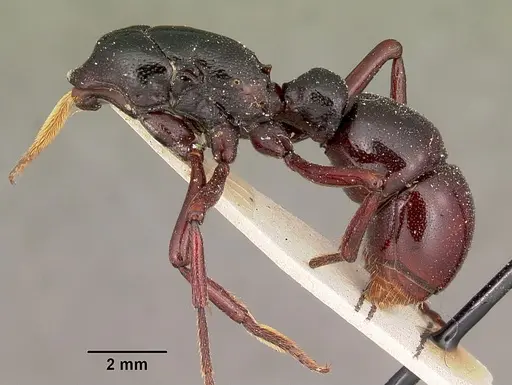
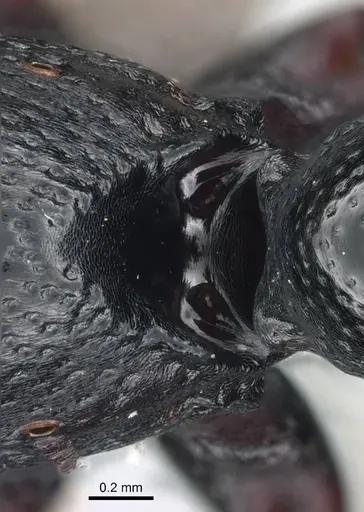
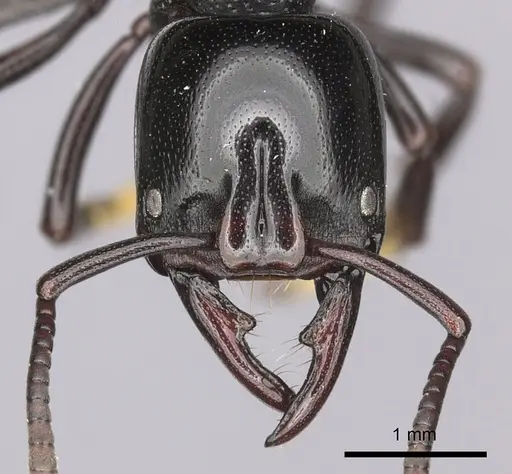
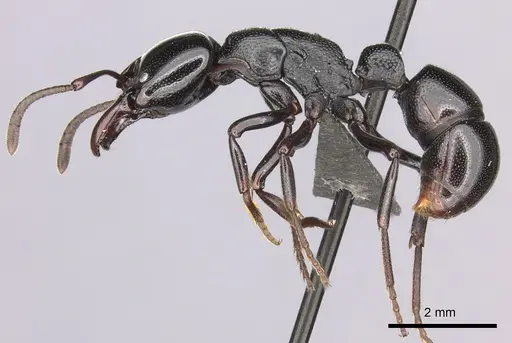
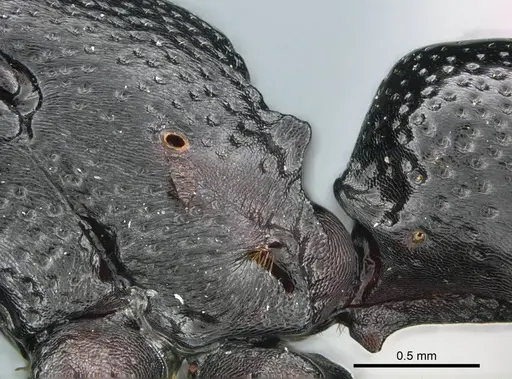
Plectroctena laevior is a predatory ant species from the Ponerinae subfamily, found in the Democratic Republic of Congo and Tanzania . It was originally described as a subspecies of Plectroctena mandibularis in 1924 and raised to full species status by Bolton in 1974 . As a member of the Ponerini tribe, it has a functional sting for defense, typical of primitive hunter ants.
Quick Summary
- Difficulty: Medium
- Origin & Habitat: Tropical forests of the Democratic Republic of Congo and Tanzania, endemic to these areas [1][2].
- Colony Type: Based on typical Plectroctena genus patterns, likely monogyne (single queen colonies). Colony structure is not directly documented for this species.
- Size & Growth:
- Queen: Size data unavailable. Inferred from Plectroctena genus: approximately 10-14 mm.
- Worker: Size data unavailable. Inferred from Plectroctena genus: approximately 6-10 mm.
- Colony: Up to estimated several hundred workers at maturity, based on related Ponerine species.
- Growth: Moderate, inferred from typical Ponerinae development.
- Development: Estimated 6-10 weeks at optimal temperature, based on typical Ponerinae patterns. (Development time is inferred, species-specific timing is unconfirmed.)
- Antkeeping:
- Temperature: Keep warm and stable, roughly 24-28°C, inferred from tropical forest habitat.
- Humidity: Keep nest substrate consistently moist but not waterlogged, as this species is from humid forests [2].
- Diapause: No, as a tropical species, it does not require hibernation.
- Nesting: Use Y-tong or plaster nests that retain moisture, as preferred by forest-dwelling ants.
- Behavior: Plectroctena laevior is predatory and aggressive, using powerful mandibles and a sting for defense. Workers are active hunters and may be defensive of their nest. Escape prevention is important due to their activity.
- Common Issues: predatory nature requires constant live prey, failure to provide adequate food leads to colony decline., high humidity requirements can lead to mold problems if ventilation is inadequate., tropical species may struggle if room temperature drops below 22°C., wild-caught colonies may have parasites that are difficult to treat in captivity., founding phase may be slow, queens take time to raise first workers.
Natural History and Distribution
Plectroctena laevior is endemic to the Afrotropical region, specifically found in the Democratic Republic of Congo and Tanzania. The species was first described in 1924 by Stitz from Tanzania as a worker, originally classified as a subspecies of Plectroctena mandibularis. In 1974,Bolton raised it to full species status based on morphological differences [1]. In the DRC, it has been recorded specifically in the Sud-Kivu region, indicating a preference for certain tropical forest habitats in Central Africa [1][2].
Housing and Nest Preferences
Based on typical Ponerinae preferences, Y-tong or plaster nests are suitable for retaining moisture. Keep the nest in a dark location, as these ants prefer dim conditions. An outworld area for foraging should be provided with easy access to the nest. Ensure all connections are secure to prevent escapes, as workers are active explorers.
Feeding and Diet
As a predatory ant, Plectroctena laevior requires a protein-rich diet of live insects. Suitable prey includes small crickets, mealworms, fruit flies, and termites, which are natural in their habitat. Feed small prey items 2-3 times per week, adjusting based on colony consumption. Remove uneaten prey after 24 hours to prevent mold.
Temperature and Humidity Requirements
Keep the nest temperature around 24-28°C, using a heating cable to create a gradient if needed. Humidity should be maintained by keeping the substrate consistently moist but not waterlogged. Good ventilation is important to prevent mold while retaining moisture.
Behavior and Colony Dynamics
This species exhibits typical Ponerine behavior: active hunting with powerful mandibles and a sting for defense. Workers are aggressive defenders of their nest and may be active during evening hours. Founding colonies grow slowly, with queens raising first workers alone on stored reserves.
Frequently Asked Questions
How long does it take for Plectroctena laevior to raise first workers?
Based on typical Ponerine development, expect 6-10 weeks from egg to first worker at optimal temperature (24-28°C). The exact timeline for this species is unconfirmed.
What do Plectroctena laevior ants eat?
They are predatory ants that need live protein prey, such as small crickets, mealworms, fruit flies, or termites. They are not typically interested in sugar sources.
Are Plectroctena laevior good for beginners?
This species is rated as medium difficulty due to specific humidity and temperature requirements and the need for live prey, making it better suited for keepers with some experience.
What temperature should I keep Plectroctena laevior at?
Keep the nest at 24-28°C, using a heating cable to create a gradient. Avoid temperatures below 22°C for extended periods.
How big do Plectroctena laevior colonies get?
Colonies likely reach up to several hundred workers at maturity, based on related Ponerine species. Exact size is unconfirmed.
Do Plectroctena laevior need hibernation?
No, as a tropical species, they do not require hibernation. Maintain active heating year-round.
Can I keep multiple Plectroctena laevior queens together?
This is not recommended. Based on typical genus behavior, they are likely monogyne (single queen). Combining unrelated queens may result in fighting.
What humidity level do Plectroctena laevior need?
Maintain a humid environment by keeping the nest substrate consistently moist but not waterlogged. Good ventilation helps prevent mold.
When should I move Plectroctena laevior to a formicarium?
Keep them in a test tube setup for the founding phase. Once the colony reaches 20-30 workers and the test tube becomes crowded, transfer to a Y-tong or plaster nest.
Report an Issue
The current care sheet is based fully on literature. See inconsistencies, or something that's incorrect? Please , it will be resolved after review from an admin. Contributing to the blogs tab also helps providing information, to make us be able to further improve the caresheets. Thank you for your support!
References

This caresheet is licensed under CC BY-SA 4.0 .
Community Blogs
CASENT0104648
View on AntWeb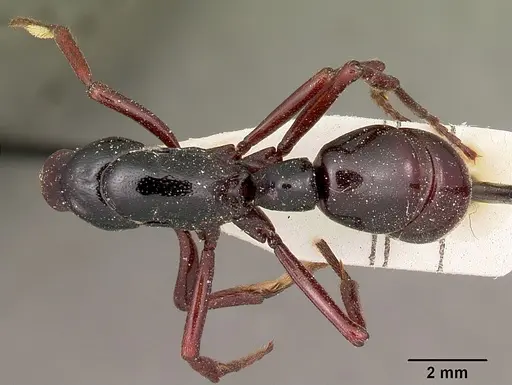
CASENT0235671
View on AntWeb
Literature
Loading distribution map...Loading products...