
Plectroctena cristata
- Sci. Name
- Plectroctena cristata
- Tribe
- Ponerini
- Subfamily
- Ponerinae
- Author
- Emery, 1899
- Distribution
- Found in 3 countries
Introduction
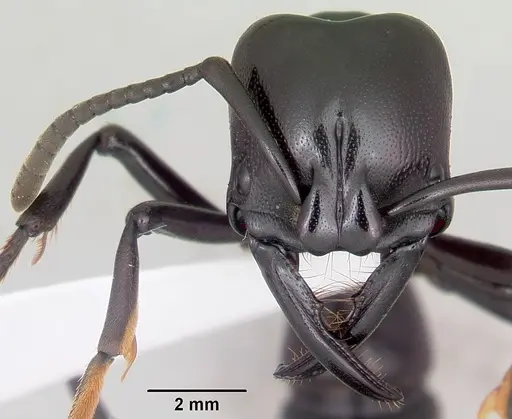
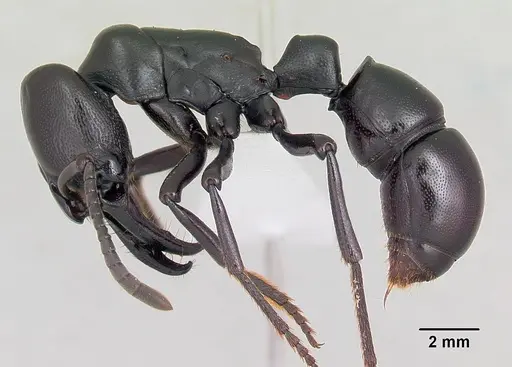
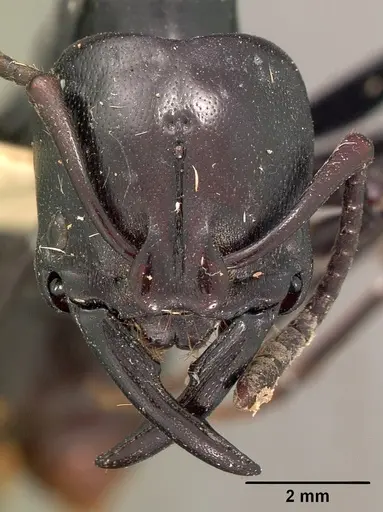
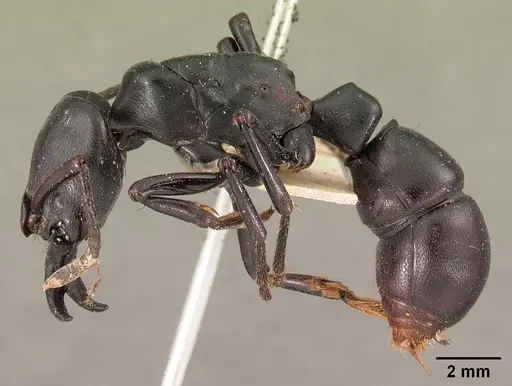
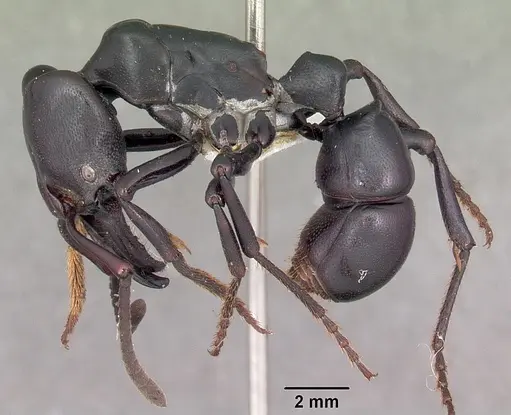
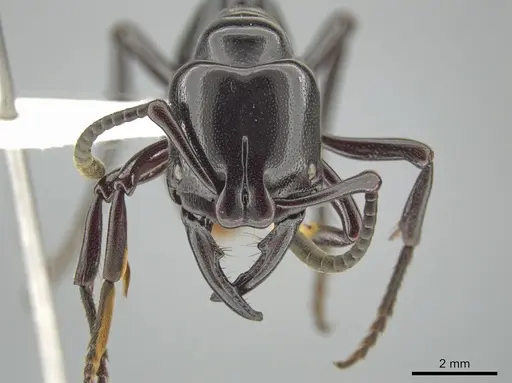
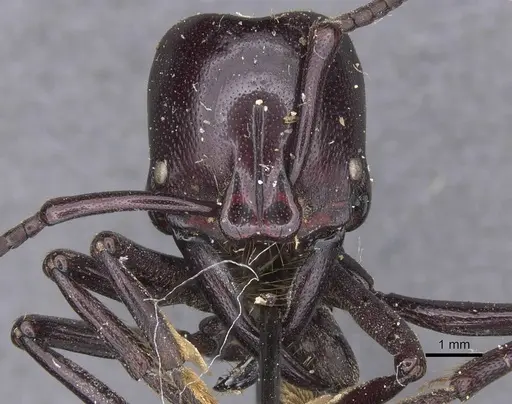
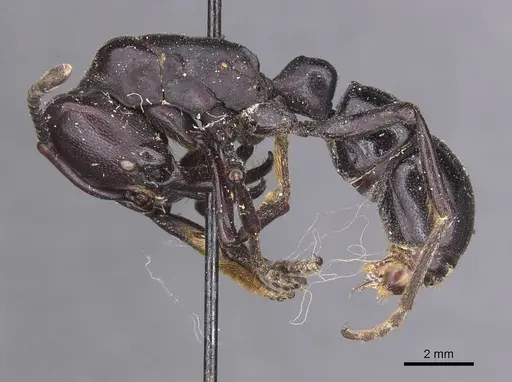
Plectroctena cristata is a predatory ant native to the Afrotropical region, with occurrences in central Africa including Cameroon, Democratic Republic of Congo, and other countries . It is found at elevations between 800-1000m . Size data is unavailable for this species. Workers are black-brown with some lighter abdomens . As a member of the Ponerinae subfamily, P. cristata has a potent sting and hunts other invertebrates, making it a dedicated predator.
Quick Summary
- Difficulty: Medium
- Origin & Habitat: Native to the Afrotropical region, found in Cameroon, Central African Republic, Democratic Republic of Congo, Equatorial Guinea, Kenya, Nigeria, Togo, and Uganda. Inhabits forested areas at elevations of 800-1000m [1][2][4].
- Colony Type: Based on Ponerinae patterns, likely monogyne, but unconfirmed for this species.
- Size & Growth:
- Queen: Size data unavailable
- Worker: Size data unavailable
- Colony: Up to several hundred workers at maturity, estimated from typical Ponerinae colony sizes
- Growth: Moderate
- Development: Estimated 8-12 weeks at optimal temperature, inferred from related species (Development time is inferred as specific data for this species is unavailable. Brood development tends to be temperature-dependent.)
- Antkeeping:
- Temperature: Keep nest area warm, roughly 24-28°C, based on tropical habitat inference
- Humidity: Keep nest substrate consistently moist but not waterlogged, based on forest habitat inference
- Diapause: No, as a tropical species
- Nesting: Use nests that retain moisture, such as Y-tong or plaster, specific preferences unconfirmed
- Behavior: Workers are active hunters with a potent sting, handle with care. Moderately aggressive when defending the nest. Escape risk is moderate due to their size.
- Common Issues: high humidity maintenance is critical, colonies fail quickly in dry conditions, predatory diet requires consistent live prey, failure leads to colony decline, potent sting means these ants are not suitable for handling by children or those with insect venom allergies, slow colony growth can frustrate beginners expecting rapid development, wild-caught colonies may carry parasites that can devastate captive populations
Housing and Setup
Housing requirements are inferred from typical antkeeping practices for Ponerinae species. Use a nest that maintains humidity, such as Y-tong or plaster nests with a water reservoir. For founding colonies, a test tube setup with moist cotton can work. The outworld should be escape-proof and scaled to colony size. Ventilation is important but balance with humidity to prevent drying out.
Feeding and Diet
Based on Ponerinae predatory behavior, P. cristata requires a protein-rich diet of live insects such as fruit flies, small crickets, or mealworms. Offer prey 2-3 times per week for established colonies, removing uneaten items after 24-48 hours to prevent mold. Sugar sources are not typically accepted, fresh water should always be available.
Temperature and Seasonal Care
These tropical ants need consistent warmth. Keep nest temperatures around 24-28°C using a heating cable on one side for a gradient. No diapause is required as they are from a tropical region. Avoid sudden temperature drops.
Behavior and Handling
Workers are active hunters and will defend the nest with their sting. Handle with care to avoid stings. They are not aggressive toward humans unless threatened, but their warning response is quick.
Frequently Asked Questions
How long does it take for Plectroctena cristata to produce first workers?
Based on typical Ponerinae development, expect 8-12 weeks from egg to first worker at optimal temperature (24-28°C). This is inferred from related species as specific data is unavailable.
Do Plectroctena cristata ants sting?
Yes, as a Ponerinae species, they have a potent sting and will use it defensively. The sting is painful and can cause swelling, handle with care.
What do I feed Plectroctena cristata?
Feed them live insects such as fruit flies, small crickets, or mealworms. They are obligate predators and require protein-rich prey. Offer food 2-3 times per week for established colonies.
Are Plectroctena cristata good for beginners?
They are rated as medium difficulty. They require live prey and high humidity, and their sting means careful handling is needed. Better suited for keepers with some experience.
What humidity do Plectroctena cristata need?
Keep humidity high by maintaining a moist nest substrate, but avoid waterlogging. This is inferred from their forest habitat.
Do Plectroctena cristata need hibernation?
No, as a tropical species from central Africa, they do not require hibernation. Maintain consistent warmth year-round.
How big do Plectroctena cristata colonies get?
Based on typical Ponerinae colony sizes, expect up to several hundred workers at maturity. Growth is moderate.
Can I keep multiple Plectroctena cristata queens together?
This is not recommended, as they are likely monogyne based on Ponerinae patterns. Combining queens may result in fighting.
What temperature range is ideal for Plectroctena cristata?
Keep nest temperatures between 24-28°C for optimal activity. A heating cable can create a gradient.
Why is my Plectroctena cristata colony declining?
Common causes include insufficient humidity, lack of live prey, parasites from wild-caught colonies, or temperatures outside the optimal range. Review your setup accordingly.
Report an Issue
The current care sheet is based fully on literature. See inconsistencies, or something that's incorrect? Please , it will be resolved after review from an admin. Contributing to the blogs tab also helps providing information, to make us be able to further improve the caresheets. Thank you for your support!
References

This caresheet is licensed under CC BY-SA 4.0 .
Community Blogs
CASENT0000003
View on AntWeb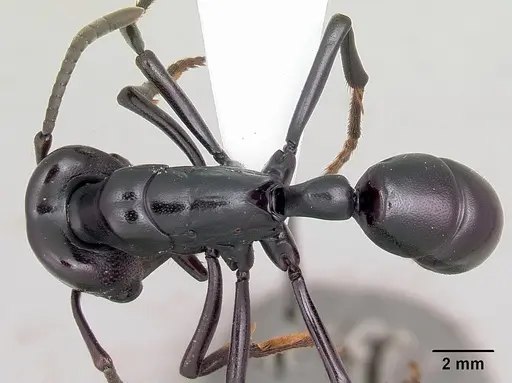
CASENT0102142
View on AntWeb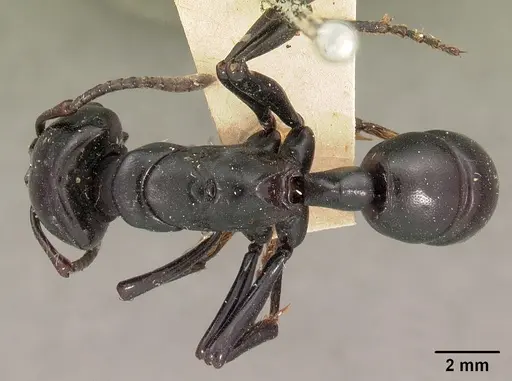
CASENT0102920
View on AntWeb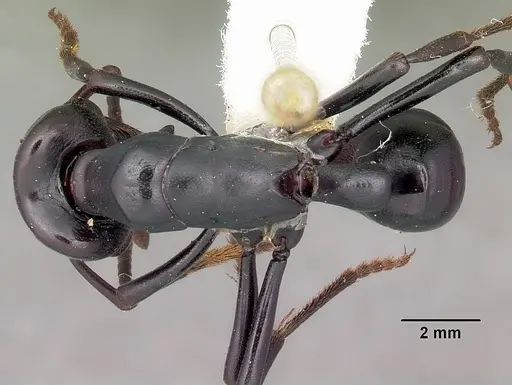
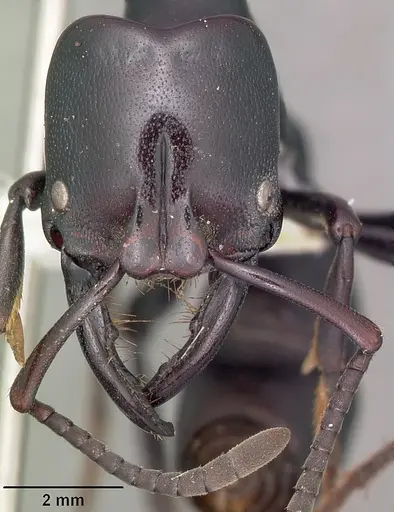
CASENT0619072
View on AntWeb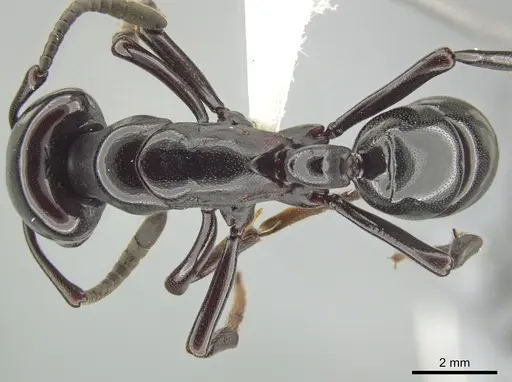
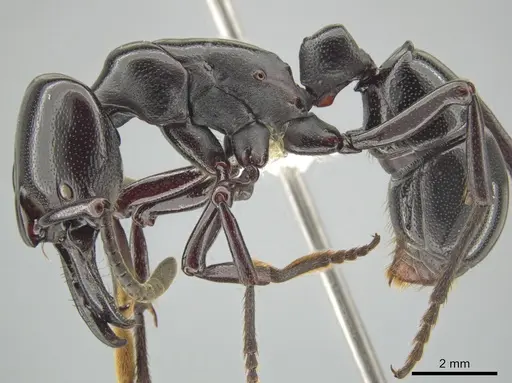
RMCAENT000017732
View on AntWeb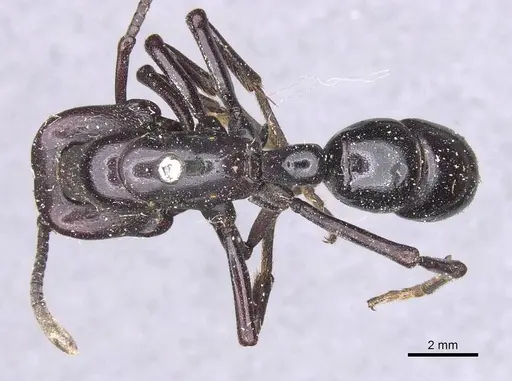
Literature
Loading distribution map...Loading products...