
Platythyrea turneri
- Sci. Name
- Platythyrea turneri
- Tribe
- Platythyreini
- Subfamily
- Ponerinae
- Author
- Forel, 1895
- Distribution
- Found in 1 countries
Introduction
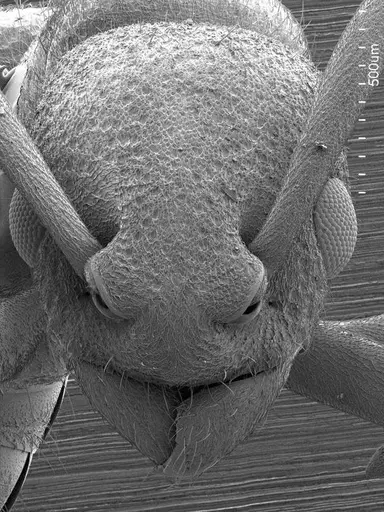
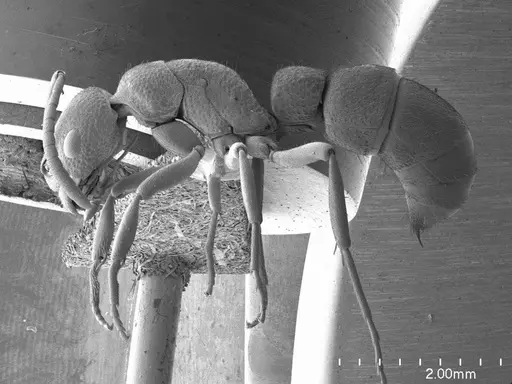
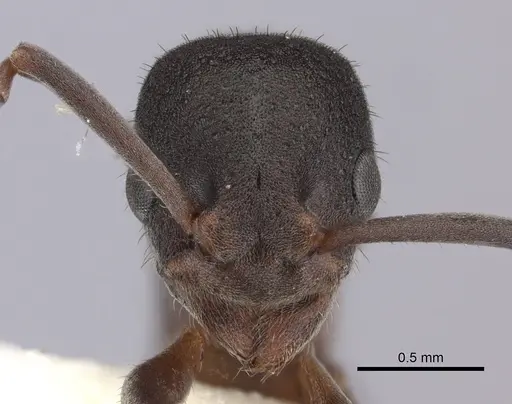
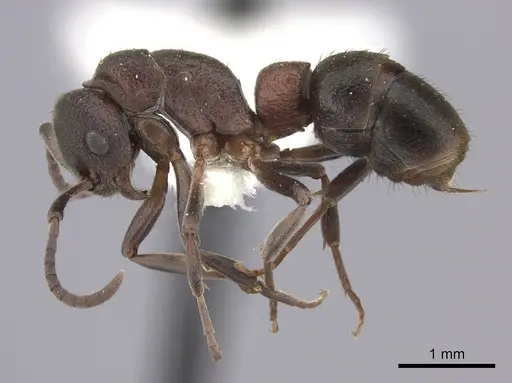
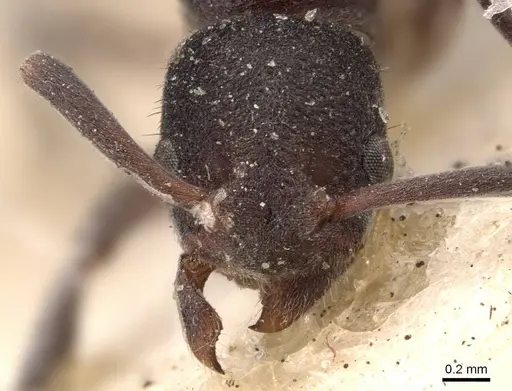
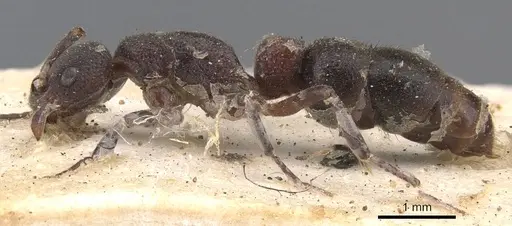
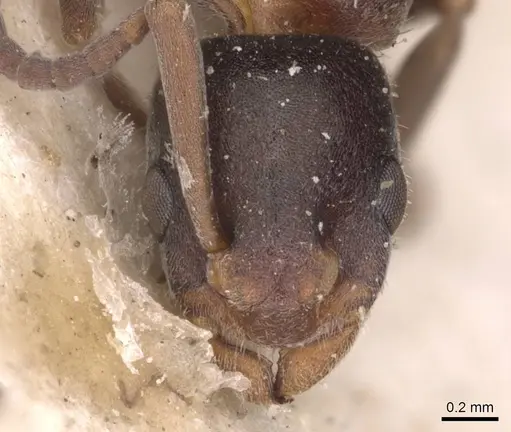
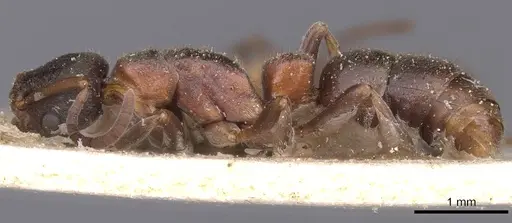
Platythyrea turneri is a medium-sized ant in the Ponerinae subfamily, native to Australia. Size data is unavailable from current research . It is widely distributed throughout Australia, including wetter areas of south-west Western Australia . In the field, it closely resembles Brachyponera lutea, making identification challenging . The genus Platythyrea is known for unusual reproductive traits, including ergatoid males in related species .
Quick Summary
- Difficulty: Medium
- Origin & Habitat: Native to Australia, widely distributed. Found in wetter areas of south-west Western Australia and across eastern Australia [2][3].
- Colony Type: Colony structure is unconfirmed. Based on genus patterns, likely single-queen (monogyne) colonies, but this requires confirmation.
- Size & Growth:
- Queen: Size data unavailable [1]
- Worker: Size data unavailable [1]
- Colony: Unknown, no published data
- Growth: Moderate, inferred from Ponerinae patterns
- Development: Estimated 6-10 weeks at warm temperatures, inferred from Ponerinae patterns (Development time not directly studied. Ponerinae ants typically develop slower than many species.)
- Antkeeping:
- Temperature: Keep at room temperature with a gentle gradient, roughly 22-26°C, inferred from genus patterns [1]
- Humidity: Provide a moisture gradient with damp and dry areas, inferred from their varied habitats [2]
- Diapause: Unknown, no specific data on diapause requirements
- Nesting: In nature, they nest in rotting wood or under stones. For captivity, Y-tong nests or naturalistic setups with soil and wood work well [1]
- Behavior: Ponerinae ants are predatory with functional stingers. Platythyrea turneri is likely defensive when disturbed. Workers forage individually. Ensure escape prevention due to their size and behavior [2][1]
- Common Issues: predatory diet requires live prey, cannot survive on sugar alone, stinging ability makes them potentially defensive when disturbed, escape prevention is important due to their cryptic nature, slow colony growth may require patience from keepers
Housing and Nest Setup
You can keep Platythyrea turneri in Y-tong nests or naturalistic setups with soil and rotting wood, as these mimic their natural nesting sites [1]. The outworld should be secure with tight-fitting connections to prevent escapes, as Ponerinae ants can be escape artists [1]. Use fluon barriers on all openings for added safety.
Feeding and Diet
You need to provide a protein-rich diet of live prey such as fruit flies, small crickets, or mealworms, as Ponerinae ants are primarily predatory [1]. Offer prey sized appropriately for the workers. Sugar sources are not essential but may be accepted occasionally.
Temperature and Seasonal Care
Maintain temperatures around 22-26°C with a gentle gradient, inferred from genus patterns [1]. No specific diapause data exists, so observe colony behavior for seasonal changes. Avoid extreme temperatures above 30°C.
Behavior and Defense
Platythyrea turneri is likely defensive due to its stinging ability, as typical for Ponerinae ants [1]. Workers forage individually and may resemble Brachyponera lutea in the field [2]. Handle with care to avoid stings.
Growth and Development
Colony growth is moderate, with first workers expected in 6-10 weeks at warm temperatures, inferred from Ponerinae patterns [1]. Colonies likely remain small to medium-sized, but no specific size data is available.
Frequently Asked Questions
How long does it take for Platythyrea turneri to produce first workers?
Expected timeline is 6-10 weeks from egg to first worker at optimal temperatures, inferred from Ponerinae patterns [1].
Do Platythyrea turneri ants sting?
Yes, as a Ponerinae ant they have a functional stinger and may sting if threatened [1].
What do Platythyrea turneri eat?
They are predatory and need live small insects like fruit flies or crickets as their primary food [1].
Are Platythyrea turneri good for beginners?
They are considered medium difficulty due to their predatory nature and slower growth, so they may be better for keepers with some experience.
Do Platythyrea turneri need hibernation?
Diapause requirements are unknown, no specific data exists on winter rest periods.
How big do Platythyrea turneri colonies get?
Colony size is not well documented, so no specific estimate is available.
Can I keep multiple Platythyrea turneri queens together?
Colony structure is unconfirmed, so it is safest to keep only one queen per colony unless specific information is available.
What temperature is best for Platythyrea turneri?
Keep them at room temperature with a gradient around 22-26°C, inferred from genus patterns [1].
How do I set up a nest for Platythyrea turneri?
Use Y-tong nests or naturalistic setups with soil and wood, ensuring secure connections to prevent escapes [1].
Why do my Platythyrea turneri keep escaping?
Ponerinae ants are good escape artists. Check all connections, use fluon barriers, and ensure lids fit tightly [1].
Report an Issue
The current care sheet is based fully on literature. See inconsistencies, or something that's incorrect? Please , it will be resolved after review from an admin. Contributing to the blogs tab also helps providing information, to make us be able to further improve the caresheets. Thank you for your support!
References

This caresheet is licensed under CC BY-SA 4.0 .
Community Blogs
ANTWEB1008178
View on AntWeb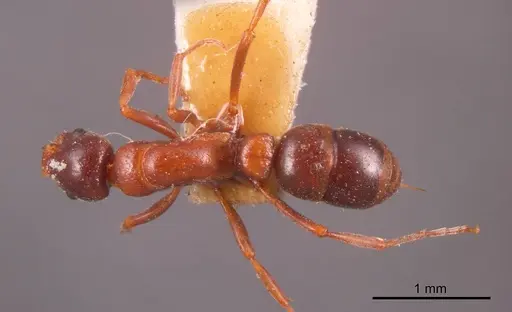
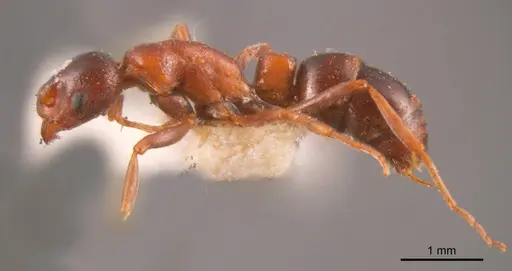
ANTWEB1008182
View on AntWeb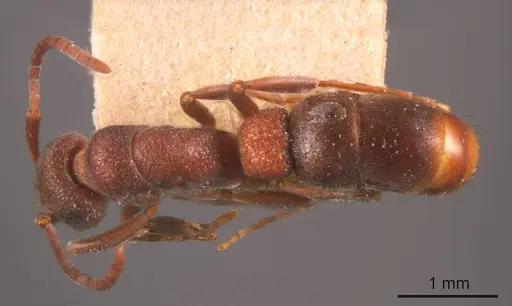
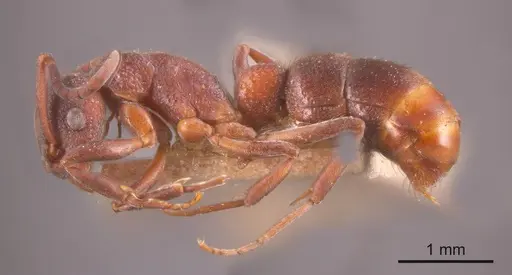
ANTWEB1008575
View on AntWeb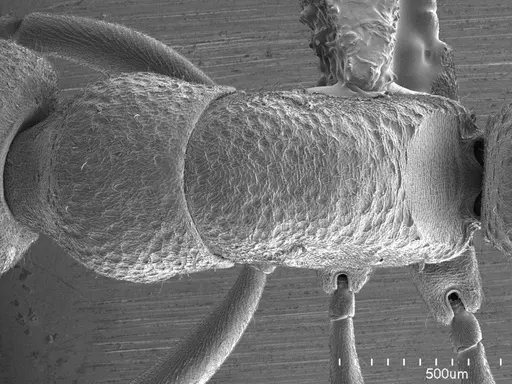
CASENT0260486
View on AntWeb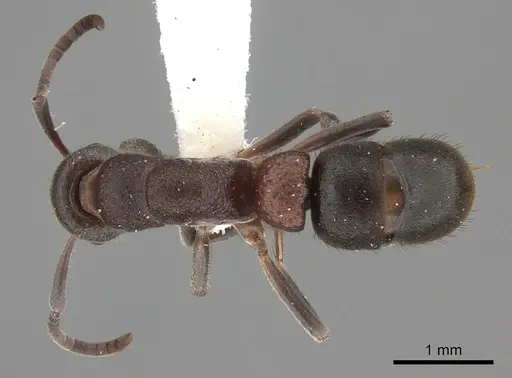
CASENT0887838
View on AntWeb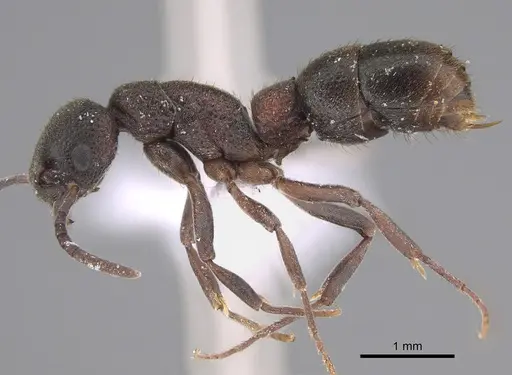
CASENT0907118
View on AntWeb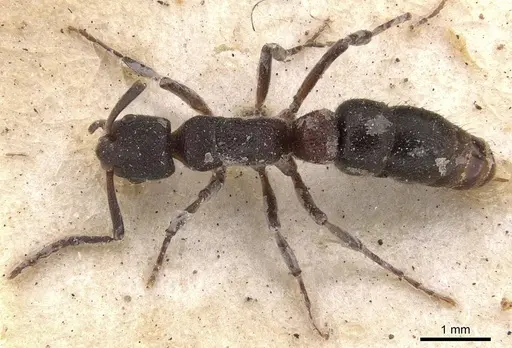
CASENT0907263
View on AntWeb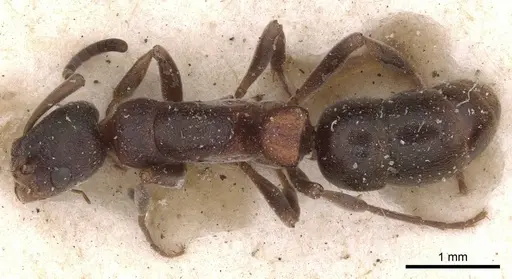
Literature
Loading distribution map...Loading products...