
Platythyrea sinuata
- Sci. Name
- Platythyrea sinuata
- Tribe
- Platythyreini
- Subfamily
- Ponerinae
- Author
- Roger, 1860
- Distribution
- Found in 6 countries
Introduction
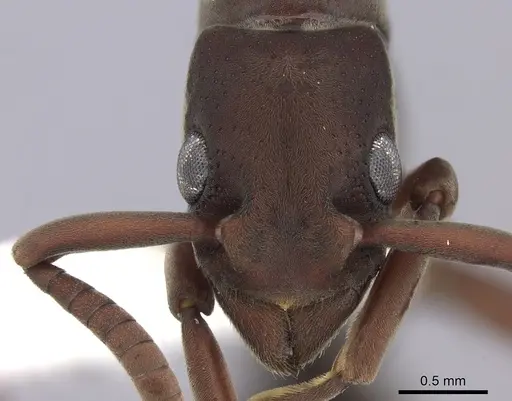
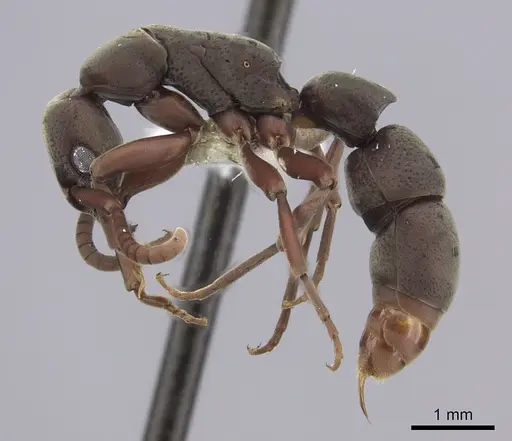
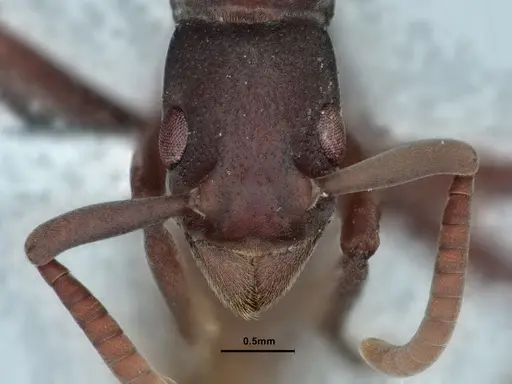
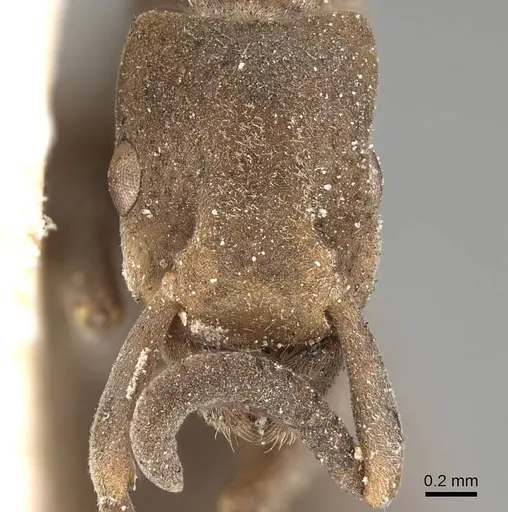
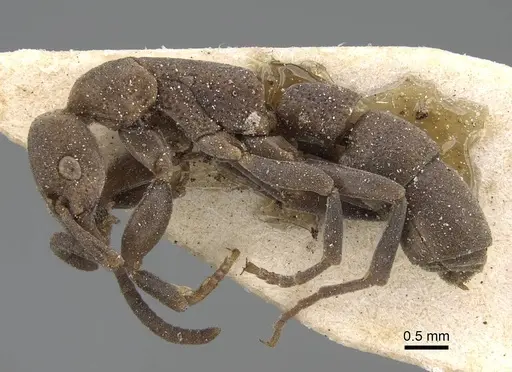
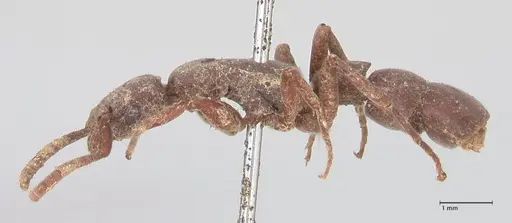
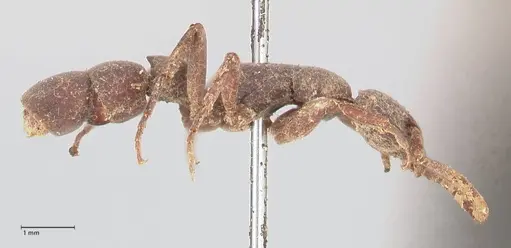
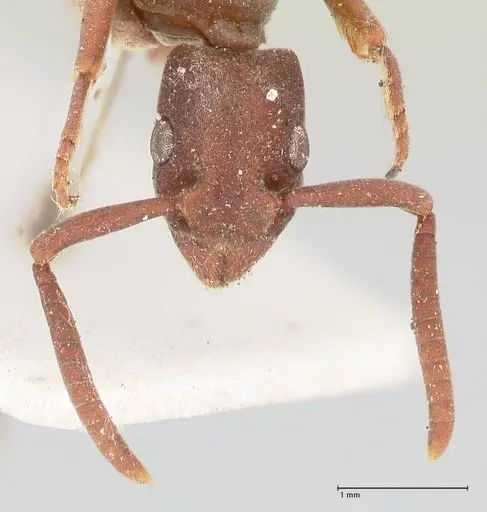
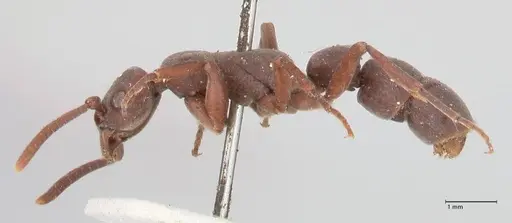
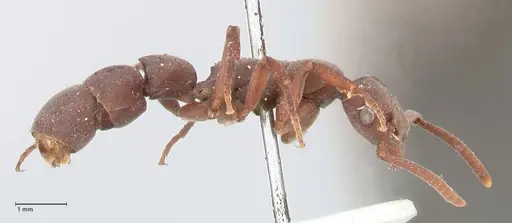
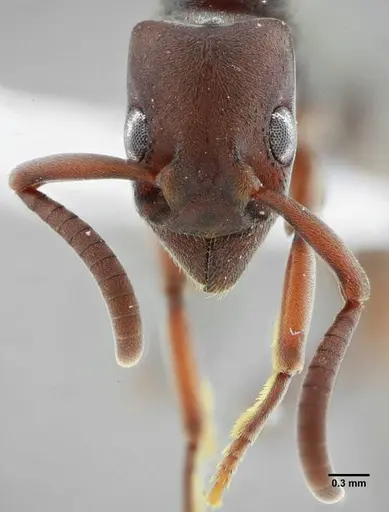
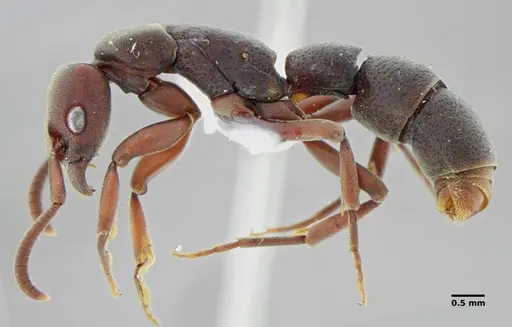
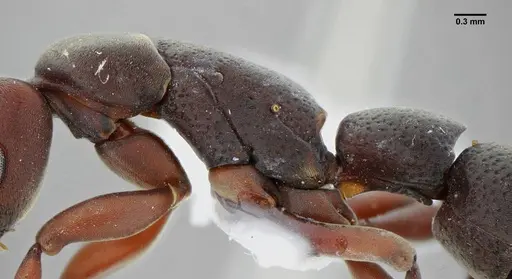
Platythyrea sinuata is a medium-sized predatory ant from the Ponerinae subfamily, found throughout the Neotropical region from Mexico to Brazil . Workers have a petiolar node that is longer than wide, which helps separate them from similar-looking species like Platythyrea angusta, Platythyrea pilosula, and Platythyrea punctata . This species is rarely caught in ant surveys, which suggests it has specific microhabitat needs . They live in humid tropical forests and nest in rotting wood, twigs, bark cavities, or between decaying trunks and soil .
Quick Summary
- Difficulty: Medium
- Origin & Habitat: Neotropical region: Mexico through Brazil, including Colombia, Ecuador, Peru, Bolivia, Venezuela, Suriname, Guyana, French Guiana, and Guadeloupe [1][2][4]. Found in humid tropical forests, cocoa agroforestry (cabruca), and Amazonian rainforest, nesting in rotting wood, twigs, bark cavities, and between rotted trunks and soil [4].
- Colony Type: Colony structure is not well documented. Only a single ergatoid male has been described for the genus [6], but it is unknown if this species has multiple reproductives or ergatoid queens.
- Size & Growth:
- Queen: Size data unavailable, based on related Platythyrea species, queens are likely around 8-10 mm
- Worker: Size data unavailable, based on related Platythyrea species, workers are likely around 5-8 mm
- Colony: Likely small (tens of workers) based on rare collection records that only ever find single individuals [5]
- Growth: Unknown
- Development: Unknown, not studied. Typical Ponerinae development at tropical temperatures is 6-10 weeks, but this is an estimate. (Development has not been directly observed. Keepers should expect slow initial growth.)
- Antkeeping:
- Temperature: Tropical species: keep at 24-28°C based on lowland origin. Provide a gradient, avoid drops below 22°C.
- Humidity: High, consistent moisture is essential. Keep the nest substrate damp but not waterlogged. An average 70-85% relative humidity is suitable.
- Diapause: No. As a tropical species, it does not require winter rest.
- Nesting: Provide a naturalistic setup with rotting wood pieces, or a Y-tong/plaster nest with small, humid chambers. Avoid dry conditions.
- Behavior: As a Ponerine, this ant has a functional stinger and can deliver a moderately painful sting if mishandled. It is a predator that hunts small invertebrates. Escape risk is moderate for its size, ensure tight seals on the formicarium. Activity is highest at warm temperatures.
- Common Issues: very rare in the hobby, finding a colony may be difficult., high humidity needs can lead to mold if ventilation is poor., predatory diet requires live prey, it may not accept much sugar water., small colony sizes in the wild suggest slow colony growth., sensitive to cold drafts and temperature drops.
Natural History and Distribution
Platythyrea sinuata is widely distributed from Mexico to Brazil, with records in Colombia, Ecuador, Peru, Bolivia, Venezuela, the Guianas, and Guadeloupe [1][2][7]. In Colombia it has been found up to 1,100 m elevation [8]. This species is considered rare in surveys: in the Amazon, it was collected only once, in primary forest with high leaf-litter volume during the rainy season [5]. It nests in twigs, bark cavities, and between rotted logs and soil [4].
Nesting and Habitat Preferences
In nature, Platythyrea sinuata nests in rotting wood, twigs, and bark cavities, often in humid, shaded microhabitats on the forest floor [4]. For captive care, provide a Y-tong or plaster nest with small, tight chambers and a constant damp substrate. Avoid letting the nest dry out. The high humidity of a tropical rainforest floor should be replicated [5].
Feeding and Diet
As a Ponerine hunter, Platythyrea sinuata requires live prey. Feed small invertebrates such as fruit flies, pinhead crickets, and small mealworms 2-3 times per week. Remove uneaten prey after 24 hours to prevent mold. Sugar water or honey can be offered occasionally but is not essential. [5]
Temperature and Care
This tropical species needs stable warmth. Keep temperatures between 24-28°C with a slight gradient to let workers choose. Avoid drops below 22°C or cold drafts. Humidity must be high: keep the nest substrate damp at all times. No winter rest is needed. Provide a water source in the outworld. [5][4]
Behavior and Temperament
Colony behavior is not well studied. Like other Ponerinae, workers can deliver a sting. They are not aggressive toward the keeper but will defend if handled. Escape risk is moderate, ensure all openings are sealed. Activity increases at warmer temperatures. [6]
Frequently Asked Questions
How long does it take for Platythyrea sinuata to produce first workers?
Not documented in literature. Based on typical Ponerinae development at tropical temperatures (24-28°C), expect about 6-10 weeks from egg to worker, but this is only a guess.
What do Platythyrea sinuata ants eat?
They are predatory and need live prey: fruit flies, pinhead crickets, small mealworms. They may take occasional sugar water but protein should be the main food [5].
Can I keep Platythyrea sinuata in a test tube?
A test tube can work for founding, but for established colonies a Y-tong or plaster nest with high humidity is better. Keep the nest consistently moist.
Do Platythyrea sinuata ants sting?
Yes, as a Ponerine ant it has a functional stinger and can deliver a moderately painful sting if threatened.
Are Platythyrea sinuata good for beginners?
This species is rated medium difficulty. Its need for high humidity, live prey, and warm temperatures makes it more suited to keepers with some experience.
How big do Platythyrea sinuata colonies get?
Based on collection records that only find singletons, colonies are likely small – probably under a few hundred workers. They are not a populous species [5].
Do Platythyrea sinuata need hibernation?
No. As a tropical species they require warm conditions year-round without diapause.
Why is Platythyrea sinuata so rare in the antkeeping hobby?
It is rarely collected in surveys, indicating limited availability. Poor knowledge of its natural history also makes captive breeding difficult [5].
What temperature range is best for Platythyrea sinuata?
Aim for 24-28°C with a slight gradient. Do not let the nest fall below 22°C for long periods.
Can I keep multiple queens together?
Colony structure is undocumented. Based on typical ponerine patterns, they are likely single-queen. Combining queens is not recommended.
Report an Issue
The current care sheet is based fully on literature. See inconsistencies, or something that's incorrect? Please , it will be resolved after review from an admin. Contributing to the blogs tab also helps providing information, to make us be able to further improve the caresheets. Thank you for your support!
References

This caresheet is licensed under CC BY-SA 4.0 .
Community Blogs
CASENT0217573
View on AntWeb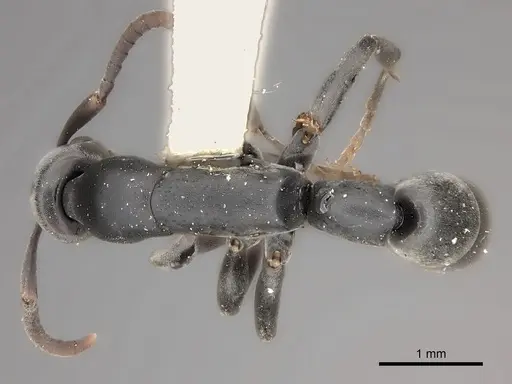
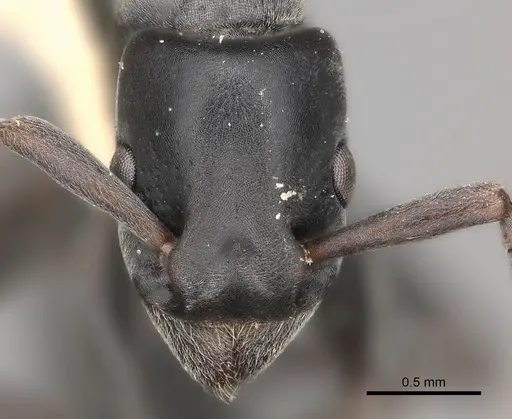
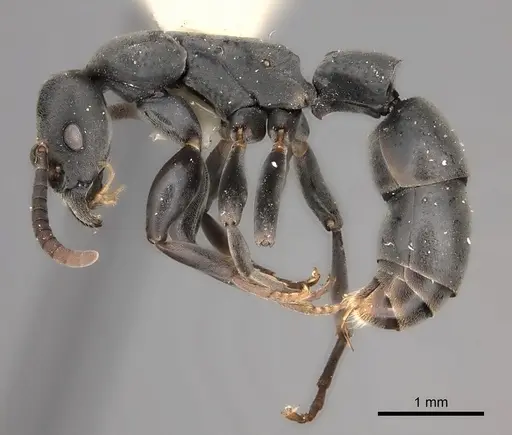
CASENT0260485
View on AntWeb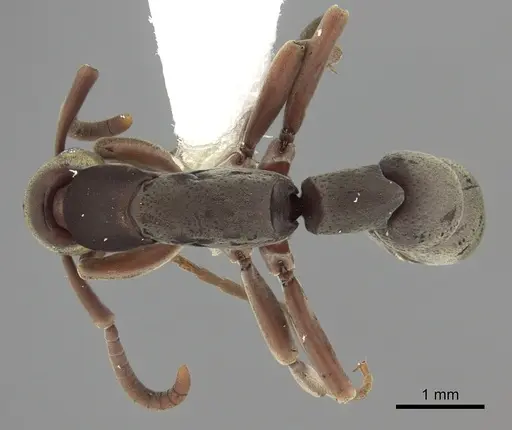
CASENT0882098
View on AntWeb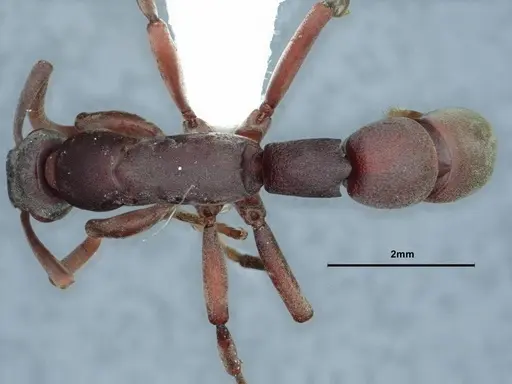
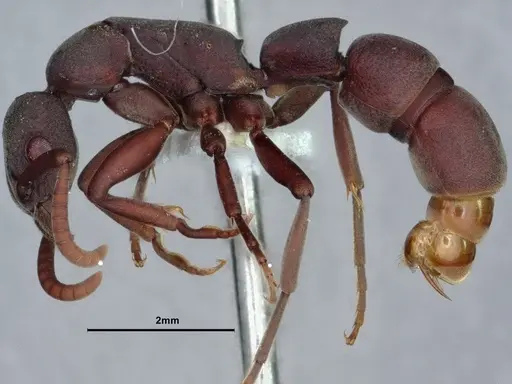
CASENT0922389
View on AntWeb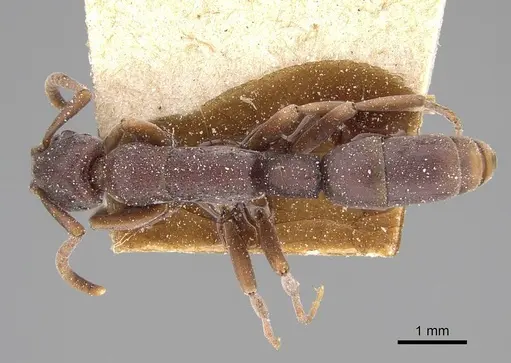
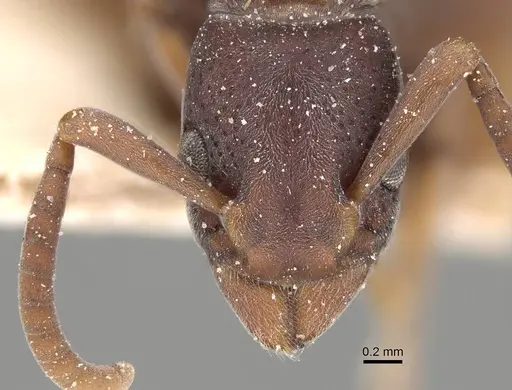
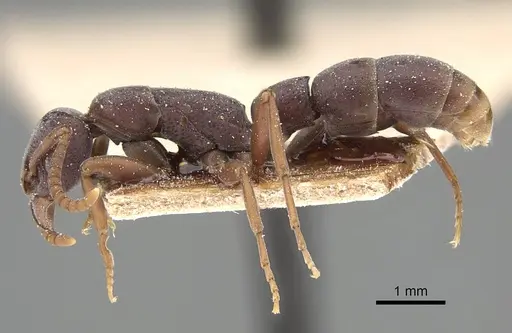
CASENT0922390
View on AntWeb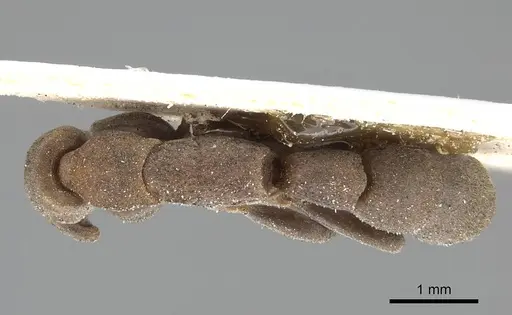
CASENT0922397
View on AntWeb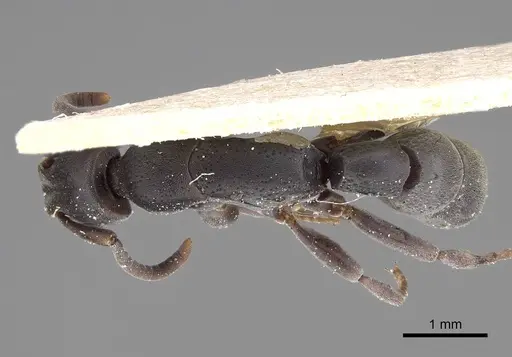
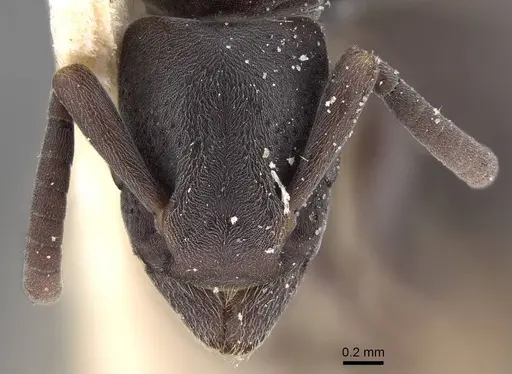
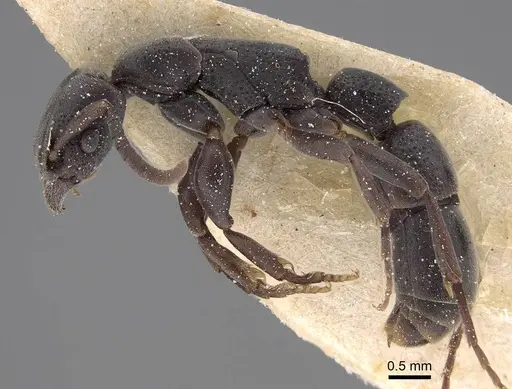
FOCOL0855
View on AntWeb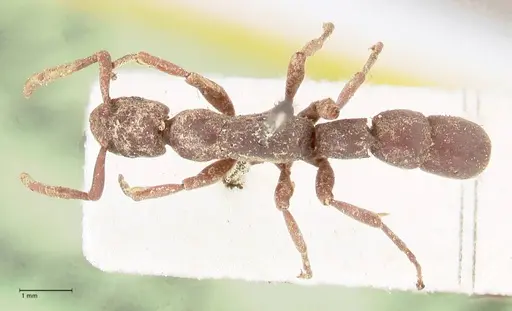
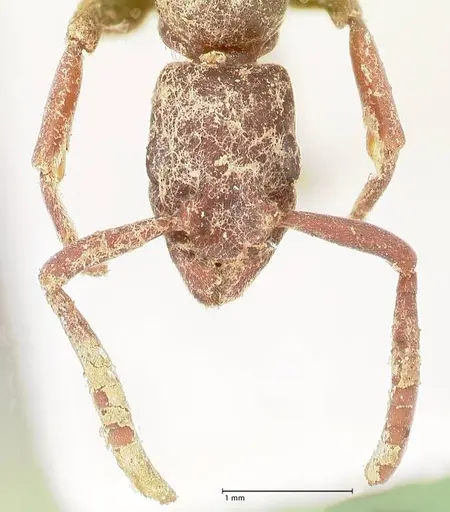
FOCOL0856
View on AntWeb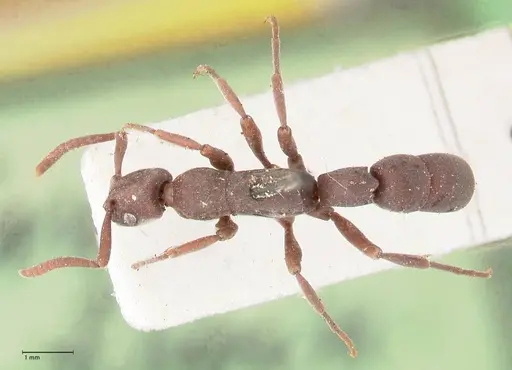
UFV-LABECOL-001205
View on AntWeb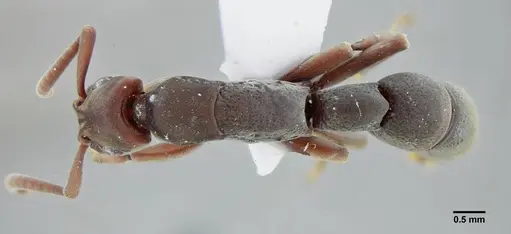
Literature
Loading distribution map...Loading products...