
Platythyrea quadridenta
- Sci. Name
- Platythyrea quadridenta
- Tribe
- Platythyreini
- Subfamily
- Ponerinae
- Author
- Donisthorpe, 1941
- Distribution
- Found in 3 countries
Introduction
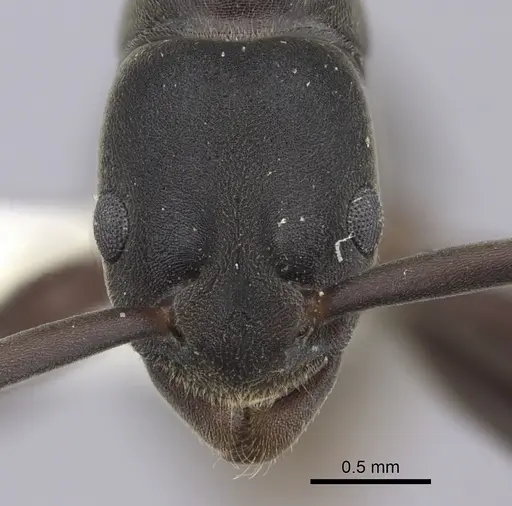
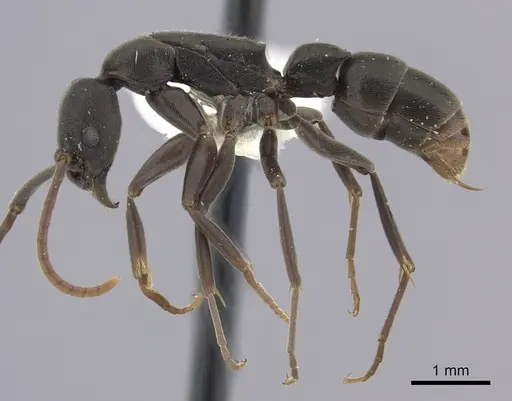
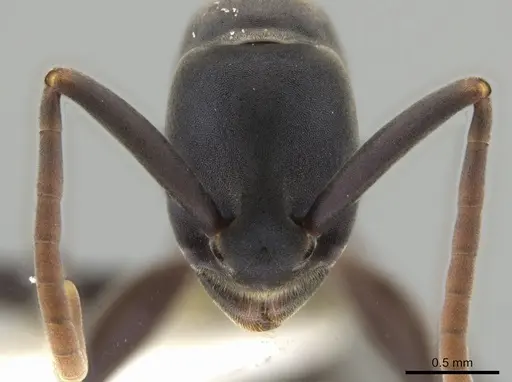
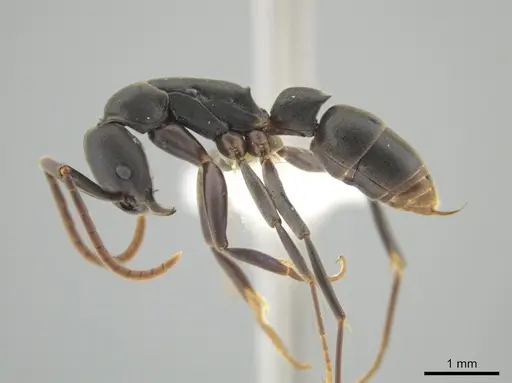
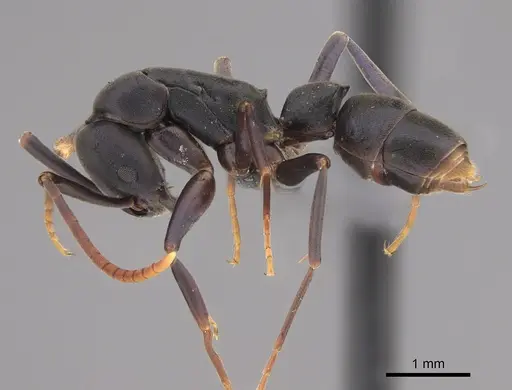
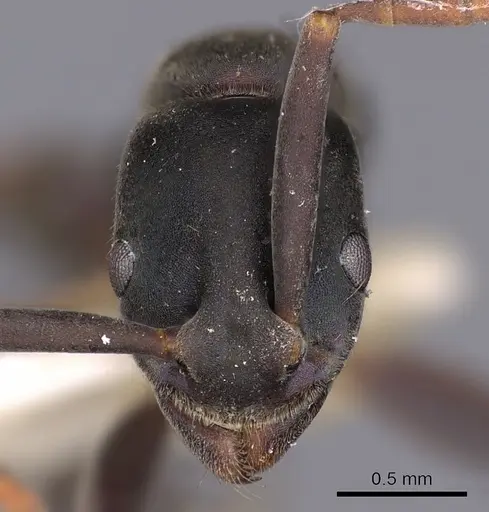
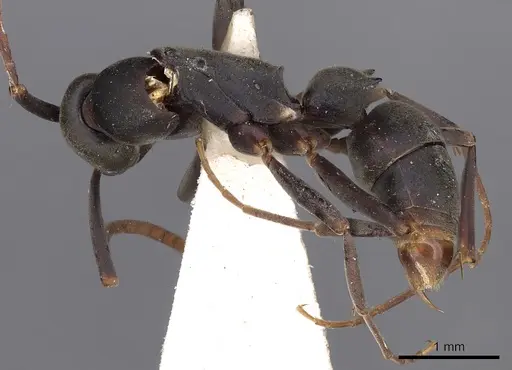
Platythyrea quadridenta is a small ant species in the subfamily Ponerinae, found in Southeast Asia and Papua New Guinea. Workers are slender and belong to the parallela species group. Size data is unavailable from current research. It inhabits leaf litter and rotting wood in tropical forests . This species is notable for its reproductive system where both winged queens and gamergates (reproductive workers) can reproduce within the same colony .
Quick Summary
- Difficulty: Medium
- Origin & Habitat: Tropical Southeast Asia and Papua New Guinea, found in leaf litter and secondary forests [1][2].
- Colony Type: Colonies have both winged queens and gamergates that can reproduce. Queens and gamergates can coexist in the same colony [3][2].
- Size & Growth:
- Queen: size data unavailable
- Worker: size data unavailable
- Colony: Up to 33 workers in gamergate colonies [3].
- Growth: Moderate, inferred from typical Ponerinae patterns.
- Development: Unknown, no specific data available. (Development time is unclear, tropical temperatures may accelerate growth.)
- Antkeeping:
- Temperature: Keep warm, around 24-28°C, as this species is tropical. Provide a gentle gradient for self-regulation.
- Humidity: Keep nest substrate consistently moist but not waterlogged, mimicking their natural leaf litter habitat [2][1].
- Diapause: No, tropical species does not require hibernation.
- Nesting: Use Y-tong, plaster, or soil nests with moist substrate. Provide an outworld with leaf litter and hiding spots [2][1].
- Behavior: Based on Ponerinae patterns, workers are generally calm but can be defensive. They are small, so escape prevention is important. They are predatory and hunt small invertebrates [3].
- Common Issues: small colony sizes mean losses have bigger impact, a few worker deaths can significantly set back a young colony., tropical humidity requirements can lead to mold problems if ventilation is poor., gamergate colonies may be slow to reproduce if dealated queens rarely participate [2]., wild-caught colonies may be stressed from collection, requiring careful acclimation., their small size means they can escape through standard barriers if not properly sealed.
Housing and Nest Setup
You can use naturalistic setups that mimic leaf litter habitat. Use a moist substrate mix with pieces of rotting wood and leaf litter. Alternatively, Y-tong or plaster nests work well for humidity retention. They prefer tight, enclosed spaces. The outworld should have substrate depth of at least 2-3 cm for foraging. Because they are small, ensure excellent escape prevention with fluon on barriers [2][1].
Feeding and Diet
You should offer small live prey like fruit flies, pinhead crickets, and mealworms, as this species is predatory. Provide sugar sources like honey water. Feed protein prey 2-3 times per week with constant sugar access. Remove uneaten prey after 24-48 hours to prevent mold [3].
Temperature and Humidity
Keep temperatures around 24-28°C year-round. Use a heating cable if room temperature is below 24°C to create a gradient. Keep nest substrate consistently moist but not waterlogged. Good ventilation is essential to prevent mold [2][1].
Colony Structure and Reproduction
Colonies can have both winged queens and gamergates that reproduce. Queens and gamergates may coexist. However, only a small number of colonies are reproduced by dealated queens, so your colony may not produce new queens even if mature [3][2].
Behavior and Temperament
Workers are generally calm but can be defensive. They are active foragers in the leaf litter layer. Escape prevention should be taken seriously due to their small size. They are diurnal and show good activity at appropriate temperatures [3].
Growth and Development
Specific development timeline is unknown. Colonies grow slowly, which is normal for this species. Be patient during founding stages, as establishing first workers may take time [3].
Frequently Asked Questions
How long does it take for Platythyrea quadridenta to produce first workers?
Specific development time is not documented. Based on related Ponerinae species, it may take several weeks at tropical temperatures, but no exact data is available.
Can I keep multiple queens together in one colony?
This species naturally has both winged queens and gamergates that can reproduce. Combining unrelated foundress queens has not been studied and is not recommended. If you obtain a colony with multiple dealated queens, they may coexist peacefully [3].
What do Platythyrea quadridenta ants eat?
They are predatory and hunt small invertebrates. Offer small live prey like fruit flies and pinhead crickets, along with sugar sources like honey water [3].
How big do Platythyrea quadridenta colonies get?
Colonies are typically small. Gamergate colonies average around 18 workers, with some up to 33 workers [3].
Do Platythyrea quadridenta need hibernation?
No. This is a tropical species from Southeast Asia and Papua New Guinea. They do not require hibernation and should be kept warm year-round.
Are Platythyrea quadridenta good for beginners?
They are rated as Medium difficulty. Their small colony size, specific humidity needs, and slow growth make them better suited for experienced keepers.
What is a gamergate?
A gamergate is a worker ant that has mated and become reproductive, able to lay eggs like a queen. Platythyrea quadridenta is one species where workers can become gamergates [3].
When should I move Platythyrea quadridenta to a formicarium?
Wait until the colony has at least 15-20 workers and is actively foraging. Use naturalistic setups with moist substrate or Y-tong nests once established.
Why are my Platythyrea quadridenta dying?
Common causes include temperatures below 24°C, low humidity, mold from poor ventilation, or stress from wild collection. Ensure warm, humid conditions with good airflow.
Report an Issue
The current care sheet is based fully on literature. See inconsistencies, or something that's incorrect? Please , it will be resolved after review from an admin. Contributing to the blogs tab also helps providing information, to make us be able to further improve the caresheets. Thank you for your support!
References

This caresheet is licensed under CC BY-SA 4.0 .
Community Blogs
CASENT0260484
View on AntWeb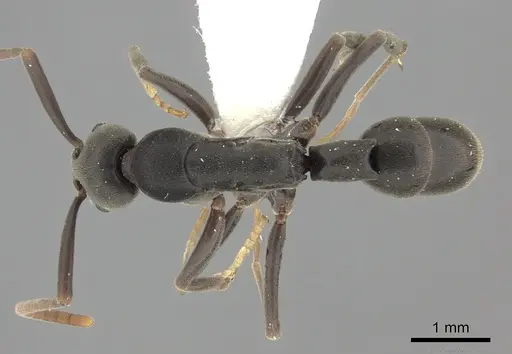
CASENT0634801
View on AntWeb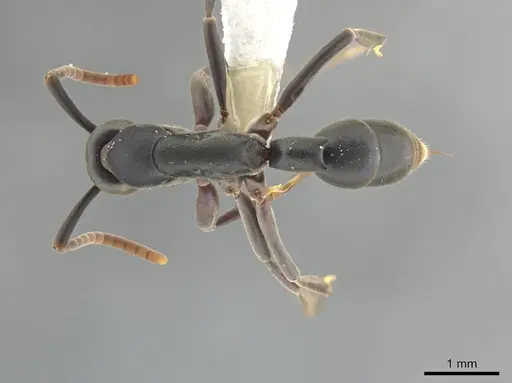
CASENT0746017
View on AntWeb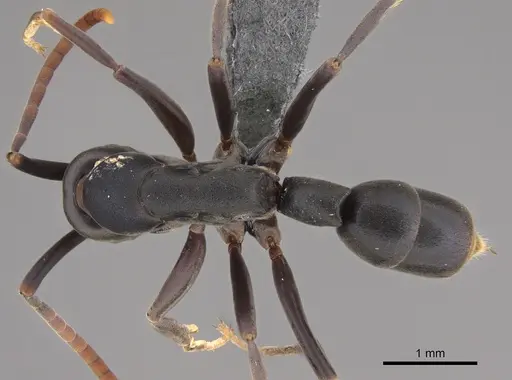
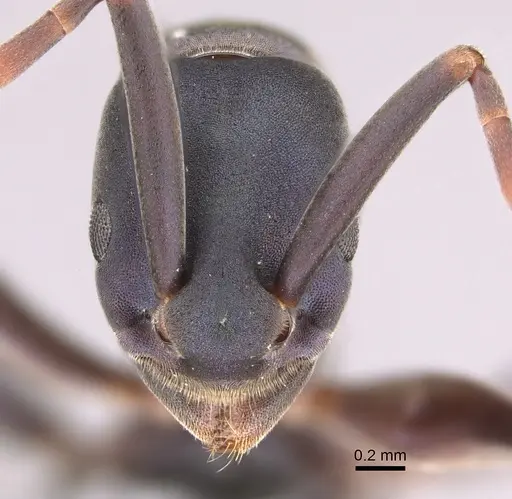
CASENT0900569
View on AntWeb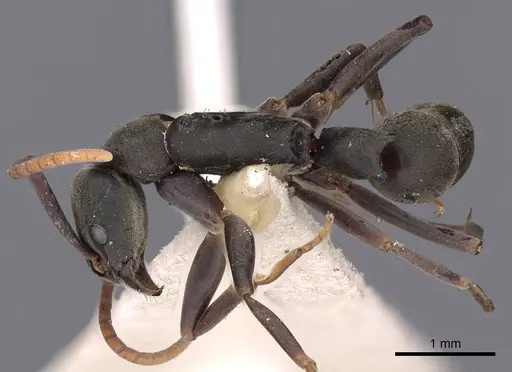
Literature
Loading distribution map...Loading products...