
Platythyrea modesta
- Sci. Name
- Platythyrea modesta
- Tribe
- Platythyreini
- Subfamily
- Ponerinae
- Author
- Emery, 1899
- Distribution
- Found in 13 countries
Introduction
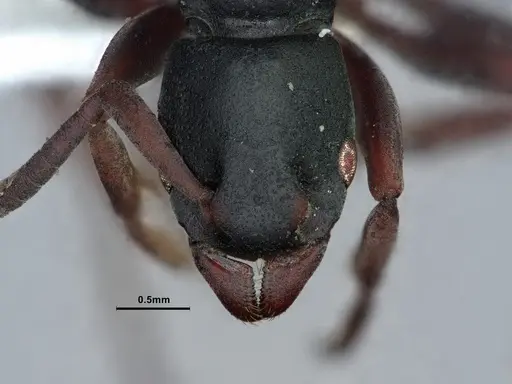
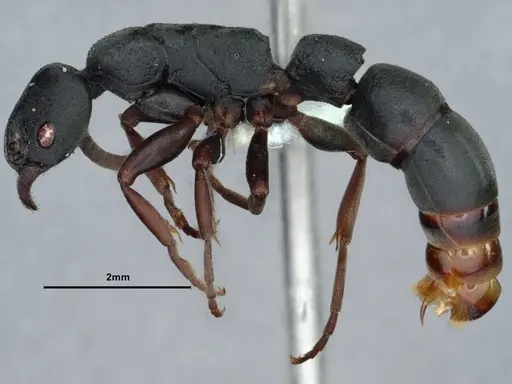
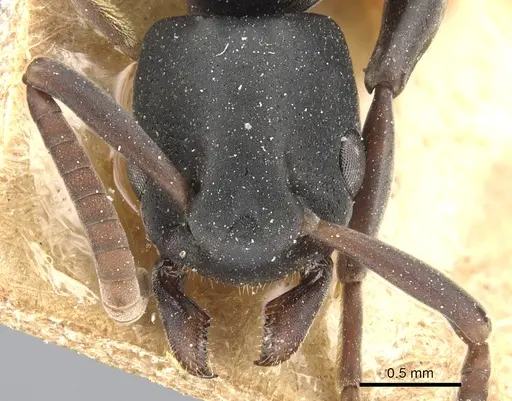
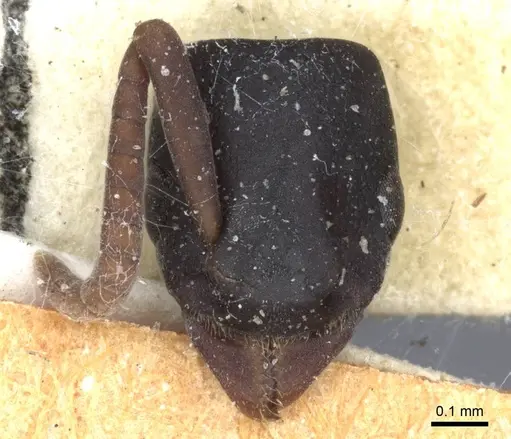
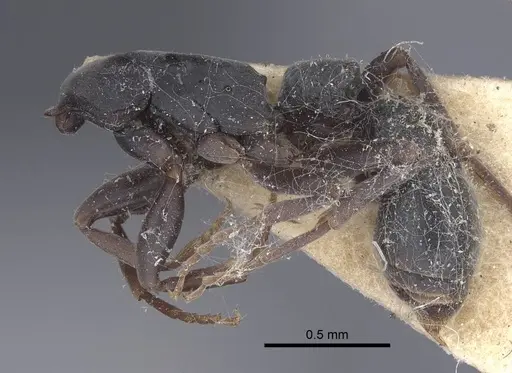
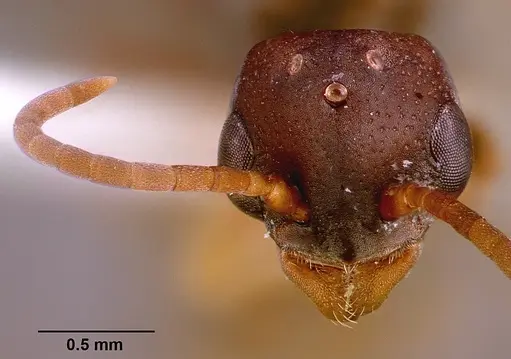
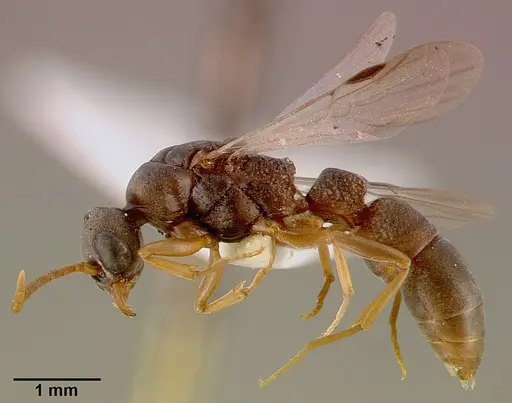
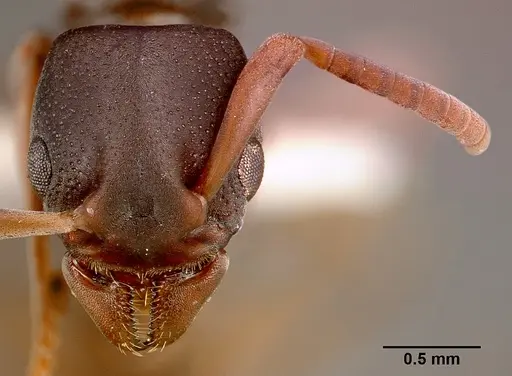
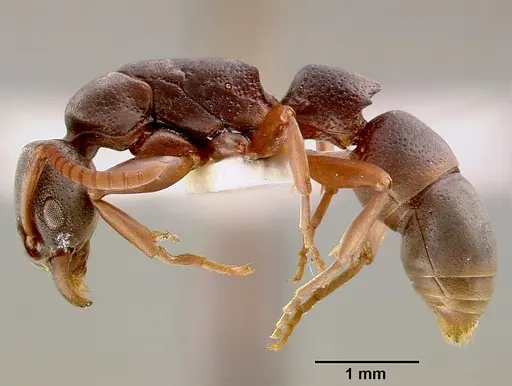
Platythyrea modesta is a small predatory ant from tropical Africa and the Arabian Peninsula. It belongs to the subfamily Ponerinae, so it has a functional stinger. Workers are slender and dark brown to black. This ant is an arboreal forager, meaning it hunts in trees and shrubs rather than on the ground. Colonies have multiple queens (polygynous) and typically reach about 50 workers . In the wild, nests are built in pre-existing cavities in rough bark or dead branches, or sometimes in termite mounds (Cubitermes) at the base of trees in old and secondary forests . One of the most interesting things about P. modesta is its hunting style. Workers forage alone, but when one catches prey too big to carry, she recruits nestmates. Together, they either cut the prey into pieces for transport, or the entire colony moves to the prey location to feed there – a behavior that looks like an emigration . This species is also an 'insinuator, ' meaning it quietly enters small spaces to hunt .
Quick Summary
- Difficulty: Medium
- Origin & Habitat: Tropical Africa and the Arabian Peninsula – recorded from Cameroon, Central African Republic, Democratic Republic of Congo, Equatorial Guinea, Gabon, Ghana, Ivory Coast, Kenya, Mozambique, Nigeria, Saudi Arabia, South Africa, Sudan, Uganda, and Oman [1][2]. Lives in old and secondary forests, nesting in tree cavities (bark or dead branches) or in Cubitermes termite mounds at tree bases [1].
- Colony Type: Polygynous (multiple queens) colonies with around 50 workers. Queens live together and reproduce [1].
- Size & Growth:
- Queen: Size data unavailable (inferred from Platythyrea genus, queen likely slightly larger than workers)
- Worker: ~4–5 mm (estimated based on genus – no published measurements for this species)
- Colony: Up to 50 workers [1]
- Growth: Slow to moderate
- Development: Estimated 8–12 weeks at 24–28°C (based on typical Ponerinae development, not confirmed for this species) (Development times are not documented. Ponerine ants are slow developers, expect 2–3 months from egg to first worker if kept warm.)
- Antkeeping:
- Temperature: Tropical species – keep at 24–28°C consistently. Avoid dropping below 22°C. A gentle heat gradient in the outworld is helpful. (Inferred from habitat.)
- Humidity: High humidity – keep nest substrate consistently moist but not waterlogged. As an arboreal forest ant, they need damp conditions. Provide a water tube and mist the nest area if needed. (Inferred from habitat.)
- Diapause: No – tropical species, no hibernation needed. Keep warm year-round.
- Nesting: Arboreal – they naturally nest in tree cavities and termite mounds. In captivity, use Y-tong (AAC) or plaster nests with narrow chambers. Add small twigs, cork pieces, or bamboo tubes in the outworld for enrichment.
- Behavior: Active and agile predators. Workers forage alone in the outworld but recruit nestmates when large prey is found [2]. They are not aggressive toward the keeper but will sting if threatened (pain is mild). Because of their small size (4–5 mm) and speed, escape prevention is critical – use fine mesh (≤0.5 mm openings) and fluon. They move constantly, so they are interesting to watch.
- Common Issues: small colony size means slow population growth – don't expect rapid expansion, escape prevention is critical due to tiny size and agility, tropical temperature requirements – cannot tolerate cool rooms, frequent colony relocation in the wild may cause stress or escape attempts in captivity, wild-caught colonies may carry parasites from their arboreal habitat
Housing and Nest Setup
Platythyrea modesta is an arboreal ant, so your setup should mimic a tree-dwelling lifestyle. Y-tong (AAC) nests work well because they provide narrow, cavity-like chambers similar to natural hollow branches. Plaster nests are also good if chambers are small. Add small pieces of cork, twigs, or bamboo tubes in the outworld for enrichment – these ants naturally nest in tree bark and dead branches [1]. The outworld can include live or artificial plants since they forage mostly in vegetation. Keep the nest area humid but the outworld drier to create a moisture gradient.
Escape prevention is essential. These ants are tiny (4–5 mm) and very fast. Apply fluon to outworld edges and use fine mesh (≤0.5 mm openings) on ventilation holes. Even small gaps in tubing can allow escapes.
Feeding and Diet
P. modesta are strict predators. In the wild, they hunt insects like termites and grasshoppers [1]. In captivity, provide live prey: small crickets, fruit flies, mealworms, and especially termites. They are skilled hunters and can tackle surprisingly large prey. Feed 2–3 times per week. If you offer larger prey, expect recruitment – a worker will return to the nest and bring nestmates to subdivide the food [2]. Remove uneaten prey after 24–48 hours to prevent mold. Occasional honey or sugar water may be accepted but should not be a staple.
Temperature and Care
As a tropical African species, P. modesta needs warmth. Keep the nest at 24–28°C. Room temperature may be too cool in many homes. Use a heating cable or heat mat on one side of the nest – place it on top, not underneath, to avoid drying out the substrate. At cooler temperatures, they become sluggish and brood development slows. Avoid dropping below 22°C for long periods.
Humidity should be high in the nest area. A water tube connected to the nest provides constant moisture. Mist the nest occasionally, but avoid standing water. The outworld can be drier. [1]
Behavior and Colony Dynamics
This species has a fascinating foraging strategy. Workers hunt alone but recruit help when prey is too large to carry [2]. They then either carve the prey into pieces on the spot or temporarily move the entire colony to the prey site, even carrying larvae to the food – behavior that looks like emigration [2]. This makes feeding time very interesting to watch.
Colonies are polygynous (multiple queens live together) and stay small, usually under 50 workers [1]. That's normal – don't expect a big colony. Multiple queens help maintain the population.
As a Ponerine ant, P. modesta has a stinger. They may sting if handled roughly, but the sting is mild. They are not aggressive toward the keeper.
Acquiring and Establishing a Colony
P. modesta is not common in the hobby. You may need to find specialty suppliers or collect from regions where it occurs (Central/West Africa, Arabian Peninsula). If you collect a wild colony, look for nests in tree cavities or termite mounds. Quarantine new colonies for a few weeks to check for parasites or mites.
Start the colony in a test tube with a water reservoir. Since they are polygynous, multiple queens can be kept together from the start. Once workers appear, move them to a proper nest. Let them explore the new space gradually. [1]
Frequently Asked Questions
How long does it take for Platythyrea modesta to produce first workers?
Development time is not specifically documented. Based on typical Ponerinae development, expect 8–12 weeks from egg to first worker at optimal temperatures (24–28°C). Be patient – the founding period can be slow.
Can I keep multiple queens together in Platythyrea modesta?
Yes. This species is naturally polygynous, so multiple queens can coexist peacefully in the same colony [1]. You can start with several foundresses together.
What do Platythyrea modesta eat?
They are strict predators. Feed live insects like small crickets, fruit flies, mealworms, and especially termites. They can take down large prey relative to their size. Occasionally offer honey or sugar water, but make sure protein is the main food [1].
How big do Platythyrea modesta colonies get?
Colonies reach about 50 workers at maximum [1]. This is small compared to many common species. Multiple queens help maintain the population, but don't expect masses of workers.
Do Platythyrea modesta need hibernation?
No. They come from tropical Africa and need warm temperatures year-round. Keep them at 24–28°C continuously. Cooler temperatures will slow them down and may harm brood.
What is the best nest type for Platythyrea modesta?
Y-tong (AAC) or plaster nests with narrow chambers work well. Add twigs, cork, or bamboo tubes to the outworld for enrichment – they naturally nest in tree cavities and termite mounds [1][3].
Why is my Platythyrea modesta colony dying?
Common causes: temperature below 22°C, low humidity (they need it moist), lack of live prey (they need protein), or escape. Also wild-caught colonies may carry parasites. Check these first.
Are Platythyrea modesta good for beginners?
They are medium difficulty. They need specific conditions (warmth, humidity, live prey) and are tiny and fast, making escape prevention tricky. Not ideal for a first ant, but possible for keepers with some experience.
How often should I feed Platythyrea modesta?
Offer live prey 2–3 times per week. Remove uneaten food after 24–48 hours. Observe recruitment – if you see workers returning to a food source and bringing nestmates, they need regular feeding [2].
Report an Issue
The current care sheet is based fully on literature. See inconsistencies, or something that's incorrect? Please , it will be resolved after review from an admin. Contributing to the blogs tab also helps providing information, to make us be able to further improve the caresheets. Thank you for your support!
References

This caresheet is licensed under CC BY-SA 4.0 .
Community Blogs
CASENT0250048
View on AntWeb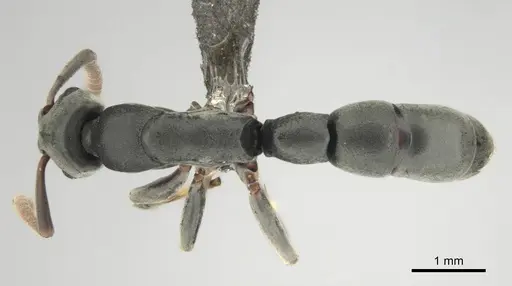
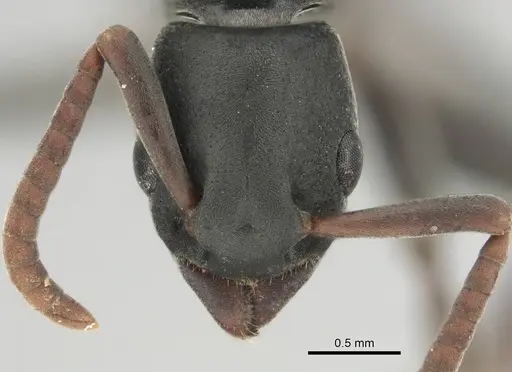
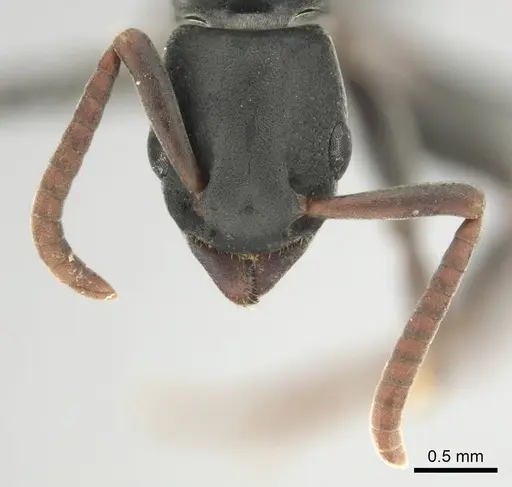
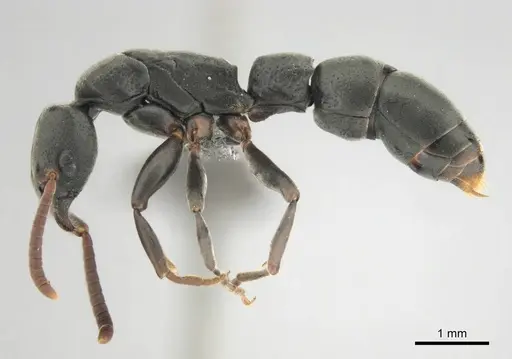
CASENT0260476
View on AntWeb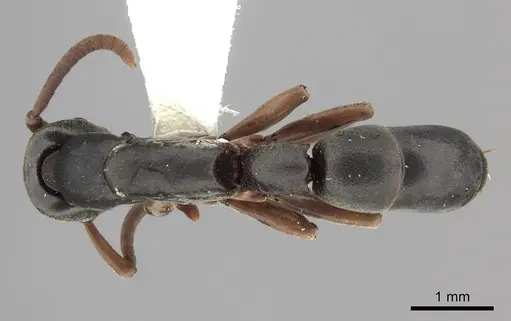
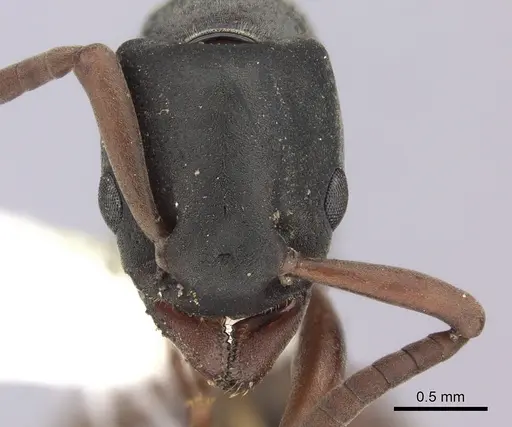
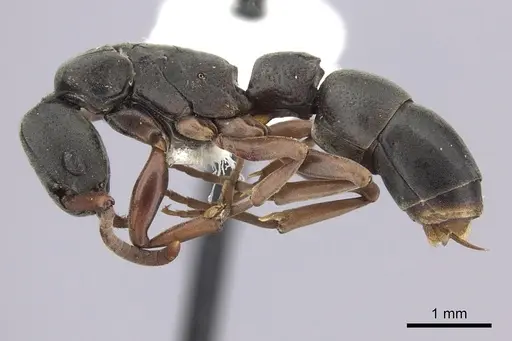
CASENT0882085
View on AntWeb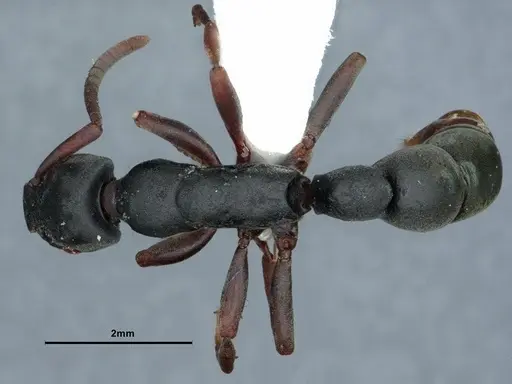
CASENT0903797
View on AntWeb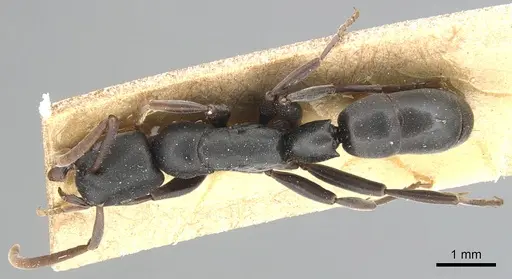
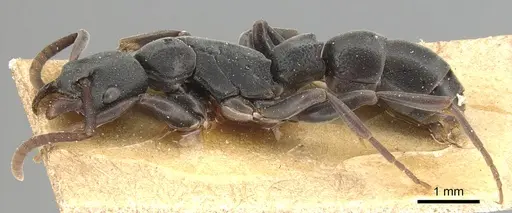
CASENT0907108
View on AntWeb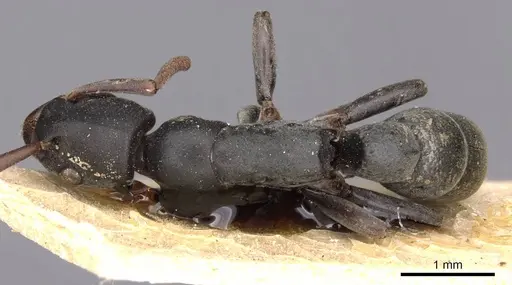
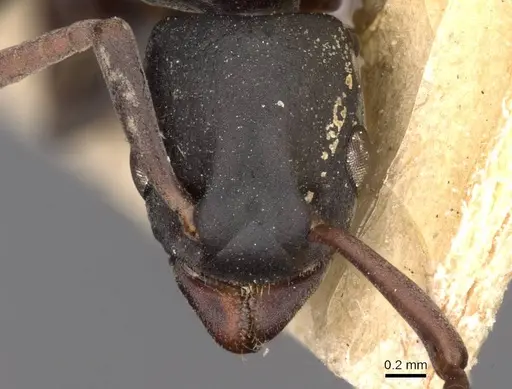
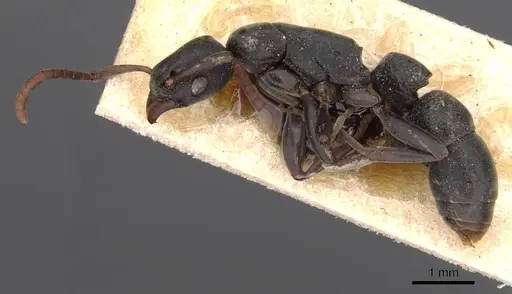
CASENT0916799
View on AntWeb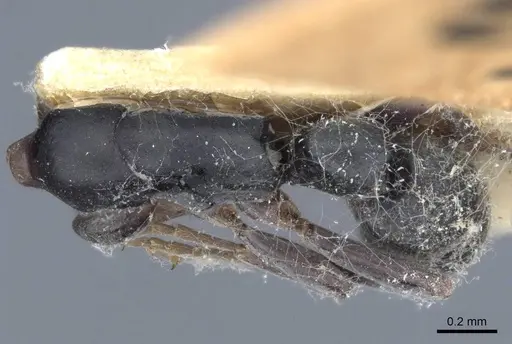
SAM-HYM-C000992A
View on AntWeb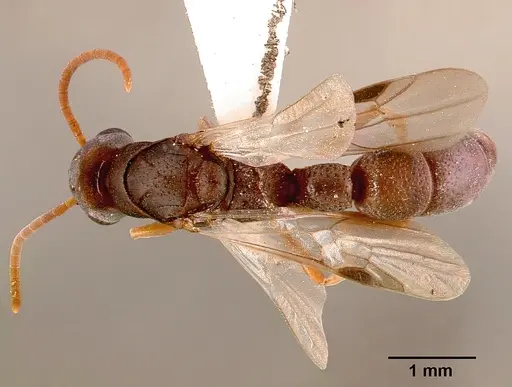
SAM-HYM-C000992B
View on AntWeb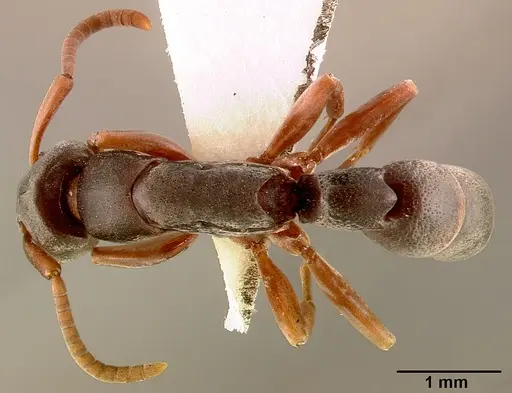
Literature
Loading distribution map...Loading products...