
Platythyrea micans
- Sci. Name
- Platythyrea micans
- Tribe
- Platythyreini
- Subfamily
- Ponerinae
- Author
- Clark, 1930
- Distribution
- Found in 1 countries
Introduction
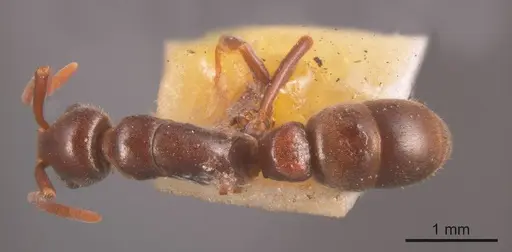
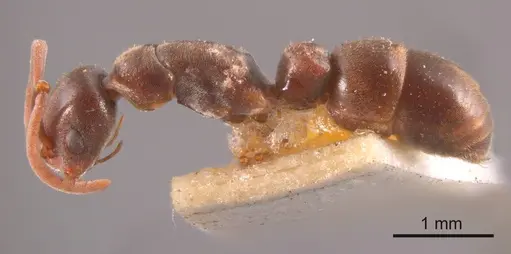
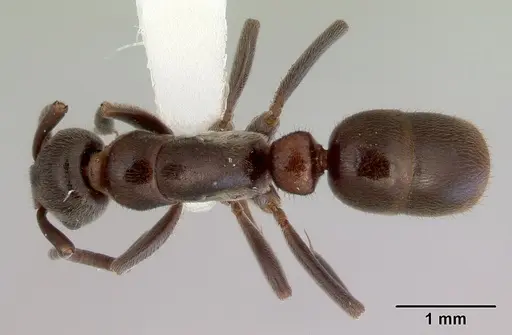
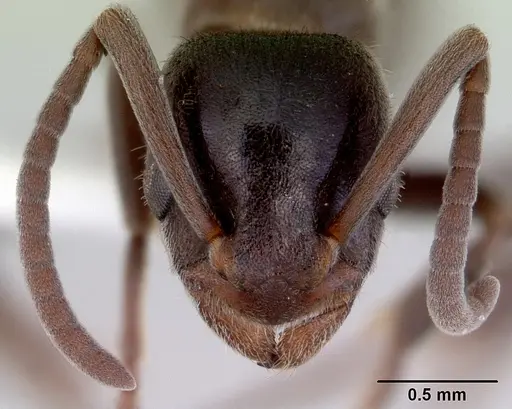
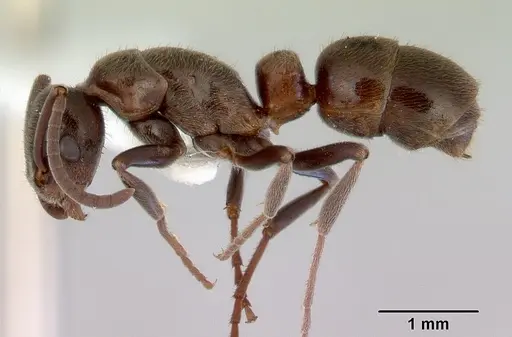
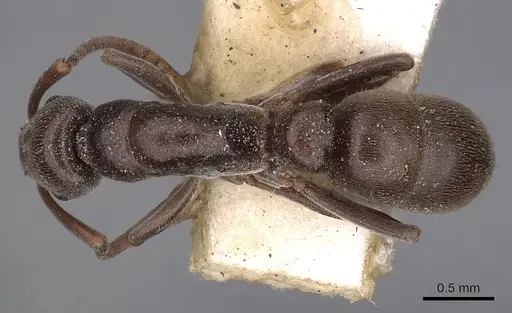
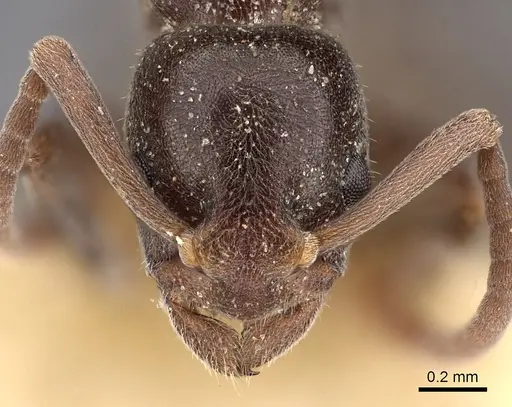
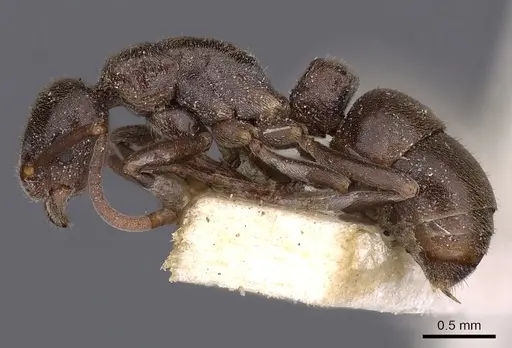
Platythyrea micans is a small, slender ant native to Western Australia. Workers are uniformly dark brown with a delicate build, weakly shining surface, very short standing hairs, and tidy appressed pubescence. Size data is unavailable for this species. They inhabit Jarrah-Marri woodland, mallee, and sandplain areas around Perth and east to Esperance, where they are commonly found on the ground and tree trunks . This species is considered one of the more common Platythyrea in southwestern Australia .
Quick Summary
- Difficulty: Medium
- Origin & Habitat: Western Australia, primarily around Perth and south to Esperance in Jarrah-Marri woodland, mallee, and sandplain habitats [1][2].
- Colony Type: Colony structure is unconfirmed. No documentation on queen number or social structure exists.
- Size & Growth:
- Queen: Size data unavailable, no body length measurements found in literature.
- Worker: Size data unavailable, no body length measurements found in literature.
- Colony: Colony size data unavailable, no documentation on maximum workers.
- Growth: Based on typical Ponerinae patterns, growth is likely slow.
- Development: Unknown, no direct data. Based on Ponerinae patterns, development may take 6-10 weeks at optimal temperature. (Development time is inferred from related species and may vary with temperature.)
- Antkeeping:
- Temperature: Keep at roughly 22-26°C with a gentle gradient. Western Australia has a Mediterranean climate, so they likely tolerate 18-28°C. Provide conditions that allow self-regulation [1].
- Humidity: Keep nest substrate consistently moist but not waterlogged. Their natural habitat experiences dry summers and winter moisture, so a humidity gradient is recommended [1][2].
- Diapause: Likely not required. Western Australia has mild winters, so extended diapause is unnecessary. A brief cool period may be beneficial but is optional [1].
- Nesting: In nature, they nest in soil and rotting wood. In captivity, use Y-tong, plaster, or soil nests with small chambers. Provide a small outworld for foraging [2].
- Behavior: Workers forage on the ground and vertical surfaces. As Ponerinae, they may have a stinger for subduing prey, but this is not documented for this species. They are likely moderately defensive but not highly aggressive. Escape risk is high due to small size, use fine mesh barriers [2].
- Common Issues: founding behavior is unconfirmed, making initial colony establishment challenging., escape prevention is critical due to small size., diet preferences are uncertain, offer small live prey but monitor acceptance., humidity balance can be tricky, avoid waterlogged conditions., growth rate is unknown, so adjust feeding based on colony consumption.
Natural History and Distribution
Platythyrea micans is endemic to Western Australia, found in Jarrah-Marri woodland, mallee, and sandplain areas around Perth and east to Esperance. Workers are collected from pitfall traps and hand collections on the ground and tree trunks [1][2]. The species was described in 1930 from specimens near Mundaring, with additional records from the Mt. Ragged Thomas River Track [2].
Appearance and Identification
Workers are slender and delicately built, uniformly dark brown with a weakly shining surface. They have very short standing hairs and neat appressed pubescence. These features help distinguish them from other Australian Platythyrea species [2].
Housing and Nesting
Use Y-tong, plaster, or soil nests with small chambers scaled to their size. Provide a small outworld for foraging and include vertical surfaces since workers climb tree trunks in the wild. Ensure escape prevention with fine mesh on ventilation [2].
Feeding and Diet
As Ponerinae, they are likely predatory. Offer small live prey such as fruit flies, crickets, or mealworms 2-3 times per week. Protein should be the primary food source, sugar water may be accepted but is not essential. Remove uneaten prey after 24-48 hours [2].
Temperature and Seasonal Care
Keep temperatures around 22-26°C with a gradient. Western Australia's climate suggests they tolerate 18-28°C. A brief cool period in winter may be beneficial, but extended diapause is not required [1]. Monitor colony activity to adjust temperature as needed.
Colony Establishment
Founding behavior is unconfirmed. If using a wild-caught queen, provide a quiet, dark test tube setup with moist cotton. Expect slow growth, as Ponerinae colonies develop gradually. Be patient during the founding phase [2].
Frequently Asked Questions
How long does it take for Platythyrea micans to produce first workers?
The exact timeline is unknown. Based on Ponerinae patterns, development may take 6-10 weeks from egg to worker at optimal temperature [2].
What do Platythyrea micans ants eat?
They are likely predatory. Feed small live prey like fruit flies, crickets, or mealworms. Protein is primary, sugar water may be accepted occasionally [2].
Can I keep Platythyrea micans in a test tube?
Yes, test tubes work well for founding and small colonies. Ensure proper water reservoir size to maintain humidity without flooding [2].
Are Platythyrea micans good for beginners?
They are medium difficulty due to limited care information. Beginners may need to experiment with conditions [2].
Do Platythyrea micans need hibernation?
Likely not required. Western Australia has mild winters, so extended diapause is unnecessary. A brief cool period may be offered but is optional [1].
How big do Platythyrea micans colonies get?
Colony size data is unavailable. Based on related species, colonies may reach several hundred workers, but this is not confirmed [2].
When should I move Platythyrea micans to a formicarium?
Move them when the test tube becomes crowded, typically around 20-30 workers. Ensure the new nest has appropriately sized chambers [2].
Why are my Platythyrea micans dying?
Common issues include improper humidity, temperature stress, insufficient protein, escape losses, or excessive disturbance. Adjust conditions gradually and monitor colony health [2].
Can I keep multiple Platythyrea micans queens together?
Colony structure is unconfirmed, so it is unclear if they are monogyne or polygyne. Combining unrelated queens is not recommended without evidence of coexistence [2].
Report an Issue
The current care sheet is based fully on literature. See inconsistencies, or something that's incorrect? Please , it will be resolved after review from an admin. Contributing to the blogs tab also helps providing information, to make us be able to further improve the caresheets. Thank you for your support!
References

This caresheet is licensed under CC BY-SA 4.0 .
Community Blogs
Literature
Loading distribution map...Loading products...