
Platythyrea dentinodis
- Sci. Name
- Platythyrea dentinodis
- Tribe
- Platythyreini
- Subfamily
- Ponerinae
- Author
- Clark, 1930
- Distribution
- Found in 1 countries
Introduction
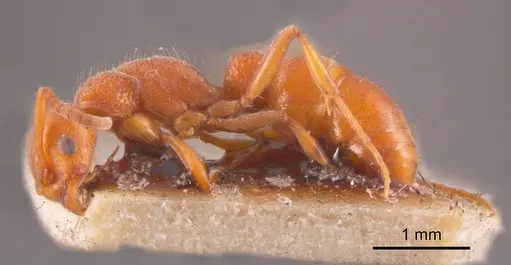
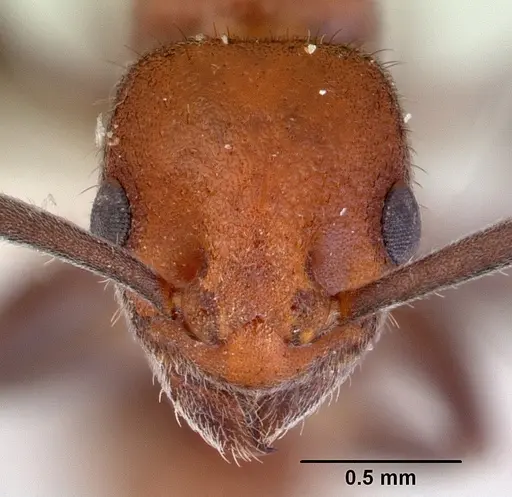
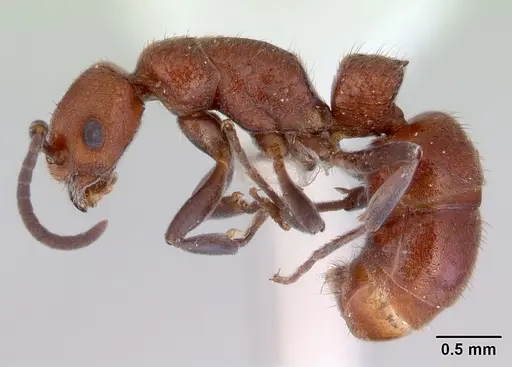
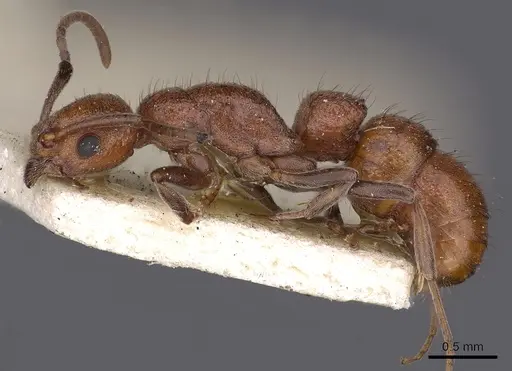
Platythyrea dentinodis is a very rare ponerine ant species endemic to Western Australia. Workers are medium-sized ants with a unicolorous yellowish-red to ferruginous yellow color, described by Clark as "castaneous." The body has loose, coarse sculpture and is fairly strongly shining. A small but sharp, uptilted tooth sits on the middle of the posterodorsal petiolar margin. Standing hairs are dark, coarse, and long (up to 0.18 mm on some dorsal surfaces). The antennae, mandibles, and legs are the same color as the rest of the body . This species has an extremely limited distribution, known from only a few locations in southwestern Western Australia: the western wheatbelt around Tammin (where it was originally described), the lower Darling Range near Worsley, and surprisingly, coastal bushland in Cottesloe (a Perth suburb) . Its rarity and patchy distribution make it a prized find for ant enthusiasts.
Quick Summary
- Difficulty: Unknown, very limited data available
- Origin & Habitat: Endemic to southwestern Western Australia, found in the western wheatbelt (Tammin), lower Darling Range (Worsley), and coastal relictual bushland (Cottesloe) [2][1]
- Colony Type: Unconfirmed. No documented observations of colony structure exist for this species.
- Size & Growth:
- Queen: Unknown, not described in available literature
- Worker: Unknown, no body size data available. AntWiki describes workers but does not provide measurements.
- Colony: Unknown, only known from type series and a few specimens
- Growth: Unknown, no development data available
- Development: Unknown, no measurements exist (No data available on development.)
- Antkeeping:
- Temperature: Based on Western Australian habitat: likely prefers warm conditions, roughly 22-28°C. Provide a temperature gradient so ants can self-regulate. Room temperature in most homes should work, but a heating cable on one side of the nest may benefit the colony.
- Humidity: Based on collection locations (wheatbelt, coastal bushland): likely prefers moderate to slightly dry conditions. Keep nest substrate moderately moist but allow some drying between waterings. Avoid waterlogging.
- Diapause: Unknown, Western Australia has mild winters. The species may have reduced activity during cooler months but true hibernation may not be necessary. Monitor colony behavior and reduce feeding if they become less active.
- Nesting: Natural nesting sites are unconfirmed. In captivity, a Y-tong (AAC) nest or plaster nest with moderate humidity works well. Provide a test tube setup for founding colonies.
- Behavior: Behavior is poorly documented. Ponerine ants are typically predatory with a potent sting, though this species' sting potency is unknown. They are likely more defensive than typical house ants. Workers probably forage individually for small prey. Escape risk is moderate, their medium size means standard barriers should work, but they are agile and may explore lid edges. Monitor for escapes, especially when the colony is active.
- Common Issues: Very limited availability, this is an exceptionally rare species that rarely appears in the antkeeping trade, No species-specific care information exists, keepers must rely on general Ponerine knowledge, Colony establishment may be difficult given the unknown founding behavior and potential sensitivity to conditions, Winter care is unclear, may need special consideration for mild vs. cool conditions, Unknown sting potency, handle with caution until more is known about their defensive abilities
Availability and Acquisition
Platythyrea dentinodis is an exceptionally rare species in the antkeeping hobby. It is endemic to southwestern Western Australia and has only been collected a handful of times since its description in 1930. You are unlikely to find this species for sale from commercial breeders, as most collections are scientific in nature. If you do obtain a colony, it likely will be from a hobbyist who has successfully kept and propagated this species, making it a true prize. Wild collection would require permits in Australia, and export may be restricted. Treat any colony you obtain as extremely valuable given the lack of captive breeding information [2].
Nest Setup and Housing
Since specific nesting preferences are unknown for this species, base your setup on general suitability for Ponerine ants. A Y-tong (AAC) nest or plaster formicarium works well for established colonies, providing moderate humidity retention. For founding colonies, use a standard test tube setup with a water reservoir. The nest should have chambers sized appropriately for medium-sized ants. Provide a temperature gradient by placing a heating cable on one side of the nest, this allows the colony to regulate their own temperature. Include an outworld area for foraging. Use standard escape prevention (Fluon on rim edges) as workers are agile and may attempt to explore gaps.
Feeding and Diet
Diet preferences are unconfirmed for Platythyrea dentinodis specifically, but Ponerine ants are typically predatory. Based on related species, they likely hunt small invertebrates such as springtails, booklice, and tiny beetles. Offer small live prey items appropriate to their size, flightless fruit flies, small mealworms, and similar micro-arthropods are good options. Sugar sources may be accepted occasionally, but Ponerines are not typically heavy honeydew consumers. Offer protein prey 2-3 times per week and remove uneaten items promptly to prevent mold. Start with small prey items and observe what the colony accepts.
Temperature and Seasonal Care
This species comes from southwestern Western Australia, a region with a Mediterranean climate featuring hot dry summers and mild wet winters. Based on this, aim for temperatures in the 22-28°C range, with some variation throughout the year. A heating cable or mat on part of the nest can provide warmth, but always include unheated areas so ants can escape overheating. During Australian winter (roughly June-August), you may see reduced activity, this is normal. Do not dramatically cool the colony unless they become clearly inactive. Monitor for signs of stress (workers clustering away from heat sources, reduced foraging) and adjust accordingly. The key is stable, warm conditions with a gradient for self-regulation [2].
Handling and Temperament
Ponerine ants possess a functional sting and should be handled with caution. While the exact sting potency of P. dentinodis is unknown, related Platythyrea species can deliver painful stings. When working with the colony, use gentle, slow movements and avoid disturbing the nest directly. If threatened, workers may defend by stinging. For routine care (feeding, watering), observe from outside the nest first to assess temperament. This species is not aggressive toward humans when unprovoked, but will defend the colony if threatened. Always wash hands before working near the colony, as foreign scents can trigger defensive responses. Keep the colony enclosure away from vibrations and direct sunlight.
Frequently Asked Questions
How rare is Platythyrea dentinodis in the antkeeping hobby?
Extremely rare. This species is known from only a handful of specimens collected in southwestern Western Australia. It rarely appears in the antkeeping trade, and most hobbyists will never encounter it for sale. If you obtain one, it is likely from a specialized collector or researcher [2].
What do Platythyrea dentinodis ants eat?
Based on related Ponerine ants, they are predatory and likely hunt small invertebrates. Offer small live prey like flightless fruit flies, small mealworms, springtails, or similar micro-arthropods. Sugar water may be occasionally accepted but protein prey should be the primary food source.
What temperature should I keep Platythyrea dentinodis at?
Based on their Western Australian habitat, aim for 22-28°C. Provide a temperature gradient using a heating cable on part of the nest so ants can self-regulate. Room temperature is likely acceptable in most homes, but a slight boost may benefit colony activity [2].
How long does it take for Platythyrea dentinodis to develop from egg to worker?
The development timeline is unconfirmed for this species. No specific measurements exist. Based on general Ponerine development, it likely takes several weeks at warm temperatures, but this is a rough guess given the lack of data.
Can I keep multiple Platythyrea dentinodis queens together?
Colony structure is unconfirmed for this species. Combining unrelated queens is not recommended since we do not know their founding behavior. Single-queen colonies are the safest approach until more is known.
Do Platythyrea dentinodis need hibernation?
True hibernation is likely not required given the mild Western Australian climate. The colony may show reduced activity during cooler months, but dramatic temperature drops are unnecessary. Monitor colony behavior and reduce feeding if they become less active [2].
What size colony does Platythyrea dentinodis reach?
Maximum colony size is unknown. Only small numbers of this species have ever been collected. Based on related species, colonies likely reach several hundred workers at most, but this is an estimate.
Is Platythyrea dentinodis a good species for beginners?
No. This species is not recommended for beginners due to extremely limited care information, rarity in the hobby, and unknown specific requirements. Only experienced antkeepers with Ponerine experience should attempt this species.
Where is Platythyrea dentinodis found in the wild?
This species is endemic to southwestern Western Australia, known only from three locations: the western wheatbelt (Tammin), the lower Darling Range (Worsley), and coastal bushland in Cottesloe (a Perth suburb) [2][1].
Report an Issue
The current care sheet is based fully on literature. See inconsistencies, or something that's incorrect? Please , it will be resolved after review from an admin. Contributing to the blogs tab also helps providing information, to make us be able to further improve the caresheets. Thank you for your support!
References

This caresheet is licensed under CC BY-SA 4.0 .
Community Blogs
ANTWEB1008180
View on AntWeb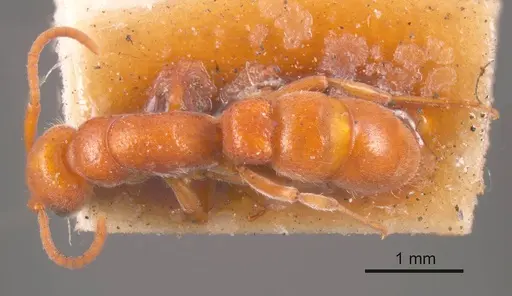
CASENT0172409
View on AntWeb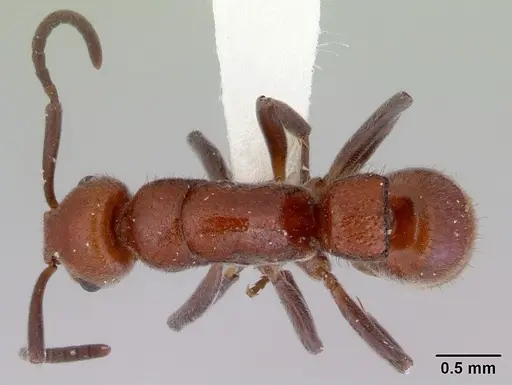
CASENT0900577
View on AntWeb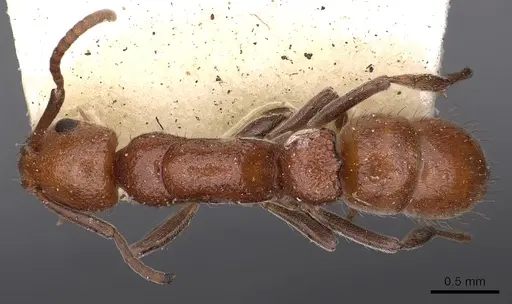
CASENT0900578
View on AntWeb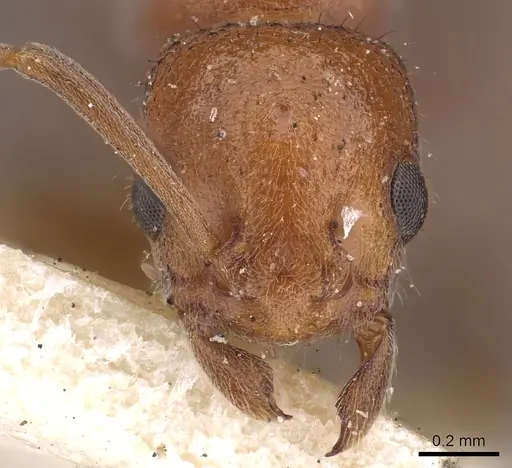
Literature
Loading distribution map...Loading products...