
Platythyrea cribrinodis
- Sci. Name
- Platythyrea cribrinodis
- Tribe
- Platythyreini
- Subfamily
- Ponerinae
- Author
- Gerstäcker, 1859
- Distribution
- Found in 5 countries
Introduction
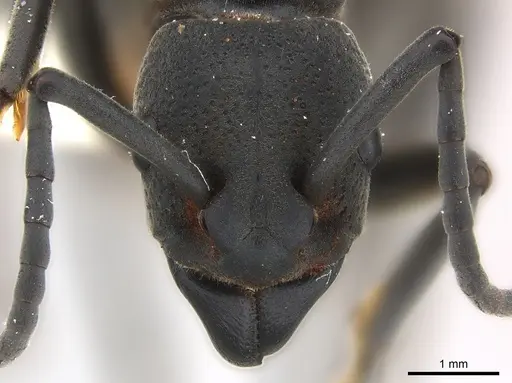
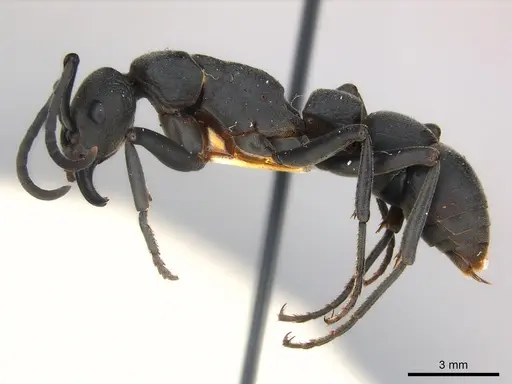
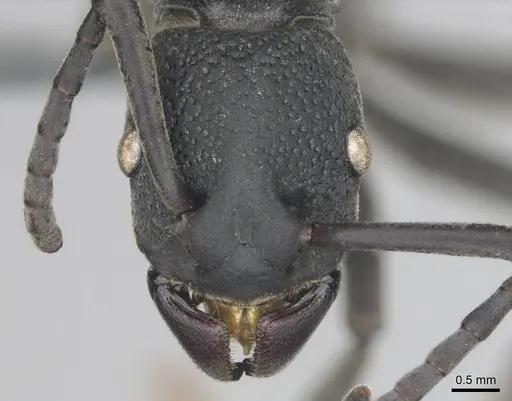
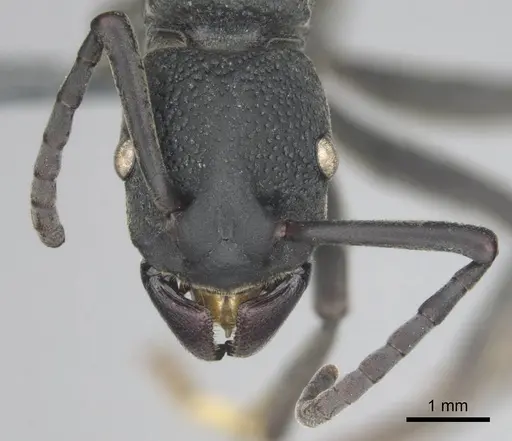
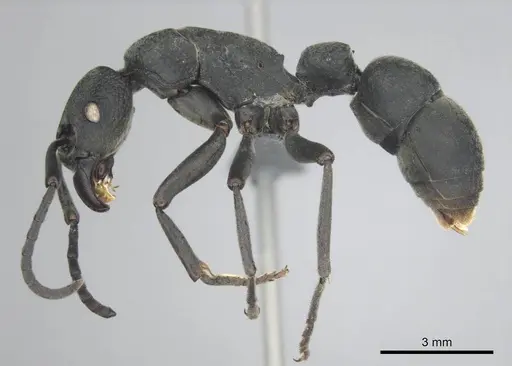
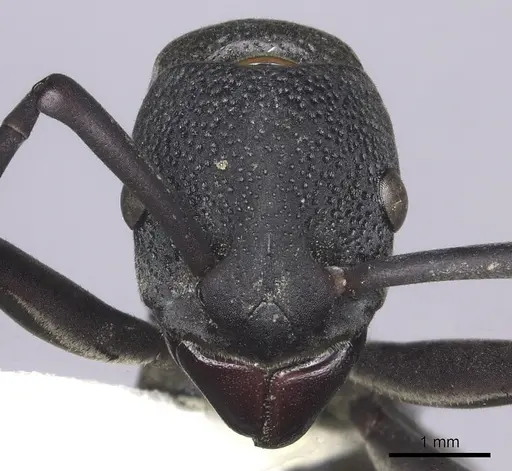
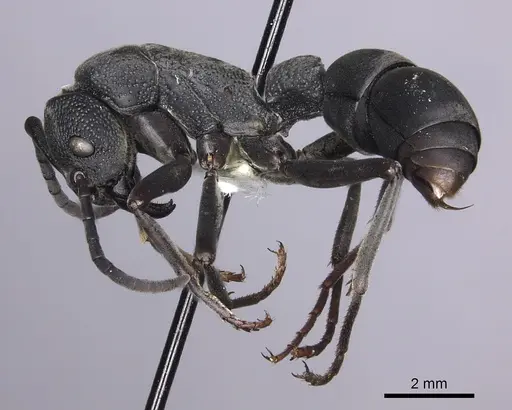
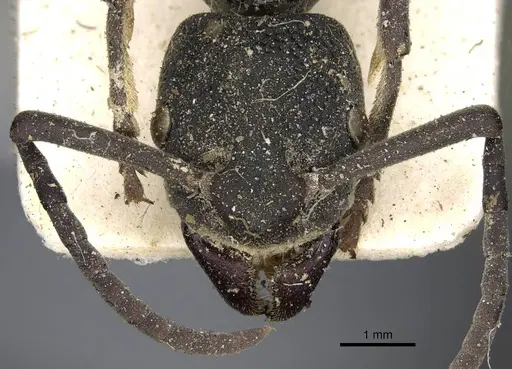
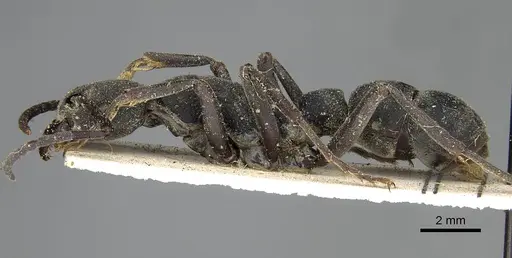
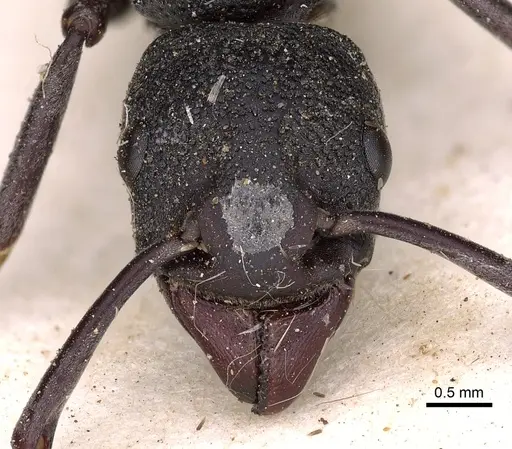
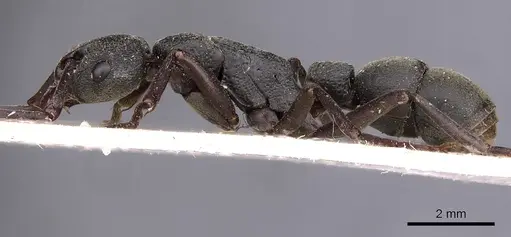
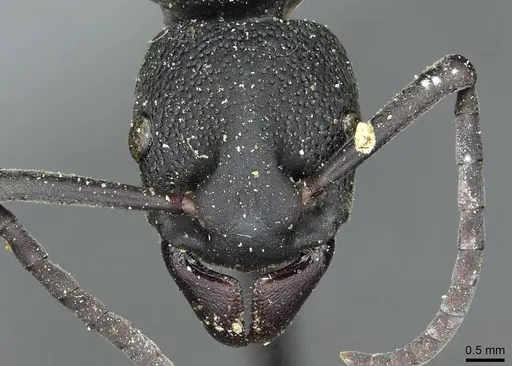
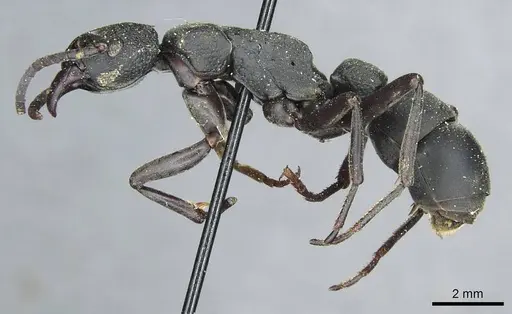
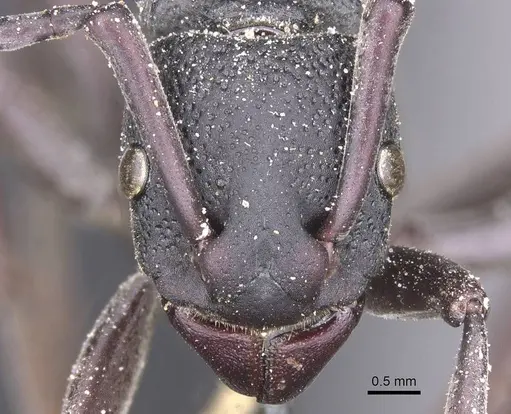
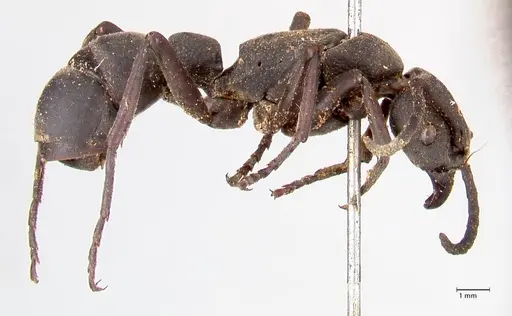
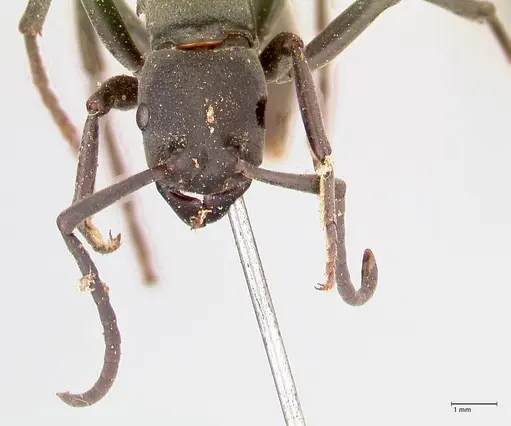
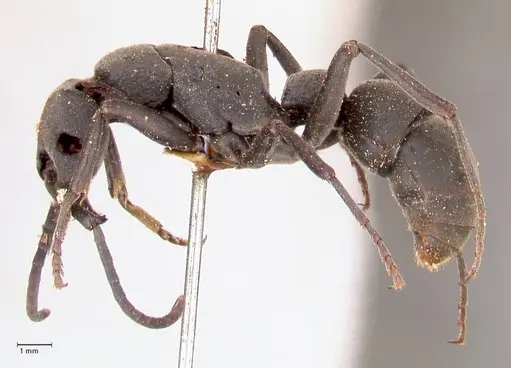
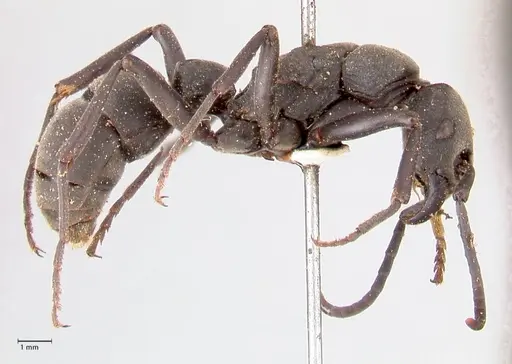
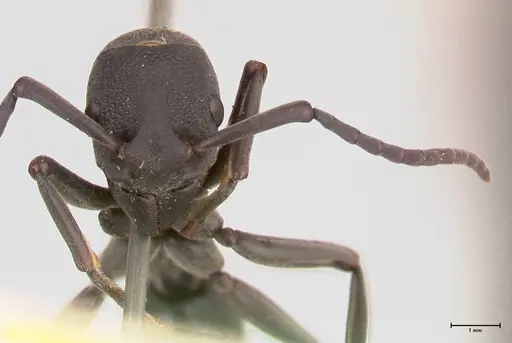
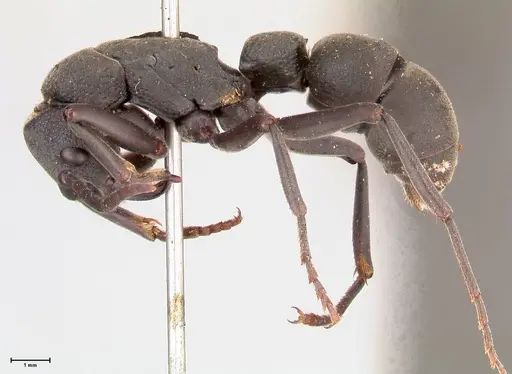
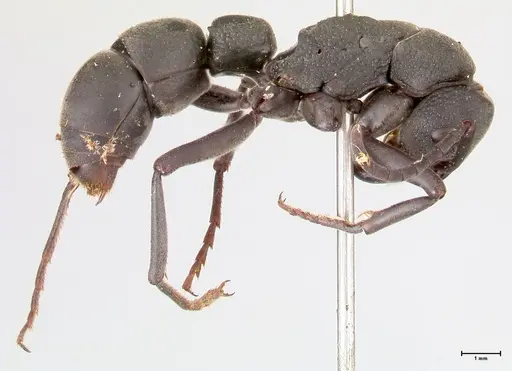
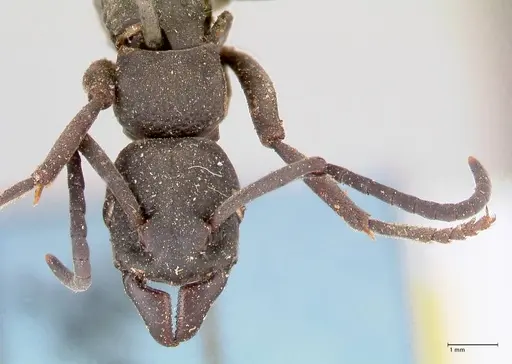
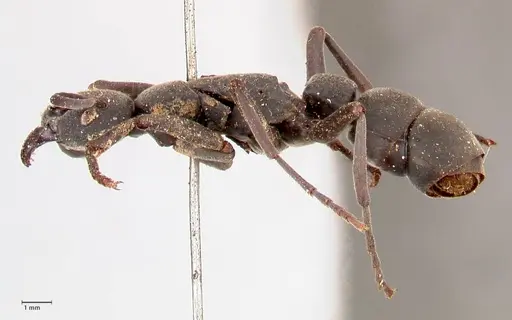
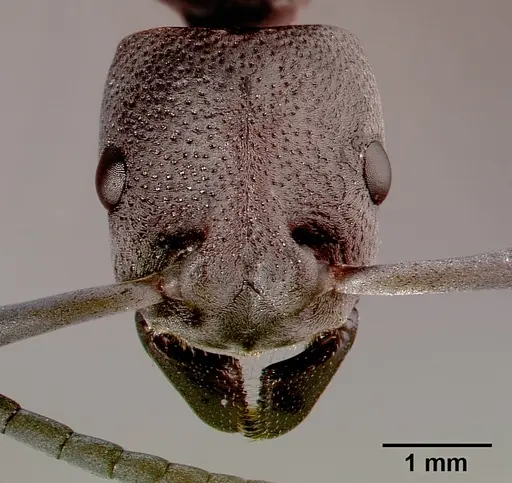
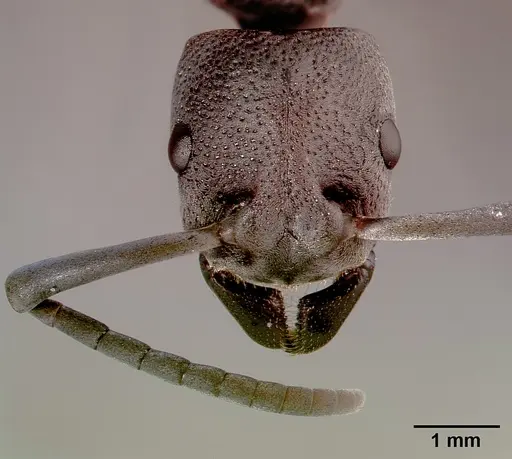
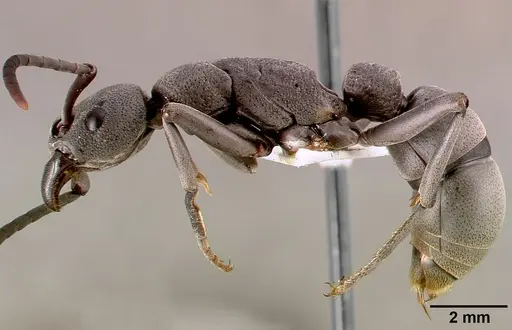
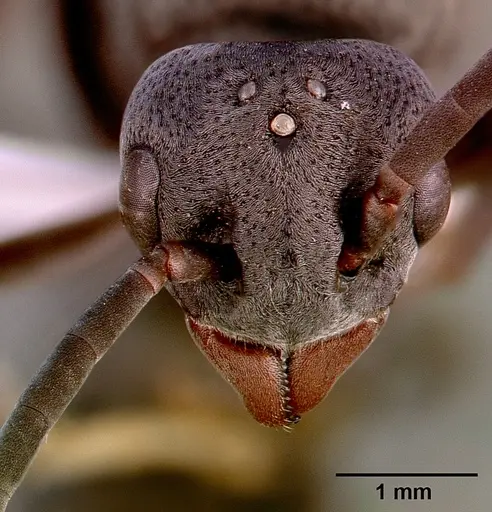
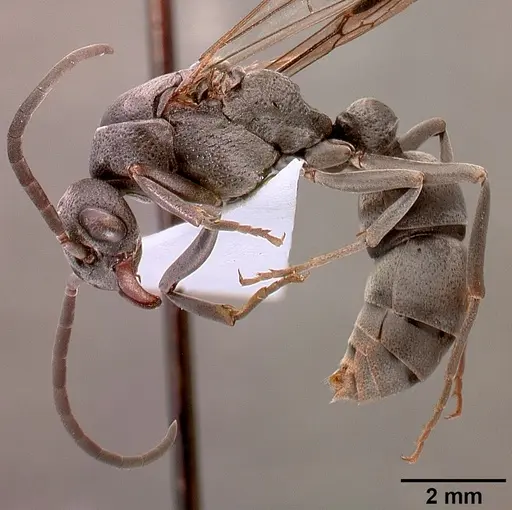
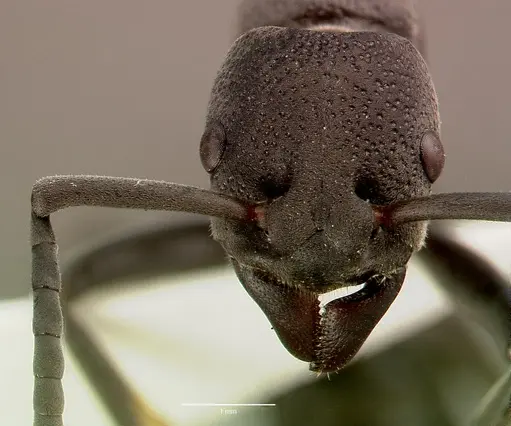
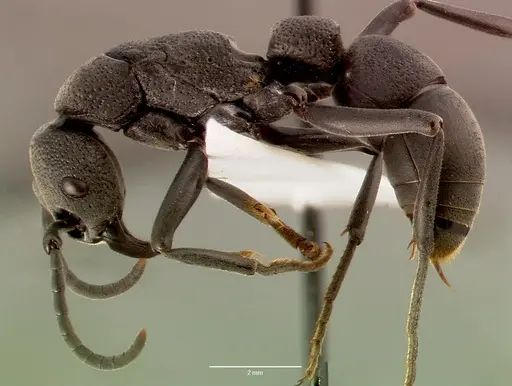
Platythyrea cribrinodis is a slender, matte black ant native to the Afrotropical region, ranging from Ethiopia and Kenya down to Mozambique, Zimbabwe, and Zambia. Workers are covered in fine gray tomentum, giving them a dusty look, especially on the abdomen. Their head is relatively narrow, and they carry powerful mandibles shaped like a low triangle with blunt-toothed edges . These ants dig simple burrows in the ground and forage alone during the day, hunting insects like termites . A standout feature is their gamergate system, where workers can mate and lay eggs, taking over reproductive duties without a permanent queen . They possess a painful sting, so handle them with care . What makes Platythyrea cribrinodis stand out is their reliance on gamergates. Instead of a single queen ruling the colony, mated workers step up to produce the next generation. This system keeps the colony running even if the original founder dies, but it also means colony growth follows a different pace. They are confirmed generalized predators that rely on their sting to take down prey .
Quick Summary
- Difficulty: Medium
- Origin & Habitat: Afrotropical region, including Kenya, Tanzania, Uganda, Mozambique, Zimbabwe, Ethiopia, Somalia, and neighboring countries. They nest in simple ground burrows and hunt on the surface during daylight hours [2][6].
- Colony Type: Gamergate system where workers become reproductive and lay eggs. Colonies do not rely on a permanent queen for reproduction [3].
- Size & Growth:
- Queen: size data unavailable
- Worker: size data unavailable
- Colony: Up to moderate colony size based on typical Ponerine patterns
- Growth: Moderate
- Development: Estimated 6-10 weeks at warm temperatures based on related Ponerine patterns (Development speed depends heavily on temperature and food availability. Keep conditions stable and avoid sudden drops.)
- Antkeeping:
- Temperature: Keep warm and stable, roughly low-to-mid 20s°C. These ants thrive in consistent tropical heat.
- Humidity: Keep the nest substrate consistently moist but not waterlogged. Provide a slight gradient if possible.
- Diapause: No, they come from warm Afrotropical regions and do not need a winter rest period.
- Nesting: Ground-nesting species. Use a soil-based naturalistic setup or a plaster or Y-tong nest. Provide narrow chambers that match their body size and allow easy digging [2].
- Behavior: Active individual foragers that hunt during the day. They use a painful sting to subdue prey [4]. They are not aggressively defensive toward humans but will sting if handled roughly or threatened. Escape risk is moderate, standard barrier methods work well. The gamergate system means colonies can sustain reproduction without a queen, though growth may feel slower than queen-right species.
- Common Issues: gamergate colonies grow slower than queen-right species, do not panic if development takes months, painful sting means you should handle them minimally and use gentle tools when moving colonies, as active predators, they need regular protein, starvation happens quickly if you skip feedings, ground nesting requires adequate substrate depth, shallow nests stress the colony, wild colonies may carry parasites that can wipe out captive groups, monitor new additions closely
Housing and Nest Setup
Platythyrea cribrinodis digs simple burrows in the ground [2]. In captivity, a soil-based naturalistic setup works best. You can also use a plaster or Y-tong nest with narrow chambers that match their body size. Keep the substrate slightly moist but let it dry partially between waterings. These ants prefer tight spaces and will settle quickly if you provide adequate digging depth. Make sure your lid is secure, as they can squeeze through small gaps when motivated.
Feeding and Diet
These ants are confirmed generalized predators [5]. You need to offer small live insects regularly. Fruit flies, small crickets, and mealworms work well. They hunt termites in the wild, so termite prey is a great natural option. Remove uneaten prey after two days to keep mold away. You can occasionally offer a sugar source like diluted honey water, but protein should make up most of their diet. Feed established colonies every two to three days, adjusting amounts based on how many workers you have. A well-fed colony shows workers with plump abdomens.
Temperature and Heating
Platythyrea cribrinodis comes from warm Afrotropical regions, so they need consistent heat year-round [2]. Keep the nest area in the low-to-mid 20s°C. A heating cable on one side of the nest creates a gradient that lets the ants choose their preferred spot. Place heat sources on top of the nest to avoid drying out the substrate too fast. If your room stays warm, they may do fine without extra heat. Watch their activity levels, sluggish workers mean you need to bump the temperature up slightly. They do not need a cold period to rest.
Behavior and Colony Dynamics
The most unique trait of Platythyrea cribrinodis is their gamergate system. Instead of a single queen, mated workers step up to lay eggs and keep the colony running [3]. This means you can maintain a healthy colony even if the original founder dies. Workers hunt alone during the day and use a painful sting to take down prey [4]. They are not naturally aggressive toward humans, but they will defend themselves if handled roughly. Respect their sting and use gentle tools when moving them. The colony will show steady hunting activity once settled.
Growth and Development
Gamergate colonies like Platythyrea cribrinodis build at a different pace than queen-right species. It takes time for workers to mature into gamergates and start laying eggs. Once reproduction kicks in, expect moderate growth. Brood development likely takes around six to ten weeks from egg to worker at warm temperatures, based on patterns in related Ponerine ants. The first workers may be slightly smaller but will quickly be replaced by normal-sized adults. Avoid disturbing the nest while brood develops. A healthy colony will show increasing foraging activity and steady worker production over time.
Frequently Asked Questions
How long does it take for Platythyrea cribrinodis to produce first workers?
Since this species uses a gamergate system, the timeline differs from queen-right ants. Expect a few months for workers to mature into gamergates and start laying eggs. Brood development likely takes six to ten weeks at warm temperatures. Total time to first workers may reach four to six months or longer. Patience is essential with gamergate species.
Can I keep multiple Platythyrea cribrinodis queens together?
This species uses a gamergate system where workers become reproductive instead of relying on a permanent queen [3]. Multiple unrelated foundresses would likely fight. Pleometrosis has not been documented for this species. If you acquire multiple gamergate workers, they may coexist, but introducing unrelated queens is not recommended.
What do Platythyrea cribrinodis eat?
They are confirmed generalized predators [5]. Feed small live insects regularly, including fruit flies, small crickets, and mealworms. Termites are a natural prey item if available. You can occasionally offer sugar sources like honey water, but protein should make up most of their diet.
Are Platythyrea cribrinodis good for beginners?
This species sits at a medium difficulty level. Their care needs are straightforward, but the gamergate system means slower colony establishment than easier species. They also carry a painful sting, which may not suit keepers who want to handle their ants frequently. Beginners willing to be patient and respect their needs can succeed.
Do Platythyrea cribrinodis need hibernation?
No, they do not require hibernation. They come from warm Afrotropical regions and stay active year-round [2]. Keep them at consistent warm temperatures. Prolonged cold exposure can harm their metabolism.
How big do Platythyrea cribrinodis colonies get?
Colony size likely reaches a moderate maximum based on typical Ponerine patterns. They do not form massive supercolonies. Growth pace is moderate due to the gamergate reproductive system.
When should I move Platythyrea cribrinodis to a formicarium?
Start them in a simple setup like a test tube or small container with soil. Once the colony reaches a stable worker count and shows clear foraging patterns, you can move them to a larger setup. A naturalistic terrarium with soil substrate works well for this ground-nesting species.
Why is my Platythyrea cribrinodis colony not growing?
Gamergate species naturally grow slower than queen-right ants. Ensure temperatures stay warm, protein is offered regularly, and you are not disturbing the nest. It takes months for gamergates to mature and start laying eggs. If the colony looks healthy otherwise, just wait it out.
Report an Issue
The current care sheet is based fully on literature. See inconsistencies, or something that's incorrect? Please , it will be resolved after review from an admin. Contributing to the blogs tab also helps providing information, to make us be able to further improve the caresheets. Thank you for your support!
References

This caresheet is licensed under CC BY-SA 4.0 .
Community Blogs
CASENT0217122
View on AntWeb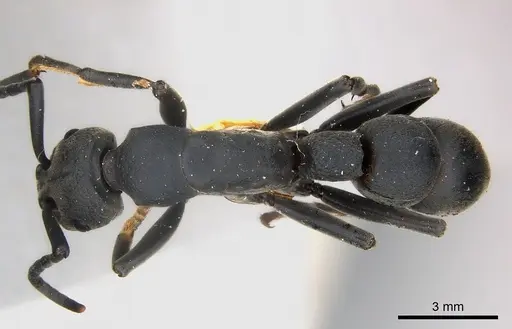
CASENT0252007
View on AntWeb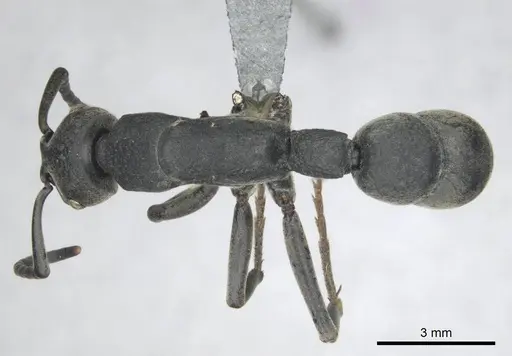
CASENT0260472
View on AntWeb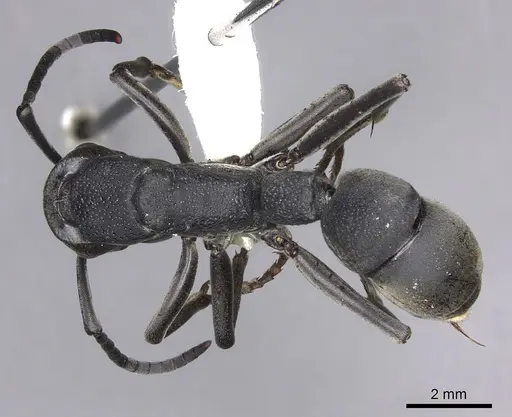
CASENT0752925
View on AntWeb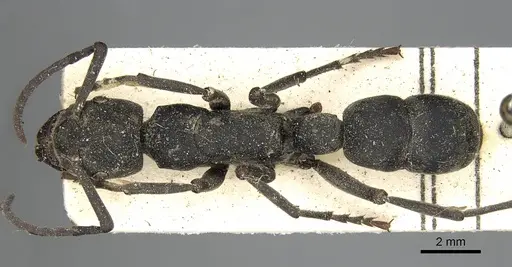
CASENT0778160
View on AntWeb
CASENT0815135
View on AntWeb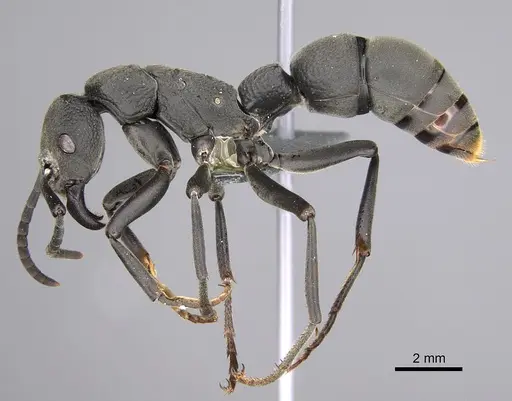
CASENT0900567
View on AntWeb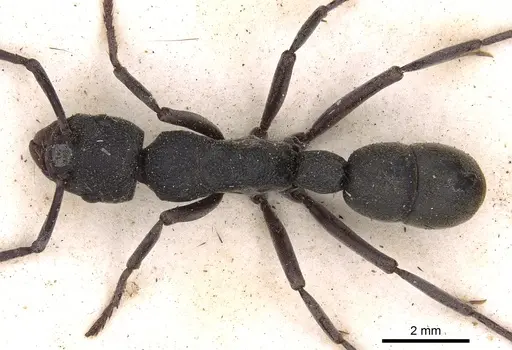
CASENT0913729
View on AntWeb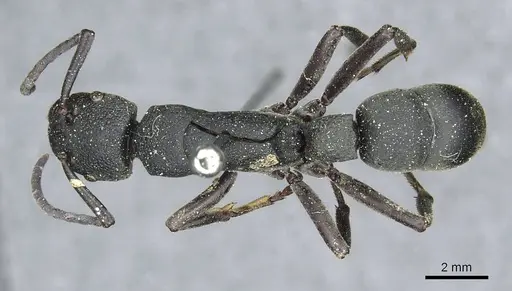
CASENT0915147
View on AntWeb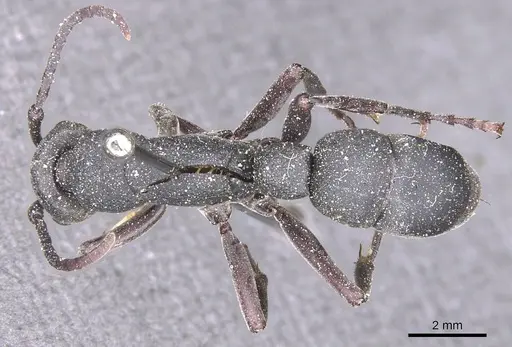
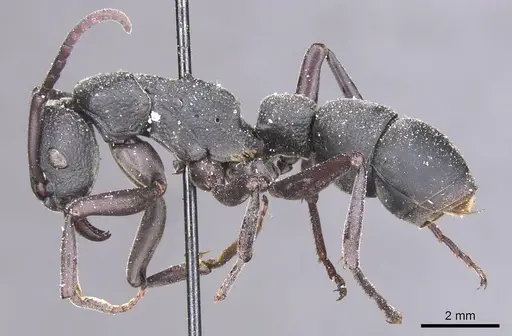
FOCOL0836
View on AntWeb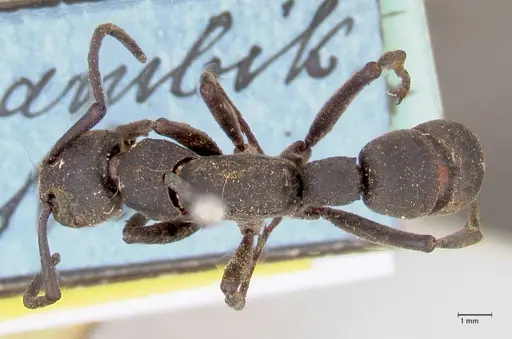
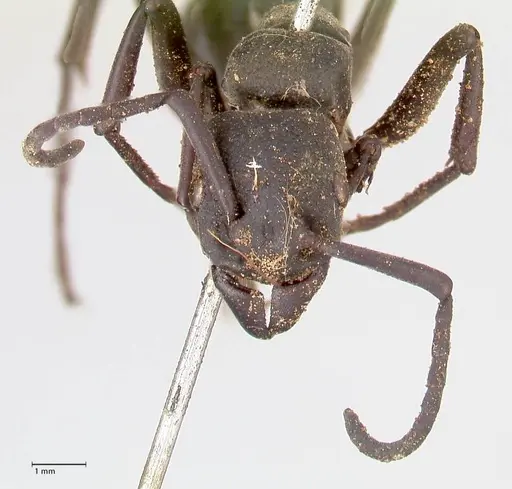
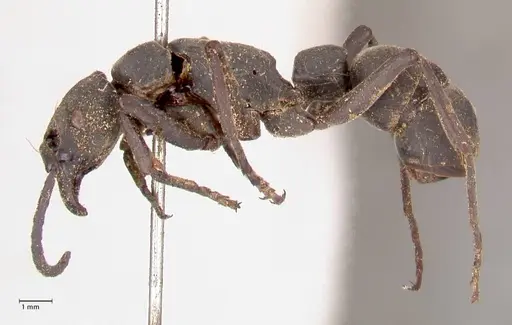
FOCOL0837
View on AntWeb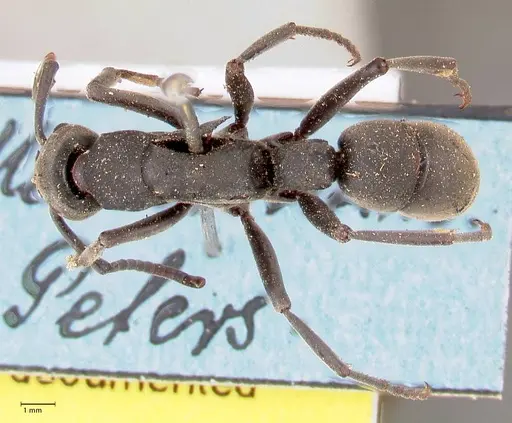
FOCOL0838
View on AntWeb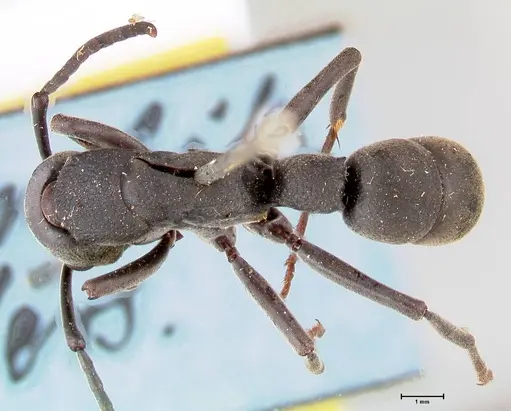
FOCOL0839
View on AntWeb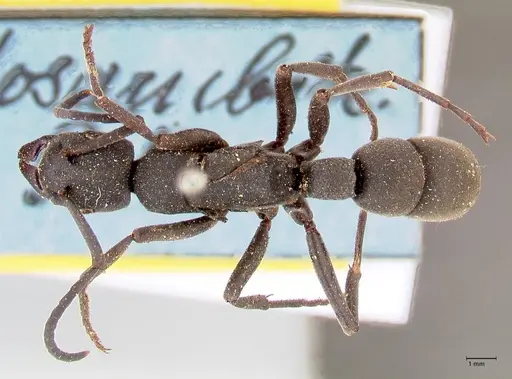
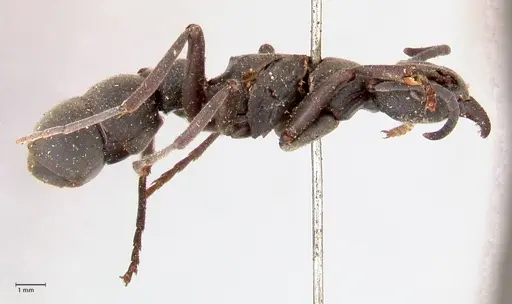
FOCOL0840
View on AntWeb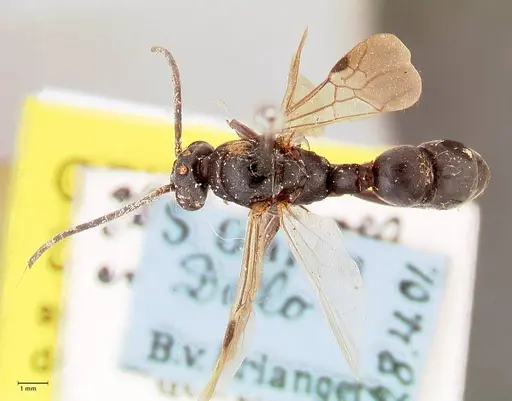
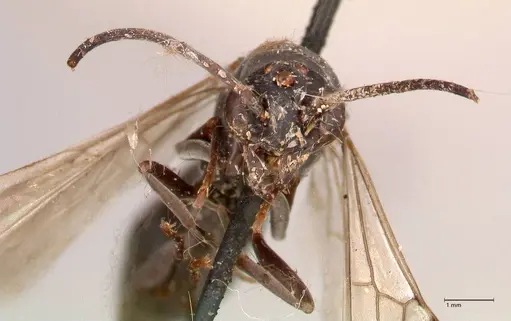
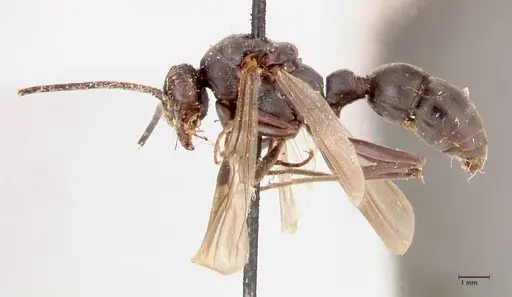
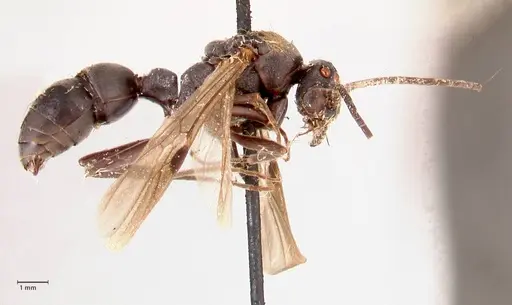
FOCOL0841
View on AntWeb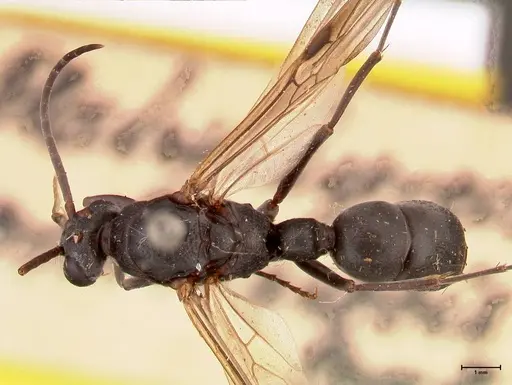
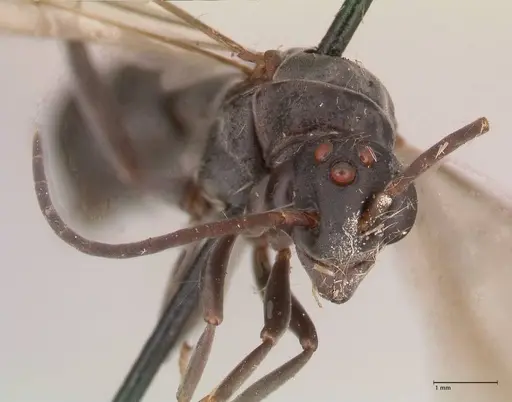
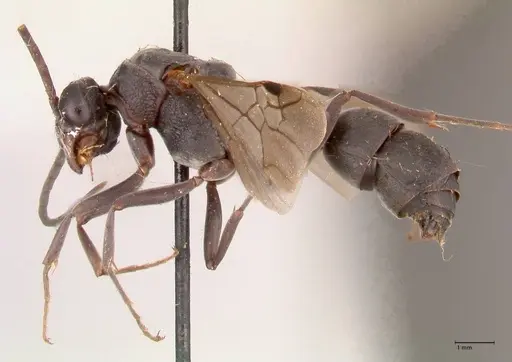
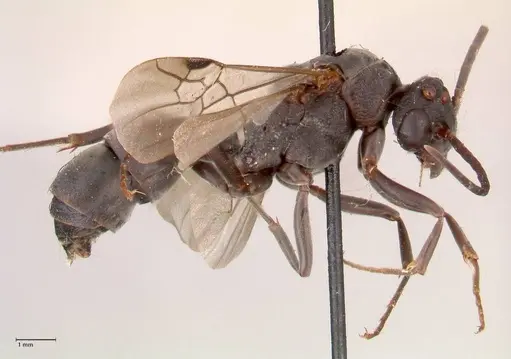
SAM-HYM-C000337A
View on AntWeb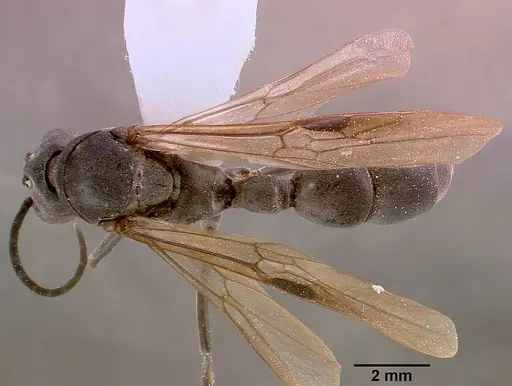
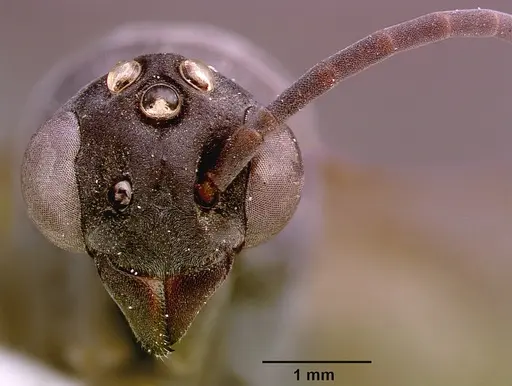
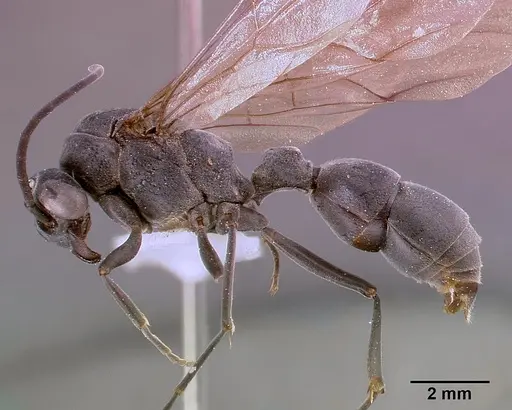
SAM-HYM-C001104B
View on AntWeb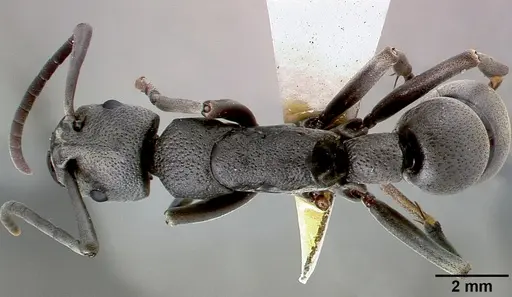
SAM-HYM-C001105A
View on AntWeb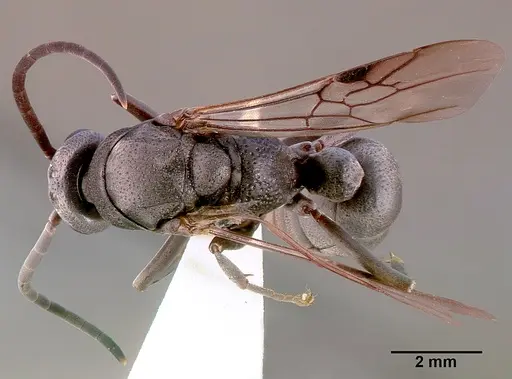
SAM-HYM-C005620A
View on AntWeb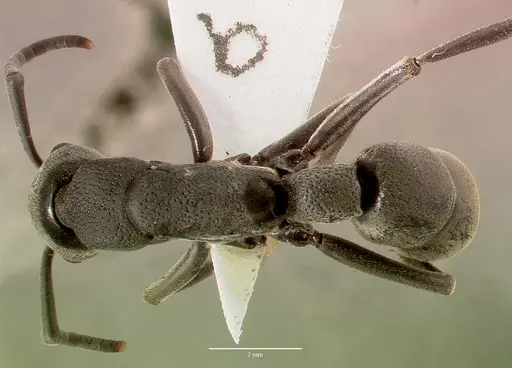
Literature
Loading distribution map...Loading products...