
Platythyrea conradti
- Sci. Name
- Platythyrea conradti
- Tribe
- Platythyreini
- Subfamily
- Ponerinae
- Author
- Emery, 1899
- Distribution
- Found in 7 countries
Introduction
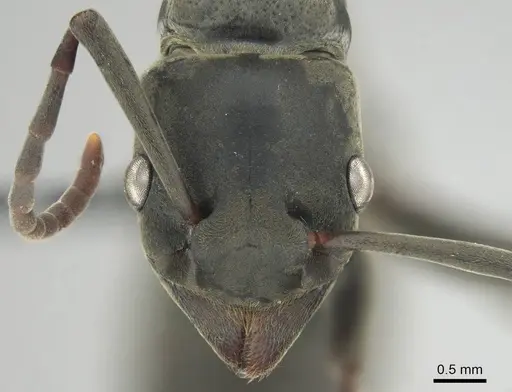
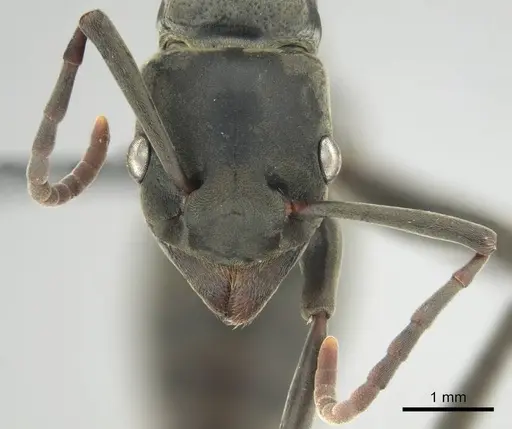
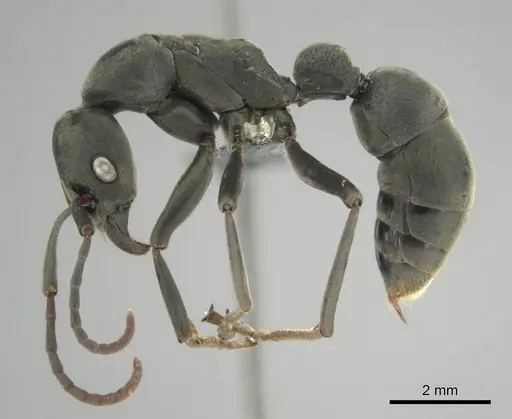
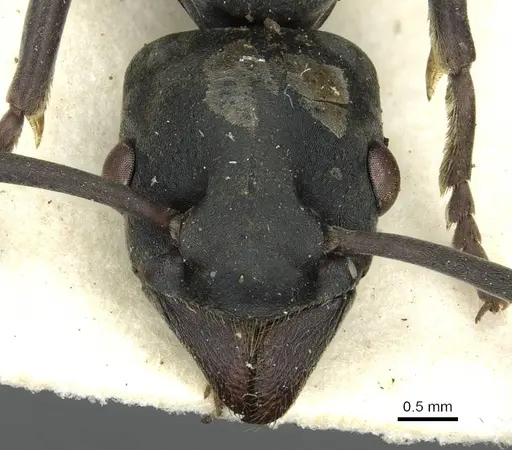
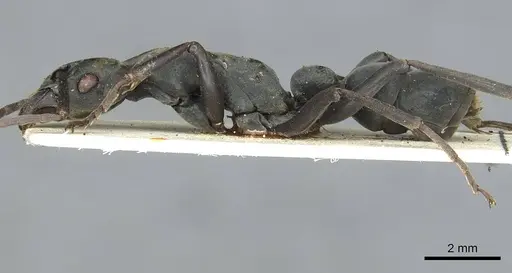
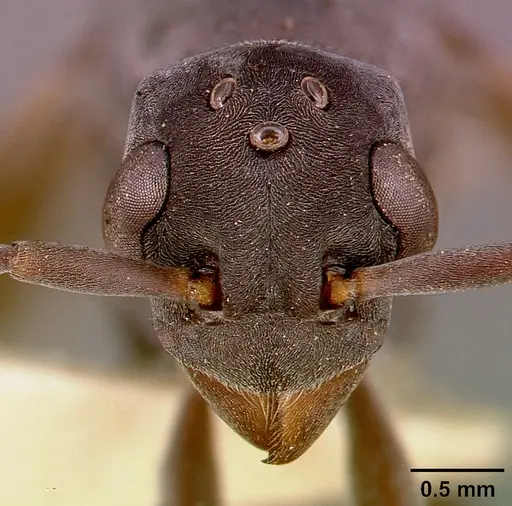
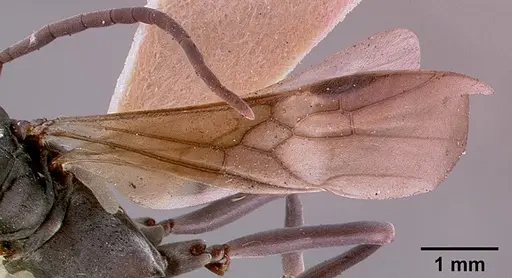
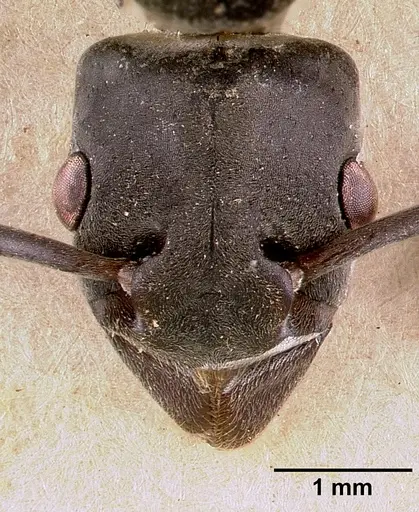
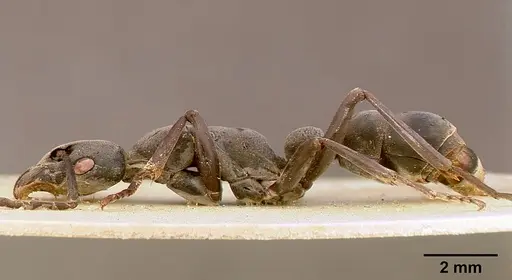
Platythyrea conradti is a large arboreal ant from tropical West and Central Africa. Workers are about 15 mm long and armed with a potent sting that can instantly paralyze prey up to 30 times their weight . This species is unique in its genus because it has permanently wingless (ergatoid) queens instead of fertile workers . Nests are built inside hollow branches of living trees, often 0.5–2 m above the ground . A typical colony holds around 100 workers but can reach up to 500 . An unusual feature is that they regularly share their nest cavities with much smaller Strumigenys maynei ants, forming a mutually beneficial relationship where the tiny partner helps keep the nest clean and defends it from intruders .
Quick Summary
- Difficulty: Medium
- Origin & Habitat: Arboreal ant from tropical West and Central Africa (Angola, Benin, Cameroon, DRC, Equatorial Guinea, Gabon, Ghana, Guinea, Ivory Coast, Nigeria) [3]. Nests in hollow branches of living trees, particularly Pancovia bijuga, at heights of 0.5–2 m [1][5].
- Colony Type: Monogyne, single fertile ergatoid queen. Workers and queen form a dominance hierarchy through aggressive interactions [4][7]. No gamergates (fertile workers) are present [3].
- Size & Growth:
- Queen: ~15 mm (similar to workers, but gaster is larger) [3]
- Worker: ~15 mm [1]
- Colony: Up to 500 workers [2][1], typical wild colonies have ~100 workers [3].
- Growth: Moderate
- Development: 6–10 weeks (estimated based on related Ponerinae, direct data unavailable) (Keep at tropical temperatures (24–28°C) for best development.)
- Antkeeping:
- Temperature: Tropical species – keep at 24–28°C. They are active year-round. (Temperature not directly studied, inferred from native habitat.)
- Humidity: High but not constant wetness. The nest substrate should be moist but well-drained. In the dry season, workers plug the nest entrance, indicating they can handle some drying but prefer humidity. Provide a water source in the outworld [5].
- Diapause: No – tropical species, active year-round [5].
- Nesting: Arboreal setup is essential. Use a formicarium with large chambers (e.g., Y-tong, plaster, or natural cork). Provide vertical space and multiple chambers connected by wide passages. A deep substrate layer or cork slabs works well. Avoid acrylic nests – they don't hold humidity for this species.
- Behavior: Solitary predators with a powerful sting [2]. They hunt at dawn and dusk [2]. Workers are territorial and will attack other ants using a threat display (crouching, antennae folded back) backed by volatile secretions [2]. Alien conspecifics are fiercely attacked [1]. They can climb smooth surfaces, so use a barrier like fluon or PTFE on the rims of outworlds. Handle with care – their sting can penetrate human skin [2].
- Common Issues: dry conditions causing nest abandonment or colony decline., insufficient live prey – they need protein from arthropods., mold due to overwatering – balance moisture with ventilation., handling injuries from stings., colony may not grow if given insufficient vertical space.
Housing and Nest Setup
Platythyrea conradti is arboreal and needs a setup that mimics tree cavities. Use a large formicarium with wide chambers (e.g., Y-tong or plaster). Provide vertical space using cork slabs or hollow branches. This species nests 0.5–2 m above ground in nature [1][5], so consider elevating the nest in the outworld. The nest entrance should be a small opening, in the wild they plug it with debris in the dry season [5]. Maintain high humidity but allow ventilation to prevent mold. The outworld should have climbing structures like twigs and leaves.
Feeding and Diet
Offer a variety of live prey: crickets, roaches, mealworms, termites. They are solitary hunters [2], drop prey near the nest. They can subdue prey up to 30 times their weight [2]. Also provide sugar water or honey – workers collect sugary liquids using surface tension, carrying them under the head and thorax [2]. Feed protein 2–3 times per week, sugar water always available.
Temperature and Seasonal Care
Keep at 24–28°C, typical for tropical lowland forests. No diapause. Activity may decrease during winter if your home is cooler/drier, but they remain active. Provide a water source. [5]
Behavior and Defense
Highly territorial. Workers hunt alone, using a quick ventral sting to paralyze prey [8][2]. They also use a threat display against other ants: crouching with mandibles open and antennae folded back, releasing repellent volatiles [2]. Within the colony, a dominance hierarchy exists, the queen is top-ranked [4][7]. After the queen dies, high-ranking workers lay male eggs [7]. They are aggressive to alien conspecifics but tolerate Strumigenys maynei nestmates [1]. Their sting is painful and can break human skin.
Colony Growth and Reproduction
Colonies start by fission: an ergatoid queen walks with a group of workers to a new site [1]. The queen is wingless and morphologically similar to workers but has a larger gaster and 18–20 ovarioles [3]. Colonies grow slowly – expect the first workers several weeks after founding. Mature colonies reach up to 500 workers [2][1]. No alate queens are produced, reproduction is entirely through fission.
Frequently Asked Questions
How long does it take for Platythyrea conradti to produce first workers?
Exact data is unavailable, but based on related Ponerinae, expect 6–10 weeks at 24–28°C. The first brood may take longer if conditions are not optimal.
Can I keep multiple Platythyrea conradti queens together?
No, they are strictly monogyne. Colonies have a single ergatoid queen. Multiple queens would fight [4].
What do Platythyrea conradti eat?
Predominantly live arthropods such as crickets, roaches, and termites. They also consume nectar and sugar water [2]. Offer variety.
Are Platythyrea conradti good for beginners?
Rated as medium difficulty. Their need for specific arboreal housing, high humidity, live prey, and potent sting make them better for keepers with some experience.
How big do Platythyrea conradti colonies get?
Up to 500 workers [2][1]. Wild colonies average about 100 workers [3].
Do Platythyrea conradti need hibernation?
No, they are tropical and active year-round [5].
Why do my Platythyrea conradti keep dying?
Common issues: dry conditions, insufficient protein, mold, or stress from handling. Ensure high humidity, adequate live prey, and a secure, undisturbed nest.
What is the relationship with Strumigenys maynei?
They frequently share nests with this tiny dacetine ant in a parabiotic (mutualistic) association. Strumigenys maynei lives in the walls of the P. conradti nest and helps defend it, while P. conradti provides protection and food scraps [1][6].
Report an Issue
The current care sheet is based fully on literature. See inconsistencies, or something that's incorrect? Please , it will be resolved after review from an admin. Contributing to the blogs tab also helps providing information, to make us be able to further improve the caresheets. Thank you for your support!
References

This caresheet is licensed under CC BY-SA 4.0 .
Community Blogs
CASENT0250047
View on AntWeb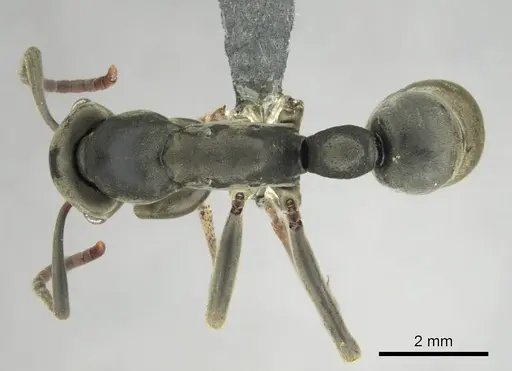
CASENT0815027
View on AntWeb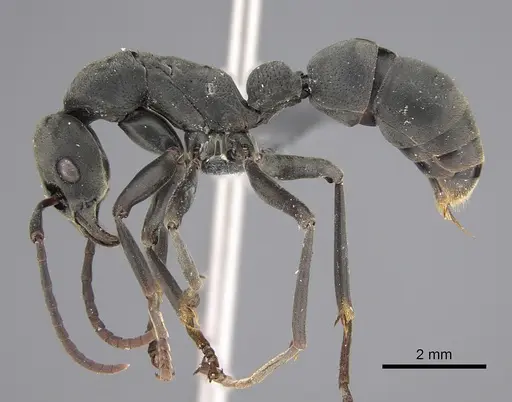
CASENT0903795
View on AntWeb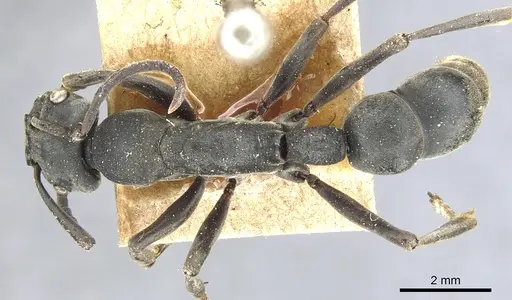
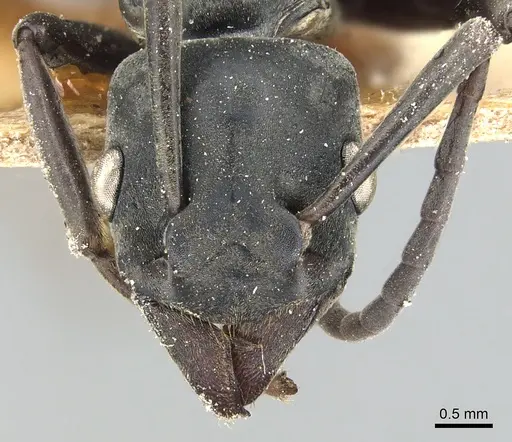
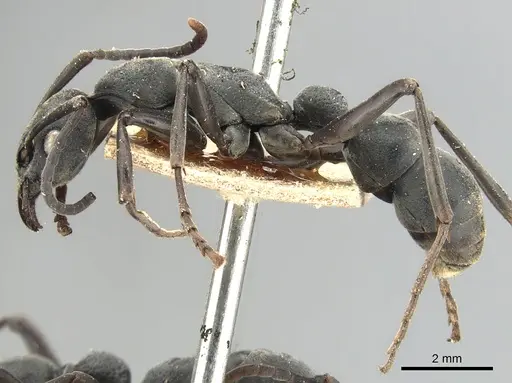
CASENT0913730
View on AntWeb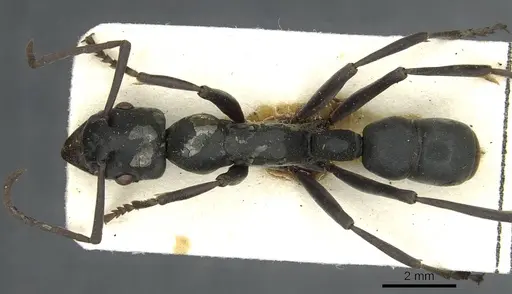
CASENT0917745
View on AntWeb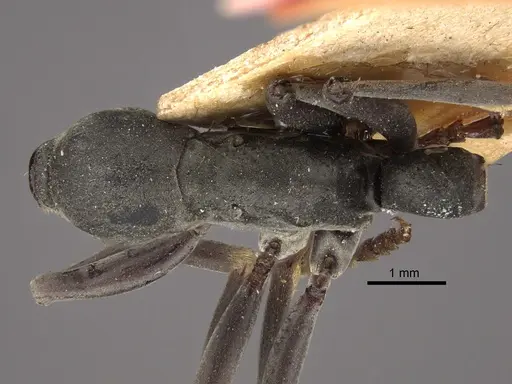
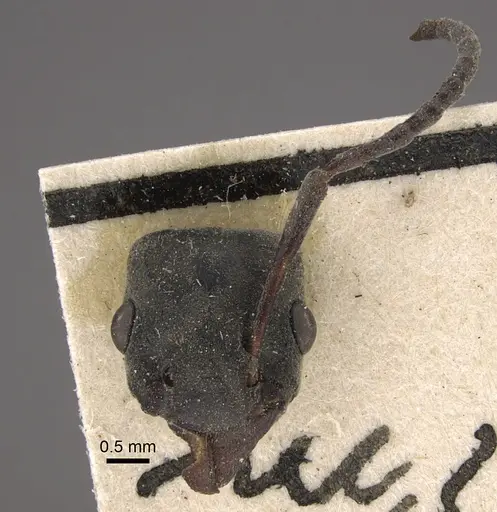
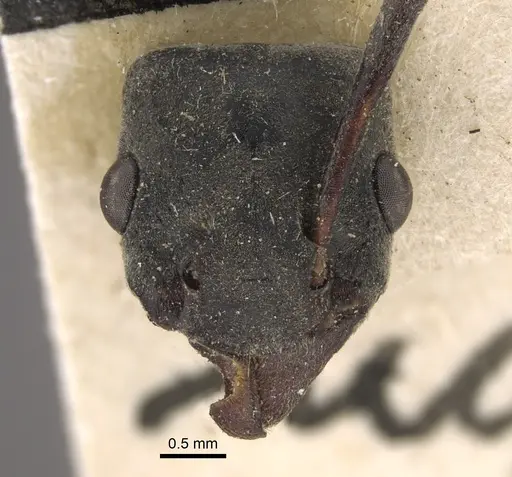
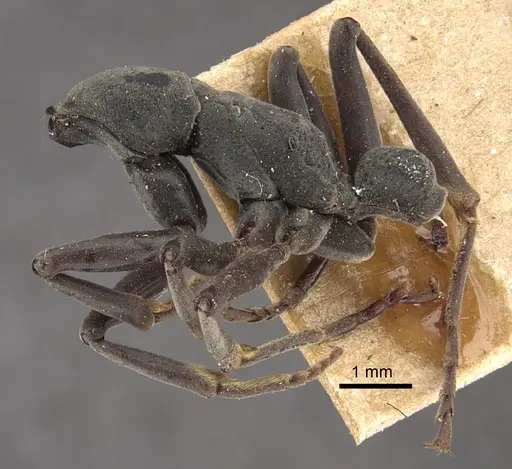
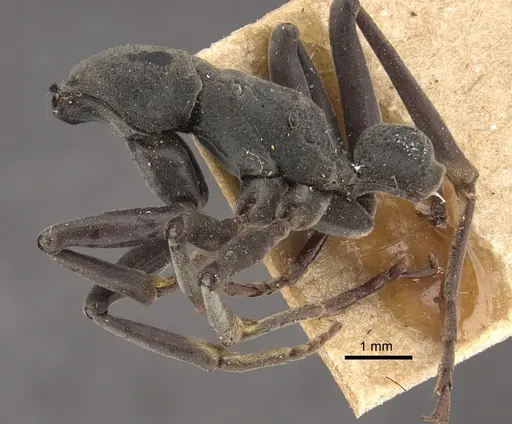
SAM-HYM-C002300A
View on AntWeb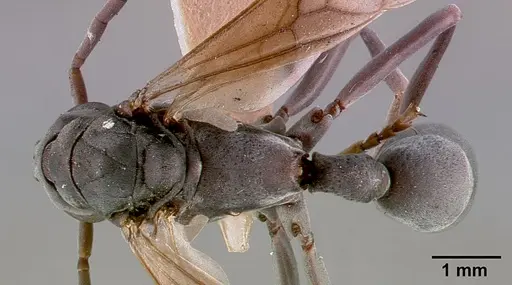

SAM-HYM-C002301A
View on AntWeb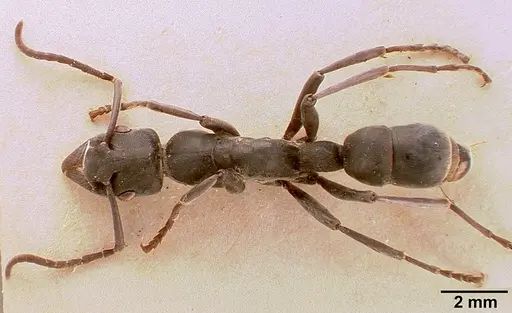
Literature
Loading distribution map...Loading products...