
Platythyrea angusta
- Sci. Name
- Platythyrea angusta
- Tribe
- Platythyreini
- Subfamily
- Ponerinae
- Author
- Forel, 1901
- Distribution
- Found in 6 countries
Introduction
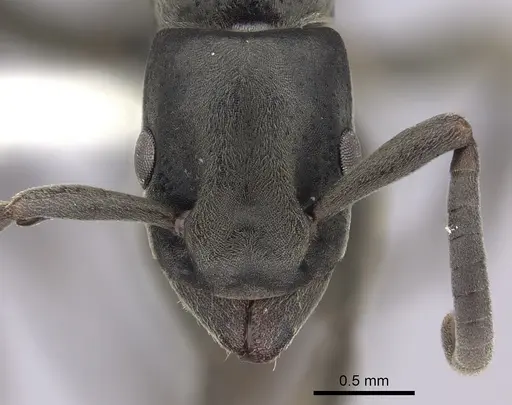
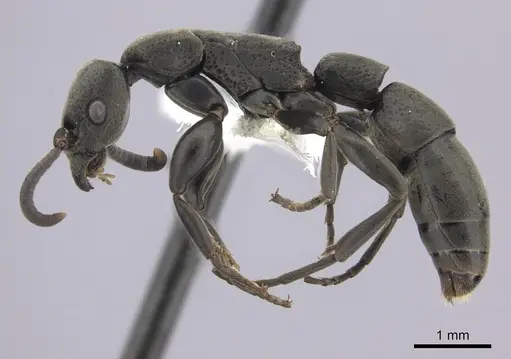
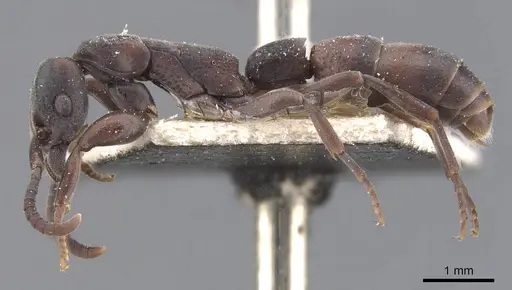
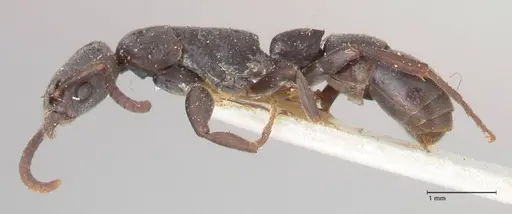
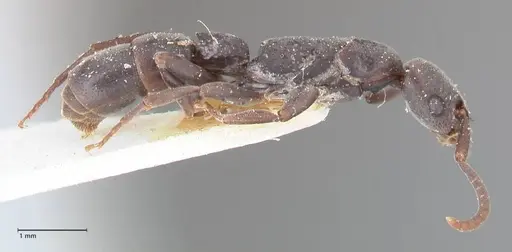
Platythyrea angusta is a ponerine ant native to tropical South America, found in the Amazon basin, Trinidad, Venezuela, Peru, Bolivia, and Brazil . It is characterized by notably very enlarged anterior leg femurs . The species inhabits lowland rainforest environments and has been recorded in both primary forest and disturbed areas including Cerrado biome and forest plantations . This species is notable for its ability to thrive in varied habitats, from primary rainforest to human-modified areas, making it a resilient ponerine ant.
Quick Summary
- Difficulty: Medium
- Origin & Habitat: Tropical South America, found across the Amazon basin from Trinidad and Venezuela east to French Guiana and south through Peru, Bolivia, and Brazil. They inhabit lowland rainforest environments and have been recorded in both primary forest and disturbed areas including Cerrado biome and forest plantations [5][6].
- Colony Type: Colony structure is unconfirmed. Based on typical Platythyrea patterns, likely single-queen colonies.
- Size & Growth:
- Queen: size data unavailable
- Worker: size data unavailable
- Colony: colony size data unavailable
- Growth: Moderate (inferred from genus patterns)
- Development: Unknown, no data available (Development timeline is not studied for this species.)
- Antkeeping:
- Temperature: Temperature needs are unclear, start around 24-28°C and observe, based on tropical ponerine patterns.
- Humidity: Humidity needs are unclear, keep the nest substrate consistently moist but not waterlogged.
- Diapause: No, as a tropical species, they do not require hibernation.
- Nesting: In nature, they likely nest in soil or rotting wood. In captivity, Y-tong or plaster nests work well.
- Behavior: Ponerine ants are typically more primitive in behavior. Workers often forage individually and have a potent sting for defense. They are moderately aggressive when disturbed. Activity level is moderate.
- Common Issues: tropical species requires consistent warmth, cold drafts can stress and kill colonies., potent sting means they can deliver painful stings if provoked, handle with care., small colony sizes mean losses have bigger impact, avoid disturbing founding colonies., limited availability in the antkeeping hobby means established colonies are valuable and hard to replace., overheating is as dangerous as cold, avoid direct heat sources that could dry out the nest.
Housing and Nest Setup
Platythyrea angusta can be kept in standard ant housing setups. For founding colonies, a test tube setup works well with a cotton ball providing water access. As the colony grows, transfer to a Y-tong (AAC) nest or plaster formicarium. These ants need good moisture retention in the nest material, plaster nests are ideal. The nest should be kept in a warm, shaded area away from direct sunlight. Provide an outworld for foraging with a shallow water dish and areas to place food. Escape prevention should be moderate, while not particularly small, standard barriers like fluon on test tube rims are recommended.
Feeding and Diet
Like most Ponerinae ants, Platythyrea angusta is likely a predator, feeding primarily on small insects and other arthropods. Offer small live prey such as fruit flies, pinhead crickets, mealworms, and other appropriately-sized insects. Sugar sources may be accepted occasionally, you can offer a drop of honey or sugar water, but protein-rich prey should form the bulk of their diet. Feed every 2-3 days, removing uneaten prey after 24 hours to prevent mold. Fresh water should always be available.
Temperature and Seasonal Care
As a tropical species from the Amazon basin, Platythyrea angusta requires warm conditions year-round. Maintain temperatures around 24-28°C in the nest area. A heating cable placed on one side of the nest can create a temperature gradient, allowing ants to regulate their own temperature. Avoid temperatures below 20°C as this can stress or kill the colony. No hibernation or diapause is required, keep them warm throughout the year.
Behavior and Handling
Ponerine ants like Platythyrea angusta are more primitive in their social organization. Workers typically forage alone rather than in trails, and the colony may not show coordinated behavior. They possess a potent sting and will use it if threatened, this is their primary defense mechanism. When disturbed, workers may become agitated and aggressive. Handle with care and avoid provoking defensive responses. Despite their sting, they are not particularly aggressive toward humans unless the nest is directly threatened.
Frequently Asked Questions
How long does it take for Platythyrea angusta to produce first workers?
The exact timeline is unconfirmed. No data is available on development for this species.
Do Platythyrea angusta ants sting?
Yes, they can sting. As Ponerinae ants, they have a functional sting and will use it defensively if threatened. The sting is potent and can be painful to humans. Handle with care and avoid disturbing the nest.
What do Platythyrea angusta eat?
They are predators that likely feed on small insects and arthropods in nature. In captivity, offer small live prey like fruit flies, pinhead crickets, and mealworms. Occasional sugar sources like honey water may be accepted, but protein-rich prey should form the main diet.
Do Platythyrea angusta need hibernation?
No, they do not require hibernation. As a tropical Amazon species, they need warm conditions year-round.
How big do Platythyrea angusta colonies get?
Colony size data is unavailable for this species.
Are Platythyrea angusta good for beginners?
They are rated as medium difficulty. While not the most challenging species, they do require specific conditions (warmth, humidity, live prey) that make them better suited for keepers with some experience. Their potent sting is also a consideration.
Can I keep multiple Platythyrea angusta queens together?
This has not been studied. Based on typical Ponerinae behavior, single-queen colonies are most likely. Combining unrelated queens is not recommended as it could lead to aggression.
What humidity do Platythyrea angusta need?
Humidity needs are unclear, keep the nest substrate consistently moist but not waterlogged.
When should I move Platythyrea angusta to a formicarium?
Move from a test tube setup to a proper nest when the colony becomes cramped in the test tube. Ensure the new setup maintains appropriate moisture and temperature.
Why is my Platythyrea angusta colony dying?
The most common causes are temperature stress (too cold), low humidity, or lack of appropriate protein food. Ensure temperatures stay above 20°C, the nest stays moist, and offer regular small live prey. Avoid overfeeding which can lead to mold.
Report an Issue
The current care sheet is based fully on literature. See inconsistencies, or something that's incorrect? Please , it will be resolved after review from an admin. Contributing to the blogs tab also helps providing information, to make us be able to further improve the caresheets. Thank you for your support!
References

This caresheet is licensed under CC BY-SA 4.0 .
Community Blogs
CASENT0260471
View on AntWeb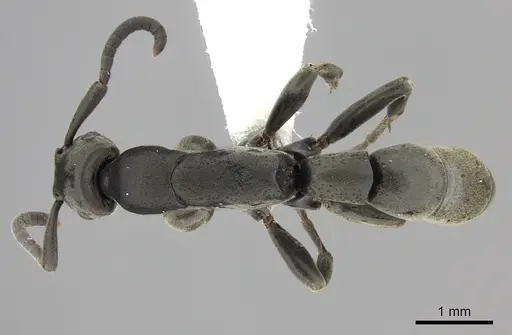
CASENT0882095
View on AntWeb
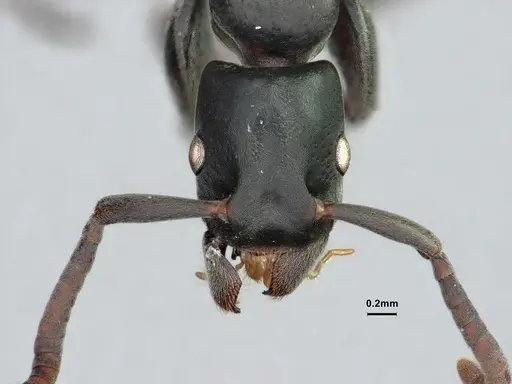
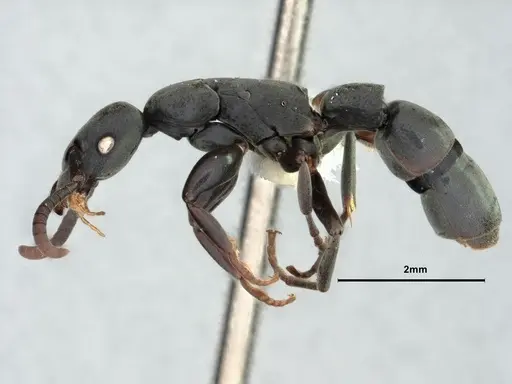
CASENT0907126
View on AntWeb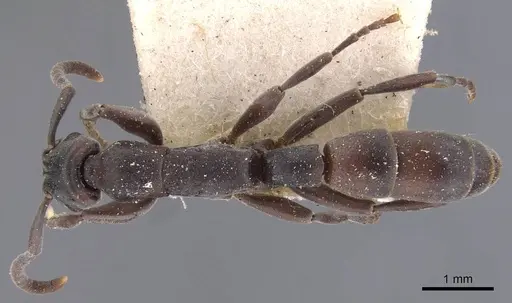
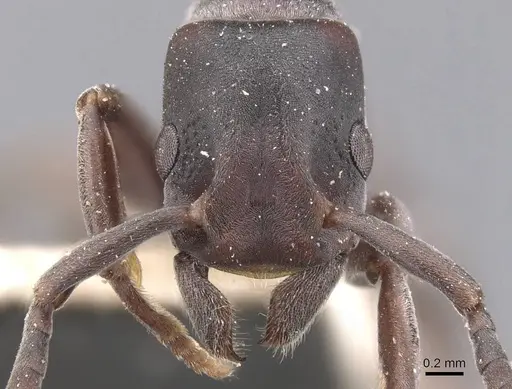
FOCOL0859
View on AntWeb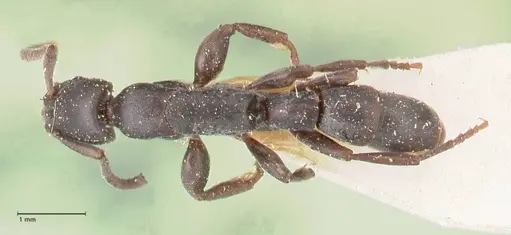
Literature
Loading distribution map...Loading products...