
Plagiolepis schmitzii
- Sci. Name
- Plagiolepis schmitzii
- Tribe
- Plagiolepidini
- Subfamily
- Formicinae
- Author
- Forel, 1895
- Distribution
- Found in 5 countries
Introduction
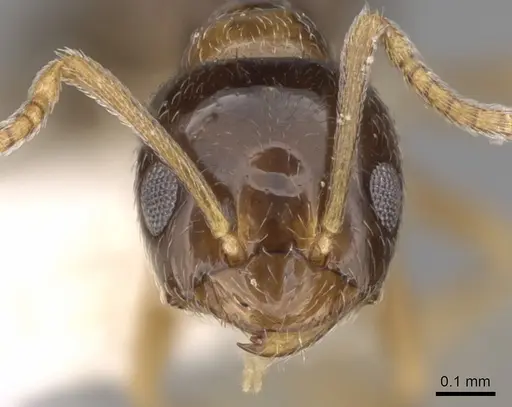
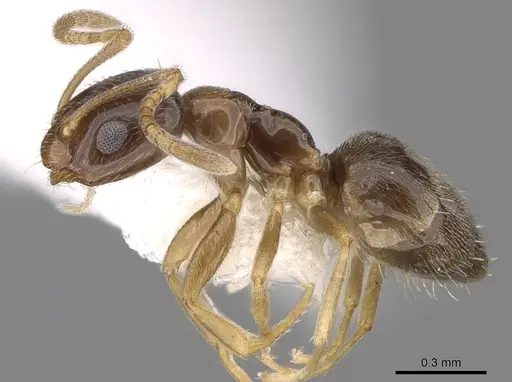
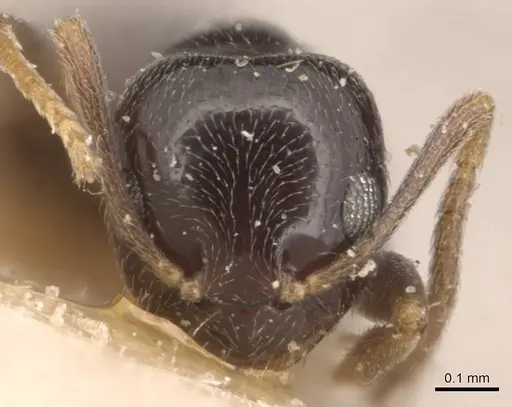
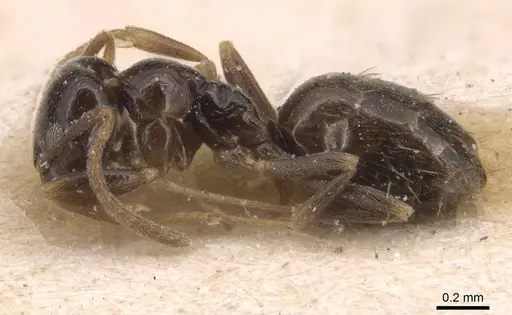
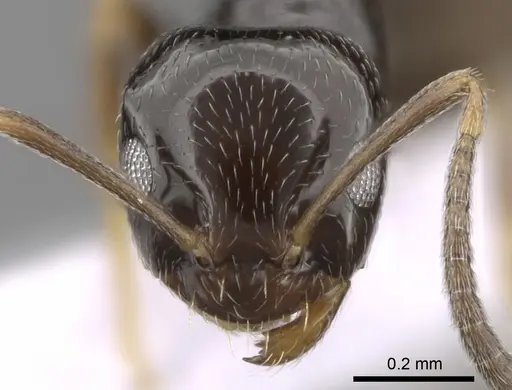
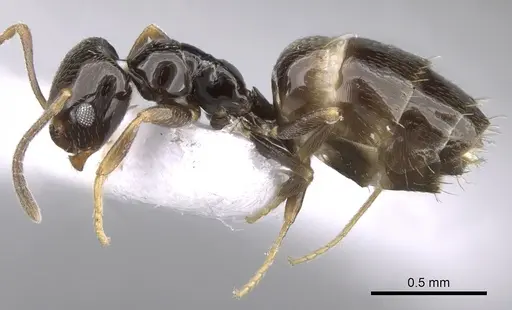
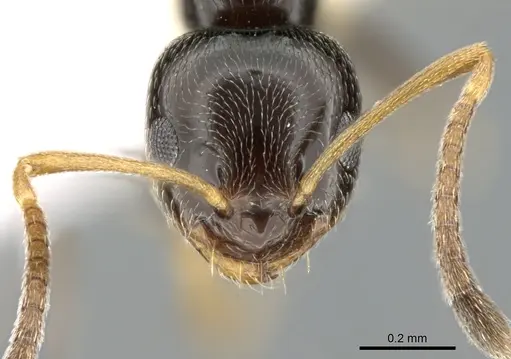
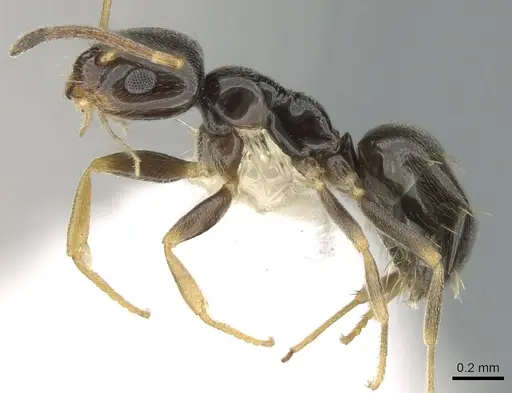
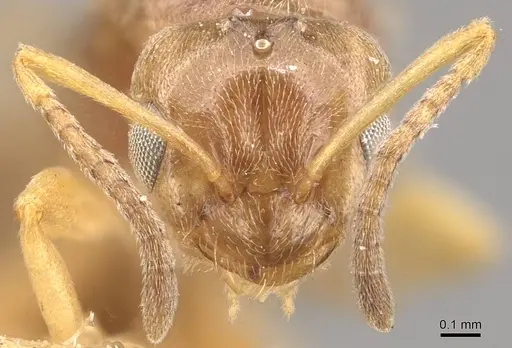
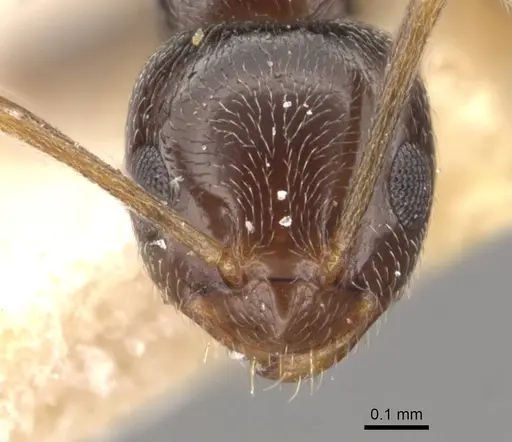
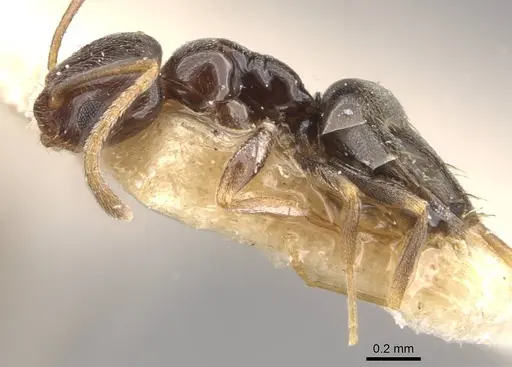
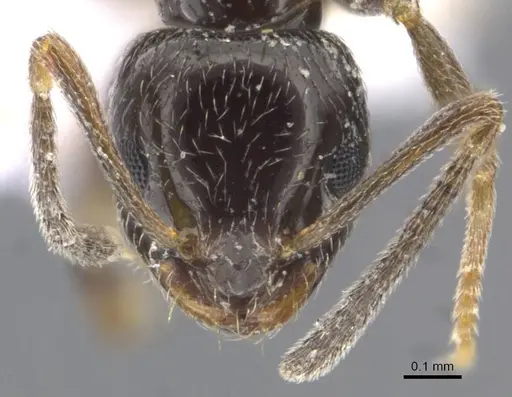
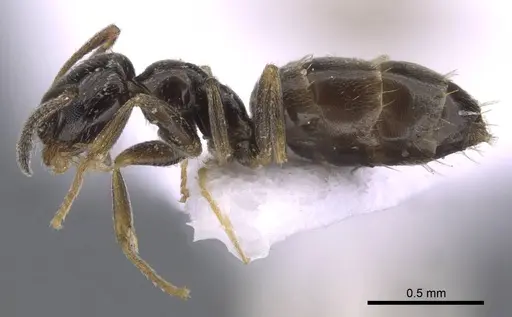
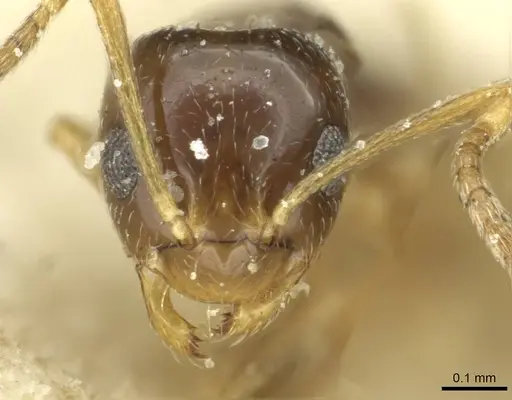
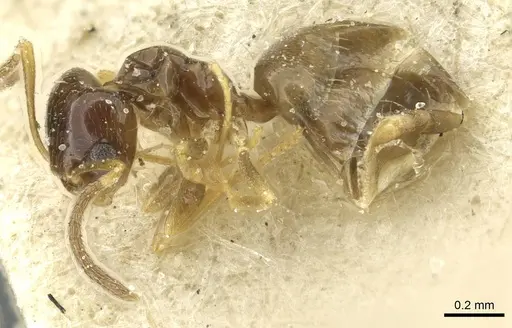
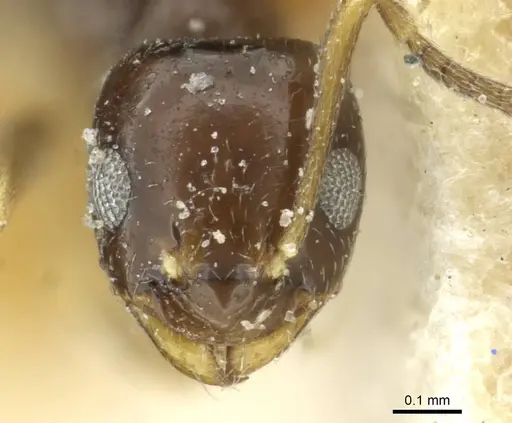
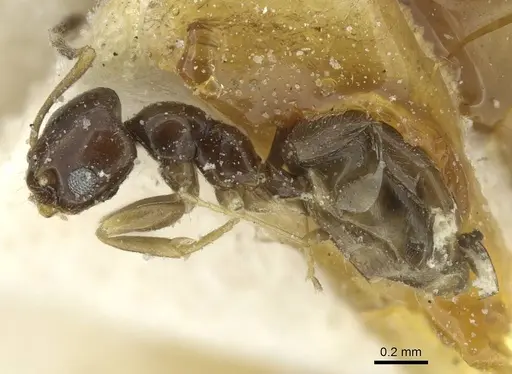
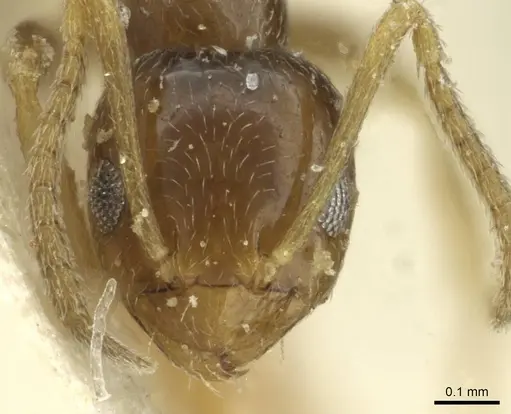
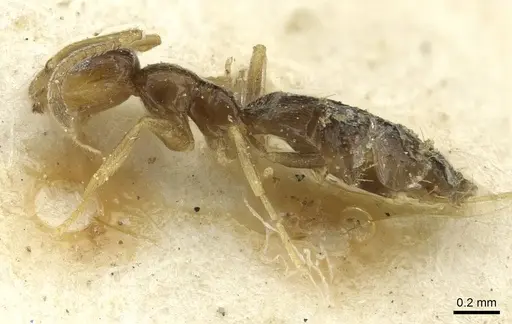
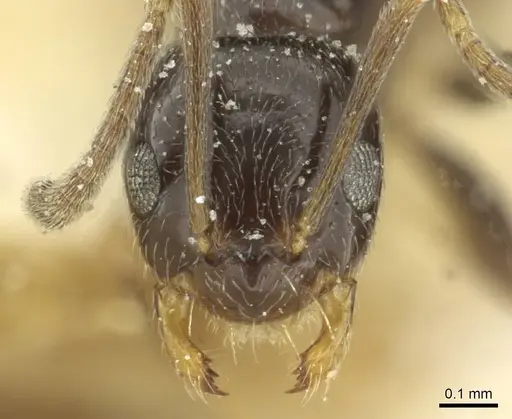
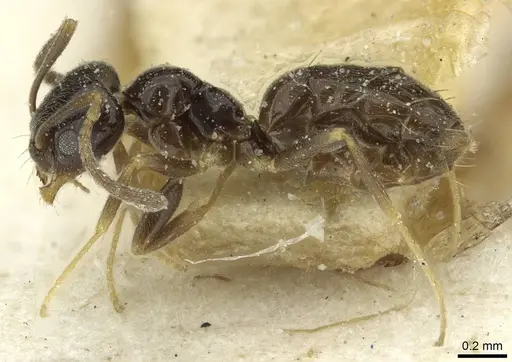
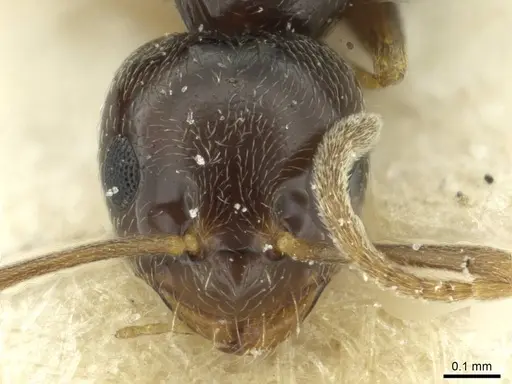
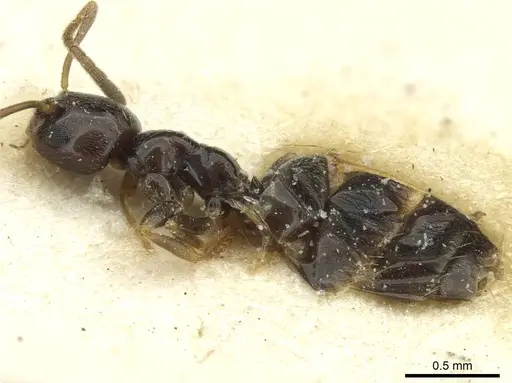
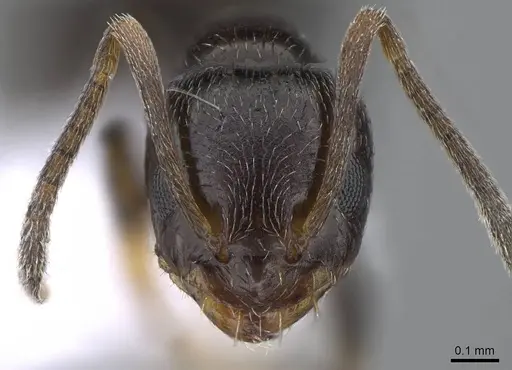
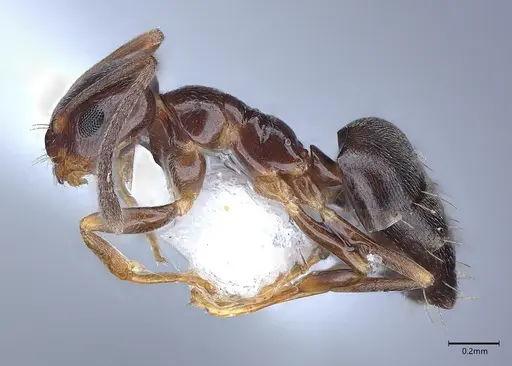
Plagiolepis schmitzii is a tiny Mediterranean ant native to Madeira, the Canary Islands, the Iberian Peninsula, North Africa, and parts of the Middle East. Workers measure just 1.9-2.2 mm and are dark brown with paler legs and antennae. They have large eyes for their size and a distinctly convex head. This species lives under stones in humid spots, usually near water . It is more heat-loving than its relative Plagiolepis pygmaea and avoids dense forests . A standout trait is its flexible social structure: colonies in Madeira are obligately polygynous (always have multiple queens), while those in Morocco can be either way . Queens also mate with multiple males - up to 14 . This cryptic ant has become an invasive tramp species in northern Europe (Netherlands, Germany, England) .
Quick Summary
- Difficulty: Expert
- Origin & Habitat: Native to the Mediterranean basin: Madeira, Canary Islands, Iberian Peninsula, North Africa (Morocco, Algeria, Tunisia), east to Iran and Saudi Arabia [7][8][1]. Found in moist to moderate rainfall areas, nesting under flat stones in damp soil near watercourses [3][7]. In the Sahara, it survives only near Tamarix trees that release humidity [9]. Prefers open, low-altitude, sun-warmed spots over shaded forests [4][3].
- Colony Type: Polygynous (multiple queens per colony). In Madeira, colonies contain 1-28 queens (harmonic mean 1.90) and are obligately polygynous. In Morocco they are facultatively polygynous. Also polydomous (nests in multiple connected locations). Queens are highly polyandrous, mating with 1-14 males [5][6].
- Size & Growth:
- Queen: ~3-4 mm (inferred from Plagiolepis genus)
- Worker: 1.9-2.2 mm TL [1][2]
- Colony: Maximum unknown, in Madeiran studies most nests produced fewer than 10 offspring per queen [5]. Likely small to moderate colonies of a few hundred workers.
- Growth: Slow to moderate
- Development: Estimated 6-10 weeks based on related Plagiolepis species. (Development time not directly studied. Colony growth is slow, many colonies have relatively few brood [5].)
- Antkeeping:
- Temperature: Keep at 22-28°C. This is a warmth-loving species. In Morocco it's active mainly from June to September and nearly absent in winter [10]. Provide a gentle temperature gradient if possible.
- Humidity: Keep the nest substrate consistently moist, not waterlogged. In nature they need humid microsites, often near water [3]. They are hygrophilic and occur only in moist to moderate rainfall areas [7][9].
- Diapause: No true diapause needed. In their native range they are nearly absent in winter due to natural cold, but in heated homes they can stay active year-round [10]. A slight winter rest is optional.
- Nesting: Use test tubes or small formicariums with moist substrate. They naturally nest under flat stones in damp soil. Provide a damp area for the nest and a dry foraging zone. Their tiny size means chambers must be scaled accordingly.
- Behavior: Plagiolepis schmitziii is small, cryptic, and mostly non‑aggressive. They are strictly diurnal, peaking at midday (12:00-14:00) [11]. They forage on tree canopies and attend honeydew‑producing insects like mealybugs and scale insects [12]. They also attend lycaenid butterfly larvae [13][14]. Subordinate in ant communities, they tend to avoid conflict with dominant species [11][15]. Their tiny size makes them excellent escape artists, you need fine mesh and tight barriers.
- Common Issues: tiny size (2 mm) makes escapes common unless you use fine mesh (, slow colony growth may test your patience, expect small colonies even after a year., invasive species! Never release outdoors in non‑native regions. Already established in Netherlands, Germany, England [6]., must have constant moisture, colonies can crash if the nest dries out., easily outcompeted by more aggressive ants like Argentine ants [15].
Housing and Nest Setup
Because these ants are so tiny (workers 2 mm), you need appropriately scaled housing. A test tube setup works well for starting a colony, use a small tube with a cotton plug separating the water reservoir from the nesting space. For established colonies, a small formicarium with narrow chambers (2-3 mm high) is ideal. They naturally nest under flat stones in damp soil [3], so provide a substrate that holds moisture. A hybrid setup, test tube attached to a small outworld, works fine. Keep the nest area humid but not waterlogged, and give them a dry foraging area. Use fine mesh on all ventilation holes and apply Fluon or PTFE to the rim to stop escapes. Their small size lets them squeeze through the tiniest gaps, so check all connections.
Feeding and Diet
In the wild, Plagiolepis schmitziii eats a mix of sugary honeydew and small insects. They frequently attend aphids, mealybugs, and scale insects for honeydew [12][1], and have been seen stealing nectar from flowers [16]. They also tend the larvae of several lycaenid butterflies [13][14]. In captivity, offer a constant sugar source (sugar water or honey) and protein 2-3 times a week. Small live prey like fruit flies, springtails, or pinhead crickets work great. They will also accept tiny pieces of mealworm or commercial ant food. Remove uneaten protein after 24 hours to prevent mold.
Temperature and Seasonal Care
This is a warmth‑loving Mediterranean ant. Keep the nest at 22-28°C. In their native range they are most active from June to September and nearly absent in winter [10]. They avoid cool, shaded forests and prefer sunny spots [4][3]. At room temperature (low to mid 20s°C) they do fine. If your room runs cooler, use a heating cable on top of the nest (not underneath, to avoid drying). They do not need true diapause. In heated homes they stay active year‑round. If kept cooler in winter, they may slow down naturally, that's fine.
Humidity Requirements
Plagiolepis schmitziii is a hygrophilic species, it needs constant moisture. In nature they nest under stones in humid soil near watercourses [3]. They are only found in moist to moderate rainfall areas [7]. Even in the Sahara they survive only near Tamarix trees, which release humidity through transpiration [9]. In captivity, keep the nest substrate moist (feels damp to touch). A typical test‑tube setup with a water reservoir works perfectly. Avoid waterlogging, a few drops of condensation are good, but standing water can drown brood. Provide a dry foraging area so workers can choose their preferred microclimate.
Colony Structure and Multi‑Queen Dynamics
One of the most interesting things about Plagiolepis schmitziii is how its colony structure can vary. In Madeira, colonies always have multiple queens (1-28 per nest, harmonic mean 1.90), obligate polygyny [5]. In Morocco, queen number is flexible: some colonies have one queen, others have several (facultative polygyny) [6]. Queens also mate with many males (1-14,mean ~3 effective mates) [5]. This genetic mixing likely helps the colony adapt. The species is also polydomous, one colony may occupy several nest sites. In your setup, you may see queens moving between chambers or using multiple tubes. Never try to reduce queen number, as polygyny is natural and necessary for colony health.
Behavior and Temperament
Plagiolepis schmitziii workers are small, fast, and peaceful. They are strictly diurnal, with peak foraging around midday (12:00-14:00) [11]. They forage mainly on plants and trees for honeydew [12][1]. In ant communities they are subordinate, they avoid fights with more dominant ants like the Argentine ant [11][15]. They can coexist with other non‑aggressive species in shared habitats. Workers do not sting and are harmless to handle, but they are fast and will flee if disturbed. Their main danger to you is escaping, they can slip through any gap larger than 0.5 mm, so secure all lids and connections.
Invasive Potential and Precautions
WARNING: Plagiolepis schmitziii has become invasive in parts of northern Europe, it's established in the Netherlands (one of the six most invasive ant species there), Germany, and England [6][17]. It was introduced through human transport and can survive indoors year‑round [6][18]. If you keep this species in a region where it is not native, you must take extreme precautions to prevent escapes. Never release colonies outdoors. Use fine mesh, apply barrier fluids (Fluon), and regularly inspect for gaps. In its native Mediterranean range, keeping it is less risky, but responsible antkeeping means treating every colony as potentially invasive. Always dispose of unwanted colonies by freezing, never by releasing.
Frequently Asked Questions
How long does it take for Plagiolepis schmitzii to produce first workers?
Exact timing is unstudied, but based on related Plagiolepis species, expect 6-10 weeks from egg to worker at 24-27°C. Growth is slow, and colonies in the wild often produce fewer than 10 offspring per queen [5].
Can I keep multiple queens together?
Yes, this species is naturally polygynous. In Madeira, nests have 1-28 queens [5]. In Morocco, queen number is flexible [6]. You can keep several foundresses together, they will likely cooperate.
What do they eat?
Offer sugar water or honey constantly. For protein, give small live prey like fruit flies, springtails, or tiny pieces of mealworm. They also attend honeydew‑producing insects [12][1].
Are they good for beginners?
Not recommended. Even though care is simple, their tiny size makes escape prevention tricky, and they are an invasive species that must not be released. Best for experienced keepers who can contain them securely.
What temperature do they need?
Keep at 22-28°C. They are warmth‑loving, active mainly in summer [10]. Room temperature in the low-mid 20s°C works.
Do they need hibernation?
No. In heated homes they stay active all year. In nature they slow down in winter [10], but this is not a requirement in captivity.
Why are my ants escaping?
At 2 mm, they can slip through tiny gaps. Use fine mesh (
How big do colonies get?
Maximum colony size is unknown, but studies show most nests have fewer than 10 offspring per queen [5]. Likely a few hundred workers at most. Growth is slow.
Report an Issue
The current care sheet is based fully on literature. See inconsistencies, or something that's incorrect? Please , it will be resolved after review from an admin. Contributing to the blogs tab also helps providing information, to make us be able to further improve the caresheets. Thank you for your support!
References

This caresheet is licensed under CC BY-SA 4.0 .
Community Blogs
CASENT0281163
View on AntWeb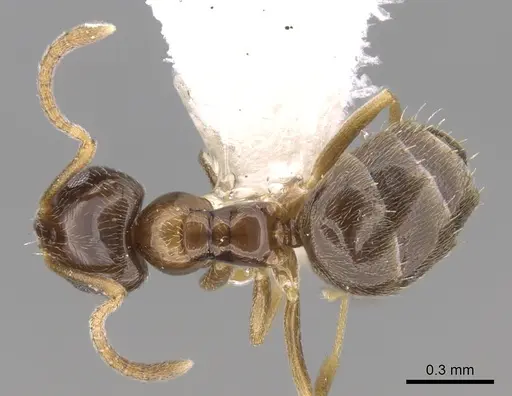
CASENT0905140
View on AntWeb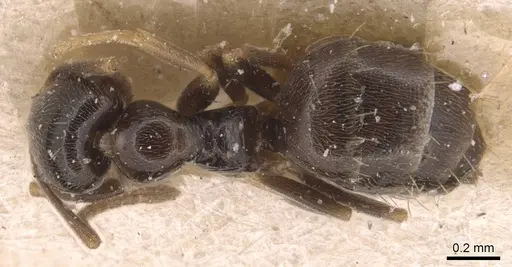
CASENT0906083
View on AntWeb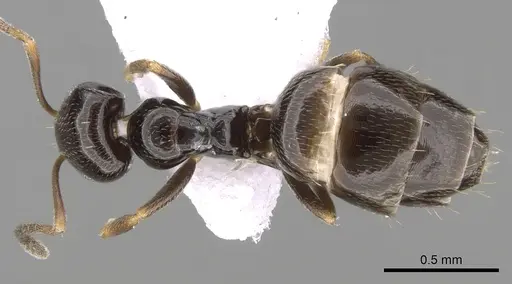
CASENT0906252
View on AntWeb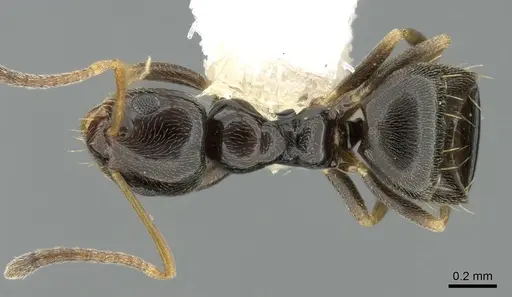
CASENT0909858
View on AntWeb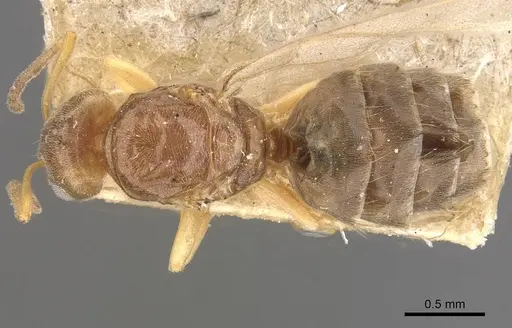
CASENT0909859
View on AntWeb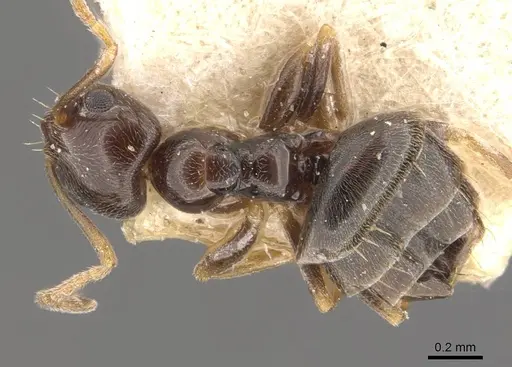
CASENT0910236
View on AntWeb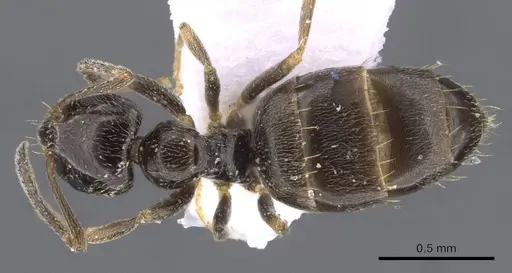
CASENT0912425
View on AntWeb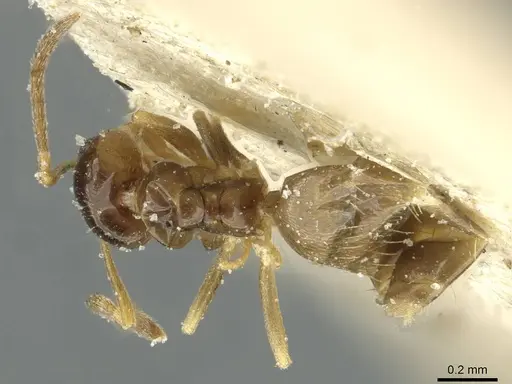
CASENT0912428
View on AntWeb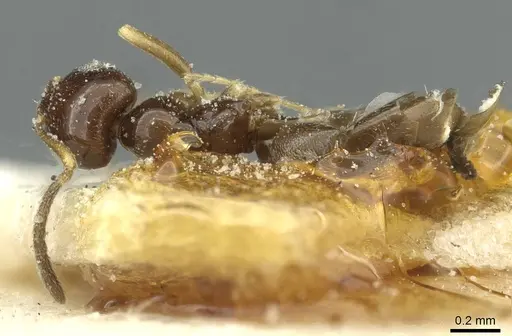
CASENT0912430
View on AntWeb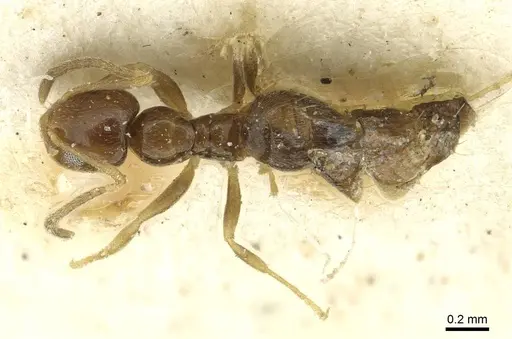
CASENT0912431
View on AntWeb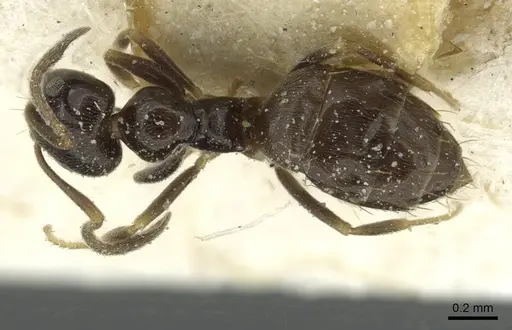
CASENT0912432
View on AntWeb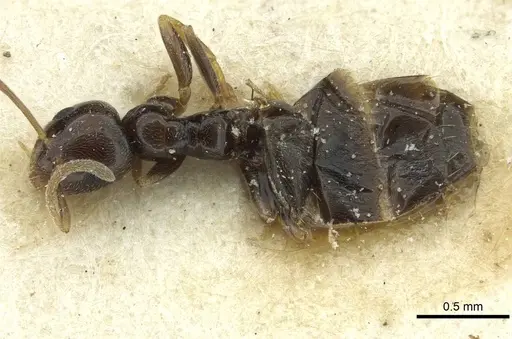
CASENT0914829
View on AntWeb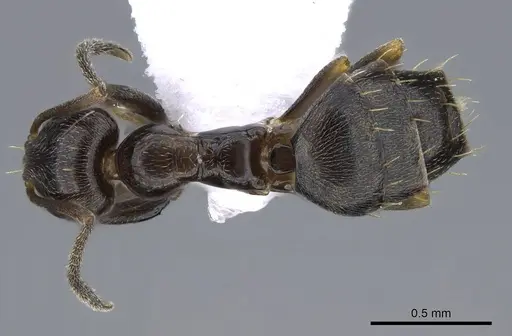
Literature
Loading distribution map...Loading products...