
Plagiolepis pyrenaica
- Sci. Name
- Plagiolepis pyrenaica
- Tribe
- Plagiolepidini
- Subfamily
- Formicinae
- Author
- Emery, 1921
- Distribution
- Found in 2 countries
Introduction
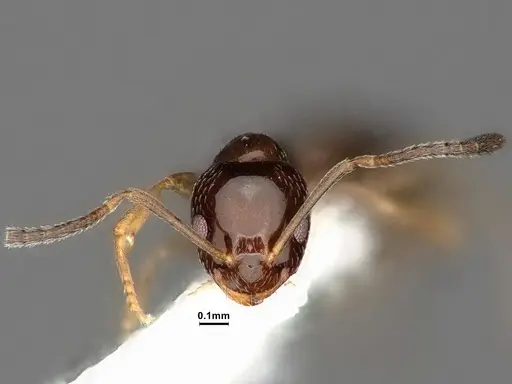
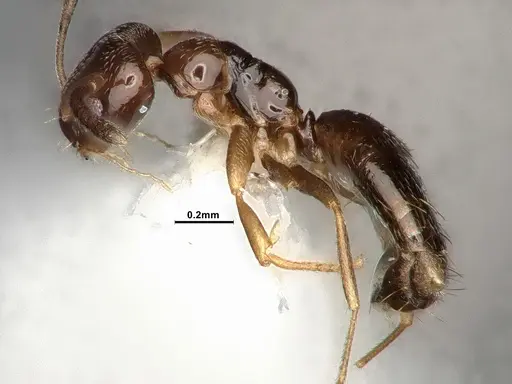
Plagiolepis pyrenaica is a small, pale ant native to Western and Central Europe, including the Alps, Southern France, the Apennine Peninsula, and Central Germany . Workers are tiny at around 2-3mm (inferred from genus), with a distinctive pale yellowish-brown coloration and relatively long antennae compared to their head size. The species was historically confused with Plagiolepis taurica but has been recognized as a distinct species since 2018 . This species is notable for its extremely large colony size, polygynous colonies can exceed 20,000 workers across multiple nest sites (polydomous) . They have a strong preference for warm, dry grassland and woodland habitats, often nesting under stones or in rock crevices . Their diet is strongly nectarivorous, and they form mutualistic relationships with Lycaenid butterfly caterpillars, tending them for honeydew much like aphids .
Quick Summary
- Difficulty: Medium
- Origin & Habitat: Western and Central Europe, Alps, Southern France, Apennine Peninsula, and Central Germany (north to 51.7°N). Found in very xerothermous (warm and dry) grassland, xerothermous woodland, or xeric alluvial habitats. Nests under stones, in rock crevices, or in soil [1].
- Colony Type: Polygynous colonies (multiple queens) with often more than 20,000 workers, polydomous (multiple connected nest sites). Queens are highly polyandrous (mate with 3-11 males). Colony foundation occurs by adoption near the home colony, though independent single-queen founding is also possible [1].
- Size & Growth:
- Queen: ~4-5 mm (inferred from genus Plagiolepis) [1]
- Worker: ~2-3 mm (inferred from genus Plagiolepis) [1]
- Colony: Over 20,000 workers in mature colonies [1]
- Growth: Moderate
- Development: 6-10 weeks (estimated based on related Formicinae) (Development time is estimated, not directly studied for this species. Alates (reproductives) develop approximately one month earlier than related P. taurica, with nuptial flights around mid-June [1].)
- Antkeeping:
- Temperature: Keep at 22-26°C. These are warm-dwelling ants from xerothermous habitats, they tolerate and prefer heat. A heating cable on one side of the nest creates a suitable gradient [1].
- Humidity: Low to moderate. These ants prefer dry conditions. Keep the nest substrate relatively dry, with just a small water tube for drinking. Avoid excessive moisture, which can cause mold in their dry-adapted nests [1].
- Diapause: Yes, likely requires a winter rest period. Given their Central European distribution, expect 2-3 months at 5-10°C during winter (inferred from habitat and range) [1].
- Nesting: Y-tong (AAC) nests work well for their small size. They prefer tight chambers and narrow passages. Naturalistic setups with flat stones over dry substrate also mimic their natural rock-crevice nesting. Avoid humid, mold-prone setups [1].
- Behavior: Generally peaceful and non-aggressive. Workers are small but active foragers, primarily seeking nectar and honeydew. They are not known for stinging, their stingers are too small to penetrate human skin. They have moderate escape risk due to their tiny size, use fine mesh barriers and ensure all gaps are sealed. Workers are fast-moving and will readily explore their outworld [1].
- Common Issues: escape prevention is critical, their tiny size means they can squeeze through standard gaps, large colony size means they need significant space eventually, a single test tube won't house a mature colony, dry habitat requirements mean overwatering is a common mistake that can kill these ants, slow founding phase, beginners may lose patience during the initial founding period, tending Lycaenid caterpillars is natural but not practical in captivity, ensure alternative sugar sources are available
Housing and Nest Setup
Plagiolepis pyrenaica is a small ant that needs appropriately scaled housing. A Y-tong (AAC) nest with narrow chambers works well, as does a naturalistic setup with flat stones placed over a dry substrate to mimic their natural rock-crevice nesting [1]. These ants prefer xerothermous conditions, keep the nest substrate relatively dry, not the damp conditions you'd use for tropical species. A small water tube should be provided for drinking, but don't saturate the nest. Because they are polydomous in the wild (multiple connected nests), they may benefit from having multiple nest chambers connected by tubing as the colony grows. Escape prevention is critical, their tiny workers can slip through standard gaps, so use fine mesh and check all connections [1].
Feeding and Diet
In the wild, P. pyrenaica is strongly nectarivorous and trophobiotic, meaning they tend Lycaenid butterfly caterpillars for their honeydew secretions [1]. In captivity, offer sugar water or honey water as a constant energy source. They will also accept small protein sources like fruit flies, pinhead crickets, or other tiny insects. Since they naturally eat a lot of sugar, make sure carbohydrates are always available. Protein should be offered 2-3 times per week, but adjust based on colony size, larger colonies need more protein. These ants are not aggressive predators but will scavenge small insects [1].
Temperature and Seasonal Care
These ants come from xerothermous (warm and dry) habitats across Central Europe, so they tolerate and prefer higher temperatures [1]. Keep the nest at 22-26°C, with a slight gradient if possible. A heating cable placed on top of the nest (never underneath where it could dry out the water reservoir) can help maintain warmth. During winter, they require a diapause period of 2-3 months at 5-10°C, reflecting their Central European range where temperatures drop significantly in winter [1]. Reduce feeding during diapause and keep them in a cool location like an unheated garage or basement. Nuptial flights occur around mid-June in the wild, earlier than related species [1].
Colony Structure and Growth
P. pyrenaica forms polygynous colonies with often more than 20,000 workers [1]. Multiple queens coexist in the nest, and the colony can be polydomous, spreading across multiple connected nest sites. Queens are highly polyandrous, mating with 3-11 males, which contributes to genetic diversity [1]. Colony foundation can occur either by independent single-queen founding or by adoption near the home colony [1]. This means you may start with one queen, but the colony will eventually support multiple queens as it grows. Growth is moderate, expect 6-10 weeks for the first workers to emerge (estimated from related Formicinae), then steady growth over several years to reach the massive colony sizes seen in the wild [1].
Behavior and Temperament
These ants are generally peaceful and not aggressive toward keepers. Workers are active foragers, primarily collecting nectar and honeydew in nature. They are not known for stinging, their stingers are too small to penetrate human skin, making them safe for handling. Workers are fast-moving and will readily explore their outworld in search of food [1]. Because of their small size and tendency to explore, escape prevention is essential, check all tubes, lids, and connections regularly. They are not territorial or aggressive toward other colonies in the same way some ants are, which relates to their polydomous nature in the wild [1].
Frequently Asked Questions
How long does it take for Plagiolepis pyrenaica to get first workers?
Expect 6-10 weeks from egg to first worker at optimal temperature (22-26°C). This is an estimate based on related Formicinae species, as direct development data for P. pyrenaica is not available. The first workers (nanitics) will be smaller than mature workers.
Can I keep multiple Plagiolepis pyrenaica queens together?
Yes, this species is naturally polygynous [1], meaning colonies contain multiple queens. Unlike many ants where multiple queens lead to fighting, P. pyrenaica queens coexist peacefully. If starting a colony from scratch, you can introduce multiple foundress queens together, though success is not guaranteed.
What do Plagiolepis pyrenaica ants eat?
They are strongly nectarivorous. Offer sugar water or honey water constantly as an energy source. For protein, offer small insects like fruit flies, pinhead crickets, or mealworm pieces 2-3 times per week. They will also scavenge small prey. In the wild, they tend Lycaenid caterpillars for honeydew, so sugar sources are essential [1].
What temperature do Plagiolepis pyrenaica need?
Keep them at 22-26°C. These are warm-dwelling ants from xerothermous habitats. A heating cable on the nest can help maintain warmth, especially during the breeding season. Room temperature in most homes is often suitable.
Do Plagiolepis pyrenaica need hibernation?
Yes, given their Central European distribution, they require a winter rest period. Provide 2-3 months at 5-10°C during winter (typically November-February in the Northern Hemisphere). Reduce feeding and keep them in a cool location like an unheated garage or basement.
How big do Plagiolepis pyrenaica colonies get?
Mature colonies can exceed 20,000 workers [1]. This is one of the larger Plagiolepis species. They are polygynous (multiple queens) and polydomous (multiple connected nests), which supports their large colony sizes.
Are Plagiolepis pyrenaica good for beginners?
They are intermediate in difficulty. Their small size and escape risk require attention to escape prevention, and their dry habitat needs are specific. However, they are peaceful, don't sting, and are not aggressive. The main challenges are escape prevention and providing the correct xerothermous conditions.
When do Plagiolepis pyrenaica have nuptial flights?
Nuptial flights occur around mid-June (approximately 15 June ± 15 days), earlier than the related P. taurica species [1]. This is earlier than many other European ants.
Why are my Plagiolepis pyrenaica dying?
Common causes include: overwatering (they prefer dry conditions), escape through tiny gaps, insufficient sugar in their diet, or temperatures too low for their needs. Check that the nest is not too humid and that sugar water is always available. Also verify escape prevention, their tiny size means they can slip through surprisingly small openings.
Can I keep Plagiolepis pyrenaica in a test tube?
Yes, for founding colonies. Use a standard test tube setup with a water reservoir. However, because they are polygynous and eventually form very large colonies, you will need to upgrade to a larger formicarium or naturalistic setup as the colony grows. The test tube is suitable for the founding stage only.
What humidity level do Plagiolepis pyrenaica need?
Low to moderate humidity. These are xerothermous ants adapted to dry conditions. Keep the nest substrate relatively dry, just provide a small water tube for drinking. Avoid the damp conditions suitable for tropical species. Excessive humidity can cause mold and kill the colony.
Report an Issue
The current care sheet is based fully on literature. See inconsistencies, or something that's incorrect? Please , it will be resolved after review from an admin. Contributing to the blogs tab also helps providing information, to make us be able to further improve the caresheets. Thank you for your support!
References

This caresheet is licensed under CC BY-SA 4.0 .
Community Blogs
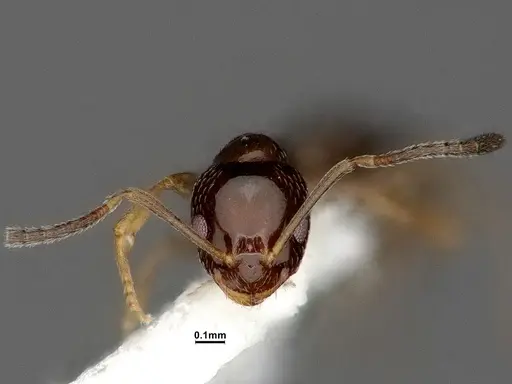
CASENT4031632
View on AntWeb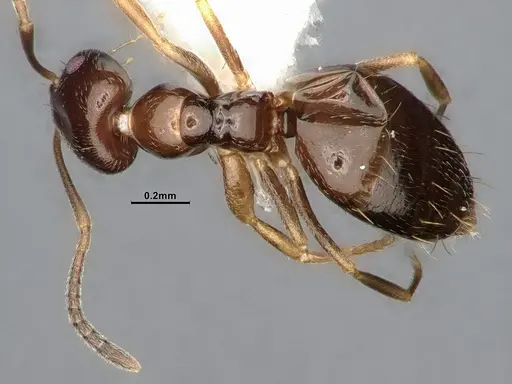
Literature
Loading distribution map...Loading products...