
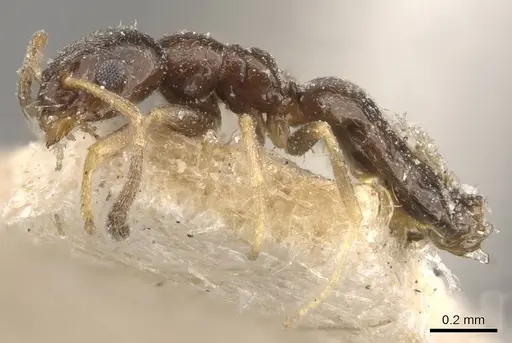
Prickly Restless ant
Plagiolepis puncta
- Sci. Name
- Plagiolepis puncta
- Tribe
- Plagiolepidini
- Subfamily
- Formicinae
- Author
- Forel, 1910
- Common Name
- Prickly Restless ant
- Distribution
- Found in 3 countries
Introduction
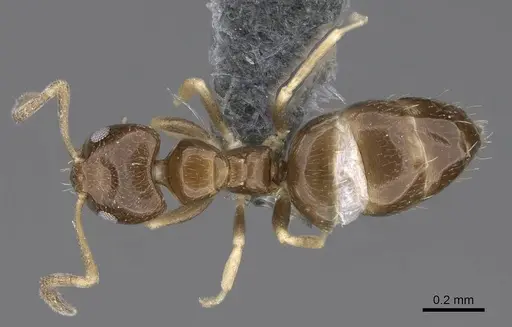
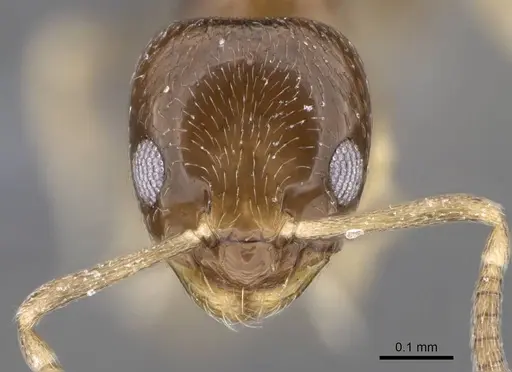
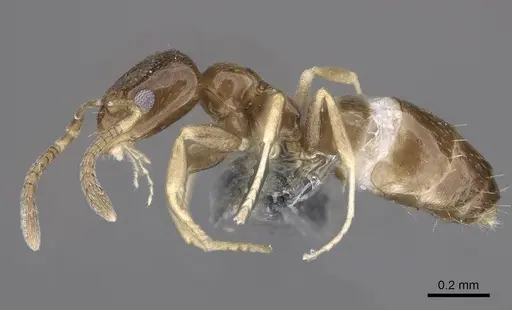
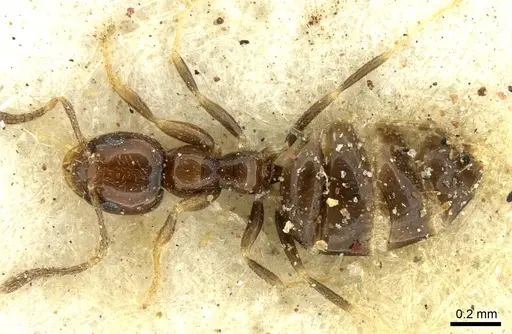
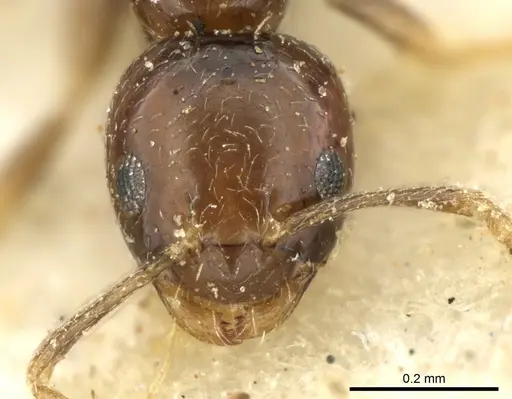
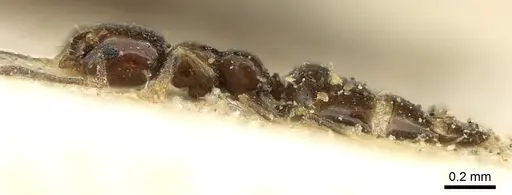
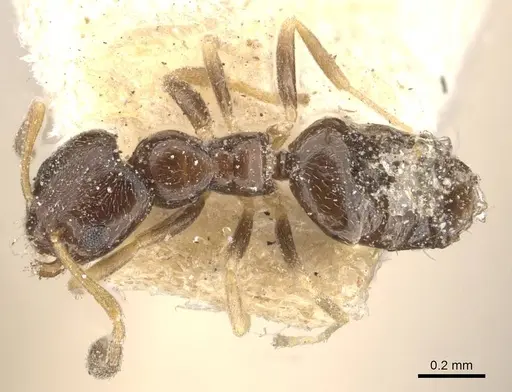
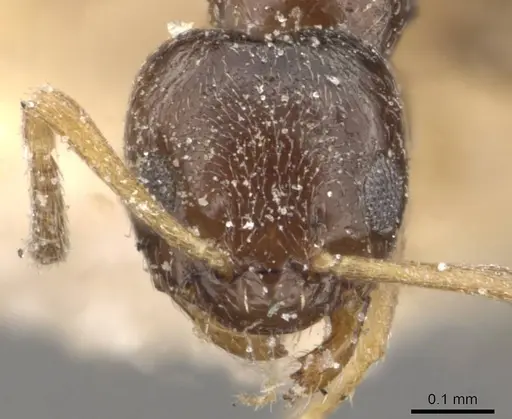
Plagiolepis puncta is a tiny ant species native to sub-Saharan Africa and the Seychelles Islands. Workers are small, with size data unavailable from research, but inferred to be around 2 mm based on Plagiolepis genus patterns . The species is documented in the Democratic Republic of Congo, Rwanda, Lesotho, South Africa, and the Seychelles . It was originally described as a variety of Plagiolepis pygmaea before being elevated to full species status in 1921 . This species was first recorded in Rwanda in Akagera National Park, highlighting its presence in diverse African habitats .
Quick Summary
- Difficulty: Medium
- Origin & Habitat: Native to the Afrotropical region, with documented populations in the Democratic Republic of Congo, Rwanda, Lesotho, South Africa, and the Seychelles Islands [2][3][1]. In the wild, they likely nest in soil, under stones, or in decaying wood in savanna and forest edge habitats typical of their range.
- Colony Type: Colony structure is unconfirmed. Based on Plagiolepis genus patterns, colonies are likely monogyne with a single queen.
- Size & Growth:
- Queen: Size data unavailable, but inferred to be around 4 mm based on Plagiolepis genus patterns
- Worker: Size data unavailable, but inferred to be around 2 mm based on Plagiolepis genus patterns
- Colony: Up to several hundred workers at maturity, estimated from Plagiolepis genus patterns
- Growth: Moderate, inferred from genus patterns
- Development: Estimated 6-8 weeks based on Formicinae patterns (Development time is not directly studied for this species, estimate based on genus-level data for similar small ants)
- Antkeeping:
- Temperature: Keep at room temperature, roughly 22-26°C. Being an African species, they prefer warmer conditions but can adapt to typical household temperatures.
- Humidity: Keep the nest substrate consistently moist but not waterlogged, allowing some drying between waterings. These ants are from relatively warm, seasonally dry regions.
- Diapause: Unknown, no specific data on hibernation for this species
- Nesting: Will readily accept test tube setups, Y-tong nests, or soil-based nests. Provide appropriately scaled chambers for their small size.
- Behavior: Plagiolepis ants are generally calm and non-aggressive based on genus patterns. Workers are active foragers but due to their tiny size, they pose minimal escape threat compared to larger ants. However, their small stature means they can squeeze through very small gaps, use standard fine mesh barriers.
- Common Issues: small size makes escape prevention important despite their docile nature, wild-caught colonies may carry parasites or diseases that can cause colony failure
Housing and Nest Setup
Plagiolepis puncta is a small ant species that adapts well to standard antkeeping setups. Test tube setups work excellently for founding colonies and early growth stages. As the colony expands, you can transition to a Y-tong nest or soil-based formicarium. The key is providing appropriately scaled chambers, passages and rooms should be sized to their tiny worker dimensions. Avoid large, open spaces that can make them feel exposed. A small outworld for foraging with a standard barrier provides adequate escape prevention for these docile ants [1].
Feeding and Diet
Like most Plagiolepis species, these ants are generalist feeders that accept both sugar and protein sources. Offer sugar water, honey, or diluted syrup as a constant carbohydrate source. For protein, provide small prey items such as fruit flies, small crickets, or mealworm pieces. Feed small amounts every 2-3 days, removing uneaten prey after 24 hours to prevent mold. [1]
Temperature and Seasonal Care
Being native to sub-Saharan Africa and the Indian Ocean islands, Plagiolepis puncta prefers warm conditions. Aim for temperatures between 22-26°C in the nest area. Room temperature is usually adequate, but you can provide a gentle heat gradient if your home runs cool. Avoid temperatures below 15°C for extended periods.
Behavior and Colony Dynamics
Plagiolepis puncta forms relatively small colonies compared to many common ant species. Workers are active foragers that will readily explore their outworld in search of food. The colony will establish a queen chamber where the queen lays eggs, and workers tend brood in adjacent chambers. These ants are not aggressive and do not have a painful sting, making them safe for observation. The colony growth rate is moderate, expect several months to reach maturity under good conditions.
Frequently Asked Questions
How long does it take for Plagiolepis puncta to produce first workers?
Based on typical Formicinae development patterns, expect first workers approximately 6-8 weeks after the queen lays eggs. This timeline assumes optimal temperatures around 24-26°C.
What do Plagiolepis puncta ants eat?
They are generalist feeders. Offer sugar water, honey, or syrup for carbohydrates. For protein, provide small insects like fruit flies or pinhead crickets.
Can I keep Plagiolepis puncta in a test tube setup?
Yes, test tubes work excellently for this species, especially during founding. Use a standard water reservoir setup with a cotton plug.
How big do Plagiolepis puncta colonies get?
Based on typical Plagiolepis colony sizes, expect a mature colony of up to several hundred workers.
Do Plagiolepis puncta need hibernation?
No specific data is available, but being from tropical and subtropical Africa, true hibernation is unlikely. A slight temperature reduction during winter may slow activity, but it is not necessary.
What temperature is ideal for Plagiolepis puncta?
Keep them at 22-26°C. Room temperature typically falls within this range.
Are Plagiolepis puncta good for beginners?
They are moderate difficulty. While docile, their small size and slower growth may require more patience.
When should I move Plagiolepis puncta to a formicarium?
Move them when the test tube becomes crowded, typically when the colony reaches 50-100 workers.
Why are my Plagiolepis puncta dying?
Common causes include temperature extremes, excessive moisture leading to mold, insufficient food, or stress from disturbances. Ensure proper temperature, moderate humidity, and consistent feeding.
Report an Issue
The current care sheet is based fully on literature. See inconsistencies, or something that's incorrect? Please , it will be resolved after review from an admin. Contributing to the blogs tab also helps providing information, to make us be able to further improve the caresheets. Thank you for your support!
References

This caresheet is licensed under CC BY-SA 4.0 .
Community Blogs
Literature
Loading distribution map...Loading products...