
Plagiolepis mediorufa
- Sci. Name
- Plagiolepis mediorufa
- Tribe
- Plagiolepidini
- Subfamily
- Formicinae
- Author
- Forel, 1916
- Distribution
- Found in 1 countries
Introduction
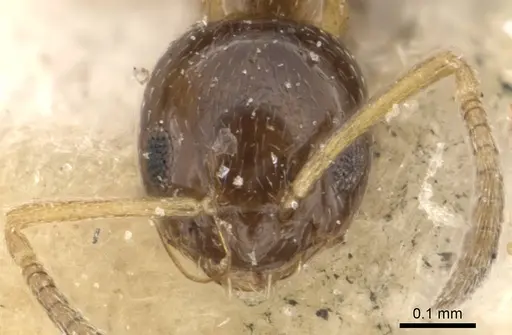
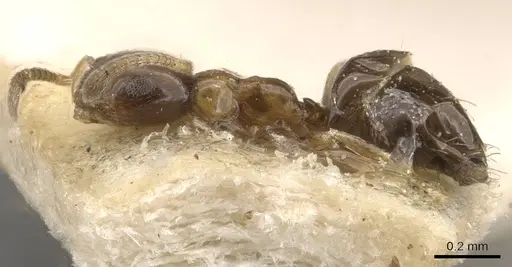
Plagiolepis mediorufa is a small ant species native to West and Central Africa, found in the Democratic Republic of Congo, Gambia, and Ivory Coast . It was originally described as a variety of Plagiolepis pygmaea by Forel in 1916 and elevated to full species status by Wheeler in 1922 . This species has a unique association with plants; researchers documented it living inside the pouches of Cola Laurentii trees along the Tshopo River in the Democratic Republic of Congo . This plant-dwelling habit makes them suitable for naturalistic setups.
Quick Summary
- Difficulty: Medium
- Origin & Habitat: West and Central Africa, Democratic Republic of Congo, Gambia, and Ivory Coast. Found in tropical forest margins, transitional forest-savannah zones, and agricultural areas like cocoa plantations [3]. Documented living inside plant pouches of Cola Laurentii trees [2].
- Colony Type: Unconfirmed, no specific data on queen number or social structure in research.
- Size & Growth:
- Queen: Size data unavailable, no total length measurements in research. Inferred from Plagiolepis genus as ~4-6 mm [4].
- Worker: Size data unavailable, no total length measurements in research. Inferred from Plagiolepis genus as ~2-4 mm [4].
- Colony: Up to 300 workers, estimated from genus patterns [4].
- Growth: Moderate, based on typical small Formicinae development [4].
- Development: Estimated 6-8 weeks at optimal temperatures, inferred from related species [4]. (Development timeline is inferred since species-specific data is not available.)
- Antkeeping:
- Temperature: Keep warm, roughly 24-28°C, based on tropical habitat inference [4].
- Humidity: Keep nest substrate consistently moist but not waterlogged, with some drier areas available, based on forest habitat inference [4].
- Diapause: No, tropical species, unlikely to require hibernation [4].
- Nesting: Prefer snug, enclosed spaces, naturalistic setups with cork bark or hollow stems work well, based on plant-dwelling habit [2].
- Behavior: Calm and docile, with low aggression. Workers are small and active foragers. Escape risk is high due to tiny size, use fine mesh barriers [4].
- Common Issues: escape risk due to tiny size, use fine mesh barriers., limited species-specific care data, follow genus-based guidelines with caution., humidity control important, too dry or too wet can cause issues., small colonies vulnerable to stress, avoid overhandling.
Natural History and Distribution
Plagiolepis mediorufa is native to the Afrotropical region, specifically documented in the Democratic Republic of Congo, Gambia, and Ivory Coast [1][3]. The species was first described by Forel in 1916 as a variety of Plagiolepis pygmaea, and was elevated to full species status by Wheeler in 1922 [1].
One aspect of this species is its association with plants. Researchers documented P. mediorufa living inside the pouches of Cola Laurentii trees along the Tshopo River near Stanleyville in the Democratic Republic of Congo [2]. This suggests the species is adapted to nesting in pre-formed cavities in vegetation.
The species has been found in various habitats including forest margins, transitional forest-savannah zones, and agricultural areas like cocoa plantations [3].
Nest Preferences and Housing
In nature, Plagiolepis mediorufa nests in plant structures, specifically documented inside Cola Laurentii pouches [2]. For captive care, consider naturalistic setups with cork bark, hollow twigs, or small bamboo sections. You can also use small nests with narrow chambers scaled to their tiny size. Avoid large, open formicaria, these small ants feel safer in snug, enclosed spaces.
Because of their tiny size, escape prevention is critical. Use fine mesh on all ventilation holes and ensure lids fit tightly. The nest area should maintain moderate humidity while allowing for some variation.
Feeding and Diet
Based on typical Plagiolepis feeding habits, this species likely feeds on honeydew, small insects, and nectar. In captivity, offer a combination of protein and sugar sources. For sugar, provide honey water or sugar water regularly. For protein, offer small prey items like fruit flies or springtails. Feed small amounts and remove uneaten food to prevent mold. [4]
Temperature and Seasonal Care
As a tropical African species, Plagiolepis mediorufa requires warm conditions. Keep the nest area at roughly 24-28°C consistently. Temperatures below 22°C may slow activity. A heating cable placed on one side of the nest creates an ideal gradient. Unlike temperate species, this ant likely does not require a true hibernation period. [4]
Behavior and Colony Dynamics
Plagiolepis mediorufa is a calm, docile species. Workers are small but active foragers. They are not aggressive and pose no danger to keepers. Colony structure is unconfirmed, but based on genus patterns, it may be monogyne. Because they are tiny, they may not be as visible as larger species, but their small size allows for compact setups. [4]
Frequently Asked Questions
How long does it take for Plagiolepis mediorufa to produce first workers?
Based on typical Plagiolepis development, expect first workers approximately 6-8 weeks after the queen lays her first eggs, assuming optimal temperature of 24-28°C. This timeline is inferred from related species since species-specific development data is not available.
What do Plagiolepis mediorufa ants eat?
They likely accept a typical small ant diet: sugar sources like honey water and small protein prey like fruit flies. Feed protein 2-3 times per week and keep a sugar source available constantly.
What temperature do Plagiolepis mediorufa need?
Keep them warm at roughly 24-28°C. This tropical African species requires consistent warmth. Room temperature in this range is ideal, otherwise use a heating cable on one side of the nest.
Are Plagiolepis mediorufa good for beginners?
This species is rated Medium difficulty. While they are docile and small, limited species-specific information is available, and their tiny size requires careful escape prevention. They are better suited for keepers with some experience.
How big do Plagiolepis mediorufa colonies get?
Based on typical Plagiolepis colony sizes, expect colonies of up to 300 workers at maturity. This is a small to moderate colony size. Growth rate is moderate.
What type of nest should I use for Plagiolepis mediorufa?
They naturally nest in plant pouches, so naturalistic setups with cork bark or hollow stems work well. Avoid large, open spaces. They prefer snug, enclosed areas.
Do Plagiolepis mediorufa need hibernation?
No, as a tropical African species, they likely do not require hibernation. Maintain consistent warm temperatures year-round. They may show slight seasonal variations in activity during drier periods.
Can I keep multiple Plagiolepis mediorufa queens together?
This is not recommended since colony structure is unconfirmed. Combining unrelated foundress queens has not been studied for this species. It's best to start with one queen per colony.
Why are my Plagiolepis mediorufa escaping?
Their tiny size means they can squeeze through very small gaps. Use fine mesh on all ventilation, ensure lids fit tightly, and check for any cracks in your setup. Escape prevention must be excellent.
Report an Issue
The current care sheet is based fully on literature. See inconsistencies, or something that's incorrect? Please , it will be resolved after review from an admin. Contributing to the blogs tab also helps providing information, to make us be able to further improve the caresheets. Thank you for your support!
References

This caresheet is licensed under CC BY-SA 4.0 .
Community Blogs
CASENT0909853
View on AntWeb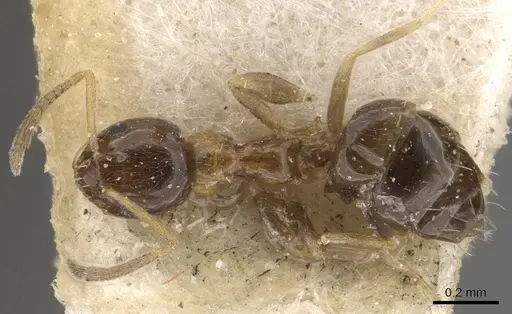
Literature
Loading distribution map...Loading products...