
Plagiolepis madecassa
- Sci. Name
- Plagiolepis madecassa
- Tribe
- Plagiolepidini
- Subfamily
- Formicinae
- Author
- Forel, 1892
- Distribution
- Found in 6 countries
Introduction
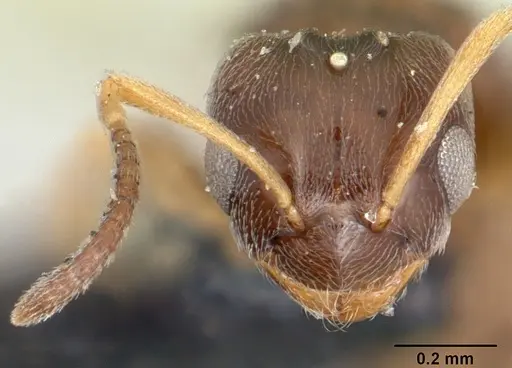
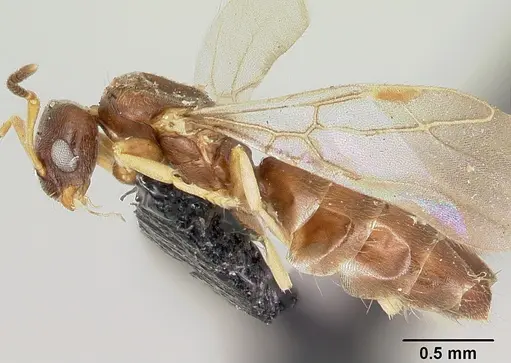
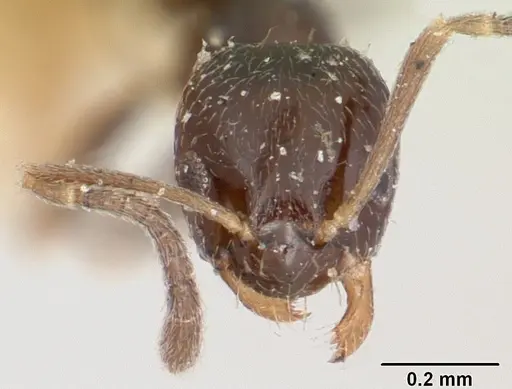
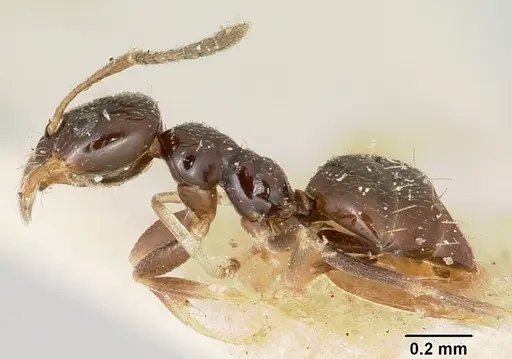
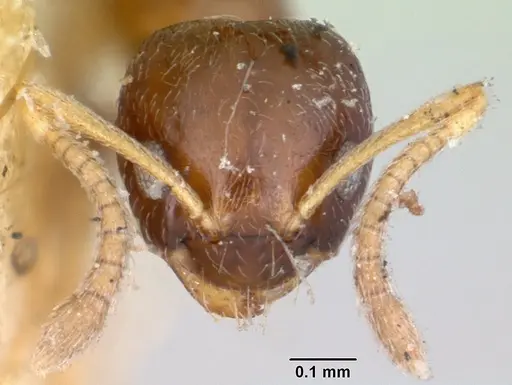
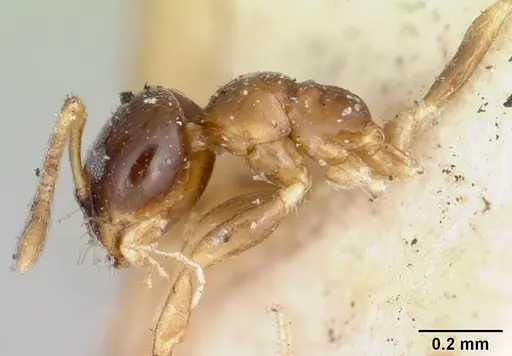
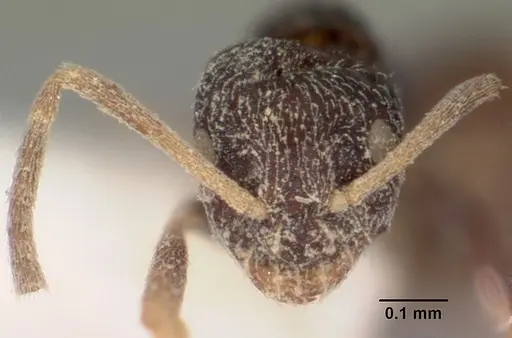
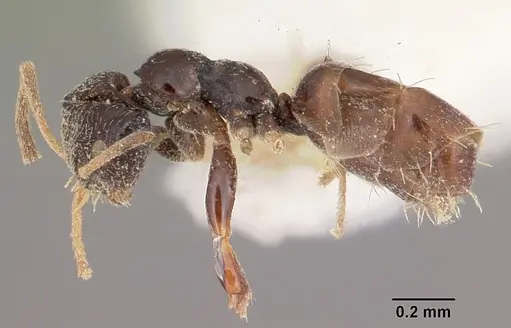
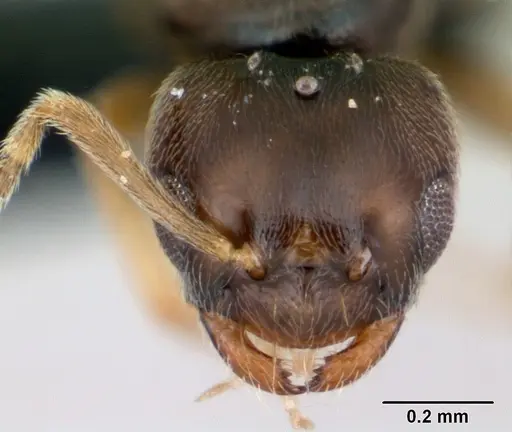
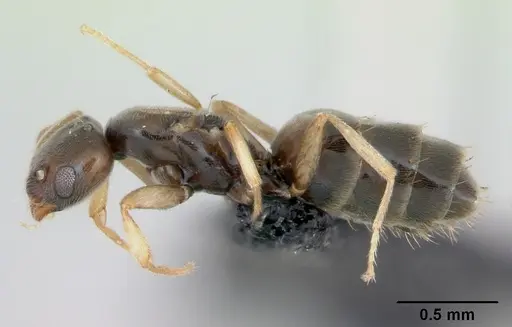
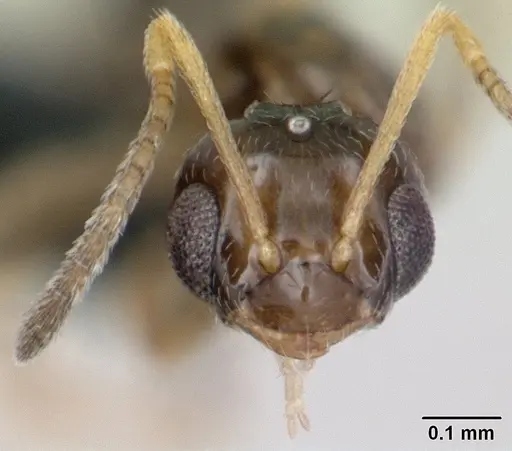
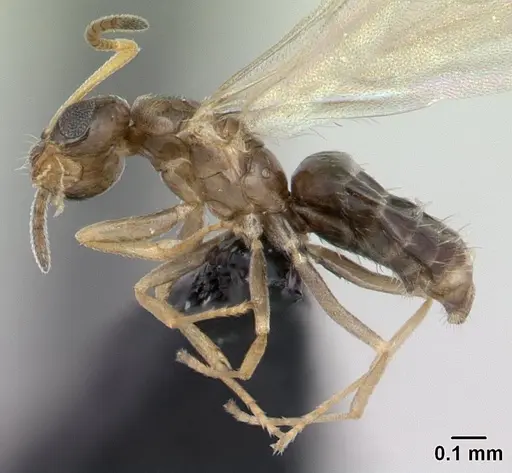
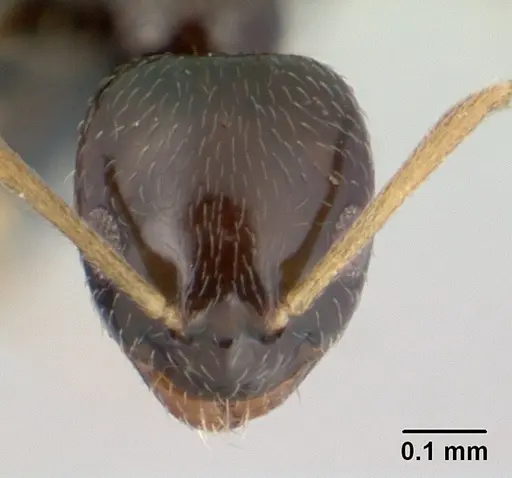
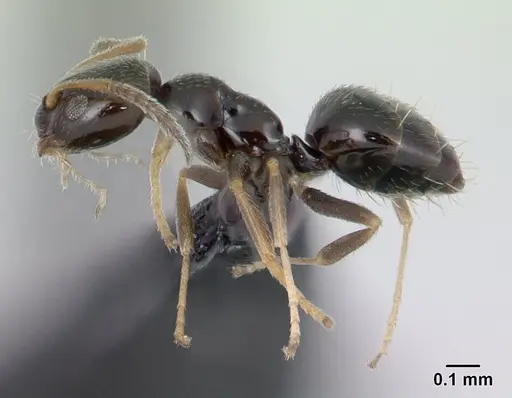
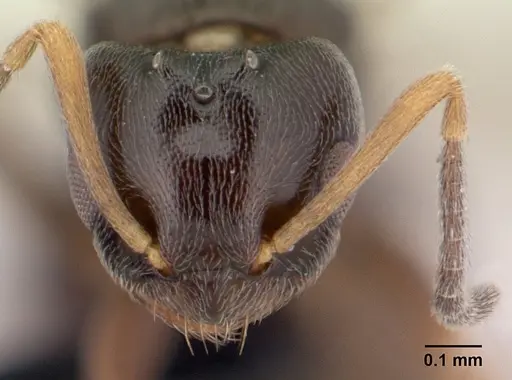
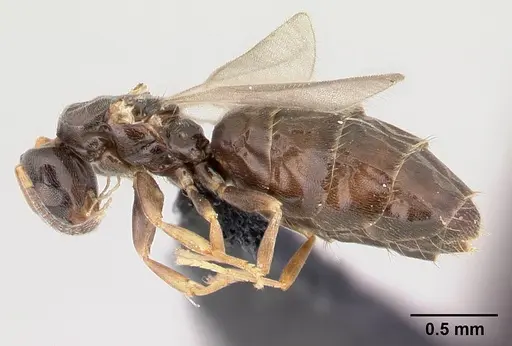
Plagiolepis madecassa is a tiny ant species native to Madagascar and Indian Ocean islands including Mauritius, Seychelles, and Comoros . Workers measure 1.25-2.5 mm , with pale to yellowish-brown coloration. They are found in forest habitats, dry deciduous forest, and grassland areas . This species is notable for foraging on flowers of Roussea simplex in Mauritius, though visits are occasional and in small numbers .
Quick Summary
- Difficulty: Easy
- Origin & Habitat: Native to Madagascar, Mauritius, Comoros, Mayotte, and the Seychelles islands [1]. Found in forest habitats, dry deciduous forest, and grassland areas [3]. In Mauritius, they occur at Le Pouce Mountain and forage on flowers [2].
- Colony Type: Colony structure is not well documented. Based on typical Plagiolepis patterns, likely monogyne (single queen), but unconfirmed.
- Size & Growth:
- Queen: Size data unavailable, no total length measurements in literature. Inferred from Plagiolepis genus (~4-5 mm).
- Worker: 1.25-2.5 mm [2]
- Colony: Size data unavailable, no colony size estimates in literature
- Growth: Moderate
- Development: Estimated 5-8 weeks at warm temperatures (Development timeline is not directly studied. Estimates based on genus-level patterns for small tropical ants.)
- Antkeeping:
- Temperature: Keep at 22-26°C
- Humidity: Keep substrate consistently moist but not waterlogged]
- Diapause: No
- Nesting: Nest in soil, under stones, and in rotting wood [3]. In captivity, use small test tube setups or Y-tong nests with moist substrate.
- Behavior: These ants are small, non-aggressive, and docile [2]. They forage individually and are attracted to sweet baits and flower nectar. Workers are active foragers but will flee rather than fight. Their tiny size requires excellent escape prevention.
- Common Issues: escape prevention is critical due to their very small size, use fine mesh and tight-fitting lids [2], wild-caught colonies may carry parasites that can kill captive colonies, slow founding phase requires patience, queens may take months to raise first workers, test tube setups need appropriately sized water reservoirs to avoid flooding, their small size makes them easy to overlook when cleaning, check carefully to avoid accidental loss
Housing and Nest Setup
Given their tiny 1.25-2.5 mm size, Plagiolepis madecassa needs appropriately scaled housing. A small test tube setup works well for founding colonies, use a test tube with a small water reservoir at the end, stopped with cotton. For established colonies, a small Y-tong nest or naturalistic setup with moist substrate works well. Nest chambers should be small and tight-fitting to prevent escapes. Always use fine mesh for outworld barriers [2].
Feeding and Diet
In the wild, these ants forage on flowers and are attracted to nectar [2]. They likely feed on honeydew and small insects, typical of small Formicinae. In captivity, offer sugar water or honey constantly. For protein, provide tiny prey like fruit flies or pinhead crickets 2-3 times per week. Remove uneaten prey after 24-48 hours to prevent mold.
Temperature and Humidity
As tropical ants, Plagiolepis madecassa prefers warm, stable temperatures around 22-26°C. They are found in forest habitats which provide moderate humidity [3]. Keep the nest substrate slightly moist, it should feel damp but not dripping wet. Avoid both drying out and excessive moisture to prevent brood death or mold.
Behavior and Temperament
This is a docile, non-aggressive species that poses no threat to keepers [2]. Workers are small and slender, actively foraging through the outworld. They are not territorial and will typically flee from threats. Their small size means they are often overlooked by larger ant species at food sources. Colonies grow gradually, expect the first workers to be even smaller than normal.
Colony Founding
Founding behavior is unconfirmed in scientific literature. Based on typical Formicinae patterns, queens may seal themselves in a chamber and raise workers on stored fat, but this is not confirmed for this species. If you obtain a queen, place her in a small, dark test tube setup with moisture and leave her undisturbed. Do not feed or check frequently during this phase.
Frequently Asked Questions
How long does it take for Plagiolepis madecassa to raise first workers?
Estimated 5-8 weeks from egg to worker at warm temperatures. The founding phase can take additional time, so total time to nanitics may be 2-4 months. Patience is key, do not disturb the queen.
What do Plagiolepis madecassa ants eat?
They accept sugar sources like honey and small protein prey such as fruit flies or tiny mealworm pieces [2]. In the wild, they forage on flower nectar.
Are Plagiolepis madecassa good for beginners?
Yes, they are considered easy to keep. They are small, non-aggressive, and do not require hibernation. The main challenges are their tiny size (requiring excellent escape prevention) and the slow founding phase which requires patience.
What temperature do Plagiolepis madecassa need?
Keep them at 22-26°C. Room temperature in most homes is suitable, but you may need a heating cable in cooler environments.
How big do Plagiolepis madecassa colonies get?
Size data unavailable, no colony size estimates in literature. Colonies are likely small, typical for the genus.
Do Plagiolepis madecassa need hibernation?
No. Being from tropical islands, they do not require a diapause or winter rest period.
Why are my Plagiolepis madecassa escaping?
Their tiny 1.25-2.5 mm size means they can squeeze through small gaps. Use fine mesh (at least 0.5 mm or smaller), ensure all lids fit tightly, and consider barrier tape on container edges [2].
Can I keep multiple Plagiolepis madecassa queens together?
The colony structure is not well documented. Based on typical Plagiolepis patterns, they may be monogyne (single queen). It is not recommended to combine unrelated foundress queens as this has not been studied.
When should I move my colony to a formicarium?
Wait until the colony has a reasonable number of workers and the test tube setup is cramped. For this small species, a small Y-tong nest with appropriately sized chambers works well. Always keep the outworld small enough to prevent escapes.
Report an Issue
The current care sheet is based fully on literature. See inconsistencies, or something that's incorrect? Please , it will be resolved after review from an admin. Contributing to the blogs tab also helps providing information, to make us be able to further improve the caresheets. Thank you for your support!
References

This caresheet is licensed under CC BY-SA 4.0 .
Community Blogs
CASENT0101225
View on AntWeb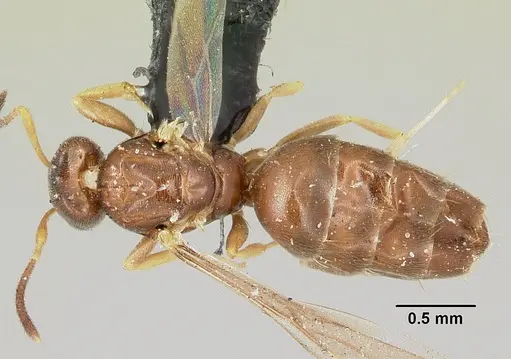
CASENT0101226
View on AntWeb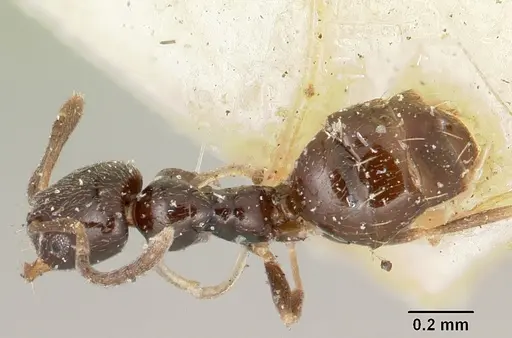
CASENT0101227
View on AntWeb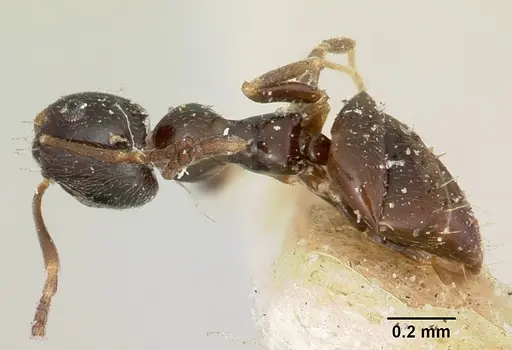
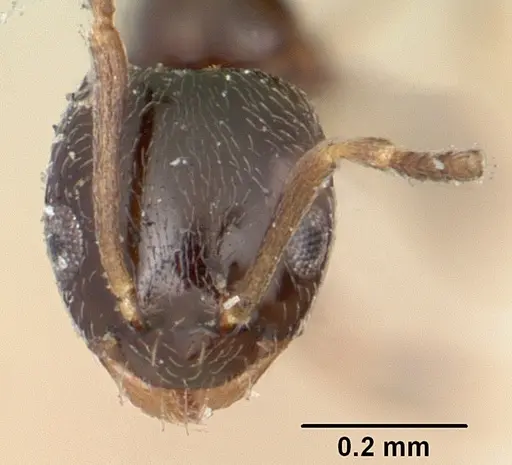
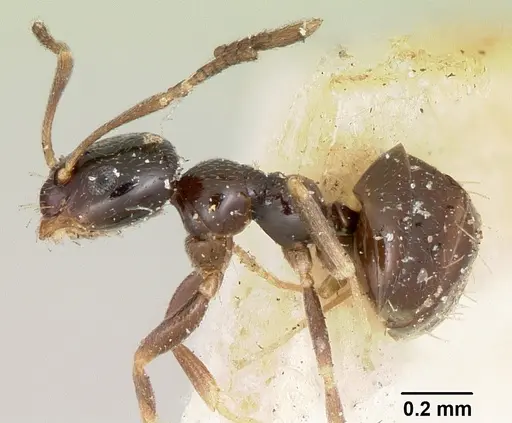
CASENT0101822
View on AntWeb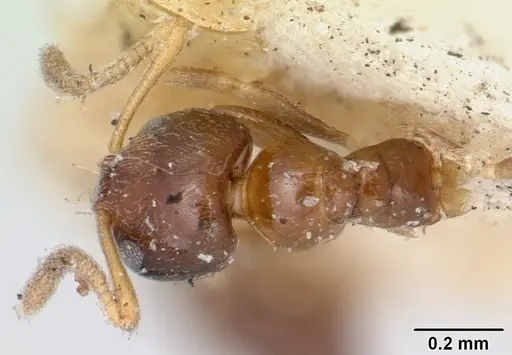
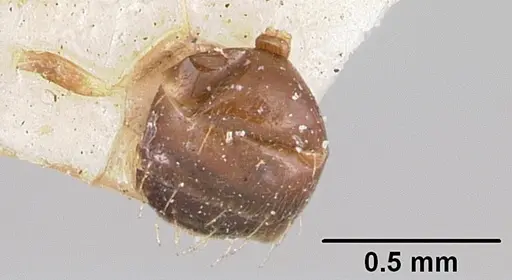
CASENT0102944
View on AntWeb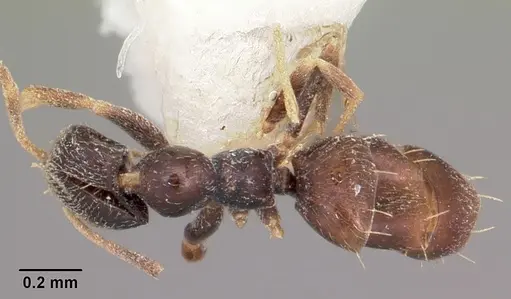
CASENT0103334
View on AntWeb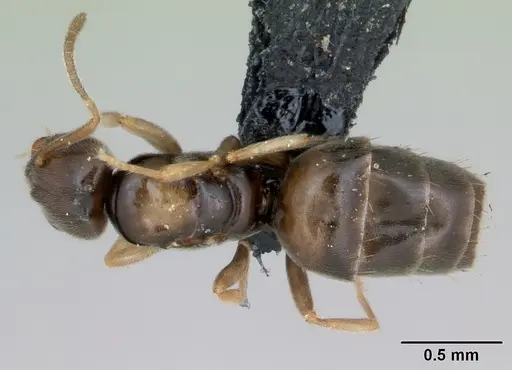
CASENT0132399
View on AntWeb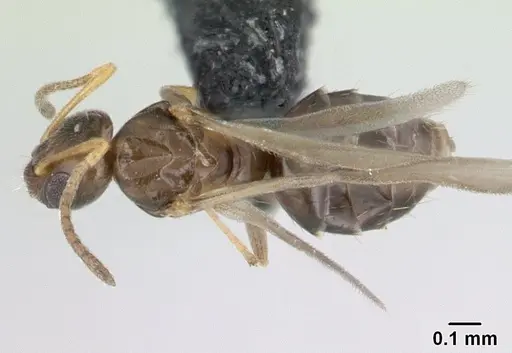
CASENT0132763
View on AntWeb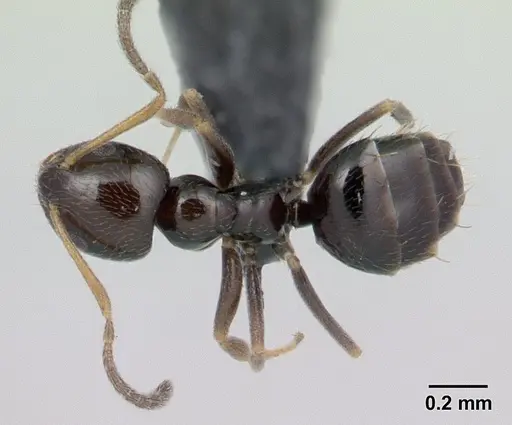
CASENT0451182
View on AntWeb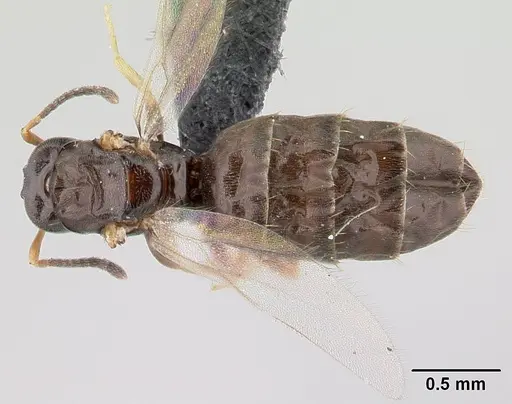
Literature
Loading distribution map...Loading products...