
Plagiolepis flavescens
- Sci. Name
- Plagiolepis flavescens
- Tribe
- Plagiolepidini
- Subfamily
- Formicinae
- Author
- Collingwood, 1976
- Distribution
- Found in 1 countries
Introduction
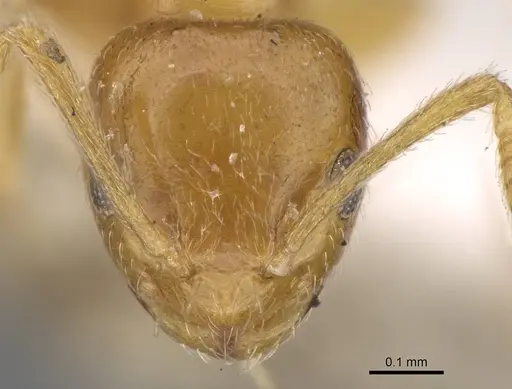
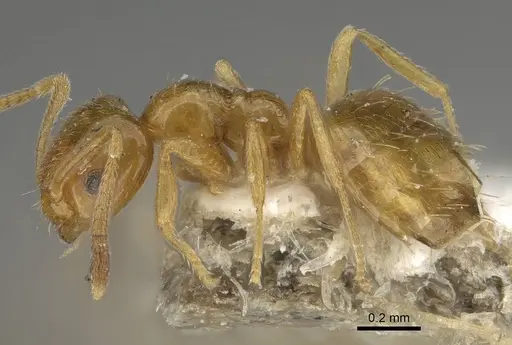
Plagiolepis flavescens is a tiny yellow ant species native to East Asia, with workers measuring approximately 2 mm in length . Their body color ranges from pale to darker yellow, and they have relatively short antennal scapes compared to similar species like P. alluaudi . These ants are found across the Korean Peninsula and parts of Japan, particularly Tsushima Island and northern Kyushu . In their natural habitat, they nest under stones in areas ranging from woodland margins to open land, and workers forage on plants to collect honeydew .
Quick Summary
- Difficulty: Easy
- Origin & Habitat: Woodland margins to open land in temperate East Asia, specifically the Korean Peninsula and southern Japan (Kyushu and Tsushima Island). They nest under stones in these habitats [1].
- Colony Type: Colony structure is unconfirmed. Based on typical Plagiolepis patterns, likely single-queen colonies, but this has not been directly studied.
- Size & Growth:
- Queen: Size data unavailable for queens. Workers are ~2 mm [1]. Based on genus patterns, queens may be larger, but this is unconfirmed.
- Worker: ~2 mm [1]
- Colony: Unknown from available data
- Growth: Unknown, estimated Moderate based on small worker size and temperate distribution
- Development: Estimated 6-10 weeks based on related Formicinae species at optimal temperature. This is inferred and not directly documented for this species. (Development timeline is not directly documented. Estimates based on typical patterns for small temperate ants.)
- Antkeeping:
- Temperature: Keep at room temperature (18-24°C). Based on their temperate distribution in Korea and Japan [1], they can tolerate a range from cooler room temperature to low-mid 20s°C. A gentle gradient is recommended.
- Humidity: Moderate humidity. They naturally nest under stones in woodland edge habitats [1], so keep substrate moderately moist but not wet. Provide some drier areas for the ants to choose from.
- Diapause: Yes, based on temperate distribution in Korea and Japan [1], a winter rest period is recommended. Keep at cool temperatures (around 5-10°C) for 2-3 months during winter.
- Nesting: Test tubes work well for founding colonies. For established colonies, a Y-tong nest with narrow chambers scaled to their tiny workers. They naturally nest under stones [1], so a naturalistic setup with flat stones or soil chambers also works.
- Behavior: These are small, generally peaceful ants. Workers forage on plants to collect honeydew [1], so they may climb actively. They are not aggressive and rarely sting. Their tiny size means escape prevention is critical, they can squeeze through very small gaps. They are relatively active foragers and benefit from some vertical space to forage for honeydew.
- Common Issues: escape prevention is critical due to their very small size, use fine mesh barriers and tight-fitting lids, slow founding phase, queens may take time to establish first workers, patience is needed, overfeeding can cause mold issues in small colonies, remove uneaten food promptly, test tube setups can dry out quickly, monitor water reservoirs regularly, wild-caught colonies may have parasites that affect captive survival
Housing and Nest Setup
Plagiolepis flavescens is a tiny ant species with workers only about 2 mm long [1], so housing must be appropriately scaled. For founding colonies, a standard test tube setup works well, the small chambers match their size and the cotton provides appropriate humidity control. For established colonies, Y-tong nests with narrow chambers work best. Their natural nesting preference is under stones in woodland edge habitats [1], so a naturalistic setup with a soil chamber and flat stones on top also appeals to them. Whatever nest type you choose, ensure chambers are appropriately sized for their tiny workers, overly large spaces can stress them. They do climb to forage for honeydew, so some vertical space or foraging area is appreciated.
Feeding and Diet
In the wild, Plagiolepis flavescens workers forage on plants to collect honeydew from aphids and scale insects [1]. In captivity, you should replicate this by offering sugar water, honey water, or diluted honeydew substitutes. They also need protein sources, small prey items like fruit flies, pinhead crickets, or small mealworms work well. Because they are tiny, prey items should be appropriately sized. Feed them a few small prey items every few days, and keep a sugar source available at all times. Remove uneaten prey promptly to prevent mold issues in the small colony space.
Temperature and Seasonal Care
These ants come from temperate regions of Korea and Japan [1], so they do best at room temperature ranging from 18-24°C. They can tolerate cooler conditions than many tropical species, which makes them relatively easy to keep in most homes. During the winter months, based on their natural distribution in regions with cold winters [1], you should provide a diapause period. Reduce temperatures to around 5-10°C and reduce feeding for 2-3 months. This mimics their natural seasonal cycle and helps maintain colony health. Do not keep them warm year-round, the winter rest period is important for their biology.
Behavior and Handling
Plagiolepis flavescens is a peaceful species that rarely shows aggression. Workers are active foragers, particularly when seeking honeydew on plants [1]. They are not known for stinging and pose no danger to keepers. Their small size of about 2 mm makes them delicate, but they are not particularly skittish. The main behavioral consideration for keepers is their tendency to forage vertically, they will climb to access honeydew sources, which means your setup should accommodate this behavior. They are not aggressive colony defenders, so handling is relatively low-risk if needed for transfers.
Colony Development
Plagiolepis flavescens colonies start with a queen sealing herself in a chamber to raise her first workers. The founding phase may take several months as the queen lays eggs and raises larvae through to adult workers using her stored energy reserves. Once the first workers emerge, the colony begins to grow. The exact development timeline is not documented, but based on related Formicinae species, expect 6-10 weeks from egg to first worker at optimal temperature. Growth rate is moderate, these are small ants with relatively small colonies. Patience is key during the founding phase, as disturbing the queen during this critical period can cause colony failure.
Frequently Asked Questions
How long does it take for Plagiolepis flavescens to produce first workers?
The exact timeline is not documented, but based on related Formicinae species, expect 6-10 weeks from egg to first worker at room temperature. The founding queen seals herself in and raises the first brood alone, so patience is essential during this phase.
Can I keep Plagiolepis flavescens in a test tube?
Yes, test tubes work well for founding colonies. Their tiny 2 mm size [1] means the small chambers are appropriate. Use a water reservoir with cotton to maintain humidity, and ensure the tube is sealed with fine mesh to prevent escapes.
What do Plagiolepis flavescens eat?
They primarily eat honeydew in the wild, workers forage on plants to collect sweet secretions from aphids [1]. In captivity, offer sugar water, honey water, or honeydew substitutes as a constant sugar source. For protein, provide small prey like fruit flies, pinhead crickets, or tiny mealworms.
Do Plagiolepis flavescens need hibernation?
Yes, based on their temperate distribution in Korea and Japan [1], a winter rest period is recommended. Keep them cool at around 5-10°C for 2-3 months during winter. Reduce feeding during this period and allow the colony to slow down naturally.
Are Plagiolepis flavescens good for beginners?
Yes, this species is considered easy to keep. They are small, peaceful, and tolerate a range of room temperatures. The main requirements are proper escape prevention due to their tiny size, providing sugar sources (honeydew/sugar water), and giving them a winter rest period.
How big do Plagiolepis flavescens colonies get?
The maximum colony size is not documented, so it is unknown. Based on typical Plagiolepis patterns, colonies may reach several hundred workers, but this is unconfirmed.
When should I move Plagiolepis flavescens to a formicarium?
Wait until the colony has established workers and the test tube setup is becoming crowded, typically when you see multiple workers and the water reservoir is running low. Make sure the formicarium has appropriately sized chambers for their tiny workers.
Why are my Plagiolepis flavescens escaping?
Their small size [1] means they can squeeze through tiny gaps. Use excellent escape prevention including fine mesh barriers, tight-fitting lids, and barrier tape (fluon) around openings. Check all seals regularly.
Can I keep multiple Plagiolepis flavescens queens together?
The colony structure is not well documented for this species. It is not recommended to combine unrelated queens as this has not been studied. If you capture a multi-queen colony from the wild, they may coexist, but single-queen setups are safer for beginners.
Report an Issue
The current care sheet is based fully on literature. See inconsistencies, or something that's incorrect? Please , it will be resolved after review from an admin. Contributing to the blogs tab also helps providing information, to make us be able to further improve the caresheets. Thank you for your support!
References

This caresheet is licensed under CC BY-SA 4.0 .
Community Blogs
CASENT0916654
View on AntWeb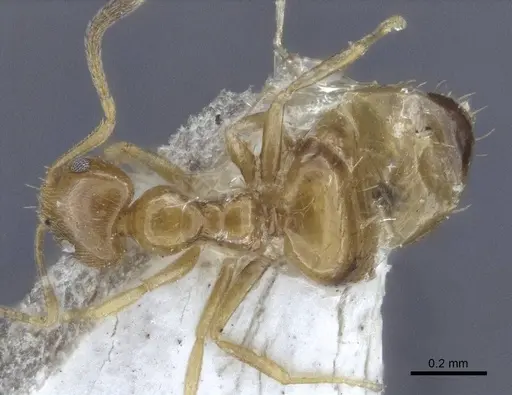
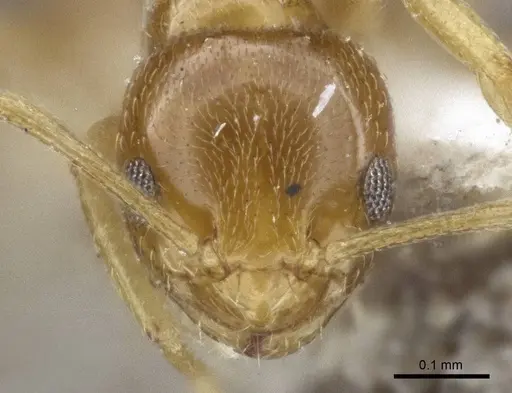
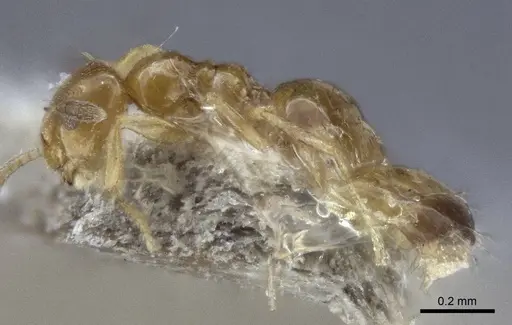
CASENT0922348
View on AntWeb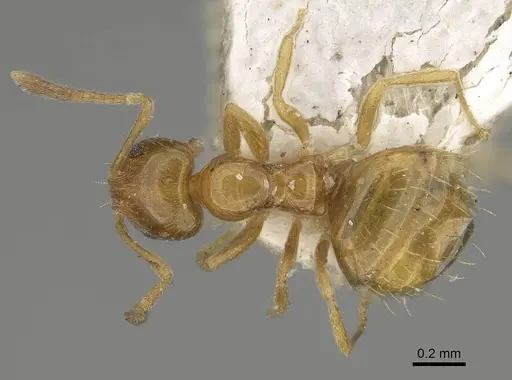
Literature
Loading distribution map...Loading products...