
Plagiolepis exigua
- Sci. Name
- Plagiolepis exigua
- Tribe
- Plagiolepidini
- Subfamily
- Formicinae
- Author
- Forel, 1894
- Distribution
- Found in 3 countries
Introduction
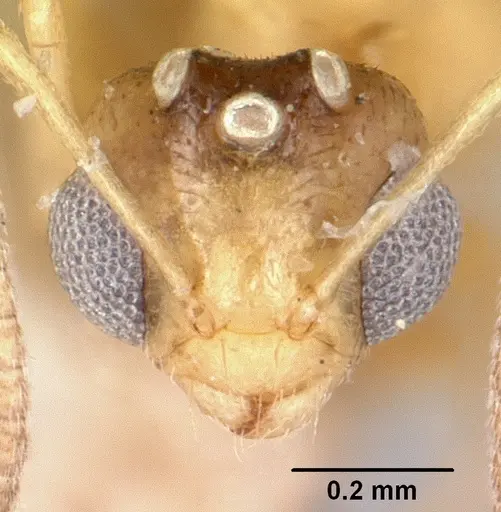
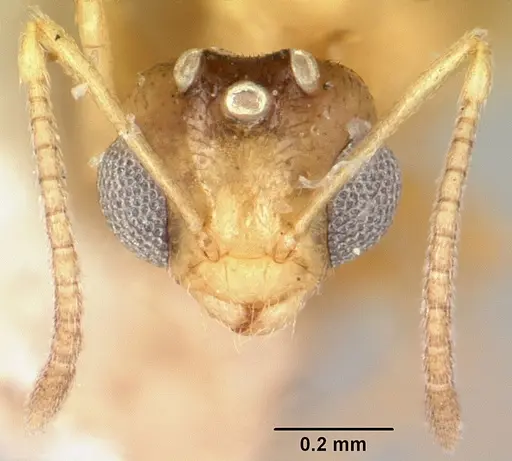
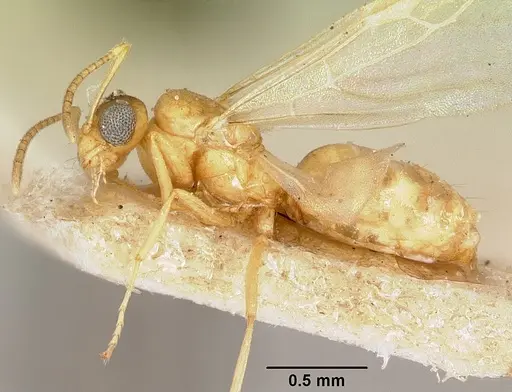
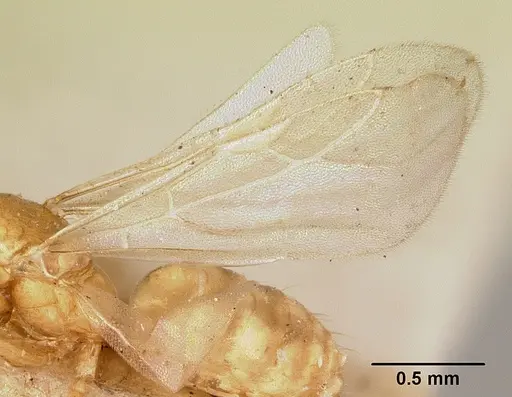
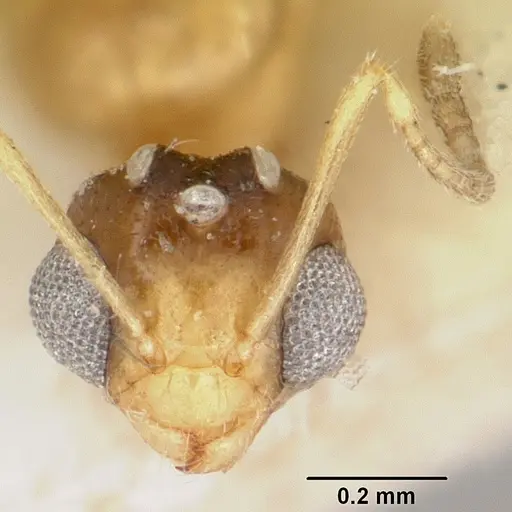
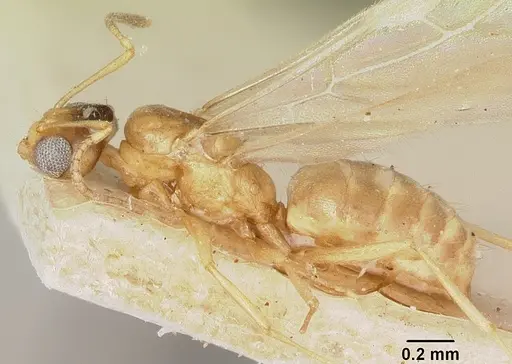
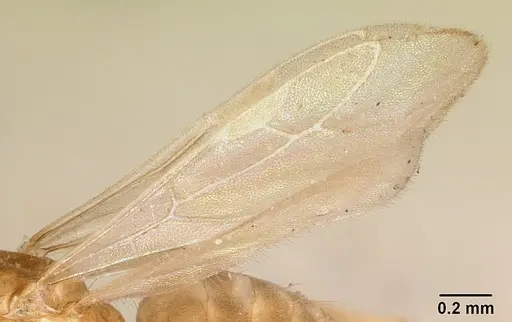
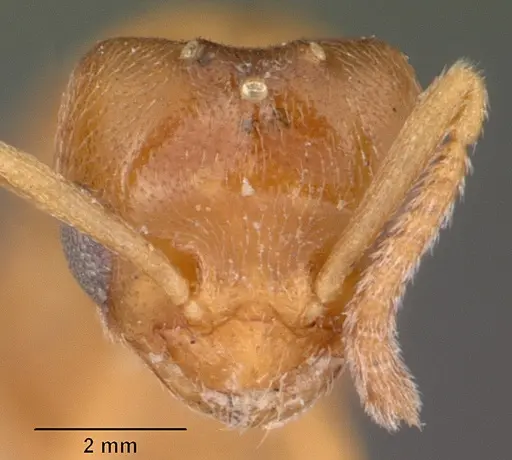
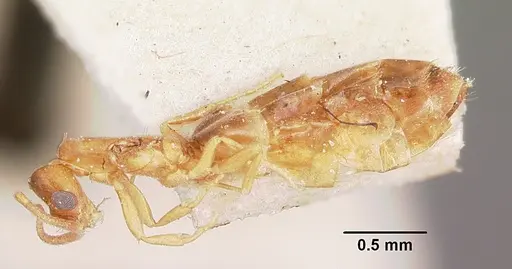
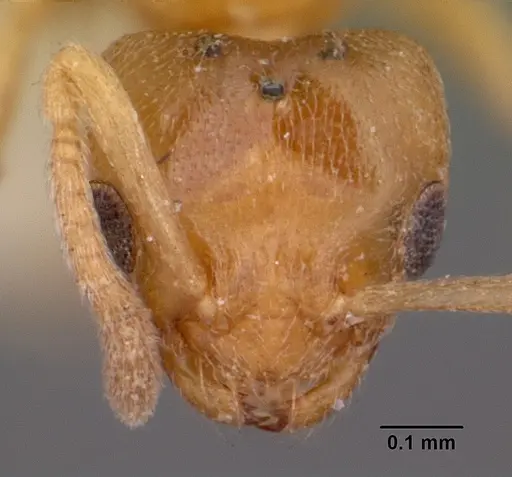
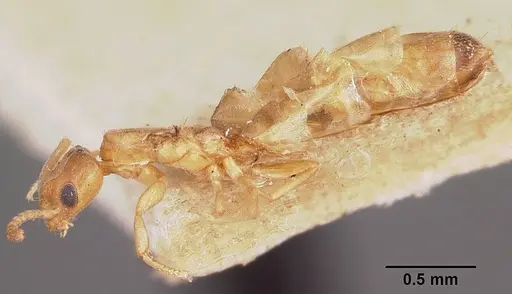
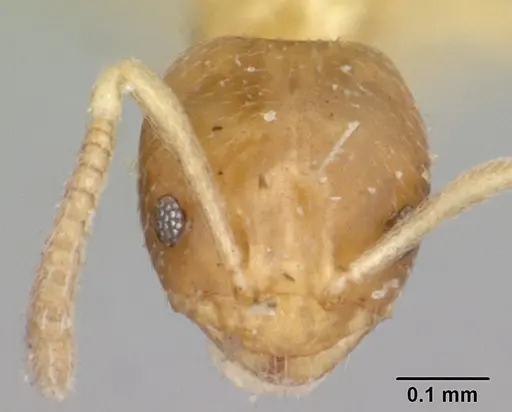
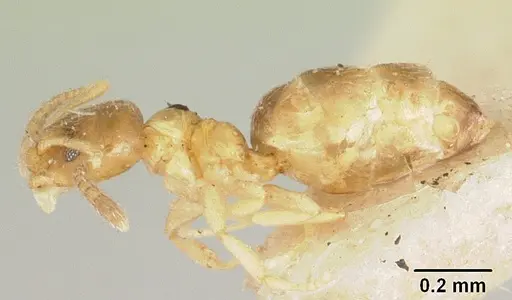
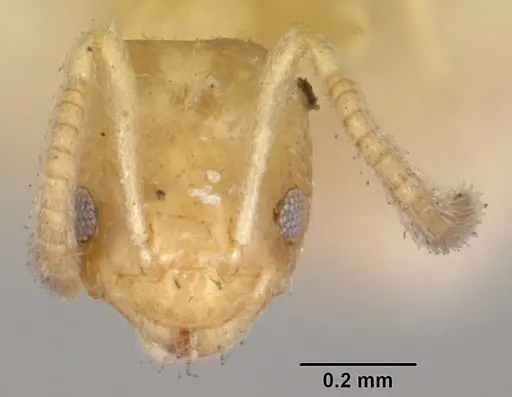
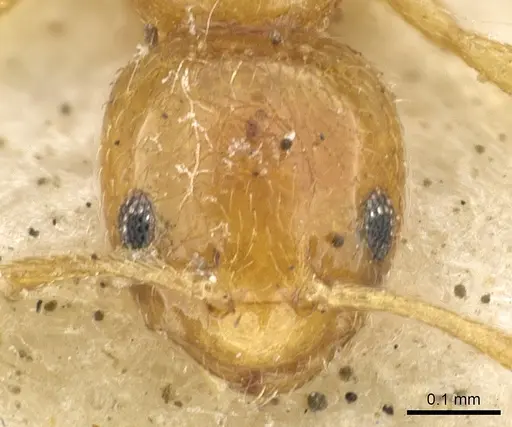
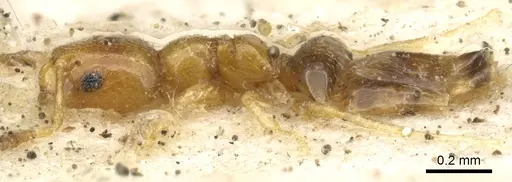
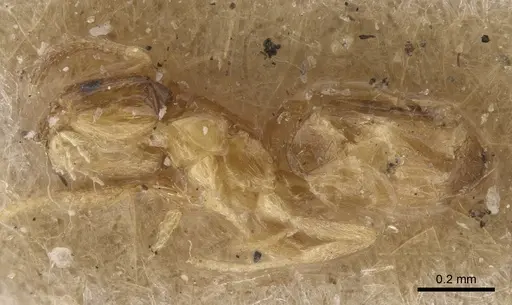
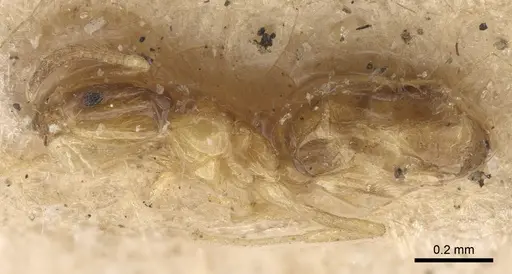
Plagiolepis exigua is a tiny yellow to yellowish-brown ant species. Workers measure approximately 1.23 mm in total length , while queens are larger at 2.5-3 mm . They have a smooth, shining body with a pale yellowish-brown head and gaster, often featuring a subtle longitudinal band . This species is native to Australia but has spread globally through human commerce, making it a cosmopolitan tramp ant . In nature, they nest in hollow plant stems, such as bamboo shoots and twigs close to the ground, filling them with loamy soil . Plagiolepis exigua is considered an invasive cryptic species, often going unnoticed due to its small size . Its ability to thrive in disturbed habitats makes it a challenging but interesting species for antkeepers.
Quick Summary
- Difficulty: Expert
- Origin & Habitat: Native to Australia, now found across tropical and subtropical regions including India, Sri Lanka, Singapore, Madagascar, China, and the Middle East. Nests in hollow plant stems and bamboo shoots [5][6][3][4].
- Colony Type: Unconfirmed, colony structure not well-documented in scientific literature.
- Size & Growth:
- Queen: 2.5-3 mm [2]
- Worker: 1.23 mm [1]
- Colony: Unknown, no specific data on maximum colony size. Based on tramp ant behavior, colonies may be small [8].
- Growth: Moderate
- Development: 6-8 weeks (estimated based on typical Formicinae development at 24-28°C) (Development timeline is not directly studied, estimates based on related species.)
- Antkeeping:
- Temperature: Keep at 24-28°C. This species is tropical, so warmth is important for activity.
- Humidity: Moderate to high humidity. Keep nest substrate consistently moist but not waterlogged, based on natural nesting habits [5][6].
- Diapause: Unknown, being a tropical species, they likely do not require hibernation.
- Nesting: Prefer tight, humid nest chambers. Use test tubes or small nests with narrow passages [5][6].
- Behavior: Docile and non-aggressive. Workers are tiny and slow-moving, foraging individually or in small groups. High escape risk due to small size. Cryptic species, often hard to spot [7][8].
- Common Issues: warning: Plagiolepis exigua is an invasive species in many countries. it is not recommended to keep this species in countries where it is not native. if kept, extreme precautions must be taken to prevent any escape., escape prevention is critical due to their tiny size (1.23 mm for workers) [1]., colonies remain small, which may be disappointing for keepers expecting rapid growth., wild-caught colonies may be difficult to transition to captive food sources., their small size makes them vulnerable to drowning, use shallow water dishes.
Housing and Nest Setup
Because of their tiny size, Plagiolepis exigua needs carefully designed housing. Test tubes work well for founding colonies. For established colonies, small nests with narrow chambers are ideal. Naturalistic setups with bamboo sections can mimic their natural sites [5][6]. Cover ventilation with fine mesh and use barriers like fluon to prevent escapes.
Feeding and Diet
Plagiolepis exigua likely feeds on honeydew, nectar, and small insects. In captivity, offer sugar water or diluted honey constantly, and protein like fruit flies or small prey twice weekly. Remove uneaten food to prevent mold.
Temperature and Seasonal Care
As a tropical species, keep temperatures at 24-28°C. Use gentle heating if needed. During cooler periods, activity may slow, reduce feeding accordingly.
Handling and Temperament
These ants are harmless and docile. Main concern is escape prevention due to small size [1].
Colony Establishment and Growth
Start with wild-caught queens or established colonies. Nest in hollow plant stems [5][6]. Colony growth is moderate, expect slow development [8].
Frequently Asked Questions
How long does it take for Plagiolepis exigua to produce first workers?
The development timeline is not directly studied. Estimates based on typical Formicinae patterns suggest around 6-8 weeks at 24-28°C.
Are Plagiolepis exigua ants good for beginners?
This species is rated as expert difficulty due to its invasive nature and high escape risk. It is not recommended for beginners [7][8].
What do Plagiolepis exigua ants eat?
Feed them sugar sources constantly, plus small protein prey like fruit flies twice weekly. Remove uneaten food to prevent mold.
How big do Plagiolepis exigua colonies get?
Colony size is unknown, but based on tramp ant behavior, they may remain small [8].
Can I keep multiple Plagiolepis exigua queens together?
There is no documented evidence for this species. It is not recommended to combine unrelated queens, as it may result in fighting.
Do Plagiolepis exigua need hibernation?
Unknown, being a tropical species, they likely do not require hibernation.
Why are my Plagiolepis exigua escaping?
Their tiny size (1.23 mm for workers) means they can squeeze through small gaps. Use fine mesh and barriers to prevent escapes [1].
When should I move my colony to a formicarium?
Wait until the colony has at least 20-30 workers, but this is an estimate based on general antkeeping practice.
Is Plagiolepis exigua invasive?
Yes, it is considered an invasive cryptic species in many countries. It is not recommended to keep this species in non-native areas [7][8].
Report an Issue
The current care sheet is based fully on literature. See inconsistencies, or something that's incorrect? Please , it will be resolved after review from an admin. Contributing to the blogs tab also helps providing information, to make us be able to further improve the caresheets. Thank you for your support!
References

This caresheet is licensed under CC BY-SA 4.0 .
Community Blogs
CASENT0101301
View on AntWeb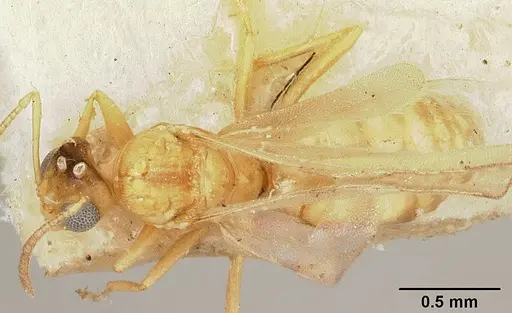
CASENT0101302
View on AntWeb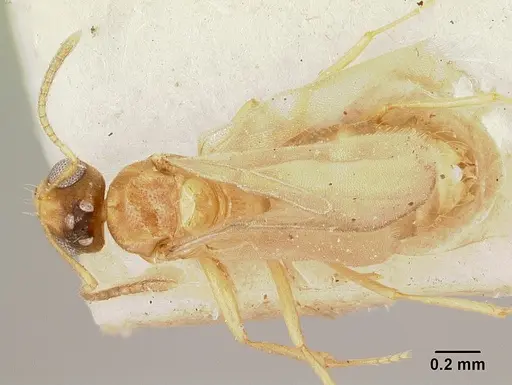
CASENT0101303
View on AntWeb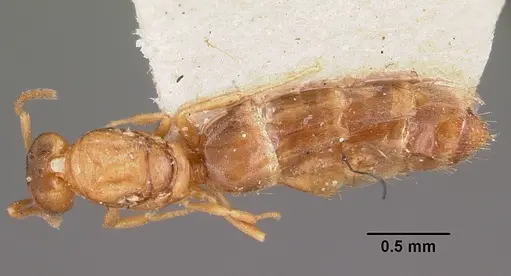
CASENT0101304
View on AntWeb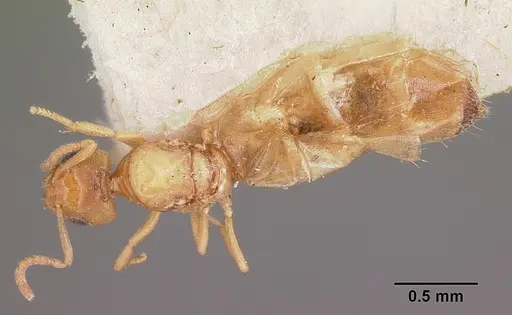
CASENT0101305
View on AntWeb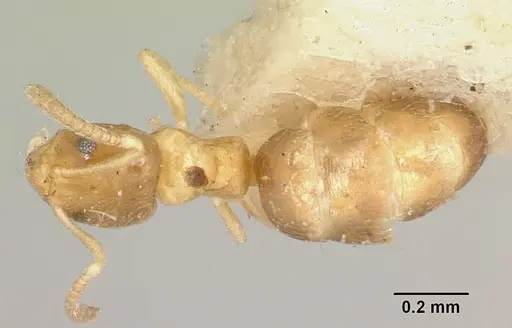
CASENT0101307
View on AntWeb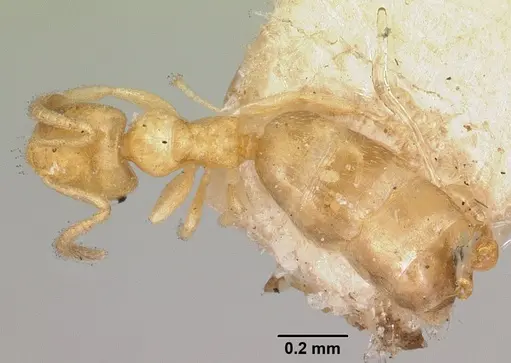
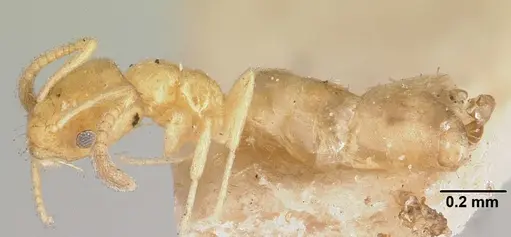
CASENT0101308
View on AntWeb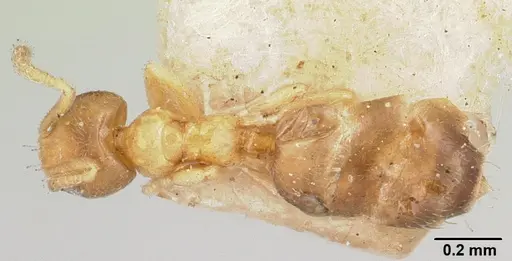
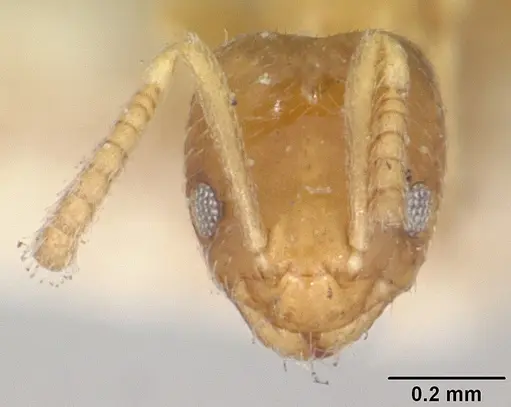
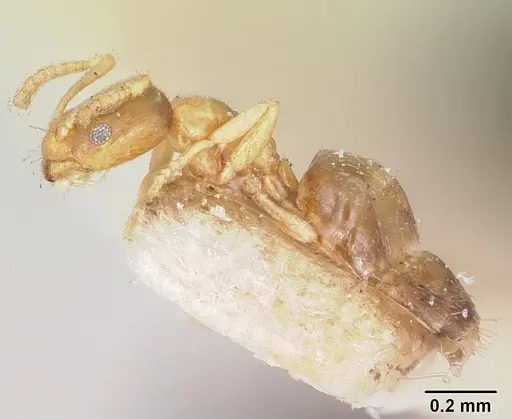
CASENT0903146
View on AntWeb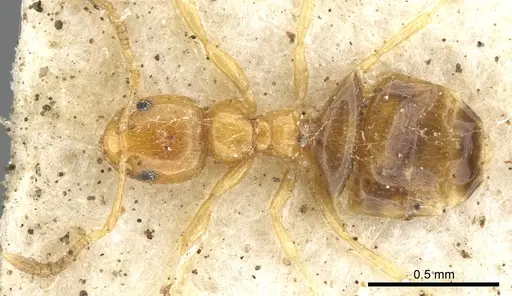
CASENT0909849
View on AntWeb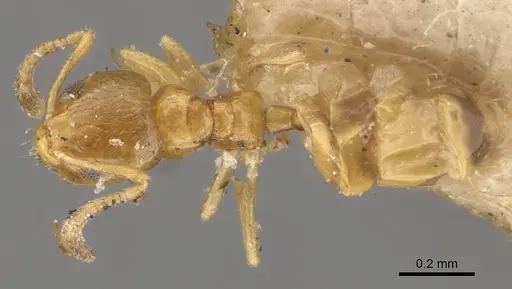
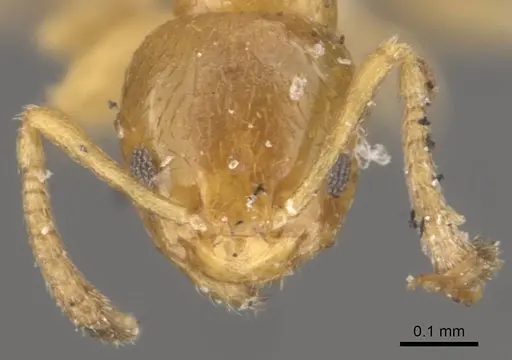
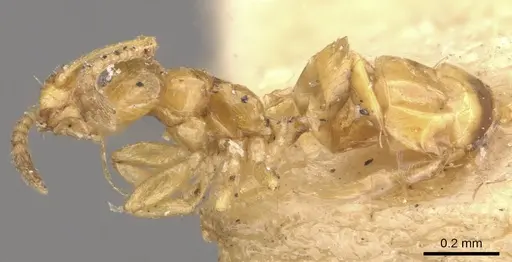
CASENT0917872
View on AntWeb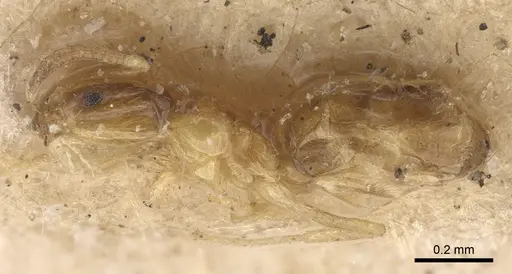
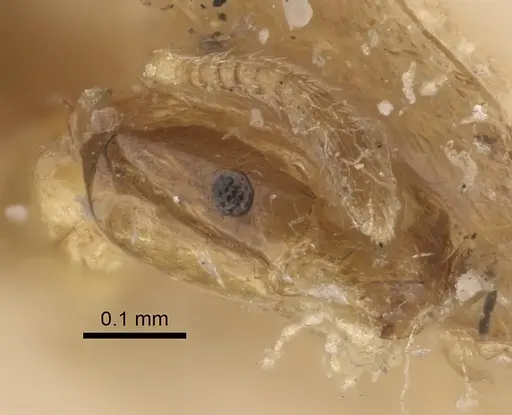
Literature
Loading distribution map...Loading products...