
Brunn's Restless ant
Plagiolepis brunni
- Sci. Name
- Plagiolepis brunni
- Tribe
- Plagiolepidini
- Subfamily
- Formicinae
- Author
- Mayr, 1895
- Common Name
- Brunn's Restless ant
- Distribution
- Found in 6 countries
Introduction
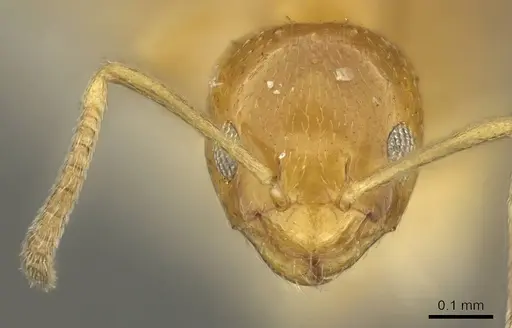
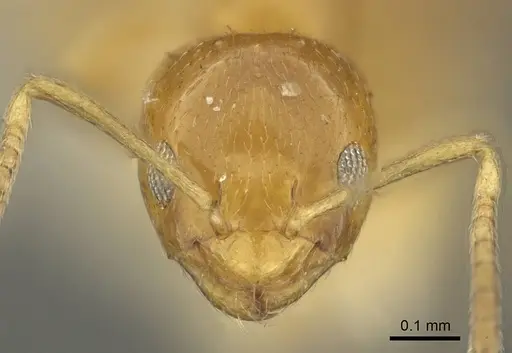
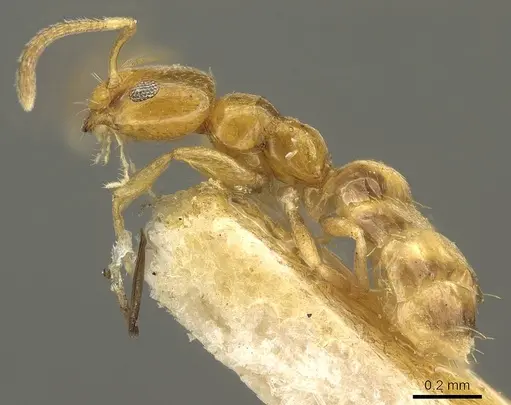
Plagiolepis brunni is a small ant species native to sub-Saharan Africa. It is found in countries including Benin, Guinea, Kenya, Mozambique, Nigeria, South Africa, Tanzania, Zimbabwe, Rwanda, and Eritrea . It inhabits tropical forests and agricultural areas, commonly foraging on trees such as cocoa, kola, oil palm, and plantain . This species is known for tending aphids and building small tents from plant material, making it an interesting arboreal ant .
Quick Summary
- Difficulty: Medium
- Origin & Habitat: Sub-Saharan Africa, in tropical forests and agricultural areas [1][2][3][4]
- Colony Type: Colony structure is unconfirmed. Based on Plagiolepis patterns, likely single-queen colonies (monogyne), but no direct research exists.
- Size & Growth:
- Queen: Size data unavailable, no total length measurements in research
- Worker: Size data unavailable, no total length measurements in research
- Colony: Colony size is unconfirmed, estimated up to several hundred workers based on related species
- Growth: Moderate
- Development: Unconfirmed, estimated 6-8 weeks at warm temperatures (Based on related Formicinae species patterns)
- Antkeeping:
- Behavior: Calm and non-aggressive. Workers are small and quiet, foraging on vegetation. Escape risk is high due to small size [1]
- Common Issues: escape prevention is critical due to their tiny size, use fine mesh and tight-fitting lids, small colony size means slow growth, beginners may lose patience, limited natural history data means some care aspects are estimates, may be outcompeted by more aggressive ant species if housed in a shared setup, test tube setups can dry out quickly, monitor moisture levels regularly
Housing and Nest Setup
You should set up an arboreal nest for Plagiolepis brunni, as they naturally live in trees [1]. Use a Y-tong (AAC) or plaster nest with small, tight chambers scaled to their tiny size. Include climbing structures like twigs or branches in the outworld for foraging [1]. Ensure escape prevention with fine mesh and tight lids, as they can squeeze through small gaps [1].
Feeding and Diet
You can feed Plagiolepis brunni sugar water or honey water constantly for energy. For protein, offer small prey like fruit flies or pinhead crickets 2-3 times per week [1]. Remove uneaten prey after 24 hours to prevent mold [1].
Temperature and Humidity
Keep the nest at warm temperatures, roughly 24-28°C, as this is a tropical species [1]. Maintain moderate humidity by providing a water reservoir or moist substrate, but ensure good ventilation to avoid mold [1].
Behavior and Colony Dynamics
Plagiolepis brunni is calm and non-aggressive, making it safe for keepers [1]. Colony growth is moderate, and you should be patient as workers develop slowly [1]. Avoid overfeeding to prevent mold in small setups.
Handling and Observation
Observe Plagiolepis brunni rather than handling them, as their small size makes them delicate [1]. Watch for tent-building behavior if you provide plant material in the outworld [1]. Keep them separated from aggressive species to avoid predation.
Frequently Asked Questions
How long does it take for Plagiolepis brunni to produce first workers?
The timeline is unconfirmed, but estimated at 6-8 weeks at warm temperatures based on related species patterns.
Can I keep Plagiolepis brunni in a test tube setup?
Yes, a test tube setup works for founding colonies. Use a small diameter tube and ensure excellent escape prevention due to their tiny size [1].
What do Plagiolepis brunni eat?
They feed on honeydew and small insects. In captivity, offer sugar water constantly and protein sources like fruit flies [1].
How big do Plagiolepis brunni colonies get?
Colony size is unconfirmed, but estimated up to several hundred workers based on related species.
Are Plagiolepis brunni good for beginners?
They are moderate difficulty due to escape risk and slow growth, but their calm nature makes them manageable for committed beginners.
Do Plagiolepis brunni need hibernation?
No, as a tropical species, they do not require diapause [1].
Why are my Plagiolepis brunni escaping?
Their tiny size means they can escape through small gaps. Use fine mesh and check lid seals [1].
When should I move Plagiolepis brunni to a formicarium?
Move them when the test tube becomes crowded or water runs out, typically after several weeks. Ensure the formicarium has small chambers.
Can I keep multiple Plagiolepis brunni queens together?
This is unconfirmed. Based on related species, they likely form single-queen colonies, and combining queens may cause fighting.
What temperature is best for Plagiolepis brunni?
Keep them at 24-28°C, as they are a tropical species [1].
Is Plagiolepis brunni invasive anywhere?
This species is native to sub-Saharan Africa and has not been documented as invasive elsewhere [1].
Report an Issue
The current care sheet is based fully on literature. See inconsistencies, or something that's incorrect? Please , it will be resolved after review from an admin. Contributing to the blogs tab also helps providing information, to make us be able to further improve the caresheets. Thank you for your support!
References

This caresheet is licensed under CC BY-SA 4.0 .
Community Blogs
CASENT0281160
View on AntWeb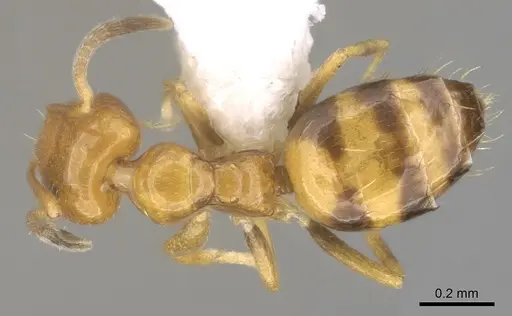
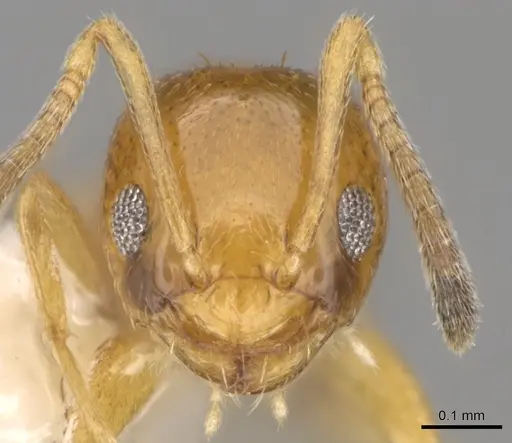
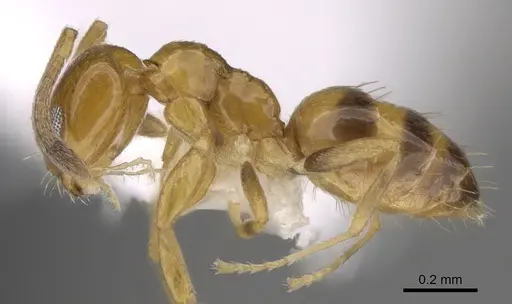
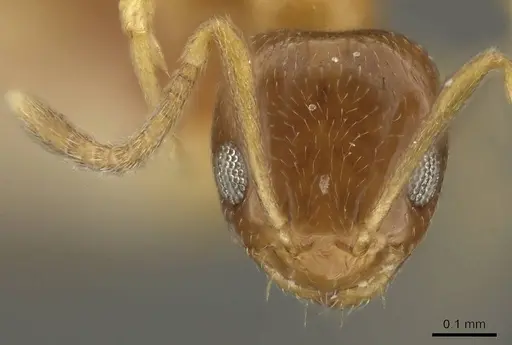
CASENT0906250
View on AntWeb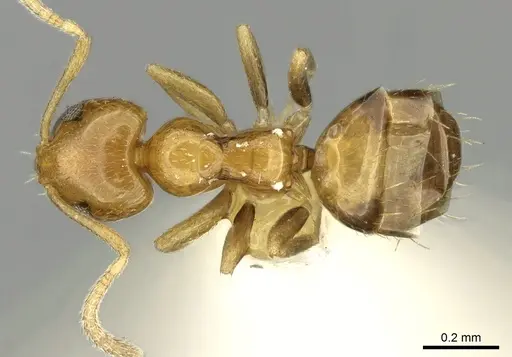
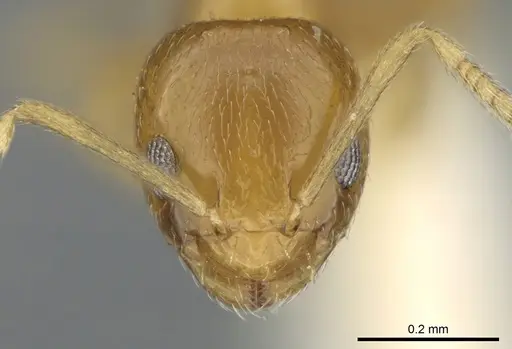
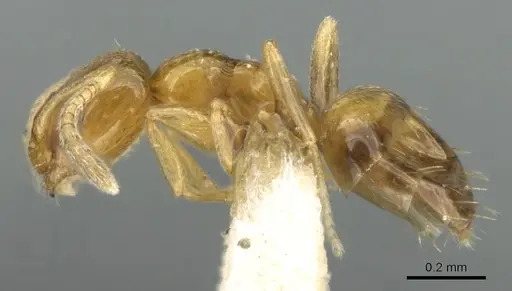
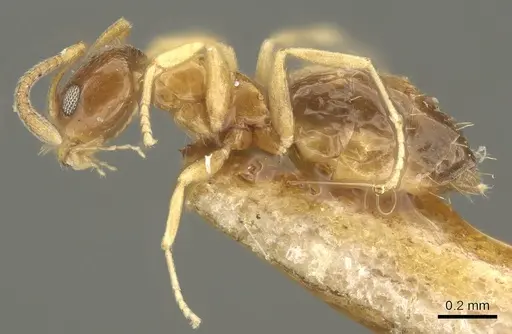
CASENT0909846
View on AntWeb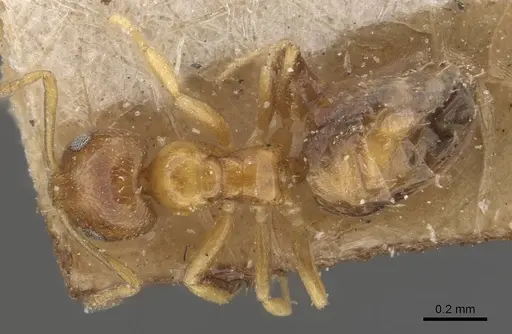
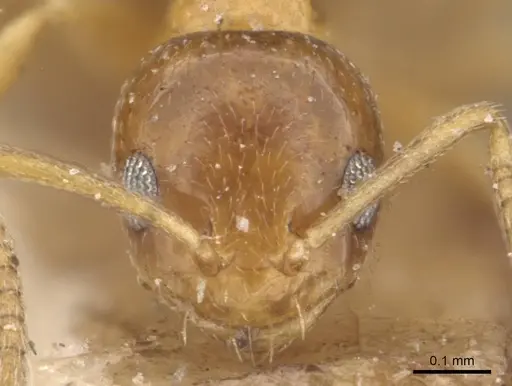
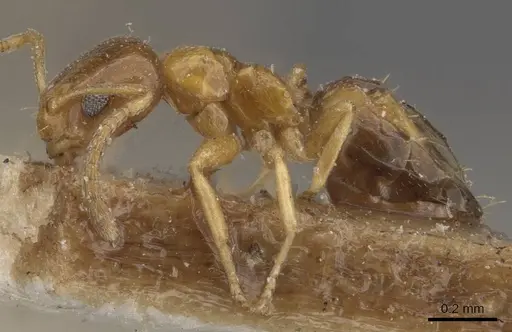
CASENT0909847
View on AntWeb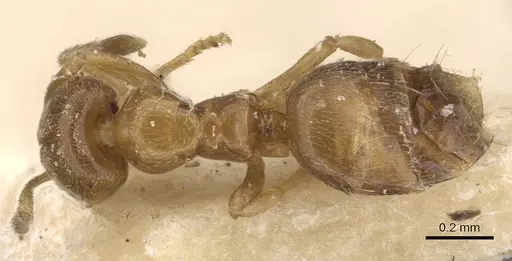
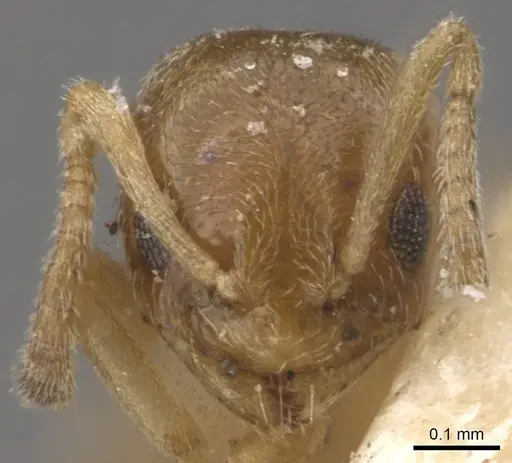
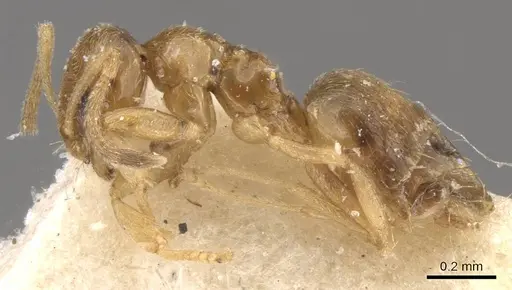
CASENT0915711
View on AntWeb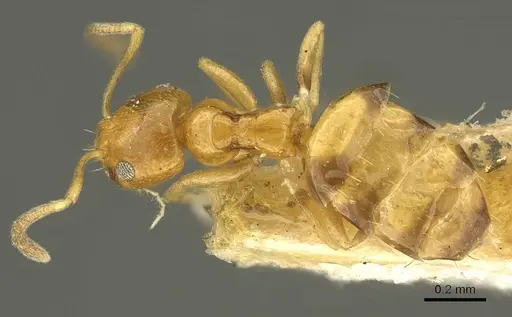
CASENT0915712
View on AntWeb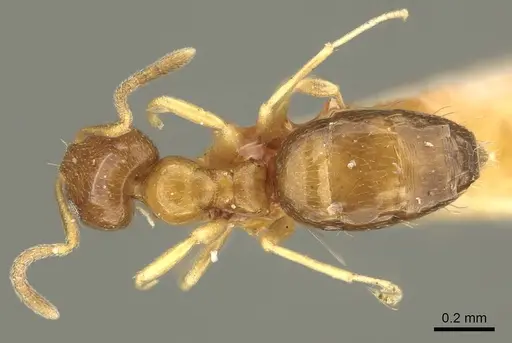
Literature
Loading distribution map...Loading products...