
Plagiolepis atlantis
- Sci. Name
- Plagiolepis atlantis
- Tribe
- Plagiolepidini
- Subfamily
- Formicinae
- Author
- Santschi, 1920
- Distribution
- Found in 3 countries
Introduction
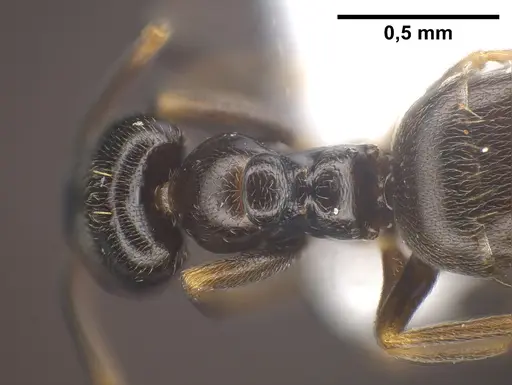
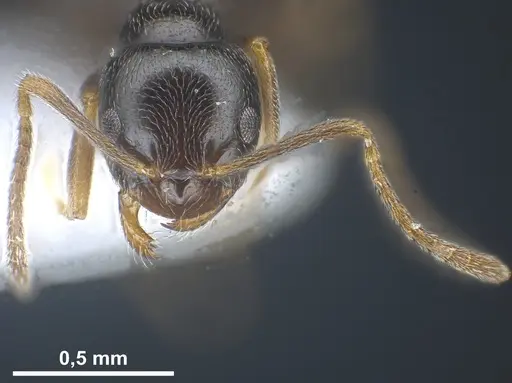
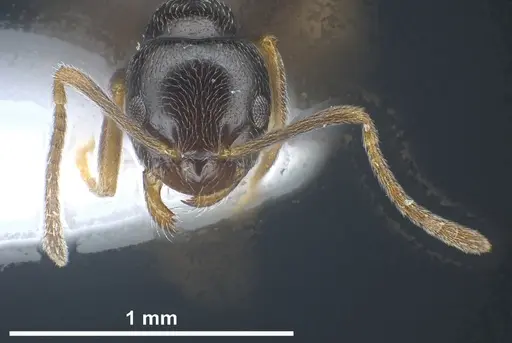
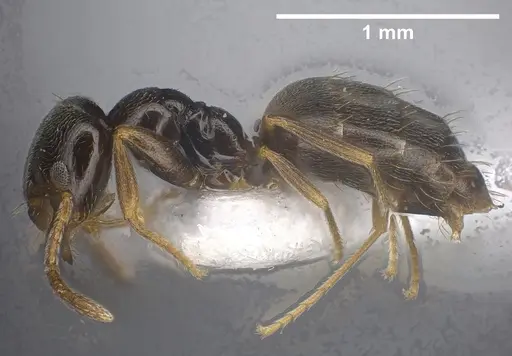
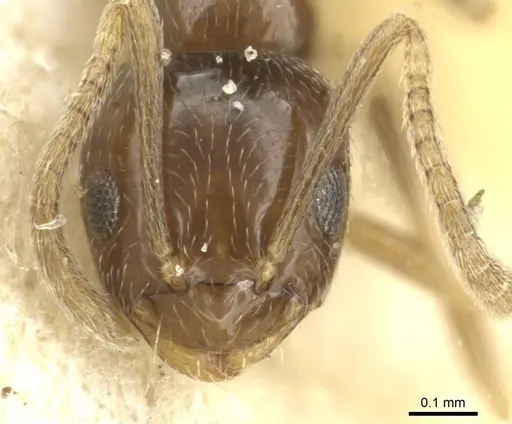
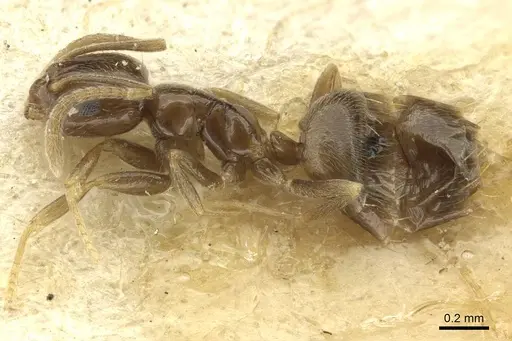
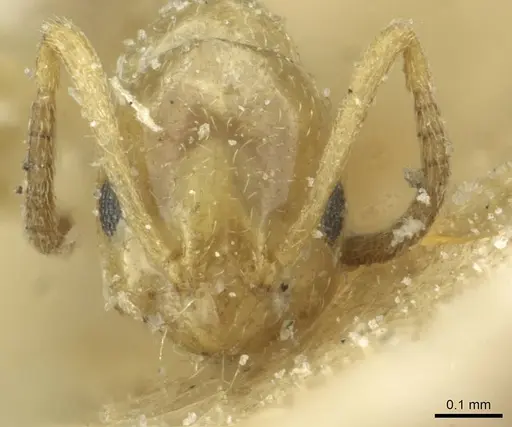
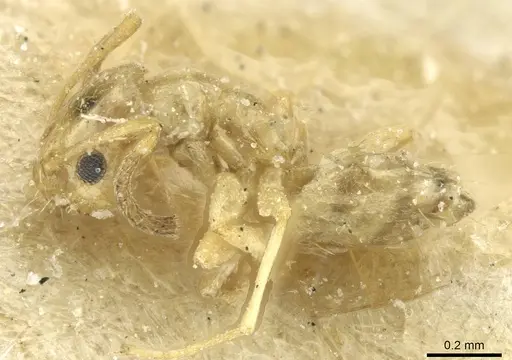
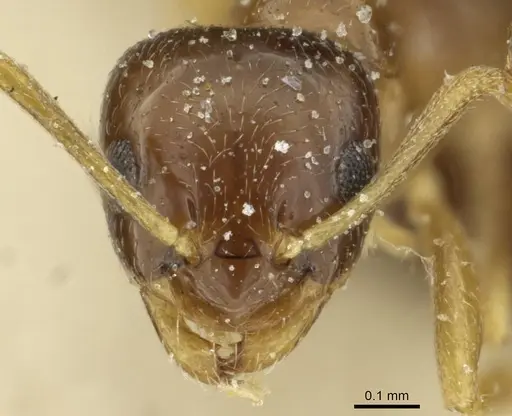
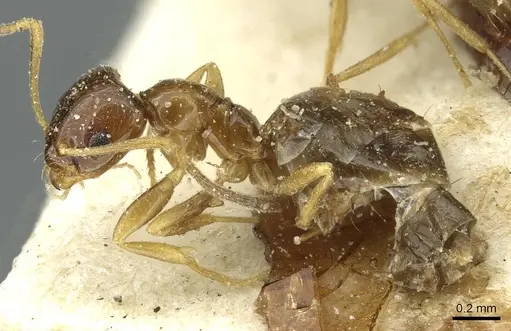
Plagiolepis atlantis is a tiny ant species native to North Africa and the eastern Mediterranean. Workers are very small, though exact body size data is unavailable from research. They have a pale yellowish-brown to reddish coloration and relatively long antennae. This species nests in soil beneath stones in humid areas overgrown with macchia or forest vegetation . Colonies are polygynous, meaning they contain multiple queens working together . Originally described as a variety of Plagiolepis maura, it was elevated to full species status in 2020 and is now recognized as distinct from the related Plagiolepis schmitzii group .
Quick Summary
- Difficulty: Medium
- Origin & Habitat: North Africa (Algeria, Tunisia) and eastern Mediterranean (Turkey). They nest in soil beneath stones in humid areas overgrown with macchia or forest vegetation [1].
- Colony Type: Polygynous, colonies contain multiple queens working together [1].
- Size & Growth:
- Queen: Size data unavailable, no total length measurements in research context.
- Worker: Size data unavailable, no total length measurements in research context.
- Colony: Up to several hundred workers, estimated from polygynous structure [1].
- Growth: Moderate
- Development: Estimated 6-8 weeks at optimal temperature, inferred from related Plagiolepis species. (Development time is temperature-dependent.)
- Antkeeping:
- Temperature: Keep warm and stable, roughly low-to-mid 20s°C, inferred from Mediterranean climate.
- Humidity: Keep the nest substrate consistently moist but not waterlogged, as they inhabit humid areas [1].
- Diapause: Unknown, no data on diapause requirements.
- Nesting: Soil-nesting species that naturally nests beneath stones [1]. In captivity, use moist substrate with flat stones or a Y-tong/plaster nest.
- Behavior: Workers are non-aggressive and primarily forage for honeydew and small prey. Their extremely small size means escape prevention is critical, they can squeeze through tiny gaps. Colonies are polygynous, which supports larger colony sizes [1].
- Common Issues: escape prevention is critical due to their extremely tiny size, use fine mesh barriers and tight-fitting lids., polygynous colonies may have queen competition during founding, monitor when introducing new queens., small colony size at founding makes them vulnerable to stress and dehydration., humidity management is tricky, too wet causes mold, too dry kills brood., wild-caught colonies may carry parasites that can decimate captive colonies.
Housing and Nest Setup
You need to house Plagiolepis atlantis carefully due to their extremely small size. These tiny ants can escape through gaps that would hold back much larger species. Use test tubes with tight cotton or apply fluon barriers on the rim. For the nest, a naturalistic setup with moist substrate (a mix of soil and sand) beneath flat stones simulates their natural environment [1]. Alternatively, a Y-tong or plaster nest with very small chambers can work, but ensure passages are appropriately sized. The nest area should stay humid but not wet, with some drier areas available for self-regulation.
Feeding and Diet
You should offer omnivorous diet to Plagiolepis atlantis. Workers readily collect honeydew from aphids and will drink sugar water or honey diluted with water. For protein, provide tiny prey items like fruit flies or small mealworms. Larvae are omnivorous [2], so both sugar and protein sources support brood development. Feed small amounts of sugar water every few days and protein once or twice weekly. Remove uneaten prey within 24 hours to prevent mold.
Temperature and Seasonal Care
You should keep these ants at room temperature or slightly above, roughly 20-26°C, inferred from their Mediterranean origin. They can tolerate brief cooler periods but prolonged cold slows brood development. During winter, a mild hibernation period may benefit colony health, but no specific data exists on diapause requirements. Avoid very cold temperatures as they are not adapted to harsh winters.
Colony Structure and Multi-Queen Care
You are keeping a polygynous species, meaning colonies naturally have multiple queens [1]. This supports faster initial growth but requires attention to colony harmony. When starting a colony, you may keep multiple founding queens together, but separate them if they fight. Established polygynous colonies are generally stable, with queens tolerated by workers.
Escape Prevention
You must prioritize escape prevention due to their extremely tiny size. Workers can squeeze through standard test tube cotton, tiny gaps in lids, and fine mesh. Apply fluon to all enclosure rims and use containers with tight-fitting lids. Check enclosures daily and seal any gaps immediately. This species will escape if given half a chance.
Frequently Asked Questions
How long does it take for Plagiolepis atlantis to produce first workers?
Based on related Plagiolepis species, expect first workers approximately 6-8 weeks after the queen lays eggs, at optimal warm temperatures around 24-26°C. Development is temperature-dependent.
Can I keep multiple Plagiolepis atlantis queens together?
Yes, this species is naturally polygynous, meaning colonies have multiple queens [1]. You can keep multiple founding queens together, but watch for aggression and separate them if they fight.
Why are my Plagiolepis atlantis escaping?
These ants are extremely tiny and can squeeze through the smallest gaps. Standard test tube cotton is not a barrier for them. Apply fluon to rims, use tight-fitting lids, and check for any gaps larger than a few hundredths of a millimeter.
What do Plagiolepis atlantis eat?
They are omnivorous. Offer sugar water or honey as a constant energy source, and protein like tiny insects 1-2 times weekly. Larvae are omnivorous [2], so both food types support brood development.
What temperature do Plagiolepis atlantis need?
Keep them at roughly 20-26°C, typical room temperature. They come from warm Mediterranean regions and prefer these conditions.
Do Plagiolepis atlantis need hibernation?
No data exists on hibernation requirements for this species. It is unknown if a winter rest period is needed.
Are Plagiolepis atlantis good for beginners?
They are intermediate in difficulty due to their extremely small size requiring excellent escape prevention. If you can manage that, they are otherwise straightforward to keep.
How big do Plagiolepis atlantis colonies get?
Colony size is estimated at up to several hundred workers based on their polygynous structure [1]. They are not among the largest ant species but can form substantial colonies with multiple queens.
When should I move Plagiolepis atlantis to a formicarium?
Wait until the colony has at least 20-30 workers and is well-established in a test tube setup. For this tiny species, a naturalistic setup with moist substrate works better than traditional formicariums with large chambers.
Report an Issue
The current care sheet is based fully on literature. See inconsistencies, or something that's incorrect? Please , it will be resolved after review from an admin. Contributing to the blogs tab also helps providing information, to make us be able to further improve the caresheets. Thank you for your support!
References

This caresheet is licensed under CC BY-SA 4.0 .
Community Blogs
ANTWEB1041460
View on AntWeb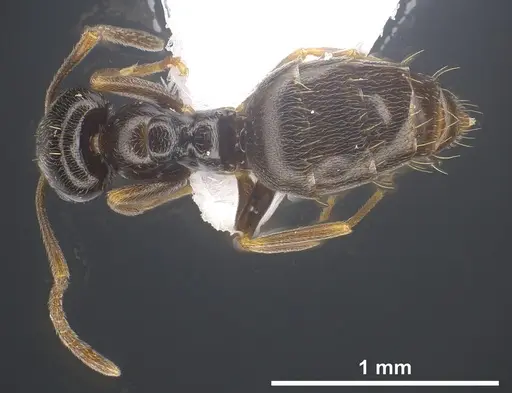
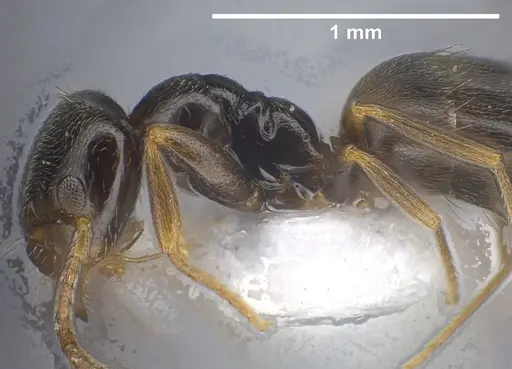
CASENT0763860
View on AntWeb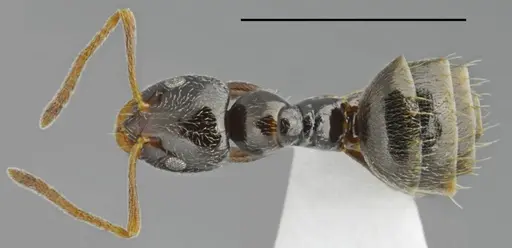
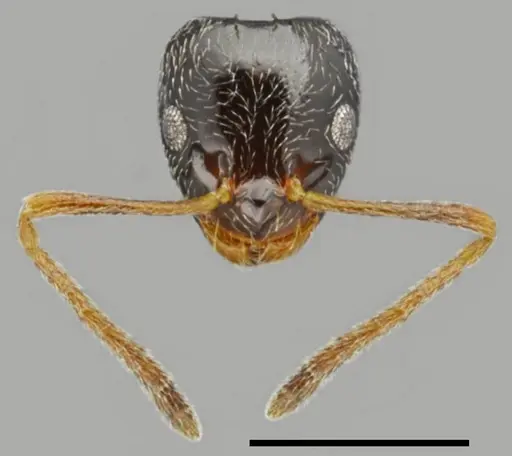
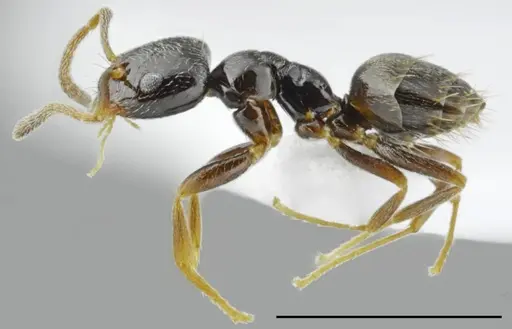
CASENT0906084
View on AntWeb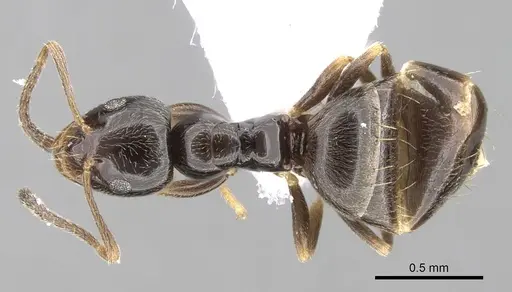
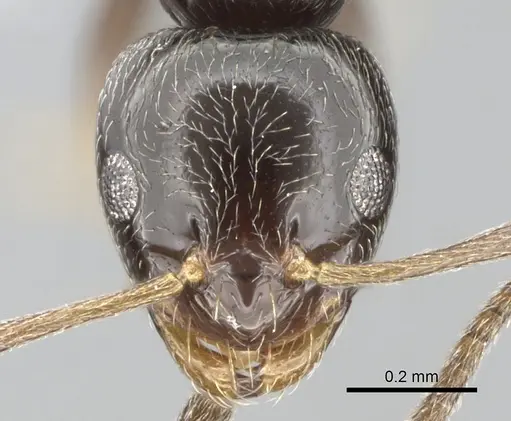
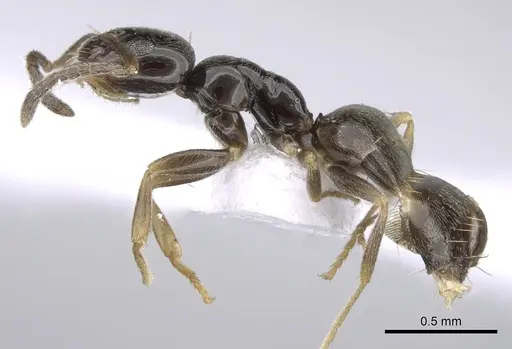
CASENT0912421
View on AntWeb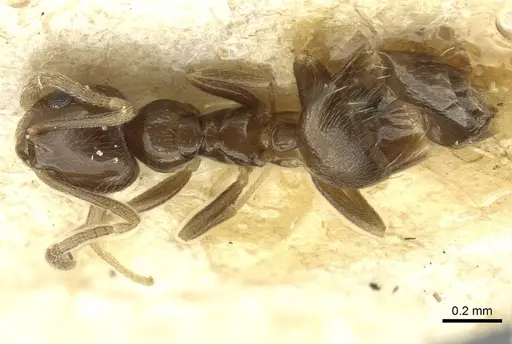
CASENT0912423
View on AntWeb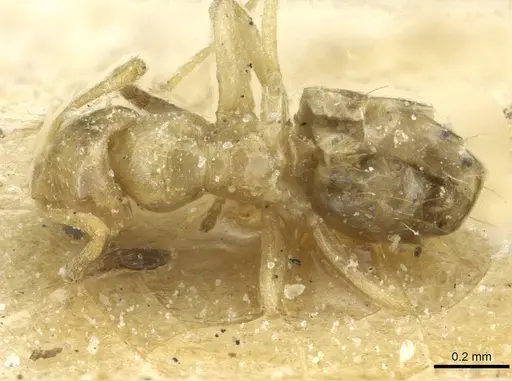
CASENT0912429
View on AntWeb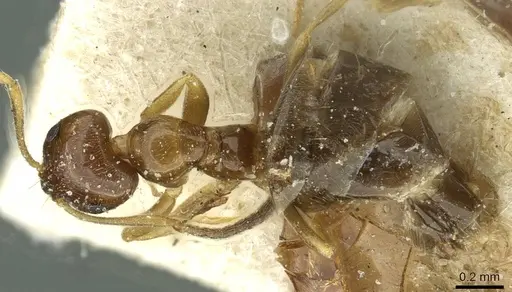
Literature
Loading distribution map...Loading products...